LEMHANNASLEMHANNAS
Jurnal Lemhannas RIJurnal Lemhannas RIThis study proposes an integrative strategic model that aligns corporate vision, mission, and long-term goals with digital transformation, cybersecurity, and sustainability in response to disruption and geopolitical complexity in the Indo-Pacific region. Using a descriptive qualitative method, the study draws on Absorptive Capacity Theory and Actor-Network Theory. Secondary data are analysed through literature and document review to assess how organisations absorb external knowledge and coordinate across sectors to develop resilient strategies. The study identifies a strategic gap between corporate objectives and the implementation of digital and sustainability initiatives. It highlights the urgency of embedding ESG principles, digital security, and adaptive planning into strategic frameworks. The proposed model promotes a learning-oriented and networked organisation capable of aligning operational resilience with long-term goals.
The research underscores the critical need for integrating digital transformation, cybersecurity, and sustainability into corporate strategy, particularly within the context of the Indo-Pacific regions geopolitical complexities.Organizations must cultivate adaptive visions and missions, aligning them with evolving external pressures and stakeholder expectations.Ultimately, a resilient and agile strategic management model, grounded in Absorptive Capacity Theory and Actor-Network Theory, is essential for navigating uncertainty and fostering long-term success.
Further research should investigate the practical challenges of implementing the proposed integrative model across diverse organizational contexts and industries within the Indo-Pacific region, focusing on the specific barriers to aligning strategic objectives with digital and sustainability initiatives. Additionally, studies could explore the role of government policies and regulatory frameworks in incentivizing and supporting corporate adoption of robust cybersecurity measures and ESG principles, examining the effectiveness of different policy instruments in fostering a more resilient and sustainable business environment. Finally, future research should delve into the development of advanced analytical tools and methodologies for assessing and quantifying the impact of digital transformation and sustainability initiatives on long-term corporate value and national resilience, potentially leveraging big data analytics and machine learning techniques to identify emerging risks and opportunities.
- Digital Transformation for Sustainability: A Qualitative Analysis | El hilali | Computer and Information... doi.org/10.5539/cis.v13n3p30Digital Transformation for Sustainability A Qualitative Analysis El hilali Computer and Information doi 10 5539 cis v13n3p30
- Integrating Corporate Strategy with Digital Transformation, Cybersecurity, and Sustainability | Jurnal... jurnal.lemhannas.go.id/index.php/jkl/article/view/1062Integrating Corporate Strategy with Digital Transformation Cybersecurity and Sustainability Jurnal jurnal lemhannas go index php jkl article view 1062
| File size | 1.19 MB |
| Pages | 16 |
| DMCA | Report |
Related /

IAIC PUBLISHERIAIC PUBLISHER Analisis tematik dilakukan untuk mengidentifikasi pola berulang, sementara triangulasi memastikan keandalan temuan. Konsultasi dengan pakar AI dan keuanganAnalisis tematik dilakukan untuk mengidentifikasi pola berulang, sementara triangulasi memastikan keandalan temuan. Konsultasi dengan pakar AI dan keuangan

IAIC PUBLISHERIAIC PUBLISHER Penelitian ini memperkenalkan TV Sekolah, sebuah platform pembelajaran hibrid yang dirancang untuk mengatasi tantangan unik PAUD dengan menggabungkan interaksiPenelitian ini memperkenalkan TV Sekolah, sebuah platform pembelajaran hibrid yang dirancang untuk mengatasi tantangan unik PAUD dengan menggabungkan interaksi
UNPARUNPAR Penelitian ini memanfaatkan machine learning sebagai sistem pendukung keputusan untuk perencanaan lokasi ODP guna mendukung pengambilan keputusan yangPenelitian ini memanfaatkan machine learning sebagai sistem pendukung keputusan untuk perencanaan lokasi ODP guna mendukung pengambilan keputusan yang

STAIMUNSTAIMUN Faktor pendukung meliputi kompetensi pendidik dan dukungan dari pimpinan yayasan, sedangkan tantangan yang dihadapi antara lain persaingan yang ketat danFaktor pendukung meliputi kompetensi pendidik dan dukungan dari pimpinan yayasan, sedangkan tantangan yang dihadapi antara lain persaingan yang ketat dan
SINOMICSJOURNALSINOMICSJOURNAL Namun, tantangan utama terkait kualitas data, keamanan, keandalan model, dan bias algoritma harus dikelola dengan baik melalui kebijakan tata kelola, pengamananNamun, tantangan utama terkait kualitas data, keamanan, keandalan model, dan bias algoritma harus dikelola dengan baik melalui kebijakan tata kelola, pengamanan
SINOMICSJOURNALSINOMICSJOURNAL Mindful parenting juga memiliki pengaruh terbesar pada stres pengasuhan pada aspek strain, yaitu 64. Hal ini berarti bahwa jika orang tua tidak menerapkanMindful parenting juga memiliki pengaruh terbesar pada stres pengasuhan pada aspek strain, yaitu 64. Hal ini berarti bahwa jika orang tua tidak menerapkan

UMSUMS TI memegang peran krusial dalam resolusi konflik pertambangan dengan meningkatkan komunikasi, transparansi, dan proses pengambilan keputusan, sekaligusTI memegang peran krusial dalam resolusi konflik pertambangan dengan meningkatkan komunikasi, transparansi, dan proses pengambilan keputusan, sekaligus
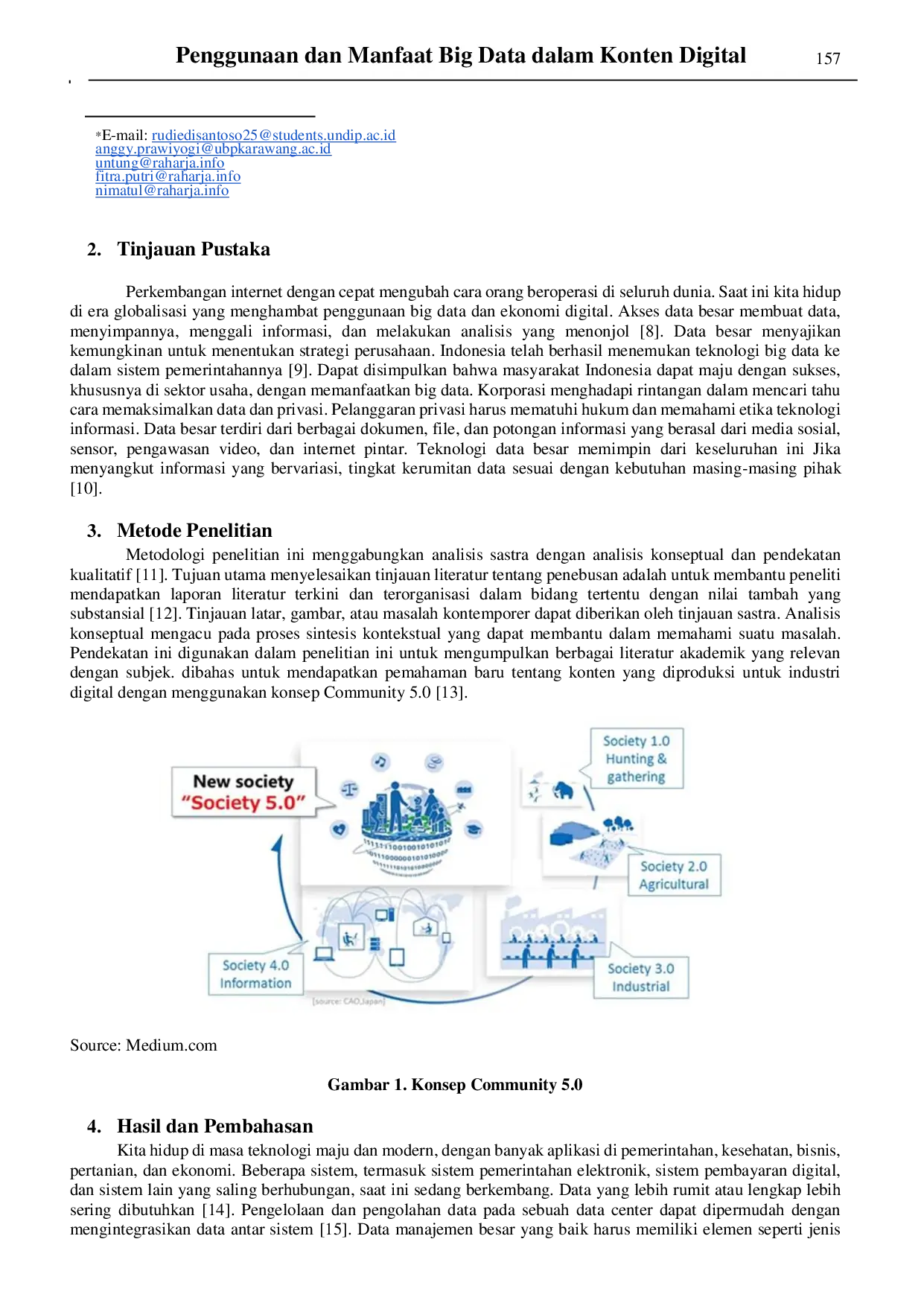
ADI JOURNALADI JOURNAL Indonesia sudah mulai berkembang sebagai hasil dari penggunaan big data baik di sektor korporasi maupun publik. Tantangan yang saat ini ada lebih jauhIndonesia sudah mulai berkembang sebagai hasil dari penggunaan big data baik di sektor korporasi maupun publik. Tantangan yang saat ini ada lebih jauh
Useful /

STAIMUNSTAIMUN Temuan menunjukkan bahwa pesantren dapat melestarikan tradisi Islam sambil menggabungkan inovasi manajemen, terutama di bidang kepemimpinan, manajemenTemuan menunjukkan bahwa pesantren dapat melestarikan tradisi Islam sambil menggabungkan inovasi manajemen, terutama di bidang kepemimpinan, manajemen

SINOMICSJOURNALSINOMICSJOURNAL Moral education, according to Yunahar Ilyas, is the foundation of true happiness in this world and the hereafter and is crucial to overcoming the moralMoral education, according to Yunahar Ilyas, is the foundation of true happiness in this world and the hereafter and is crucial to overcoming the moral

SINOMICSJOURNALSINOMICSJOURNAL Penelitian ini didorong oleh peningkatan kesadaran akan pengelolaan lingkungan melalui pendekatan Masjid Hijau, yang merupakan program strategis mendukungPenelitian ini didorong oleh peningkatan kesadaran akan pengelolaan lingkungan melalui pendekatan Masjid Hijau, yang merupakan program strategis mendukung

SINOMICSJOURNALSINOMICSJOURNAL Temuan utama menunjukkan bahwa penganggaran politik merupakan alat penting yang tidak hanya mendukung fungsi-fungsi pemerintah tetapi juga menjadi pendorongTemuan utama menunjukkan bahwa penganggaran politik merupakan alat penting yang tidak hanya mendukung fungsi-fungsi pemerintah tetapi juga menjadi pendorong