ANTISPUBLISHERANTISPUBLISHER
Journal of Medical Genetics and Clinical BiologyJournal of Medical Genetics and Clinical BiologyObjective: To assess the angiogenic index of PEDF/VEGF in both serum and follicular fluid (FF), and to examine its relationship with oocyte maturation, embryo quality, and pregnancy outcomes in women facing infertility who underwent intracytoplasmic sperm injection (ICSI). Method: A prospective cohort study was conducted on ninety (90) women with infertility undergoing ICSI at the High Institute for Infertility Diagnosis and Assisted Reproductive Technology, Baghdad, Iraq, from November 2023–April 2025. Serum and FF samples were collected on the day of oocyte retrieval. PEDF and VEGF levels were measured using ELISA, and the PEDF/VEGF index was computed. Oocyte maturation, fertilization rate, embryo grading, and pregnancy outcomes were evaluated. Results: No statistically significant differences were found in PEDF levels from serum and FF, VEGF levels, or the PEDF/VEGF index (p > 0.05). The PEDF/VEGF index did not correlate significantly with oocyte factors, including retrieval, metaphase II, and maturation rate. However, significant correlations were observed with early embryology parameters: pronuclei (p = 0.021), Grade 1 embryos (p = 0.03), and fertilization rate (p = 0.04). Serum and FF PEDF/VEGF values were higher in women who achieved pregnancy than those who did not (p = 0.0001). Novelty: The FF PEDF/VEGF index is the first predictive biomarker of ICSI outcomes in the Iraqi population. The index reflects ovarian angiogenic balance and may be a superior predictor of embryo quality and pregnancy rate compared to individual PEDF or VEGF levels.
The PEDF/VEGF index measured in both serum and follicular fluid emerges as a promising biomarker for predicting embryo quality and pregnancy outcomes in IVF.Integrating the assessment of angiogenic factors into clinical practice could enhance individualized IVF strategies and optimize embryo selection.The studys generalizability is restricted due to its single-center setting and modest sample size.
Penelitian lebih lanjut perlu dilakukan untuk memperluas studi ini ke desain multicenter dengan populasi yang lebih besar dan beragam, termasuk tindak lanjut longitudinal untuk menilai kelahiran hidup dan kompetensi embrio. Selain itu, penelitian harus menyelidiki peran faktor-faktor lain, seperti penanda inflamasi dan stres oksidatif, dalam memprediksi hasil IVF. Pertanyaan penelitian yang menarik adalah apakah kombinasi biomarker folikel dan penilaian morfologi embrio dapat meningkatkan akurasi prediksi keberhasilan implantasi. Mengingat temuan bahwa indeks PEDF/VEGF mungkin merupakan prediktor yang menjanjikan, penelitian di masa depan harus fokus pada validasi klinisnya dan pengembangan protokol yang dipersonalisasi berdasarkan profil angiogenik individu pasien. Terakhir, studi lebih lanjut dapat mengeksplorasi potensi intervensi yang menargetkan jalur angiogenik untuk meningkatkan kualitas oosit dan embrio, sehingga meningkatkan hasil reproduksi secara keseluruhan.
| File size | 250.1 KB |
| Pages | 12 |
| DMCA | Report |
Related /
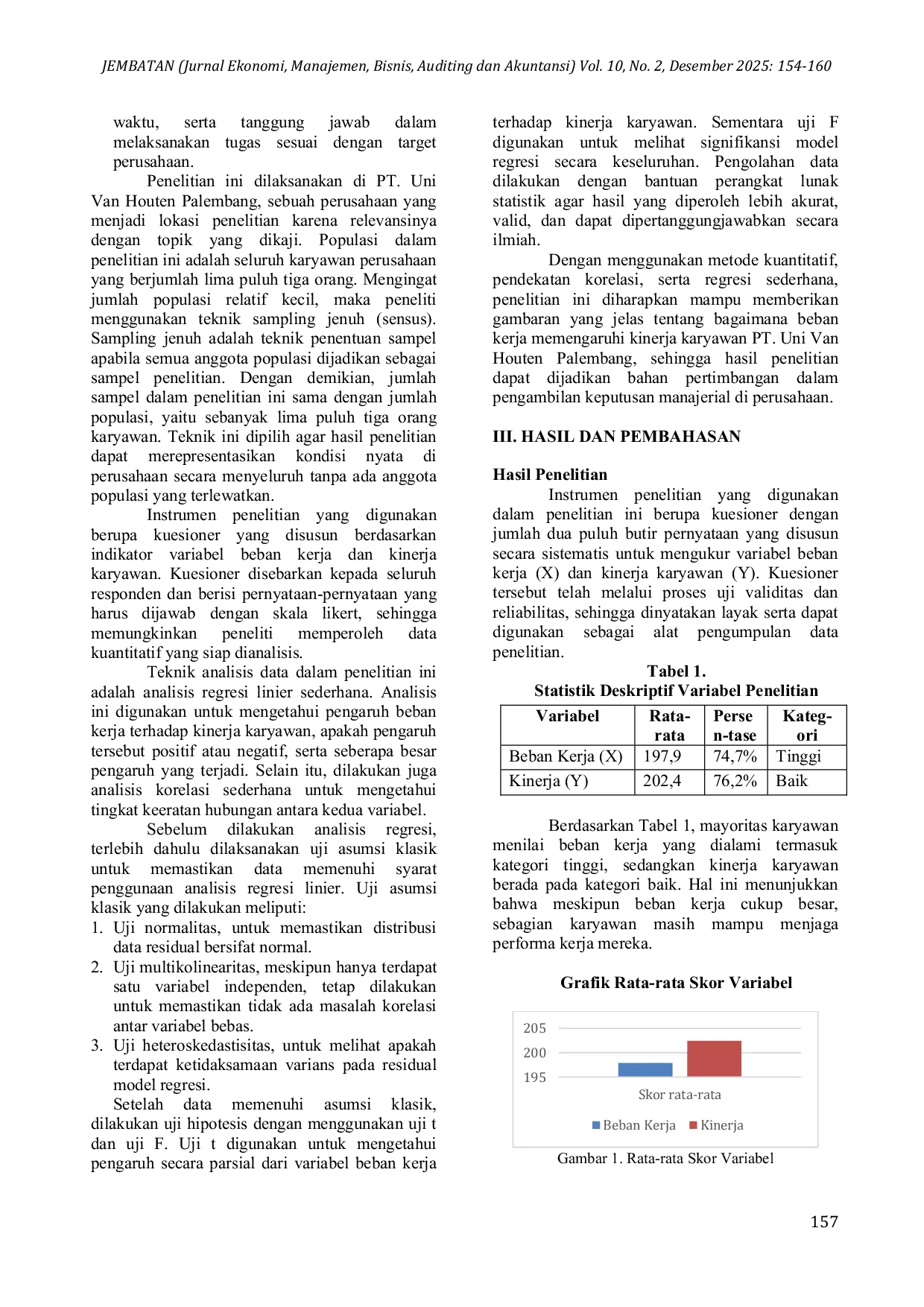
MULIADARMAMULIADARMA Data primer diperoleh melalui observasi, wawancara, dokumentasi, serta kuesioner tertutup yang dibagikan kepada seluruh lima puluh tiga karyawan aktifData primer diperoleh melalui observasi, wawancara, dokumentasi, serta kuesioner tertutup yang dibagikan kepada seluruh lima puluh tiga karyawan aktif

RISETILMIAHRISETILMIAH Pengujian usability menghasilkan skor rata-rata SUS sebesar 86 dengan kategori “Good dan tingkat penerimaan “Acceptable (grade A-). Hasil ini menunjukkanPengujian usability menghasilkan skor rata-rata SUS sebesar 86 dengan kategori “Good dan tingkat penerimaan “Acceptable (grade A-). Hasil ini menunjukkan

STIT ALKIFAYAHRIAUSTIT ALKIFAYAHRIAU Agar penelitian tindakan kelas ini berhasil dengan baik tanpa hambatan yang mengganggu kelancaran penelitian, peneliti menyusun tahapan-tahapan yang dilaluiAgar penelitian tindakan kelas ini berhasil dengan baik tanpa hambatan yang mengganggu kelancaran penelitian, peneliti menyusun tahapan-tahapan yang dilalui

RISETILMIAHRISETILMIAH Implementasi ini memungkinkan analisis kekakuan dan evaluasi kinerja layanan secara komprehensif sejak tahap awal desain. Hasilnya menunjukkan peningkatanImplementasi ini memungkinkan analisis kekakuan dan evaluasi kinerja layanan secara komprehensif sejak tahap awal desain. Hasilnya menunjukkan peningkatan

STIKESMUCISSTIKESMUCIS Balita rentan terhadap gangguan gizi karena pada saat ini mereka membutuhkan gizi untuk pertumbuhan dan perkembangannya. Selain itu, balita sangat pasifBalita rentan terhadap gangguan gizi karena pada saat ini mereka membutuhkan gizi untuk pertumbuhan dan perkembangannya. Selain itu, balita sangat pasif

STIT ALKIFAYAHRIAUSTIT ALKIFAYAHRIAU berikan kesempatan di anak untuk belajar menggunakan gadget untuk belajar dan berinteraksi semenjak dini, pilih software yang sesuai dengan kebutuhan anak-anak,berikan kesempatan di anak untuk belajar menggunakan gadget untuk belajar dan berinteraksi semenjak dini, pilih software yang sesuai dengan kebutuhan anak-anak,

STIT ALKIFAYAHRIAUSTIT ALKIFAYAHRIAU Penelitian ini dilatarbelakangi oleh rendahnya kemampuan bercerita anak di sekolah tersebut. Penelitian ini bertujuan untuk mengetahui bagaimana efektivitasPenelitian ini dilatarbelakangi oleh rendahnya kemampuan bercerita anak di sekolah tersebut. Penelitian ini bertujuan untuk mengetahui bagaimana efektivitas

STIT ALKIFAYAHRIAUSTIT ALKIFAYAHRIAU Hasil penelitian menunjukkan perkembangan seni anak sebelum pelaksanaan motode bermain peran diperoleh nilai rata-rata sebesar 59. Proses pelaksanaan metodeHasil penelitian menunjukkan perkembangan seni anak sebelum pelaksanaan motode bermain peran diperoleh nilai rata-rata sebesar 59. Proses pelaksanaan metode
Useful /

4141 Permasalahan yang terjadi pada pedagang ikan yaitu harga ikan yang mengalami fluktuasi dan tidak tersedianya data mengenai modal usaha dan keuntungan pedagangPermasalahan yang terjadi pada pedagang ikan yaitu harga ikan yang mengalami fluktuasi dan tidak tersedianya data mengenai modal usaha dan keuntungan pedagang
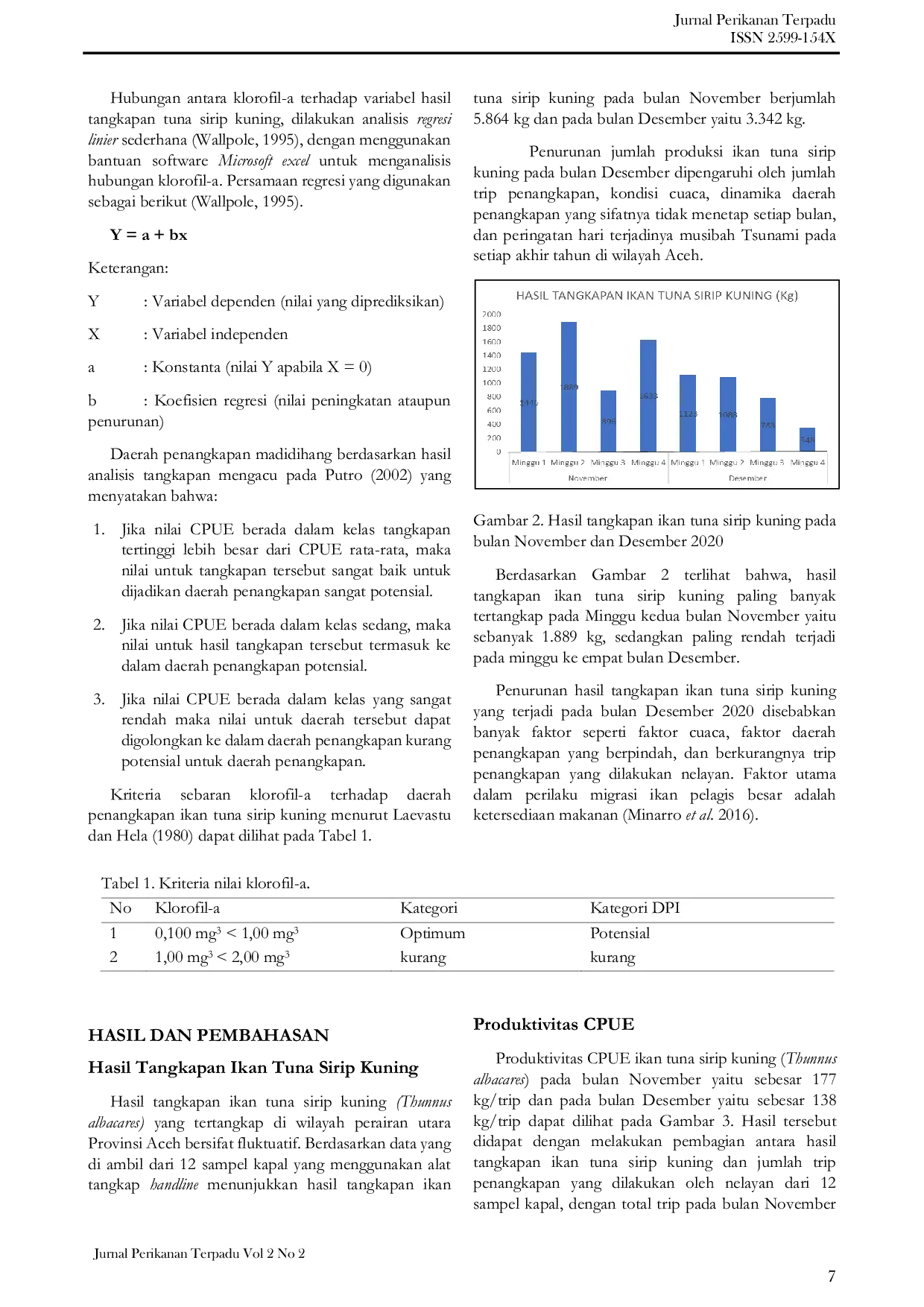
4141 Sebaran kandungan klorofil-a pada bulan November relatif tinggi yaitu berkisar antara 0,189-1,082 mg/m3 dengan rata-rata 0,635 mg/m3 dan pada bulan DesemberSebaran kandungan klorofil-a pada bulan November relatif tinggi yaitu berkisar antara 0,189-1,082 mg/m3 dengan rata-rata 0,635 mg/m3 dan pada bulan Desember
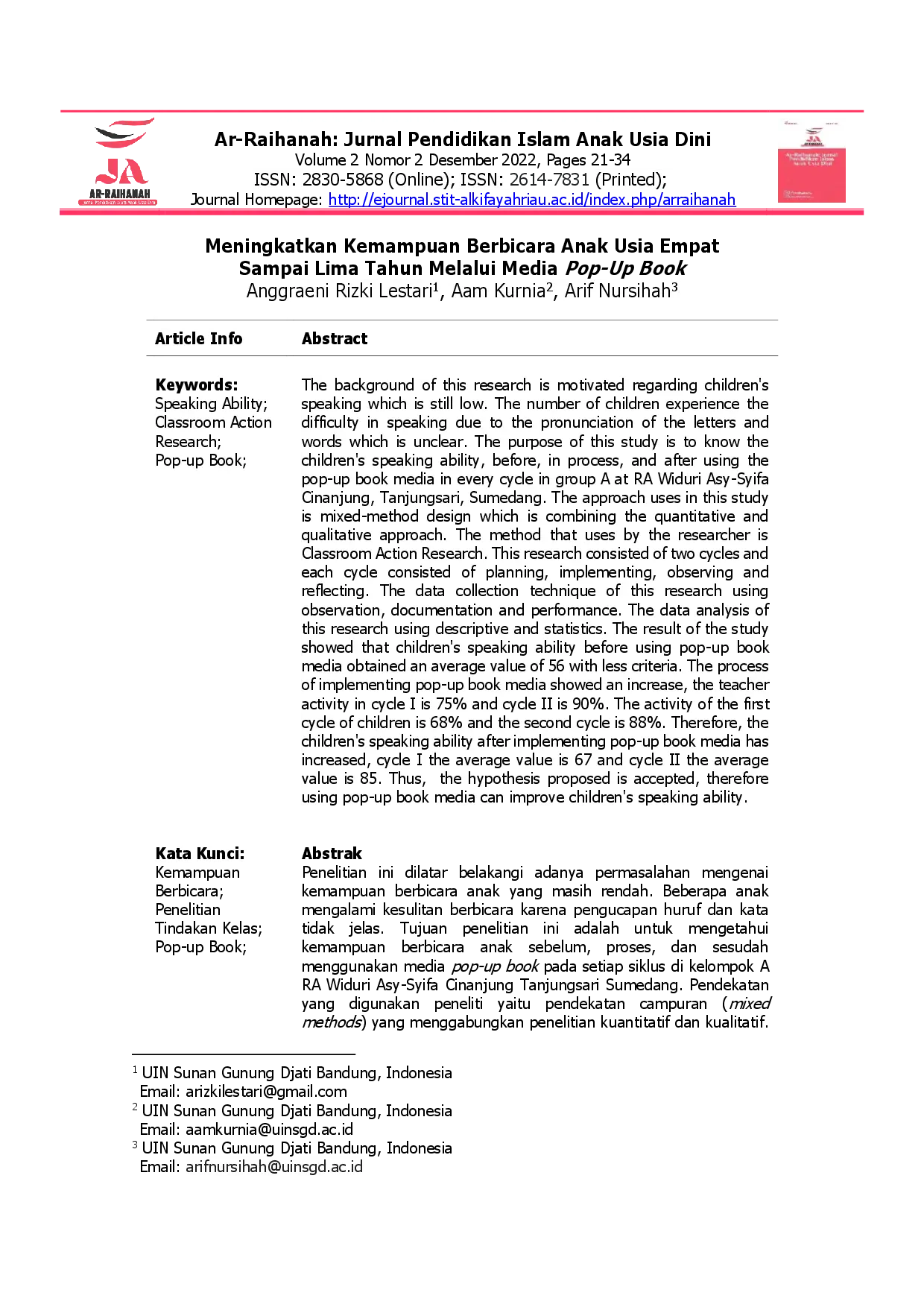
STIT ALKIFAYAHRIAUSTIT ALKIFAYAHRIAU Beberapa anak mengalami kesulitan berbicara karena pengucapan huruf dan kata tidak jelas. Tujuan penelitian ini adalah untuk mengetahui kemampuan berbicaraBeberapa anak mengalami kesulitan berbicara karena pengucapan huruf dan kata tidak jelas. Tujuan penelitian ini adalah untuk mengetahui kemampuan berbicara

IAIN SUIAIN SU Dalam perspektif Islam, manusia diharapkan mampu membina relasi yang harmonis bukan saja dengan Allah sebagai pencipta, dengan manusia lainnya, tetapiDalam perspektif Islam, manusia diharapkan mampu membina relasi yang harmonis bukan saja dengan Allah sebagai pencipta, dengan manusia lainnya, tetapi