LMULMU
Buletin Profesi InsinyurBuletin Profesi InsinyurActivated carbon derived from Kalakai (Stenochlaena palustris) was synthesized using nitric acid (HNO₃) as an activating agent at varying concentrations (0.5, 1, and 2 M) to investigate the potential of wetland plant-derived materials for supercapacitor electrodes. The synthesis involved a combined thermal and chemical activation process: first, chemical activation was carried out using a reflux system, followed by thermal activation at 600°C for 1 h under a nitrogen (N₂) atmosphere. The influence of HNO₃ concentration on the electrochemical performance of the resulting activated carbon was systematically evaluated. Electrochemical characterization revealed that the sample activated with 2 M HNO₃ (denoted as Ac-HNO₃/2) exhibited the most favorable supercapacitor performance, achieving a specific capacitance of 12.96 F g⁻¹ and an internal resistance (Rₑₜ) of 14.44 Ω. These findings demonstrate that Kalakai-derived activated carbon holds significant promise as an electrode material for energy storage applications.
The effect of activating agent concentrations on physico-chemical and electrochemical properties of Kalakai-based activated carbon was comparatively evaluated.Results pointed out that the amount of chemical reagent (HNO3) used at the impregnation step markedly influenced the main characteristic of the activated carbon.The utilization of HNO3 as activating agent could generate and enhance the oxygen-containing functionalities on surface of Kalakai particles which gives positive impact on electrochemical properties.The best performance as electrode for supercapacitor was exhibited by carbon material which was modified by HNO3 2M (Ac-HNO₃/2).The Ac-HNO₃/2 sample yielded a specific capacitance of 12.9 F g⁻¹ and a relatively low charge transfer resistance (Rct) of 14.These results position Kalakai-derived activated carbon as a viable electrode material for supercapacitor applications.
Berdasarkan penelitian ini, terdapat beberapa arah penelitian lanjutan yang menjanjikan. Pertama, optimasi parameter proses aktivasi, seperti rasio Kalakai terhadap HNO₃, suhu, dan waktu aktivasi, dapat dilakukan untuk meningkatkan karakteristik pori dan luas permukaan karbon aktif, sehingga meningkatkan kinerja superkapasitor. Kedua, eksplorasi elektrolit yang berbeda, termasuk elektrolit padat atau elektrolit berbasis ion cair, dapat meningkatkan jendela potensial dan stabilitas siklus superkapasitor berbasis karbon aktif Kalakai. Ketiga, modifikasi permukaan karbon aktif dengan heteroatom seperti nitrogen atau sulfur dapat meningkatkan kapasitas dan konduktivitas material, sehingga meningkatkan kinerja superkapasitor secara keseluruhan. Kombinasi dari ketiga saran ini diharapkan dapat menghasilkan material superkapasitor yang lebih efisien, stabil, dan berkelanjutan, membuka jalan bagi aplikasi energi yang lebih luas.
| File size | 761.93 KB |
| Pages | 8 |
| DMCA | Report |
Related /
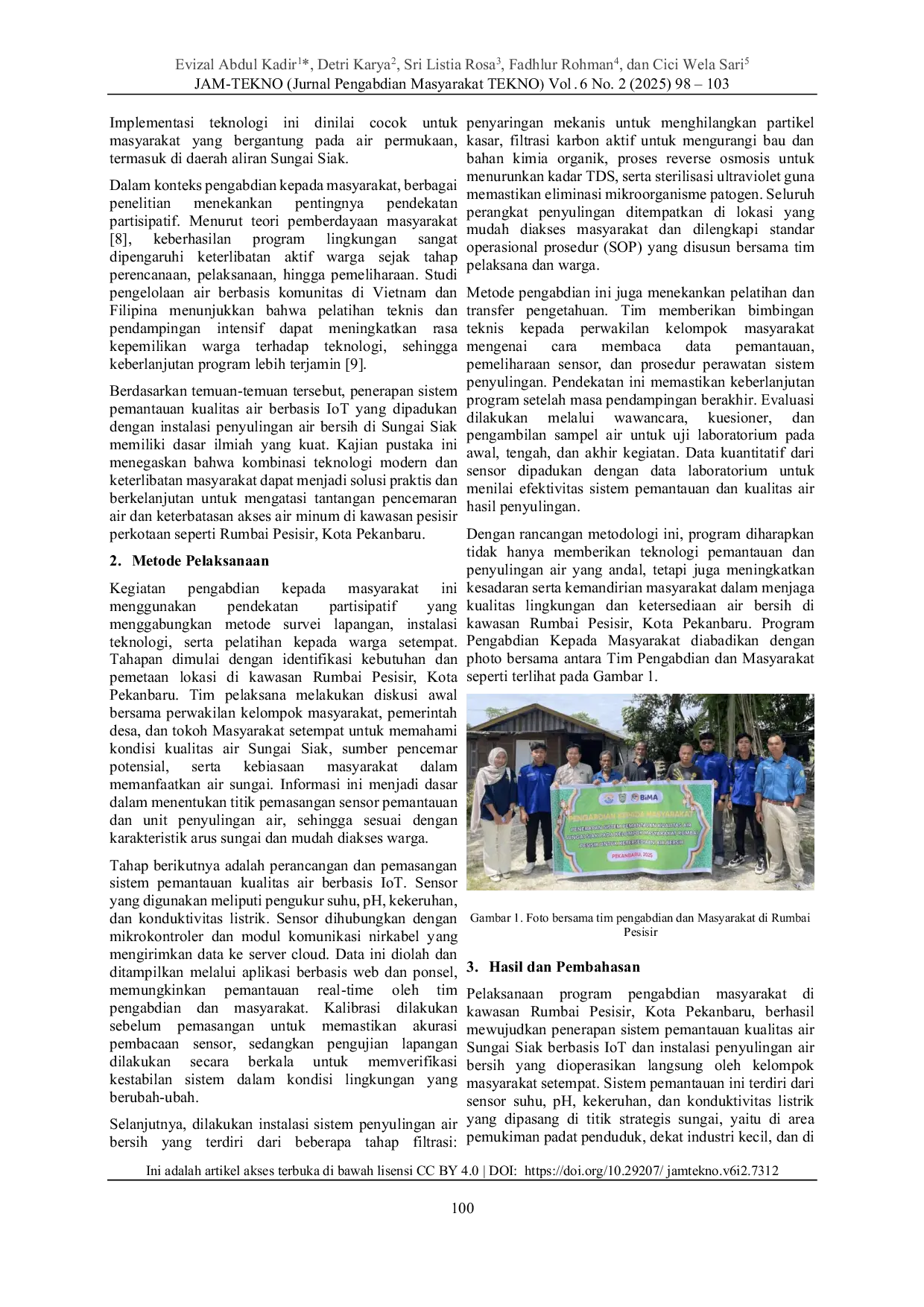
IAIIIAII Unit penyulingan yang dipasang di balai warga menghasilkan air dengan kualitas yang memenuhi standar air minum rumah tangga, memberikan alternatif sumberUnit penyulingan yang dipasang di balai warga menghasilkan air dengan kualitas yang memenuhi standar air minum rumah tangga, memberikan alternatif sumber
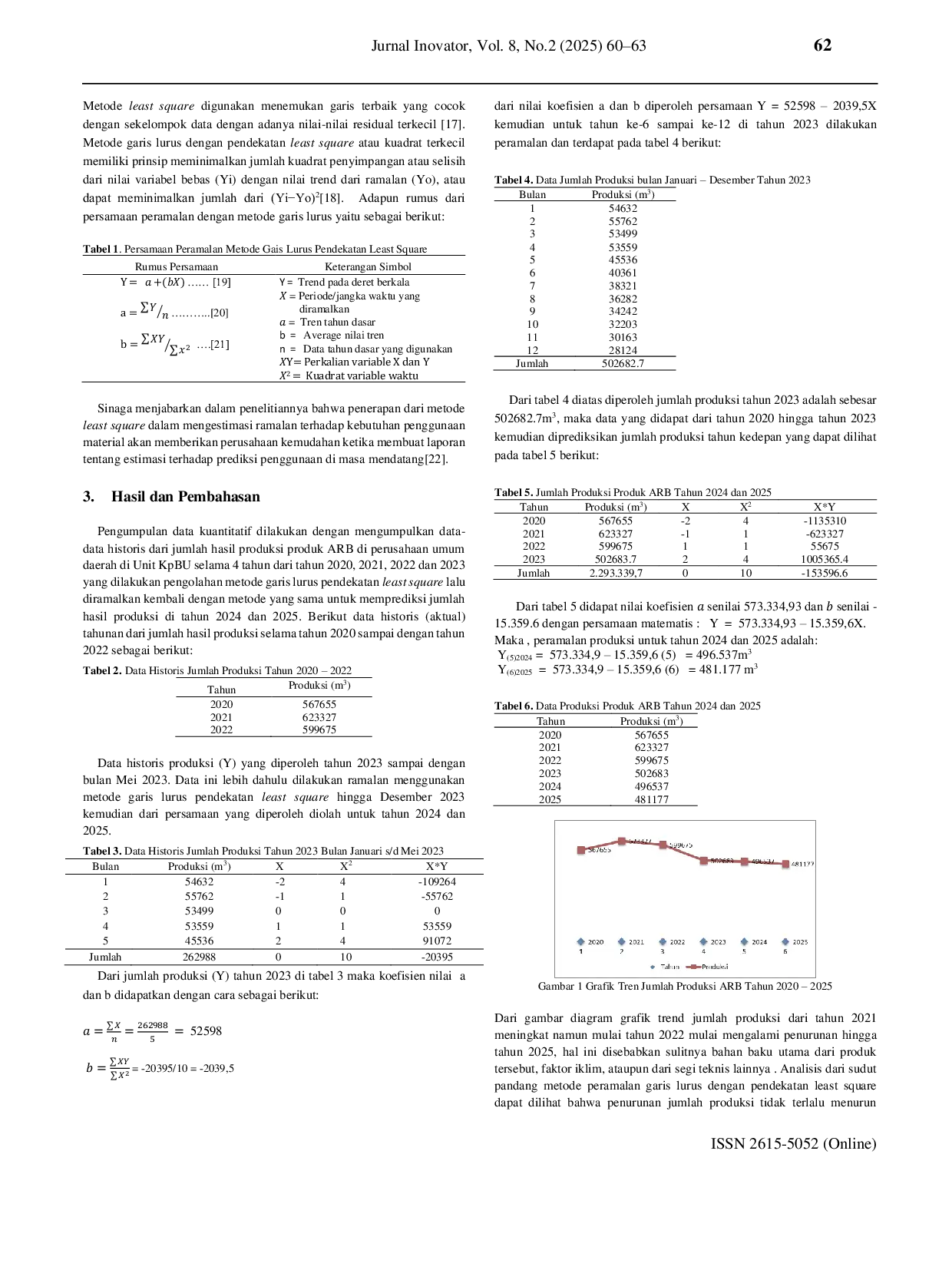
POLITEKNIKJAMBIPOLITEKNIKJAMBI Penelitian ini berguna dalam memprediksi hasil produksi di masa yang akan datang sehingga nantinya dapat membantu pihak manajemen perusahaan dalam menentukanPenelitian ini berguna dalam memprediksi hasil produksi di masa yang akan datang sehingga nantinya dapat membantu pihak manajemen perusahaan dalam menentukan
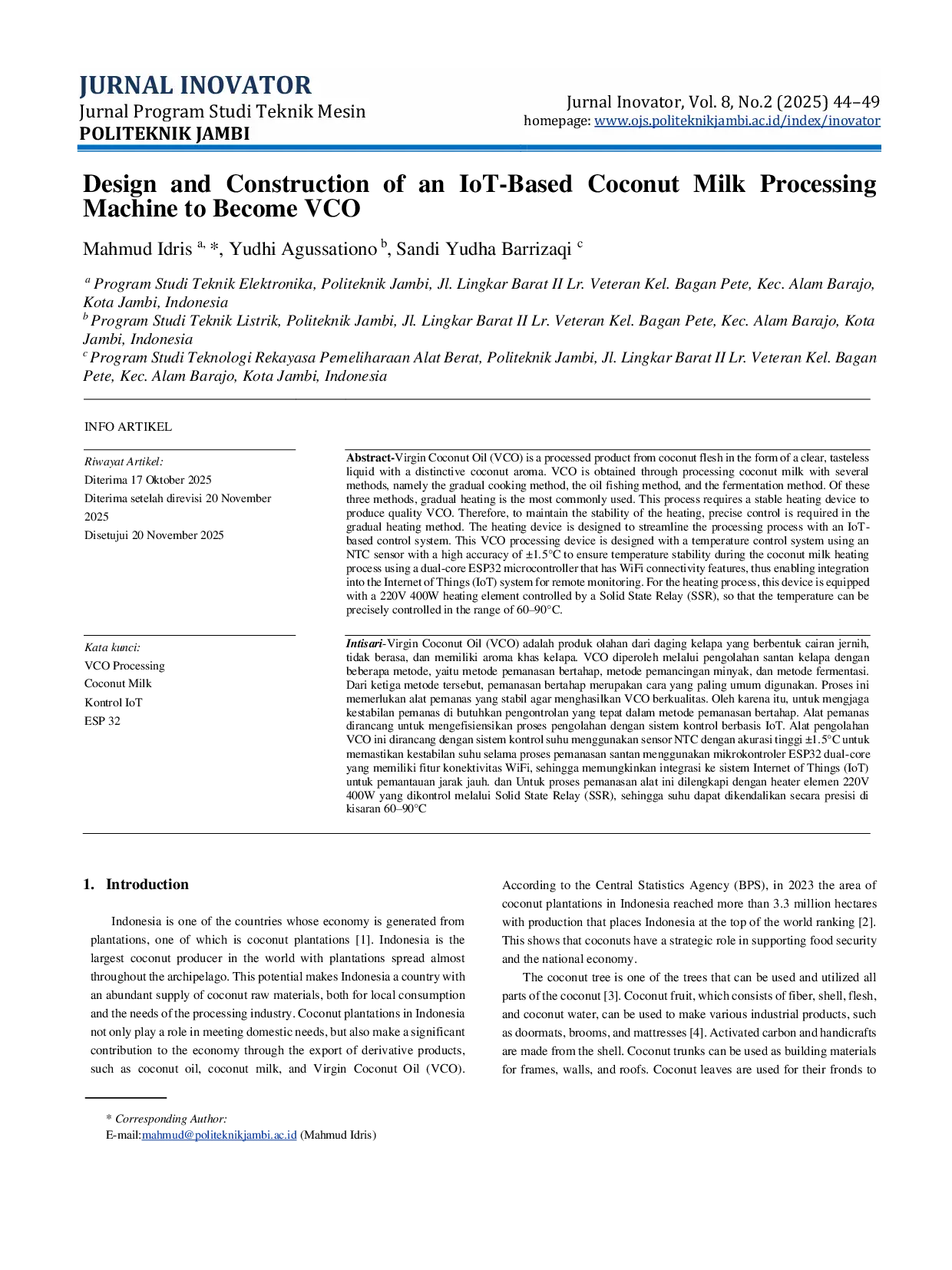
POLITEKNIKJAMBIPOLITEKNIKJAMBI Proses ini memerlukan alat pemanas yang stabil agar menghasilkan VCO berkualitas. Oleh karena itu, untuk mengjaga kestabilan pemanas di butuhkan pengontrolanProses ini memerlukan alat pemanas yang stabil agar menghasilkan VCO berkualitas. Oleh karena itu, untuk mengjaga kestabilan pemanas di butuhkan pengontrolan
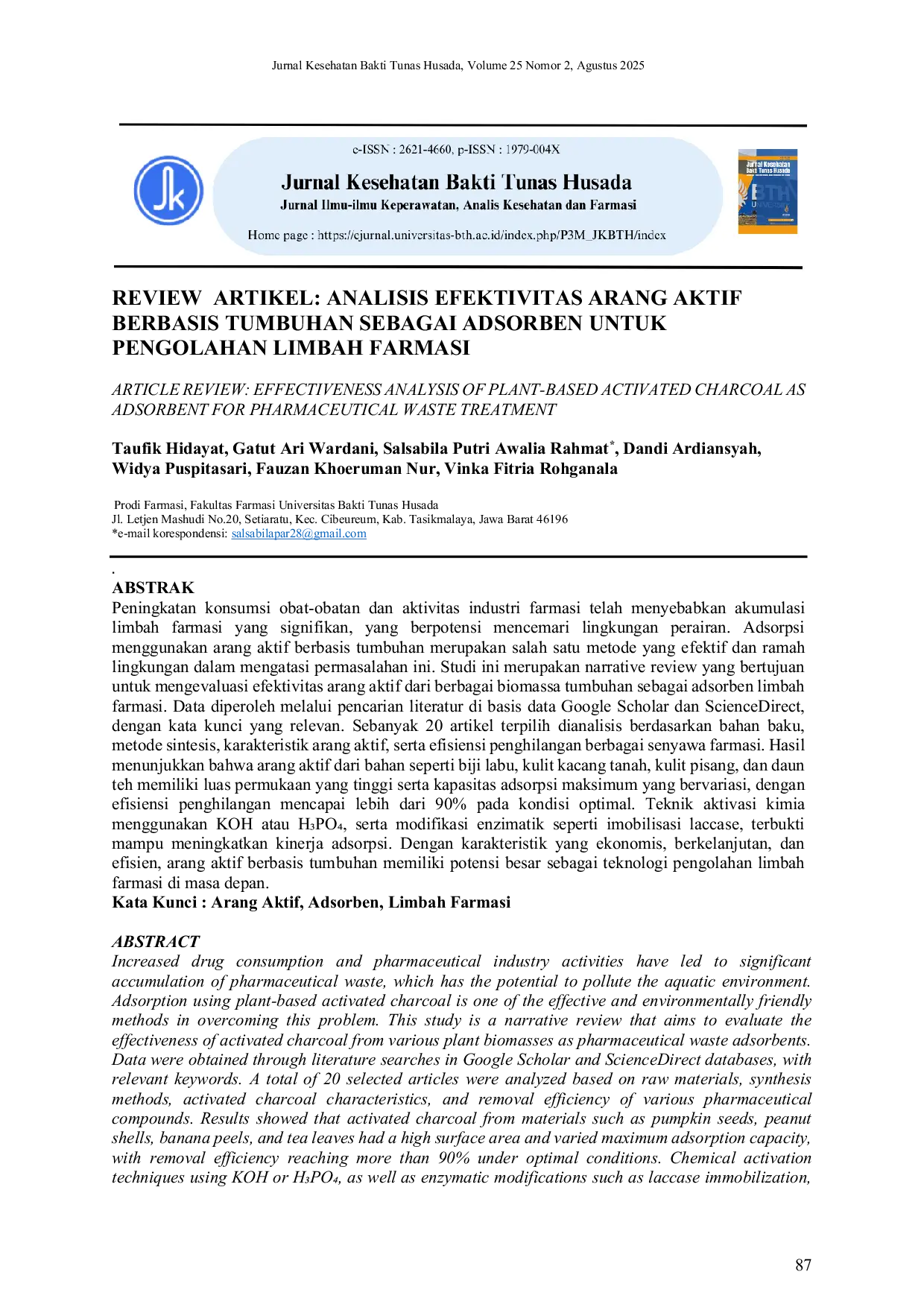
UNIVERSITAS BTHUNIVERSITAS BTH Peningkatan konsumsi obat-obatan dan aktivitas industri farmasi telah menyebabkan akumulasi limbah farmasi yang signifikan, yang berpotensi mencemari lingkunganPeningkatan konsumsi obat-obatan dan aktivitas industri farmasi telah menyebabkan akumulasi limbah farmasi yang signifikan, yang berpotensi mencemari lingkungan

PNCPNC Permasalahan pengguna dalam menggunakan aplikasi Grabag Guide terletak pada kompatibilitas perangkat di dalam instalasi. Pengguna dengan sistem operasiPermasalahan pengguna dalam menggunakan aplikasi Grabag Guide terletak pada kompatibilitas perangkat di dalam instalasi. Pengguna dengan sistem operasi

PNCPNC Hasil uji coba menunjukkan bahwa akurasi aplikasi dalam memberikan rekomendasi kebutuhan lumen lampu dan exhaust fan sangat tinggi, dengan rata-rata kesalahanHasil uji coba menunjukkan bahwa akurasi aplikasi dalam memberikan rekomendasi kebutuhan lumen lampu dan exhaust fan sangat tinggi, dengan rata-rata kesalahan
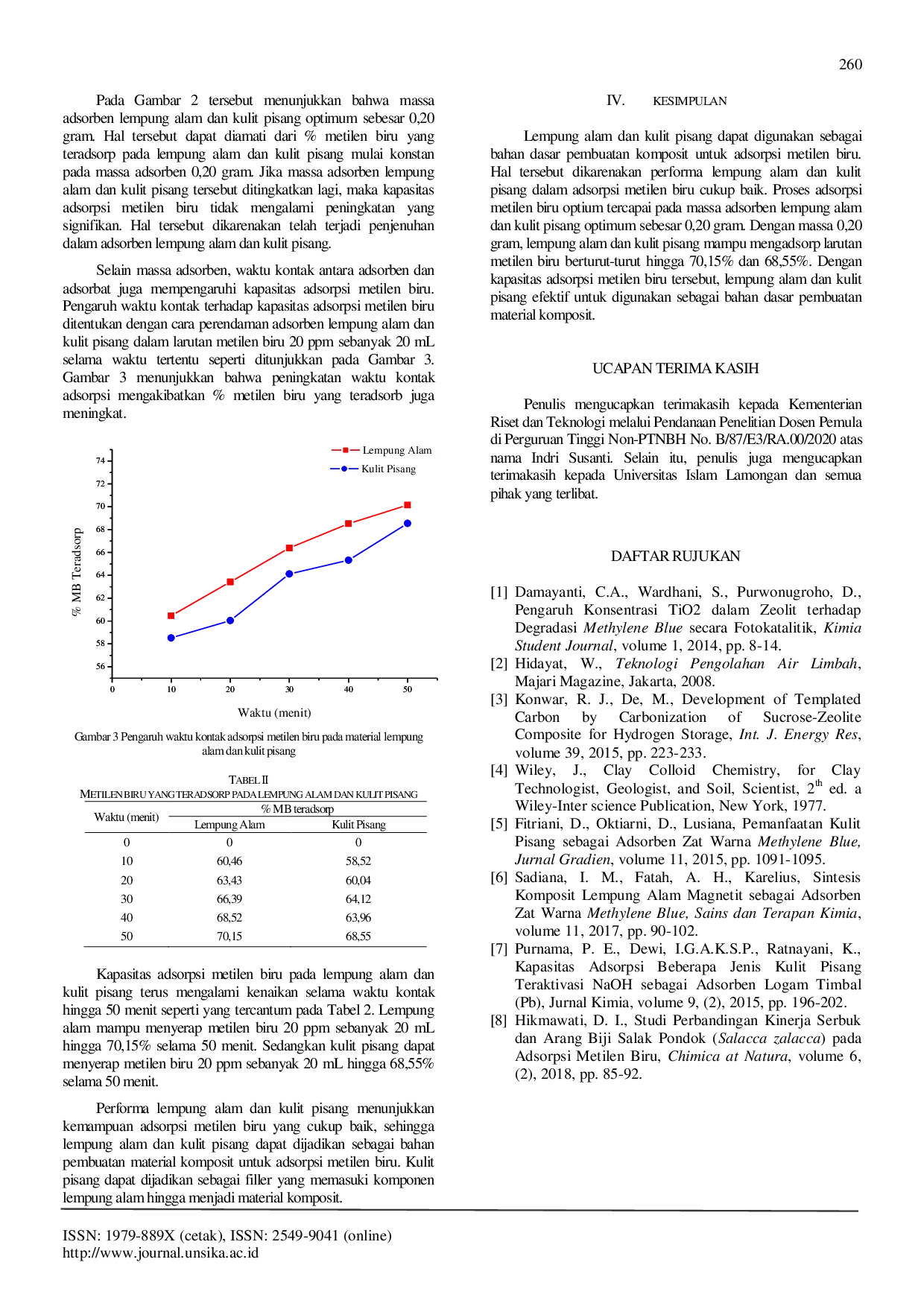
UNSIKAUNSIKA Hal tersebut dikarenakan performa lempung alam dan kulit pisang dalam adsorpsi metilen biru cukup baik. Proses adsorpsi metilen biru optimum tercapai padaHal tersebut dikarenakan performa lempung alam dan kulit pisang dalam adsorpsi metilen biru cukup baik. Proses adsorpsi metilen biru optimum tercapai pada
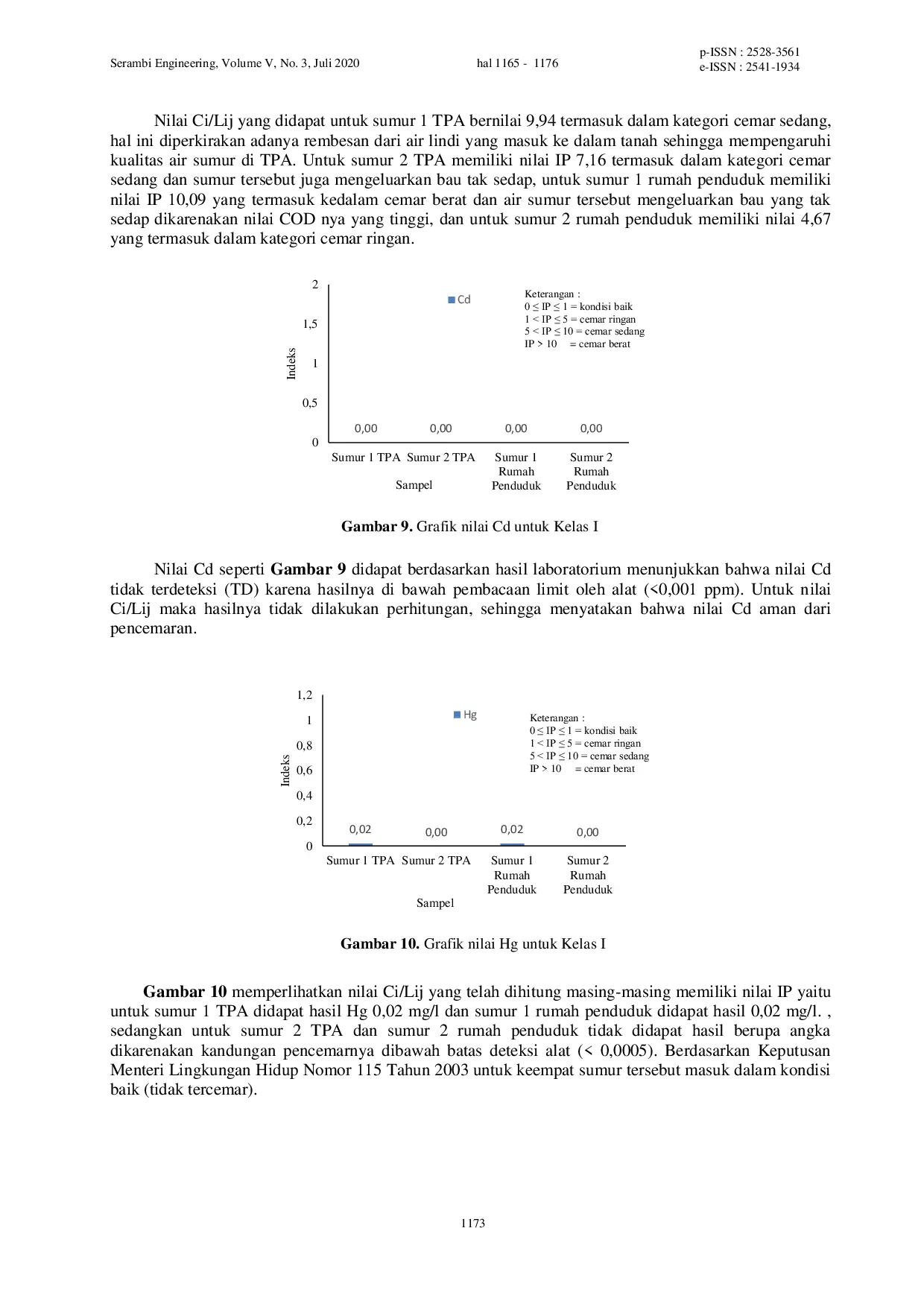
SERAMBI MEKKAHSERAMBI MEKKAH Analisis dilakukan dengan mengaitkan kondisi eksisting sesuai dengan Permen PU No. 3/PRT/M/2013, sedangkan untuk nilai Index Pollution (IP) dianalisisAnalisis dilakukan dengan mengaitkan kondisi eksisting sesuai dengan Permen PU No. 3/PRT/M/2013, sedangkan untuk nilai Index Pollution (IP) dianalisis
Useful /
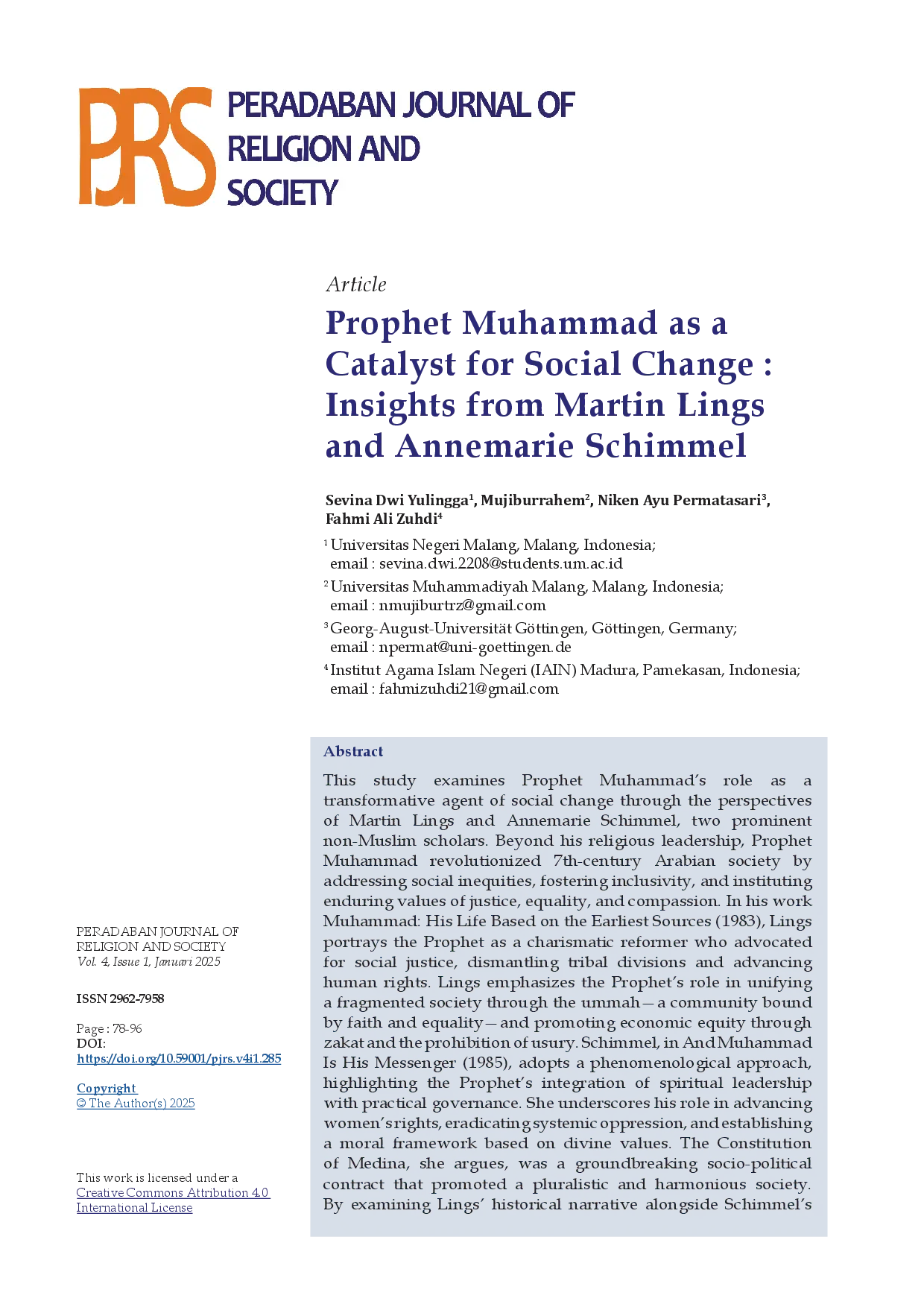
PERADABANPUBLISHINGPERADABANPUBLISHING Penjelajahan interdisipliner ini mengungkap dampak abadi kepemimpinan Nabi Muhammad sebagai penyatu dan panutan untuk tata kelola etis, melampaui batasanPenjelajahan interdisipliner ini mengungkap dampak abadi kepemimpinan Nabi Muhammad sebagai penyatu dan panutan untuk tata kelola etis, melampaui batasan
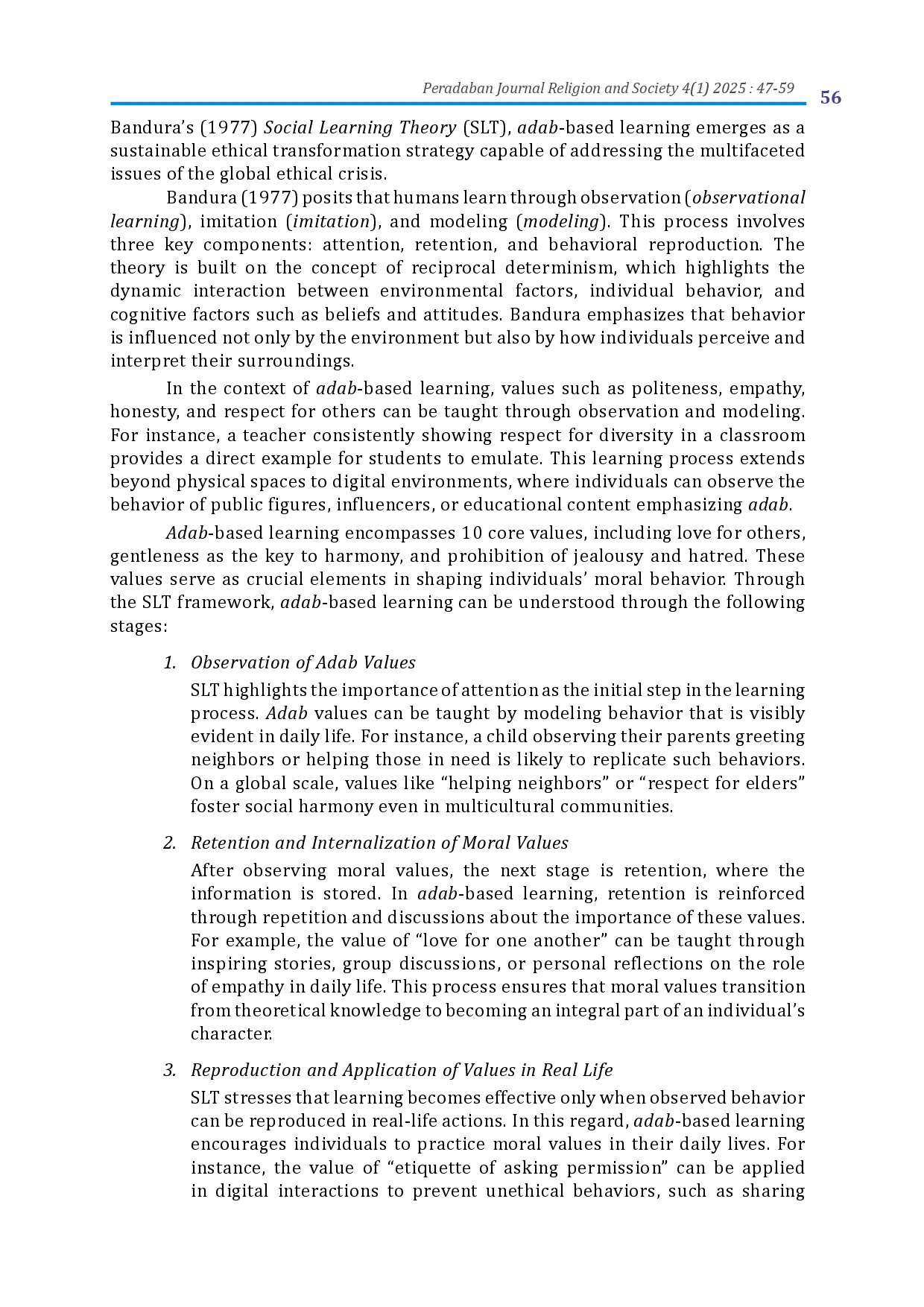
PERADABANPUBLISHINGPERADABANPUBLISHING Dengan demikian, penerapan nilai-nilai adab dalam pendidikan sangat penting untuk mengembangkan individu yang memiliki akhlak mulia dan mampu berkontribusiDengan demikian, penerapan nilai-nilai adab dalam pendidikan sangat penting untuk mengembangkan individu yang memiliki akhlak mulia dan mampu berkontribusi
PERADABANPUBLISHINGPERADABANPUBLISHING The findings demonstrate that the mosque plays a crucial role in mitigating prejudice, promoting solidarity, fostering a sense of belonging among migrantThe findings demonstrate that the mosque plays a crucial role in mitigating prejudice, promoting solidarity, fostering a sense of belonging among migrant
UNSIKAUNSIKA Limbah agroindustri yang digunakan berupa bagas, jerami padi, dan batang jagung. Limbah digunakan sebagai biomassa dan diolah untuk mengekstrak selulosaLimbah agroindustri yang digunakan berupa bagas, jerami padi, dan batang jagung. Limbah digunakan sebagai biomassa dan diolah untuk mengekstrak selulosa