MAHARDIKAMAHARDIKA
Jurnal Kesehatan MahardikaJurnal Kesehatan MahardikaMalaria continues to impact the health and economies of people around the world. Further steps need to be taken in accordance with the Global Technical Strategy for malaria to prevent malaria transmission. Quintuple helix model is an integrated effort that involves cross-sectoral collaboration in controlling malaria cases in an area. The implementation of the quintuple helix model is expected to be used as consideration and input for policy makers in an effort to achieve malaria elimination in Indonesia by 2030. This study uses a systematic review narrative method to identify study topics selectively on interesting and recent issues. Malaria control in Indonesia is carried out using the national resilience approach. The results obtained from the academic aspect for malaria control must be met, both in terms of educational background qualifications, from the industrial aspect of the economic system included in the quintuple helix model, from the government aspect the control program must be compiled under the Ministry of Health, from the media aspect where the media is one of the an important index in the management of malaria in an area, and from an environmental aspect that aims to prevent, limit vector breeding and reduce mosquito contact with humans. The quintuple helix model is expected to be an innovation in malaria control in Indonesia. By involving academia and social community, industry, government, environmental engineering, and the media. It is hoped that each sector can provide roles that are in accordance with their duties and functions.
The quintuple helix model requires assessing the need for vector control capabilities through policy requirements, reforms and adjustments to the policy framework that provides an enabling environment for vector control.The model emphasizes collaboration between sectors to effectively address malaria, moving beyond the traditional focus solely on the health sector.Ultimately, the quintuple helix model bridges social ecology with knowledge production and innovation, fostering a sustainable approach to malaria elimination and a balanced relationship between society and the environment.
Berdasarkan hasil tinjauan naratif ini, beberapa saran penelitian lanjutan dapat diajukan untuk memperkuat upaya eliminasi malaria di Indonesia. Pertama, penelitian perlu dilakukan untuk mengeksplorasi secara mendalam bagaimana model quintuple helix dapat diadaptasi dan diimplementasikan secara efektif di berbagai konteks geografis dan sosial-budaya di Indonesia, dengan mempertimbangkan karakteristik unik dari setiap daerah. Kedua, studi lebih lanjut diperlukan untuk mengidentifikasi dan mengevaluasi peran spesifik masing-masing sektor (akademisi, industri, pemerintah, media, dan masyarakat) dalam implementasi model quintuple helix, serta bagaimana sinergi antar sektor dapat ditingkatkan. Ketiga, penelitian perlu difokuskan pada pengembangan dan pengujian intervensi berbasis lingkungan yang inovatif dan berkelanjutan, yang terintegrasi dengan pendekatan quintuple helix, untuk mengendalikan vektor malaria dan mengurangi risiko penularan, dengan mempertimbangkan dampak perubahan iklim dan faktor lingkungan lainnya. Penelitian-penelitian ini diharapkan dapat memberikan kontribusi signifikan terhadap pengembangan strategi eliminasi malaria yang lebih komprehensif, adaptif, dan berkelanjutan di Indonesia.
| File size | 200.13 KB |
| Pages | 9 |
| DMCA | Report |
Related /
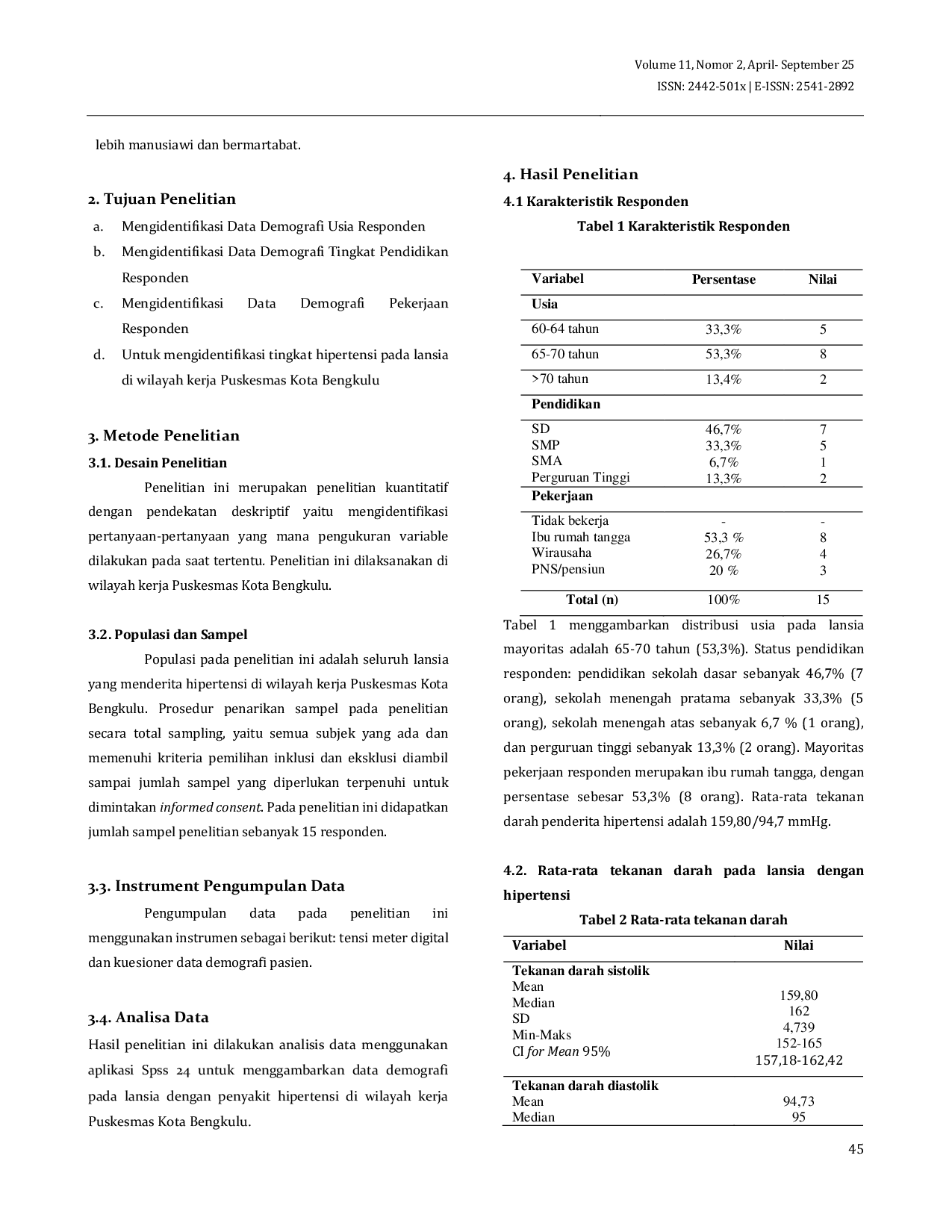
HUSADA KARYAJAYAHUSADA KARYAJAYA Mayoritas responden memiliki tingkat pendidikan sekolah dasar (46,7%), diikuti oleh sekolah menengah pertama (33,3%), perguruan tinggi (13,3%), dan sekolahMayoritas responden memiliki tingkat pendidikan sekolah dasar (46,7%), diikuti oleh sekolah menengah pertama (33,3%), perguruan tinggi (13,3%), dan sekolah
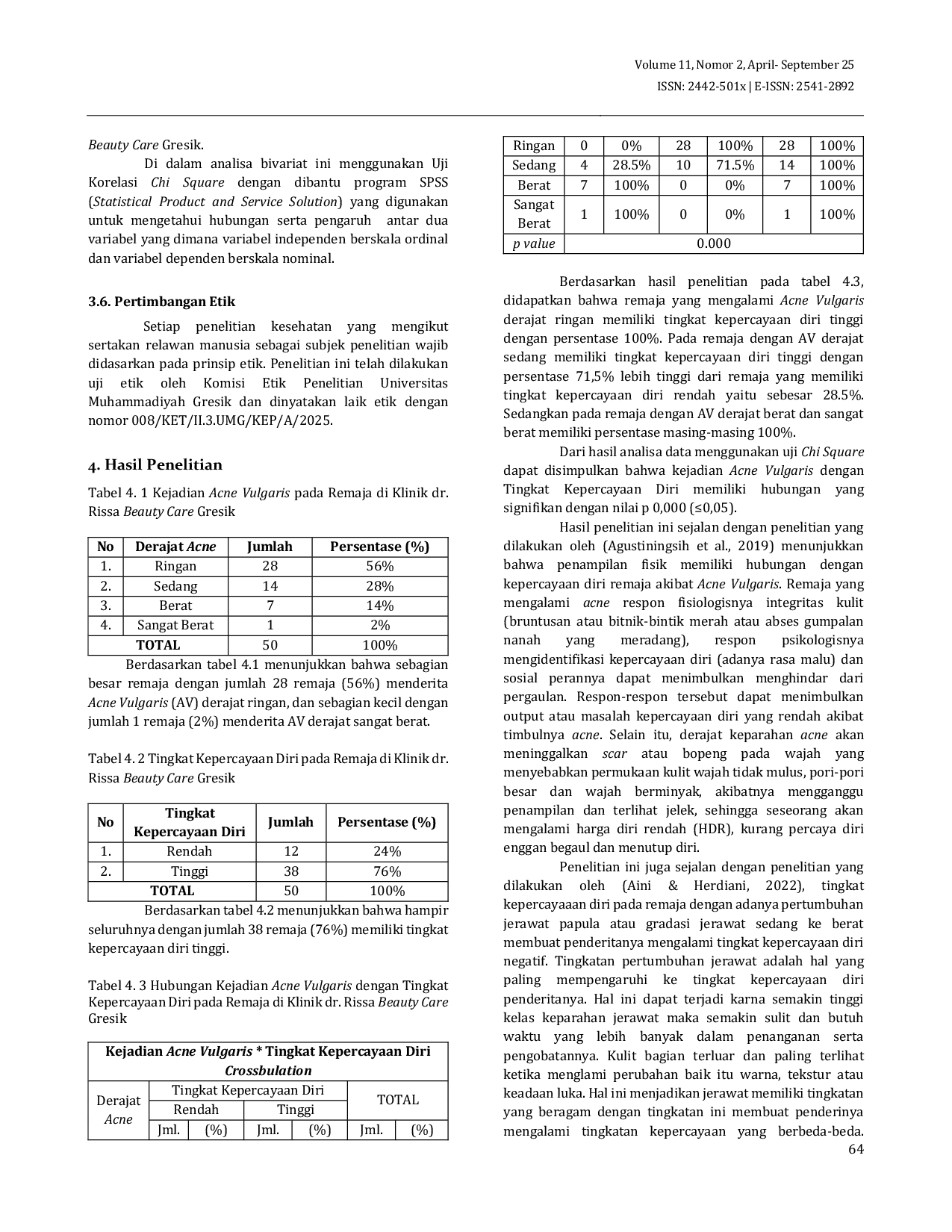
HUSADA KARYAJAYAHUSADA KARYAJAYA Data yang diambil yakni kejadian Acne Vulgaris dan tingkat kepercayaan diri pada remaja di Klinik dr. Rissa Beauty Care Gresik pada bulan Maret 2025. SampelData yang diambil yakni kejadian Acne Vulgaris dan tingkat kepercayaan diri pada remaja di Klinik dr. Rissa Beauty Care Gresik pada bulan Maret 2025. Sampel
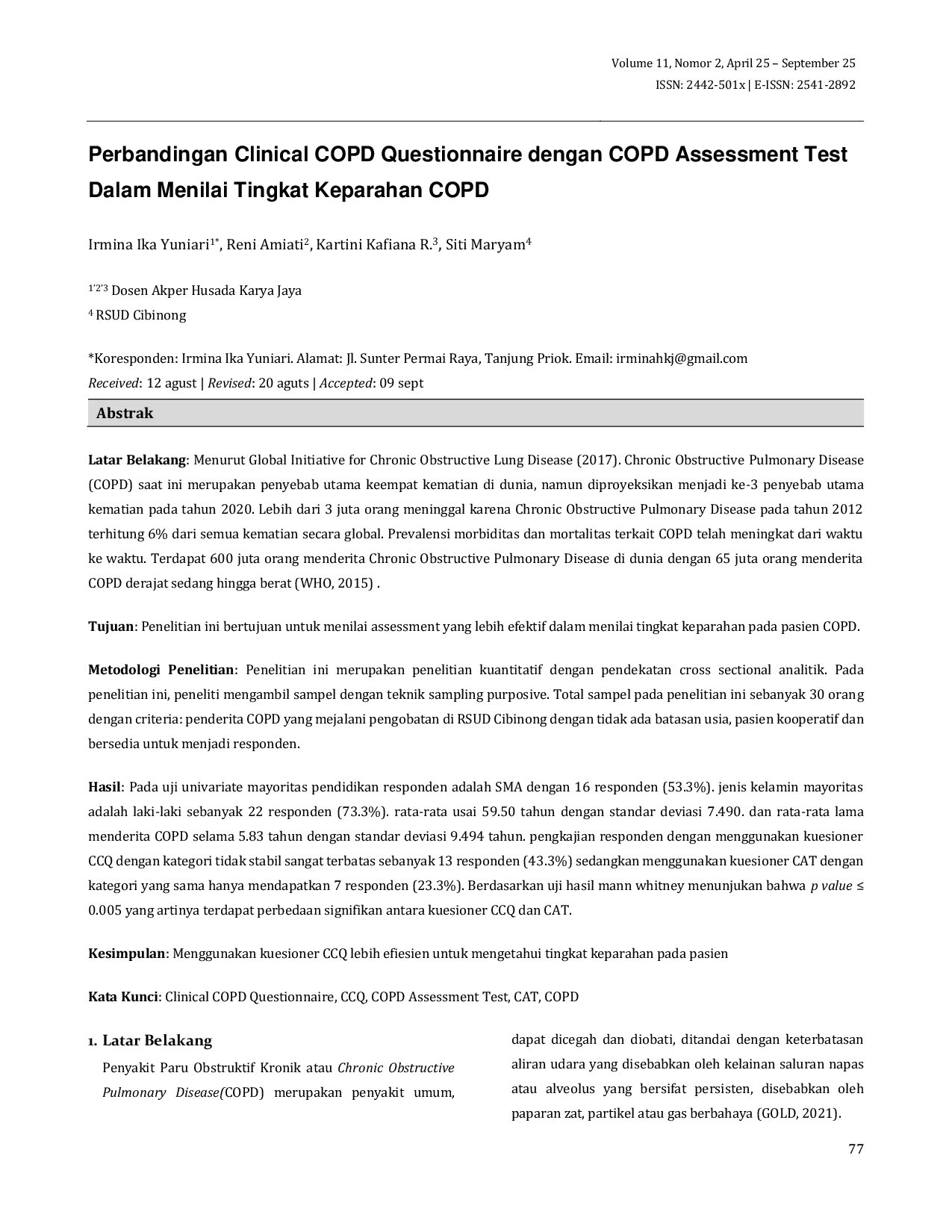
HUSADA KARYAJAYAHUSADA KARYAJAYA Total sampel pada penelitian ini sebanyak 30 orang dengan criteria: penderita COPD yang mejalani pengobatan di RSUD Cibinong dengan tidak ada batasan usia,Total sampel pada penelitian ini sebanyak 30 orang dengan criteria: penderita COPD yang mejalani pengobatan di RSUD Cibinong dengan tidak ada batasan usia,
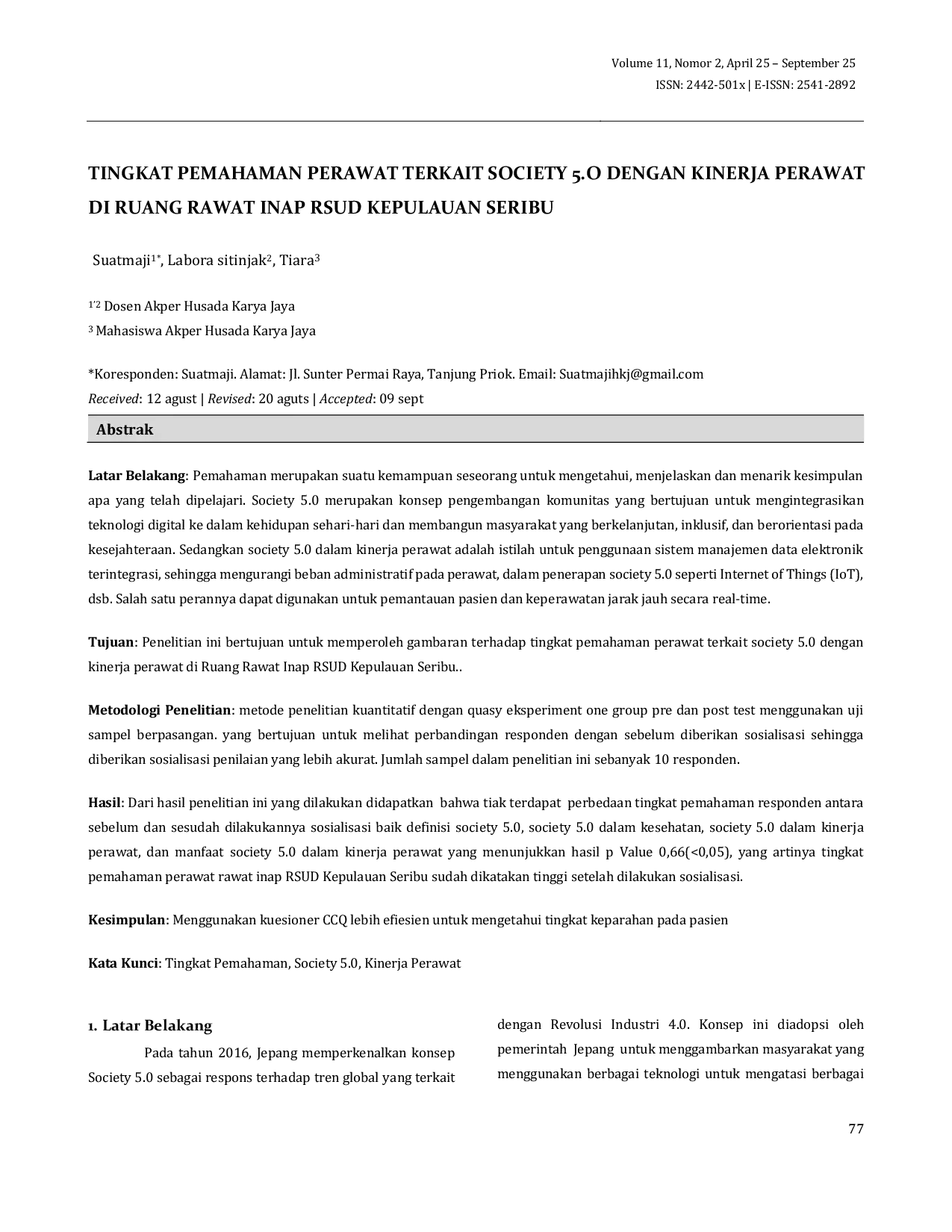
HUSADA KARYAJAYAHUSADA KARYAJAYA Society 5. 0 adalah konsep pengembangan komunitas yang bertujuan untuk mengintegrasikan teknologi digital ke dalam kehidupan sehari-hari dan membangunSociety 5. 0 adalah konsep pengembangan komunitas yang bertujuan untuk mengintegrasikan teknologi digital ke dalam kehidupan sehari-hari dan membangun
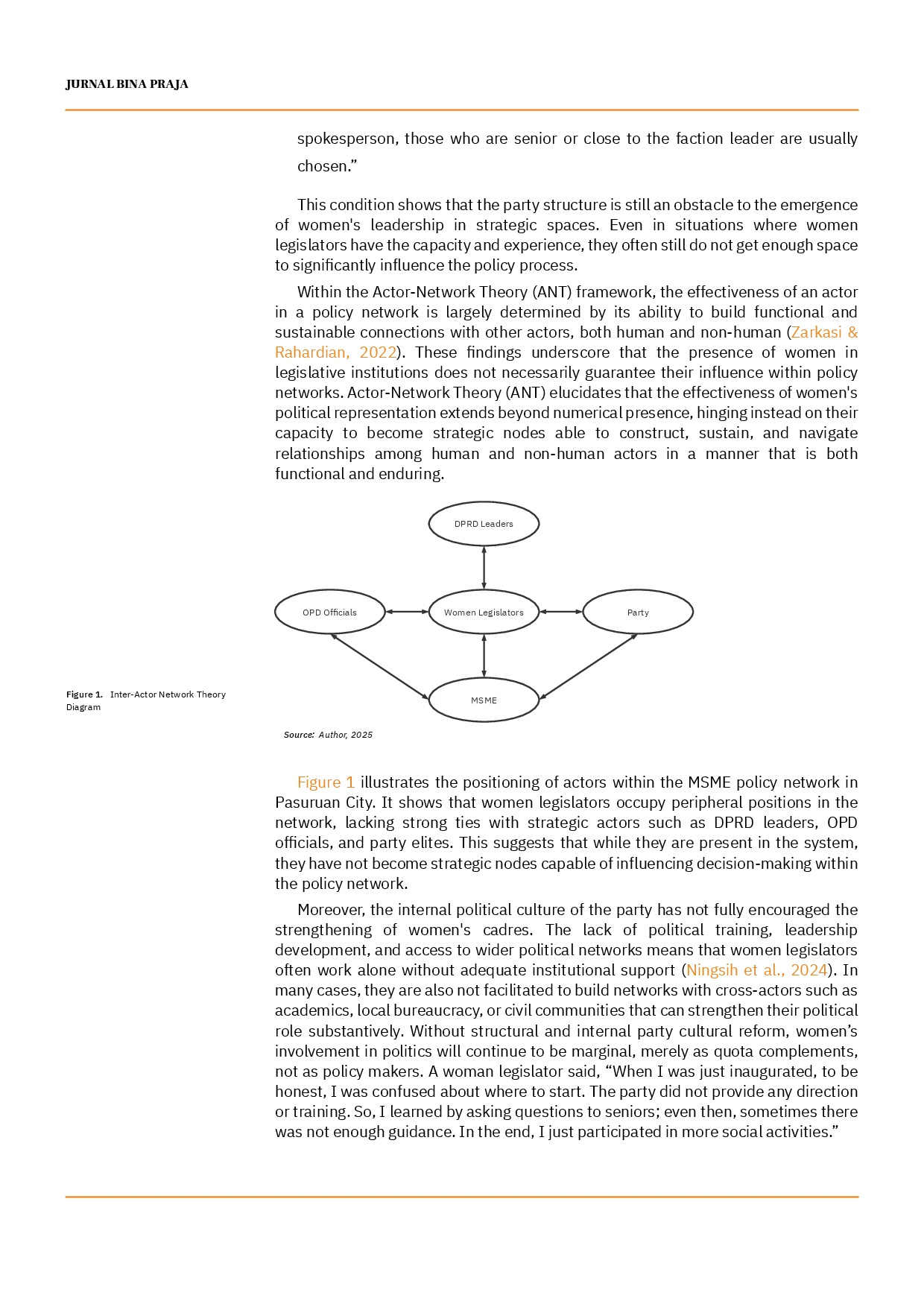
KEMENDAGRIKEMENDAGRI The effectiveness of womens representation depends on their access to strategic nodes and ability to establish connections with actors in the policy system.The effectiveness of womens representation depends on their access to strategic nodes and ability to establish connections with actors in the policy system.
KEMENDAGRIKEMENDAGRI Akses pendidikan yang setara merupakan bagian dari pemenuhan hak warga negara, baik di dalam maupun di luar negeri. Pemerintah, melalui Kementerian Pendidikan,Akses pendidikan yang setara merupakan bagian dari pemenuhan hak warga negara, baik di dalam maupun di luar negeri. Pemerintah, melalui Kementerian Pendidikan,
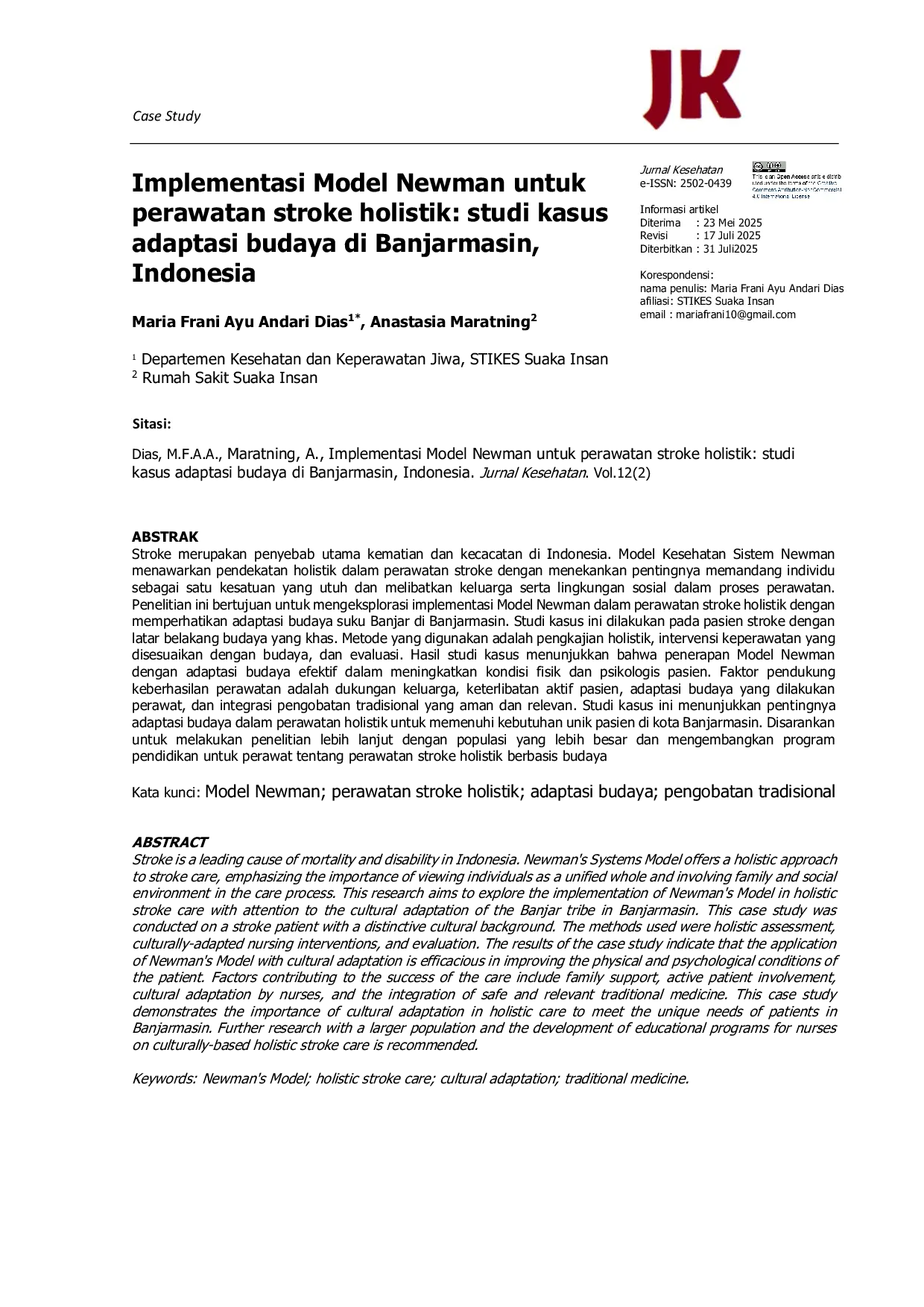
STIKES BETHESDASTIKES BETHESDA Temuan ini menegaskan pentingnya memperhatikan faktor budaya dalam menerapkan model perawatan, terutama pada masyarakat yang memiliki budaya yang kental,Temuan ini menegaskan pentingnya memperhatikan faktor budaya dalam menerapkan model perawatan, terutama pada masyarakat yang memiliki budaya yang kental,

MAHARDIKAMAHARDIKA Remaja mengakses internet sebanyak 81,22% dan sebanyak 26,27% remaja yang menggunakan perangkat keras komputer. Banyak remaja yang mengakses media sosialRemaja mengakses internet sebanyak 81,22% dan sebanyak 26,27% remaja yang menggunakan perangkat keras komputer. Banyak remaja yang mengakses media sosial
Useful /

IRPIIRPI Penelitian ini melakukan analisis sentimen terhadap ulasan pengguna aplikasi PLN Mobile menggunakan pendekatan text mining. Pendekatan ini dapat melakukanPenelitian ini melakukan analisis sentimen terhadap ulasan pengguna aplikasi PLN Mobile menggunakan pendekatan text mining. Pendekatan ini dapat melakukan
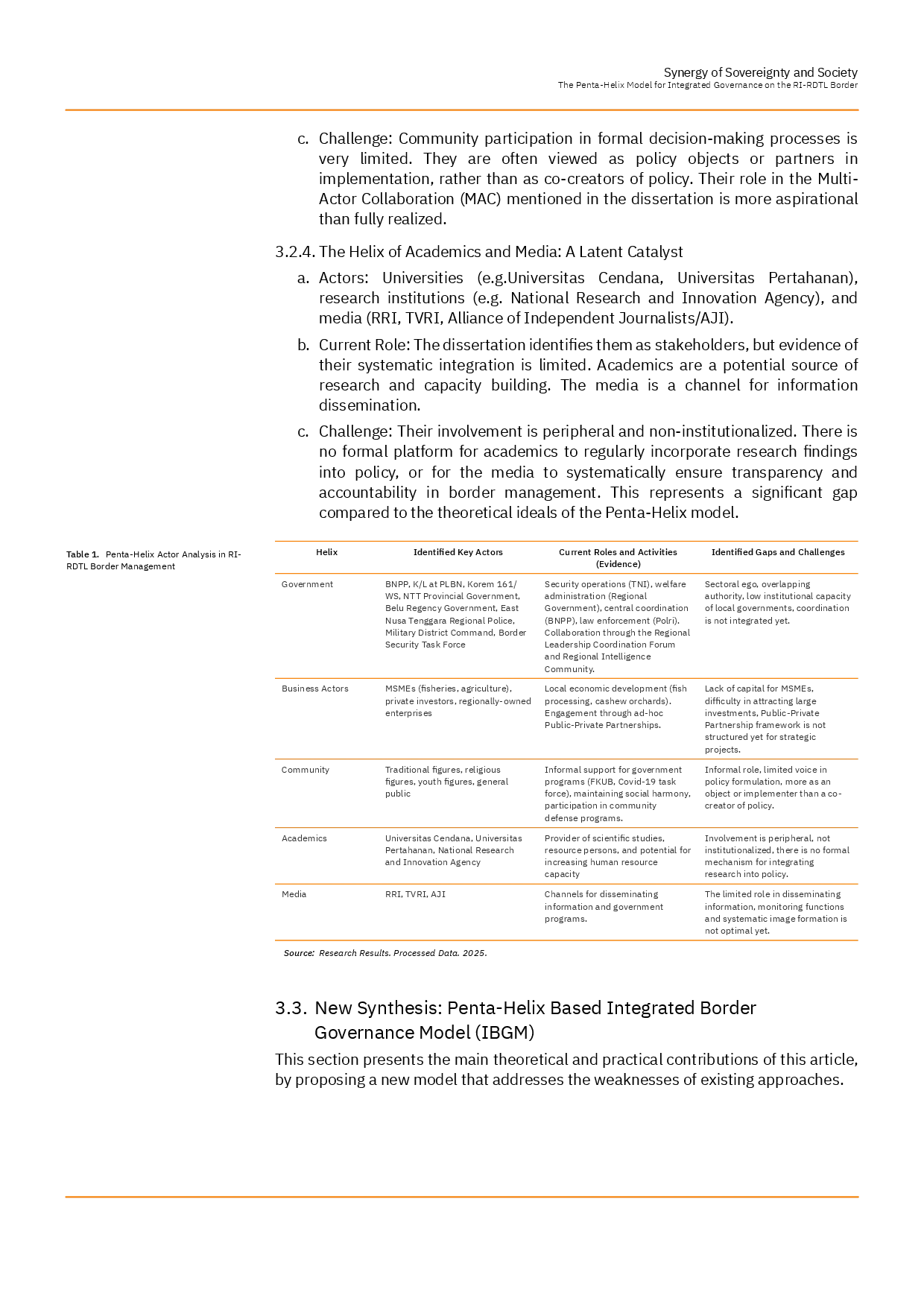
KEMENDAGRIKEMENDAGRI Dengan kerangka teoretis Pemerintah, Akademisi, Pelaku Bisnis, Komunitas, dan Media, hasil menunjukkan partisipasi aktor non‑negara masih bersifat periferDengan kerangka teoretis Pemerintah, Akademisi, Pelaku Bisnis, Komunitas, dan Media, hasil menunjukkan partisipasi aktor non‑negara masih bersifat perifer
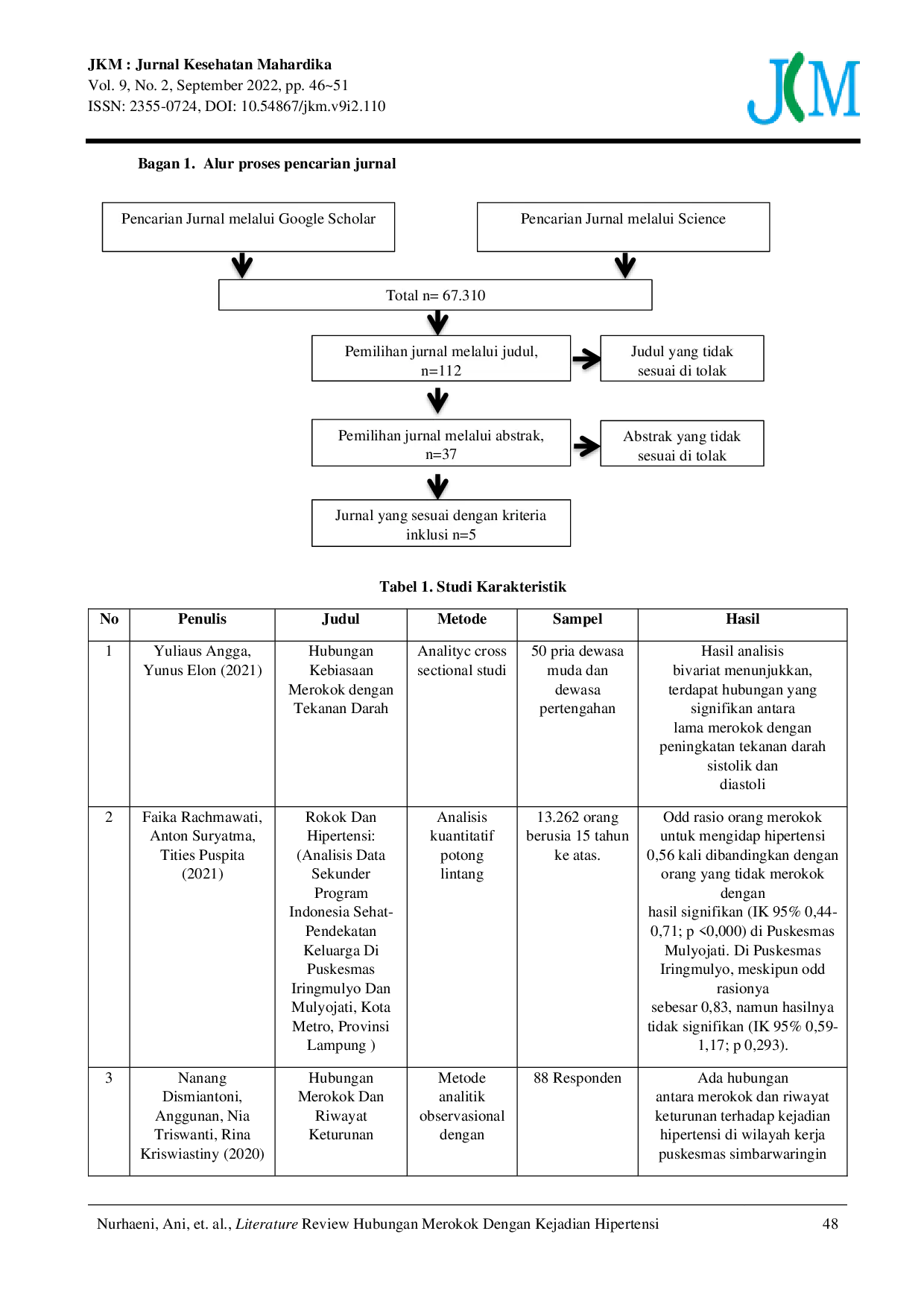
MAHARDIKAMAHARDIKA Perilaku merokok merupakan salah satu faktor risiko penyakit degeneratif. Tujuan dari penelitian ini yaitu untuk mengetahui hubungan merokok dengan kejadianPerilaku merokok merupakan salah satu faktor risiko penyakit degeneratif. Tujuan dari penelitian ini yaitu untuk mengetahui hubungan merokok dengan kejadian

MAHARDIKAMAHARDIKA Hasil uji rank spearman P Value < α dan r < 1. Pada penelitian ini disajikan sebagai program penyediaan poster atau pamflet sebagai informasi tentangHasil uji rank spearman P Value < α dan r < 1. Pada penelitian ini disajikan sebagai program penyediaan poster atau pamflet sebagai informasi tentang