IAESCOREIAESCORE
International Journal of Electrical and Computer Engineering (IJECE)International Journal of Electrical and Computer Engineering (IJECE)Edge detection is an important assignment in image processing, as it is used as a primary tool for pattern recognition, image segmentation and scene analysis. An edge detector is a high-pass filter that can be applied for extracting the edge points within an image. Edge detection in the spatial domain is accomplished through convolution with a set of directional derivative masks in this domain. On the other hand, working in the frequency domain has many advantages, starting from introducing an alternative description to the spatial representation and providing more efficient and faster computational schemes with less sensitivity to noise through high filtering, de-noising and compression algorithms. Fourier transforms, wavelet and curvelet transform are among the most widely used frequency-domain edge detection from satellite images. However, the Fourier transform is global and poorly adapted to local singularities. Some of these draw backs are solved by the wavelet transforms especially for singularities detection and computation. In this paper, the relatively new multi-resolution technique, curvelet transform, is assessed and introduced to overcome the wavelet transform limitation in directionality and scaling. In this research paper, the assessment of second generation curvelet transforms as an edge detection tool will be introduced and compared with first generation curvelet transform.
The quantitative performance results of both segmentation and enhancement steps show that the method effectively detects the blood vessels with accuracy of above 94% in less than 1 minute.However, there is a need for a proper Thresholding algorithm to find the small vessels, while avoiding false-edge pixels detection.Also, in retinal images containing severe lesions, the algorithm needs to benefit from a higher level Thresholding method or a more proper scheme.
Penelitian lebih lanjut dapat dilakukan untuk mengembangkan algoritma thresholding yang lebih adaptif dan cerdas, yang mampu membedakan antara pembuluh darah kecil yang sebenarnya dan noise atau artefak pada citra retina. Selain itu, studi komparatif yang lebih mendalam dapat dilakukan dengan membandingkan performa curvelet transform generasi kedua dengan teknik segmentasi pembuluh darah retina berbasis deep learning, untuk mengidentifikasi keunggulan dan kelemahan masing-masing metode. Terakhir, penelitian dapat difokuskan pada pengembangan metode pra-pemrosesan citra yang lebih efektif untuk mengurangi dampak lesi parah pada akurasi segmentasi pembuluh darah, misalnya dengan menggunakan teknik peningkatan kontras adaptif atau metode penghilangan noise berbasis pembelajaran mesin.
| File size | 312.12 KB |
| Pages | 6 |
| DMCA | Report |
Related /
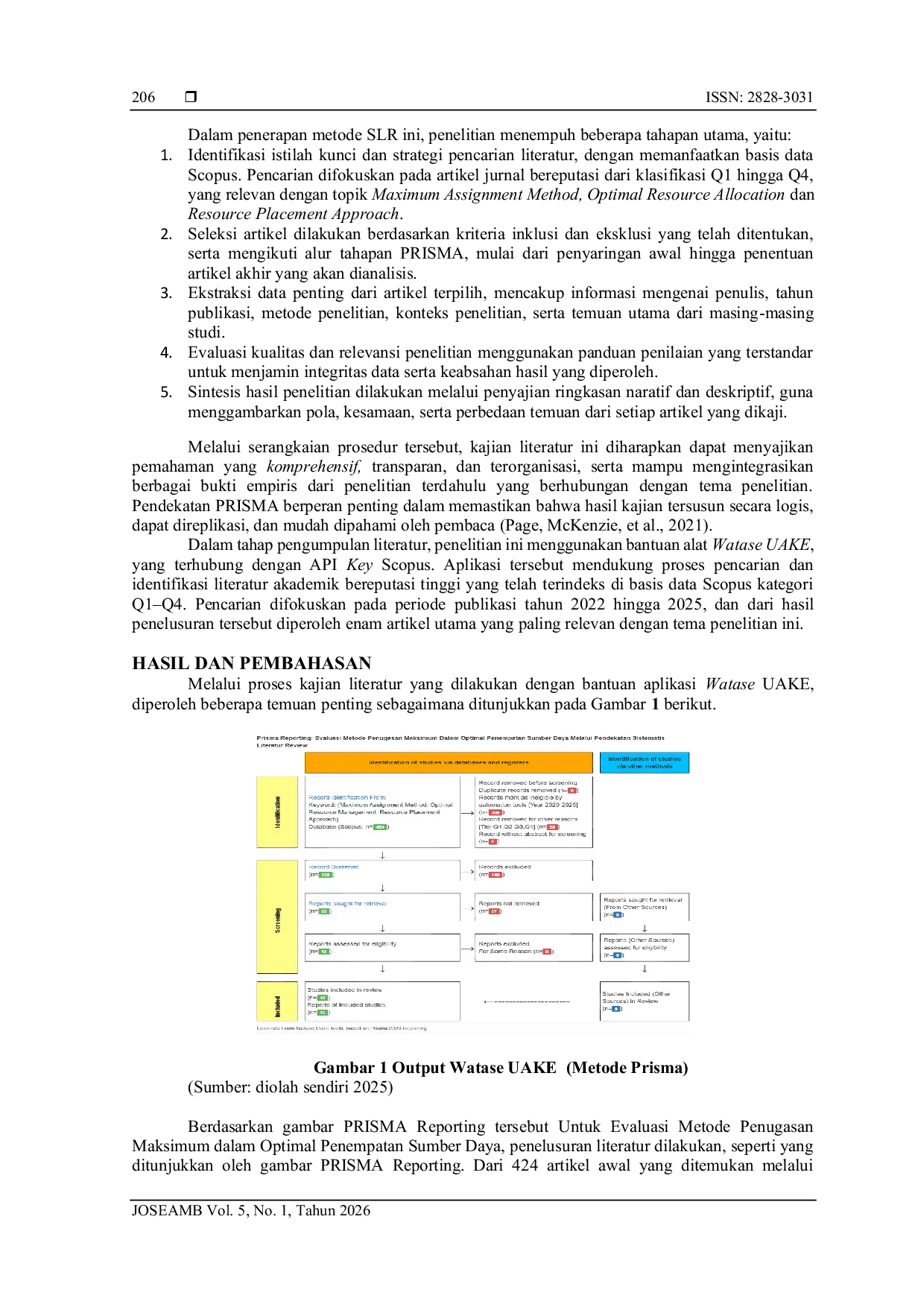
RCF INDONESIARCF INDONESIA Dari 424 artikel yang dikirim, 16 terpilih karena relevan dan berkualitas. Hasil analisis menunjukkan bahwa metode berbasis optimasi multi-objektif danDari 424 artikel yang dikirim, 16 terpilih karena relevan dan berkualitas. Hasil analisis menunjukkan bahwa metode berbasis optimasi multi-objektif dan

FKPTFKPT Arsya Almusa) menempati peringkat tertinggi pada kedua metode. Konsistensi hasil menegaskan keandalan kedua metode untuk penilaian dan seleksi siswa berprestasi.Arsya Almusa) menempati peringkat tertinggi pada kedua metode. Konsistensi hasil menegaskan keandalan kedua metode untuk penilaian dan seleksi siswa berprestasi.
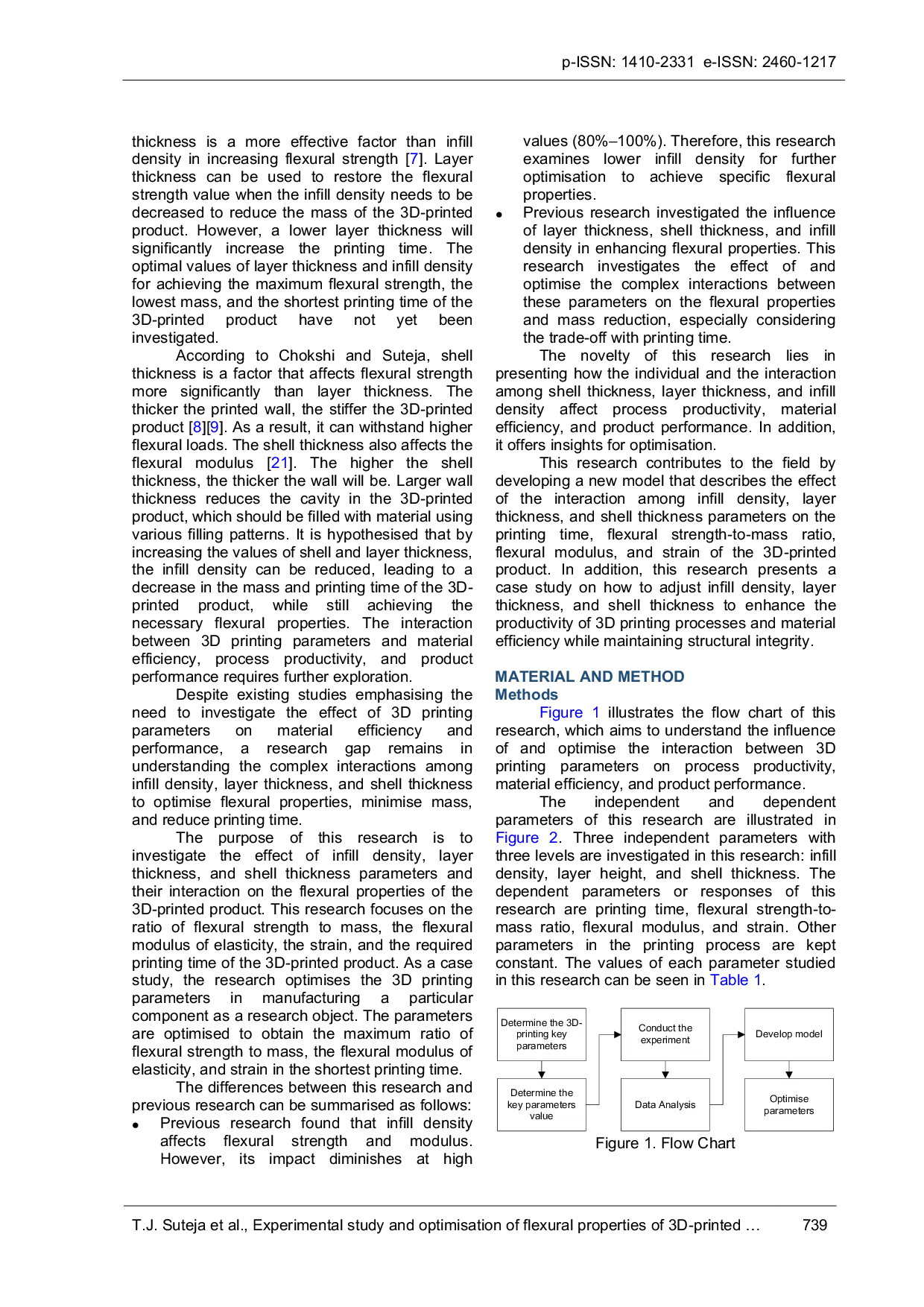
UMBUMB Studi kasus dilakukan untuk mengoptimalkan parameter tersebut menggunakan Response Surface Methodology dengan desain Box‑Behnken. Data percobaan difitkanStudi kasus dilakukan untuk mengoptimalkan parameter tersebut menggunakan Response Surface Methodology dengan desain Box‑Behnken. Data percobaan difitkan

UNPAMUNPAM Penelitian ini bertujuan untuk membandingkan kinerja algoritma Naive Bayes dan Decision Tree dalam melakukan prediksi klasifikasi karyawan yang cenderungPenelitian ini bertujuan untuk membandingkan kinerja algoritma Naive Bayes dan Decision Tree dalam melakukan prediksi klasifikasi karyawan yang cenderung

UNPAMUNPAM Dapat dilihat juga aktivitas kritis pada proyek ini sebanyak 9, aktivitas tersebut adalah pekerjaan B-C-D-E-F-G-H-I-J. Pada penelitian ini didapatkan hasilDapat dilihat juga aktivitas kritis pada proyek ini sebanyak 9, aktivitas tersebut adalah pekerjaan B-C-D-E-F-G-H-I-J. Pada penelitian ini didapatkan hasil
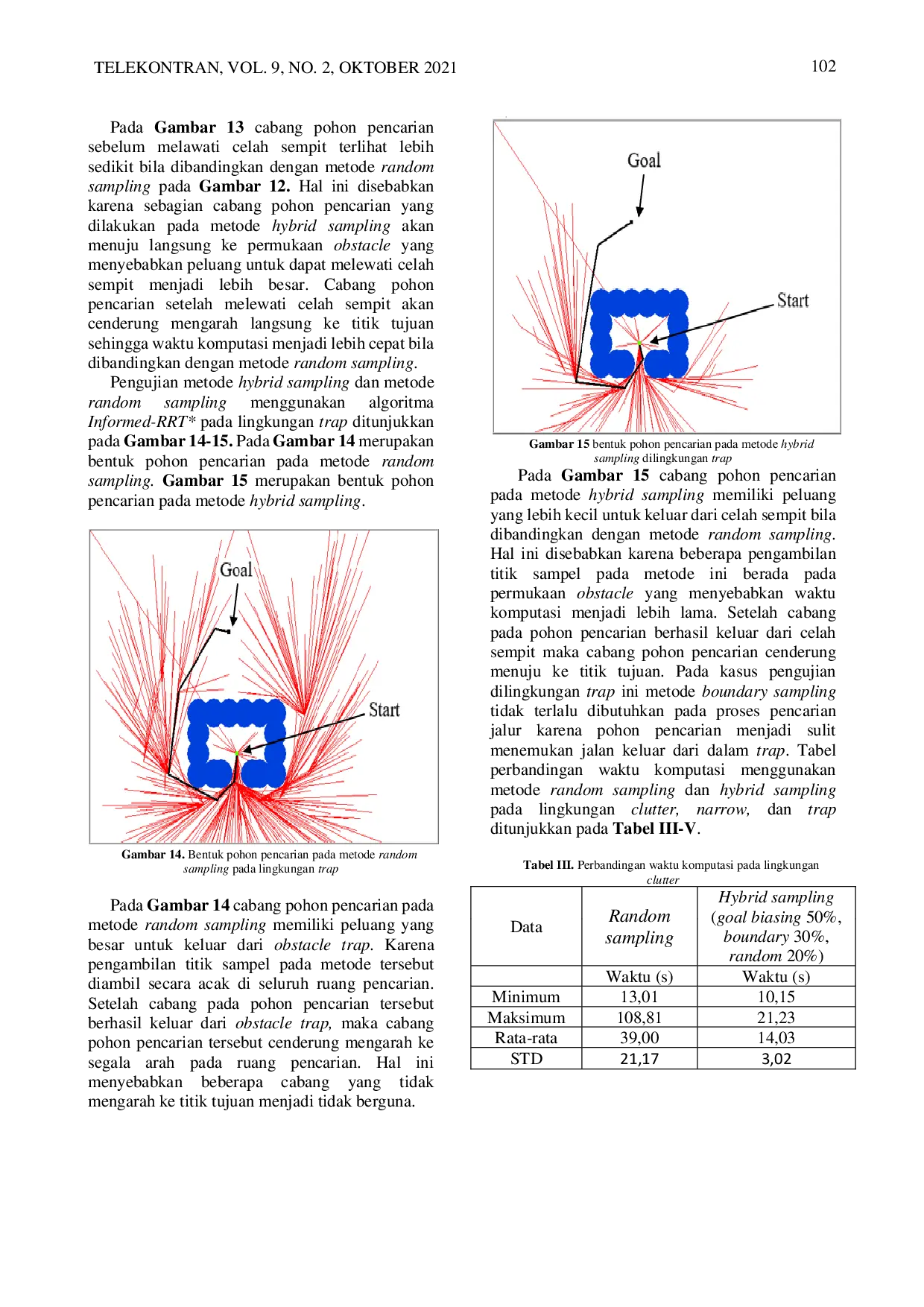
UNIKOMUNIKOM Metode hybrid sampling merupakan integrasi dari beberapa metode pengambilan sampel. Pada pengujian ini, performansi metode random sampling akan dibandingkanMetode hybrid sampling merupakan integrasi dari beberapa metode pengambilan sampel. Pada pengujian ini, performansi metode random sampling akan dibandingkan
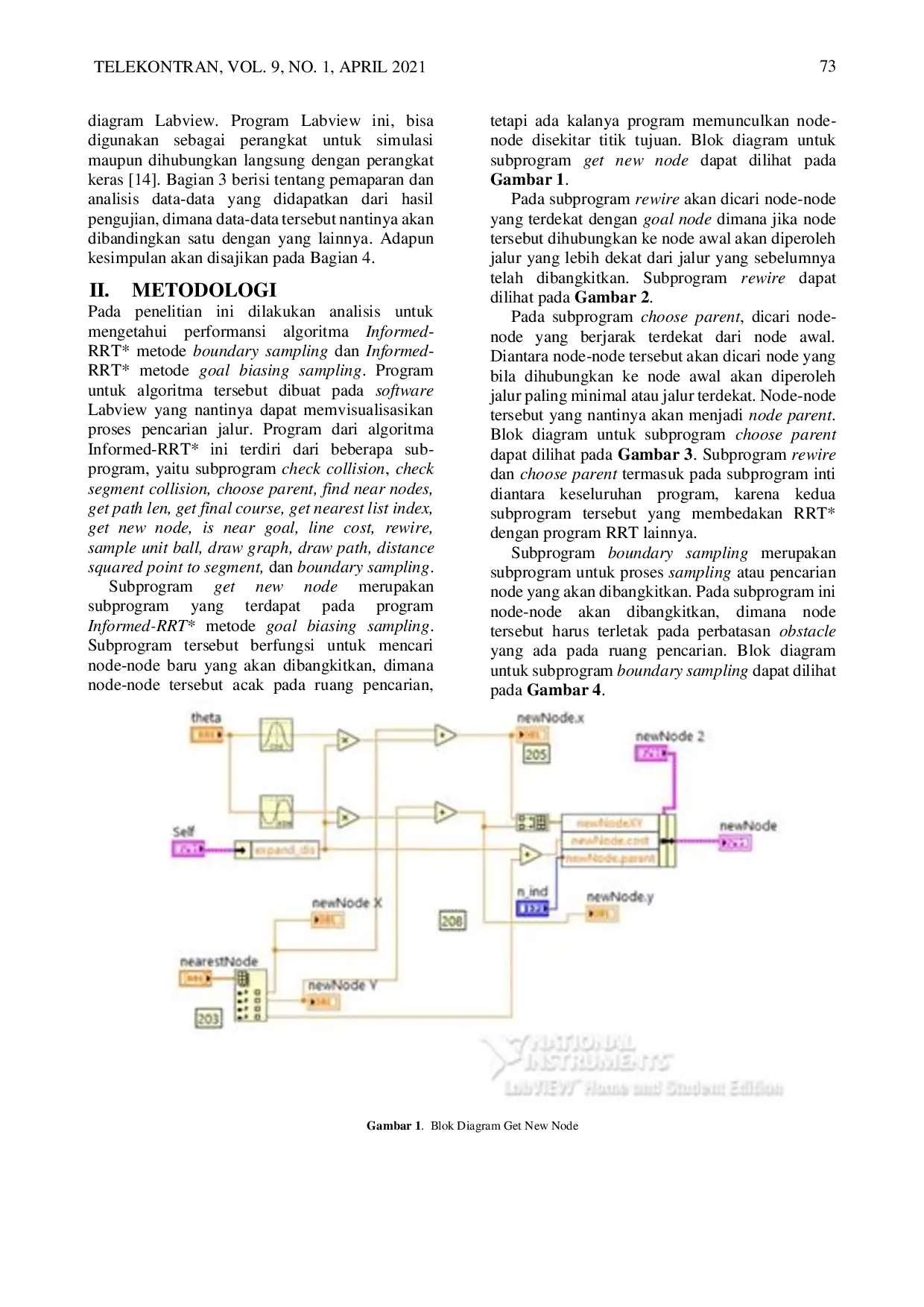
UNIKOMUNIKOM Kriteria untuk menentukan performansi yang optimal yaitu jarak jalur (path cost), waktu komputasi, dan jumlah node. Dari hasil yang didapatkan, nilai rata-rataKriteria untuk menentukan performansi yang optimal yaitu jarak jalur (path cost), waktu komputasi, dan jumlah node. Dari hasil yang didapatkan, nilai rata-rata
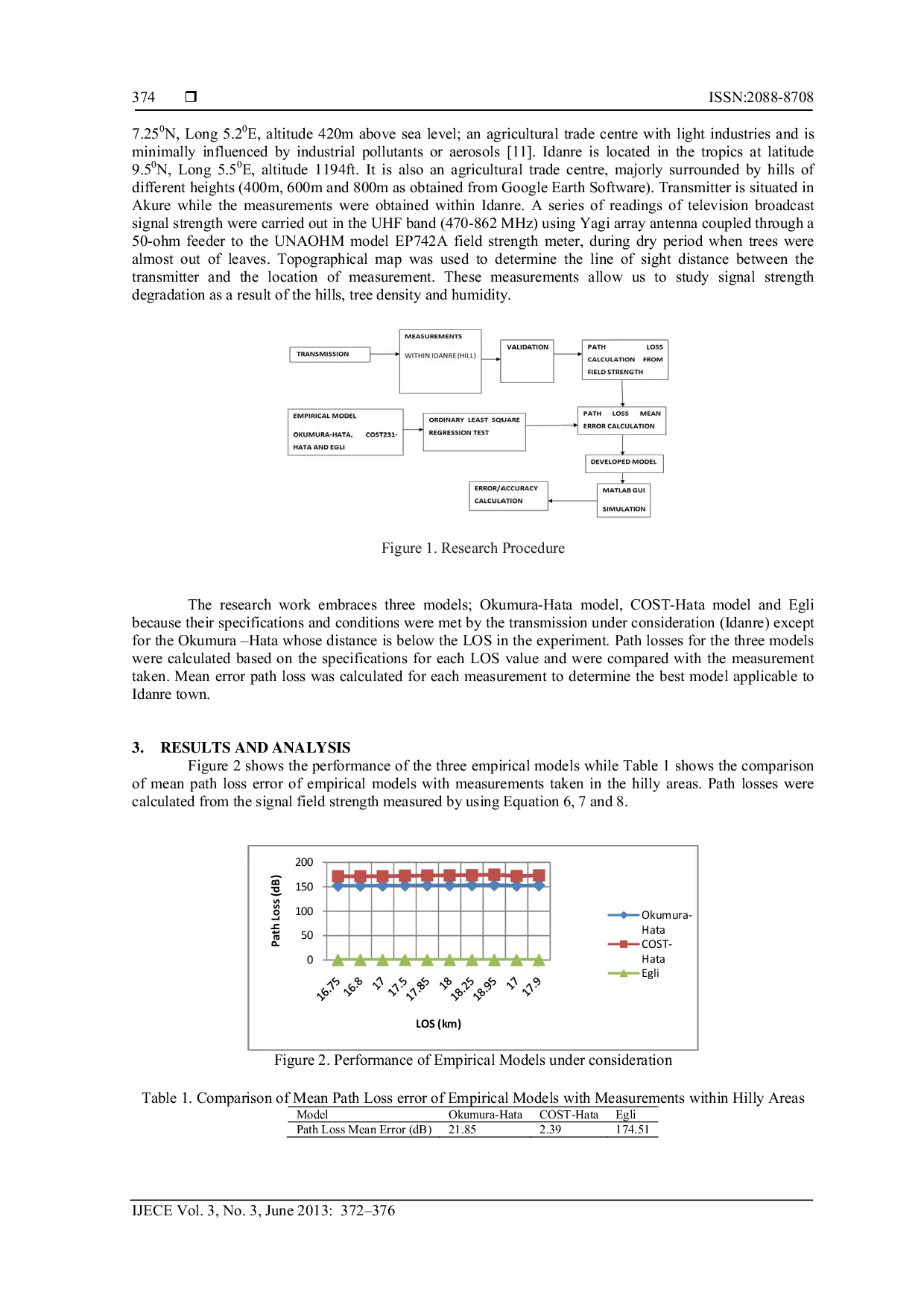
IAESCOREIAESCORE The Okumura-Hata and Egli models showed large errors, while the COST-Hata model showed closer agreement with measurement results. A modified COST-HataThe Okumura-Hata and Egli models showed large errors, while the COST-Hata model showed closer agreement with measurement results. A modified COST-Hata
Useful /
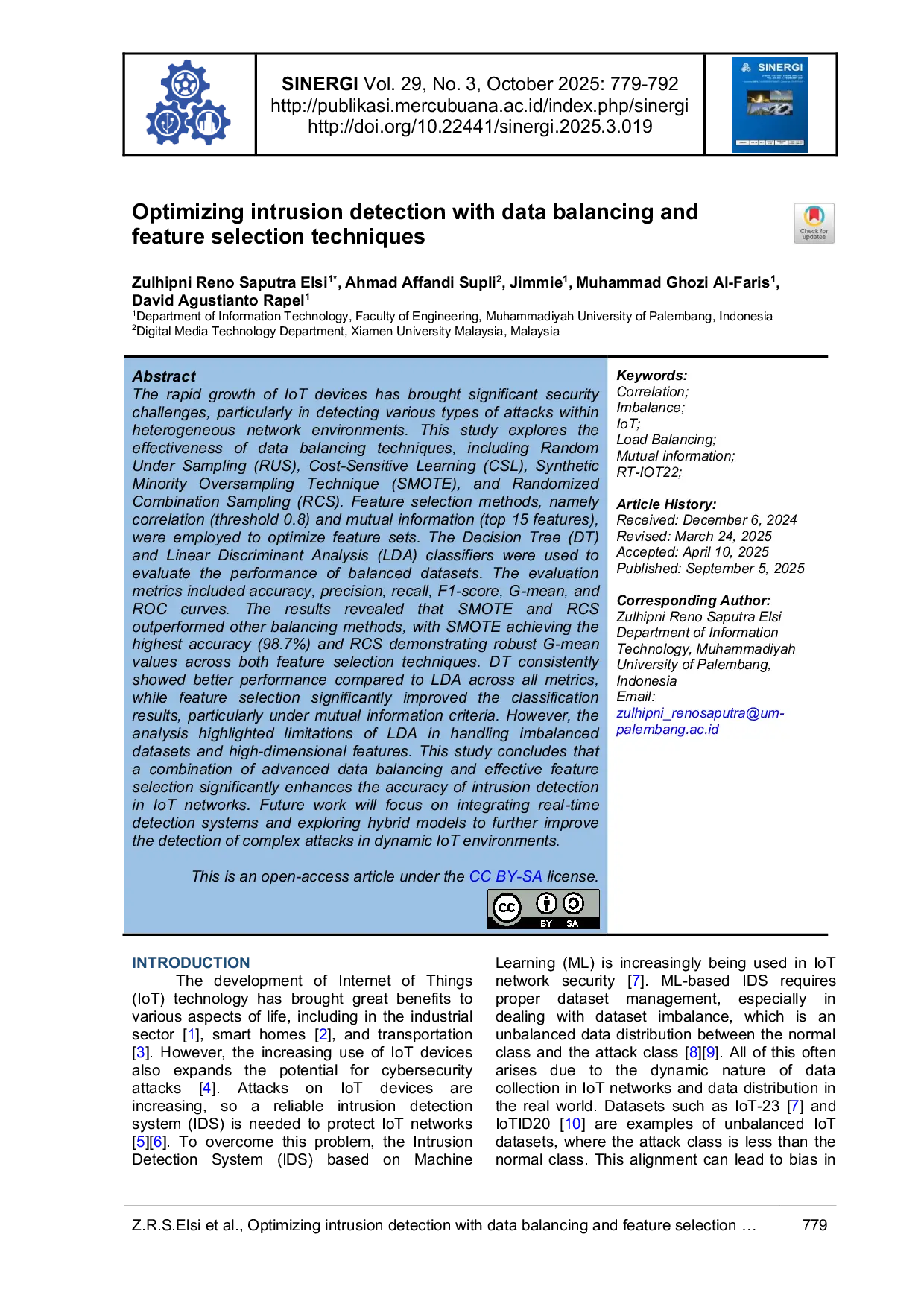
UMBUMB Hasil menunjukkan bahwa SMOTE dan RCS unggul dibandingkan metode balancing lainnya, dengan SMOTE mencapai akurasi tertinggi (98,7%) dan RCS menunjukkanHasil menunjukkan bahwa SMOTE dan RCS unggul dibandingkan metode balancing lainnya, dengan SMOTE mencapai akurasi tertinggi (98,7%) dan RCS menunjukkan
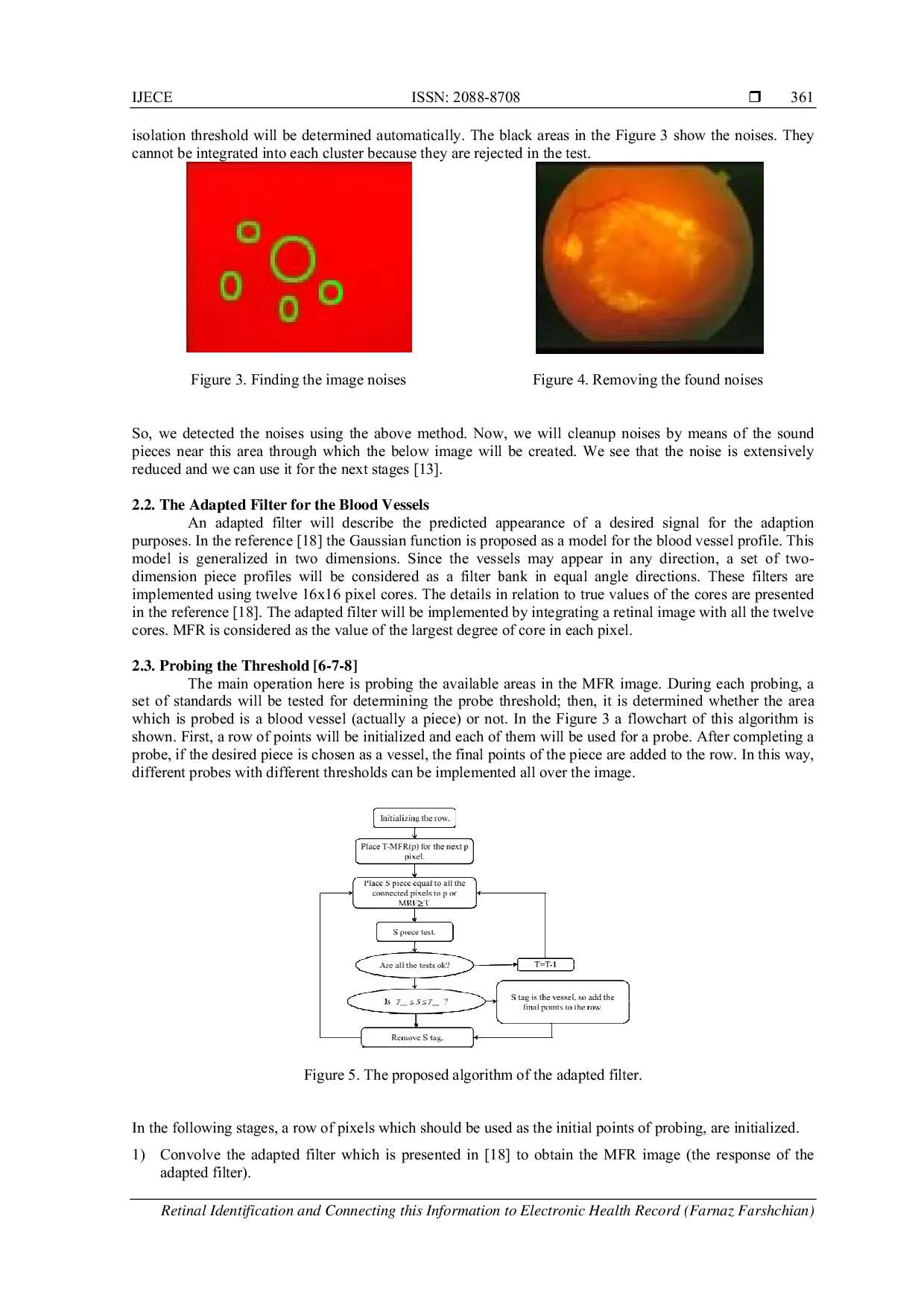
IAESCOREIAESCORE Perbedaan ini terletak pada jenis klasifikasi dan aturan fuzzy yang digunakan. Pada tahap awal, noise pada citra dikelompokkan menggunakan metode clusteringPerbedaan ini terletak pada jenis klasifikasi dan aturan fuzzy yang digunakan. Pada tahap awal, noise pada citra dikelompokkan menggunakan metode clustering

IAESCOREIAESCORE The results clearly show that the proposed MABC algorithm outperforms other state-of-the-art algorithms in solving ED problem with the valve-point effect.The results clearly show that the proposed MABC algorithm outperforms other state-of-the-art algorithms in solving ED problem with the valve-point effect.

IAESCOREIAESCORE Model MLR untuk sampel prediksi menghasilkan koefisien korelasi (R2) berkisar antara 0,811 hingga 0,947, kesalahan baku prediksi (SEP) antara 7,587 hinggaModel MLR untuk sampel prediksi menghasilkan koefisien korelasi (R2) berkisar antara 0,811 hingga 0,947, kesalahan baku prediksi (SEP) antara 7,587 hingga