YASIN ALSYSYASIN ALSYS
International Journal of Humanities, Education, and Social SciencesInternational Journal of Humanities, Education, and Social SciencesJournalism codes of ethics provide normative principles to guide media practice, requiring journalists to act ethically, independently, fairly, and respectfully while reporting verifiable facts. However, the principles of accuracy and fairness are among the most frequently violated, leading to omission of crucial details and dissemination of misinformation that may trigger unnecessary public anxiety. This study examines the level of adherence to professional ethics, particularly the principles of accuracy and fairness—among journalists in Rivers State, Nigeria, with specific attention to Rhythm 93.7 FM Port Harcourt. Anchored in Absolutist and Social Responsibility theories, the research adopts a mixed-method design combining survey and in-depth interviews. The population comprises 500 registered journalists in Rivers State, approached using the census principle, with questionnaire schedules and in-depth interview guides as primary instruments for data collection. The findings indicate that a majority of journalists in Rivers State do not consistently adhere to the principles of accuracy and fairness in their reportage, partly due to pressures of strict deadlines that limit opportunities for thorough data verification. The study concludes that, although absolute accuracy may be difficult to attain under time constraints, media organisations must institute stronger editorial control mechanisms and support systems to enhance ethical compliance. It recommends that media organisations regularly organise training programmes, seminars, and workshops to reinforce journalists commitment to professional ethics, thereby strengthening the medias responsibility to the public and improving the quality of news reporting.
The study concludes that the level of adherence by journalists in Rivers State is not impressive.The principle of accuracy is meant for journalists to be morally conscious of what they disseminate to the public in the discharge of their professional duties.While absolute accuracy may not be possible due to time constraints, media organizations should implement stronger editorial controls and support systems to enhance ethical compliance.
Further research should investigate the specific training needs of journalists in Rivers State to address the identified knowledge gaps regarding ethical principles. Additionally, a comparative study examining ethical adherence among journalists in different media sectors (print, broadcast, online) within Rivers State could reveal varying levels of compliance and contributing factors. Finally, research should explore the effectiveness of different editorial control mechanisms and support systems in promoting ethical journalism, potentially leading to the development of best practices for media organizations to implement. These studies should consider the impact of social media and the pressures of rapid news cycles on journalistic ethics, and explore strategies for maintaining accuracy and fairness in the digital age. A deeper understanding of the socio-economic factors influencing journalistic behavior, such as remuneration and work conditions, is also crucial for developing targeted interventions to improve ethical standards and foster a more responsible media landscape.
| File size | 308.5 KB |
| Pages | 19 |
| DMCA | Report |
Related /

YPIDATHUYPIDATHU Conducted as Classroom Action Research (CAR), this study involved nine tenth-grade students, with data collection through observation, documentation, andConducted as Classroom Action Research (CAR), this study involved nine tenth-grade students, with data collection through observation, documentation, and

YPIDATHUYPIDATHU Penerapan inovasi teknologi di sektor publik adalah penggerak penting dalam efisiensi, transparansi, dan pelayanan di banyak negara, termasuk Indonesia.Penerapan inovasi teknologi di sektor publik adalah penggerak penting dalam efisiensi, transparansi, dan pelayanan di banyak negara, termasuk Indonesia.

YASIN ALSYSYASIN ALSYS Secara keseluruhan, pemahaman dari buku ini adalah bahwa konsep umum kebijakan publik, model pendekatan kebijakan yang berbeda, model tahap proses kebijakan,Secara keseluruhan, pemahaman dari buku ini adalah bahwa konsep umum kebijakan publik, model pendekatan kebijakan yang berbeda, model tahap proses kebijakan,

YASIN ALSYSYASIN ALSYS Desain survei digunakan, dengan kuesioner terstruktur yang disebarkan kepada 400 responden yang dipilih melalui teknik sampling multistage berdasarkanDesain survei digunakan, dengan kuesioner terstruktur yang disebarkan kepada 400 responden yang dipilih melalui teknik sampling multistage berdasarkan

YPIDATHUYPIDATHU Data were collected through participatory workshops, semi-structured interviews, and observation, and analyzed thematically. Findings reveal that the processData were collected through participatory workshops, semi-structured interviews, and observation, and analyzed thematically. Findings reveal that the process
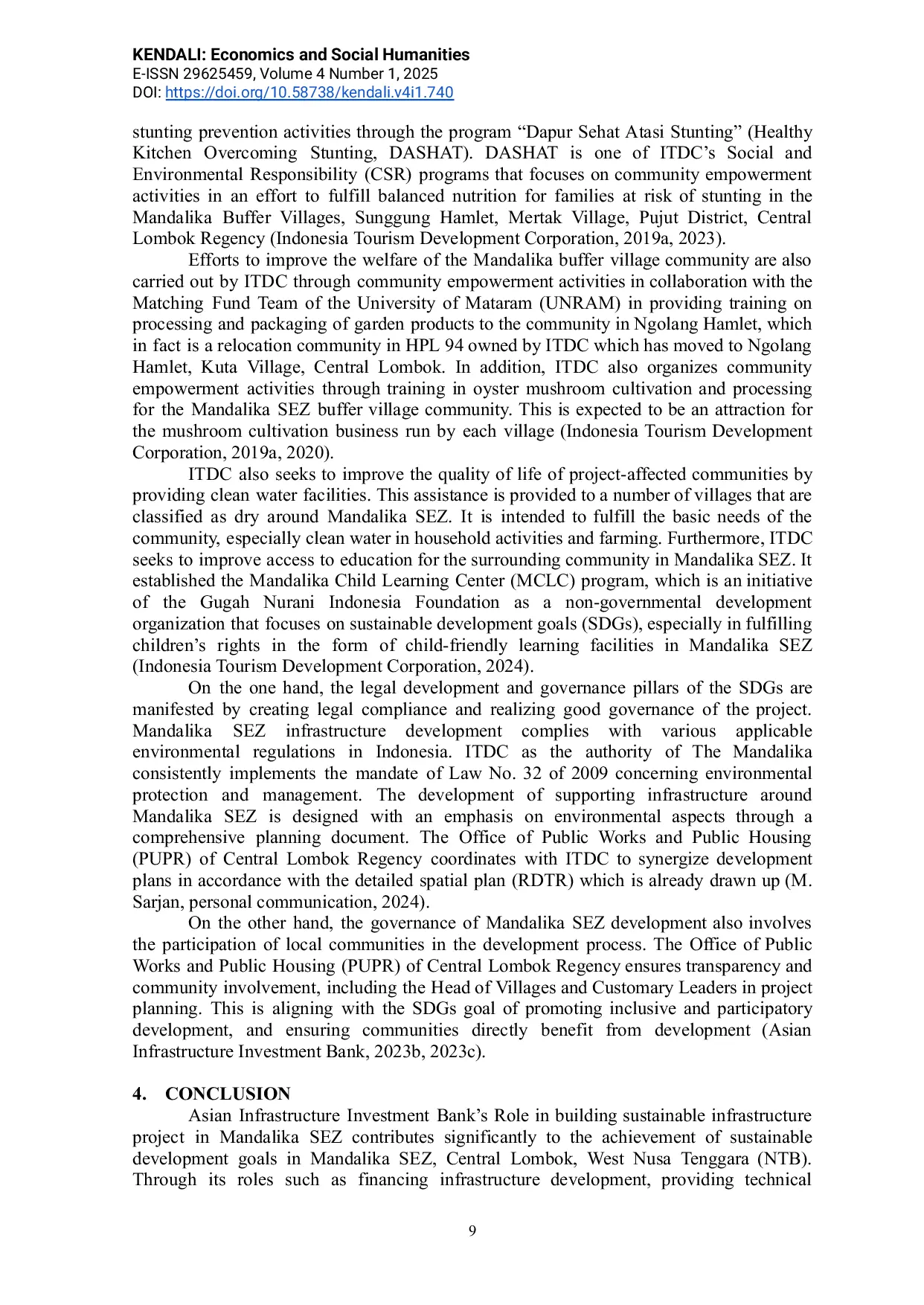
ASIANPUBLISHERASIANPUBLISHER Pengumpulan data diperoleh melalui wawancara dan studi literatur. Sementara itu, reduksi data dilakukan dengan meninjau data yang terkumpul untuk dipilihPengumpulan data diperoleh melalui wawancara dan studi literatur. Sementara itu, reduksi data dilakukan dengan meninjau data yang terkumpul untuk dipilih

UNUSIDAUNUSIDA Artinya gaya kepemimpinan yang tepat, berdampak pada kenaikan produktivitas kerja karyawan, dan sebaliknya. Pimpinan harus mampu memberikan teladan yangArtinya gaya kepemimpinan yang tepat, berdampak pada kenaikan produktivitas kerja karyawan, dan sebaliknya. Pimpinan harus mampu memberikan teladan yang

YASIN ALSYSYASIN ALSYS Selain itu, peran media yang bertanggung jawab, legitimasi kelembagaan, dan resolusi konflik non-kekerasan ditekankan. Dengan mengatasi penyebab utamaSelain itu, peran media yang bertanggung jawab, legitimasi kelembagaan, dan resolusi konflik non-kekerasan ditekankan. Dengan mengatasi penyebab utama
Useful /

UNSOEDUNSOED Bahan yang dihasilkan menunjukkan struktur mikropori yang amorf dan mendominasi. Peningkatan konsentrasi aktivasi menghasilkan area permukaan spesifikBahan yang dihasilkan menunjukkan struktur mikropori yang amorf dan mendominasi. Peningkatan konsentrasi aktivasi menghasilkan area permukaan spesifik

UNSOEDUNSOED Thioxanthenol menunjukkan nilai IC50 sebesar 17,46 µg mL-1 pada sel WiDr, sedangkan senyawa nitrotioxantion menunjukkan nilai IC50 sebesar 6,05 µg mL-1Thioxanthenol menunjukkan nilai IC50 sebesar 17,46 µg mL-1 pada sel WiDr, sedangkan senyawa nitrotioxantion menunjukkan nilai IC50 sebesar 6,05 µg mL-1

YASIN ALSYSYASIN ALSYS Analisis demografis menunjukkan bahwa 96,7% responden adalah mahasiswa sarjana dengan distribusi gender seimbang (54,5% perempuan, 45,5% laki-laki). StatistikAnalisis demografis menunjukkan bahwa 96,7% responden adalah mahasiswa sarjana dengan distribusi gender seimbang (54,5% perempuan, 45,5% laki-laki). Statistik
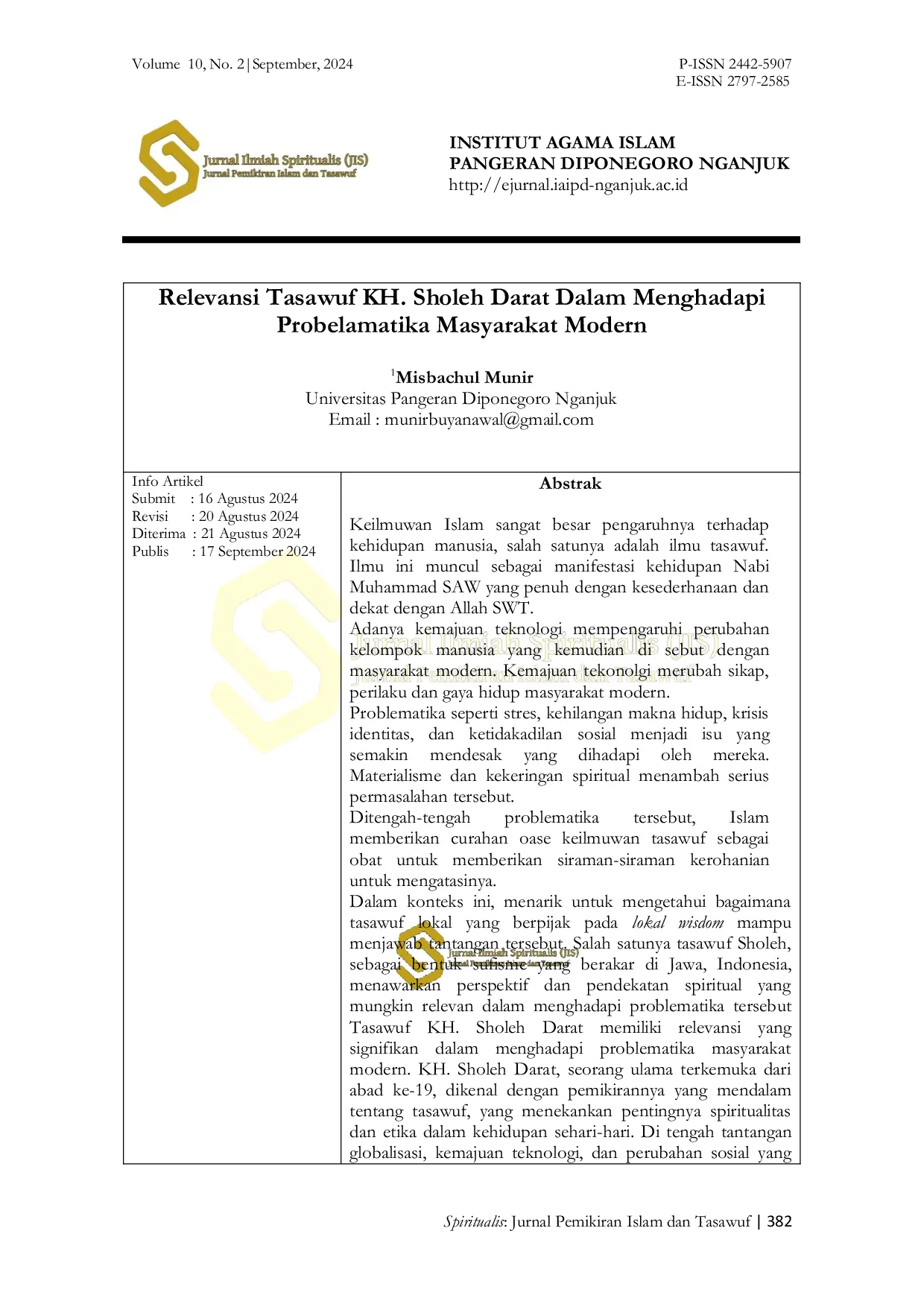
IAIPD NGANJUKIAIPD NGANJUK Sholeh Darat memiliki relevansi yang signifikan dalam menghadapi problematika masyarakat modern. KH. Sholeh Darat, seorang ulama terkemuka dari abad ke-19,Sholeh Darat memiliki relevansi yang signifikan dalam menghadapi problematika masyarakat modern. KH. Sholeh Darat, seorang ulama terkemuka dari abad ke-19,