UADUAD
Humanitas: Indonesian Psychological JournalHumanitas: Indonesian Psychological JournalIndividuals emotional states (i.e., happy and sad emotions) might influence the intertemporal choice process, a decision of choosing between instant alternatives with small advantages or delayed alternatives with enormous benefits, when purchasing a product. This study tested the role of emotional states in individual intertemporal choices, especially when buying clothing products. 45 active students were involved as participants in this experimental study. The results indicated that happy and sad emotions do not significantly differ in individuals intertemporal choices, specifically in purchasing clothing products (ꭓ2 = 5.293, p > 0.05). This study also found that intertemporal choice was influenced by gender (F = 6.431, p < 0.05). This gender difference was significant (ꭓ2 = 4.099, p < 0.05), in which female participants had a higher average delayed gratification than male participants. Even though differences in income did not significantly impact the differences in intertemporal choice (ꭓ2 = 5.962, p > 0.05), individual income influenced intertemporal choice (F = 4.381, p < 0.05), in which participants with smaller incomes tended to choose cheaper clothing product. Moreover, the system of three thinking inhibited irrationality and made students more rational when making purchase decisions in accordance with their income or pocket money.
This experimental research found that happy and sad emotions did not significantly differ in individuals immediate and delayed gratification tendencies, especially when buying clothing products.Participants tended to choose the alternative of buying the product at a lower price despite waiting some time to purchase.The role of emotional state induced in this study became insignificant because the participants used system three thinking, which inhibited system one thinking, preventing emotions from affecting the decision-making process.
Penelitian lebih lanjut dapat dilakukan untuk menguji pengaruh emosi pada keputusan pembelian dengan mempertimbangkan faktor-faktor lain seperti tingkat keterlibatan konsumen dengan merek pakaian, gaya hidup, atau norma sosial. Selain itu, penelitian dapat mengeksplorasi bagaimana strategi pemasaran yang menargetkan emosi tertentu dapat memengaruhi perilaku pembelian konsumen, khususnya dalam konteks pakaian. Terakhir, penelitian di masa depan dapat menggunakan metode yang lebih beragam, seperti studi kualitatif atau neurosains, untuk mendapatkan pemahaman yang lebih mendalam tentang mekanisme kognitif dan emosional yang mendasari keputusan pembelian pakaian, serta bagaimana mekanisme tersebut berbeda antara individu dengan karakteristik yang berbeda.
- The dynamic of decision-making: Effect of intertemporal choice on clothing products | Humanitas: Indonesian... doi.org/10.26555/humanitas.v21i1.387The dynamic of decision making Effect of intertemporal choice on clothing products Humanitas Indonesian doi 10 26555 humanitas v21i1 387
- Neuroeconomics: How Neuroscience Can Inform Economics - American Economic Association. neuroscience inform... doi.org/10.1257/0022051053737843Neuroeconomics How Neuroscience Can Inform Economics American Economic Association neuroscience inform doi 10 1257 0022051053737843
- Impulsive Fashion Apparel Consumption: The Role of Hedonism, Fashion Involvement and Emotional Gratification... doi.org/10.5901/mjss.2014.v5n8p168Impulsive Fashion Apparel Consumption The Role of Hedonism Fashion Involvement and Emotional Gratification doi 10 5901 mjss 2014 v5n8p168
- Response to Comment on “Poverty Impedes Cognitive Function” | Science. response poverty impedes... doi.org/10.1126/science.1246799Response to Comment on AuPoverty Impedes Cognitive FunctionAy Science response poverty impedes doi 10 1126 science 1246799
| File size | 481.37 KB |
| Pages | 14 |
| DMCA | Report |
Related /
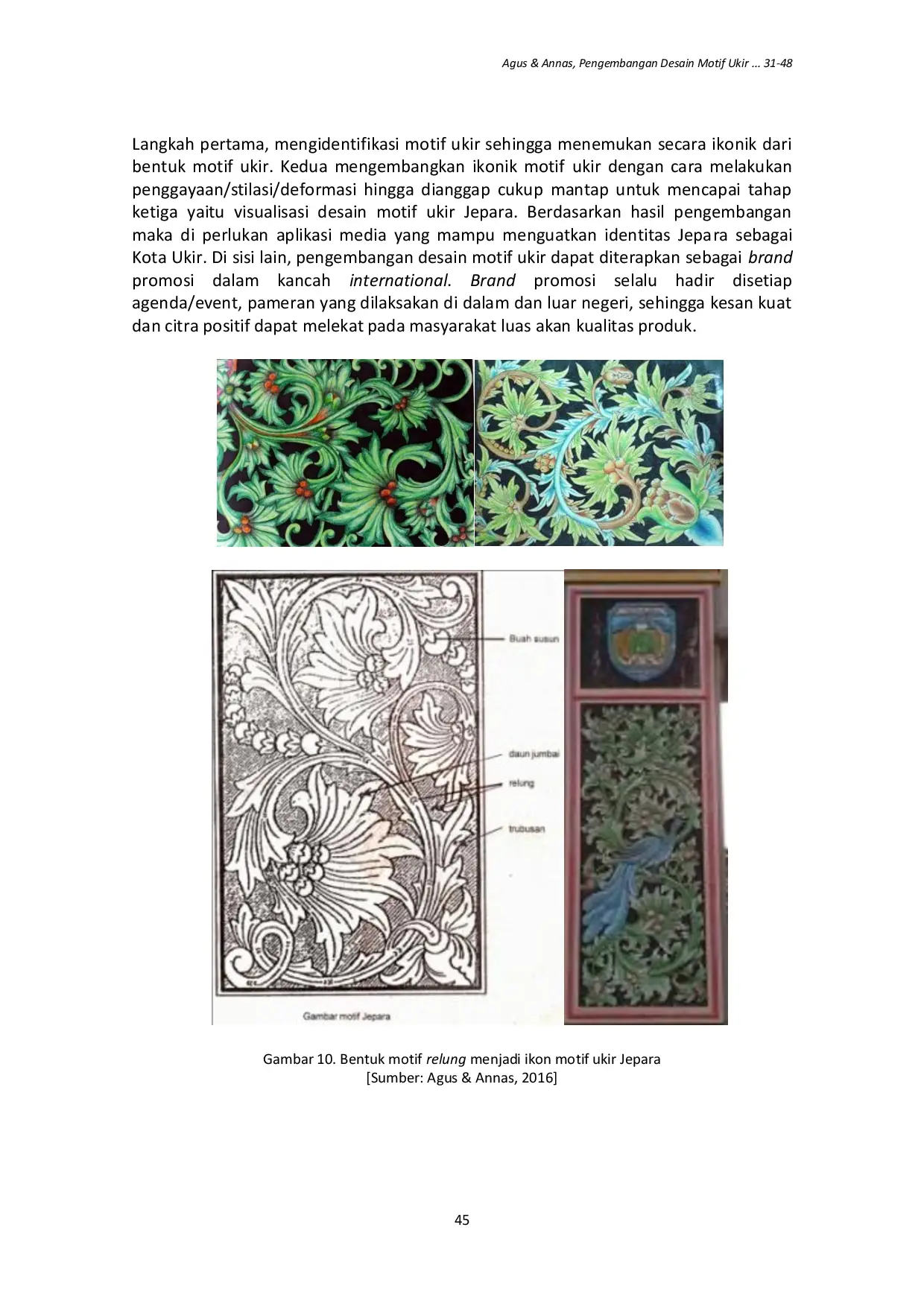
DINUSDINUS Motif ukir Jepara dapat dilihat sebagai kontruksi sosial dalam hubungannya dengan identitas kultural dan tradisi. Motif ukir Jepara telah menjadi identitasMotif ukir Jepara dapat dilihat sebagai kontruksi sosial dalam hubungannya dengan identitas kultural dan tradisi. Motif ukir Jepara telah menjadi identitas

RANDWICKRESEARCHRANDWICKRESEARCH After the implementation, results showed a significant positive relationship between self-efficacy and Mathematics performance, indicating that studentsAfter the implementation, results showed a significant positive relationship between self-efficacy and Mathematics performance, indicating that students

UMMUMM Penerapan kedua metode diatas dilakukan dengan penyebaran kuisoner dengan menggunakan konsep 7P yaitu produk, harga, tempat, promosi, people, physicalPenerapan kedua metode diatas dilakukan dengan penyebaran kuisoner dengan menggunakan konsep 7P yaitu produk, harga, tempat, promosi, people, physical

JURNALEDUKASIAJURNALEDUKASIA Pendekatan berbasis konteks meningkatkan validitas, keadilan pengukuran, dan partisipasi siswa dalam proses penilaian. Instrumen ini tidak hanya berfungsiPendekatan berbasis konteks meningkatkan validitas, keadilan pengukuran, dan partisipasi siswa dalam proses penilaian. Instrumen ini tidak hanya berfungsi
UNDIPUNDIP Sebaliknya, tinggal di daerah pedesaan dan memiliki penyakit komorbid berdampak negatif terhadap kualitas hidup. Hasil ini menekankan pentingnya intervensiSebaliknya, tinggal di daerah pedesaan dan memiliki penyakit komorbid berdampak negatif terhadap kualitas hidup. Hasil ini menekankan pentingnya intervensi

UNDIPUNDIP Tujuan: Penelitian ini bertujuan untuk menilai hubungan doa Tahajjud dengan parameter antropometri dan tekanan darah pada pemuda/pemudi dengan membandingkanTujuan: Penelitian ini bertujuan untuk menilai hubungan doa Tahajjud dengan parameter antropometri dan tekanan darah pada pemuda/pemudi dengan membandingkan
UNAIUNAI Penelitian kuantitatif ini mengeksplorasi perbedaan gender siswa, harga diri, dan kecemasan. Menggunakan kuesioner yang diadaptasi dari Skala Harga DiriPenelitian kuantitatif ini mengeksplorasi perbedaan gender siswa, harga diri, dan kecemasan. Menggunakan kuesioner yang diadaptasi dari Skala Harga Diri
MACHUNGMACHUNG Hasil dari uji efektifitas mengatakan terdapat kenaikan interest Instagram Cerys Bites yang membuktikan brand identity yang tepat dan konsisten dapat membangunHasil dari uji efektifitas mengatakan terdapat kenaikan interest Instagram Cerys Bites yang membuktikan brand identity yang tepat dan konsisten dapat membangun
Useful /

UNDIPUNDIP Mahasiswa keperawatan harus terus mempertahankan praktik perilaku yang mempromosikan kesehatan yang baik. Namun, perhatian lebih harus diberikan untukMahasiswa keperawatan harus terus mempertahankan praktik perilaku yang mempromosikan kesehatan yang baik. Namun, perhatian lebih harus diberikan untuk

UNDIPUNDIP Penelitian sebelumnya telah banyak mengeksplorasi faktor individu seperti usia ibu, keparan, atau status gizi secara terpisah. Namun, belum ada analisisPenelitian sebelumnya telah banyak mengeksplorasi faktor individu seperti usia ibu, keparan, atau status gizi secara terpisah. Namun, belum ada analisis

UNDIPUNDIP Perawat sering menganggap menunjukkan kesedihan sebagai sikap tidak profesional, sehingga memilih meningkatkan dedikasi terhadap pekerjaan sebagai strategiPerawat sering menganggap menunjukkan kesedihan sebagai sikap tidak profesional, sehingga memilih meningkatkan dedikasi terhadap pekerjaan sebagai strategi
MACHUNGMACHUNG The success indicator for this design is an introduction of self-control, demonstrated by the ability to mention examples of self-control that can be practicedThe success indicator for this design is an introduction of self-control, demonstrated by the ability to mention examples of self-control that can be practiced