FT UNDARFT UNDAR
Jurnal JEETechJurnal JEETechThe electrical power system can distribute electrical energy optimally if power plants generate electrical energy with high reliability. However, disturbances in the electrical system can affect reliability. Therefore, safety equipment is necessary. In electrical power systems, protection devices are used to minimize disturbances, and protection relays must function properly. One of the protection devices used in generators is an overcurrent relay. To avoid relay failure, it is important to evaluate the overcurrent relay and test the reliability characteristics of the relay. Based on the overcurrent relay coordination test results, the calculation settings show that the relay is capable of handling maximum and minimum short-circuit currents, but with the existing settings, the relay does not function properly at minimum short-circuit currents. The maximum short-circuit current is 17.185A, and the minimum fault current is 13.828A. Comparing the calculation results with the existing settings, there are differences: for the inverse relay, the primary setting current is 494A and the secondary setting current is 0.988A, while for the definite time relay, the primary current is 3.666A and the secondary current is 7.3A with a relay operating time setting of 0.5 seconds. Meanwhile, the primary setting current value for the definite time relay is 526A and the secondary current is 1.05A, while the primary setting current for the definite time relay is 1.173A and the secondary current is 2.34A with an operating time of 0.6s. In the inverse relay, the calculated setting current value is lower than the existing setting. For the definite-time relay, the test results show a faster operating time and a higher setting current compared to the existing conditions, so the calculated results have the potential to improve the reliability of protection against overcurrent faults. By evaluating existing relay settings against calculated minimum and maximum short circuit currents, this study identifies critical gaps in generator protection. The data suggests that current settings lack the necessary sensitivity for low level fault detection. Consequently, we developed more responsive inverse and definite time relay configurations. This approach enhances the overall dependability of the protection scheme and serves as a vital technical guide for engineers tasked with optimizing overcurrent relay coordination in complex power grids.
The study demonstrates the capability of the calculated relay settings to handle both maximum and minimum short-circuit currents, ensuring effective generator protection.A comparison between existing and calculated settings reveals discrepancies, particularly in the inverse relay settings, where the calculated values are lower, potentially impacting sensitivity to low-level faults.Updating relay settings for current rating and operating time, with a potential acceleration of 0.1 seconds, is crucial to enhance the protection of the PLTMG BMPP Nusantara 1 generator and ensure proper coordination.
Future research should investigate the impact of varying fault resistances on the performance of the overcurrent relays, as this parameter significantly influences fault current magnitudes and relay operating times. Furthermore, a comprehensive study on adaptive relay settings, which dynamically adjust based on real-time system conditions and load profiles, could enhance protection system responsiveness and selectivity. Finally, exploring the integration of advanced protection schemes, such as traveling wave-based protection, with existing overcurrent relays could provide faster and more accurate fault detection, particularly for high-impedance faults, thereby improving overall system reliability and minimizing downtime. These investigations, building upon the current studys findings, will contribute to a more robust and intelligent power system protection framework for the PLTMG BMPP Nusantara 1 and similar floating power plants, ensuring a stable and dependable electricity supply for the region. The research should also consider the impact of harmonic distortion on relay performance and develop mitigation strategies to prevent false tripping or delayed operation.
| File size | 1.56 MB |
| Pages | 13 |
| DMCA | Report |
Related /
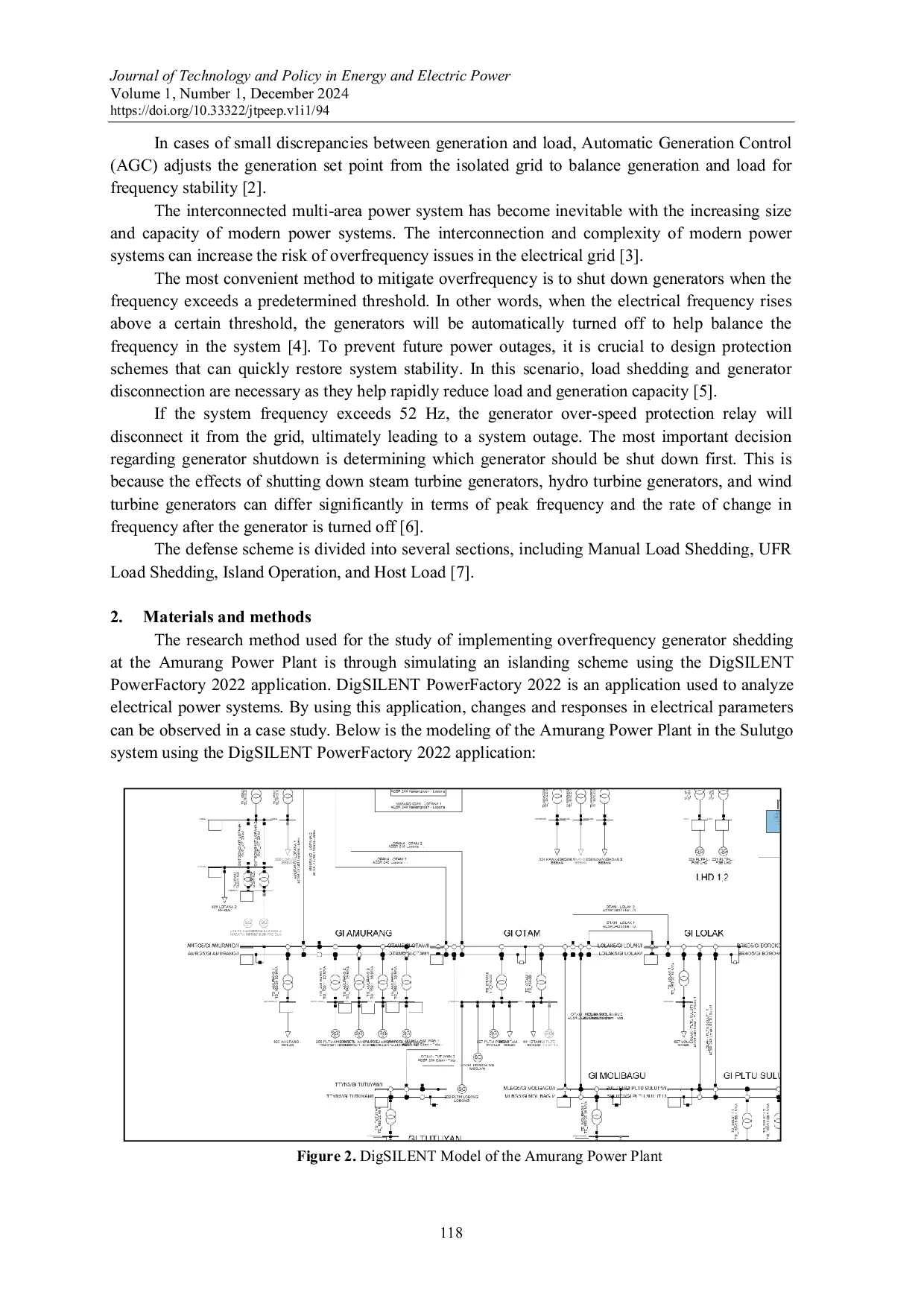
PUSLITBANGPLNPUSLITBANGPLN Setiap pulau dalam sistem Sulutgo memiliki komposisi pembangkit dan beban yang tidak seimbang, sehingga skema operasi pulau dapat menyebabkan kondisi underfrequencySetiap pulau dalam sistem Sulutgo memiliki komposisi pembangkit dan beban yang tidak seimbang, sehingga skema operasi pulau dapat menyebabkan kondisi underfrequency

DAARULHUDADAARULHUDA Karena itu, diperlukan harmonisasi kebijakan agar TKDN tetap efektif mendukung pembangunan industri nasional tanpa bertentangan dengan kewajiban perdaganganKarena itu, diperlukan harmonisasi kebijakan agar TKDN tetap efektif mendukung pembangunan industri nasional tanpa bertentangan dengan kewajiban perdagangan

IPBIPB Dampak tersebut dapat bersifat positif, seperti penyerapan tenaga kerja, pengurangan ketergantungan pada alat berat impor, peningkatan devisa negara melaluiDampak tersebut dapat bersifat positif, seperti penyerapan tenaga kerja, pengurangan ketergantungan pada alat berat impor, peningkatan devisa negara melalui
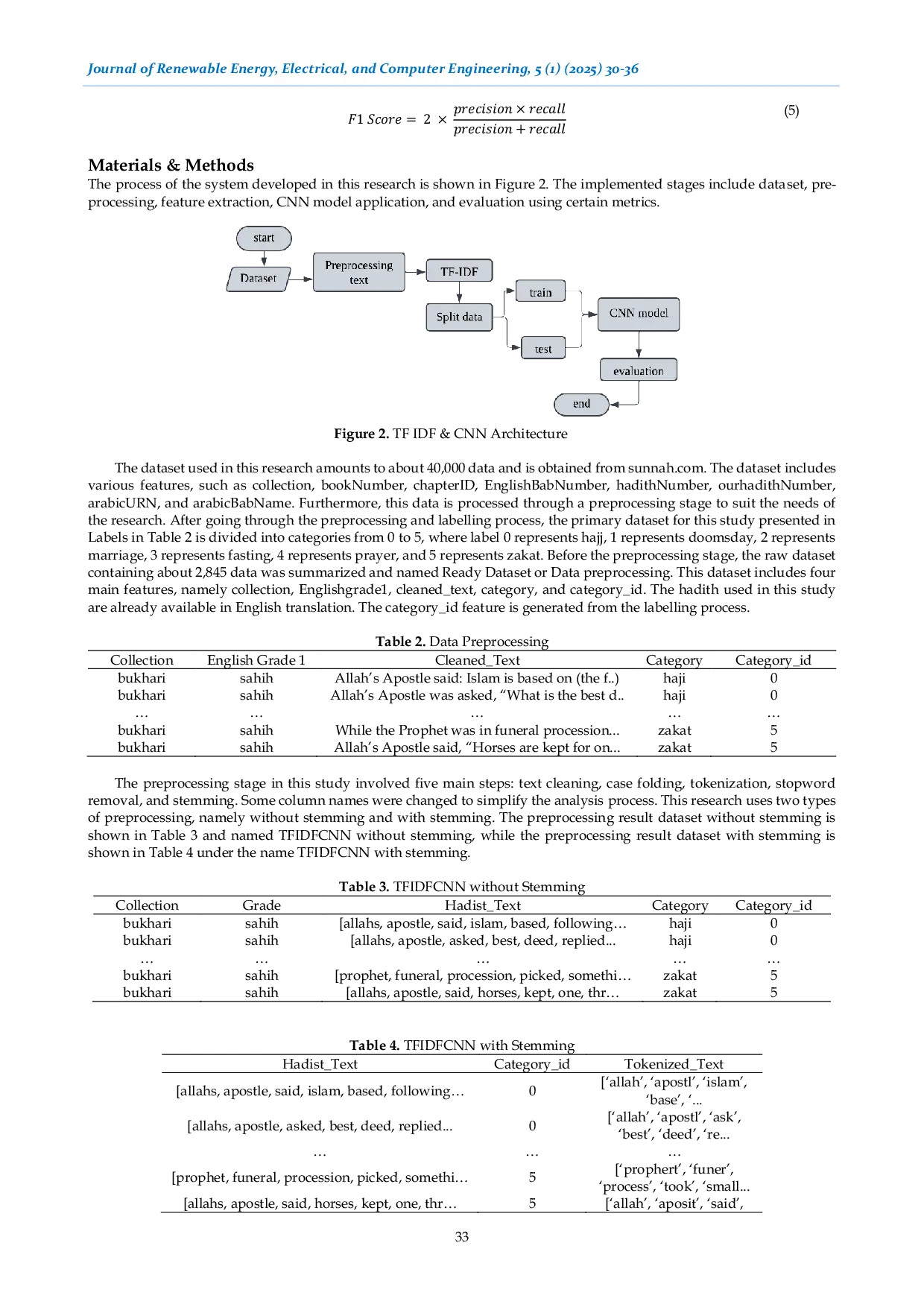
UNIMALUNIMAL Selanjutnya, beberapa model dievaluasi, yaitu Word2Vec dengan stemming, TFIDFCNN tanpa stemming, dan TFIDFCNN dengan stemming. Metrik akurasi, presisi,Selanjutnya, beberapa model dievaluasi, yaitu Word2Vec dengan stemming, TFIDFCNN tanpa stemming, dan TFIDFCNN dengan stemming. Metrik akurasi, presisi,
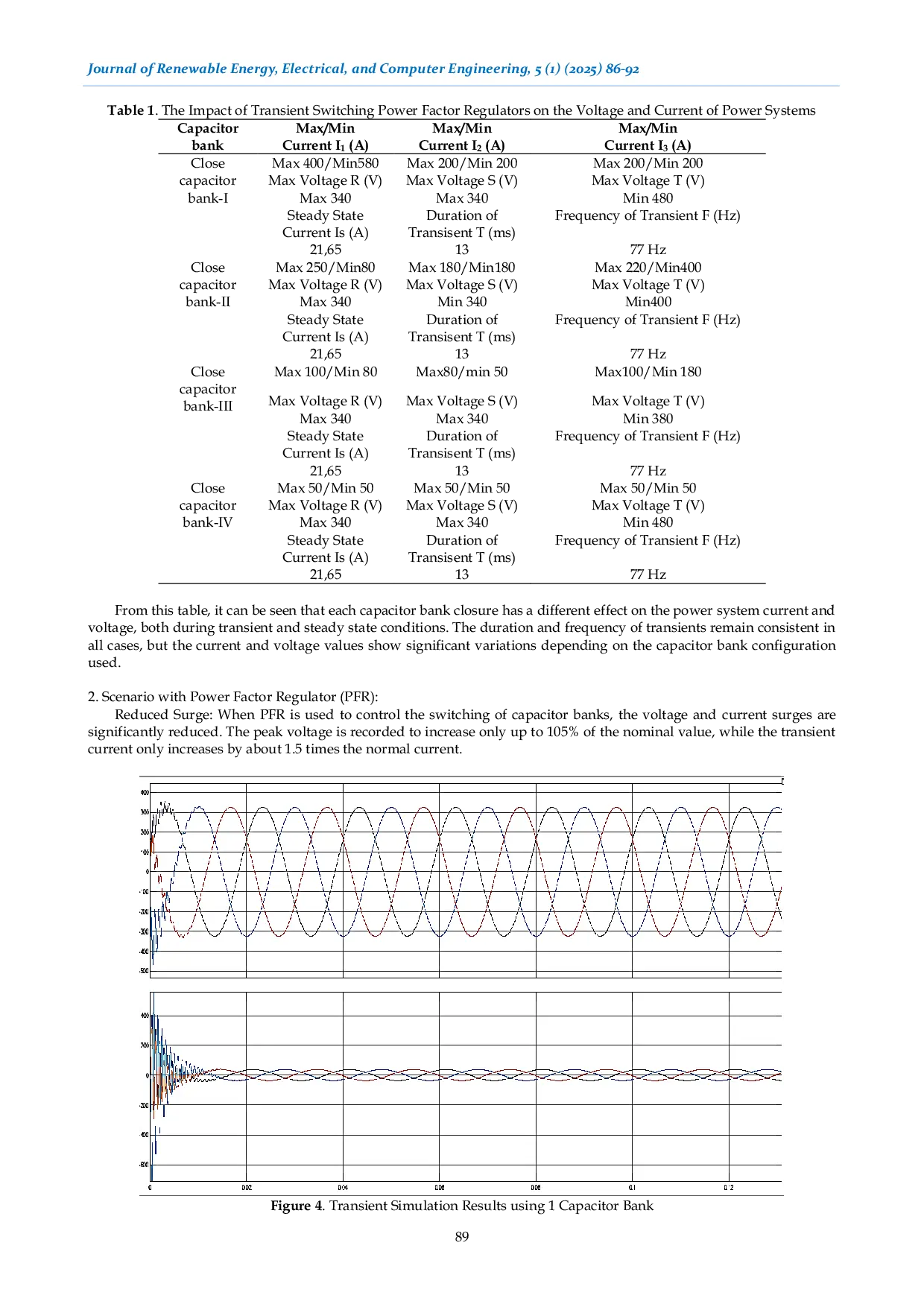
UNIMALUNIMAL Temuan ini memberikan wawasan penting bagi insinyur sistem dalam merancang dan mengoperasikan sistem tenaga yang lebih andal, mempertimbangkan pentingnyaTemuan ini memberikan wawasan penting bagi insinyur sistem dalam merancang dan mengoperasikan sistem tenaga yang lebih andal, mempertimbangkan pentingnya

UNHAJUNHAJ Edukasi dan workshop yang diberikan mampu meningkatkan pengetahuan masyarakat tentang obat, manfaat kandungan buah wortel dan marketing dan business plan,Edukasi dan workshop yang diberikan mampu meningkatkan pengetahuan masyarakat tentang obat, manfaat kandungan buah wortel dan marketing dan business plan,
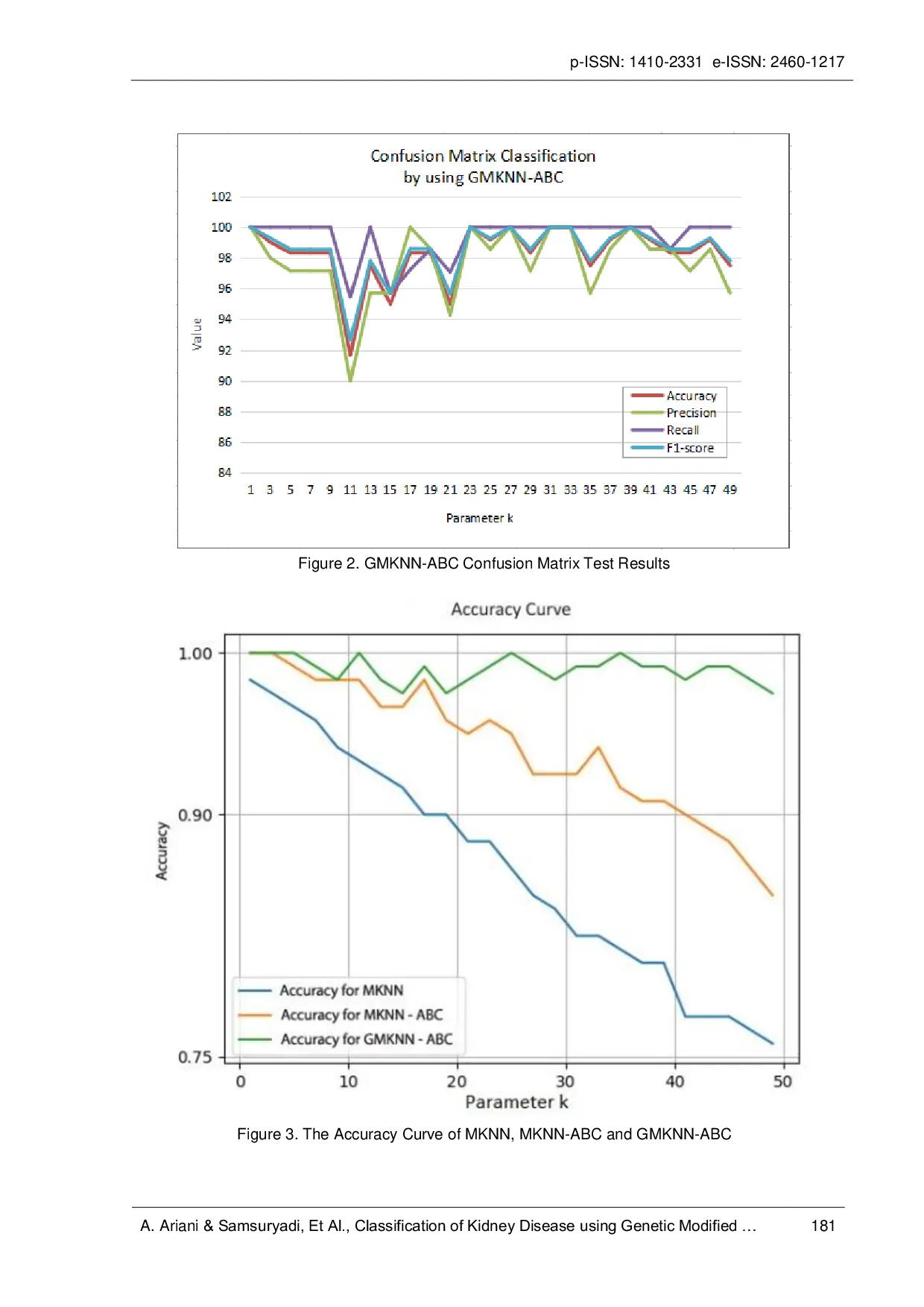
UMBUMB Selain itu, pemilihan fitur sangat berpengaruh pada tingkat akurasi, presisi, dan f1-score yang dihasilkan.metode GMKNN-ABC memberikan hasil rata-rataSelain itu, pemilihan fitur sangat berpengaruh pada tingkat akurasi, presisi, dan f1-score yang dihasilkan.metode GMKNN-ABC memberikan hasil rata-rata
UMBUMB Kondisi ini ditunjukkan oleh peningkatan performa sistem, di mana controller dapat memberikan stabilitas—peningkatan respons sistem dengan overshootKondisi ini ditunjukkan oleh peningkatan performa sistem, di mana controller dapat memberikan stabilitas—peningkatan respons sistem dengan overshoot
Useful /

STKIPPACITANSTKIPPACITAN Model pembelajaran kooperatif tipe GI dan TAPPS efektif meningkatkan kemampuan pemecahan masalah matematika siswa kelas VII SMP di Kabupaten Pacitan dibandingkanModel pembelajaran kooperatif tipe GI dan TAPPS efektif meningkatkan kemampuan pemecahan masalah matematika siswa kelas VII SMP di Kabupaten Pacitan dibandingkan

STKIPPACITANSTKIPPACITAN Penelitian ini bertujuan untuk mengetahui pengaruh estetika Sutardji Calzoum Bachri terhadap puisi-puisi Widi Nugrahani. Hasil penelitian menunjukkan bahwaPenelitian ini bertujuan untuk mengetahui pengaruh estetika Sutardji Calzoum Bachri terhadap puisi-puisi Widi Nugrahani. Hasil penelitian menunjukkan bahwa

STKIPPACITANSTKIPPACITAN Penelitian ini merupakan penelitian tindakan kelas (PTK) dengan pendekatan kualitatif yang dilaksanakan dalam 2 siklus. Tujuan penelitian ini adalah untukPenelitian ini merupakan penelitian tindakan kelas (PTK) dengan pendekatan kualitatif yang dilaksanakan dalam 2 siklus. Tujuan penelitian ini adalah untuk

UNIRAYAUNIRAYA Penelitian ini bertujuan untuk mendeskripsikan penerjemahan istilah bagian-bagian perangkat penguap pakaian dari bahasa Inggris ke bahasa Indonesia dalamPenelitian ini bertujuan untuk mendeskripsikan penerjemahan istilah bagian-bagian perangkat penguap pakaian dari bahasa Inggris ke bahasa Indonesia dalam