TEUNULEHJOURNALTEUNULEHJOURNAL
Jurnal Ilmiah TeunulehJurnal Ilmiah TeunulehThe transformation of Islamic education in the era of artificial intelligence (AI) opens up great opportunities to improve the quality, effectiveness, and relevance of learning. This article aims to examine in depth the potential, challenges, and ethical framework in the use of AI for Islamic education. Using the literature review method, various scientific literature is thematically analyzed to identify patterns, findings, and strategic recommendations. The results of the study show that AI is able to provide a more personalized, adaptive, and efficient learning experience through features such as chatbots, automated evaluations, and learning. However, significant challenges also arise, including limited infrastructure, low digital competence of teachers, unprepared curriculum, and concerns about the degradation of human and spiritual values. The key findings of this article are that AI integration should be governed within an Islamic ethical framework centered on the principles of sharia maqashid, specifically hifz al-din (protection of religion) and hifz al-aql (protection of reason). This article contributes by offering a character-centric model of AI integration and positioning AI as a tool that is subject to humanist values, rather than as an essential substitute for the role of murabbi. A comprehensive strategy is needed, including curriculum reform, strengthening teacher competence, and ethical regulations based on local wisdom. This article offers a comprehensive technology integration strategy through curriculum updates, strengthening teachers digital competencies, cross-sector collaboration, and the development of contextual Islamic learning content.
The study concludes that artificial intelligence (AI) holds significant potential for transforming Islamic education, offering opportunities for adaptive, efficient, and relevant learning.However, challenges such as limited infrastructure, teacher competence, and curriculum preparedness must be addressed.Crucially, the integration of AI in Islamic education must be grounded in Islamic ethical values, particularly the principles of sharia maqashid, to ensure it aligns with the core goals of fostering spiritual, intellectual, and moral development.Therefore, AI should support, not replace, the role of teachers as spiritual educators.
Further research should explore the development of AI-driven tools specifically designed to enhance the teaching of Islamic values and ethics, ensuring alignment with sharia principles. Additionally, studies are needed to investigate effective strategies for bridging the digital literacy gap among Islamic educators, providing them with the necessary skills to integrate AI responsibly and effectively into their teaching practices. Finally, research should focus on creating culturally relevant and contextually appropriate Islamic learning content powered by AI, catering to the diverse needs of Muslim communities globally and fostering a deeper understanding of Islamic teachings in the digital age. These investigations should consider the potential for AI to personalize learning pathways, automate administrative tasks, and provide real-time feedback to students, while simultaneously safeguarding the human element of education and promoting ethical considerations.
- Integration of Artificial Intelligence in Islamic Education: Trends, Methods, and Challenges in the Digital... doi.org/10.59653/jmisc.v3i01.1368Integration of Artificial Intelligence in Islamic Education Trends Methods and Challenges in the Digital doi 10 59653 jmisc v3i01 1368
- edukasi islami: jurnal pendidikan islam. tantangan kurikulum pendidikan agama islam era digital edukasi... jurnal.staialhidayahbogor.ac.id/index.php/ei/article/view/8114edukasi islami jurnal pendidikan islam tantangan kurikulum pendidikan agama islam era digital edukasi jurnal staialhidayahbogor ac index php ei article view 8114
- Transformasi Pendidikan Agama Islam di Era Digital: Peran Artificial Intelligence (AI) dalam Memperkuat... doi.org/10.37274/mauriduna.v5i2.1293Transformasi Pendidikan Agama Islam di Era Digital Peran Artificial Intelligence AI dalam Memperkuat doi 10 37274 mauriduna v5i2 1293
| File size | 361.78 KB |
| Pages | 15 |
| DMCA | Report |
Related /

IJCIEDIJCIED This article aims to analyze the effectiveness and challenges of the use of AI hardware in PAI. This study employs a qualitative descriptive method throughThis article aims to analyze the effectiveness and challenges of the use of AI hardware in PAI. This study employs a qualitative descriptive method through

UMMUBAUMMUBA Diperlukan integrasi kompetensi bidang khusus, seperti istilah teknis, penulisan skrip, latihan pengucapan, dan komunikasi profesional, ke dalam bahanDiperlukan integrasi kompetensi bidang khusus, seperti istilah teknis, penulisan skrip, latihan pengucapan, dan komunikasi profesional, ke dalam bahan
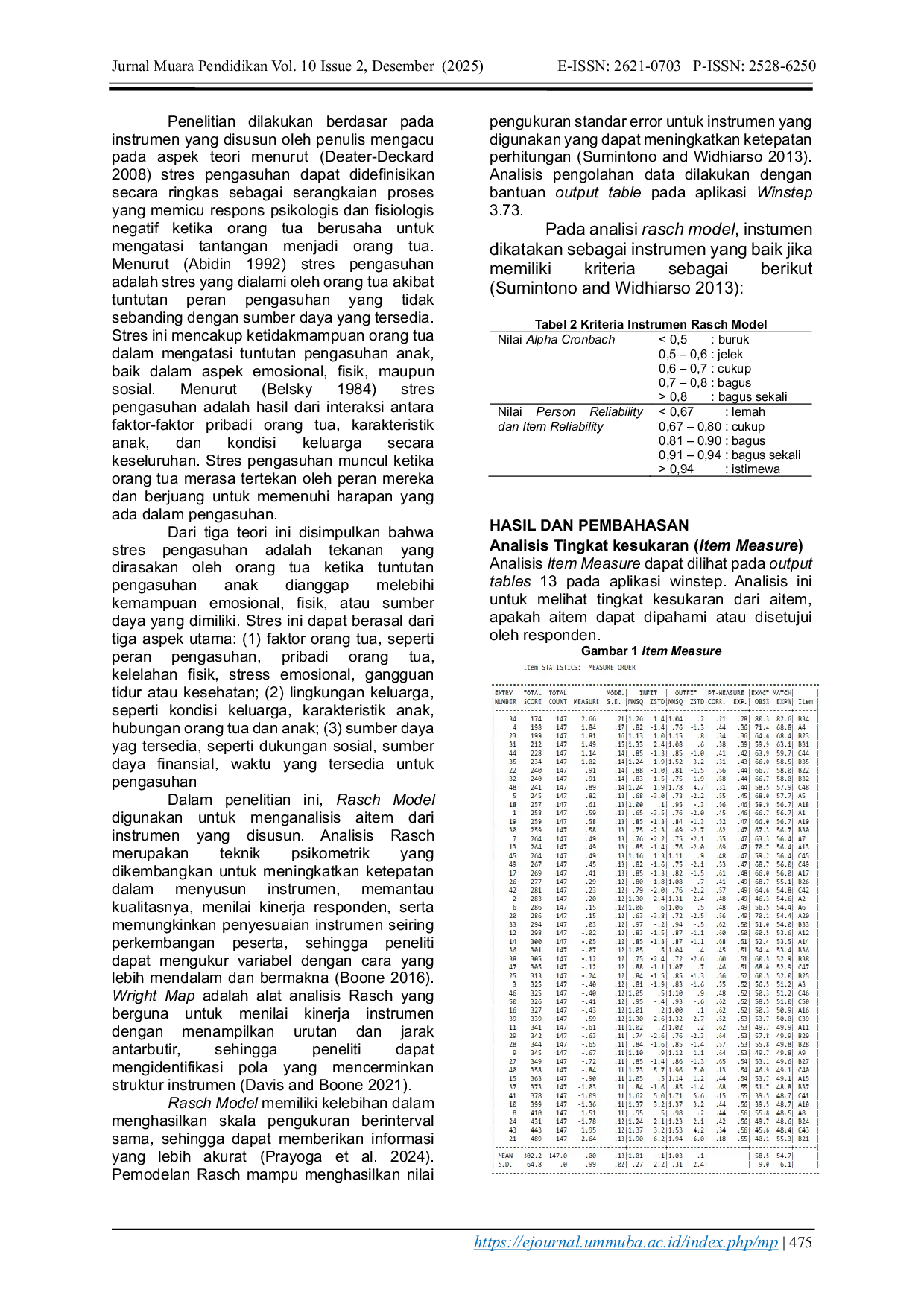
UMMUBAUMMUBA Selain itu, penggunaan instrumen ini dapat mendukung pelaksanaan penelitian ilmiah, perancangan intervensi, serta perumusan kebijakan yang berorientasiSelain itu, penggunaan instrumen ini dapat mendukung pelaksanaan penelitian ilmiah, perancangan intervensi, serta perumusan kebijakan yang berorientasi

TEUNULEHJOURNALTEUNULEHJOURNAL Additionally, Islamic educational institutions and policymakers should contribute by establishing regulations and educational programs that promote healthyAdditionally, Islamic educational institutions and policymakers should contribute by establishing regulations and educational programs that promote healthy

ULUMUNAULUMUNA Analisis statistik menunjukkan validitas dan reliabilitas konstrak tinggi, dengan Composite Reliability>0,7 dan AVE>0,5. Hasil menunjukkan integrasi iniAnalisis statistik menunjukkan validitas dan reliabilitas konstrak tinggi, dengan Composite Reliability>0,7 dan AVE>0,5. Hasil menunjukkan integrasi ini

YPHNYPHN This research concludes with a call for curriculum harmonization that supports pluralism and pedagogical innovation to enhance the quality of elementaryThis research concludes with a call for curriculum harmonization that supports pluralism and pedagogical innovation to enhance the quality of elementary

UNISAPUNISAP Pendidikan karakter bertujuan untuk kembali menghidupkan karakter warga negara yang sesuai dengan nilai-nilai Pancasila, antara lain nilai ketaqwaan, nilaiPendidikan karakter bertujuan untuk kembali menghidupkan karakter warga negara yang sesuai dengan nilai-nilai Pancasila, antara lain nilai ketaqwaan, nilai
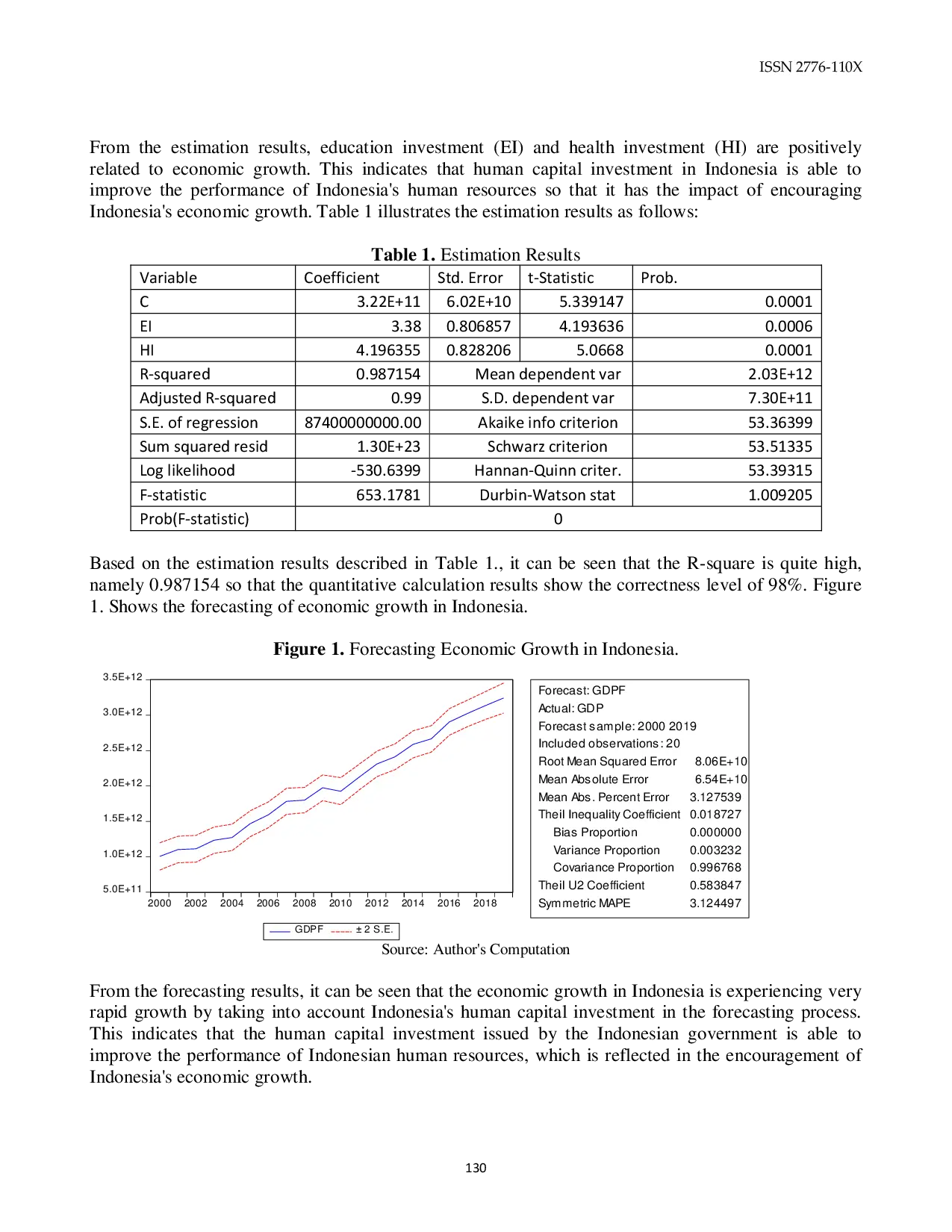
STIEKNSTIEKN This study examines the role of human capital investment in the form of improving education and health services in Indonesia in order to improve the performanceThis study examines the role of human capital investment in the form of improving education and health services in Indonesia in order to improve the performance
Useful /

UMMUBAUMMUBA Furthermore, the study emphasizes the need for a holistic approach involving schools, families, and the wider community to cultivate mental fortitude andFurthermore, the study emphasizes the need for a holistic approach involving schools, families, and the wider community to cultivate mental fortitude and
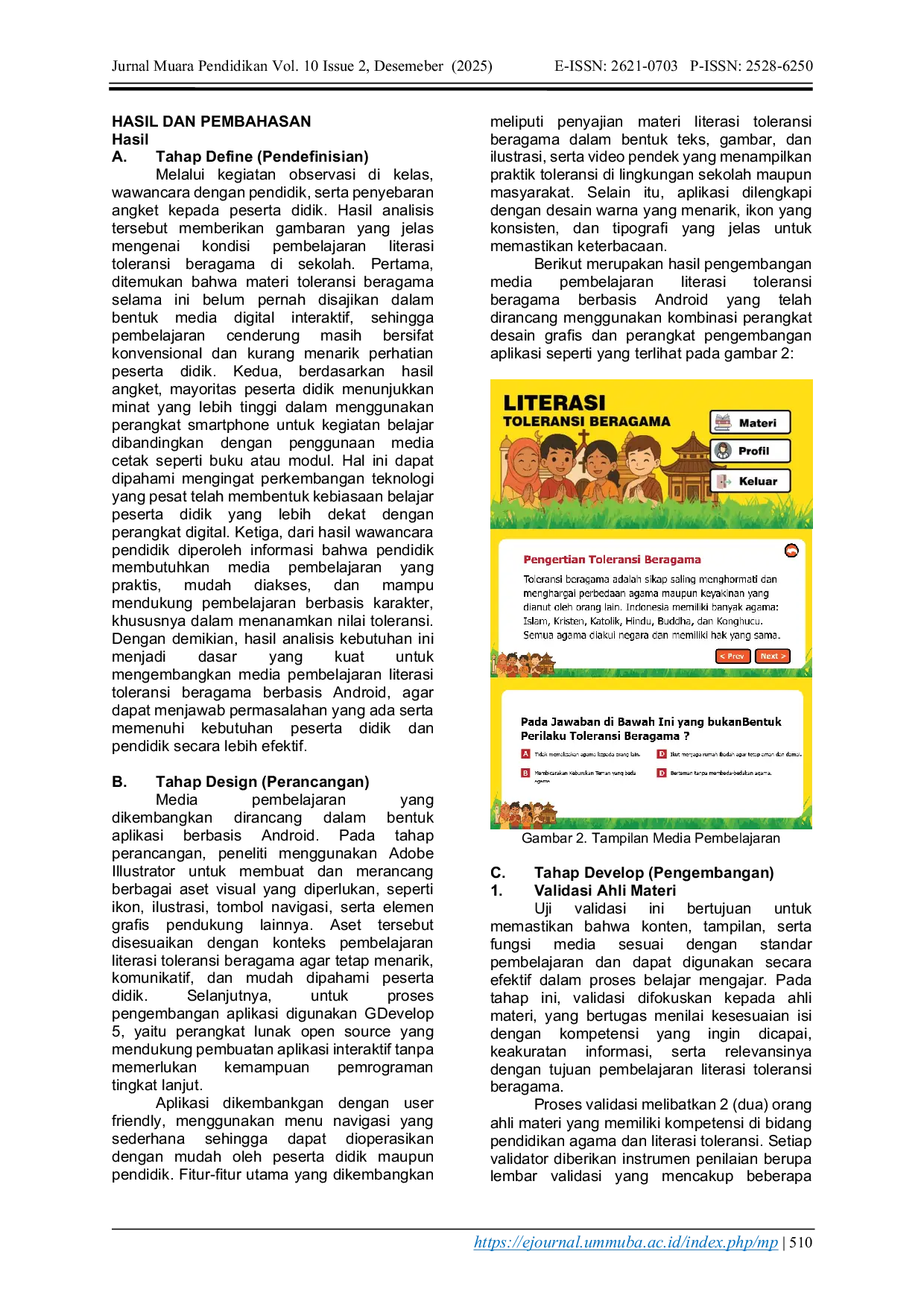
UMMUBAUMMUBA Hasil uji efektivitas melalui pre-test dan post-test menunjukkan peningkatan rata-rata sebesar 17 poin, sehingga media terbukti efektif dalam meningkatkanHasil uji efektivitas melalui pre-test dan post-test menunjukkan peningkatan rata-rata sebesar 17 poin, sehingga media terbukti efektif dalam meningkatkan

UMMUBAUMMUBA Dengan demikian, model ini dapat menjadi alternatif inovatif untuk memperkuat literasi membaca siswa SD pada era digital dan Society 5. Penelitian iniDengan demikian, model ini dapat menjadi alternatif inovatif untuk memperkuat literasi membaca siswa SD pada era digital dan Society 5. Penelitian ini
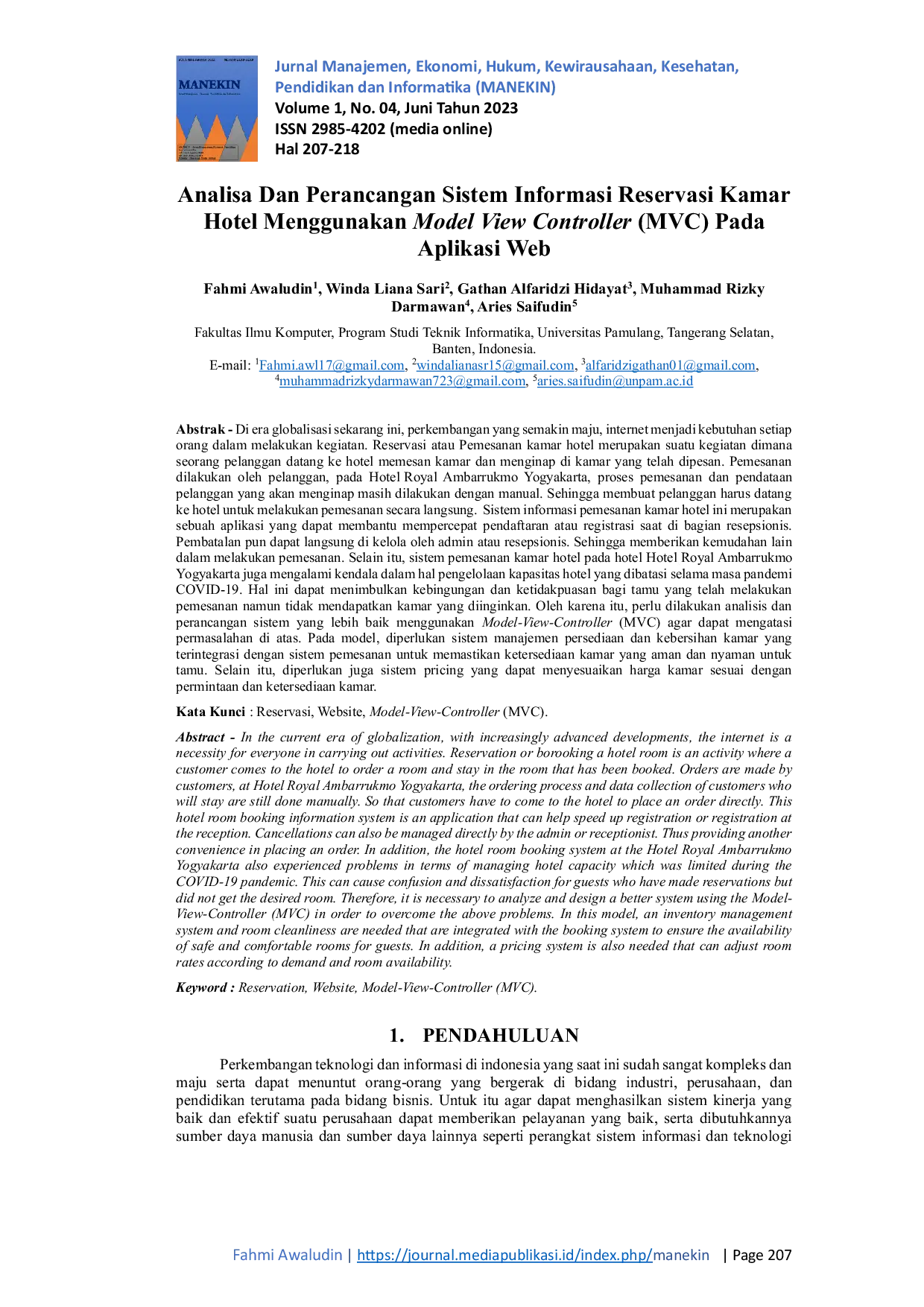
MEDIAPUBLIKASIMEDIAPUBLIKASI Reservasi atau pemesanan kamar hotel adalah kegiatan di mana seorang pelanggan datang ke hotel untuk memesan kamar dan menginap di kamar yang telah dipesan.Reservasi atau pemesanan kamar hotel adalah kegiatan di mana seorang pelanggan datang ke hotel untuk memesan kamar dan menginap di kamar yang telah dipesan.