UNIKSUNIKS
JURNAL AGRONOMI TANAMAN TROPIKA (JUATIKA)JURNAL AGRONOMI TANAMAN TROPIKA (JUATIKA)Mining operations disrupt the equilibrium of terrestrial ecosystems, leading to a decline in soil fertility and overall environmental quality. The adverse effects of such activities can severely impact forest ecosystems, resulting in disturbances to physical, chemical, and biological conditions. Consequently, initiatives aimed at restoring soil health to its pre-mining state are essential, often involving revegetation efforts. The cultivation of red jabon trees in nutrient-deficient and less fertile soils necessitates the incorporation of organic matter to enhance soil quality, typically achieved through the application of compost. This study aimed to evaluate the effects and optimal ratios of compost mixed with ex-gold mining soil on the growth of red jabon seedlings. The experimental design included four treatment groups and five replications, yielding a total of 20 experimental units. The treatments for compost application were as follows: D1 = control (no compost), D2 = 10% compost 90% ex-gold mining soil, D3 = 30% compost 70% ex-gold mining soil, and D4 = 50% compost 50% ex-gold mining soil. The parameters observed included survival rate, height growth, diameter growth, dry weight of the plants, and root-to-crown ratio. The findings indicated that the application of compost significantly influenced the growth of red jabon seedlings. Notably, treatment D4 (50% compost 50% ex-gold mining soil) yielded the most favorable results, achieving a survival rate of 100%, a height increase of 16.56 cm, a diameter increase of 2.21 mm, a dry weight of 40.73 g, and a root-to-crown ratio of 4.84.
The provision of compost fertilizer in the planting media of former gold mines significantly impacts the growth of Anthocephalus macrophyllus seedlings.The treatment with a composition of 50% compost and 50% former gold mine soil (D4) was identified as the optimal treatment for the growth of red jabon seedlings.This resulted in a 100% survival rate, a height increase of 16.56 cm, a diameter increase of 2.21 mm, a dry plant weight of 40.73 g, and a root-crown ratio of 4.
Penelitian lebih lanjut perlu dilakukan untuk mengkaji pengaruh berbagai jenis kompos, seperti kompos dari limbah perkotaan atau limbah pertanian, terhadap pertumbuhan jabon merah di lahan bekas tambang emas. Hal ini penting untuk menemukan sumber kompos yang lebih berkelanjutan dan ekonomis. Selain itu, penelitian perlu difokuskan pada interaksi antara kompos dengan mikroorganisme tanah, khususnya mikoriza, untuk meningkatkan efisiensi penyerapan nutrisi oleh tanaman. Studi mendalam mengenai mekanisme adaptasi jabon merah terhadap kondisi tanah bekas tambang, termasuk toleransi terhadap logam berat, juga sangat diperlukan. Penelitian ini dapat dilakukan dengan menganalisis ekspresi gen yang terlibat dalam detoksifikasi logam berat atau dengan mengidentifikasi varietas jabon merah yang memiliki tingkat toleransi lebih tinggi. Terakhir, perlu dilakukan penelitian mengenai efektivitas kombinasi antara aplikasi kompos dengan teknik bioremediasi lainnya, seperti fitoremediasi, untuk mempercepat proses pemulihan lahan bekas tambang emas dan meningkatkan keanekaragaman hayati.
- DOI Name 10.5960 Values. doi name values index type timestamp data hs serv 32z crossref desc 45z deutsche... doi.org/10.5960DOI Name 10 5960 Values doi name values index type timestamp data hs serv 32z crossref desc 45z deutsche doi 10 5960
- DOI Name 10.2924 Values. doi name values index type timestamp data hs admin 30z handle na create hdl... doi.org/10.2924DOI Name 10 2924 Values doi name values index type timestamp data hs admin 30z handle na create hdl doi 10 2924
| File size | 202.27 KB |
| Pages | 12 |
| DMCA | Report |
Related /
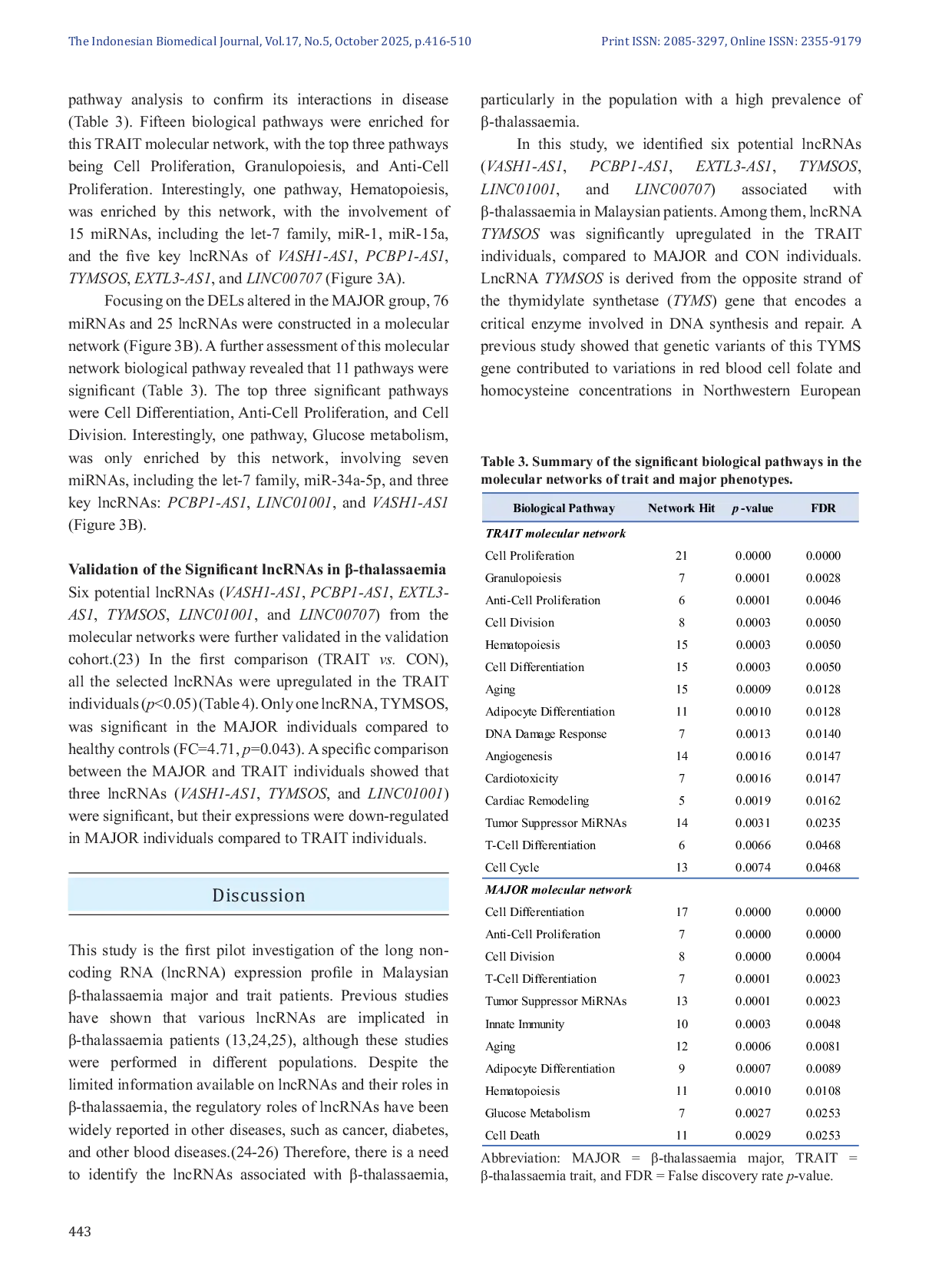
INABJINABJ β-thalassemia memiliki tingkat keparahan penyakit yang heterogen, mulai dari ringan hingga mayor. Long noncoding RNA (lncRNA) diketahui mengatur microRNAβ-thalassemia memiliki tingkat keparahan penyakit yang heterogen, mulai dari ringan hingga mayor. Long noncoding RNA (lncRNA) diketahui mengatur microRNA

POLKESBANPOLKESBAN Trp785*) yang menyebabkan terminasi translasi dini. Mutasi yang ditemukan berpotensi memengaruhi struktur dan fungsi protein HNF1A, termasuk domain transaktivasiTrp785*) yang menyebabkan terminasi translasi dini. Mutasi yang ditemukan berpotensi memengaruhi struktur dan fungsi protein HNF1A, termasuk domain transaktivasi
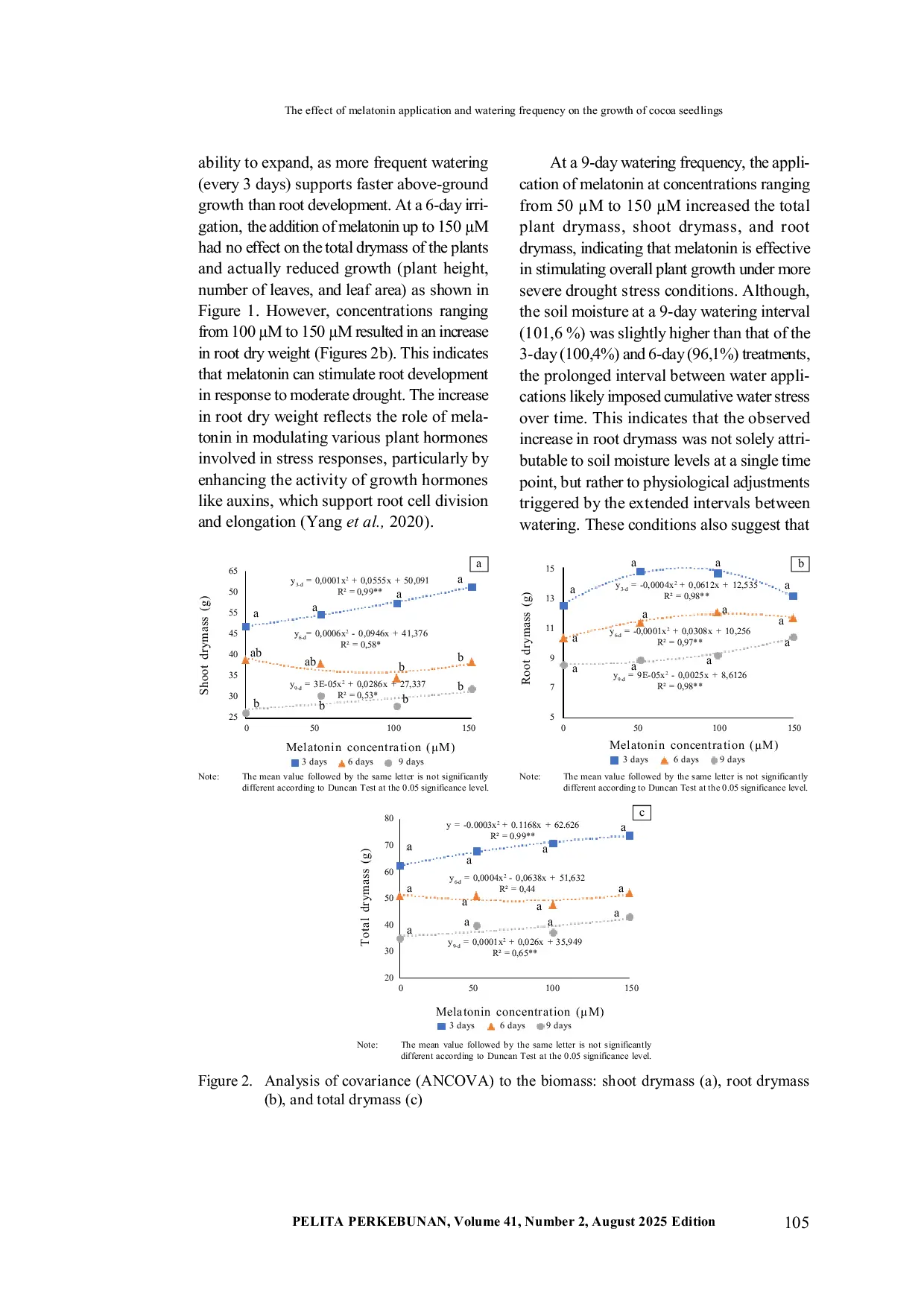
CCRJOURNALCCRJOURNAL Therefore, melatonin can enhance drought tolerance and promote plant growth under limited irrigation conditions. The application of melatonin can significantlyTherefore, melatonin can enhance drought tolerance and promote plant growth under limited irrigation conditions. The application of melatonin can significantly

PUBLIKASI UNTAGCIREBONPUBLIKASI UNTAGCIREBON Penelitian ini membuktikan bahwa pemberian ekstrak daun berpengaruh nyata terhadap kecerahan warna dan kandungan karotenoid pada ikan Channa maru. EkstrakPenelitian ini membuktikan bahwa pemberian ekstrak daun berpengaruh nyata terhadap kecerahan warna dan kandungan karotenoid pada ikan Channa maru. Ekstrak
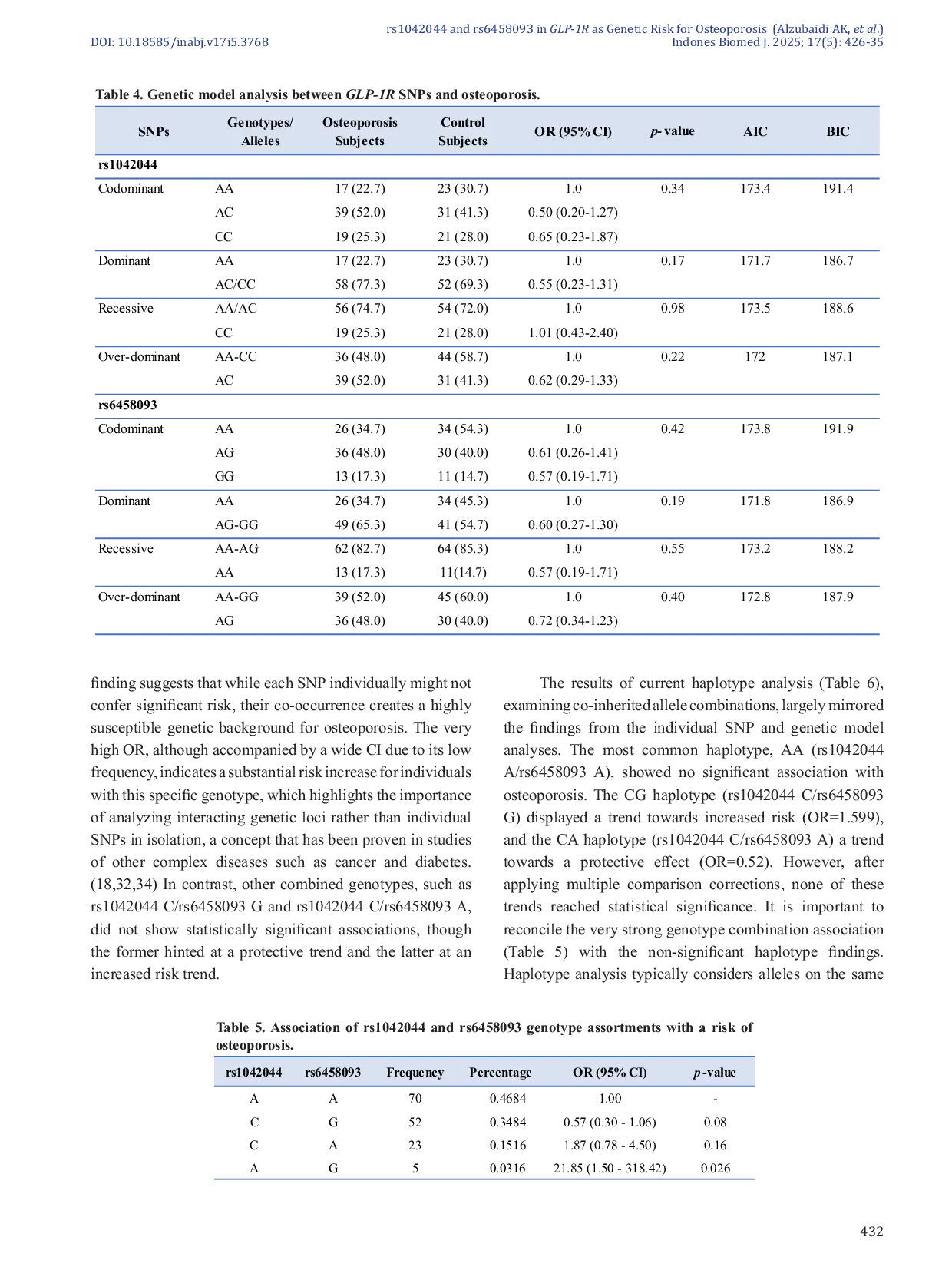
INABJINABJ Oleh karena itu, penelitian ini dilakukan untuk menyelidiki efek genotip kombinasi rs1042044 dan rs6458093 sebagai faktor risiko genetik untuk osteoporosisOleh karena itu, penelitian ini dilakukan untuk menyelidiki efek genotip kombinasi rs1042044 dan rs6458093 sebagai faktor risiko genetik untuk osteoporosis

UNIKSUNIKS Perlakuan kombinasi secara signifikan meningkatkan tinggi tanaman, kandungan klorofil, jumlah bunga, jumlah buah per tanaman, bobot buah segar, produksi,Perlakuan kombinasi secara signifikan meningkatkan tinggi tanaman, kandungan klorofil, jumlah bunga, jumlah buah per tanaman, bobot buah segar, produksi,

UNSRATUNSRAT ) merupakan buah yang memiliki berbagai khasiat terapetik tetapi belum diketahui efek samping apabila dikonsumsi secara berlebihan terhadap gangguan organ) merupakan buah yang memiliki berbagai khasiat terapetik tetapi belum diketahui efek samping apabila dikonsumsi secara berlebihan terhadap gangguan organ
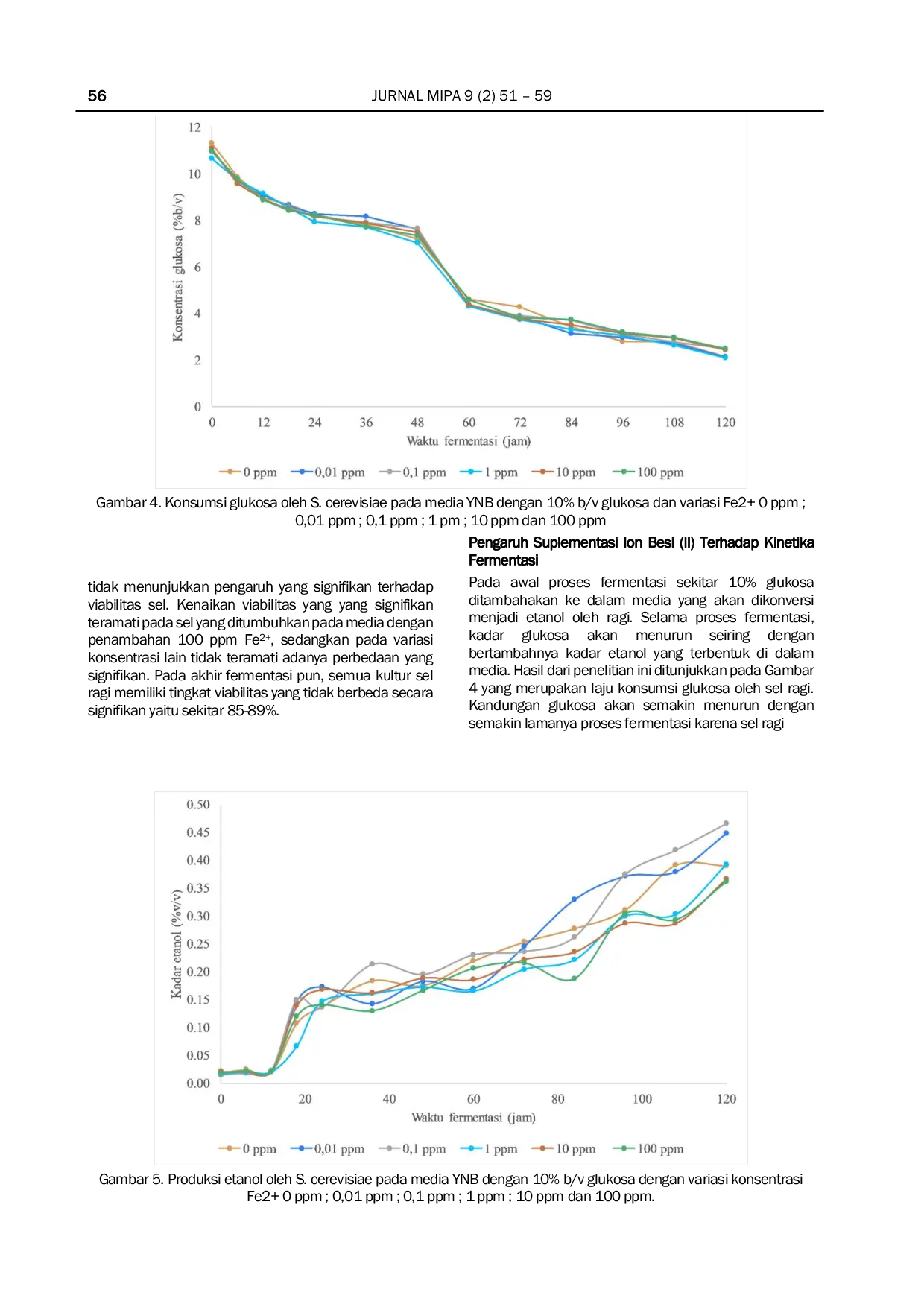
UNSRATUNSRAT Ion logam yang berpotensi untuk meningkatkan kinerja fermentasi dan toleransi sel terhadap cekaman ialah ion logam besi II (Fe2 ) yang berperan sebagaiIon logam yang berpotensi untuk meningkatkan kinerja fermentasi dan toleransi sel terhadap cekaman ialah ion logam besi II (Fe2 ) yang berperan sebagai
Useful /
UNIKSUNIKS Hasil penelitian menunjukkan bahwa pengamatan tinggi tanaman, jumlah anakan produktif, dan usia panen tidak menunjukkan perbedaan signifikan antara kelompokHasil penelitian menunjukkan bahwa pengamatan tinggi tanaman, jumlah anakan produktif, dan usia panen tidak menunjukkan perbedaan signifikan antara kelompok
UNIKSUNIKS Konsentrasi pengatur pertumbuhan 200 Mg/l memberikan hasil terbaik pada tinggi batang dan berat segar akar. Komposisi media tanam dengan 40% bahan padatKonsentrasi pengatur pertumbuhan 200 Mg/l memberikan hasil terbaik pada tinggi batang dan berat segar akar. Komposisi media tanam dengan 40% bahan padat
UNIKSUNIKS Penelitian ini menyelidiki konsentrasi optimal pupuk organik cair yang berasal dari cangkang telur ayam serta dosis efektif bokashi eceng gondok untukPenelitian ini menyelidiki konsentrasi optimal pupuk organik cair yang berasal dari cangkang telur ayam serta dosis efektif bokashi eceng gondok untuk
UNSRATUNSRAT Penelitian ini bertujuan untuk menguji aktivitas antiinflamasi ekstrak etanol tanaman patah tulang (Euphorbia tirucalli L. ) terhadap udem yang ditimbulkanPenelitian ini bertujuan untuk menguji aktivitas antiinflamasi ekstrak etanol tanaman patah tulang (Euphorbia tirucalli L. ) terhadap udem yang ditimbulkan