UMBUMB
SINERGISINERGIVoltammetry is widely used to detect heavy metals such as mercury (Hg). The sensor material influences the results of the voltammetry method. Carbon-based sensors are commonly developed because of their wide potential range, low background current, inexpensive, inert, and suitable for various sensors. Recently, Tire Waste (TW) was chosen as a carbon source for the manufacture of electrodes because it is rich in carbon (88%). The material is easy to obtain, green technology and a carbon source that has not been properly utilized. Separation of carbon material from TW using the pyrolysis method produces 4.32 gr (2.6%) of soot (from 200 gr TW) as a material for making carbon-based Hg sensors. The XRD pattern of TW soot has amorphous phases. SEM topography shows that the surface of TW soot consists of particles that are almost uniform in shape. The estimated particle size is about 0.25 µm. The sensor was made with a mixture of TW soot and paraffin with a 2:1 ratio. Testing the specific value of sensor capacitance using the Cyclic Voltammetry (CV) method showed the presence of cathodic and anodic currents. The Hg deposit occurred at a peak cathodic current at a scan rate of 20 mV/s. The Limit of Detection (LoD) value is 0.0681 ppm and the Limit of Quantitation (LoQ) is 0.229 ppm. Measurement of Hg in natural water samples used river water from the Aceh Jaya sub-district at two points representing the upstream and downstream of the river. The Hg concentrations obtained were 0.000536 ppm and 0.00182 ppm, respectively and were compared with results using Atomic Absorbance Spectroscopy (AAS), 0.00058 ppm and 0.00186 ppm, respectively. The t-test results of the two Hg measurement methods at a significance level (α) of 5% obtained tcount > ttable (0.0208 <2.306), indicating that there is a significant difference between the two Hg concentration measurement methods for natural water.
The carbon material (soot) that was successfully separated from 200 grams of TW was 4.Based on the XRD diffractogram, TW soot is estimated to have an amorphous phase.Based on SEM topography the estimated particle size of TW soot is about 250 nm.paraffin for the manufacture of TW carbon-based Hg sensors is 2.The electrochemical response of the UTW carbon electrode-based voltammetry sensor to mercury in water gave LoD and LoQ values of 0.The t-test results of CV with TW carbo-based sensors and AAS for measuring Hg in river water at a significance level (α) of 5% obtained tcount > ttable (6.262), which shows no significant difference between the two concentration measurement methods Hg for river water.
Penelitian lebih lanjut dapat dilakukan untuk mengoptimalkan proses pirolisis limbah ban guna meningkatkan perolehan karbon soot dengan karakteristik yang lebih baik, seperti ukuran partikel yang lebih seragam dan luas permukaan yang lebih besar. Hal ini dapat dicapai melalui variasi parameter pirolisis seperti suhu, waktu tinggal, dan laju pemanasan. Selain itu, eksplorasi penggunaan aktivator selama proses pirolisis, seperti kalium karbonat (K2CO3), dapat meningkatkan porositas dan konduktivitas karbon soot yang dihasilkan, sehingga meningkatkan sensitivitas sensor. Penelitian lanjutan juga perlu difokuskan pada pengembangan sensor berbasis limbah ban yang mampu mendeteksi berbagai jenis logam berat secara simultan, dengan memanfaatkan modifikasi permukaan elektroda menggunakan material selektif seperti nanopartikel logam atau polimer cetak molekul. Pengembangan ini akan menghasilkan sensor yang lebih serbaguna dan efisien untuk pemantauan kualitas air dan lingkungan.
- Solid-State Reference Electrode Based on Thin-Films of Tetrahydrofurfuryl Acrylate (pTHFA) Photopolymer... doi.org/10.1149/2.1331906jesSolid State Reference Electrode Based on Thin Films of Tetrahydrofurfuryl Acrylate pTHFA Photopolymer doi 10 1149 2 1331906jes
- Boron-Doped Diamond Powder as a Durable Support for Platinum-Based Cathode Catalysts in Polymer Electrolyte... doi.org/10.1149/2.0111806jesBoron Doped Diamond Powder as a Durable Support for Platinum Based Cathode Catalysts in Polymer Electrolyte doi 10 1149 2 0111806jes
| File size | 552.1 KB |
| Pages | 8 |
| DMCA | Report |
Related /

POLMAN BABELPOLMAN BABEL Gaya tekan dan momen torsi yang minimum dapat diperoleh dengan menggunakan sudut ujung pahat, kecepatan spindel, dan kecepatan makan masing-masing adalahGaya tekan dan momen torsi yang minimum dapat diperoleh dengan menggunakan sudut ujung pahat, kecepatan spindel, dan kecepatan makan masing-masing adalah

POLMAN BABELPOLMAN BABEL Hasil pengujian UJI penetrasi dengan ketebalan 4 mm tidak tertembus oleh indentor sesuai dengan syarat SNI 1811-2007. Sehingga pengujian bisa dijadikanHasil pengujian UJI penetrasi dengan ketebalan 4 mm tidak tertembus oleh indentor sesuai dengan syarat SNI 1811-2007. Sehingga pengujian bisa dijadikan

POLMAN BABELPOLMAN BABEL Hasil uji coba alat pemotong pantiaw menghasilkan potongan pantiaw yang seragam dalam satu kali penekanan/proses. Kapasitas pantiaw 0,5 kg per proses denganHasil uji coba alat pemotong pantiaw menghasilkan potongan pantiaw yang seragam dalam satu kali penekanan/proses. Kapasitas pantiaw 0,5 kg per proses dengan
UPIUPI Hasil menunjukkan bahwa metode HHO yang diusulkan lebih unggul daripada Algoritma Genetika (GA) dan Particle Swarm Optimization (PSO) dalam memaksimalkanHasil menunjukkan bahwa metode HHO yang diusulkan lebih unggul daripada Algoritma Genetika (GA) dan Particle Swarm Optimization (PSO) dalam memaksimalkan
ITBITB Hasil menunjukkan bahwa kertas dengan komposisi 70% serat kulit pisang dan 30% serat kayu menghasilkan kekuatan tarik dan daya serap air yang memenuhiHasil menunjukkan bahwa kertas dengan komposisi 70% serat kulit pisang dan 30% serat kayu menghasilkan kekuatan tarik dan daya serap air yang memenuhi
ITBITB Kertas ini juga menunjukkan ketahanan air yang lebih baik dibanding kertas daur ulang. Penelitian ini memberi bukti bahwa kulit pisang dapat dimanfaatkanKertas ini juga menunjukkan ketahanan air yang lebih baik dibanding kertas daur ulang. Penelitian ini memberi bukti bahwa kulit pisang dapat dimanfaatkan

ITBITB Ketersediaan pengetahuan dan keterampilan yang membentuk ekosistem inovasi di Bandung, didukung oleh sektor bisnis, institusi sosial, dan pemerintah, jugaKetersediaan pengetahuan dan keterampilan yang membentuk ekosistem inovasi di Bandung, didukung oleh sektor bisnis, institusi sosial, dan pemerintah, juga

IAESCOREIAESCORE Makalah ini memperkenalkan metodologi baru yang menggunakan pendekatan meta‑heuristik berbasis populasi, yakni Artificial Bee Colony (ABC), untuk penempatanMakalah ini memperkenalkan metodologi baru yang menggunakan pendekatan meta‑heuristik berbasis populasi, yakni Artificial Bee Colony (ABC), untuk penempatan
Useful /
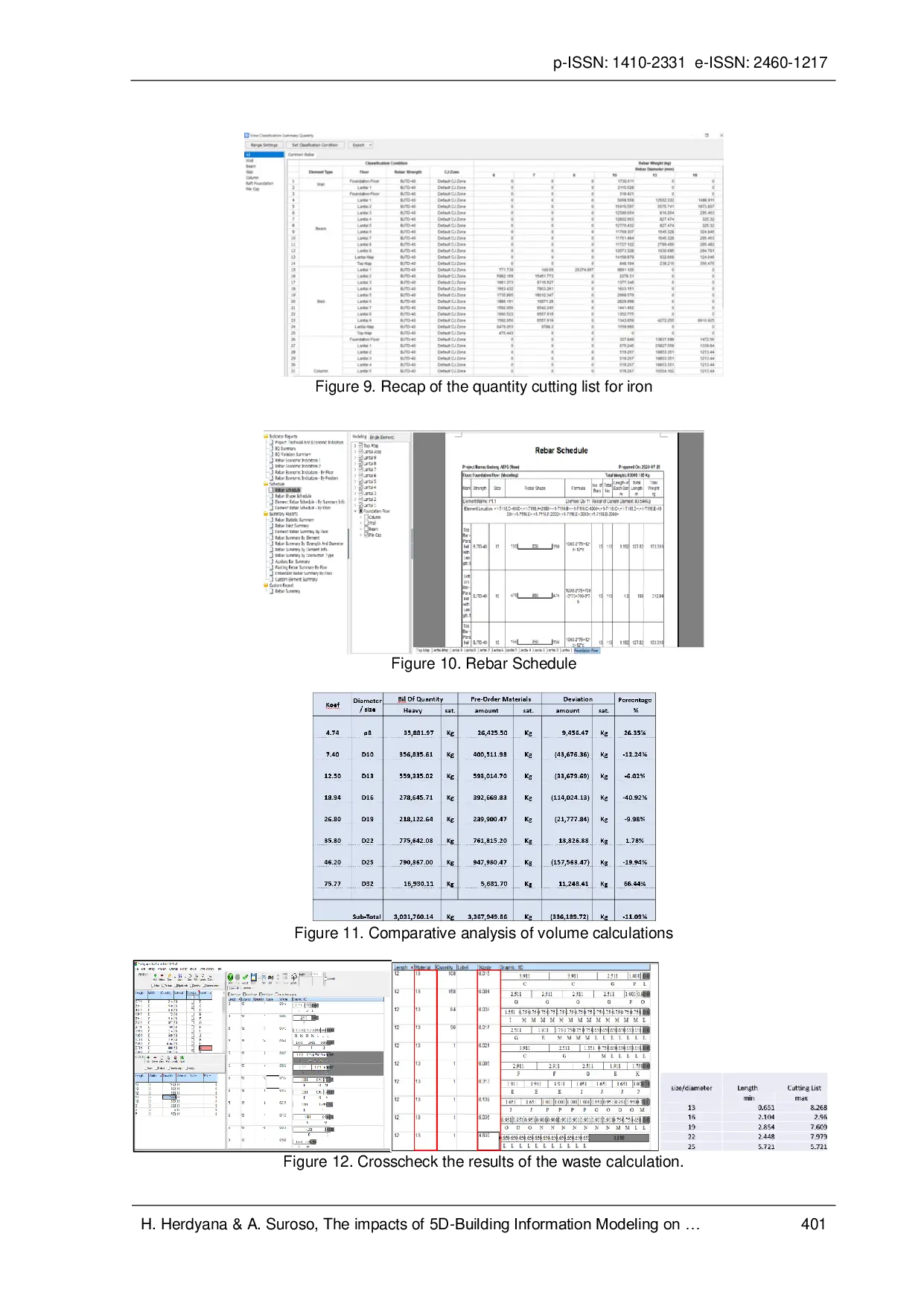
UMBUMB The industrial sector has become increasingly dynamic and responsive to the challenges of building projects due to technological advancements. One exampleThe industrial sector has become increasingly dynamic and responsive to the challenges of building projects due to technological advancements. One example

ITBITB Data dikumpulkan melalui tes kemampuan berpikir kritis matematis sebanyak 5 soal uraian. Hasil penelitian menunjukkan bahwa model pembelajaran berbasisData dikumpulkan melalui tes kemampuan berpikir kritis matematis sebanyak 5 soal uraian. Hasil penelitian menunjukkan bahwa model pembelajaran berbasis
ITBITB Penelitian ini bertujuan untuk mengetahui pengaruh model pembelajaran Problem Based Learning (PBL) terhadap kemampuan pemecahan masalah matematika siswaPenelitian ini bertujuan untuk mengetahui pengaruh model pembelajaran Problem Based Learning (PBL) terhadap kemampuan pemecahan masalah matematika siswa
UINUIN Studi ini menemukan bahwa Undang-Undang Perkawinan Indonesia, khususnya pada bagian usia perkawinan, masih mengandung ambiguitas dalam hal bahasa. HalStudi ini menemukan bahwa Undang-Undang Perkawinan Indonesia, khususnya pada bagian usia perkawinan, masih mengandung ambiguitas dalam hal bahasa. Hal