UMSUMS
Forum GeografiForum GeografiThis article aims at investigating natural disaster mitigation values in Acehnese Tsunami Victims. Natural disaster mitigation is an important issue for people who live in disaster-prone countries such as Indonesia. The hermeneutical approach was employed in this study to reveal the values of disaster mitigation contained in the true storybook of the survivors of the Earthquake and Tsunami that occurred on 26 December 2004. The results of this research indicated that there are eighteen values of natural disaster mitigation, with details of 9 mitigation values about what to do when a tsunami occurs, three mitigation values about what should be avoided, and six mitigation values about preventive measures to reduce tsunami risk. Finally, this research reveals that these empirical facts can strengthen the theories and concepts of mitigation of the Earthquake and Tsunami disaster and as a reference to various educational contexts.
The earthquake and tsunami that occurred in Aceh Province on December 26, 2004, offer valuable lessons for future generations.Through discourse analysis using a hermeneutic approach, this research identified disaster mitigation values derived from the real experiences of Acehs tsunami victims.These experiences provide knowledge that can be used for disaster education and to raise public awareness regarding the importance of preparedness and appropriate behavior during disasters.The findings of this study can serve as empirical evidence to support existing theories and concepts related to earthquake and tsunami disaster mitigation.
Further research could explore the effectiveness of integrating these empirically-derived mitigation values into formal disaster preparedness curricula across Indonesian schools, assessing whether this approach enhances community resilience. Additionally, a comparative study examining the similarities and differences in disaster mitigation values found in the Aceh tsunami survivor stories with those documented in other tsunami-affected regions, such as Japan or Sri Lanka, could provide valuable insights into universal and culturally-specific approaches to disaster preparedness. Finally, investigating the psychological impact of recalling and sharing these traumatic experiences on the survivors themselves, and developing support mechanisms to address potential emotional distress, is crucial for ensuring the long-term well-being of those affected by the disaster and for fostering a more holistic understanding of disaster recovery. These investigations should involve qualitative methods like in-depth interviews and focus group discussions to capture nuanced perspectives and experiences, contributing to a more comprehensive understanding of disaster mitigation and recovery processes.
- Radware Bot Manager Captcha. radware manager captcha apologize ensure keep safe please confirm human... iopscience.iop.org/article/10.1088/1755-1315/286/1/012013Radware Bot Manager Captcha radware manager captcha apologize ensure keep safe please confirm human iopscience iop article 10 1088 1755 1315 286 1 012013
- Article | KnE Open. article kne open social sciences issn 668x latest conference proceedings humanities... kneopen.com/kne-social/article/view/4954Article KnE Open article kne open social sciences issn 668x latest conference proceedings humanities kneopen kne social article view 4954
| File size | 525.44 KB |
| Pages | 11 |
| DMCA | Report |
Related /

HTPHTP Hasil analisis 40 sampel data rawat jalan dari total 361 diagnosis terkait infeksi, neoplasma, cedera, keracunan, serta penyebab luar pada bulan JanuariHasil analisis 40 sampel data rawat jalan dari total 361 diagnosis terkait infeksi, neoplasma, cedera, keracunan, serta penyebab luar pada bulan Januari

HTPHTP Sumber daya manusia merupakan aset yang sangat penting bagi suatu perusahaan dalam mendukung pencapaian tujuan perusahaan, sehingga merupakan suatu keharusanSumber daya manusia merupakan aset yang sangat penting bagi suatu perusahaan dalam mendukung pencapaian tujuan perusahaan, sehingga merupakan suatu keharusan

HTPHTP Puskesmas telah melaksanakan program PTM sesuai Permenkes, namun terkendala jadwal Posyandu dan keterbatasan anggaran. Fasilitas Posyandu terintegrasiPuskesmas telah melaksanakan program PTM sesuai Permenkes, namun terkendala jadwal Posyandu dan keterbatasan anggaran. Fasilitas Posyandu terintegrasi
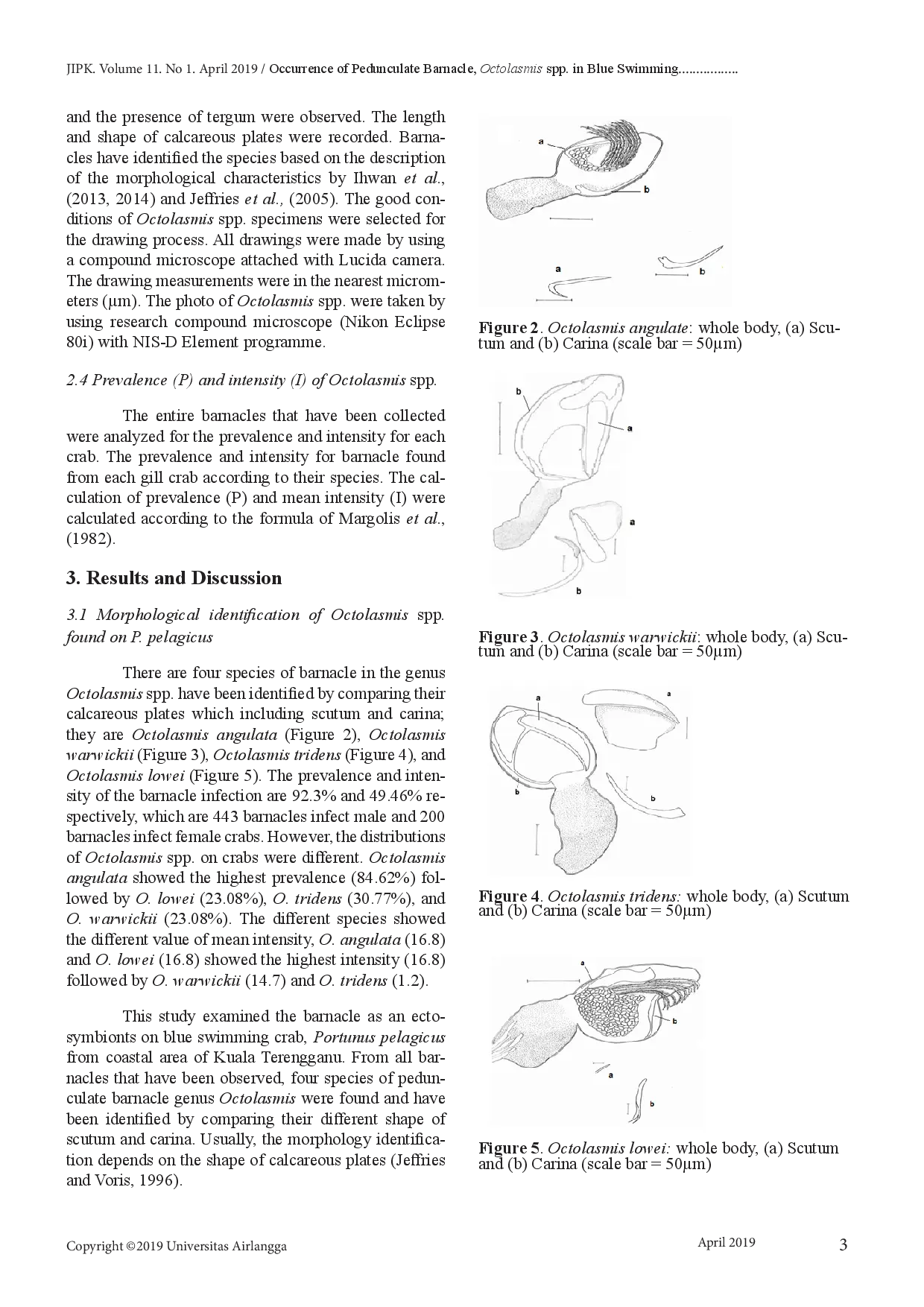
UNAIRUNAIR Octolasmis diamati dari permukaan tubuh dan insang (branchial chamber). Octolasmis diamati pada tiap insang. Prevalensi dan intensitas rata-rata dihitung.Octolasmis diamati dari permukaan tubuh dan insang (branchial chamber). Octolasmis diamati pada tiap insang. Prevalensi dan intensitas rata-rata dihitung.

UNAIRUNAIR Sebanyak 6 spesies fauna makrobentik telah ditemukan dengan kepadatan yang bervariasi. Kepadatan tertingginya berada di Stasiun 3 (05.00 ind/m2) dan terendahnyaSebanyak 6 spesies fauna makrobentik telah ditemukan dengan kepadatan yang bervariasi. Kepadatan tertingginya berada di Stasiun 3 (05.00 ind/m2) dan terendahnya

UNAIRUNAIR Aktivitas embrio dipengaruhi oleh faktor dari luar dan dalam cangkang. Salah satu faktor dari luar yaitu pH air. Tujuan dari penelitian ini adalah untukAktivitas embrio dipengaruhi oleh faktor dari luar dan dalam cangkang. Salah satu faktor dari luar yaitu pH air. Tujuan dari penelitian ini adalah untuk
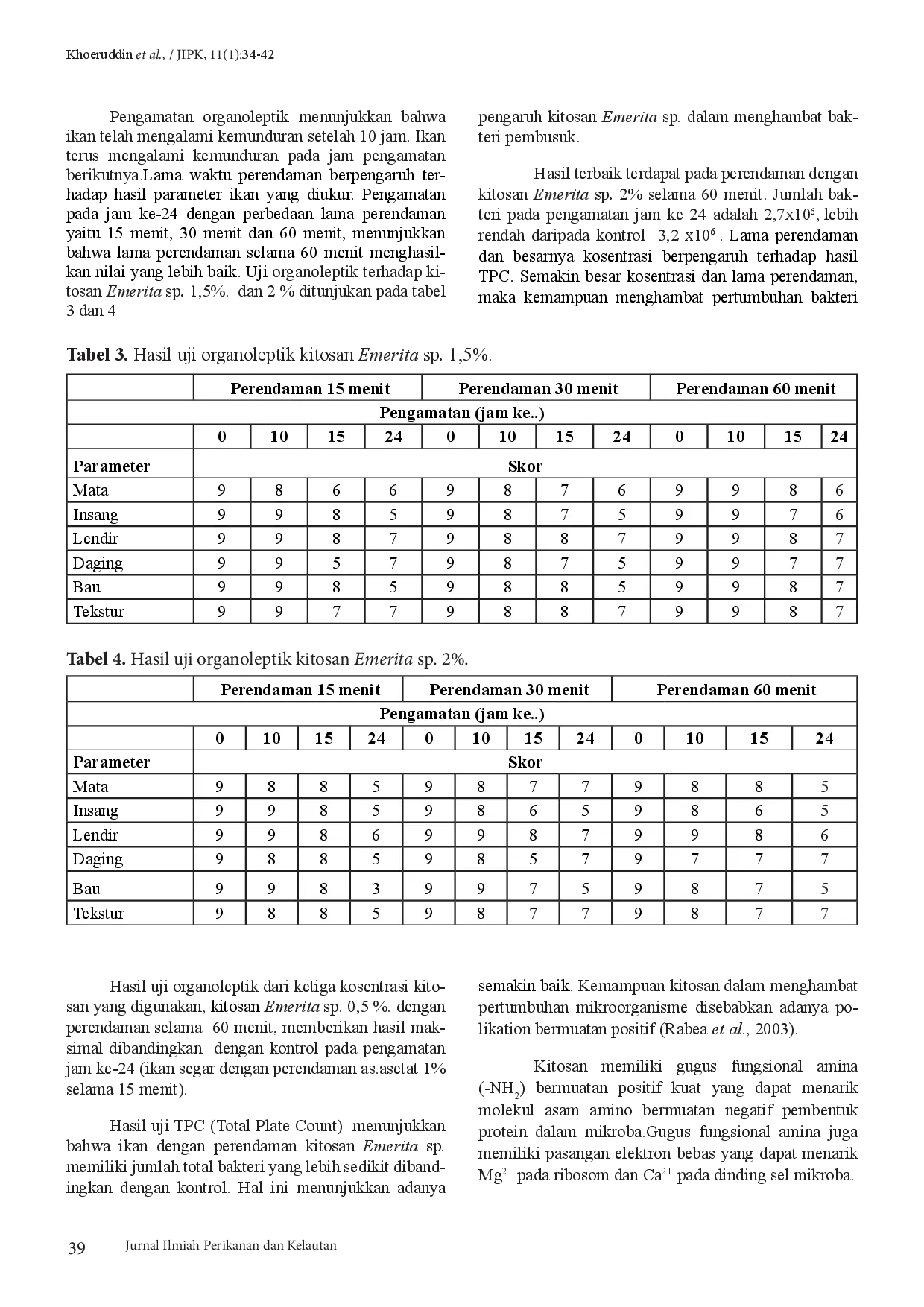
UNAIRUNAIR Bluespot mullet fish was soaked in chitosan from Emerita sp. at concentrations of 0. 5%, 1. 5%, and 2%. Soaking process took was 15, 30 and 60 minutes.Bluespot mullet fish was soaked in chitosan from Emerita sp. at concentrations of 0. 5%, 1. 5%, and 2%. Soaking process took was 15, 30 and 60 minutes.

UNAIRUNAIR Analisis data menggunakan ANAVA (Analisis Varian) dan dilanjutkan dengan Uji Jarak Berganda Duncan untuk mengetahui suhu optimum untuk penyimpanan sporaAnalisis data menggunakan ANAVA (Analisis Varian) dan dilanjutkan dengan Uji Jarak Berganda Duncan untuk mengetahui suhu optimum untuk penyimpanan spora
Useful /
MEDIAZAYNAMEDIAZAYNA Secara keseluruhan, implementasi FMS melalui permainan yang berfokus pada koordinasi merupakan strategi yang holistik dan menyenangkan bagi anak-anak,Secara keseluruhan, implementasi FMS melalui permainan yang berfokus pada koordinasi merupakan strategi yang holistik dan menyenangkan bagi anak-anak,

HTPHTP Promosi kesehatan anak khususnya BBLR baik di tatanan pelayanan klinik ataupun komunitas yang tidak sesuai dapat meningkatkan angka kesakitan dan kematian.Promosi kesehatan anak khususnya BBLR baik di tatanan pelayanan klinik ataupun komunitas yang tidak sesuai dapat meningkatkan angka kesakitan dan kematian.

HTPHTP Salah satu faktor yang dapat mempengaruhi kejadian depresi pada remaja adalah dukungan emosional keluarga. Penelitian ini bertujuan untuk mengkaji pengaruhSalah satu faktor yang dapat mempengaruhi kejadian depresi pada remaja adalah dukungan emosional keluarga. Penelitian ini bertujuan untuk mengkaji pengaruh
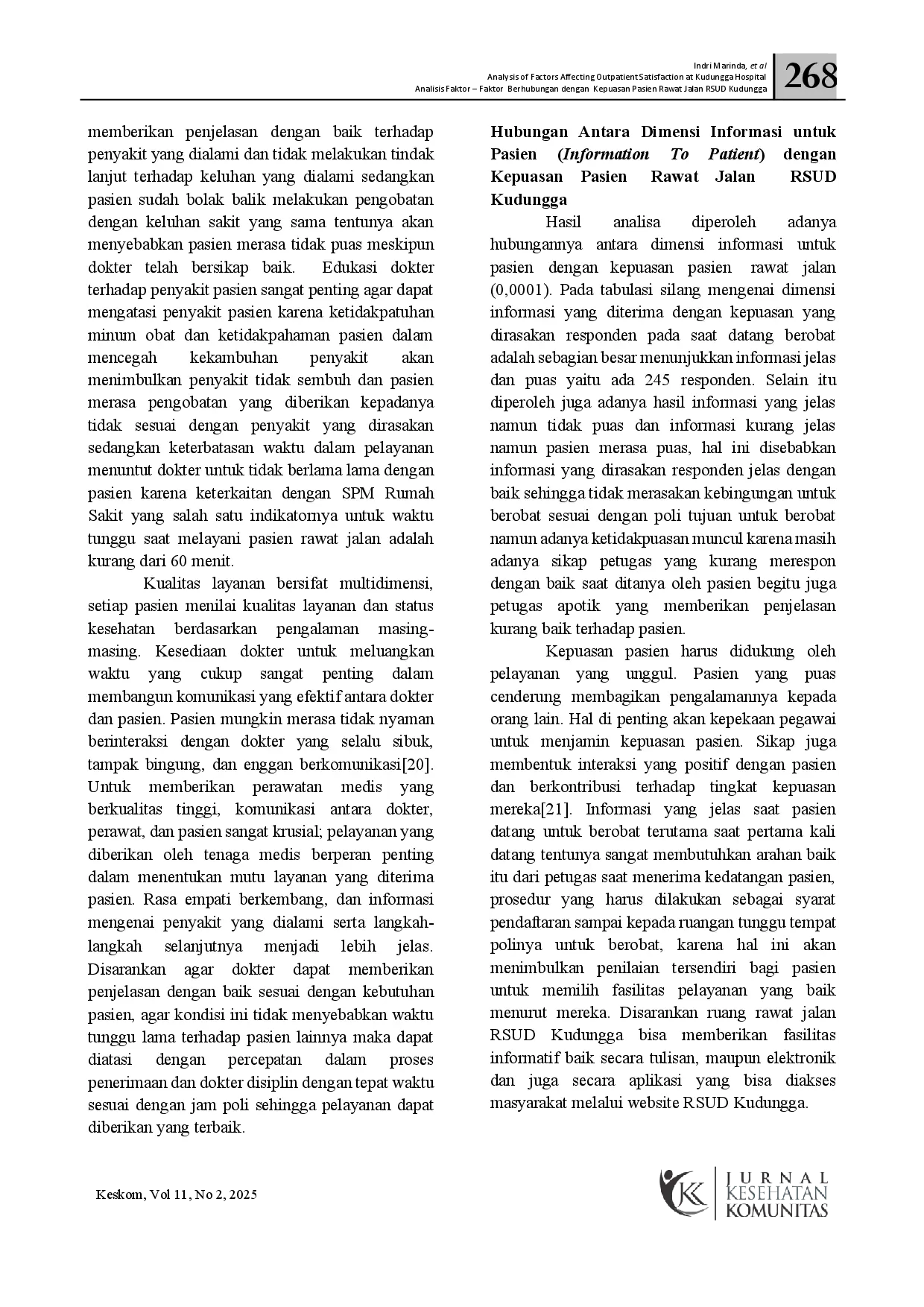
HTPHTP Ada hubungan antara dimensi akses, waktu tunggu, proses penerimaan, lingkungan fisik, konsultasi dokter, dan informasi untuk pasien dengan kepuasan pasienAda hubungan antara dimensi akses, waktu tunggu, proses penerimaan, lingkungan fisik, konsultasi dokter, dan informasi untuk pasien dengan kepuasan pasien