GRAHAKAROMAHGRAHAKAROMAH
Averroes: Journal for Science and Religious StudiesAverroes: Journal for Science and Religious StudiesThis study is grounded in the increasing moral challenges faced by young people in the era of Artificial Intelligence (AI), where technological advancement and rapid information flow significantly influence behaviors, mindset, and character development. Religious education is considered a fundamental pillar for shaping morality, strengthening ethical awareness, and embedding spiritual values essential for navigating social change. However, its effectiveness in character formation depends greatly on community perceptions and support. This research aims to analyze the role of religious education in the character development of young people amid AI-driven societal transformation, using a field-based study in Randugunting, Bantarbolang Village. Methods: A qualitative method was employed through in-depth interviews, participatory observation, and documentation, with data analyzed using the Miles & Huberman model—data reduction, display, and conclusion drawing. Key Findings: The community generally holds a positive perception of religious education as a source of moral guidance for adolescents, although challenges remain, including economic limitations and low parental educational background. Contributes: empirically to the discourse on religious education in the digital era and offers strategic recommendations for strengthening character education rooted in religious values.
The research affirms that religious education remains relevant and impactful in shaping youth character when supported collaboratively by families, communities, and educational institutions.This collaborative support is crucial for effectively addressing the moral challenges faced by young people in the age of Artificial Intelligence.Ultimately, the study highlights the enduring importance of religious values in fostering ethical development and responsible citizenship.
Further research could explore the specific strategies employed by families and communities to reinforce religious values in the face of digital distractions, potentially through comparative studies across different socio-economic backgrounds. Additionally, investigating the role of religious leaders in adapting educational approaches to resonate with the experiences and concerns of Gen Z could provide valuable insights for enhancing the effectiveness of character education. Finally, a longitudinal study tracking the long-term impact of religious education on the moral development and life choices of young people would contribute significantly to our understanding of its enduring relevance in a rapidly changing world. These investigations should consider the intersection of religious teachings with contemporary issues like social justice, environmental stewardship, and responsible technology use, aiming to equip young people with a holistic moral compass for navigating the complexities of modern life.
- Pendidikan Islam Sebagai Fondasi Pembentukan Karakter Generasi Muda | Journal of Innovative and Creativity.... doi.org/10.31004/joecy.v4i3.129Pendidikan Islam Sebagai Fondasi Pembentukan Karakter Generasi Muda Journal of Innovative and Creativity doi 10 31004 joecy v4i3 129
- Open Journal Systems. open journal systems wayback machine https web archive ejournal arraayah ac skip... doi.org/10.37274/rais.v8i1.930Open Journal Systems open journal systems wayback machine https web archive ejournal arraayah ac skip doi 10 37274 rais v8i1 930
| File size | 358.89 KB |
| Pages | 13 |
| DMCA | Report |
Related /

UNZAHUNZAH Esensi pendidikan Islam adalah keseluruhan proses rububiyah Allah terhadap manusia, mulai dari penciptaan hingga penyempurnaan. Tujuan utama pendidikanEsensi pendidikan Islam adalah keseluruhan proses rububiyah Allah terhadap manusia, mulai dari penciptaan hingga penyempurnaan. Tujuan utama pendidikan

KILAUPUBLISHINGKILAUPUBLISHING Berdasarkan hasil analisis, dapat disimpulkan bahwa watak tokoh utama, Ravendra, menunjukkan perkembangan karakter yang signifikan. Tokoh Ravendra digambarkanBerdasarkan hasil analisis, dapat disimpulkan bahwa watak tokoh utama, Ravendra, menunjukkan perkembangan karakter yang signifikan. Tokoh Ravendra digambarkan

UINSAUINSA Penelitian ini bertujuan untuk mengeksplorasi inovasi pendidikan Adiwiyata melalui program green dakwah di pesantren sebagai upaya mendukung pencapaianPenelitian ini bertujuan untuk mengeksplorasi inovasi pendidikan Adiwiyata melalui program green dakwah di pesantren sebagai upaya mendukung pencapaian

MINARTISMINARTIS Mamanda memiliki konsep seni pertunjukan yang berkembang dari pengaruh budaya Melayu dan lokal Banjar dengan struktur pementasan yang khas. Filosofi MamandaMamanda memiliki konsep seni pertunjukan yang berkembang dari pengaruh budaya Melayu dan lokal Banjar dengan struktur pementasan yang khas. Filosofi Mamanda

MINHAJPUSTAKAMINHAJPUSTAKA Penelitian ini menggunakan metode studi pustaka untuk menelaah kontribusi Muhammadiyah dalam bidang pendidikan dan dampaknya terhadap masyarakat. HasilPenelitian ini menggunakan metode studi pustaka untuk menelaah kontribusi Muhammadiyah dalam bidang pendidikan dan dampaknya terhadap masyarakat. Hasil

MINHAJPUSTAKAMINHAJPUSTAKA Penelitian ini menegaskan bahwa upaya revitalisasi peran Muhammadiyah dalam memperkuat karakter Generasi Z sangat ditentukan oleh kapasitas institusionalPenelitian ini menegaskan bahwa upaya revitalisasi peran Muhammadiyah dalam memperkuat karakter Generasi Z sangat ditentukan oleh kapasitas institusional

STAIBANISALEHSTAIBANISALEH Temuan penelitian menunjukkan bahwa P7KAIH telah terintegrasi dalam rutinitas harian sekolah dan dipantau menggunakan jurnal. Pemahaman guru terhadap programTemuan penelitian menunjukkan bahwa P7KAIH telah terintegrasi dalam rutinitas harian sekolah dan dipantau menggunakan jurnal. Pemahaman guru terhadap program
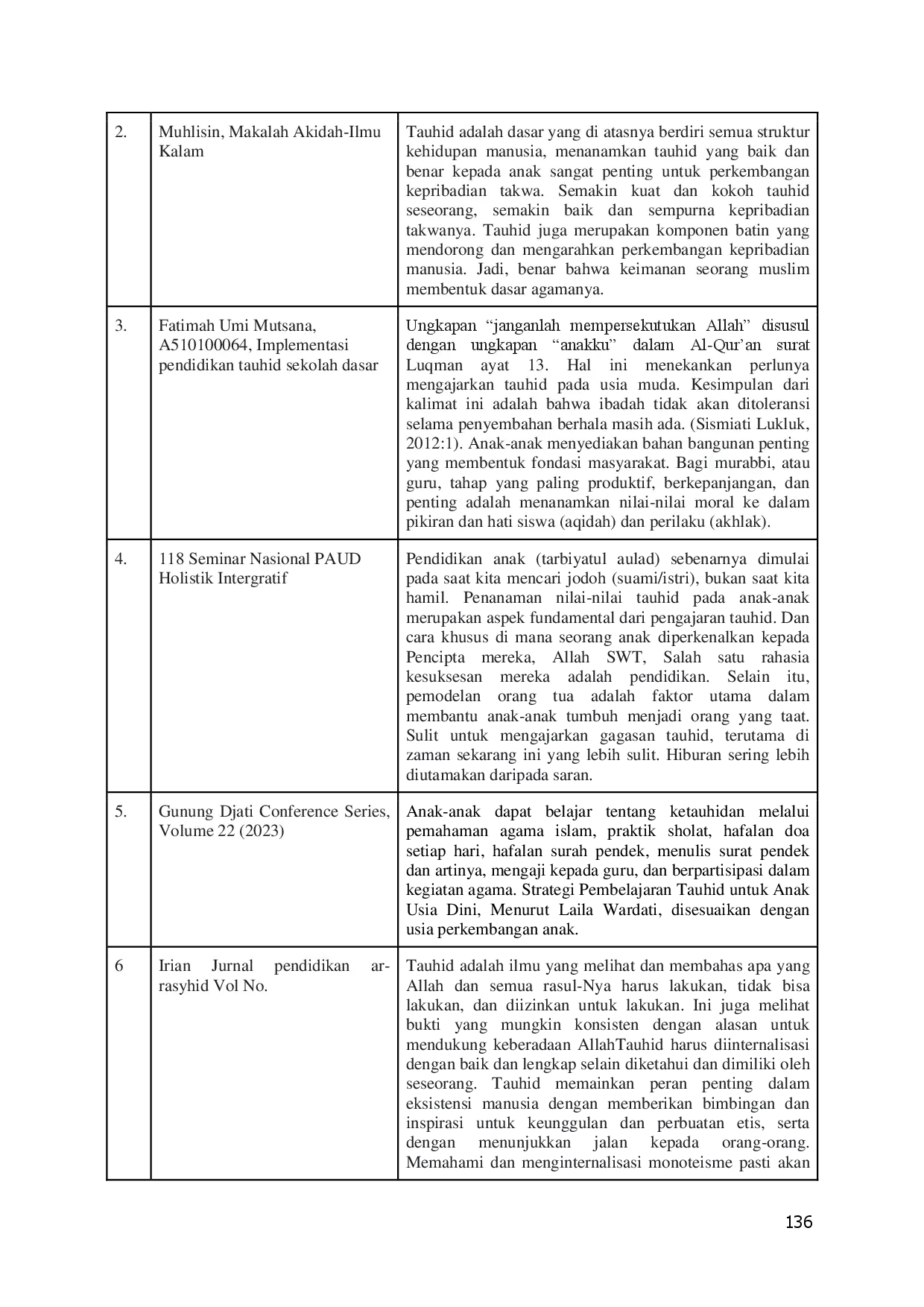
OJSOJS Untuk memenuhi standar kompetensi, siswa dapat menggunakan strategi pembelajaran inovatif, memaksimalkan media pembelajaran, dan menilai proporsi pembelajaran.Untuk memenuhi standar kompetensi, siswa dapat menggunakan strategi pembelajaran inovatif, memaksimalkan media pembelajaran, dan menilai proporsi pembelajaran.
Useful /
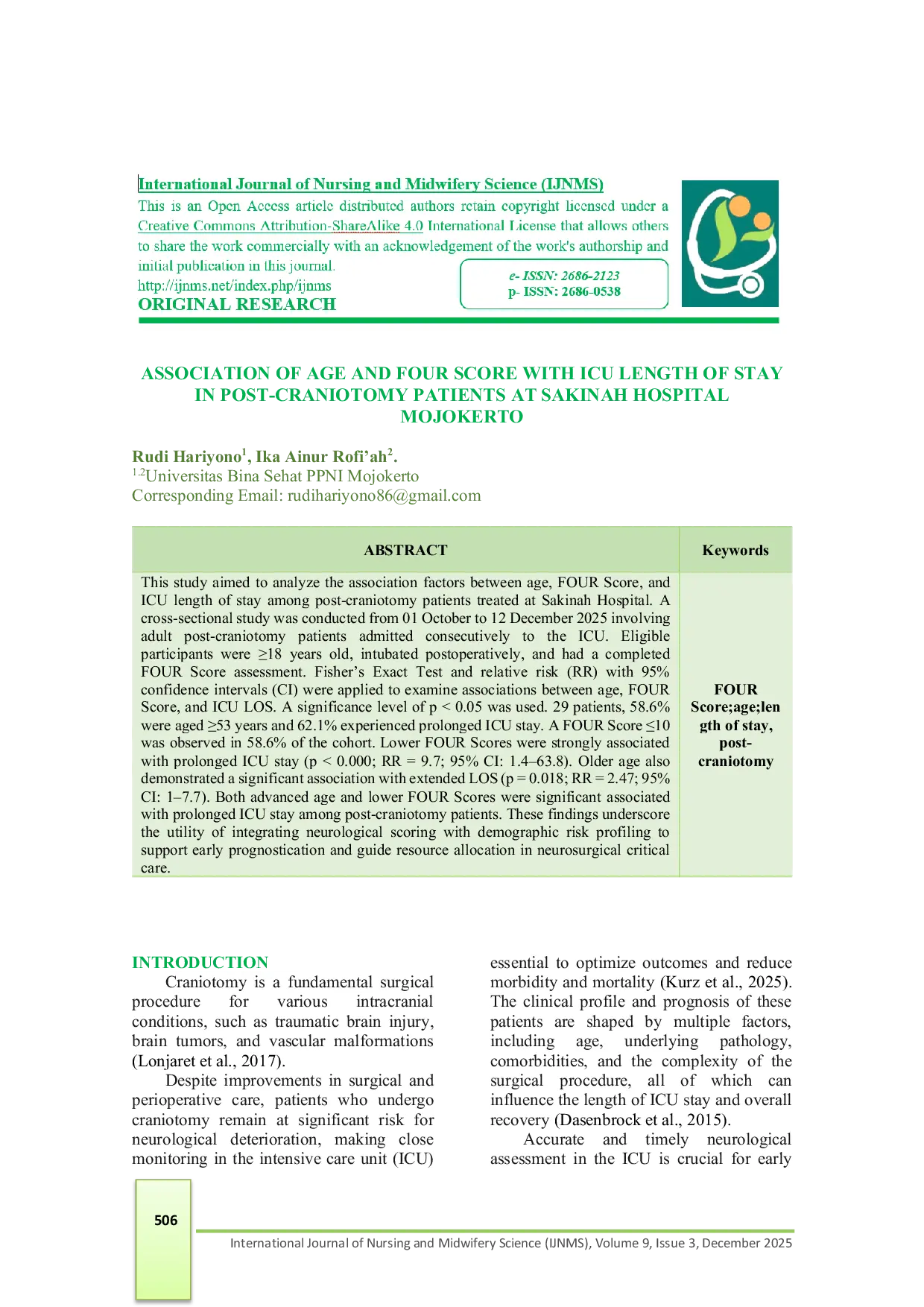
IJNMSIJNMS Kedua faktor, yaitu usia lanjut dan skor FOUR yang rendah, secara signifikan terkait dengan lama tinggal ICU yang lebih lama pada pasien pasca kraniotomi.Kedua faktor, yaitu usia lanjut dan skor FOUR yang rendah, secara signifikan terkait dengan lama tinggal ICU yang lebih lama pada pasien pasca kraniotomi.

OJSOJS Mendidik anak tentang adab sopan santun sebaiknya dimulai sejak dini, hal ini penting agar ketika mereka dewasa, mereka memiliki akhlak yang mulia. PeranMendidik anak tentang adab sopan santun sebaiknya dimulai sejak dini, hal ini penting agar ketika mereka dewasa, mereka memiliki akhlak yang mulia. Peran

OJSOJS Hal ini dibuktikan dengan perolehan nilai Sig = 0,00 < 0,05 dan nilai f hitung > f tabel (194,751 > 4,74). Hasil dari analisis regresi linier diperolehHal ini dibuktikan dengan perolehan nilai Sig = 0,00 < 0,05 dan nilai f hitung > f tabel (194,751 > 4,74). Hasil dari analisis regresi linier diperoleh

OJSOJS Hasil penelitian menunjukkan bahwa media sosial dapat memberikan pengaruh signifikan terhadap prestasi belajar siswa, menyediakan akses ke informasi danHasil penelitian menunjukkan bahwa media sosial dapat memberikan pengaruh signifikan terhadap prestasi belajar siswa, menyediakan akses ke informasi dan