UM SURABAYAUM SURABAYA
AGREGATAGREGATThe Quantity Take Off (QTO) process plays a vital role in preparing construction cost estimates. However, conventional methods, which are still widely used in Indonesia particularly in Self Managed projects often result in volume deviations and require longer processing time. This study investigates the application of Building Information Modeling (BIM) using Autodesk Revit for QTO in the construction of an eight-story hospital project carried out through self-management. This project is under construction. A quantitative experimental method was employed by comparing the QTO results of concrete and reinforcement in major structural elements from both approaches. The findings indicate that the average deviation for concrete volume was 1.21%, while the average deviation for steel reinforcement was 1.75%. The highest concrete deviation occurred in shear walls (3.70%) due to differences in volume calculation for openings and elevation variations, whereas the highest reinforcement deviations were found in columns (2.72%) and beams (2.63%) as the conventional approach tends to simplify reinforcement details such as lengths, splices, and bends. The study concludes that BIMbased QTO is not only technically more reliable but also addresses the limitations of human resources in Self Managed projects. Therefore, adopting BIM is strongly recommended as a digital transformation strategy for more efficient quantity management in infrastructure projects in Indonesia.
This study demonstrates that the application of Building Information Modeling (BIM) using Autodesk Revit for the Quantity Take Off (QTO) process in an eight-story Self Managed hospital construction project provides more efficient, accurate, and transparent results compared to conventional methods.The research highlights the benefits of automated material quantity calculations through 3D modeling, particularly relevant for projects with limited workforce.The findings indicate acceptable deviations of 1.75% for reinforcement weight, reinforcing BIMs role as a strategic solution for enhancing the performance of Self Managed construction projects.
Berdasarkan hasil penelitian ini, beberapa saran penelitian lanjutan dapat dipertimbangkan untuk memperluas pemahaman dan penerapan BIM dalam proyek konstruksi swakelola di Indonesia. Pertama, penelitian lebih lanjut dapat dilakukan untuk menginvestigasi dampak penerapan BIM terhadap aspek lain dari manajemen proyek, seperti penjadwalan, pengendalian biaya, dan manajemen risiko, untuk mendapatkan gambaran komprehensif tentang manfaat BIM secara keseluruhan. Kedua, studi komparatif perlu dilakukan dengan membandingkan kinerja BIM pada berbagai jenis proyek swakelola, termasuk proyek infrastruktur, bangunan komersial, dan perumahan, untuk mengidentifikasi praktik terbaik dan menyesuaikan strategi implementasi BIM sesuai dengan karakteristik proyek yang berbeda. Ketiga, penelitian dapat difokuskan pada pengembangan modul pelatihan BIM yang disesuaikan dengan kebutuhan tenaga kerja lokal, khususnya dalam proyek swakelola yang seringkali memiliki keterbatasan sumber daya manusia yang terlatih, sehingga dapat mempercepat adopsi BIM dan meningkatkan kompetensi sumber daya manusia di industri konstruksi Indonesia.
| File size | 465.47 KB |
| Pages | 6 |
| DMCA | Report |
Related /
UMSBUMSB Keseluruhan sistem berhasil bekerja dengan persentase kesalahan yang sangat rendah, menunjukkan potensi besar untuk diterapkan dalam industri kimia. AlatKeseluruhan sistem berhasil bekerja dengan persentase kesalahan yang sangat rendah, menunjukkan potensi besar untuk diterapkan dalam industri kimia. Alat

ASTHAGRAFIKAASTHAGRAFIKA Pengumpulan data dilakukan melalui wawancara mendalam dengan manajer produksi, analisis laporan keuangan, dan pengamatan langsung terhadap proses produksi.Pengumpulan data dilakukan melalui wawancara mendalam dengan manajer produksi, analisis laporan keuangan, dan pengamatan langsung terhadap proses produksi.
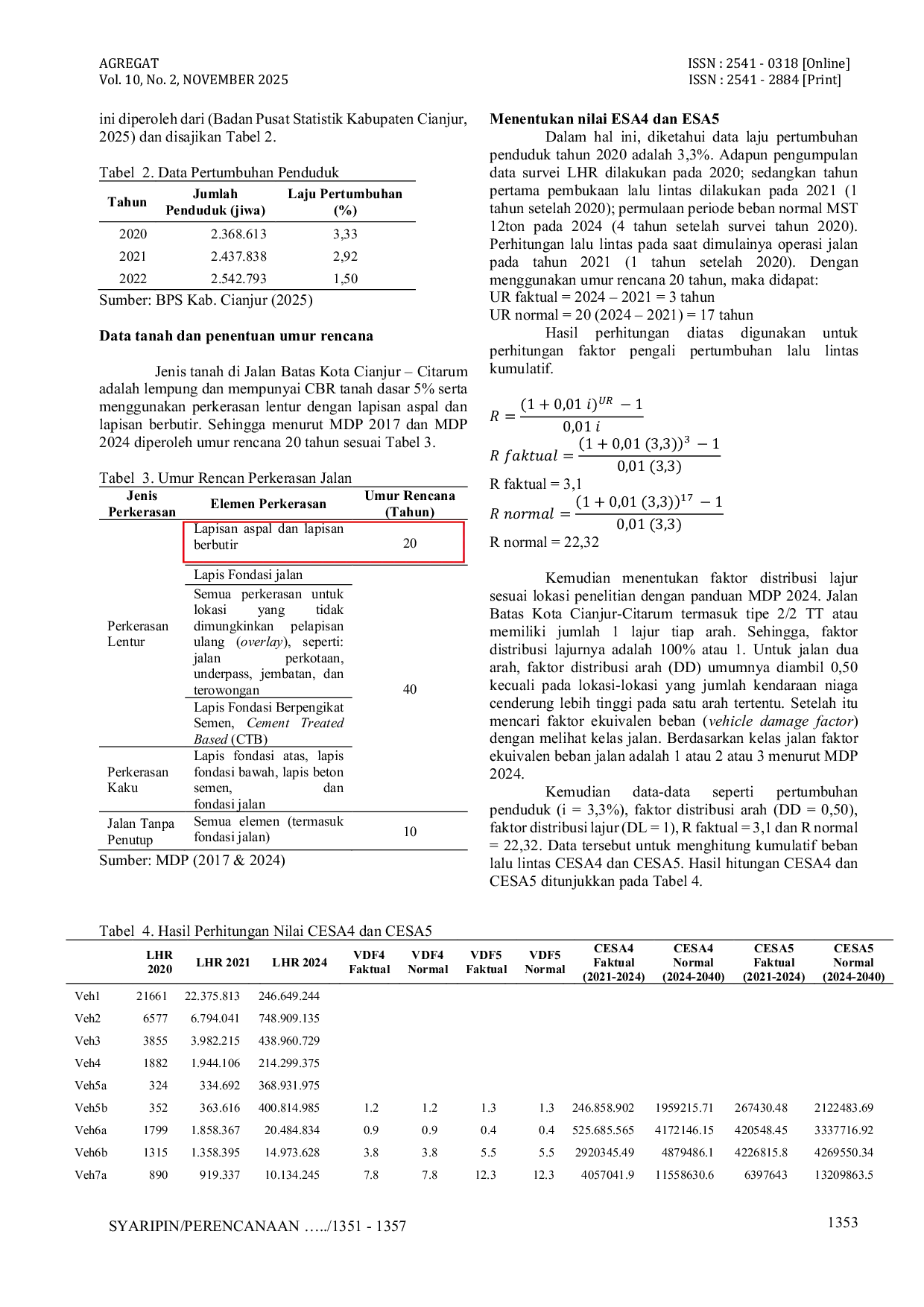
UM SURABAYAUM SURABAYA Penelitian ini bertujuan untuk merencanakan ulang tebal perkerasan pada ruas Jalan Batas Kota Cianjur – Citarum dengan menggunakan pedoman Manual DesainPenelitian ini bertujuan untuk merencanakan ulang tebal perkerasan pada ruas Jalan Batas Kota Cianjur – Citarum dengan menggunakan pedoman Manual Desain
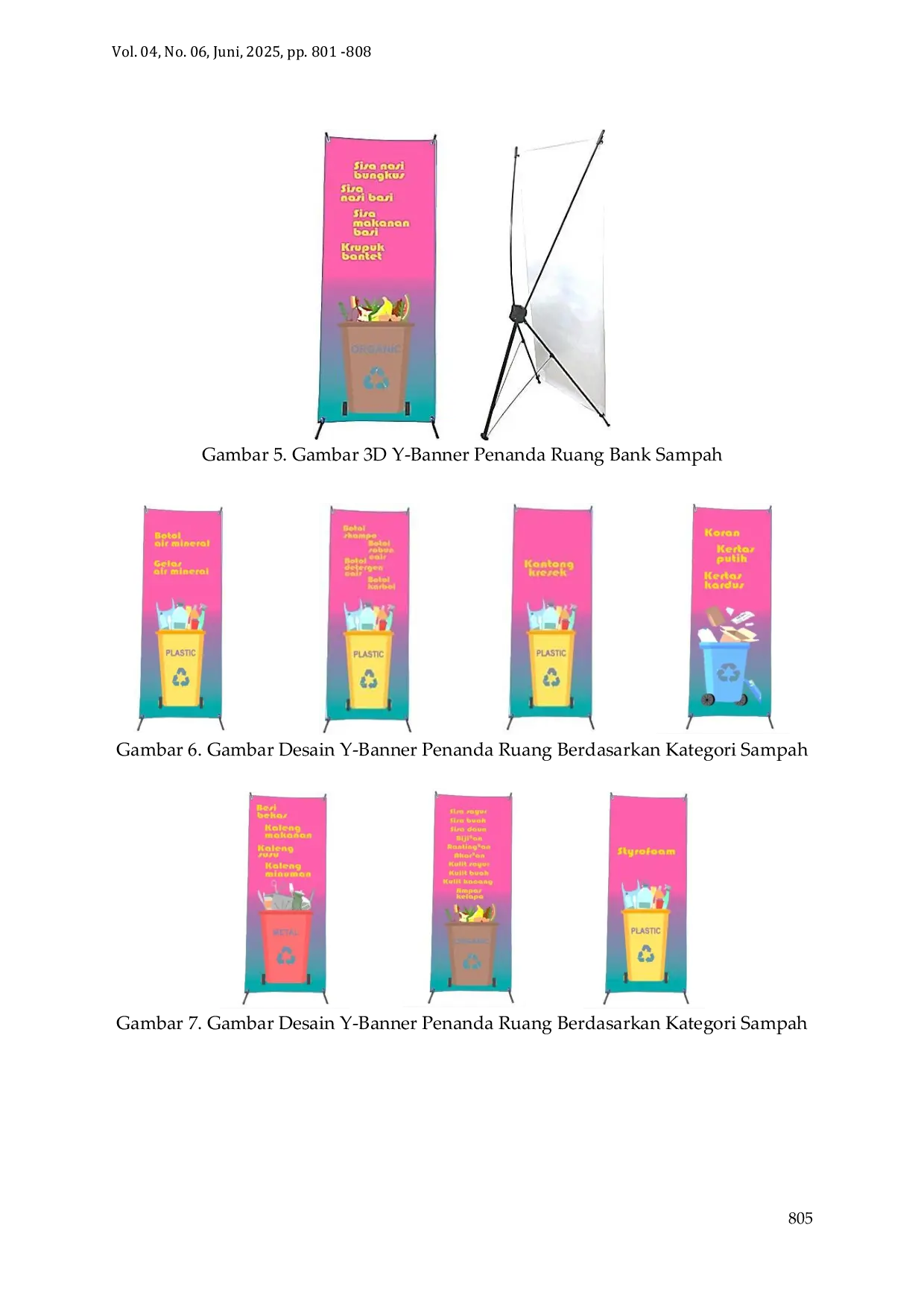
WESTSCIENCESWESTSCIENCES Dengan demikian, kelebihan dan kekurangannya dapat dievaluasi. Jika kegiatan Bank Sampah di Kampung Susun Kunir berhasil dengan baik, dimungkinkan untukDengan demikian, kelebihan dan kekurangannya dapat dievaluasi. Jika kegiatan Bank Sampah di Kampung Susun Kunir berhasil dengan baik, dimungkinkan untuk

UMSBUMSB The methodology involves an experimental approach with phases including design, implementation, testing, and data analysis. The system was evaluated underThe methodology involves an experimental approach with phases including design, implementation, testing, and data analysis. The system was evaluated under

UMSBUMSB Penelitian pengendalian kinerja proyek Penataan Kampung Seni Borobudur dari segi waktu dan biaya dengan metode analisa Schedule Performance Index (SPI)Penelitian pengendalian kinerja proyek Penataan Kampung Seni Borobudur dari segi waktu dan biaya dengan metode analisa Schedule Performance Index (SPI)
SINOMICSJOURNALSINOMICSJOURNAL Seluruh bidang tanah dan hak milik satuan rumah susun akan diberikan sertifikat elektronik sebagai pengganti sertifikat analog. Sertifikat elektronik diharapkanSeluruh bidang tanah dan hak milik satuan rumah susun akan diberikan sertifikat elektronik sebagai pengganti sertifikat analog. Sertifikat elektronik diharapkan
UNIGRESUNIGRES Pendaftaran dilakukan di kantor pertanahan wilayah kabupaten atau kotamadya. Sertifikat hak milik (SHM), sertifikat hak guna bangunan (SHGB), sertifikatPendaftaran dilakukan di kantor pertanahan wilayah kabupaten atau kotamadya. Sertifikat hak milik (SHM), sertifikat hak guna bangunan (SHGB), sertifikat
Useful /
ASTHAGRAFIKAASTHAGRAFIKA Data dikumpulkan melalui wawancara dan observasi, kemudian dianalisis secara mendalam untuk menilai tingkat responsivitas petugas layanan. Hasil penelitianData dikumpulkan melalui wawancara dan observasi, kemudian dianalisis secara mendalam untuk menilai tingkat responsivitas petugas layanan. Hasil penelitian
SINOMICSJOURNALSINOMICSJOURNAL Teman Bus merupakan implementasi program Buy The Service dari Kementerian Perhubungan Indonesia yang diluncurkan di 11 kota selama pandemi dan mewajibkanTeman Bus merupakan implementasi program Buy The Service dari Kementerian Perhubungan Indonesia yang diluncurkan di 11 kota selama pandemi dan mewajibkan
SINOMICSJOURNALSINOMICSJOURNAL This study demonstrates that Fear of Missing Out (FoMO) has a significant impact on consumer behavior, particularly among adolescent Shopee users in Jakarta.This study demonstrates that Fear of Missing Out (FoMO) has a significant impact on consumer behavior, particularly among adolescent Shopee users in Jakarta.

STKIP JBSTKIP JB Kesalahan membaca terjadi karena subjek salah membaca simbol yang ada dalam masalah, namun subjek mampu menjelaskan maksud dan informasi yang ada dalamKesalahan membaca terjadi karena subjek salah membaca simbol yang ada dalam masalah, namun subjek mampu menjelaskan maksud dan informasi yang ada dalam