IOCSCIENCEIOCSCIENCE
VertexVertexThe use of Smartboards in primary school learning has become an essential part of digital transformation in Indonesian education. However, the success of this implementation strongly depends on user acceptance. This study aims to analyze the factors influencing Smartboard acceptance using the Technology Acceptance Model (TAM), which includes Perceived Usefulness (PU), Attitude Toward Using (ATU), and Intention to Use (IU). A quantitative explanatory correlational design was employed, involving primary school teachers in West Jakarta who have used Smartboards in classroom instruction. Data were analyzed using Structural Equation Modeling (SEM). The findings indicate that all indicators of PU, ATU, and IU demonstrate valid and reliable loading factor values. Structurally, PU has a positive and significant effect on IU, and ATU also shows a significant positive influence on IU. These results highlight that perceived usefulness and positive attitudes are the primary determinants shaping teachers intention to use Smartboard technology. The study implies that enhancing digital competencies, providing structured Smartboard training, and ensuring the implementation of Smartboard-based learning and technical support are crucial to optimizing Smartboard-based learning.
This study concludes that Smartboard acceptance in elementary school learning environments is strongly driven by teachers perceptions of usefulness and their positive attitudes toward the technology.When teachers believe that Smartboards enhance the clarity, engagement, and effectiveness of instructional delivery, their willingness to adopt the technology intensifies.This psychological acceptance forms the foundation for successful integration of Smartboards into daily learning activities and contributes to the improvement of teaching quality.Positive attitudes further reinforce consistent usage, as teachers who feel comfortable, confident, and motivated are more likely to utilize Smartboards in creative and pedagogically meaningful ways.
Further research should investigate the impact of smartboard acceptance on student learning outcomes, incorporating student perspectives alongside teacher evaluations. Additionally, exploring the role of institutional support, teacher training programs, and pedagogical readiness in facilitating successful smartboard integration is crucial. Finally, studies could examine the effectiveness of different smartboard implementation strategies tailored to specific learning contexts and student needs, considering variations in school characteristics and technological infrastructure. These investigations will contribute to a more comprehensive understanding of how to optimize smartboard utilization and maximize its potential to enhance educational experiences in Indonesian elementary schools. By addressing these research gaps, stakeholders can develop evidence-based policies and practices that promote effective technology integration and improve learning outcomes for all students.
- Penggunaan Media Smartboard dalam Meningkatkan Kemampuan Membaca Pemahaman | Jurnal Basicedu. smartboard... doi.org/10.31004/basicedu.v6i2.2489Penggunaan Media Smartboard dalam Meningkatkan Kemampuan Membaca Pemahaman Jurnal Basicedu smartboard doi 10 31004 basicedu v6i2 2489
- The Effectiveness of Using SmartBoard Interactive Toward Learning Innovation in Schools | JIV-Jurnal... journal.unj.ac.id/unj/index.php/jiv/article/view/46786The Effectiveness of Using SmartBoard Interactive Toward Learning Innovation in Schools JIV Jurnal journal unj ac unj index php jiv article view 46786
| File size | 620.04 KB |
| Pages | 11 |
| DMCA | Report |
Related /
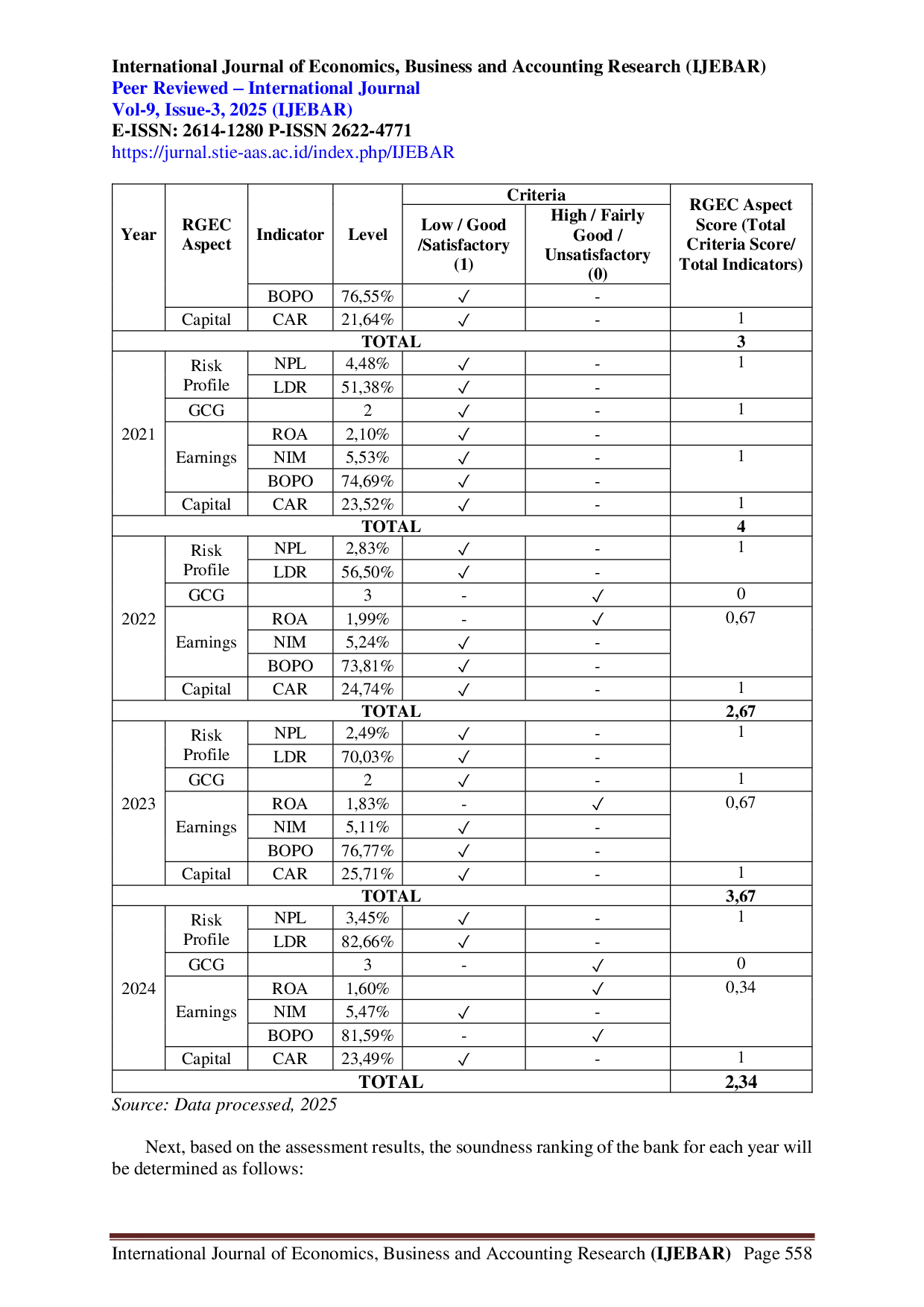
STIE AASSTIE AAS Hasil penelitian menunjukkan bahwa Risk Profile berada dalam kategori Sound hingga Very Sound, dengan NPL yang rendah dan LDR dalam rentang yang wajar.Hasil penelitian menunjukkan bahwa Risk Profile berada dalam kategori Sound hingga Very Sound, dengan NPL yang rendah dan LDR dalam rentang yang wajar.

STKIP SINGKAWANGSTKIP SINGKAWANG Model PLS‑SEM menunjukkan bahwa self‑efficacy secara langsung memengaruhi baik Body Spa Skills maupun Employability Skills, menandakan bahwa peningkatanModel PLS‑SEM menunjukkan bahwa self‑efficacy secara langsung memengaruhi baik Body Spa Skills maupun Employability Skills, menandakan bahwa peningkatan

UNSURYAUNSURYA Temuan ini mengindikasikan bahwa meningkatkan manfaat yang dirasakan dan membangun kepercayaan nasabah adalah strategi penting untuk meningkatkan adopsiTemuan ini mengindikasikan bahwa meningkatkan manfaat yang dirasakan dan membangun kepercayaan nasabah adalah strategi penting untuk meningkatkan adopsi

ILOMATAILOMATA Penelitian ini mengungkap bahwa persepsi kebermanfaatan, persepsi manfaat, persepsi kepercayaan, pengaruh sosial, kondisi fasilitasi, dan persepsi biayaPenelitian ini mengungkap bahwa persepsi kebermanfaatan, persepsi manfaat, persepsi kepercayaan, pengaruh sosial, kondisi fasilitasi, dan persepsi biaya

DINASTIPUBDINASTIPUB Reformasi sistem administrasi perpajakan terbukti dapat memperkuat pengaruh green governance terhadap kinerja organisasi, terutama dengan rendahnya implementasiReformasi sistem administrasi perpajakan terbukti dapat memperkuat pengaruh green governance terhadap kinerja organisasi, terutama dengan rendahnya implementasi
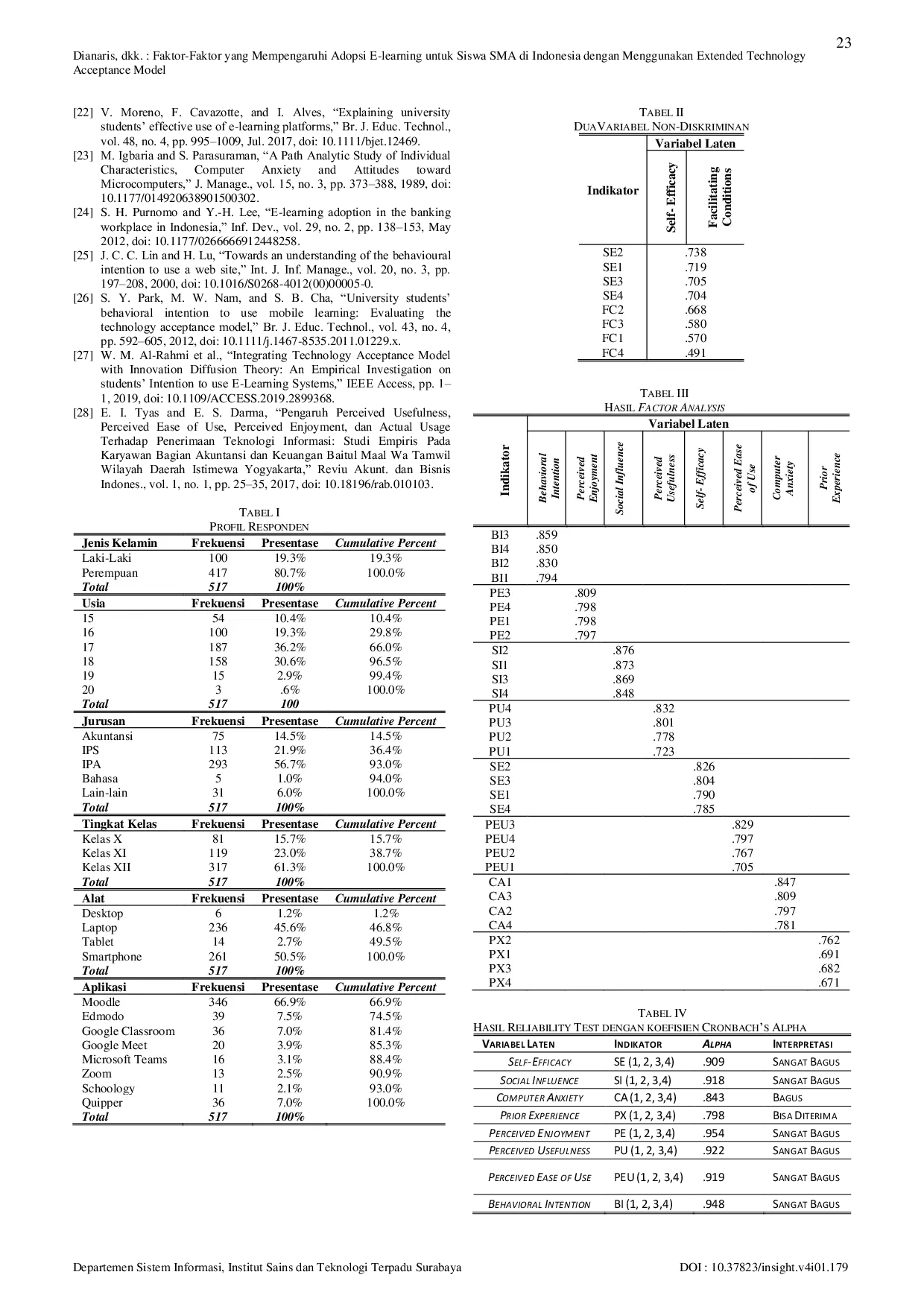
STTSSTTS Memanfaatkan teknologi, keterbatasan akses informasi dan materi belajar, terutama keterbatasan ruang dan waktu dapat dijembatani dengan menggunakan E-learning.Memanfaatkan teknologi, keterbatasan akses informasi dan materi belajar, terutama keterbatasan ruang dan waktu dapat dijembatani dengan menggunakan E-learning.
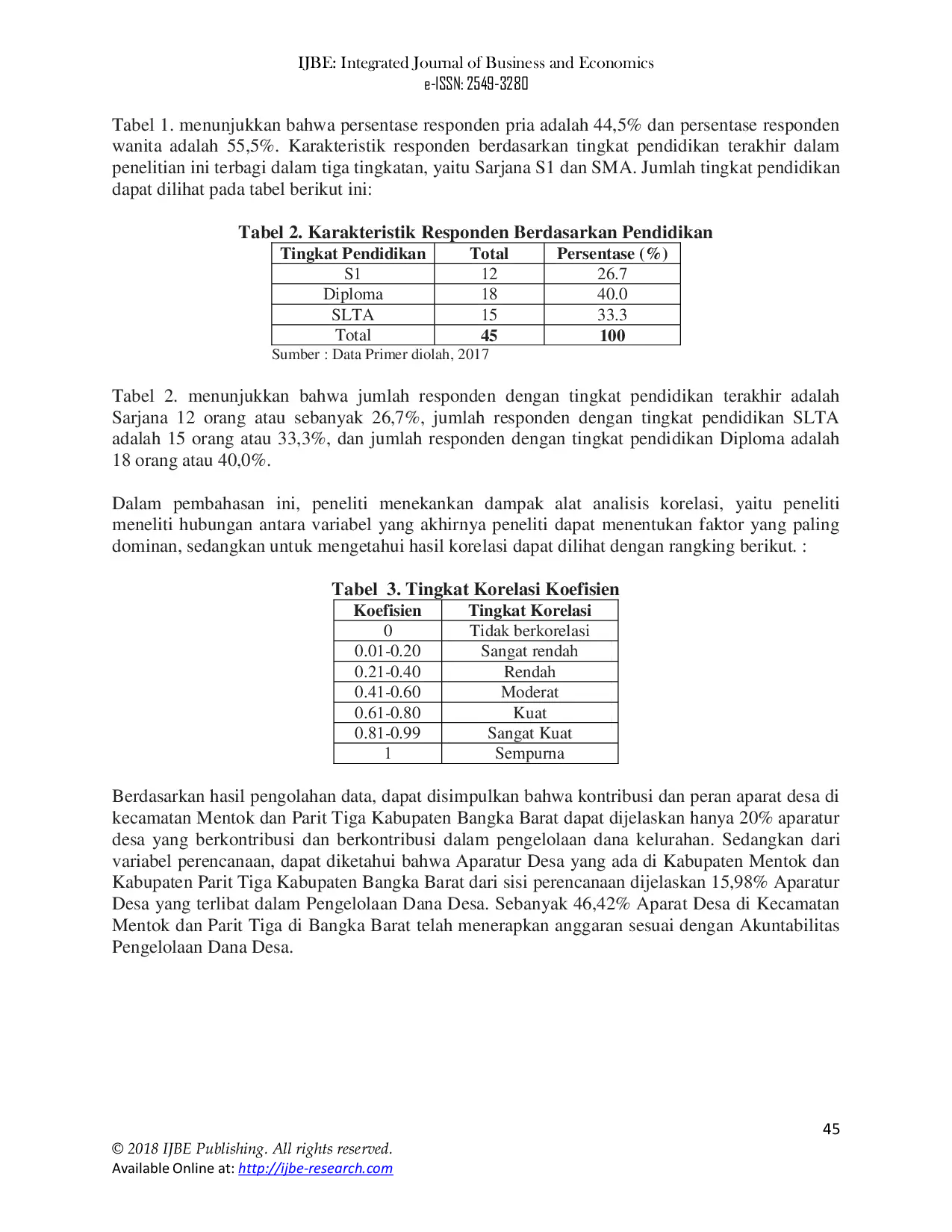
IJBE RESEARCHIJBE RESEARCH Penelitian ini menggunakan data primer berupa wawancara dan data sekunder yang diambil langsung dari objek penelitian, dianalisis dengan uji statistikPenelitian ini menggunakan data primer berupa wawancara dan data sekunder yang diambil langsung dari objek penelitian, dianalisis dengan uji statistik

IJBE RESEARCHIJBE RESEARCH Metode Least Square Dummy Variable (LSDV) dapat digunakan untuk menaksir parameter pada model regresi data panel tidak lengkap satu arah efek tetap. UntukMetode Least Square Dummy Variable (LSDV) dapat digunakan untuk menaksir parameter pada model regresi data panel tidak lengkap satu arah efek tetap. Untuk
Useful /

STKIP SINGKAWANGSTKIP SINGKAWANG Penelitian ini bertujuan mendeskripsikan kecemasan matematika, faktor penyebabnya, dan kemampuan pemecahan masalah matematika siswa SMP berdasarkan tahapanPenelitian ini bertujuan mendeskripsikan kecemasan matematika, faktor penyebabnya, dan kemampuan pemecahan masalah matematika siswa SMP berdasarkan tahapan

UNSURYAUNSURYA Dari kuesioner yang disebarkan terdapat 42 responden yang sesuai dengan kriteria penentuan sampel. Data dikumpulkan dan dianalisis menggunakan statistikDari kuesioner yang disebarkan terdapat 42 responden yang sesuai dengan kriteria penentuan sampel. Data dikumpulkan dan dianalisis menggunakan statistik
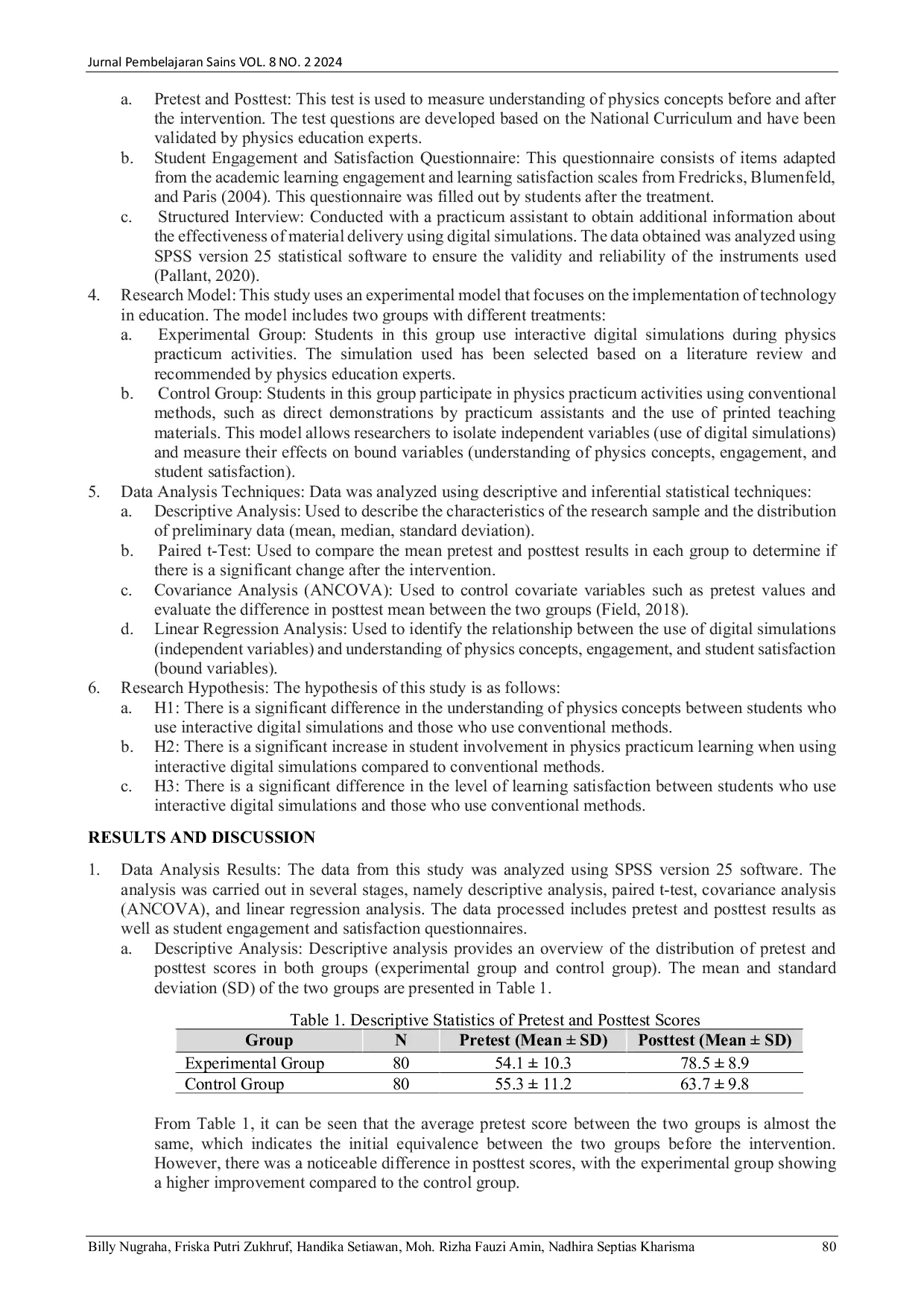
UMUM Analisis kovariansi (ANCOVA) membuktikan bahwa kelompok eksperimen mengalami peningkatan lebih tinggi setelah dikendalikan oleh skor pretest.meskipun demikian,Analisis kovariansi (ANCOVA) membuktikan bahwa kelompok eksperimen mengalami peningkatan lebih tinggi setelah dikendalikan oleh skor pretest.meskipun demikian,

UMUM Hasil penelitian menunjukkan validasi media sebesar 95,24%, validasi materi sebesar 87,78%, validasi kepraktisan sebesar 90,16%, dan uji keterbacaan rata-rataHasil penelitian menunjukkan validasi media sebesar 95,24%, validasi materi sebesar 87,78%, validasi kepraktisan sebesar 90,16%, dan uji keterbacaan rata-rata