YPIDATHUYPIDATHU
Sharia Oikonomia Law JournalSharia Oikonomia Law JournalThe rise of startups in Indonesia has created a growing demand for innovative financing models that align with Shariah principles. Shariah-compliant venture capital (SCVC) offers a unique opportunity to support startups while adhering to Islamic ethical standards, such as the prohibition of riba (interest) and gharar (uncertainty). This study explores the potential of SCVC as a financing model for startups in Indonesia, focusing on its alignment with Shariah principles, its impact on startup growth, and the challenges faced by stakeholders. The research aims to identify effective strategies for implementing SCVC and propose recommendations for enhancing its role in fostering ethical and sustainable entrepreneurship. Using a mixed-methods approach, this study combines quantitative analysis of startup financing data with qualitative interviews with venture capitalists, Shariah scholars, and startup founders. Data were analyzed to assess the compatibility of SCVC with Shariah principles, its financial performance, and its contribution to startup success. The findings reveal that SCVC can effectively support startups while adhering to Islamic ethics, but challenges such as limited awareness, regulatory gaps, and risk-sharing complexities hinder its widespread adoption. The study concludes that promoting SCVC in Indonesia requires targeted strategies, including education, reforms, and capacity-building for stakeholders. This research contributes to the discourse on Islamic finance and entrepreneurship by providing practical recommendations for policymakers and practitioners to foster ethical and sustainable startup ecosystems through SCVC.
This research highlights the potential of Shariah-compliant venture capital (SCVC) as a viable financing model for Indonesian startups, particularly those in sectors aligned with Shariah principles.SCVC-funded startups demonstrate higher revenue growth rates, indicating the effectiveness of Shariah-compliant financing in supporting early-stage ventures.However, challenges such as limited scalability, regulatory constraints, and access to follow-on funding hinder its full potential, necessitating targeted strategies to enhance the SCVC ecosystem and promote ethical and sustainable entrepreneurship.
Further research should investigate the development of standardized Shariah compliance frameworks specifically tailored for venture capital investments in Indonesia, addressing the complexities of risk-sharing and contract structures. Additionally, studies could explore the potential of integrating digital technologies, such as blockchain, to enhance transparency and efficiency in SCVC transactions, fostering greater trust and participation from investors and entrepreneurs. Finally, a comparative analysis of SCVC models across different Muslim-majority countries could identify best practices and inform policy recommendations for strengthening the Indonesian SCVC ecosystem, ultimately promoting a more inclusive and sustainable startup landscape by examining the impact of government incentives and regulatory reforms on SCVC adoption and performance.
| File size | 177.94 KB |
| Pages | 13 |
| DMCA | Report |
Related /

IAIN LANGSAIAIN LANGSA Karakteristik self-executing, transparansi, dan immutability menjadikan smart contract mampu meningkatkan efisiensi, kepastian pelaksanaan, dan keamananKarakteristik self-executing, transparansi, dan immutability menjadikan smart contract mampu meningkatkan efisiensi, kepastian pelaksanaan, dan keamanan
STIE AASSTIE AAS Waktu proses menjadi 109 kali lebih cepat dibandingkan metode tradisional. Biaya per transaksi dipotong 26% (menghemat Rp 30 juta untuk periode 3 tahun).Waktu proses menjadi 109 kali lebih cepat dibandingkan metode tradisional. Biaya per transaksi dipotong 26% (menghemat Rp 30 juta untuk periode 3 tahun).
YPIDATHUYPIDATHU Teknologi ini dapat membantu memastikan bahwa aturan syariah diterapkan secara konsisten dalam berbagai bentuk transaksi ekonomi. Namun, untuk memanfaatkanTeknologi ini dapat membantu memastikan bahwa aturan syariah diterapkan secara konsisten dalam berbagai bentuk transaksi ekonomi. Namun, untuk memanfaatkan

DAARULHUDADAARULHUDA Integrasi kedua pendekatan ini terbukti relevan dalam merespons tantangan kontemporer, seperti digitalisasi, perkembangan teknologi blockchain, perlindunganIntegrasi kedua pendekatan ini terbukti relevan dalam merespons tantangan kontemporer, seperti digitalisasi, perkembangan teknologi blockchain, perlindungan
UINSIUINSI Kolaborasi yang lebih kuat antara regulator keuangan dan lembaga keagamaan dapat meningkatkan kapasitas FinTech Syariah dalam mendorong inklusi keuanganKolaborasi yang lebih kuat antara regulator keuangan dan lembaga keagamaan dapat meningkatkan kapasitas FinTech Syariah dalam mendorong inklusi keuangan
UMIUMI Penelitian ini berhasil mengintegrasikan IPFS dan kontrak pintar untuk mengelola kutipan harga dalam rantai pasok pertanian, menyediakan solusi penyimpananPenelitian ini berhasil mengintegrasikan IPFS dan kontrak pintar untuk mengelola kutipan harga dalam rantai pasok pertanian, menyediakan solusi penyimpanan

UBHINUSUBHINUS Hasil penelitian menunjukkan bahwa SIA berbasis web yang dirancang memiliki fitur-fitur seperti pengelolaan data transaksi, kategorisasi, pelaporan keuangan,Hasil penelitian menunjukkan bahwa SIA berbasis web yang dirancang memiliki fitur-fitur seperti pengelolaan data transaksi, kategorisasi, pelaporan keuangan,

APTISIAPTISI Setelah melakukan penelitian dalam menerapkan blockchain pada smart contract, di mana setiap proses transaksi melibatkan semua pihak dan tidak ada perantara,Setelah melakukan penelitian dalam menerapkan blockchain pada smart contract, di mana setiap proses transaksi melibatkan semua pihak dan tidak ada perantara,
Useful /

UMBUMB Dampak yang teridentifikasi meliputi cedera, korban jiwa, kerusakan properti, serta gangguan infrastruktur yang menimbulkan biaya ekonomi, penurunan produktivitas,Dampak yang teridentifikasi meliputi cedera, korban jiwa, kerusakan properti, serta gangguan infrastruktur yang menimbulkan biaya ekonomi, penurunan produktivitas,
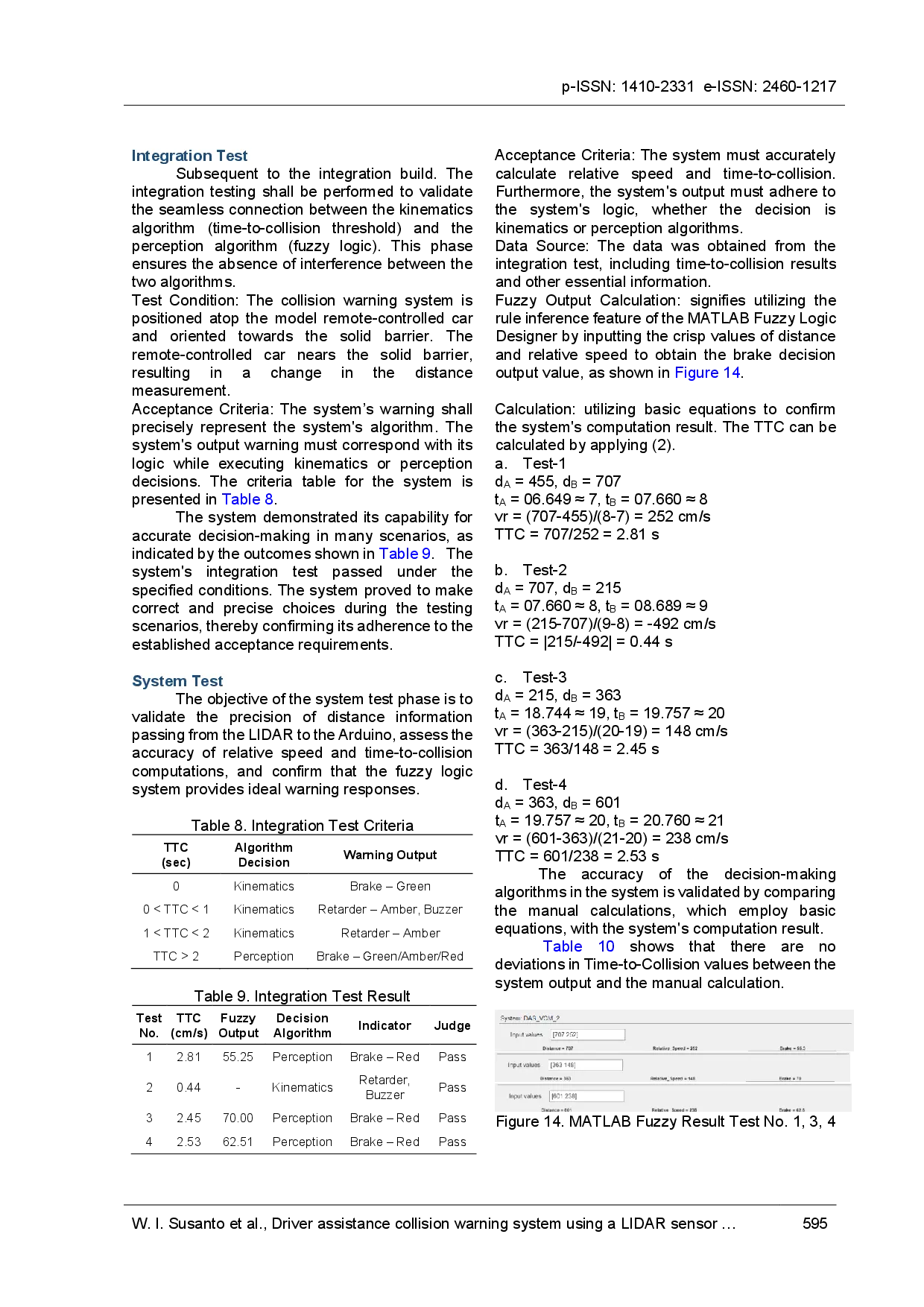
UMBUMB Hasil penelitian menunjukkan akurasi deteksi risiko tabrakan sebesar ±5 cm pada lima faktor lingkungan berbeda, mengonfirmasi potensi sistem sebagai solusiHasil penelitian menunjukkan akurasi deteksi risiko tabrakan sebesar ±5 cm pada lima faktor lingkungan berbeda, mengonfirmasi potensi sistem sebagai solusi
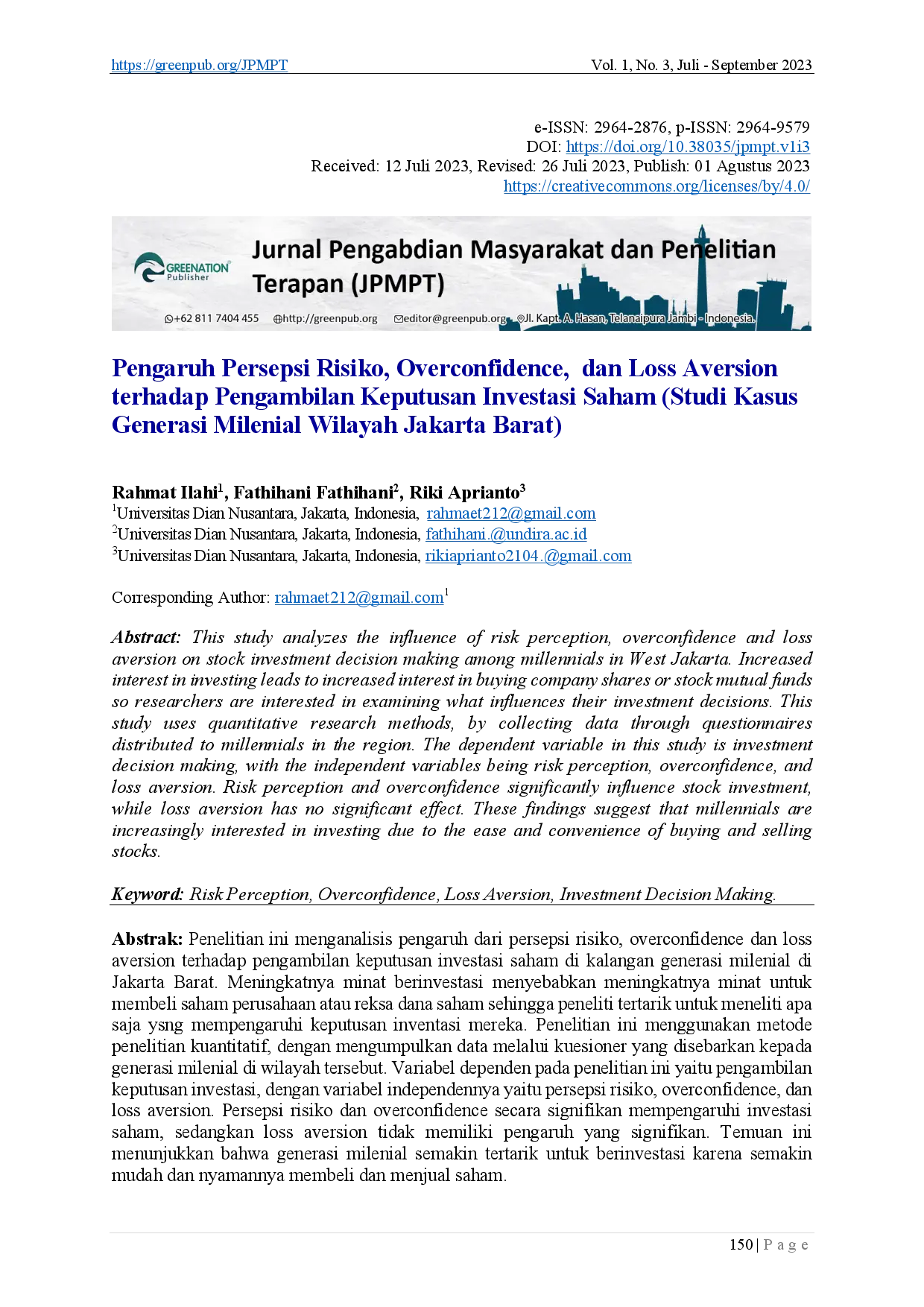
GREENPUBGREENPUB Variabel dependen pada penelitian ini yaitu pengambilan keputusan investasi, dengan variabel independennya yaitu persepsi risiko, overconfidence, dan lossVariabel dependen pada penelitian ini yaitu pengambilan keputusan investasi, dengan variabel independennya yaitu persepsi risiko, overconfidence, dan loss
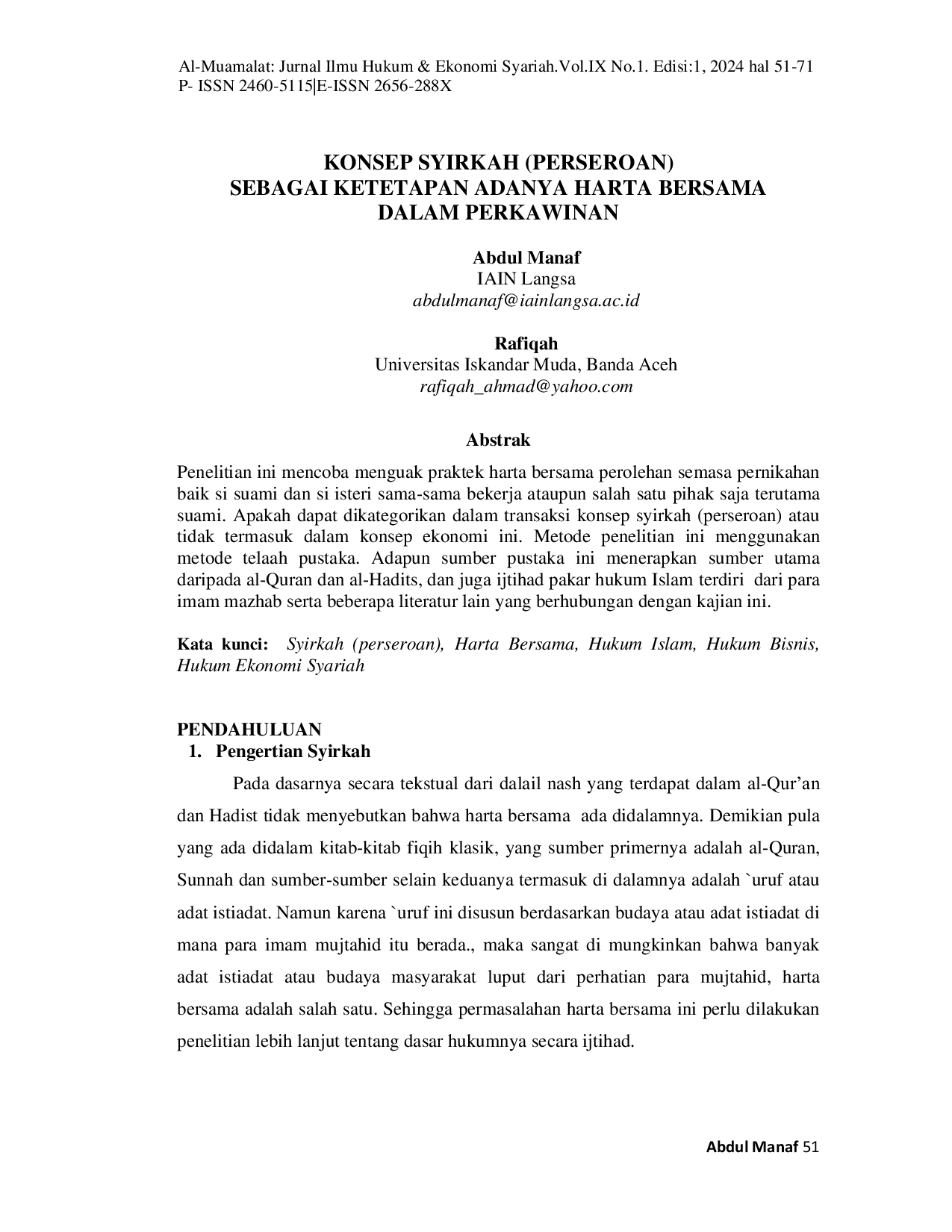
IAIN LANGSAIAIN LANGSA Penelitian ini menunjukkan bahwa syirkah memiliki prinsip kerja sama yang sesuai dengan konsep harta bersama. Namun, implementasi syirkah dalam hukum perkawinanPenelitian ini menunjukkan bahwa syirkah memiliki prinsip kerja sama yang sesuai dengan konsep harta bersama. Namun, implementasi syirkah dalam hukum perkawinan