UMMUMM
Jurnal Teknik IndustriJurnal Teknik IndustriSupply chains play a critical role in the operational success of organizations, impacting both costs and product quality. However, they are often exposed to various risks that can disrupt business processes. This research aims to identify supply chain risks and propose mitigation strategies using the House of Risk (HOR) and Multi-Objective Optimization on the Basis of Ratio Analysis (MOORA) methods. Through interviews, key issues were identified in a fiberglass companys supply chain, including raw material supply fluctuations, procurement cost variability, defective materials, inappropriate specifications, outdated technology, insufficient worker skills, and ambitious company targets. The novelty of this study lies in the application of MOORA, which introduces a correlation matrix for risk mitigation by considering both cost minimization and benefit maximization. The analysis identified 12 risk agents and 26 risk events, which were prioritized using HOR stage 2 with the MOORA method. The top preventive actions were ranked, providing actionable recommendations for companies to address supply chain risks more effectively. The findings of this research offer practical insights for companies in the fiberglass industry to enhance supply chain resilience by integrating cost and benefit considerations into their risk management strategies.
This research successfully identified and mapped risks within the supply chain using the SCOR model, pinpointing 12 risk agents and 26 risk events.The House of Risk (HOR) methodology, combined with the Multi-Objective Optimization on the Basis of Ratio Analysis (MOORA) method, facilitated the prioritization of mitigation strategies.The studys findings provide actionable recommendations for companies, particularly in the fiberglass industry, to enhance supply chain resilience by integrating cost-benefit considerations into their risk management approaches.
Future research should explore the integration of additional decision-making tools to complement the House of Risk and MOORA methods, potentially enhancing the robustness of risk mitigation strategies. Furthermore, investigating the impact of external factors, such as market dynamics and regulatory changes, on the effectiveness of these strategies would provide a more comprehensive understanding of supply chain risk management. Finally, a promising avenue for future study involves developing a dynamic risk assessment model that continuously monitors and adapts to evolving supply chain conditions, allowing for proactive identification and mitigation of emerging threats. This could involve utilizing real-time data analytics and machine learning techniques to predict potential disruptions and optimize mitigation efforts, ultimately strengthening supply chain resilience and ensuring operational continuity.
- RISK ANALYSIS AND MANAGEMENT OF PROCUREMENT ACTIVITIES IN ELEMENTARY SCHOOL BOOK PRINTING PROJECT USING... doi.org/10.14710/jati.16.4.225-229RISK ANALYSIS AND MANAGEMENT OF PROCUREMENT ACTIVITIES IN ELEMENTARY SCHOOL BOOK PRINTING PROJECT USING doi 10 14710 jati 16 4 225 229
- A MetaâAnalytic Review of Supply Chain Risk Management: Assessing Buffering and Bridging Strategies... doi.org/10.1111/jscm.12219A MetayAAAaAnalytic Review of Supply Chain Risk Management Assessing Buffering and Bridging Strategies doi 10 1111 jscm 12219
- Managing global supply chain risks: effects of the industry sector: International Journal of Logistics... tandfonline.com/doi/full/10.1080/13675567.2021.1873925Managing global supply chain risks effects of the industry sector International Journal of Logistics tandfonline doi full 10 1080 13675567 2021 1873925
| File size | 607.08 KB |
| Pages | 17 |
| DMCA | Report |
Related /
UMJ PremiumUMJ Premium Data kualitatif berupa wawancara dan kuesioner mendeskripsikan pola supply chain, sedangkan data kuantitatif berupa catatan atau arsip data digunakan untukData kualitatif berupa wawancara dan kuesioner mendeskripsikan pola supply chain, sedangkan data kuantitatif berupa catatan atau arsip data digunakan untuk
IJCISIJCIS With increasing complexity in global supply chains, traditional information systems fall short in providing real-time visibility, accurate forecasting,With increasing complexity in global supply chains, traditional information systems fall short in providing real-time visibility, accurate forecasting,

UIN MALANGUIN MALANG Konsep kepegawaian dalam Islam mewajibkan Muslim untuk melindungi dan melestarikan sumber daya alam, yang langsung dapat diterapkan pada konservasi sumberKonsep kepegawaian dalam Islam mewajibkan Muslim untuk melindungi dan melestarikan sumber daya alam, yang langsung dapat diterapkan pada konservasi sumber
LITERASISAINSNUSANTARALITERASISAINSNUSANTARA Temuan mengimplikasikan bahwa adopsi teknologi terbaru dan pelatihan akuntansi manajerial dapat menjadi solusi optimal. Namun, keterbatasan penelitianTemuan mengimplikasikan bahwa adopsi teknologi terbaru dan pelatihan akuntansi manajerial dapat menjadi solusi optimal. Namun, keterbatasan penelitian
LITERASISAINSNUSANTARALITERASISAINSNUSANTARA Relevant case studies, such as Tokopedias promotional programs and Maison Weiners product innovations, highlight how adaptive strategies can be effectivelyRelevant case studies, such as Tokopedias promotional programs and Maison Weiners product innovations, highlight how adaptive strategies can be effectively
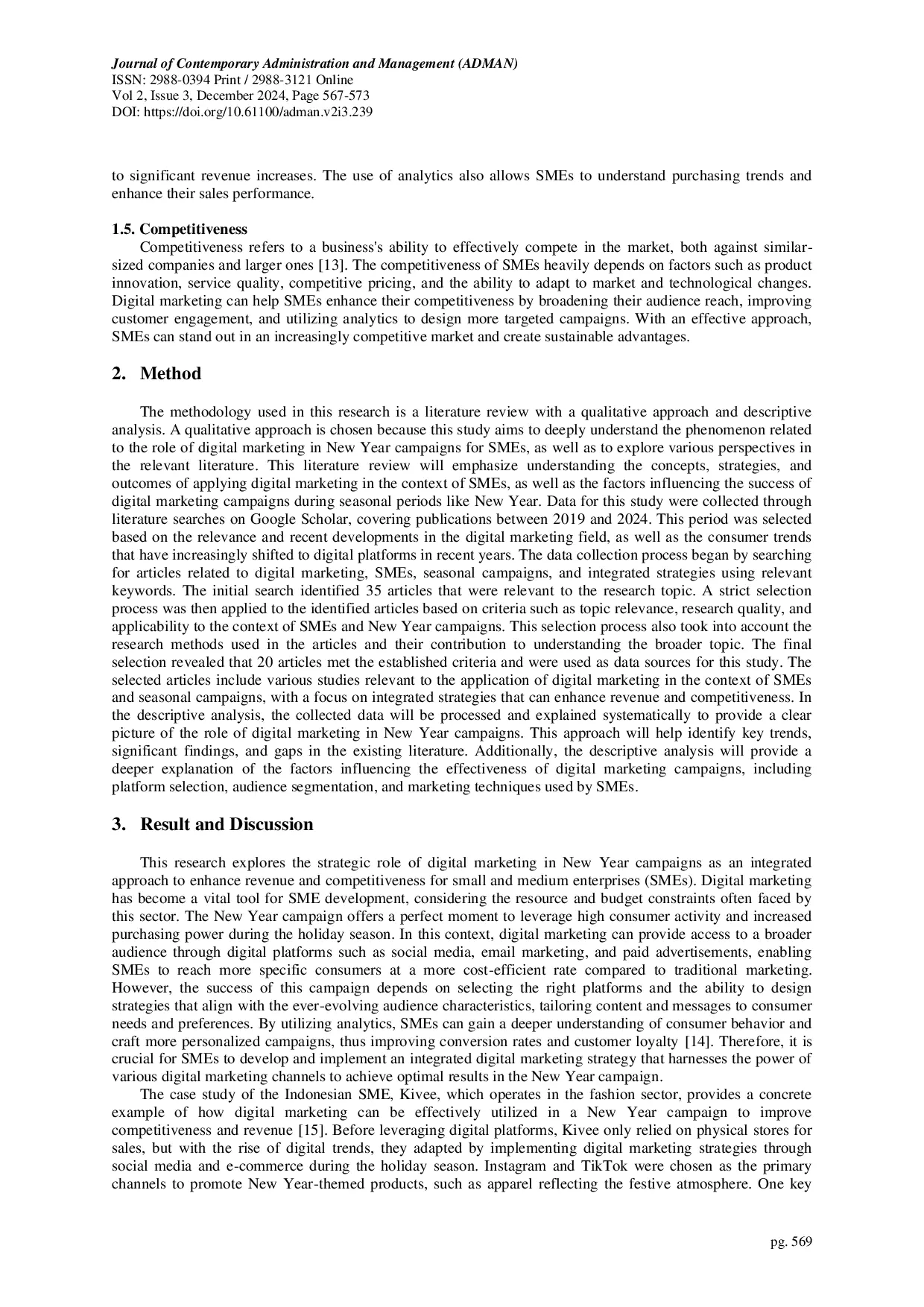
LITERASISAINSNUSANTARALITERASISAINSNUSANTARA Dengan pendekatan terintegrasi yang memanfaatkan berbagai platform digital seperti media sosial, pemasaran email, dan e-commerce, UMKM dapat menarik perhatianDengan pendekatan terintegrasi yang memanfaatkan berbagai platform digital seperti media sosial, pemasaran email, dan e-commerce, UMKM dapat menarik perhatian
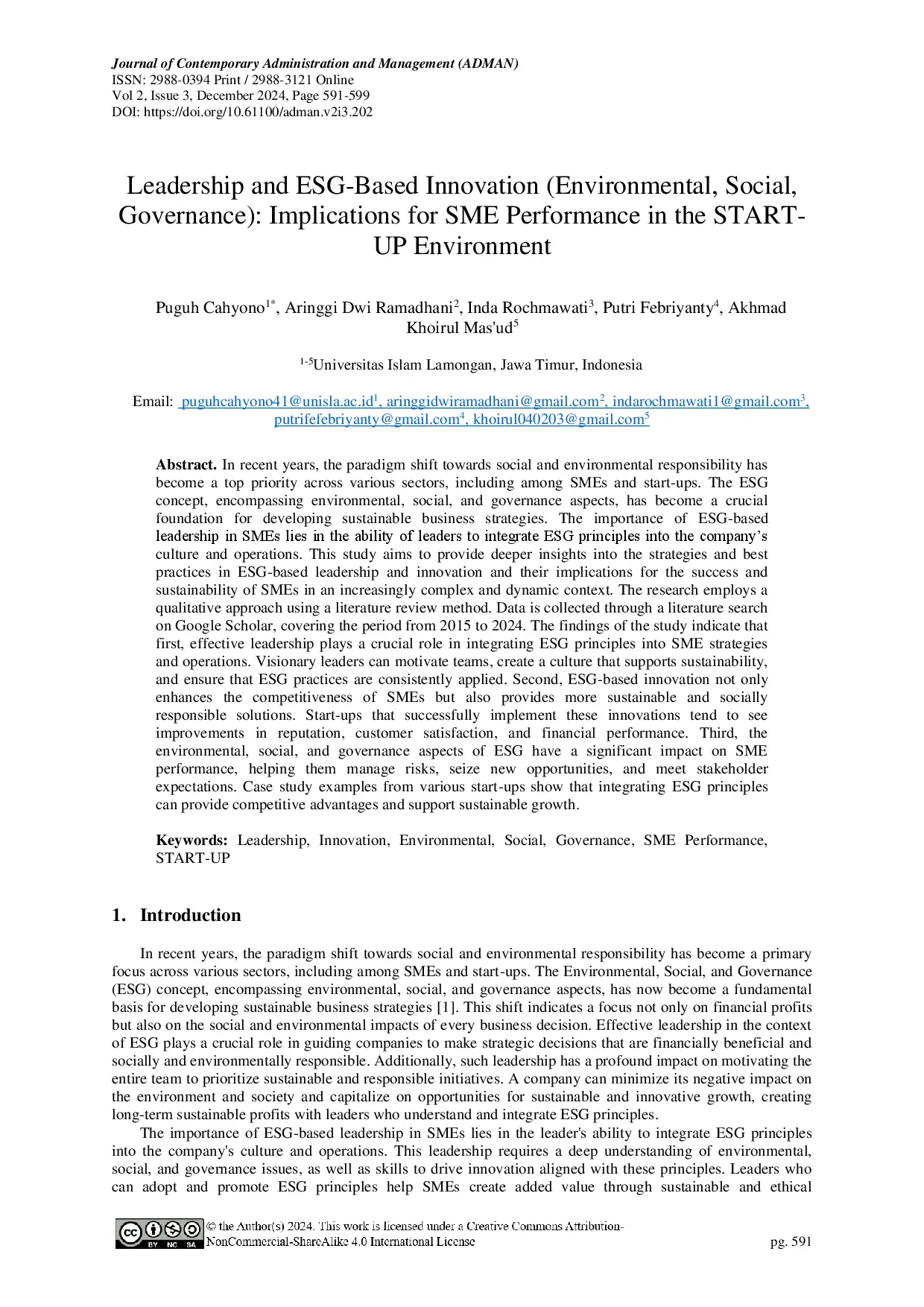
LITERASISAINSNUSANTARALITERASISAINSNUSANTARA Ketiga, aspek lingkungan, sosial, dan tata kelola ESG memiliki dampak signifikan terhadap kinerja UMKM, membantu mereka mengelola risiko, memanfaatkanKetiga, aspek lingkungan, sosial, dan tata kelola ESG memiliki dampak signifikan terhadap kinerja UMKM, membantu mereka mengelola risiko, memanfaatkan
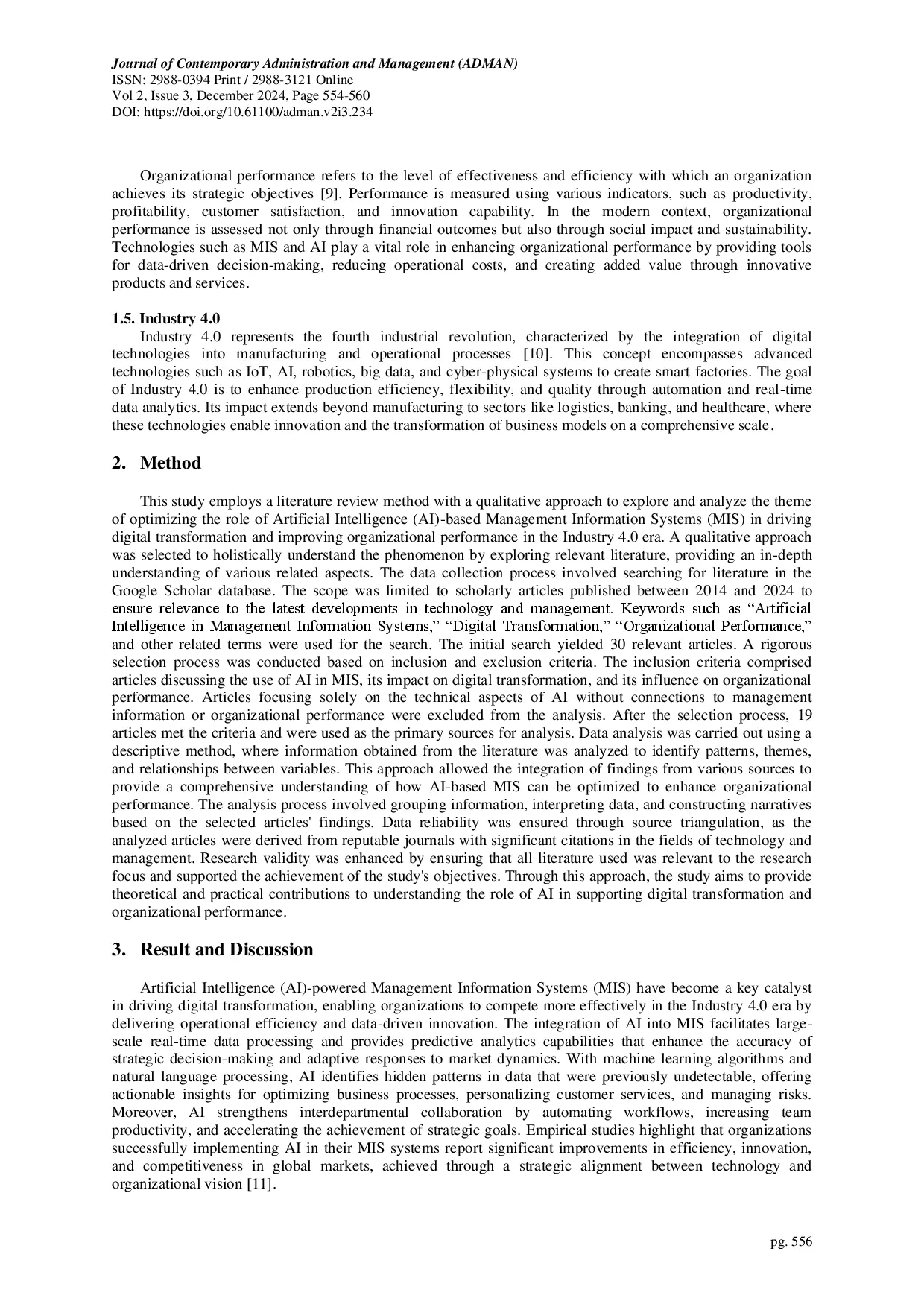
LITERASISAINSNUSANTARALITERASISAINSNUSANTARA However, adopting this technology faces challenges such as infrastructure limitations, digital literacy gaps, and high implementation costs, particularlyHowever, adopting this technology faces challenges such as infrastructure limitations, digital literacy gaps, and high implementation costs, particularly
Useful /
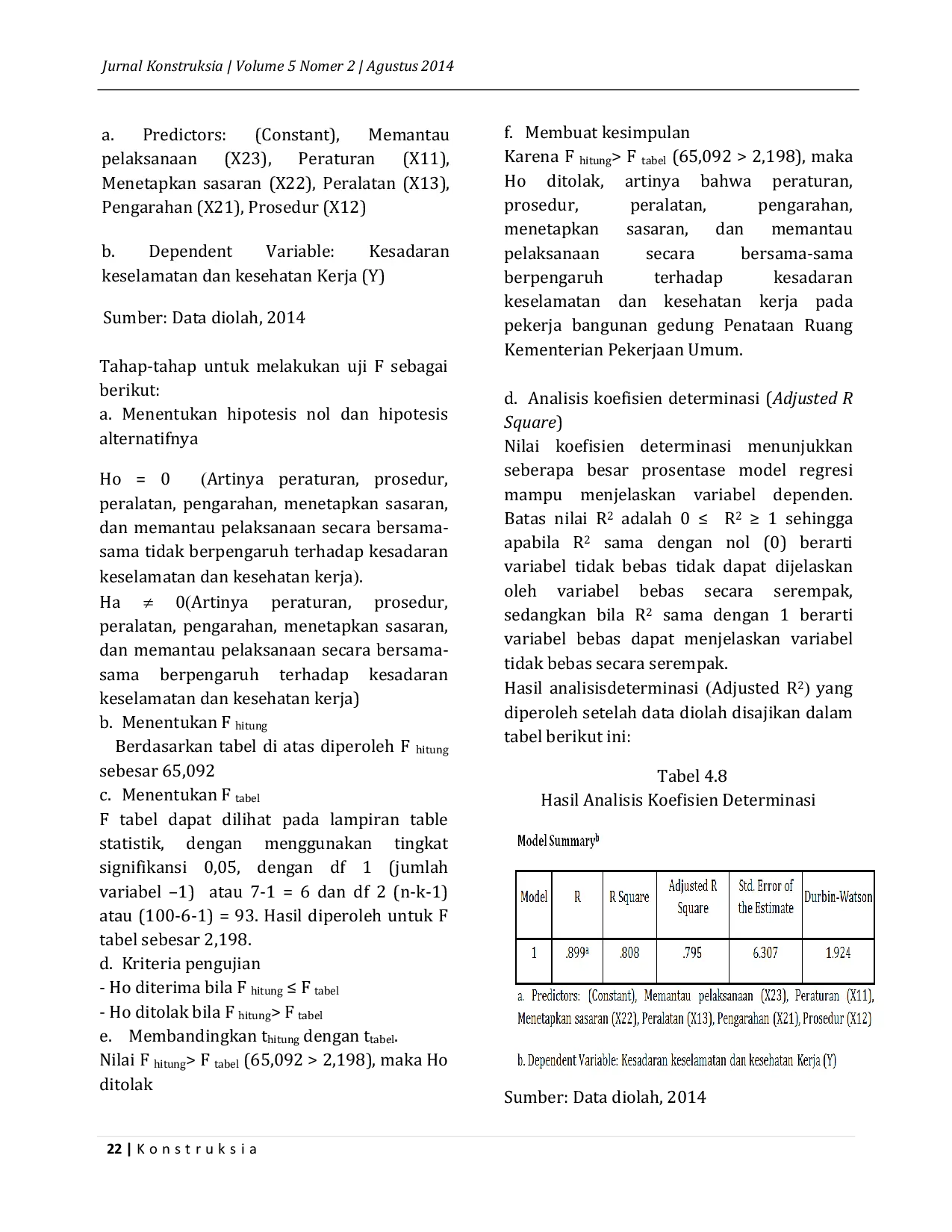
UMJ PremiumUMJ Premium Data dianalisis menggunakan regresi linear berganda dengan metode Ordinary Least Square (OLS) menggunakan bantuan program statistik SPSS, namun sebelumData dianalisis menggunakan regresi linear berganda dengan metode Ordinary Least Square (OLS) menggunakan bantuan program statistik SPSS, namun sebelum

KOMPETIFKOMPETIF Teknik analisis data yang digunakan dalam penelitian ini adalah Multiple Linear Regression Model, yang dikenal sebagai SPSS Statistics. Variabel yang digunakanTeknik analisis data yang digunakan dalam penelitian ini adalah Multiple Linear Regression Model, yang dikenal sebagai SPSS Statistics. Variabel yang digunakan
UNIPASBYUNIPASBY Kondisi jalan menuju Pantai Binalatung cukup baik dan terjangkau oleh kendaraan pribadi, namun di beberapa ruas masih terdapat kondisi jalan berlubang.Kondisi jalan menuju Pantai Binalatung cukup baik dan terjangkau oleh kendaraan pribadi, namun di beberapa ruas masih terdapat kondisi jalan berlubang.
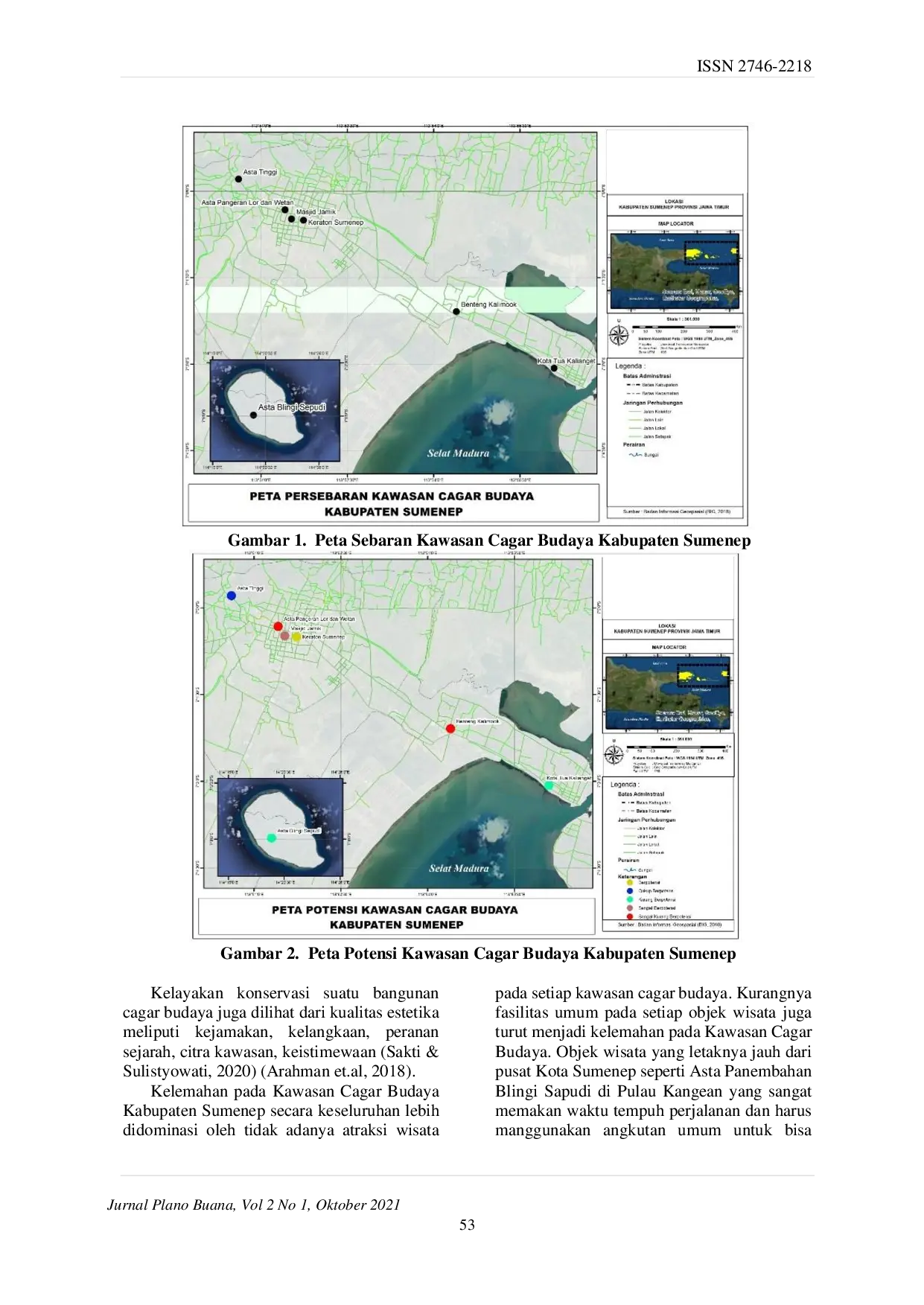
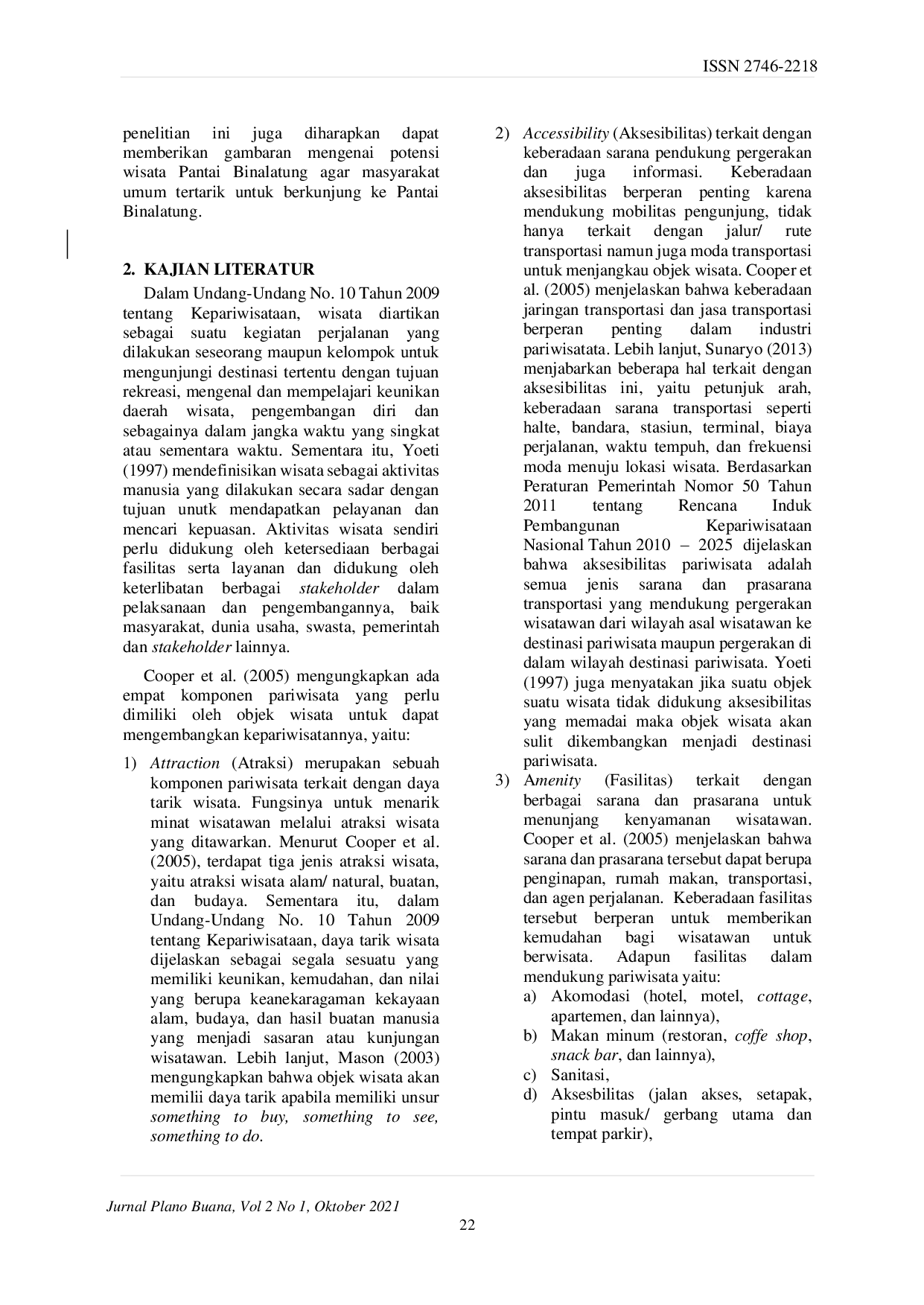
UNIPASBYUNIPASBY Potensi kawasan cagar budaya dinilai berdasarkan aspek bangunan (kondisi bangunan, keadaan lingkungan, fasilitas umum dan fasilitas kesenian) dan non bangunanPotensi kawasan cagar budaya dinilai berdasarkan aspek bangunan (kondisi bangunan, keadaan lingkungan, fasilitas umum dan fasilitas kesenian) dan non bangunan