IDID
Jurnal Ilmu Komputer dan InformatikaJurnal Ilmu Komputer dan InformatikaCredit card fraud is a growing problem due to the rise of card transactions. This study investigates the effectiveness of Logistic Regression (LogReg) and Extreme Gradient Boosting (XGBoost) in identifying fraudulent transactions in a highly imbalanced dataset, where only 8% of the data represents fraudulent activity. To address the class imbalance, random undersampling was applied, reducing the number of legitimate transactions. This technique significantly improved LogRegs ability to detect fraud, with the AUC-ROC increasing from 0.7994 to 0.9089. XGBoost performed well even without hyperparameter tuning or random undersampling, indicating its robustness as a baseline model. The study highlights the critical importance of addressing class imbalance in fraud detection. Both LogReg and XGBoost demonstrated potential, particularly when combined with techniques like undersampling or hyperparameter tuning. These findings underscore the need for effective data preprocessing methods to enhance the performance of machine learning models in detecting credit card fraud.
This study demonstrates the importance of addressing class imbalance in credit card fraud detection.Logistic Regression benefits significantly from random undersampling, improving its ability to identify fraudulent transactions.XGBoost exhibits robustness and strong performance even without extensive tuning, making it a reliable baseline model.These findings emphasize the need for effective data preprocessing techniques to optimize machine learning models for fraud detection.
Further research could explore the combination of random undersampling with other data balancing techniques, such as SMOTE, to potentially enhance model performance further. Investigating the application of more advanced hyperparameter optimization algorithms, like Bayesian optimization, could lead to even more refined XGBoost models. Additionally, a study focusing on the interpretability of XGBoost models, using techniques like SHAP values, could provide valuable insights into the key features driving fraud detection and improve trust in the models predictions. These investigations will contribute to the development of more effective and reliable fraud detection systems.
- Unbalanced Data Processing and Machine Learning in Credit Card Fraud Detection | Research Square. unbalanced... researchsquare.com/article/rs-2004320/v1Unbalanced Data Processing and Machine Learning in Credit Card Fraud Detection Research Square unbalanced researchsquare article rs 2004320 v1
- Customer Transaction Fraud Detection Using Xgboost Model | IEEE Conference Publication | IEEE Xplore.... ieeexplore.ieee.org/document/9103880Customer Transaction Fraud Detection Using Xgboost Model IEEE Conference Publication IEEE Xplore ieeexplore ieee document 9103880
- SciELO Brazil - Read this paper if you want to learn logistic regression Read this paper if you want... doi.org/10.1590/1678-987320287406ENSciELO Brazil Read this paper if you want to learn logistic regression Read this paper if you want doi 10 1590 1678 987320287406EN
| File size | 455.69 KB |
| Pages | 12 |
| DMCA | Report |
Related /

UBUB Untuk mengatasi masalah ini, teknik simplifikasi graf melalui community detection diterapkan sebagai solusi untuk mengelompokkan fungsi-fungsi yang salingUntuk mengatasi masalah ini, teknik simplifikasi graf melalui community detection diterapkan sebagai solusi untuk mengelompokkan fungsi-fungsi yang saling

UBUB Pengembangan sistem dilakukan menggunakan metode Agile Scrum dalam beberapa siklus sprint, yang mencakup tahapan product backlog, sprint planning, dailyPengembangan sistem dilakukan menggunakan metode Agile Scrum dalam beberapa siklus sprint, yang mencakup tahapan product backlog, sprint planning, daily
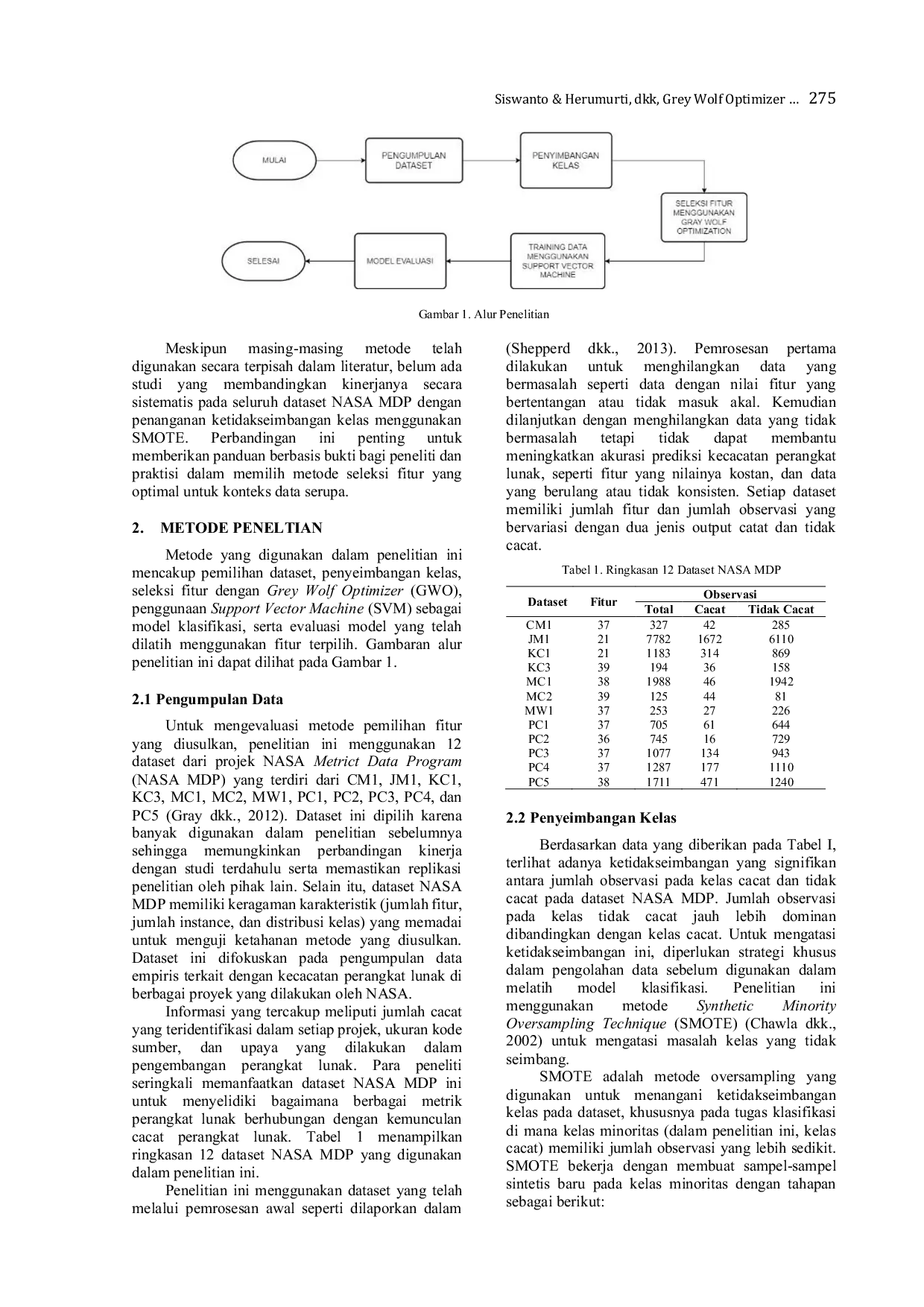
UBUB Hasil menunjukkan bahwa seleksi fitur berbasis GWO secara konsisten meningkatkan performa SVM dibandingkan penggunaan semua fitur, serta secara signifikanHasil menunjukkan bahwa seleksi fitur berbasis GWO secara konsisten meningkatkan performa SVM dibandingkan penggunaan semua fitur, serta secara signifikan
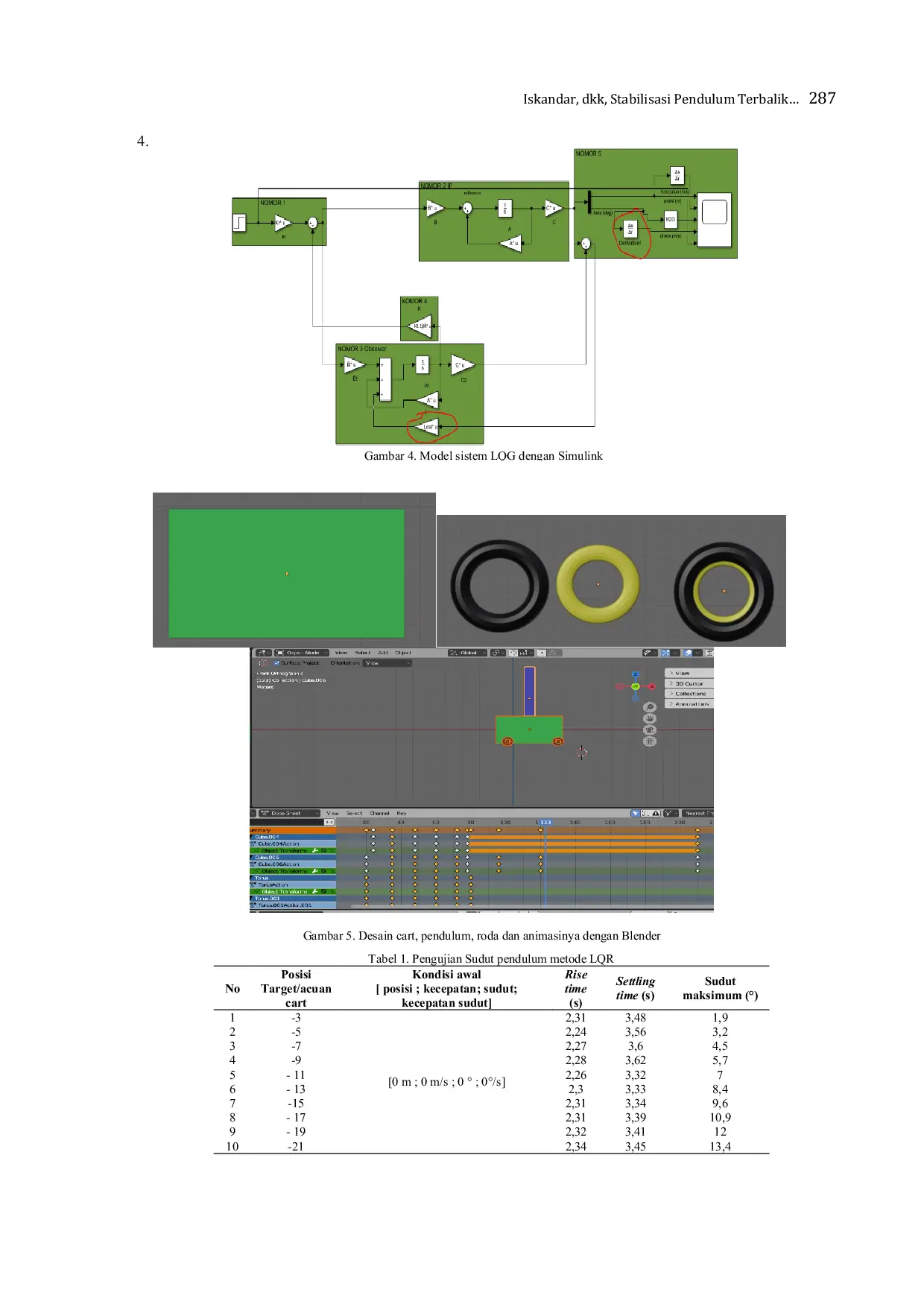
UBUB Secara umum, konstruksi fisik pendulum terbalik terdiri dari gerobak (cart) dan batang pendulum. Tanpa mekanisme kendali, pendulum akan terus jatuh akibatSecara umum, konstruksi fisik pendulum terbalik terdiri dari gerobak (cart) dan batang pendulum. Tanpa mekanisme kendali, pendulum akan terus jatuh akibat

UBUB Temuan ini berkontribusi dalam pengembangan sistem analitik ulasan pengguna, yang dapat dimanfaatkan oleh pengembang aplikasi dan pelaku industri fintechTemuan ini berkontribusi dalam pengembangan sistem analitik ulasan pengguna, yang dapat dimanfaatkan oleh pengembang aplikasi dan pelaku industri fintech

UBUB Hasil penelitian menunjukkan akurasi sebesar 95% dan validasi akurasi sebesar 100% pada epoch ke-4, dengan val_loss terendah sebesar 0. 0260 dan MAE sebesarHasil penelitian menunjukkan akurasi sebesar 95% dan validasi akurasi sebesar 100% pada epoch ke-4, dengan val_loss terendah sebesar 0. 0260 dan MAE sebesar

UBUB Perkembangan pesat media sosial telah memberikan ruang bagi setiap individu untuk menyampaikan pendapat, baik berupa komentar positif maupun negatif terhadapPerkembangan pesat media sosial telah memberikan ruang bagi setiap individu untuk menyampaikan pendapat, baik berupa komentar positif maupun negatif terhadap
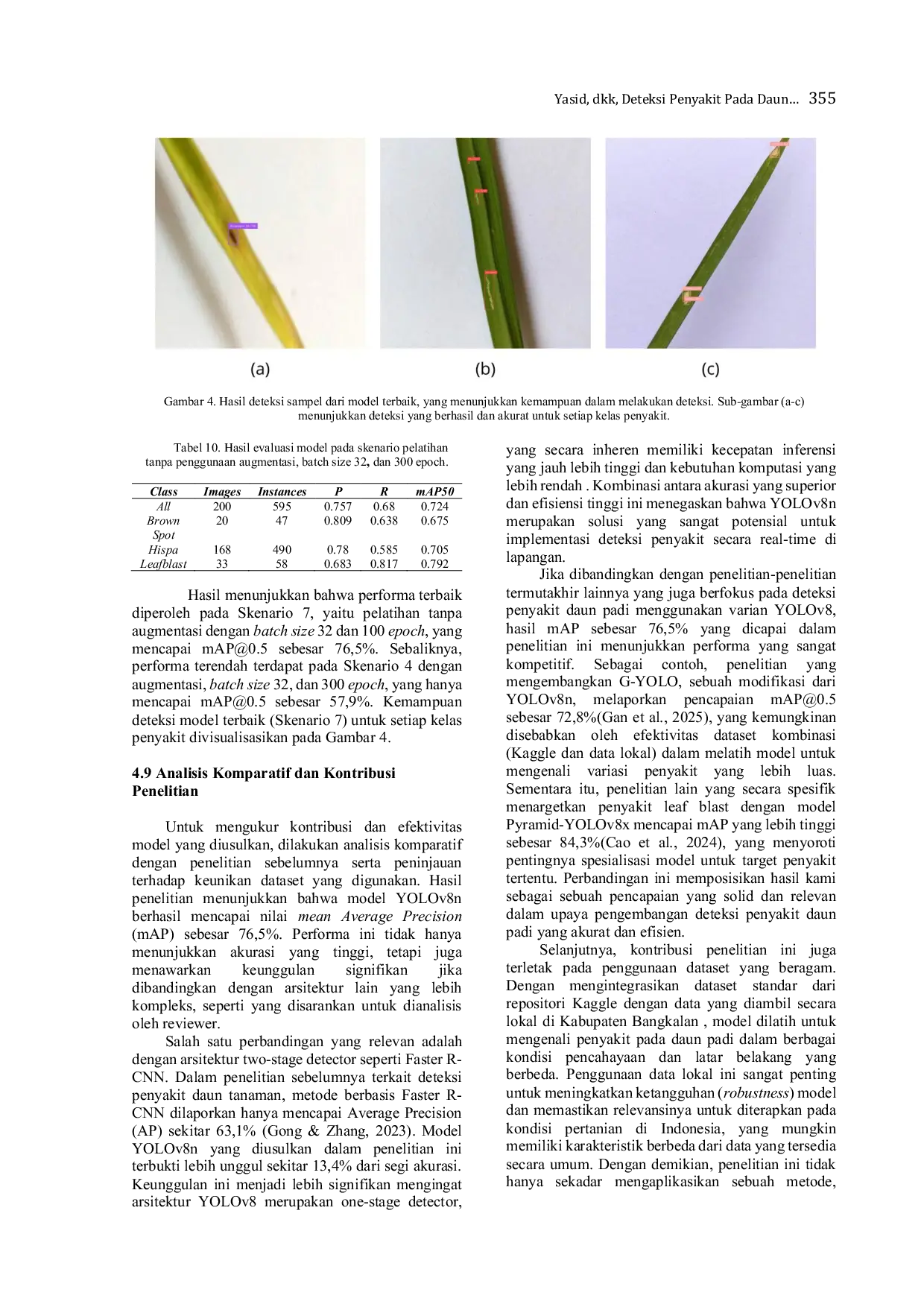
UBUB Padi (Oryza sativa) merupakan sumber pangan utama di Indonesia yang rentan terhadap serangan penyakit daun seperti Brown Spot, Hispa, dan Leaf Blast. Penyakit-penyakitPadi (Oryza sativa) merupakan sumber pangan utama di Indonesia yang rentan terhadap serangan penyakit daun seperti Brown Spot, Hispa, dan Leaf Blast. Penyakit-penyakit
Useful /
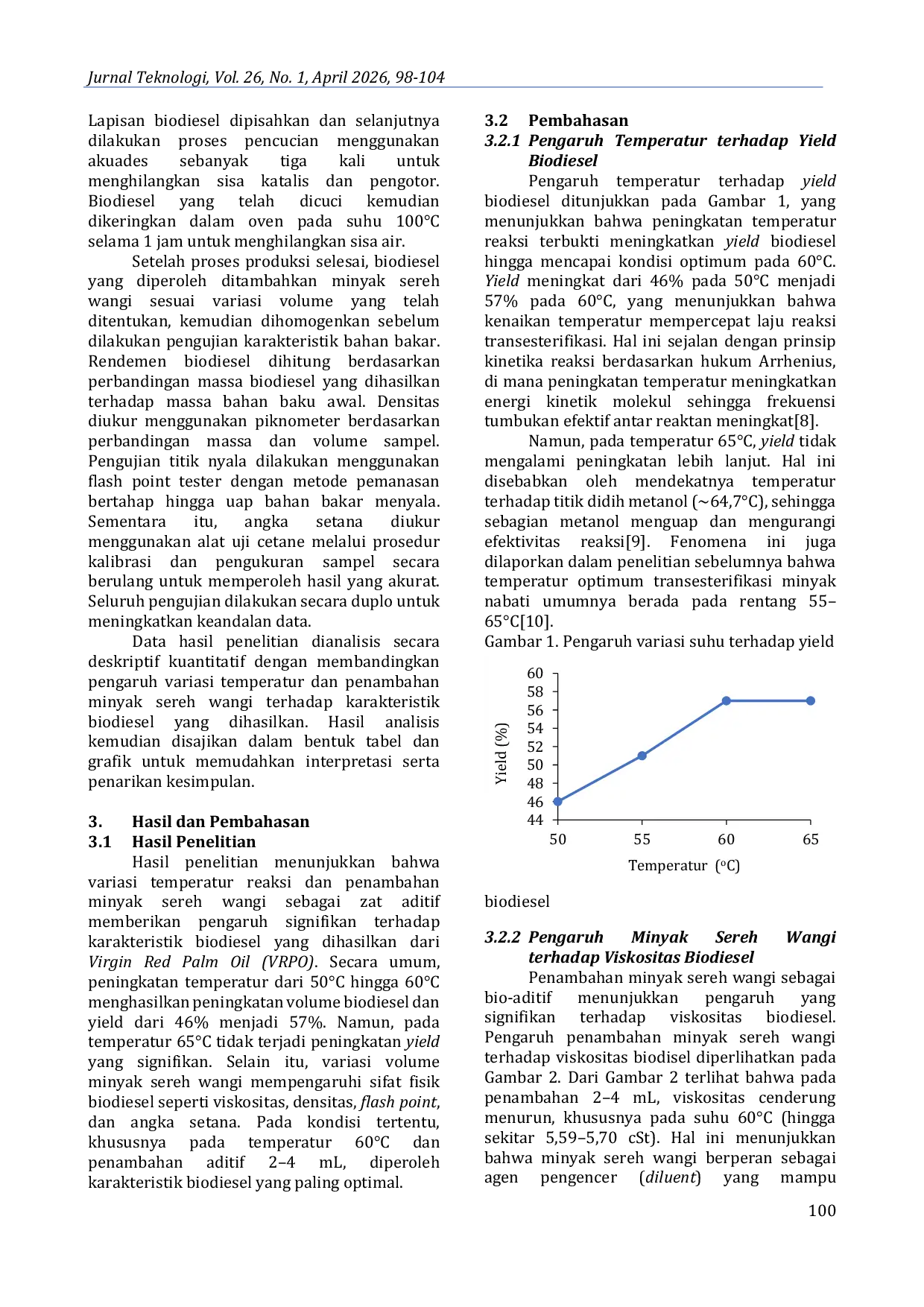
PNLPNL Namun, konsentrasi aditif yang berlebihan (≥6 mL) menyebabkan penurunan kualitas biodiesel akibat peningkatan viskositas dan penurunan homogenitas campuran.Namun, konsentrasi aditif yang berlebihan (≥6 mL) menyebabkan penurunan kualitas biodiesel akibat peningkatan viskositas dan penurunan homogenitas campuran.
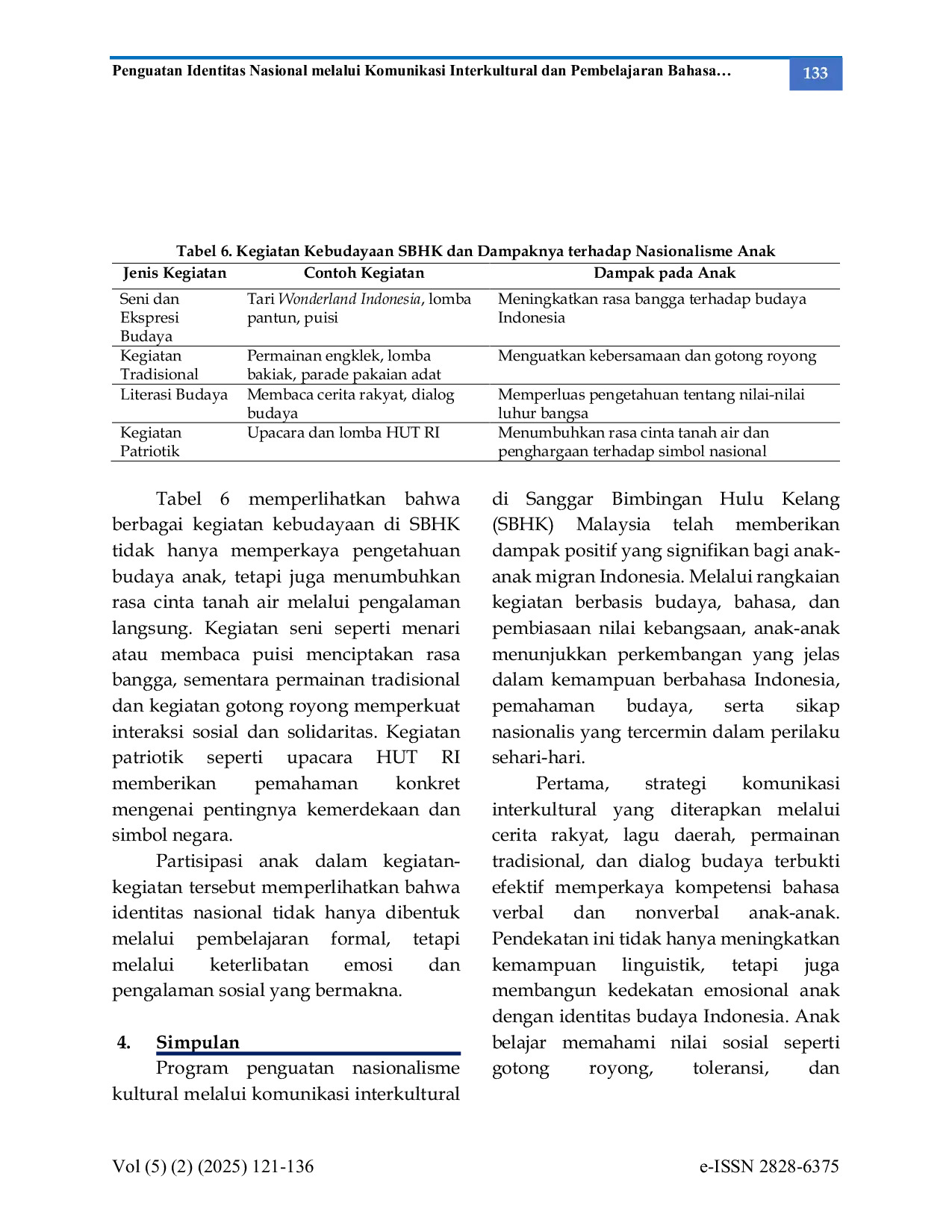
ALPTKPTMALPTKPTM Anak‑anak migran menunjukkan peningkatan signifikan dalam kemampuan berbahasa Indonesia, pemahaman budaya, dan perilaku yang mencerminkan nasionalisme.Anak‑anak migran menunjukkan peningkatan signifikan dalam kemampuan berbahasa Indonesia, pemahaman budaya, dan perilaku yang mencerminkan nasionalisme.

POLITEKNIK PRATAMAPOLITEKNIK PRATAMA Bendahara menjadi lebih cepat dalam merekap presensi dan jadwal mengajar untuk menentukan besaran gaji masing‑masing guru. Sistem dapat dikembangkanBendahara menjadi lebih cepat dalam merekap presensi dan jadwal mengajar untuk menentukan besaran gaji masing‑masing guru. Sistem dapat dikembangkan

POLITEKNIK PRATAMAPOLITEKNIK PRATAMA Pengelolaan kas kecil ini juga dilakukan pada Bagian Perekonomian dan Kerjasama yang terdapat pada Balai Walikota Yogyakarta. Bagian Perekonomian dan KerjasamaPengelolaan kas kecil ini juga dilakukan pada Bagian Perekonomian dan Kerjasama yang terdapat pada Balai Walikota Yogyakarta. Bagian Perekonomian dan Kerjasama