BIRCU JOURNALBIRCU JOURNAL
Budapest International Research and Critics Institute-Journal (BIRCI-Journal)Budapest International Research and Critics Institute-Journal (BIRCI-Journal)This paper examines media portrayals of children in contexts of conflict and migration, interrogating the narratives, visual representations, and framing strategies employed in both global and local media. Using secondary data, the paper explores how children are often depicted as passive victims, security threats, or symbols of hope, rather than as agents with voices and rights. It investigates whose perspectives dominate the storytelling, whether those of journalists, governments, aid agencies, or the children themselves, and the implications of such representations for public perception, humanitarian response, and policy advocacy. The paper calls for more inclusive, context-sensitive, and child-centred reporting frameworks that recognize children not merely as subjects of pity or fear, but as individuals with agency, resilience, and stories worth telling on their own terms. This paper has shown that mainstream media often depict children through reductive frames, either as passive victims or as security threats, thus stripping them of agency and voice. These portrayals are frequently influenced by geopolitical interests, cultural biases, and editorial agendas that prioritize sensationalism over complexity. While some media efforts attempt to humanize children and highlight their resilience, structural limitations and editorial conventions often impede more balanced storytelling. A child-rights-based and ethical media framework is therefore essential to ensure that childrens experiences are accurately and respectfully represented.
The study reveals that mainstream media frequently portrays children through reductive frames, diminishing their agency and voice.These portrayals are often shaped by geopolitical interests and sensationalism, hindering balanced storytelling.A child-rights-based and ethical media framework is crucial for accurately and respectfully representing childrens experiences.Ultimately, reclaiming the narrative requires participatory storytelling that prioritizes the voices of children themselves, contributing to justice and dignity in humanitarian reporting.
Further research should investigate the effectiveness of child-led storytelling initiatives in challenging dominant media narratives and empowering children as active participants in shaping their own representations. Additionally, a comparative study examining the portrayal of children in conflict and migration contexts across different media systems – including those in the Global South – could reveal how cultural and political contexts influence framing strategies. Finally, research is needed to explore the impact of algorithmic bias in social media platforms on the visibility and representation of childrens voices, and to develop strategies for mitigating these biases to ensure more equitable and inclusive media landscapes. These investigations should contribute to a more nuanced understanding of the complex interplay between media, power, and childrens rights, ultimately informing the development of more ethical and rights-respecting media practices.
| File size | 839.16 KB |
| Pages | 11 |
| DMCA | Report |
Related /

UNAIM WAMENAUNAIM WAMENA Kebijakan urban farming didukung oleh peningkatan kesadaran ketahanan pangan di masa pandemi dan inisiatif masyarakat untuk pemenuhan pangan secara mandiri.Kebijakan urban farming didukung oleh peningkatan kesadaran ketahanan pangan di masa pandemi dan inisiatif masyarakat untuk pemenuhan pangan secara mandiri.
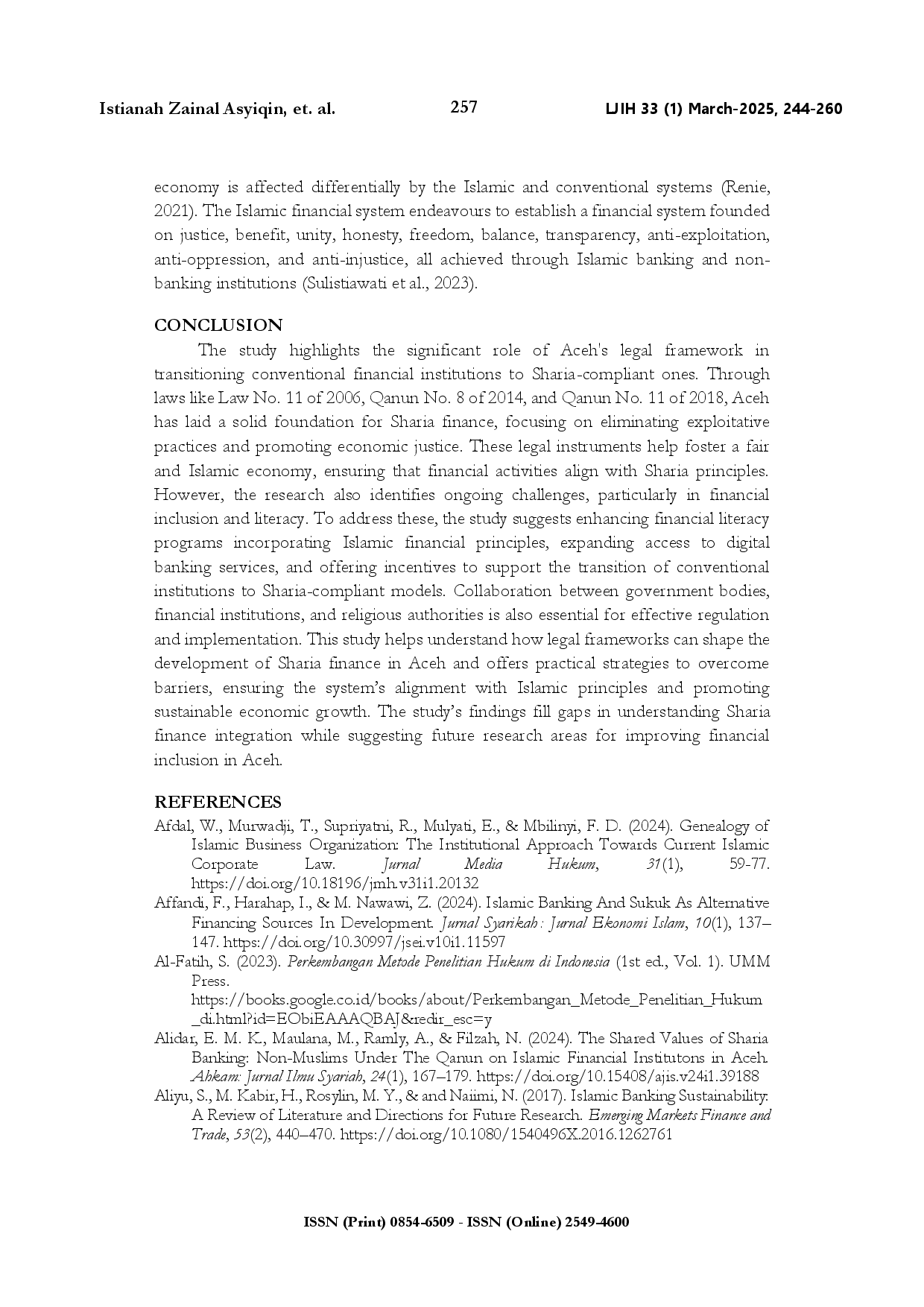
UMMUMM Penelitian ini meneliti otoritas Pemerintah Aceh dalam mengonversi lembaga keuangan konvensional menjadi entitas yang patuh syariah di bawah Qanun AcehPenelitian ini meneliti otoritas Pemerintah Aceh dalam mengonversi lembaga keuangan konvensional menjadi entitas yang patuh syariah di bawah Qanun Aceh

UMMUMM Metode etnografi, wawancara mendalam dengan tokoh adat, studi kasus, kajian dokumen sejarah, dan peraturan adat digunakan untuk menganalisis integrasiMetode etnografi, wawancara mendalam dengan tokoh adat, studi kasus, kajian dokumen sejarah, dan peraturan adat digunakan untuk menganalisis integrasi

MKRIMKRI Penelitian ini membahas mengenai perkembangan pemikiran tersebut dan menganalisa pola penerapan metode original intent dalam penafsiran konstitusi yangPenelitian ini membahas mengenai perkembangan pemikiran tersebut dan menganalisa pola penerapan metode original intent dalam penafsiran konstitusi yang
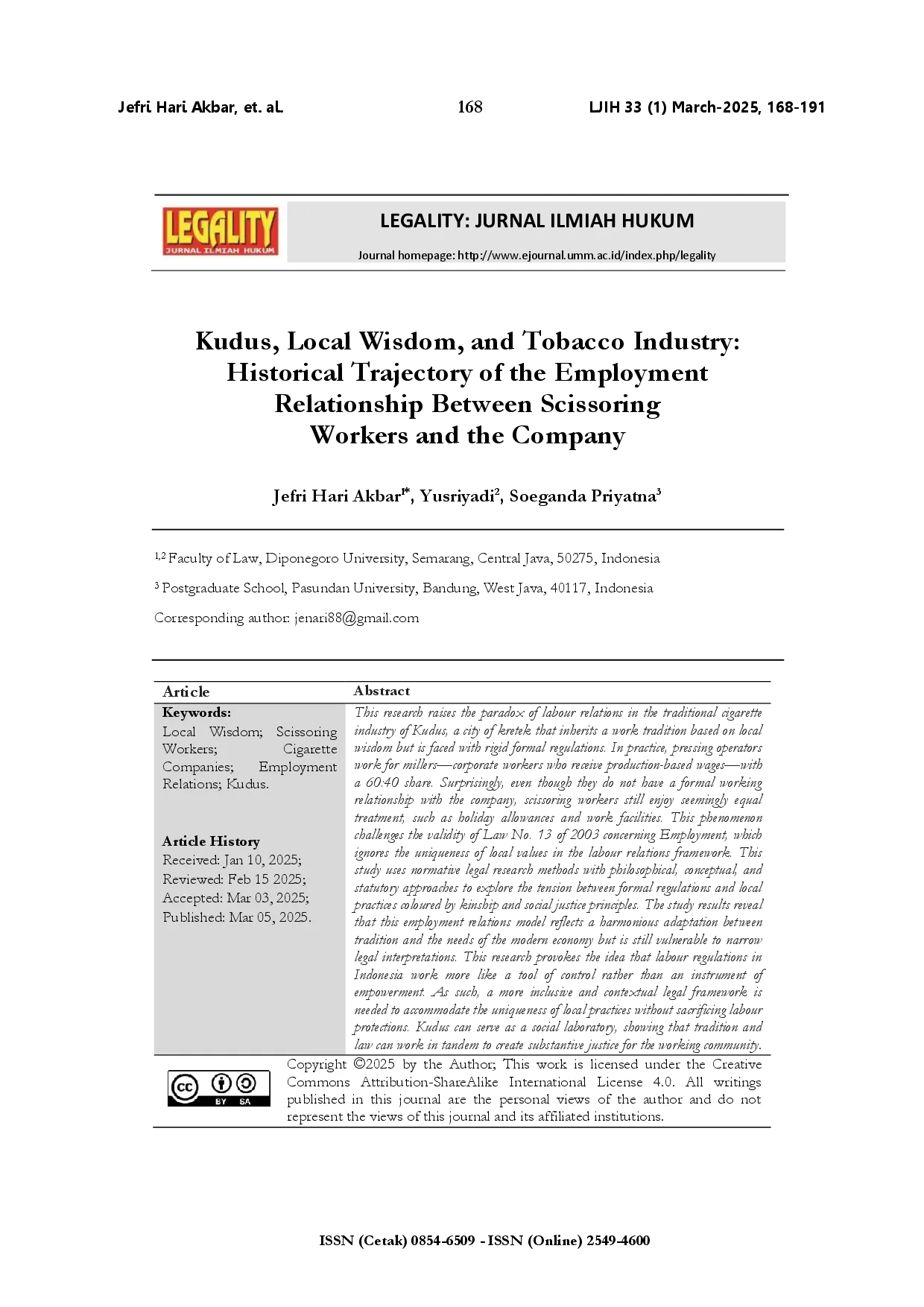
UMMUMM Penelitian ini memprovokasi gagasan bahwa regulasi ketenagakerjaan di Indonesia bekerja lebih seperti alat kontrol daripada instrumen pemberdayaan. DenganPenelitian ini memprovokasi gagasan bahwa regulasi ketenagakerjaan di Indonesia bekerja lebih seperti alat kontrol daripada instrumen pemberdayaan. Dengan

UMMUMM Makalah ini membahas mekanisme perizinan pendirian rumah ibadah. Dalam praktik, mekanisme perizinan di kedua negara menunjukkan perbedaan signifikan. DiMakalah ini membahas mekanisme perizinan pendirian rumah ibadah. Dalam praktik, mekanisme perizinan di kedua negara menunjukkan perbedaan signifikan. Di
UMMUMM Penelitian ini berfokus pada fenomena politisasi penegakan hukum kasus korupsi pada tahun-tahun pemilihan, di mana tindakan hukum diduga digunakan sebagaiPenelitian ini berfokus pada fenomena politisasi penegakan hukum kasus korupsi pada tahun-tahun pemilihan, di mana tindakan hukum diduga digunakan sebagai

OJS INDONESIAOJS INDONESIA Dengan menangani masalah ini secara efektif, Indonesia dapat memperkuat institusi demokrasi, memulihkan kepercayaan publik, dan meningkatkan keterlibatanDengan menangani masalah ini secara efektif, Indonesia dapat memperkuat institusi demokrasi, memulihkan kepercayaan publik, dan meningkatkan keterlibatan
Useful /

UM SURABAYAUM SURABAYA Jancukers meliputi bentuk kata ganti orang pertama, kedua, dan ketiga. Bentuk kata ganti orang pertama meliputi kata Gue sebagai bentuk keakraban. BentukJancukers meliputi bentuk kata ganti orang pertama, kedua, dan ketiga. Bentuk kata ganti orang pertama meliputi kata Gue sebagai bentuk keakraban. Bentuk

NASIONALNASIONAL Namun, pemanfaatan potensi tersebut masih terbatas. Kegiatan pengabdian kepada masyarakat ini bertujuan untuk mendukung pengembangan desa wisata melaluiNamun, pemanfaatan potensi tersebut masih terbatas. Kegiatan pengabdian kepada masyarakat ini bertujuan untuk mendukung pengembangan desa wisata melalui
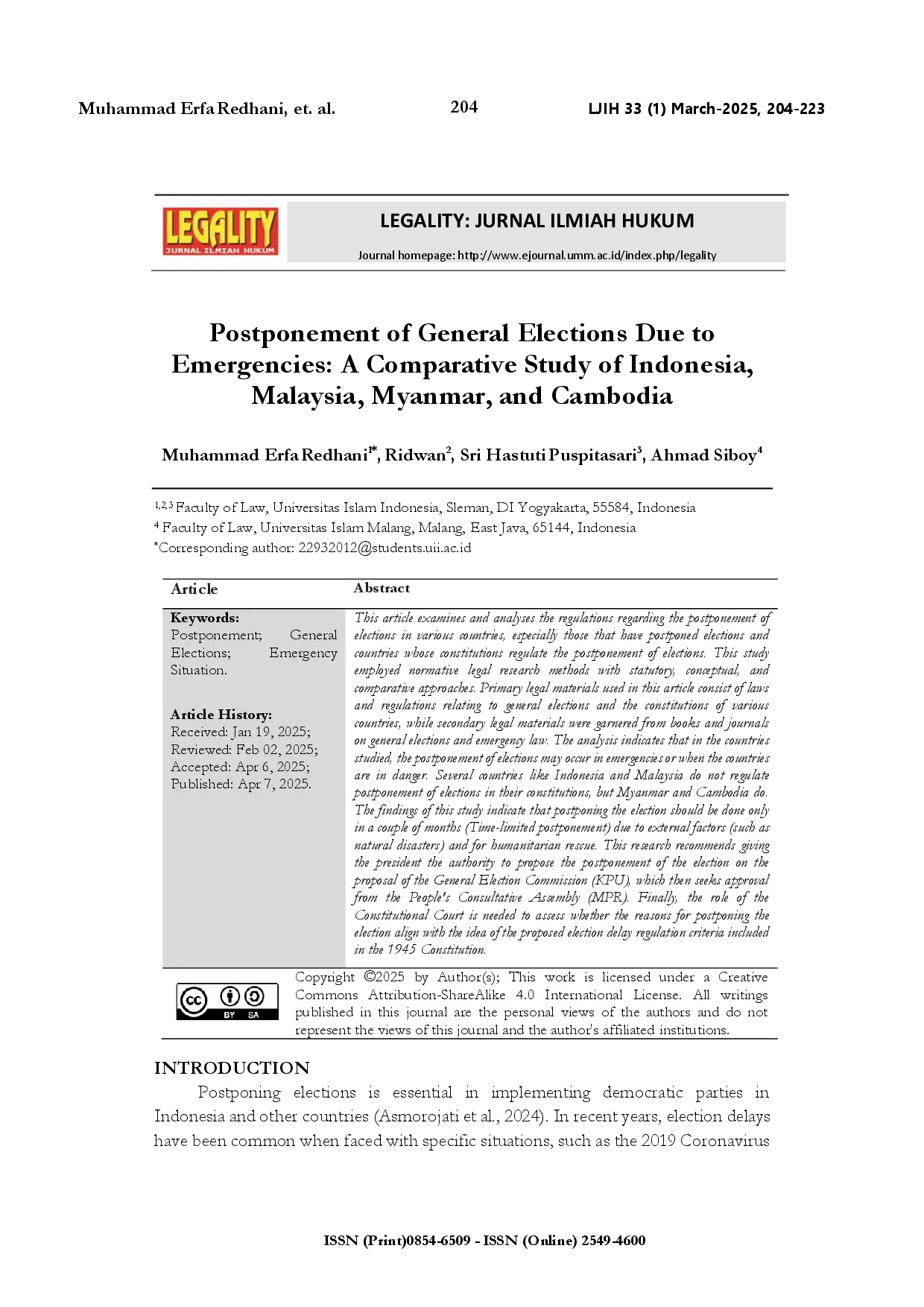
UMMUMM Jika penundaan pemilihan umum hanya diatur oleh undang-undang, perubahan berkelanjutan dan keadaan yang berubah-ubah dapat terjadi. Untuk menegakkan prinsipJika penundaan pemilihan umum hanya diatur oleh undang-undang, perubahan berkelanjutan dan keadaan yang berubah-ubah dapat terjadi. Untuk menegakkan prinsip
UMMUMM Kewenangan tersebut diberikan semata-mata untuk menghindari pengajuan kepailitan yang diajukan oleh kreditor atau pemegang saham kepada perusahaan efekKewenangan tersebut diberikan semata-mata untuk menghindari pengajuan kepailitan yang diajukan oleh kreditor atau pemegang saham kepada perusahaan efek