UNIMALUNIMAL
Journal of Renewable Energy, Electrical, and Computer EngineeringJournal of Renewable Energy, Electrical, and Computer EngineeringUsing fossil fuels contributes to carbon dioxide and methane emissions that increasingly damage nature. Innovations in renewable energy that are more environmentally friendly with good energy supply chain management need to be implemented immediately. Indonesia is an archipelagic country with an imbalance in energy sufficiency figures in several regions, including Balikukup village in East Kalimantan. This condition hinders peoples daily activities and is a significant obstacle to business activities. This research was conducted to design a zero-carbon renewable hybrid energy innovation that can preserve the environment and improve the communitys economy using solar energy and coconut shells. The design was simulated using the HOMER application to find out how much potential and electricity the residents of Balikukup village would get. This study obtained a system configuration scenario: the marine product drying machine, which has a total production of 4,106 kWh/yr. This machine requires a PV capacity of 7,627 kW/yr, 18 batteries, and an inverter capacity of 1.62 kW. In addition, coconut shell briquettes can also optimize the marine product drying machine where 100 - 150 kg of coconut shell waste can increase the drying temperature to 60° - 70° C in a faster time of around 3 - 4 hours to reduce the weight of marine products from 5 - 8 kg to 1 - ½ kg.
This study successfully designed a hybrid energy system configuration that can significantly contribute to the production of seafood processing in Balikukup Village.The total energy production of 4,106 kWh/yr optimizes the operation of the seafood drying machine, improving the quality and quantity of seafood processing production.Production activities can run more efficiently and sustainably with a more stable energy availability.
Penelitian lebih lanjut dapat dilakukan untuk menguji efektivitas dan efisiensi sistem hybrid ini dalam skala yang lebih besar, dengan mempertimbangkan variasi cuaca dan fluktuasi permintaan energi sepanjang tahun. Selain itu, studi komparatif perlu dilakukan untuk membandingkan biaya dan manfaat sistem hybrid ini dengan sumber energi lain yang tersedia di Balikukup, seperti diesel, untuk menentukan solusi energi yang paling ekonomis dan berkelanjutan. Terakhir, penelitian lanjutan dapat fokus pada pengembangan teknologi pengolahan limbah kelapa yang lebih efisien dan ramah lingkungan, serta eksplorasi potensi pemanfaatan limbah kelapa untuk aplikasi energi lainnya, seperti produksi biogas atau biofuel, guna memaksimalkan manfaat ekonomi dan lingkungan dari sumber daya lokal ini.
| File size | 1.25 MB |
| Pages | 13 |
| DMCA | Report |
Related /
UNDHIRA BALIUNDHIRA BALI Untuk aspek pemasaran, dengan adanya program BUMDes tersebut maka mitra kelompok wirausaha baru sangat terbantu dalam memasarkan produknya. Pelatihan pengelolaanUntuk aspek pemasaran, dengan adanya program BUMDes tersebut maka mitra kelompok wirausaha baru sangat terbantu dalam memasarkan produknya. Pelatihan pengelolaan

UNISMUH PALUUNISMUH PALU Prosedur penelitian dilakukan melalui beberapa tahapan, yaitu identifikasi masalah, pengumpulan data, analisis kebutuhan, perancangan sistem, pembangunanProsedur penelitian dilakukan melalui beberapa tahapan, yaitu identifikasi masalah, pengumpulan data, analisis kebutuhan, perancangan sistem, pembangunan

IPBIPB Tujuan utama pengelolaan ini adalah peningkatan kesejahteraan karyawan secara proporsional, dengan ketersediaan teknologi memadai sebagai faktor penentuTujuan utama pengelolaan ini adalah peningkatan kesejahteraan karyawan secara proporsional, dengan ketersediaan teknologi memadai sebagai faktor penentu

IPBIPB Eks konsesi PT Maju Jaya Raya Timber (PT MJRT) di Kabupaten Bengkulu Utara merupakan daerah penyangga penting bagi Taman Nasional Kerinci Seblat (KSNP).Eks konsesi PT Maju Jaya Raya Timber (PT MJRT) di Kabupaten Bengkulu Utara merupakan daerah penyangga penting bagi Taman Nasional Kerinci Seblat (KSNP).
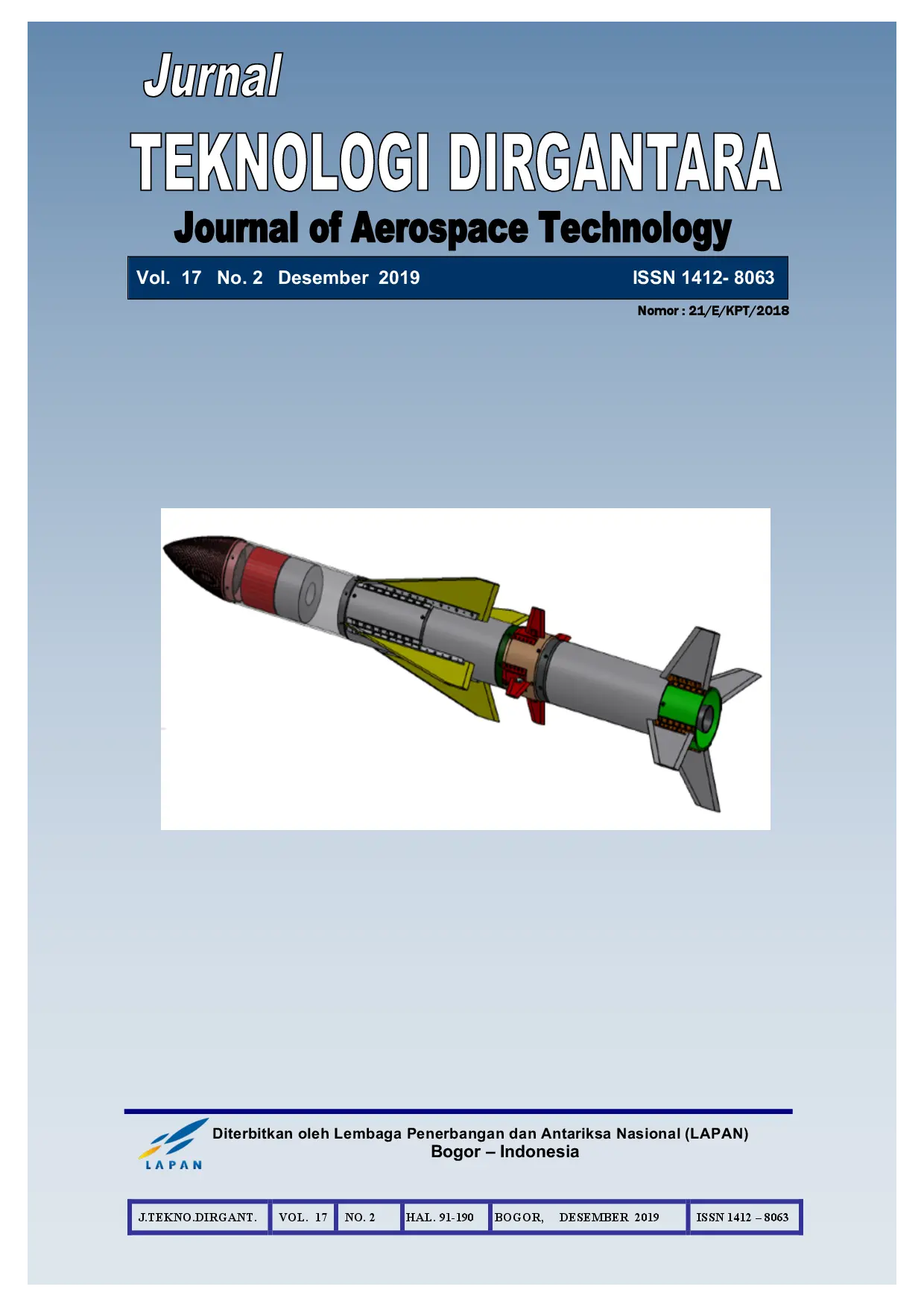
LAPANLAPAN Visualisasi Schlieren terbukti menjadi metode yang efektif untuk menampilkan pola aliran dan perubahan densitas pada terowongan angin supersonik, sehinggaVisualisasi Schlieren terbukti menjadi metode yang efektif untuk menampilkan pola aliran dan perubahan densitas pada terowongan angin supersonik, sehingga
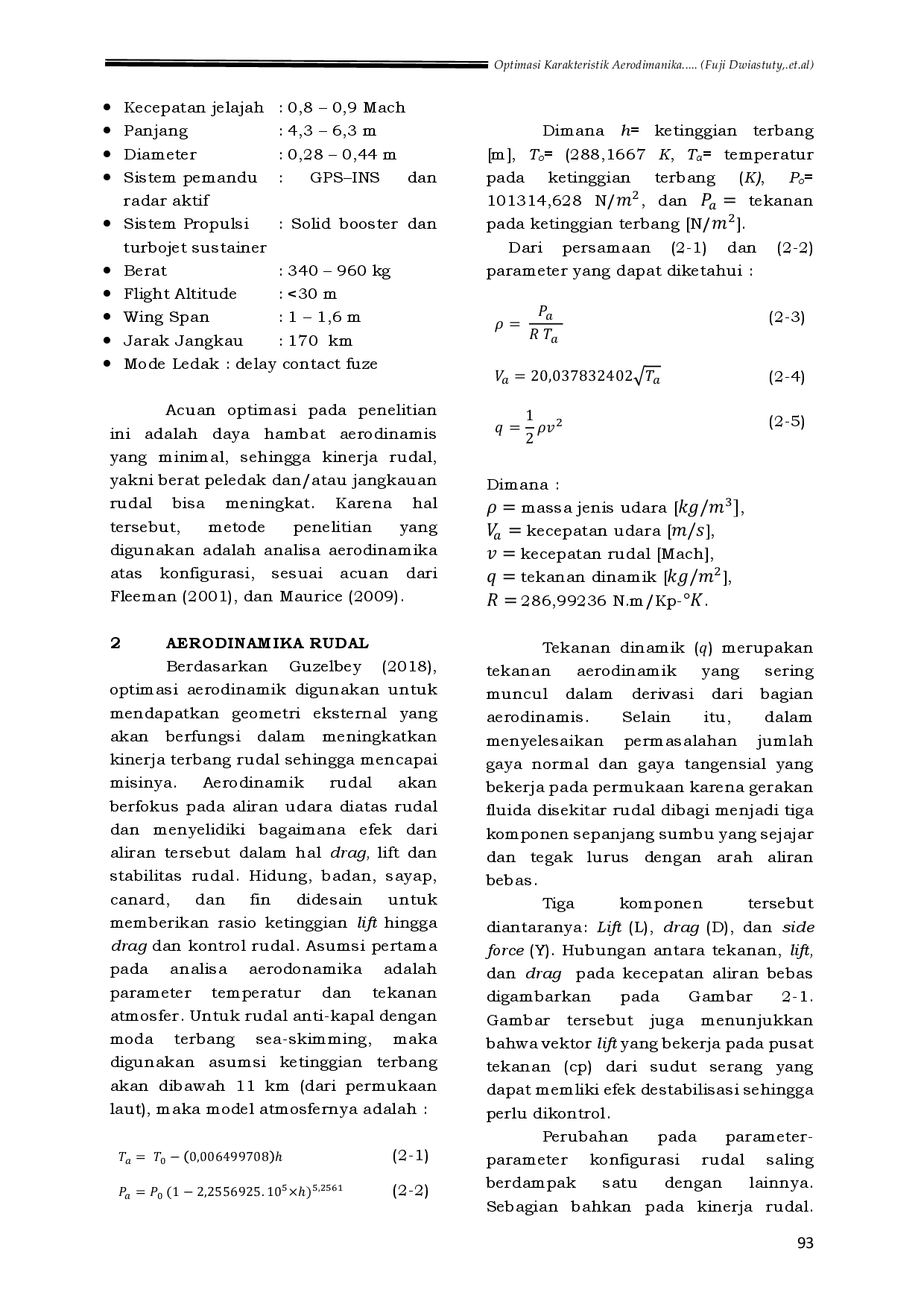
LAPANLAPAN Hasil perhitungan juga menunjukkan bahwa konfigurasi rudal dengan lift to drag terbaik memiliki 2 sayap dengan panjang pangkal 1,18 m, tinggi 0,79 m, danHasil perhitungan juga menunjukkan bahwa konfigurasi rudal dengan lift to drag terbaik memiliki 2 sayap dengan panjang pangkal 1,18 m, tinggi 0,79 m, dan
LAPANLAPAN Diperlukan tindakan korektif, termasuk penambahan material perisai dengan ketebalan dan jenis yang sesuai serta penyesuaian administratif, untuk memastikanDiperlukan tindakan korektif, termasuk penambahan material perisai dengan ketebalan dan jenis yang sesuai serta penyesuaian administratif, untuk memastikan
LAPANLAPAN Pada penelitian ini pesawat yang digunakan sebagai studi kasus adalah pesawat tanpa awak LSU-05 NG. Setelah kriteria filter ditentukan, sebanyak 1504 airfoilPada penelitian ini pesawat yang digunakan sebagai studi kasus adalah pesawat tanpa awak LSU-05 NG. Setelah kriteria filter ditentukan, sebanyak 1504 airfoil
Useful /
UNDHIRA BALIUNDHIRA BALI Pemanfaatan teknologi seperti berbasis multimedia dapat juga salah satu sarana yang dapat membangkitkan kreatifitas anak-anak dalam bercerita. Hanya sajaPemanfaatan teknologi seperti berbasis multimedia dapat juga salah satu sarana yang dapat membangkitkan kreatifitas anak-anak dalam bercerita. Hanya saja

UNDHIRA BALIUNDHIRA BALI Kegiatan pengabdian yang dilakukan menghasilkan peningkatan pengetahuan mitra mengenai stunting dan langkah – langkah dalam percepatan penurunan stuntingKegiatan pengabdian yang dilakukan menghasilkan peningkatan pengetahuan mitra mengenai stunting dan langkah – langkah dalam percepatan penurunan stunting

STIKESBANYUWANGISTIKESBANYUWANGI Latar Belakang: Stunting masih menjadi masalah kesehatan masyarakat yang penting di Indonesia dan berhubungan dengan berbagai gangguan perkembangan anak.Latar Belakang: Stunting masih menjadi masalah kesehatan masyarakat yang penting di Indonesia dan berhubungan dengan berbagai gangguan perkembangan anak.

STKIPPACITANSTKIPPACITAN Teknik pengumpulan data menggunakan kuesioner, tes esai untuk mengukur kemampuan pemecahan masalah, dan dokumentasi untuk mengidentifikasi tipe kepribadian.Teknik pengumpulan data menggunakan kuesioner, tes esai untuk mengukur kemampuan pemecahan masalah, dan dokumentasi untuk mengidentifikasi tipe kepribadian.