ISKIISKI
Jurnal Komunikasi Ikatan Sarjana Komunikasi IndonesiaJurnal Komunikasi Ikatan Sarjana Komunikasi IndonesiaMalnutrition, particularly stunting, remains a critical public health challenge in Indonesia, prompting the government to launch the Free Nutritious Meals Program (MBG) as a strategic intervention. However, the program encounters significant implementation obstacles, including bureaucratic fragmentation and suboptimal inter-agency coordination. This study aims to analyze the mechanisms of cross-sectoral collaboration, identify supporting and inhibiting factors, and evaluate their impact on the programs effectiveness and sustainability. Utilizing an interpretive qualitative paradigm and a case study approach, data were collected through participatory observation and in-depth interviews with key strategic informants from the National Nutrition Agency (BGN) and crisis communication practitioners. The research applies the frameworks of Collaborative Governance and the Agency Network/Cluster Model to interpret the findings. The results indicate that the MBG program successfully integrates collaborative elements, such as a conducive policy context and active stakeholder engagement with a horizontal network architecture. This structure connects central actors to local clusters, enabling adaptive responses to crises and logistical challenges in remote areas. The study concludes that combining collaborative processes with a flexible network structure creates a resilient communication model that relies on horizontal synergy rather than vertical hierarchy to ensure sustainable nutrition enhancement.
The study demonstrates the successful implementation of collaborative governance principles within the Free Nutritious Meals Program (MBG), supported by five key elements.a conducive context, open dialogue, active partner involvement, trust-building, and intermediate outcomes.The program leverages a horizontal network architecture, connecting central actors with local clusters for adaptive responses to challenges.Ultimately, the combination of collaborative processes and network structure fosters a resilient communication model prioritizing horizontal synergy for sustainable nutrition enhancement.
To enhance the Free Nutritious Meals Program (MBG), the National Nutrition Agency (BGN) and Government Communication Agency should institutionalize regular, face-to-face multi-stakeholder forums at the district level to strengthen local dialogue and develop integrated digital platforms connecting reporting, monitoring, and community feedback. Furthermore, strengthening local champion training in remote areas through partnerships with community leaders is crucial for program acceptance. Future research should focus on comparative analyses with international programs, assessing the long-term impact of collaborative networks on nutrition outcomes and local economic sustainability, and evaluating the effectiveness of digital crisis communication strategies. Replicating the MBG collaborative communication model in other national social programs, emphasizing horizontal networks and interim results, can improve program effectiveness and sustainability across various sectors.
| File size | 368.03 KB |
| Pages | 8 |
| DMCA | Report |
Related /

UNUGHAUNUGHA Penelitian ini diharapkan memberikan wawasan tentang manfaat terapi seni dalam konteks pendidikan dan kesehatan mental anak. Kesejahteraan emosional padaPenelitian ini diharapkan memberikan wawasan tentang manfaat terapi seni dalam konteks pendidikan dan kesehatan mental anak. Kesejahteraan emosional pada

ISKIISKI my menambahkan hegemoni China di Laut Cina Selatan sebagai akar masalah. Untuk penyebab konflik, mereka sepakat terhadap agresivitas China dan kapal perangmy menambahkan hegemoni China di Laut Cina Selatan sebagai akar masalah. Untuk penyebab konflik, mereka sepakat terhadap agresivitas China dan kapal perang

RISETPRESSRISETPRESS Studi ini mengidentifikasi bahwa inflasi harga sayuran di Bangladesh utama disebabkan oleh grosir, perantara, dan ketidakefisienan pasar yang merugikanStudi ini mengidentifikasi bahwa inflasi harga sayuran di Bangladesh utama disebabkan oleh grosir, perantara, dan ketidakefisienan pasar yang merugikan
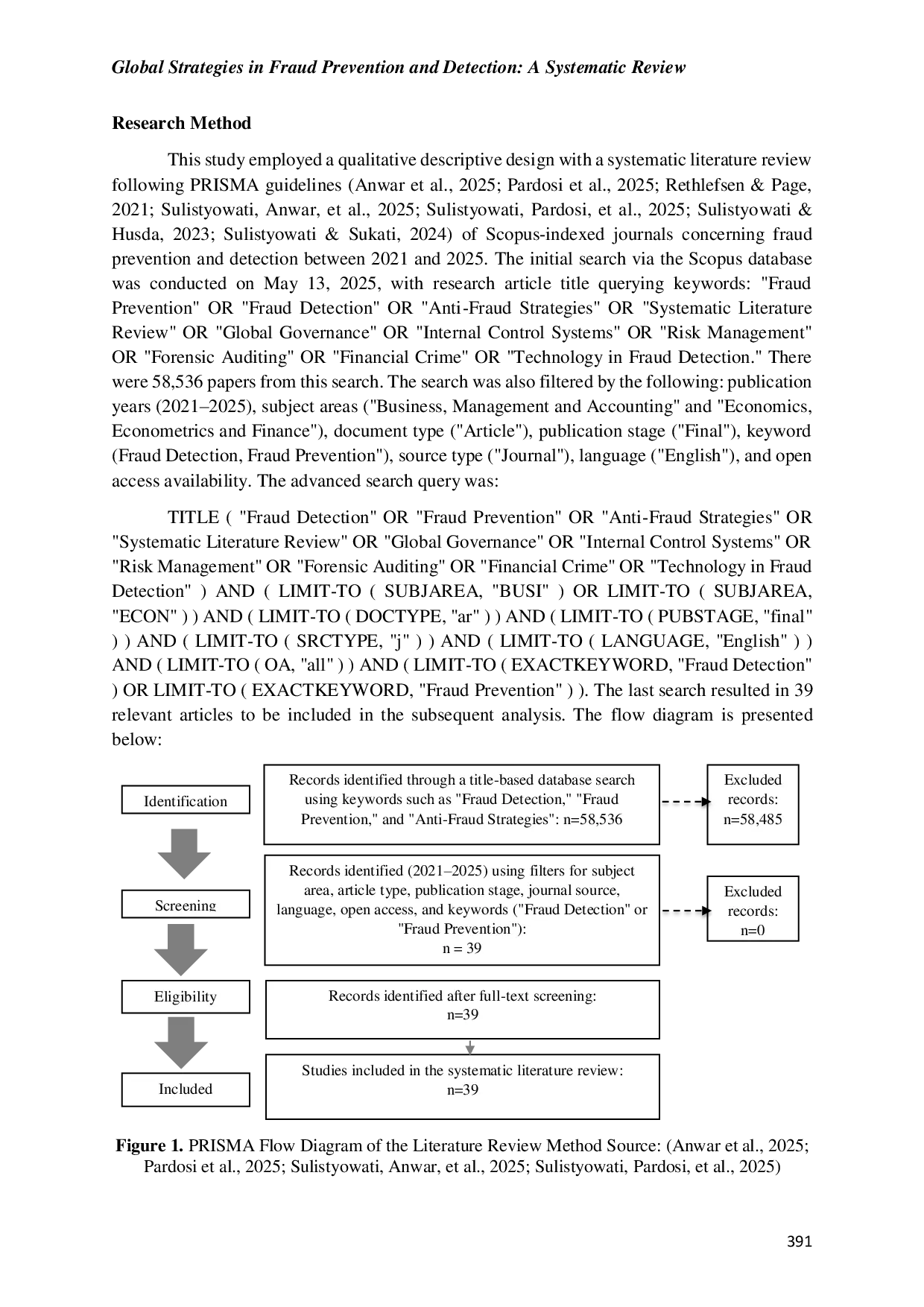
RISETPRESSRISETPRESS Penelitian ini menggunakan pendekatan deskriptif kualitatif dari tinjauan sistematis jurnal terindeks Scopus tentang pencegahan dan deteksi penipuan dariPenelitian ini menggunakan pendekatan deskriptif kualitatif dari tinjauan sistematis jurnal terindeks Scopus tentang pencegahan dan deteksi penipuan dari
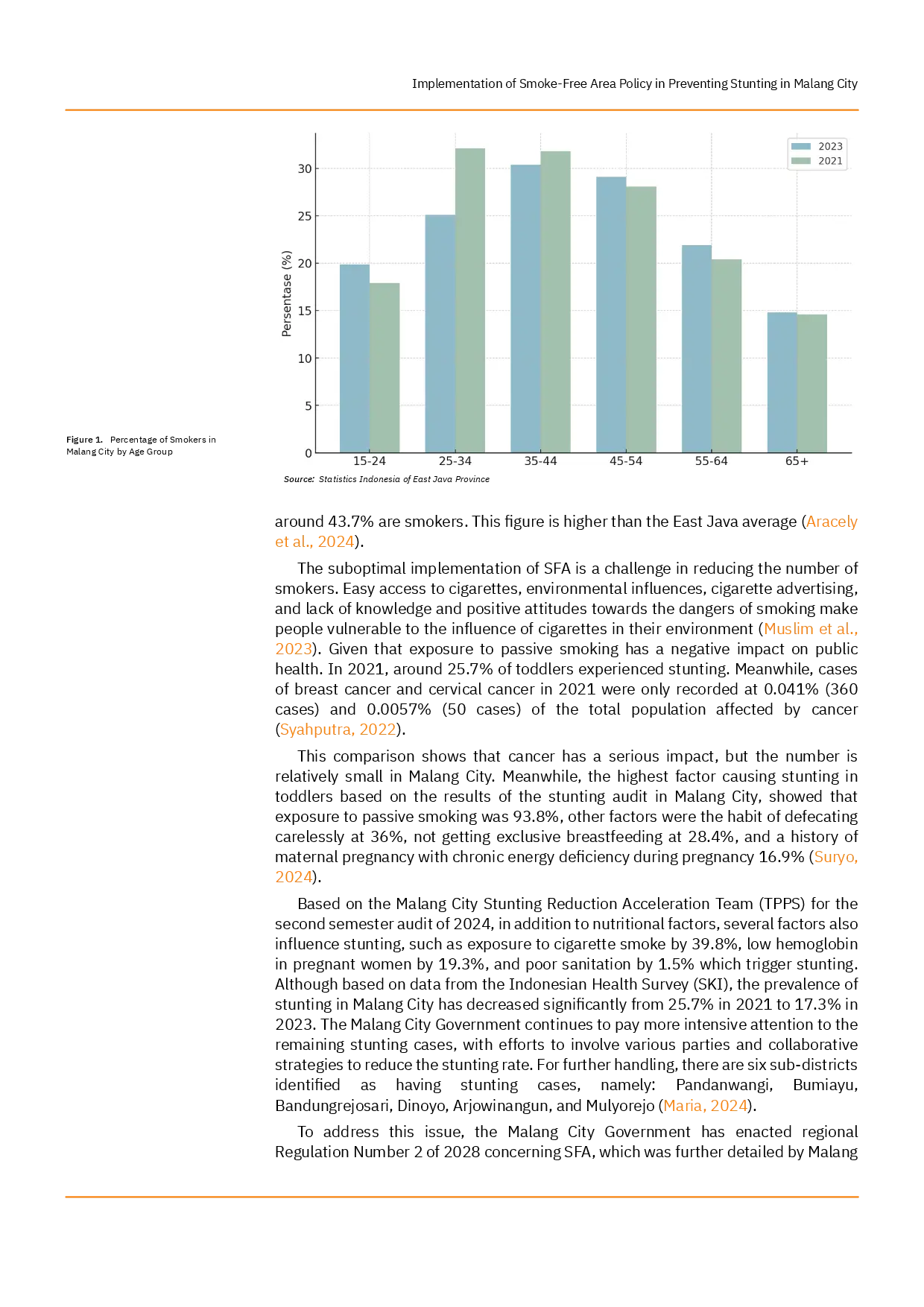
KEMENDAGRIKEMENDAGRI Penelitian ini menemukan bahwa kebijakan Kawasan Tanpa Rokok (SFA) di Kota Malang telah mencapai kemajuan institusional melalui kerangka regulasi dan pelaksanaanPenelitian ini menemukan bahwa kebijakan Kawasan Tanpa Rokok (SFA) di Kota Malang telah mencapai kemajuan institusional melalui kerangka regulasi dan pelaksanaan

FISIP UNMULFISIP UNMUL Penelitian ini memberikan rekomendasi bagi keluarga besar, pemerintah, dan lembaga pendidikan untuk memperkuat kapasitas perawatan bagi anak-anak PMI melaluiPenelitian ini memberikan rekomendasi bagi keluarga besar, pemerintah, dan lembaga pendidikan untuk memperkuat kapasitas perawatan bagi anak-anak PMI melalui

CERICCERIC Regresi linear berganda digunakan untuk mengidentifikasi faktor-faktor yang terkait dengan skor WHOQOL-BREF-THAI, menyajikan adjusted mean differences,Regresi linear berganda digunakan untuk mengidentifikasi faktor-faktor yang terkait dengan skor WHOQOL-BREF-THAI, menyajikan adjusted mean differences,
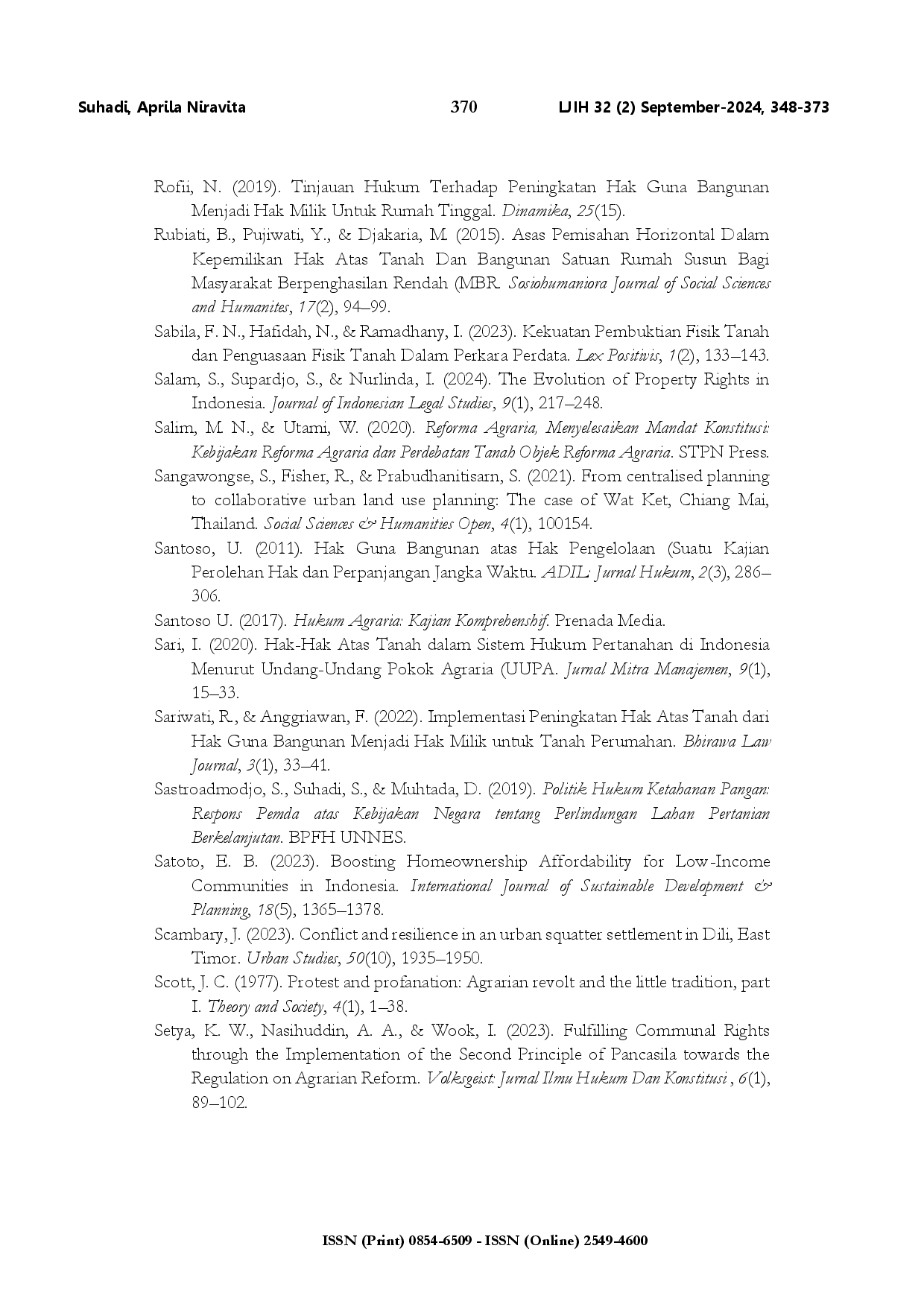
UMMUMM Keunikan penelitian ini terletak pada fokusnya pada reforma agraria perkotaan dan implikasinya bagi masyarakat miskin, sehingga menyoroti kesenjangan dalamKeunikan penelitian ini terletak pada fokusnya pada reforma agraria perkotaan dan implikasinya bagi masyarakat miskin, sehingga menyoroti kesenjangan dalam
Useful /

ISKIISKI This polarization highlights the contested nature of policy legitimacy in Indonesias digital public sphere. The research demonstrates the effectivenessThis polarization highlights the contested nature of policy legitimacy in Indonesias digital public sphere. The research demonstrates the effectiveness
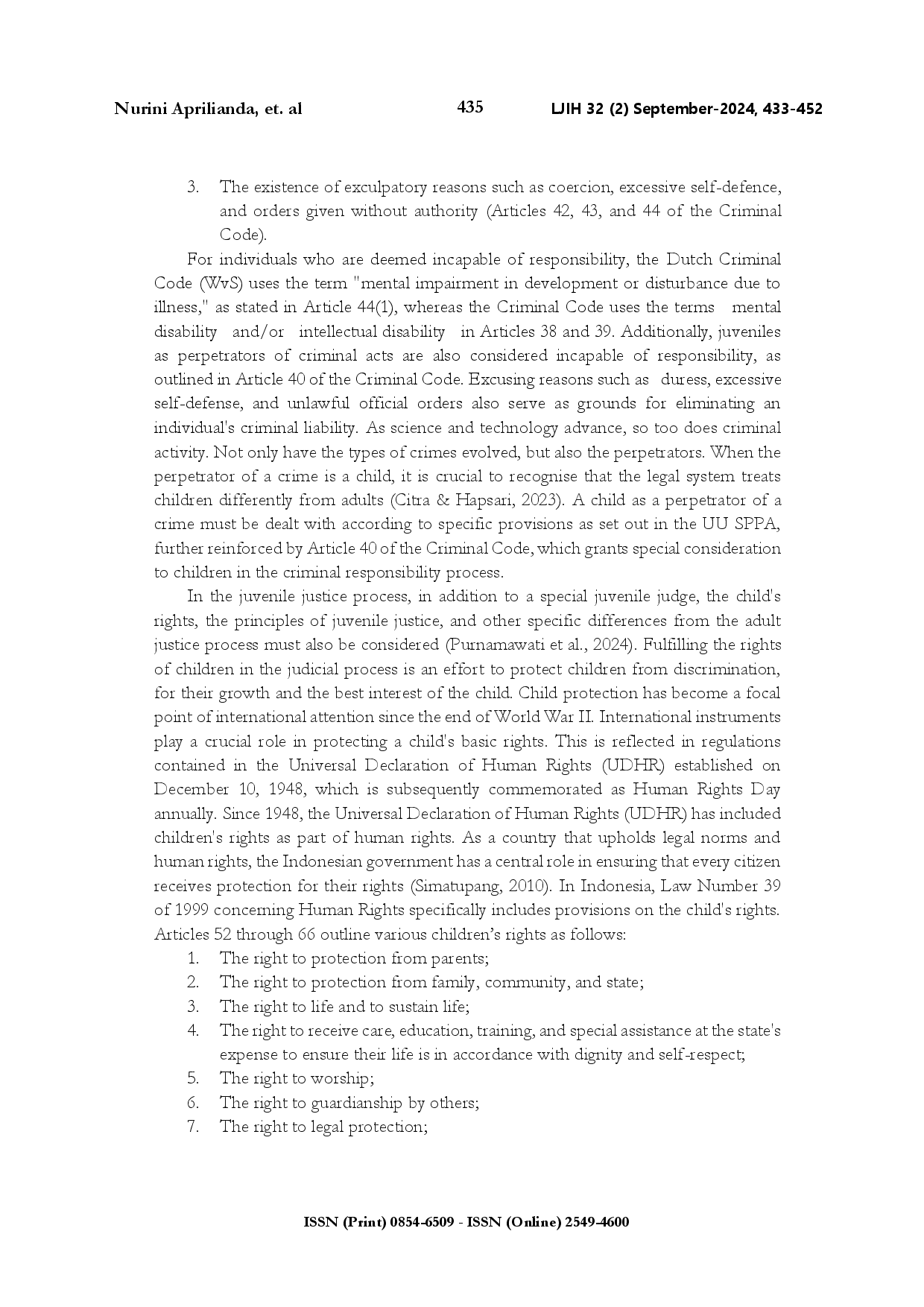
UMMUMM Penelitian doktrinal dilakukan dengan pendekatan legislatif dan konseptual, dilengkapi interpretasi teleologis terhadap materi hukum. Temuan menunjukkanPenelitian doktrinal dilakukan dengan pendekatan legislatif dan konseptual, dilengkapi interpretasi teleologis terhadap materi hukum. Temuan menunjukkan
UMMUMM Pelaksanaan kegiatan tersebut memerlukan teknologi canggih, yang membatasi kemampuan banyak negara untuk mengeksplorasi dan memanfaatkan ruang angkasa.Pelaksanaan kegiatan tersebut memerlukan teknologi canggih, yang membatasi kemampuan banyak negara untuk mengeksplorasi dan memanfaatkan ruang angkasa.

UNILAUNILA Perendaman benih aren dalam air bersuhu awal 75 °C selama 15 menit kemudian direndam dalam larutan giberelin selama 24 jam berpengaruh terhadap persentasePerendaman benih aren dalam air bersuhu awal 75 °C selama 15 menit kemudian direndam dalam larutan giberelin selama 24 jam berpengaruh terhadap persentase