IJRETINAIJRETINA
International Journal of RetinaInternational Journal of RetinaIntroduction: Retinopathy of prematurity (ROP) is a major but preventable cause of childhood blindness. Screening in developing countries is challenging due to skilled staff shortages. Recent advances in artificial intelligence (AI) offer promising results. This study evaluates the diagnostic performance of AI models for ROP screening.. . Methods: This systematic review followed PRISMA guidelines and included studies from Cochrane, MEDLINE, and ScienceDirect. Eligible studies were cross-sectional or cohort designs that compared AI diagnostic accuracy for ROP against a gold standard and reported relevant metrics. Studies were graded using the Oxford CEBM levels of evidence.. . Results: Of 608 studies, 12 were included. i-ROP DL showed high sensitivity and specificity (AUC ~0.99), with ResNet-152 and EfficientNet-B0 also performing well. Despite variations in specificity and PPV, AI shows promise for ROP screening. i-ROP DL and ResNet-152 may need demographic adaptation. Though cost-effectiveness data are lacking, AI could reduce workload and improve diagnostic consistency.. . Conclusion: AI shows high sensitivity, but variable specificity highlights the need for refinement. The review also underscores the importance of validation across diverse populations to ensure generalizability. AI integration in clinical practice can enhance early detection, standardize diagnoses, and alleviate the burden on healthcare professionals, particularly in low-resource settings.
AI models demonstrate high sensitivity for ROP detection, indicating their potential as effective screening tools.However, variability in specificity necessitates further refinement to minimize false positives and improve clinical applicability.Validation of these models across diverse populations and imaging systems is crucial to ensure generalizability and reliable performance in real-world settings.
Future research should focus on developing AI models with improved specificity without compromising sensitivity, reducing the risk of unnecessary interventions. Expanding the scope of validation studies to include diverse demographic groups and imaging systems is essential to ensure the generalizability and robustness of these models across different clinical settings. Furthermore, investigations into domain adaptation techniques are needed to mitigate performance variations caused by differences in patient populations and equipment. Finally, prospective, multi-center trials should be conducted to assess the cost-effectiveness of AI-assisted ROP screening, particularly in low- and middle-income countries, and to establish standardized performance metrics for consistent evaluation and comparison of different AI models. These efforts will pave the way for the seamless integration of AI into ROP management, ultimately enhancing early detection, standardizing diagnoses, and alleviating the burden on healthcare professionals, especially in resource-constrained environments.
- The use of Artificial Intelligence for Diagnosing Retinopathy of Prematurity – A Systematic Review... doi.org/10.35479/ijretina.2025.vol008.iss002.316The use of Artificial Intelligence for Diagnosing Retinopathy of Prematurity Ae A Systematic Review doi 10 35479 ijretina 2025 vol008 iss002 316
- 0. rt 5c e4 yf sd 9t rxa xhu fq vj wo 8xa cg x4 aow gyp e0 io ou iau zr kl e1 rf ab f8r dv doi.org/10.3389/fped.2023.11972370 rt 5c e4 yf sd 9t rxa xhu fq vj wo 8xa cg x4 aow gyp e0 io ou iau zr kl e1 rf ab f8r dv doi 10 3389 fped 2023 1197237
| File size | 567.57 KB |
| Pages | 15 |
| DMCA | Report |
Related /

IJCISIJCIS Kerangka kerja tersebut mengintegrasikan penilaian psikometrik dan teknis, pemprofilan kompetensi, rekomendasi jalur pembelajaran, serta analitik kinerjaKerangka kerja tersebut mengintegrasikan penilaian psikometrik dan teknis, pemprofilan kompetensi, rekomendasi jalur pembelajaran, serta analitik kinerja
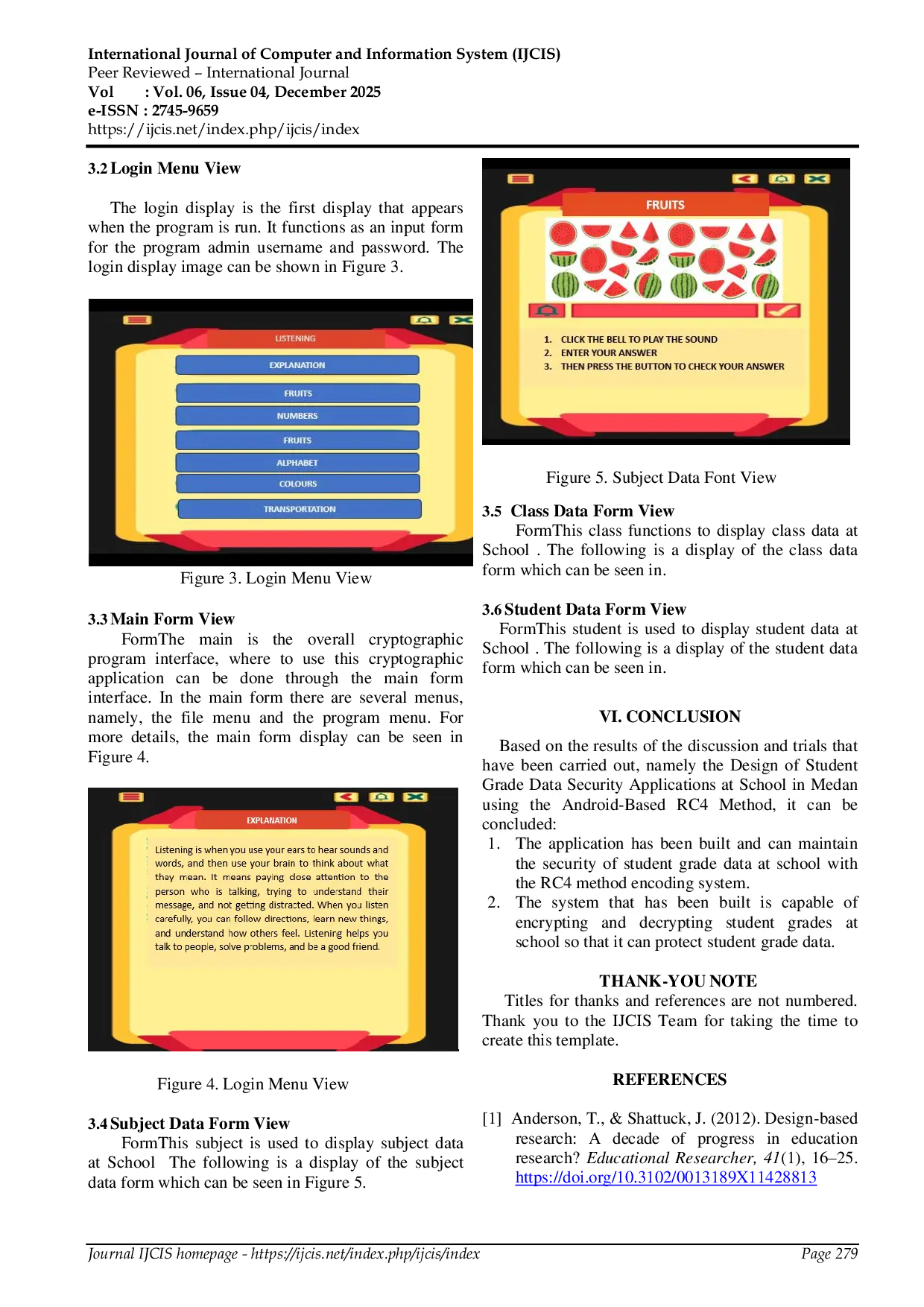
IJCISIJCIS Menggunakan kerangka kerja penelitian berbasis desain (design-based research), aplikasi ini dikembangkan melalui tiga tahap: analisis kebutuhan, pengembanganMenggunakan kerangka kerja penelitian berbasis desain (design-based research), aplikasi ini dikembangkan melalui tiga tahap: analisis kebutuhan, pengembangan

IJCISIJCIS By integrating these technologies into a Management Information System (MIS), this paper proposes a framework that enhances supply chain visibility, forecastingBy integrating these technologies into a Management Information System (MIS), this paper proposes a framework that enhances supply chain visibility, forecasting

UNHASAUNHASA Hasil penelitian menunjukkan adanya pengaruh yang bermakna terhadap peningkatan self efficacy ibu post partum dalam pemberian ASI eksklusif setelah diberikanHasil penelitian menunjukkan adanya pengaruh yang bermakna terhadap peningkatan self efficacy ibu post partum dalam pemberian ASI eksklusif setelah diberikan
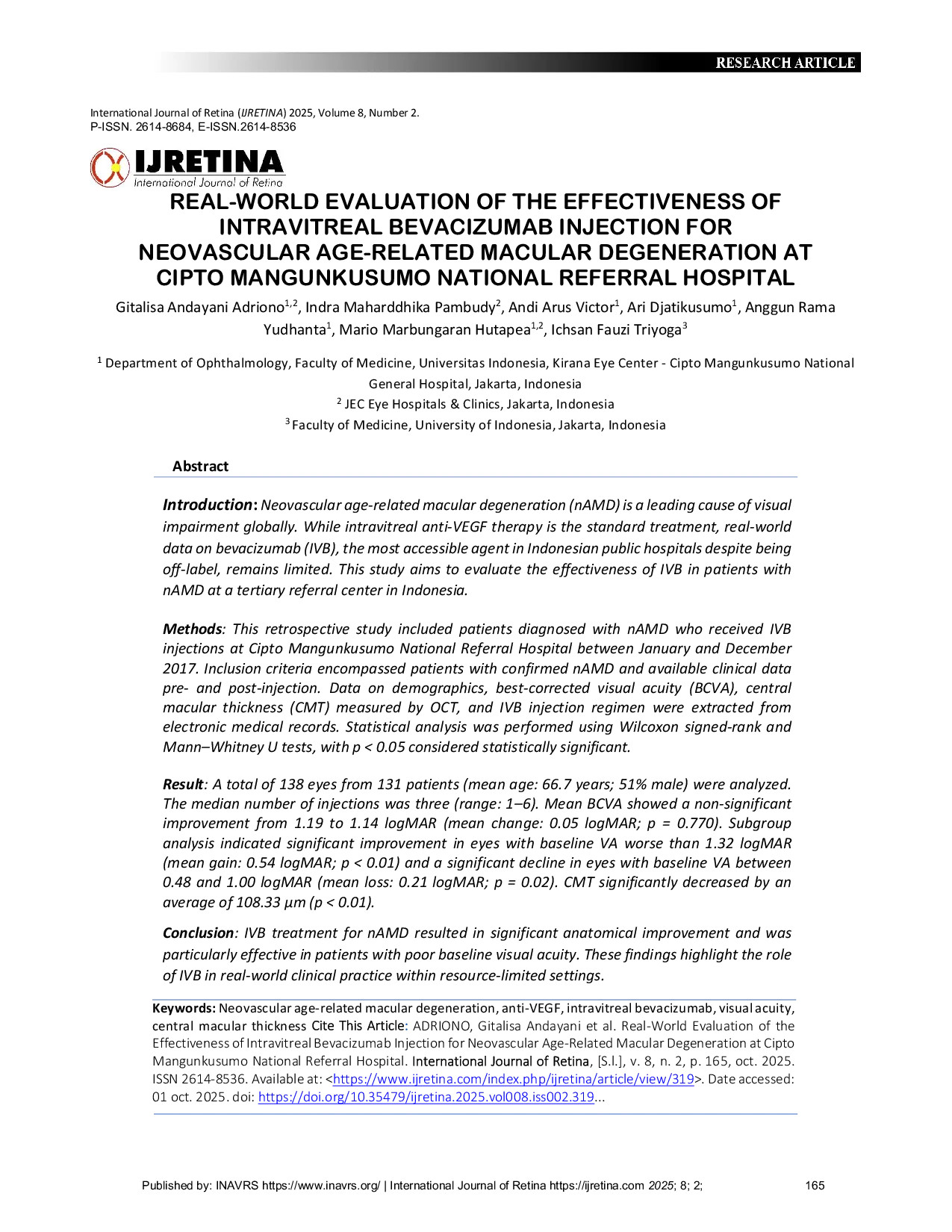
IJRETINAIJRETINA Meskipun terapi anti-VEGF intravitreal menjadi standar pengobatan, data real-world mengenai bevacizumab (IVB), agen yang paling tersedia di rumah sakitMeskipun terapi anti-VEGF intravitreal menjadi standar pengobatan, data real-world mengenai bevacizumab (IVB), agen yang paling tersedia di rumah sakit

UNHASAUNHASA Pengetahuan, sikap, paparan informasi, dan dukungan lingkungan berperan penting dalam membentuk perilaku sehat yang dapat mencegah stunting, sementaraPengetahuan, sikap, paparan informasi, dan dukungan lingkungan berperan penting dalam membentuk perilaku sehat yang dapat mencegah stunting, sementara

ACTAMEDINDONESACTAMEDINDONES Hepatitis B virus (HBV) dan Hepatitis C virus (HCV) adalah masalah kesehatan global, termasuk di Indonesia. Tujuan penelitian ini adalah untuk menilaiHepatitis B virus (HBV) dan Hepatitis C virus (HCV) adalah masalah kesehatan global, termasuk di Indonesia. Tujuan penelitian ini adalah untuk menilai
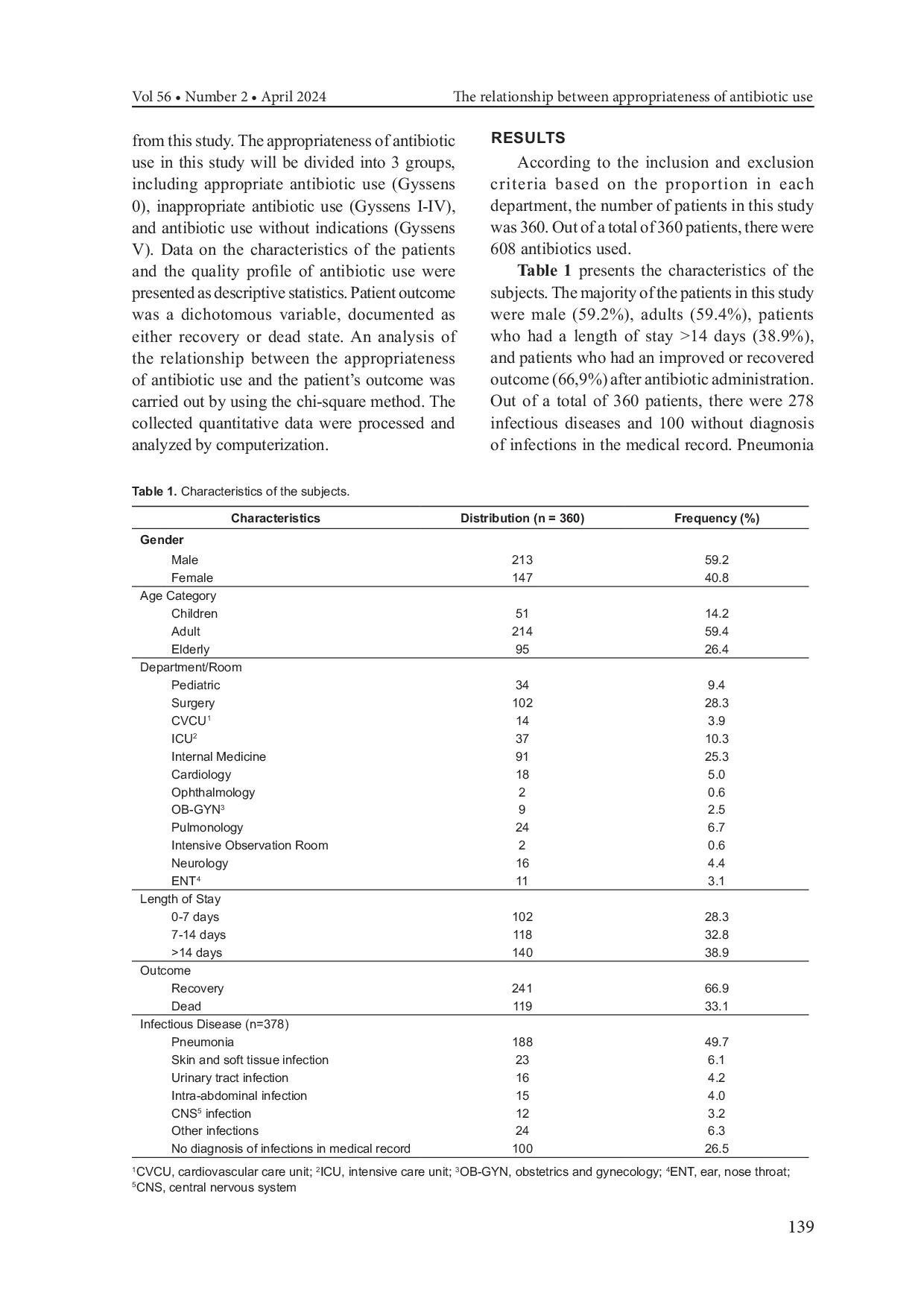
ACTAMEDINDONESACTAMEDINDONES Penelitian ini bertujuan untuk menentukan dan mengevaluasi kualitas penggunaan antibiotik pada pasien rawat inap di Rumah Sakit Umum Pusat Dr. M. DjamilPenelitian ini bertujuan untuk menentukan dan mengevaluasi kualitas penggunaan antibiotik pada pasien rawat inap di Rumah Sakit Umum Pusat Dr. M. Djamil
Useful /
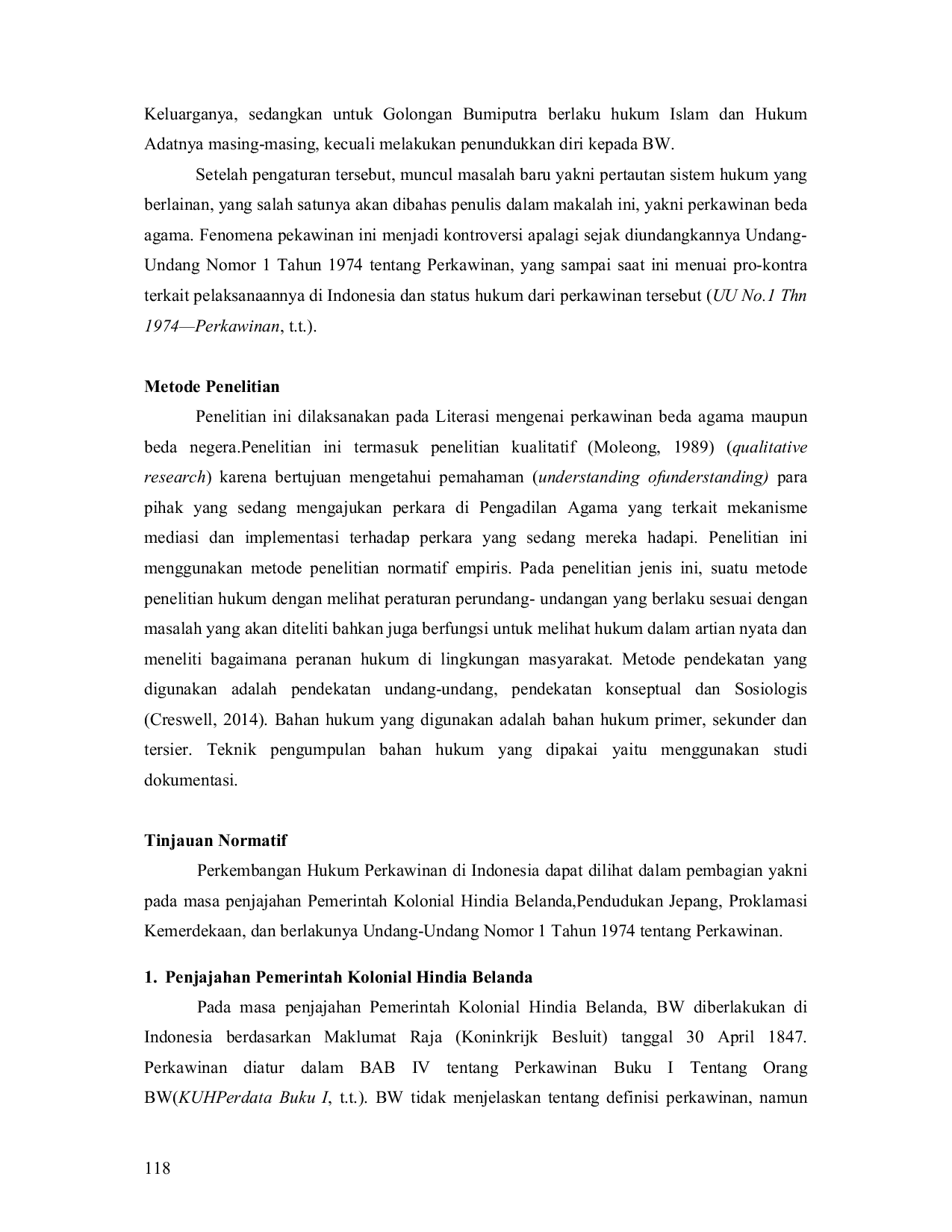
STAIBSLLGSTAIBSLLG Kemudian dari perspektif diplomasi dapat disimpulkan bahwa perkawinan antar negara yang dilakukan di Indonesia adalah upaya untuk memenangkan diplomasiKemudian dari perspektif diplomasi dapat disimpulkan bahwa perkawinan antar negara yang dilakukan di Indonesia adalah upaya untuk memenangkan diplomasi
AACENDIKIAJOURNALAACENDIKIAJOURNAL Kesimpulan dari penelitian ini Terdapat hubungan yang signifikan antara pengetahuan dan sikap dengan tindakan perawat tentang perawatan luka DM menggunakanKesimpulan dari penelitian ini Terdapat hubungan yang signifikan antara pengetahuan dan sikap dengan tindakan perawat tentang perawatan luka DM menggunakan
INASNACCINASNACC Ia memiliki riwayat stenosis mitral reumatik dan fibrilasi atrium. Angiografi CT menunjukkan infark di wilayah MCA kanan dengan oklusi ICA distal. TerapiIa memiliki riwayat stenosis mitral reumatik dan fibrilasi atrium. Angiografi CT menunjukkan infark di wilayah MCA kanan dengan oklusi ICA distal. Terapi

INASNACCINASNACC Terdapat perubahan hemodinamik yang signifikan pada setiap kelompok perlakuan seiring waktu dengan uji statistik repeated-ANOVA dan paired-t-test (p0,05).Terdapat perubahan hemodinamik yang signifikan pada setiap kelompok perlakuan seiring waktu dengan uji statistik repeated-ANOVA dan paired-t-test (p0,05).