ESC IDESC ID
International Journal of Economy, Education and Entrepreneurship (IJE3)International Journal of Economy, Education and Entrepreneurship (IJE3)This study aims to analyze the optimization of educational facilities and infrastructure maintenance management and its contribution to improving learning quality in secondary schools. Qualitative research with a multi-site case study design was conducted in eight junior and senior high schools in Cianjur City, West Java, involving 85 participants consisting of school principals, vice principals for facilities and infrastructure, teachers, school committee members, educational staff, and students. Data were collected through in-depth interviews, participatory observation, and documentation study over four months, then analyzed using Miles, Huberman, and Saldaña thematic approach with NVivo 12. The findings identified four key dimensions of optimization: (1) data-based maintenance planning with priority scales; (2) structured implementation of preventive, corrective, and predictive maintenance; (3) budget allocation of minimum 15-20% of operational budget; (4) continuous monitoring and evaluation. Schools with optimal maintenance systems demonstrated learning quality improvement through smooth learning process (93%), increased student motivation (87%), effective learning media use (89%), minimized disruptions (91%), and higher learning outcomes (average 8.5 points higher). Optimization success was influenced by principal leadership, human resource competence, integrated management systems, stakeholder participation, and organizational culture. The study concludes that optimization of facilities and infrastructure maintenance management contributes significantly to learning quality improvement, recommending development of digital inventory systems, increased budget allocation, implementation of integrated systems, and establishment of minimum maintenance standards in educational policies.
The study concludes that optimizing the maintenance management of educational facilities and infrastructure significantly improves learning quality.This optimization is achieved through data-driven planning, integrated maintenance implementation, adequate budget allocation (15-20% of operational budget), and continuous monitoring and evaluation.Success is influenced by principal leadership, competent human resources, integrated management systems, stakeholder participation, and a supportive organizational culture.
Based on the research findings, future studies should explore the development of a standardized digital inventory system for educational facilities to enhance data-driven maintenance planning. Furthermore, research could investigate the impact of incorporating artificial intelligence and machine learning into predictive maintenance strategies to optimize resource allocation and minimize disruptions. Finally, a comparative study examining the effectiveness of different maintenance models across diverse educational contexts, considering factors such as school size, location, and funding levels, would provide valuable insights for policymakers and practitioners seeking to improve the quality and sustainability of educational infrastructure. These research directions build upon the current studys findings and address gaps in the existing literature, offering potential for significant advancements in the field of educational facility management and its impact on student learning outcomes.
| File size | 140.46 KB |
| Pages | 15 |
| DMCA | Report |
Related /
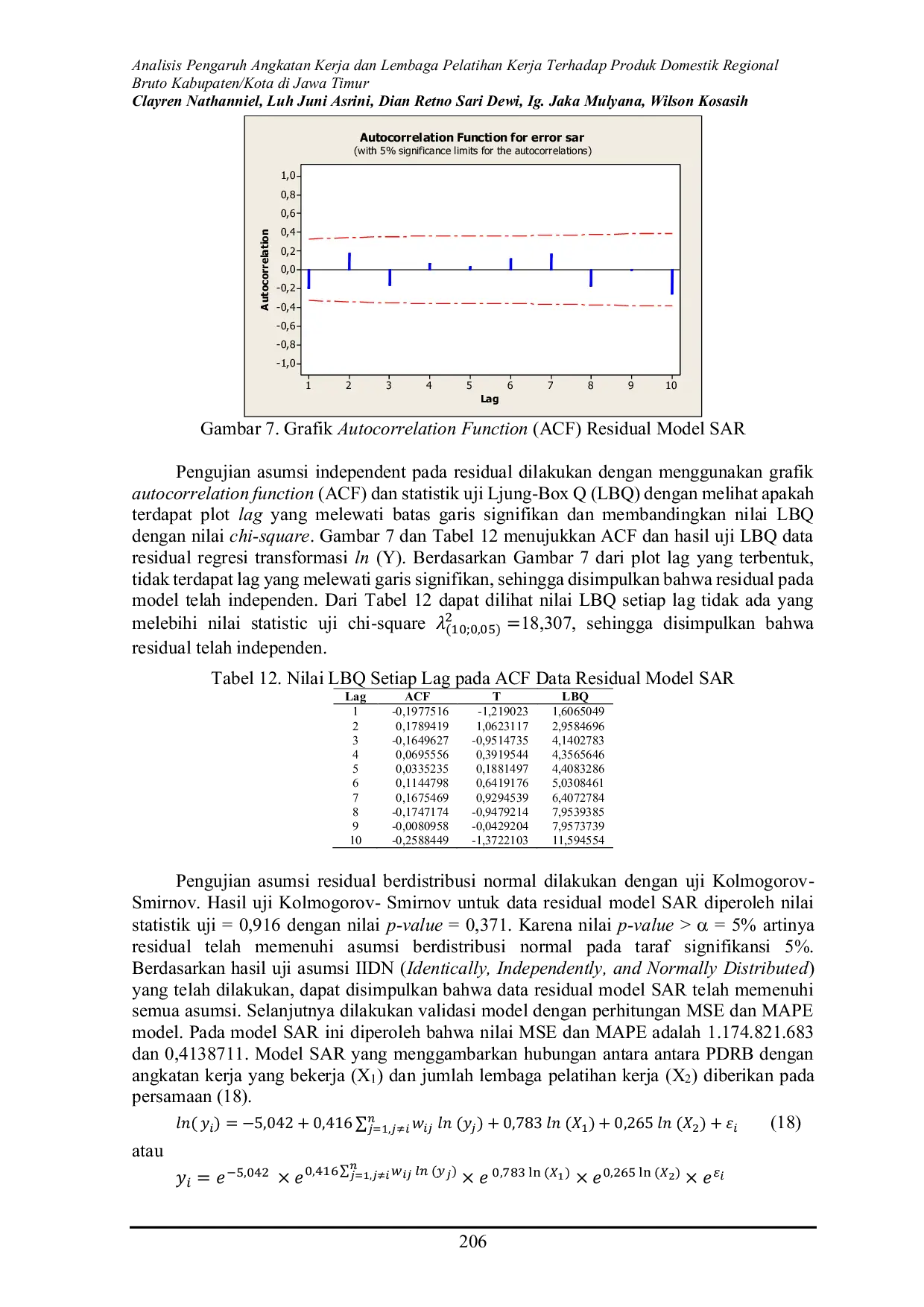
UNTARUNTAR Kedua variabel bebas, yaitu angkatan kerja yang bekerja (X1) dan jumlah lembaga pelatihan kerja (X2) memiliki pengaruh positif terhadap nilai PDRB. PenelitianKedua variabel bebas, yaitu angkatan kerja yang bekerja (X1) dan jumlah lembaga pelatihan kerja (X2) memiliki pengaruh positif terhadap nilai PDRB. Penelitian

UNTARUNTAR Hasil penelitian menunjukkan efisiensi perawatan hanya sebesar 32,97% dengan dominasi aktivitas NVA sebesar 67,03%. Pemborosan yang teridentifikasi meliputiHasil penelitian menunjukkan efisiensi perawatan hanya sebesar 32,97% dengan dominasi aktivitas NVA sebesar 67,03%. Pemborosan yang teridentifikasi meliputi
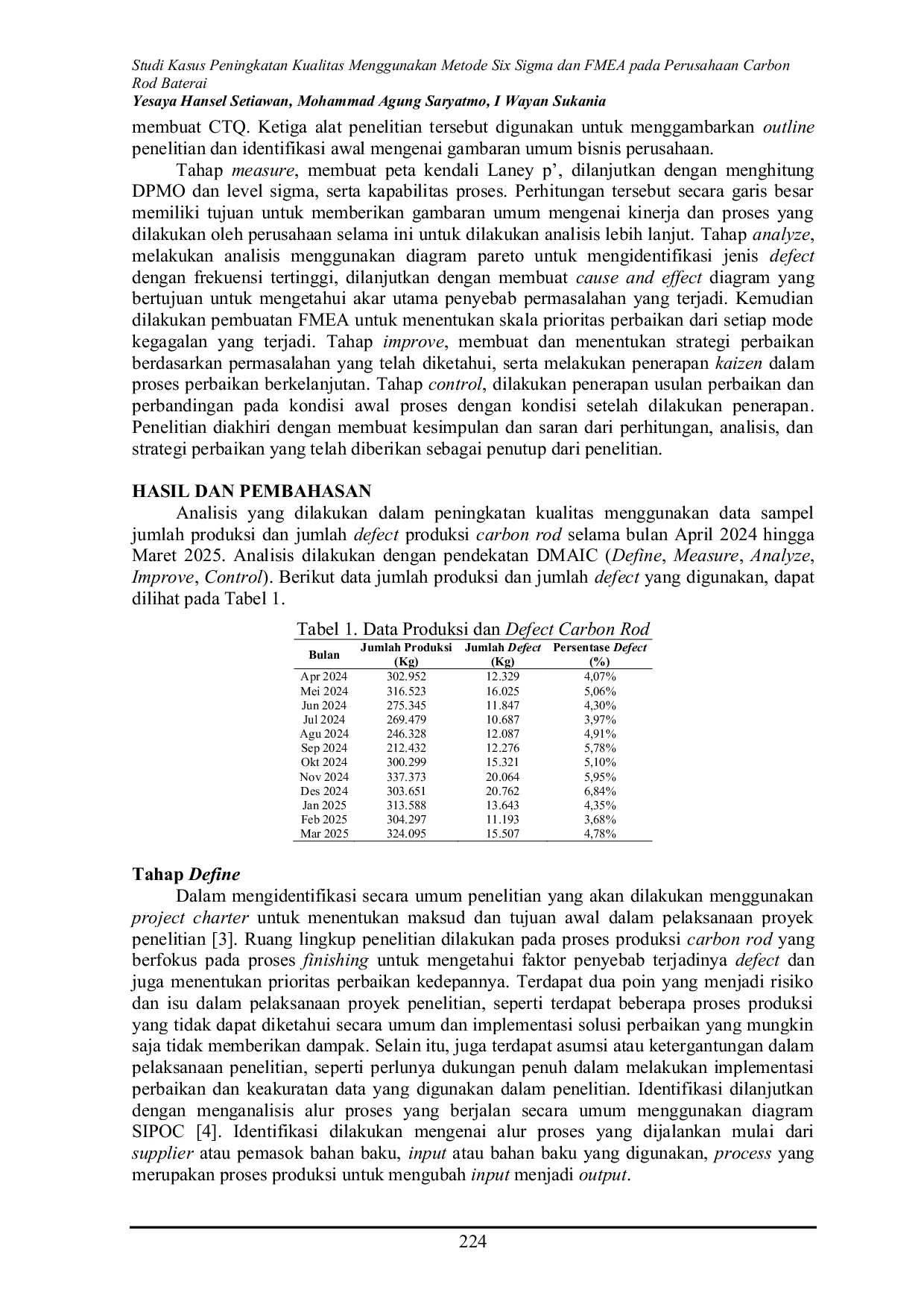
UNTARUNTAR Melalui analisis FMEA, ditemukan penyebab kegagalan dengan nilai FRPN tertinggi, seperti kecepatan mesin yang terlalu tinggi, kebersihan mesin dan alatMelalui analisis FMEA, ditemukan penyebab kegagalan dengan nilai FRPN tertinggi, seperti kecepatan mesin yang terlalu tinggi, kebersihan mesin dan alat

IAESCOREIAESCORE Tujuan utama dari penelitian ini adalah untuk membandingkan kinerja Dynamic Voltage Restorer (DVR), Unified Power Flow Controller (UPFC), dan Unified PowerTujuan utama dari penelitian ini adalah untuk membandingkan kinerja Dynamic Voltage Restorer (DVR), Unified Power Flow Controller (UPFC), dan Unified Power

STIE AMKOPSTIE AMKOP Penelitian di masa depan harus fokus pada studi longitudinal untuk melacak dampak jangka panjang dari investasi ini dan penerapannya di berbagai konteksPenelitian di masa depan harus fokus pada studi longitudinal untuk melacak dampak jangka panjang dari investasi ini dan penerapannya di berbagai konteks

STIE AMKOPSTIE AMKOP Studi ini juga mengidentifikasi pentingnya budaya organisasi yang mendukung dan manajemen kualitas pemasok yang kuat. Studi ini menawarkan wawasan praktisStudi ini juga mengidentifikasi pentingnya budaya organisasi yang mendukung dan manajemen kualitas pemasok yang kuat. Studi ini menawarkan wawasan praktis

STIE AMKOPSTIE AMKOP Customer-centric approaches, including personalized services and seamless omnichannel interactions, are becoming pivotal for customer satisfaction andCustomer-centric approaches, including personalized services and seamless omnichannel interactions, are becoming pivotal for customer satisfaction and

STIE AMKOPSTIE AMKOP Melalui desain penelitian dan metodologi komprehensif yang melibatkan tinjauan pustaka dan analisis empiris, penelitian ini mengungkapkan peningkatan minatMelalui desain penelitian dan metodologi komprehensif yang melibatkan tinjauan pustaka dan analisis empiris, penelitian ini mengungkapkan peningkatan minat
Useful /

PROVISIPROVISI Dengan rancangan regresi linier berganda dan data bulanan periode Januari 2016–Desember 2023, hasil penelitian menunjukkan bahwa suku bunga, nilai tukar,Dengan rancangan regresi linier berganda dan data bulanan periode Januari 2016–Desember 2023, hasil penelitian menunjukkan bahwa suku bunga, nilai tukar,
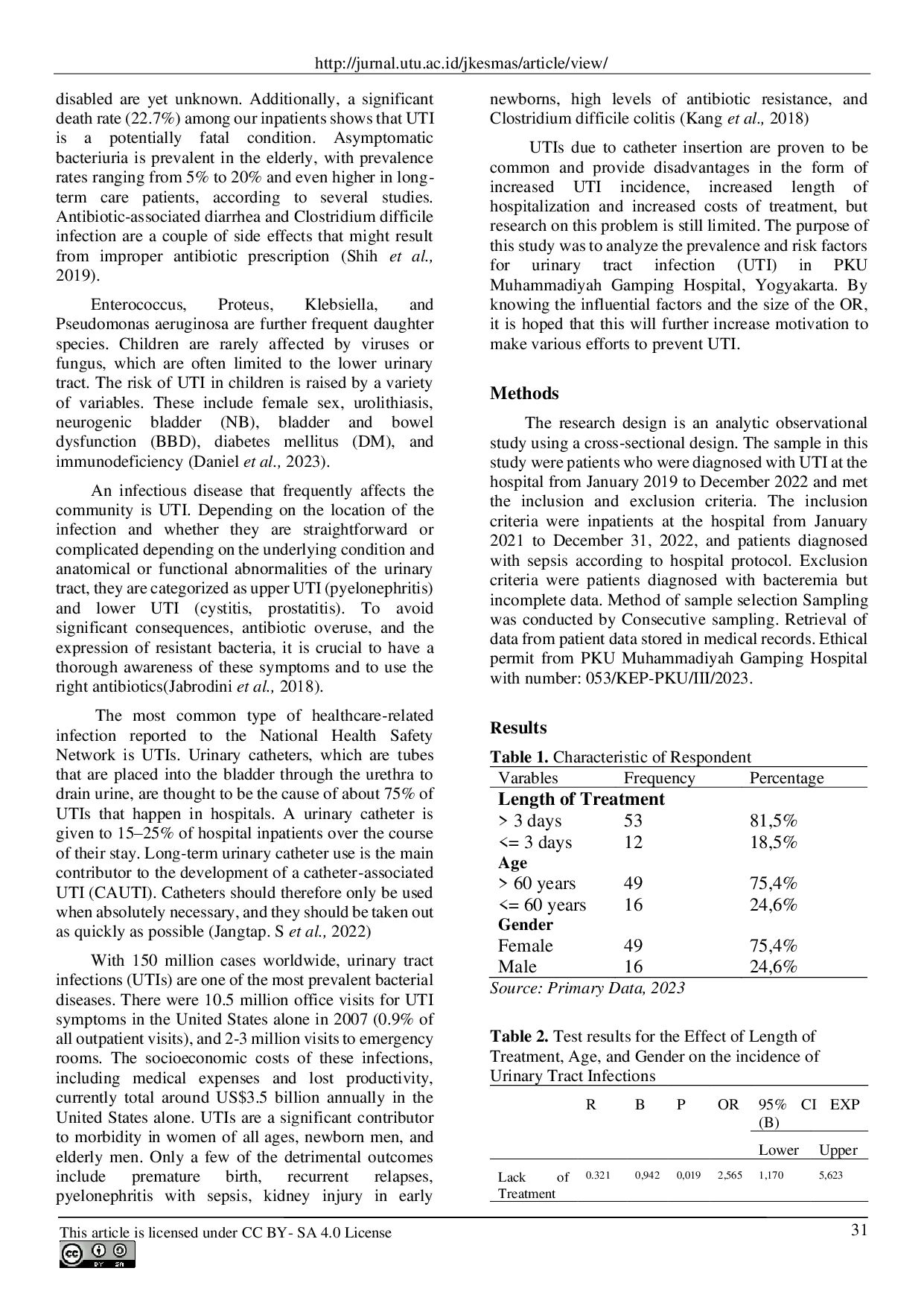
4141 Kejadian infeksi saluran kemih (ISK) sebanyak 65 kasus. Nilai odds ratio (OR) untuk lama rawat adalah 2,565, untuk usia 7,113, dan untuk jenis kelaminKejadian infeksi saluran kemih (ISK) sebanyak 65 kasus. Nilai odds ratio (OR) untuk lama rawat adalah 2,565, untuk usia 7,113, dan untuk jenis kelamin
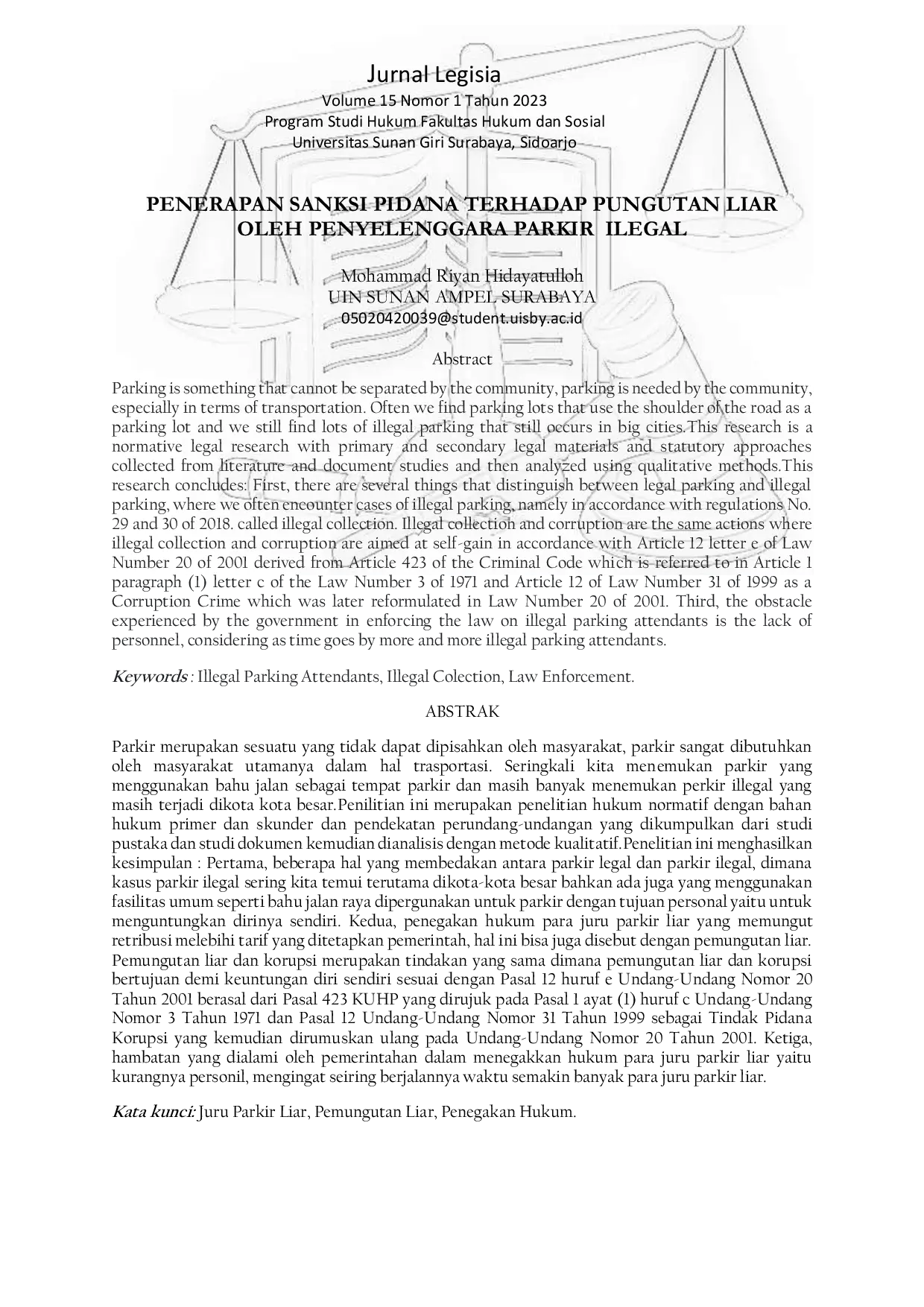
UNSURIUNSURI Kesimpulan utama adalah terdapat perbedaan mendasar antara parkir legal dan ilegal, meliputi status tempat, jenis karcis, seragam petugas, kartu identitas,Kesimpulan utama adalah terdapat perbedaan mendasar antara parkir legal dan ilegal, meliputi status tempat, jenis karcis, seragam petugas, kartu identitas,

UNSURIUNSURI Perjokian merupakan hal yang sering terjadi pada masyarakat. Dalam praktiknya perjokian yang kerap terjadi di khalayak luas yaitu joki dalam seleksi untukPerjokian merupakan hal yang sering terjadi pada masyarakat. Dalam praktiknya perjokian yang kerap terjadi di khalayak luas yaitu joki dalam seleksi untuk