IAESONLINEIAESONLINE
Indonesian Journal of Electrical Engineering and Informatics (IJEEI)Indonesian Journal of Electrical Engineering and Informatics (IJEEI)This paper offers a newly size-reduced Frequency Selective Surface (FSS) featuring band-stop behavior at 4.2 GHz. This developed FSS includes a mushroom-shaped arm with an octagonal patch. The patch is extensively adjusted by incorporating further mushroom-shaped arms, leading to a lower resonance and wider bandwidth. The designed FSS is made up of just a 11 × 11 mm unit cell on a flexible acrylic substrate that is 1 mm thick. The proposed FSS had a 1 GHz bandwidth with a centre resonance frequency of 4.2 GHz. Due to the distinct polarization behavior of this FSS, the Transverse Magnetic (TM) and Transverse Electric (TE) modes are unique and have a steady angular property up to 45º. Measurements of S-parameters for TE and TM polarizations have been validated experimentally over the 2–8 GHz frequency spectrum for both normal and oblique incident angles up to 45°. Excellent agreement between the measured and simulated data is demonstrated, verifying the FSS performance with a frequency variation of less than 3% and preserving constant band-stop properties across all measured orientations. It may be appropriate for incorporation into applicable clothes in a variety of areas because of its simplicity and ease of fabrication.
The proposed modified octagonal-shaped FSS demonstrates strong performance for 5G communication at frequencies below 6 GHz.The compact size, angular stability up to 45°, and structural design allow for independent control of the passband and stopband.Furthermore, the structure provides greater transparency and versatility, making it ideal for integration into current, space-constrained wireless systems.
Future research should explore the development of FSS designs with angular stability up to 75° for both TE and TM modes, potentially through miniaturized designs capable of functioning steadily at incident angles approaching 90°. Additionally, investigating the performance of the proposed FSS with alternative transparent flexible materials, such as polycarbonate or polyethylene terephthalate (PET), could broaden its applicability. Finally, a study focusing on the integration of this FSS with wearable technologies and assessing its impact on human body interaction and signal quality would be valuable, potentially leading to optimized designs for biomedical and communication applications. These investigations, building upon the current work, could unlock new possibilities for advanced wireless communication systems and wearable devices.
| File size | 838.49 KB |
| Pages | 10 |
| DMCA | Report |
Related /

KIPMIKIPMI Ekspresi ME3 secara signifikan meningkat pada tumor dengan pengayaan adiposit yang tinggi, terutama pada subtipe luminal B, menunjukkan hubungan spesifikEkspresi ME3 secara signifikan meningkat pada tumor dengan pengayaan adiposit yang tinggi, terutama pada subtipe luminal B, menunjukkan hubungan spesifik

KIPMIKIPMI Sifat termal dan permukaan komposit LiFePO4/very-few-layer graphene (LiFePO4/VFLG) yang dibuat melalui rute sol-gel telah diteliti untuk aplikasi katodaSifat termal dan permukaan komposit LiFePO4/very-few-layer graphene (LiFePO4/VFLG) yang dibuat melalui rute sol-gel telah diteliti untuk aplikasi katoda

IAESONLINEIAESONLINE Data meteorologis bulanan (temperatur, presipitasi, kelembapan, kecepatan angin, jumlah jam sinar matahari, tutupan awan, potensial evapotranspirasi, danData meteorologis bulanan (temperatur, presipitasi, kelembapan, kecepatan angin, jumlah jam sinar matahari, tutupan awan, potensial evapotranspirasi, dan
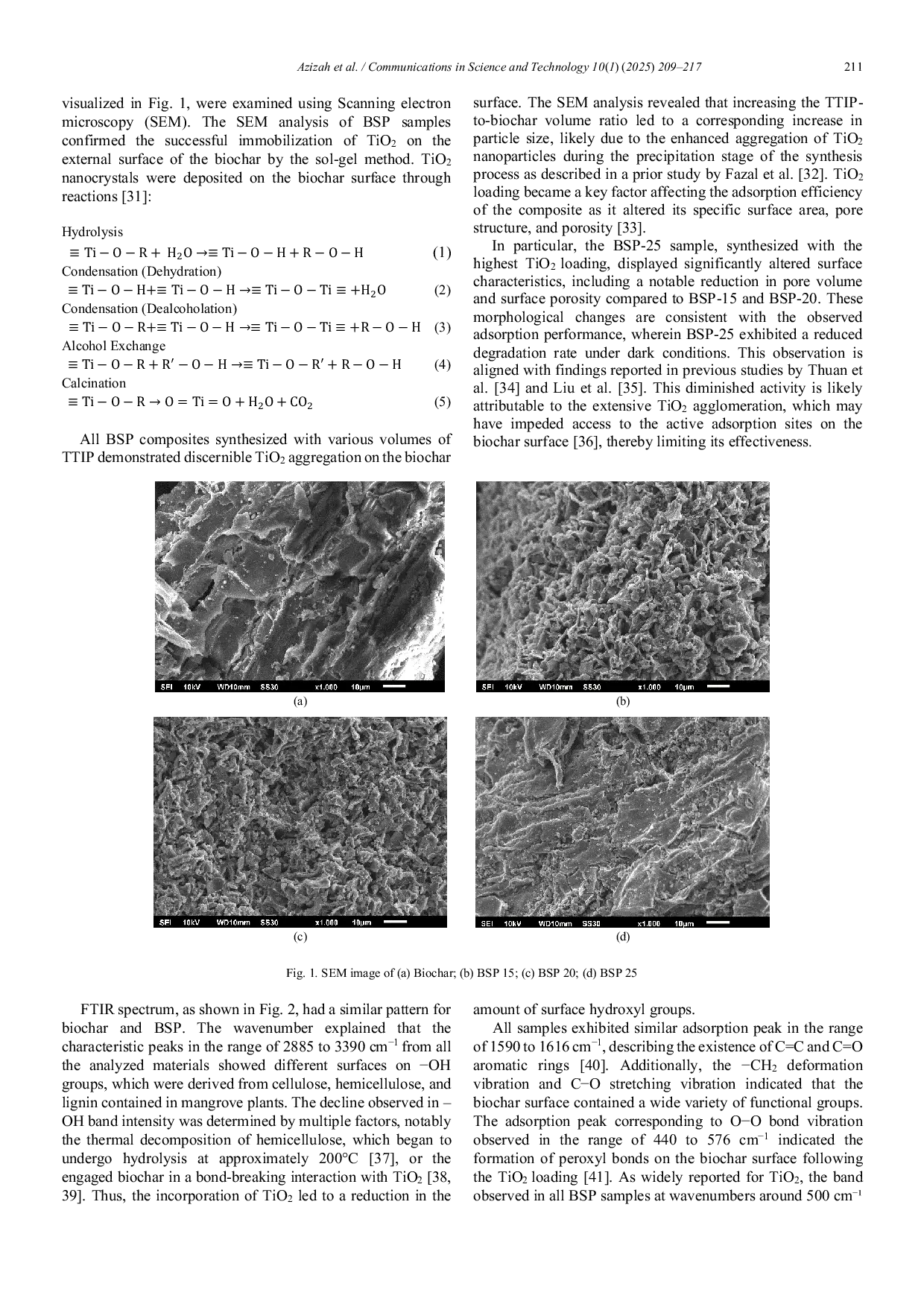
KIPMIKIPMI Access to clean water remains a global challenge, which is made worse by the contamination of chemical dyes. The recent innovations of wastewater treatmentAccess to clean water remains a global challenge, which is made worse by the contamination of chemical dyes. The recent innovations of wastewater treatment
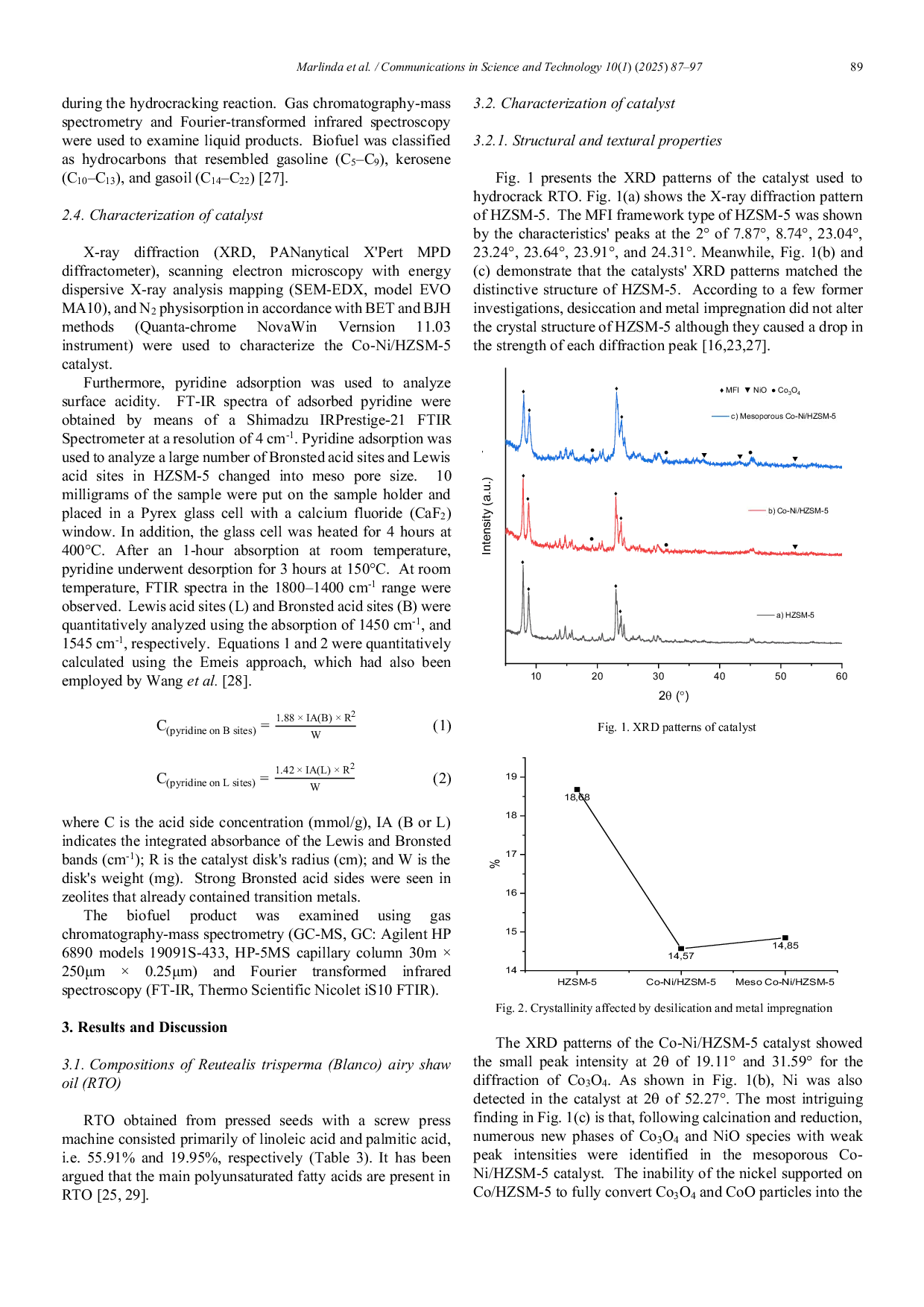
KIPMIKIPMI The pore size distribution of the mesoporous HZSM-5 catalysts was situated between 6 and 12 nm in size. Its use in the hydrocracking of Reutealis trispermaThe pore size distribution of the mesoporous HZSM-5 catalysts was situated between 6 and 12 nm in size. Its use in the hydrocracking of Reutealis trisperma
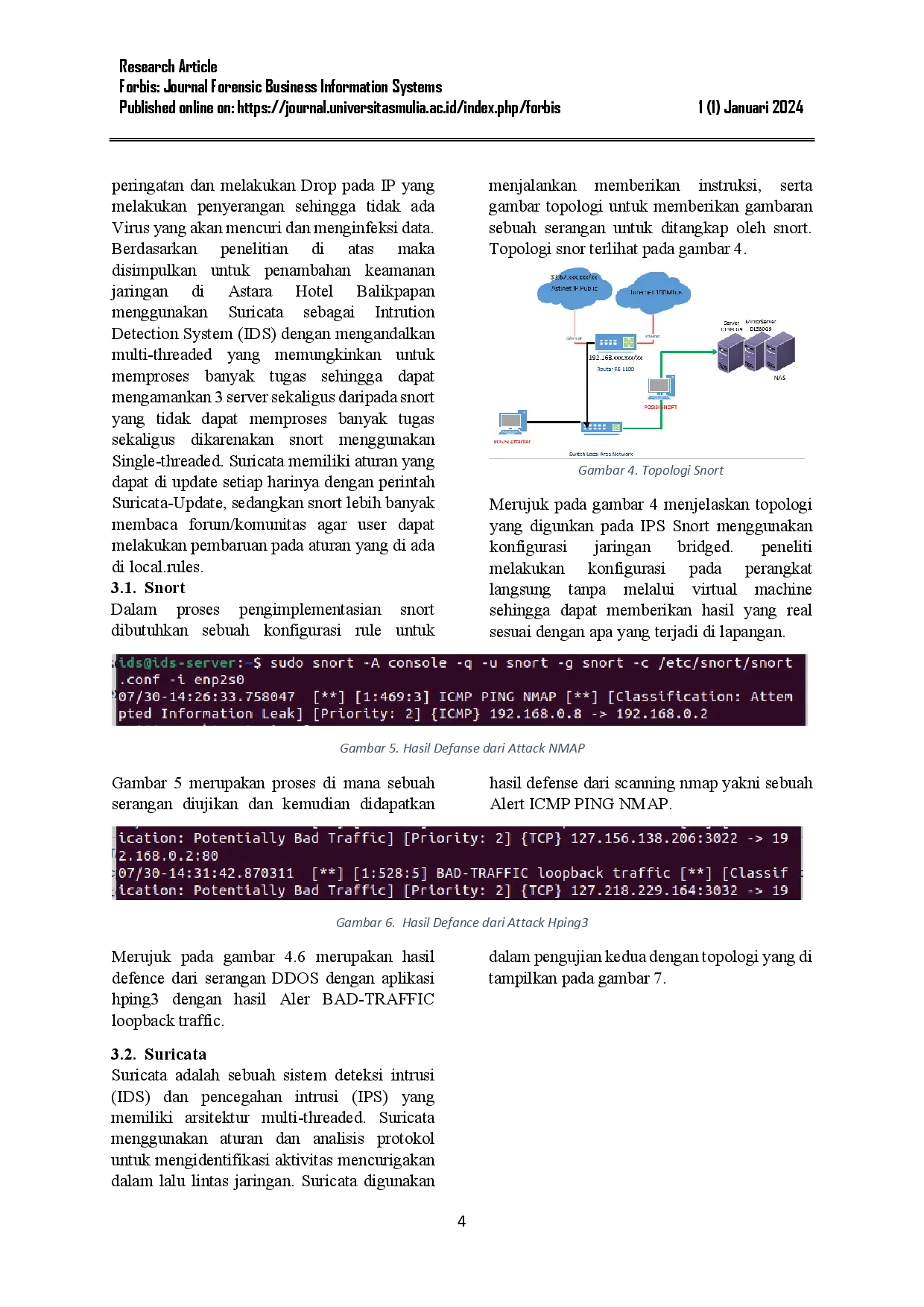
UNIVERSITASMULIAUNIVERSITASMULIA Sebaliknya, Snort memiliki kompatibilitas yang lebih luas dengan perangkat dan sistem operasi, tetapi memiliki keterbatasan kinerja di lingkungan denganSebaliknya, Snort memiliki kompatibilitas yang lebih luas dengan perangkat dan sistem operasi, tetapi memiliki keterbatasan kinerja di lingkungan dengan
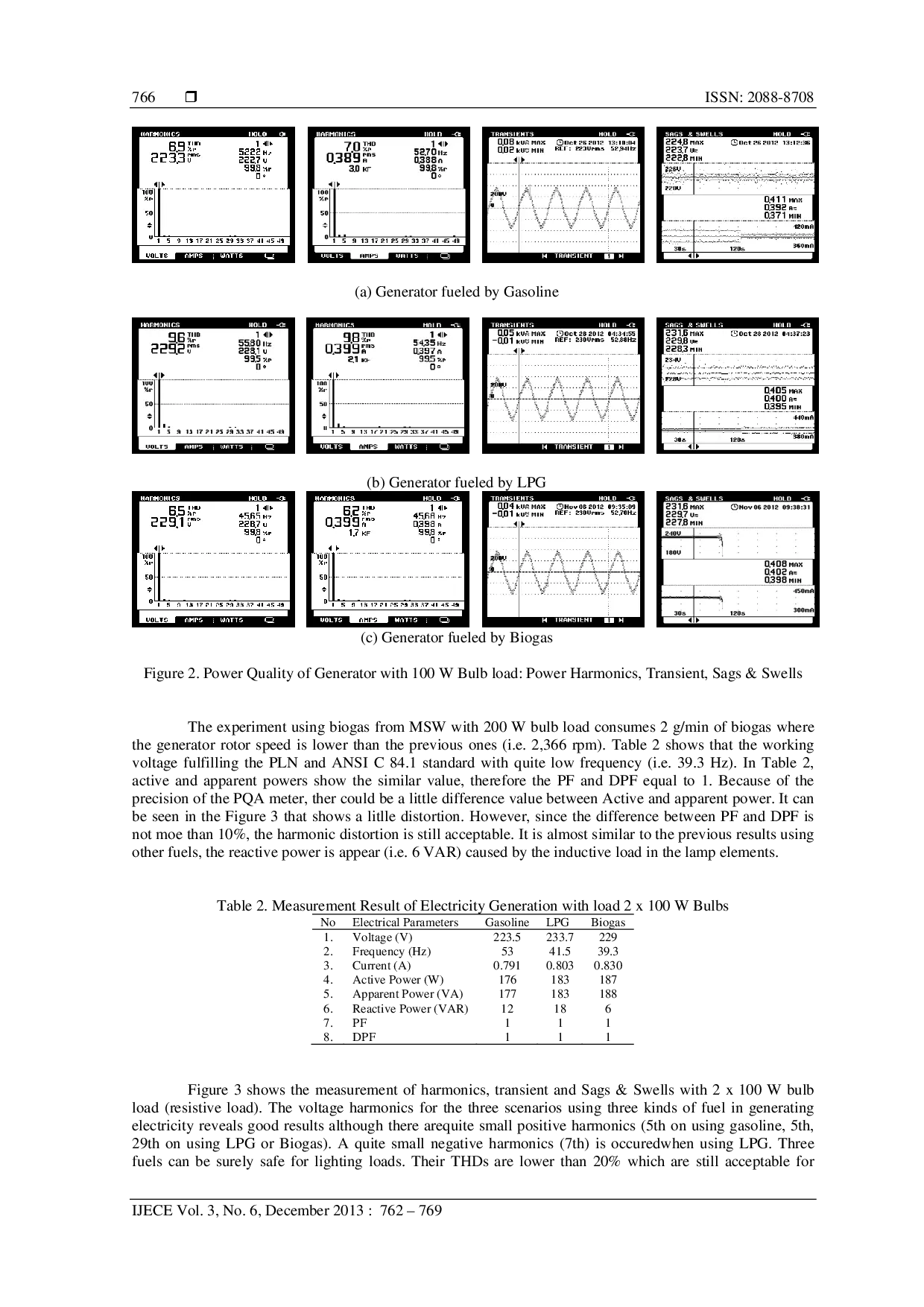
IAESCOREIAESCORE The power quality and energy consumption of electrical generation using gasoline, LPG and biogas from MSW has been compared in this paper. The performanceThe power quality and energy consumption of electrical generation using gasoline, LPG and biogas from MSW has been compared in this paper. The performance
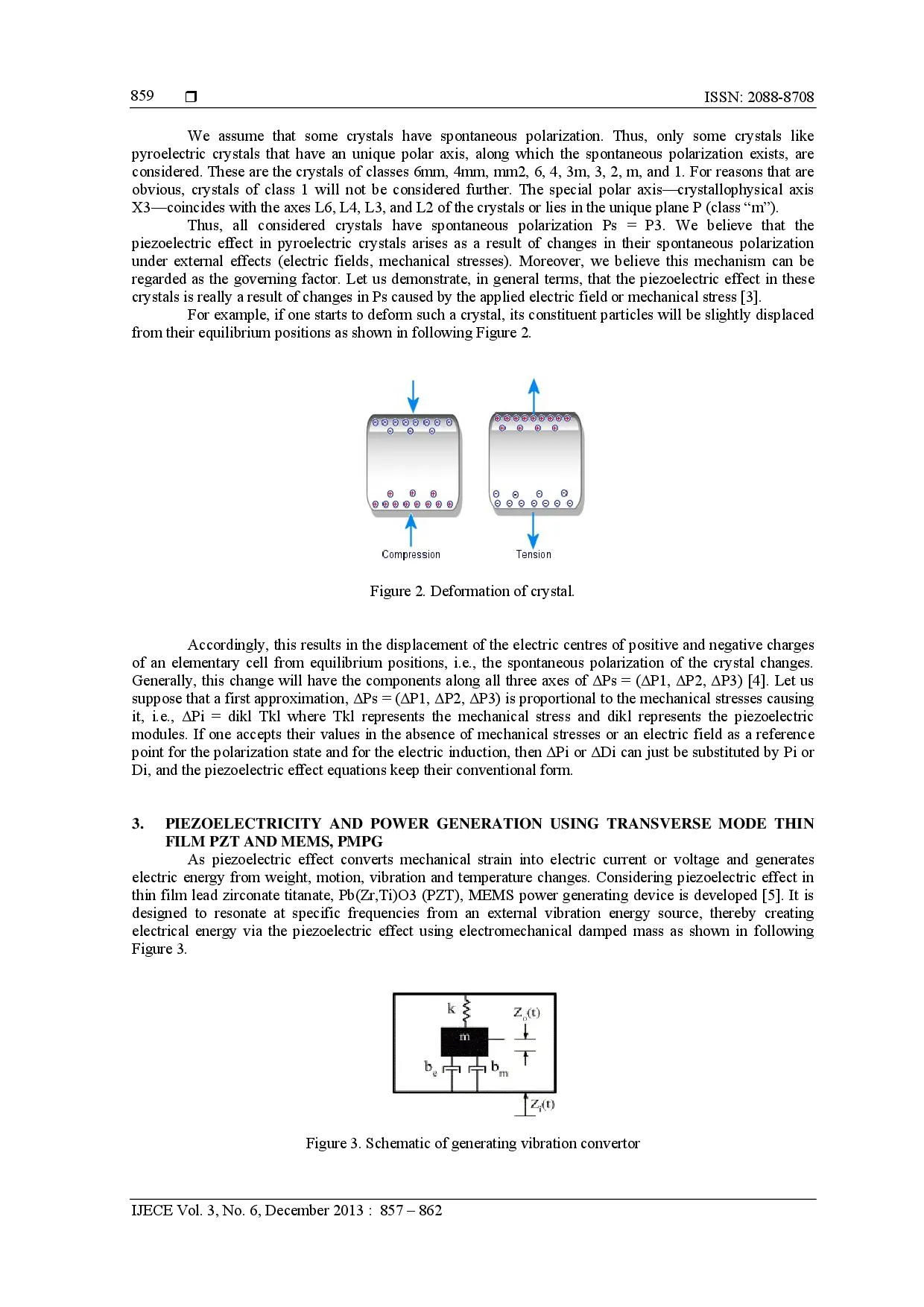
IAESCOREIAESCORE Dalam makalah ini, kami menyajikan dan meninjau metode untuk menghasilkan listrik bebas polusi menggunakan efek piezoelektrik pada kristal piroelektrikDalam makalah ini, kami menyajikan dan meninjau metode untuk menghasilkan listrik bebas polusi menggunakan efek piezoelektrik pada kristal piroelektrik
Useful /
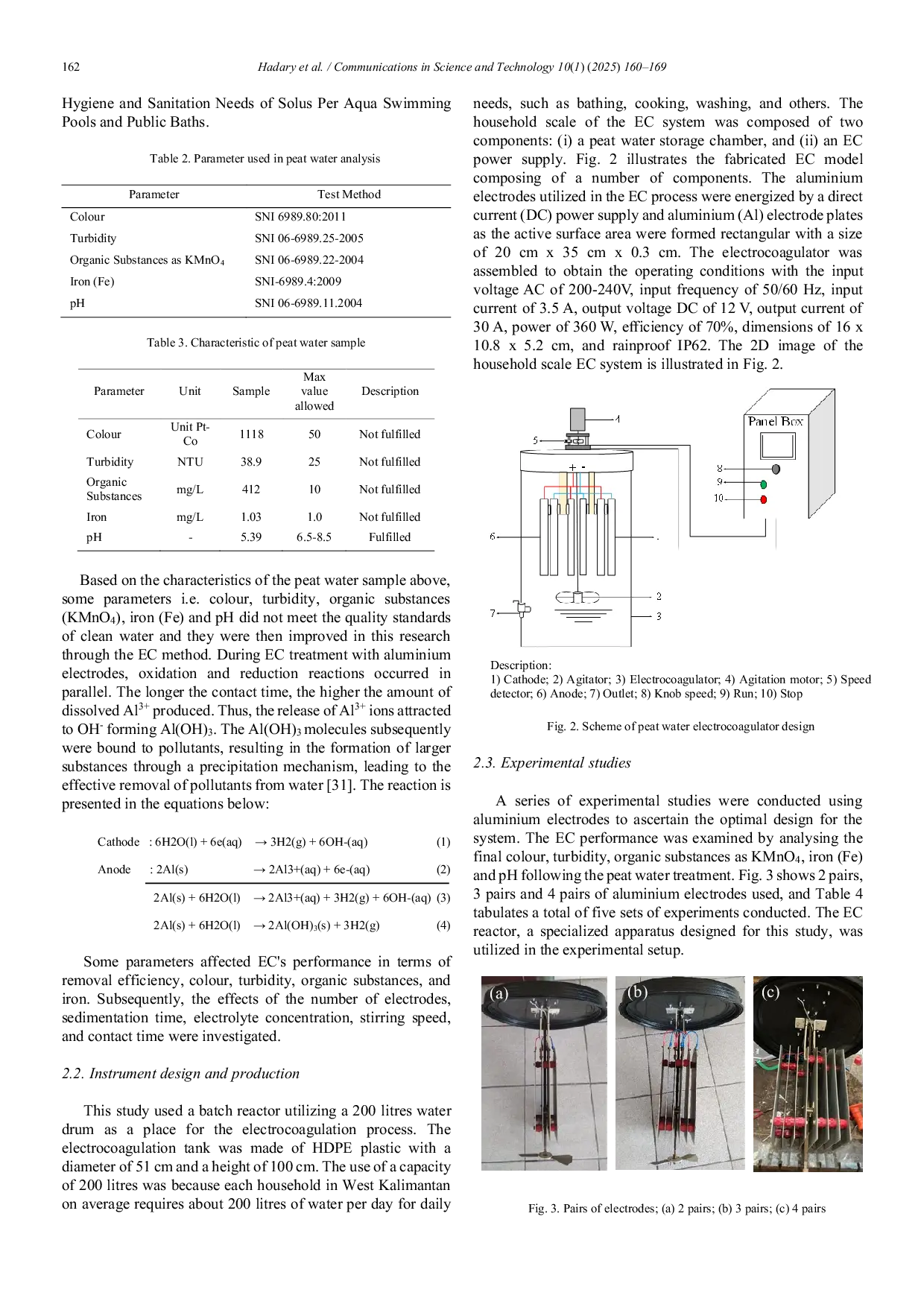
KIPMIKIPMI Air gambut yang diteliti mengandung warna, kekeruhan, zat organik, dan besi dalam konsentrasi yang cukup untuk dianalisis menggunakan metode elektrokoagulasi.Air gambut yang diteliti mengandung warna, kekeruhan, zat organik, dan besi dalam konsentrasi yang cukup untuk dianalisis menggunakan metode elektrokoagulasi.

IAESCOREIAESCORE Kelebihan utama proyek ini terletak pada portabilitas dan kenyamanan bagi pengguna, serta potensi pengembangan sensor serat optik untuk mengukur saturasiKelebihan utama proyek ini terletak pada portabilitas dan kenyamanan bagi pengguna, serta potensi pengembangan sensor serat optik untuk mengukur saturasi
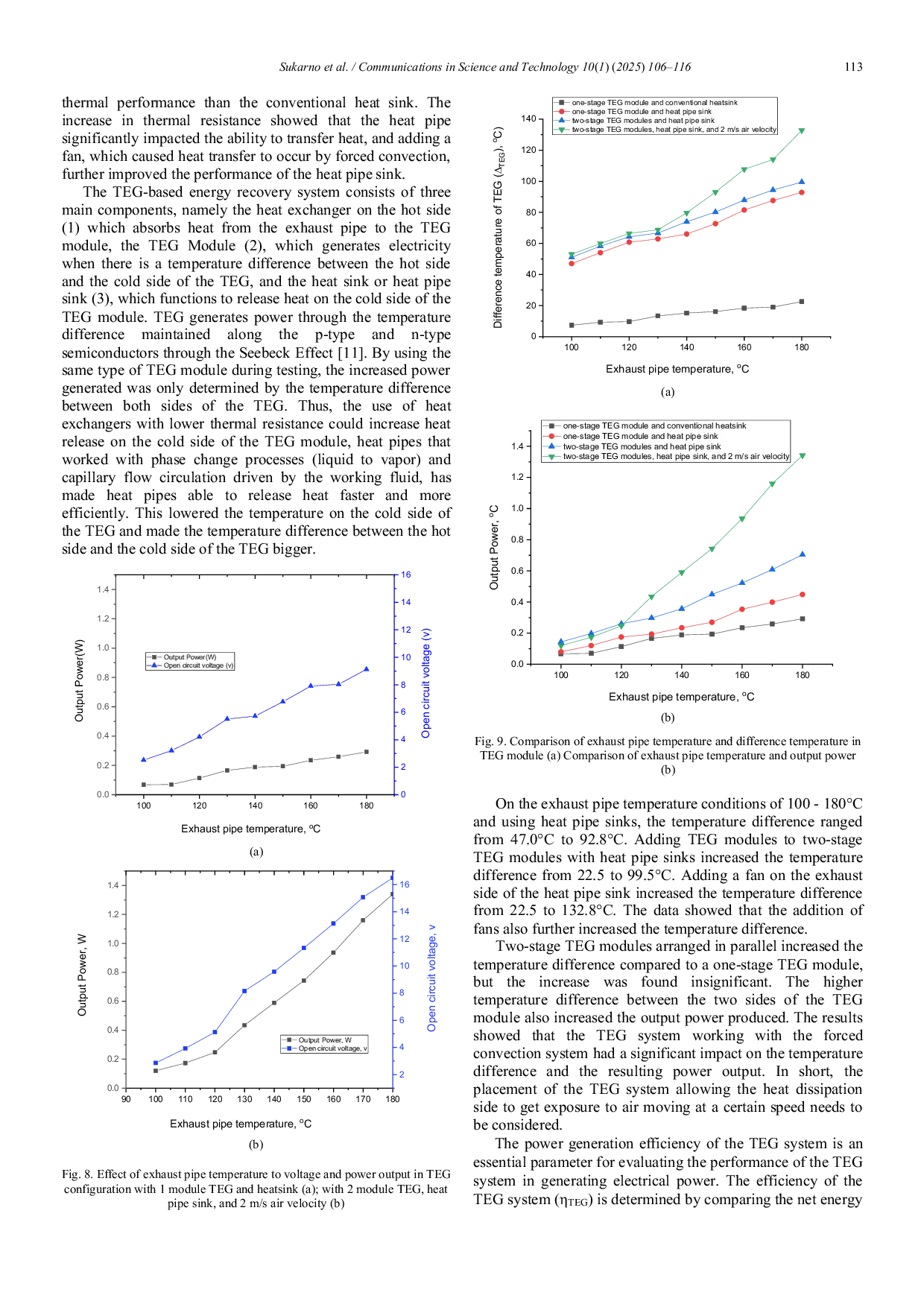
KIPMIKIPMI Penggunaan heat pipe sink meningkatkan kinerja TEG dengan memperbesar perbedaan suhu kedua sisi TEG, yang berdampak pada daya listrik yang dihasilkan.Penggunaan heat pipe sink meningkatkan kinerja TEG dengan memperbesar perbedaan suhu kedua sisi TEG, yang berdampak pada daya listrik yang dihasilkan.

IAESCOREIAESCORE Kunci stego ditempatkan dalam format yang tidak menimbulkan kecurigaan. Diketahui bahwa metode steganografi baru ini, melalui penulisan ulang serta tinjauanKunci stego ditempatkan dalam format yang tidak menimbulkan kecurigaan. Diketahui bahwa metode steganografi baru ini, melalui penulisan ulang serta tinjauan