LEMHANNASLEMHANNAS
Jurnal Lemhannas RIJurnal Lemhannas RIThis study examines the digital transformation of Indonesias mass media and its critical impact on national resilience, focusing on both the opportunities and challenges arising from this transition. Adopting a qualitative descriptive approach with secondary data analysis, this study utilizes a PESTLE-SWOT framework to assess the role of digital media in bolstering Indonesias information infrastructure, human resource development, and regulatory frameworks that are essential for maintaining national security. The findings reveal that while digital transformation improves information accessibility and efficiency, it also introduces significant challenges. These include increased risks of misinformation, fragmented regulations, and disparities in digital infrastructure across regions. Such disparities especially impact remote areas, exacerbating information inequality. To counter these issues, a coordinated policy approach, equitable infrastructure development, and enhanced digital literacy initiatives are necessary to strengthen resilience. This study underscores the strategic importance of an integrated policy framework to leverage digital media for national resilience, recommending strengthened regulations and equitable digital infrastructure to mitigate security risks and foster inclusive information access.
The study concludes that digital transformation is crucial for supporting National Resilience in Indonesia, but it presents risks such as misinformation and unequal access.Addressing these challenges requires optimizing regulation, strengthening infrastructure, and enhancing human resource quality.A coordinated approach involving government support, robust regulations, and improved digital literacy is essential to ensure digital media contributes positively to national resilience and an informed society.
Further research should investigate the perspectives of both audiences and media practitioners in Indonesia to better understand the challenges and needs of digital adaptation. Additionally, quantitative studies could analyze the impact of digital transformation on public information consumption patterns. Considering the uneven distribution of digital infrastructure, future studies should explore innovative solutions for expanding access to reliable internet in remote areas, potentially leveraging community-based networks or satellite technologies. Finally, research is needed to develop and evaluate the effectiveness of digital literacy programs tailored to different demographics, focusing on critical thinking skills and the ability to identify misinformation, thereby strengthening the publics ability to navigate the digital landscape responsibly and contribute to a more resilient information ecosystem. These investigations will provide valuable insights for policymakers and media organizations seeking to harness the full potential of digital media for national development and security.
- OPTIMASI KONSEP SATU DATA ARSITEKTUR DIGITAL: SUATU KERANGKA KONSEP ANALISIS KETAHANAN NASIONAL | Jurnal... doi.org/10.55960/jlri.v11i3.480OPTIMASI KONSEP SATU DATA ARSITEKTUR DIGITAL SUATU KERANGKA KONSEP ANALISIS KETAHANAN NASIONAL Jurnal doi 10 55960 jlri v11i3 480
- Uses and Gratifications Theory in the 21st Century: Mass Communication and Society: Vol 3, No 1. uses... tandfonline.com/doi/abs/10.1207/S15327825MCS0301_02Uses and Gratifications Theory in the 21st Century Mass Communication and Society Vol 3 No 1 uses tandfonline doi abs 10 1207 S15327825MCS0301 02
| File size | 381.3 KB |
| Pages | 8 |
| DMCA | Report |
Related /
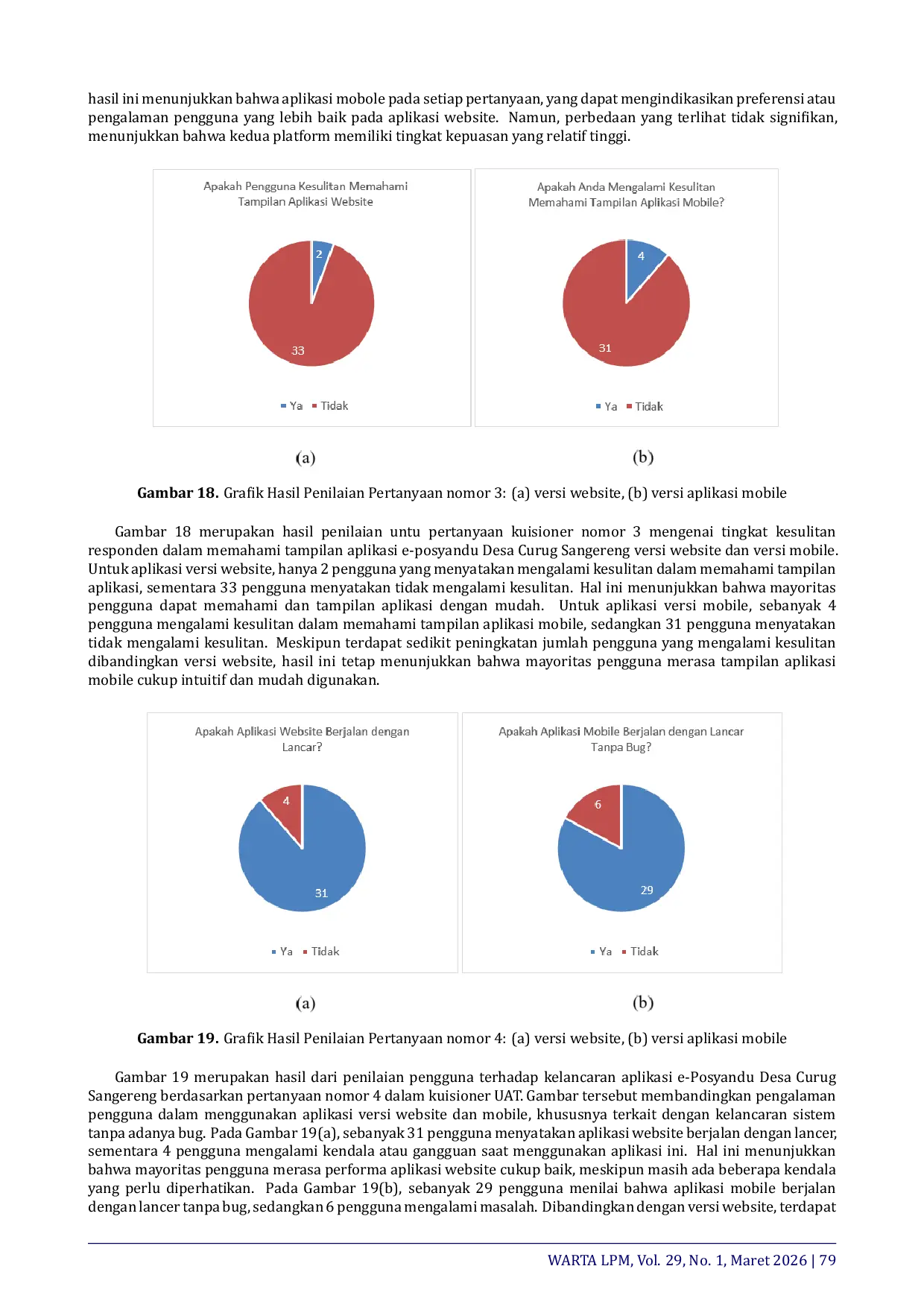
UMSUMS Hasil User Acceptance Testing (UAT) menunjukkan bahwa aplikasi memperoleh tingkat penerimaan yang tinggi. Namun demikian, versi website memperoleh skorHasil User Acceptance Testing (UAT) menunjukkan bahwa aplikasi memperoleh tingkat penerimaan yang tinggi. Namun demikian, versi website memperoleh skor

169169 Studi ini menyimpulkan bahwa literasi digital berfungsi sebagai keterampilan teknis dan strategi budaya, meningkatkan agensi masyarakat dan mempromosikanStudi ini menyimpulkan bahwa literasi digital berfungsi sebagai keterampilan teknis dan strategi budaya, meningkatkan agensi masyarakat dan mempromosikan

JOMPUJOMPU Hasil observasi menunjukkan bahwa SD Cepit cenderung lebih unggul dalam pemanfaatan media pembelajaran dan fasilitas teknologi, sedangkan SD KarangwuniHasil observasi menunjukkan bahwa SD Cepit cenderung lebih unggul dalam pemanfaatan media pembelajaran dan fasilitas teknologi, sedangkan SD Karangwuni

PRISMASEJAHTERAPRISMASEJAHTERA Diharapkan pendekatan ini dapat menjadi solusi efektif untuk membantu siswa mengatasi kesulitan dalam belajar matematika di sekolah. Penggunaan etnomatematikaDiharapkan pendekatan ini dapat menjadi solusi efektif untuk membantu siswa mengatasi kesulitan dalam belajar matematika di sekolah. Penggunaan etnomatematika
UMPOUMPO Penyandang disabilitas intelektual memiliki hak hukum yang sama untuk kehidupan layak dan pemenuhan hak sosial mereka penting tidak hanya untuk kewarganegaraanPenyandang disabilitas intelektual memiliki hak hukum yang sama untuk kehidupan layak dan pemenuhan hak sosial mereka penting tidak hanya untuk kewarganegaraan

UMPOUMPO Hasil penelitian ini diharapkan dapat menjadi sumber data mengenai tingkat pengamalan nilai-nilai Pancasila secara praktik dalam kehidupan bernegara diHasil penelitian ini diharapkan dapat menjadi sumber data mengenai tingkat pengamalan nilai-nilai Pancasila secara praktik dalam kehidupan bernegara di
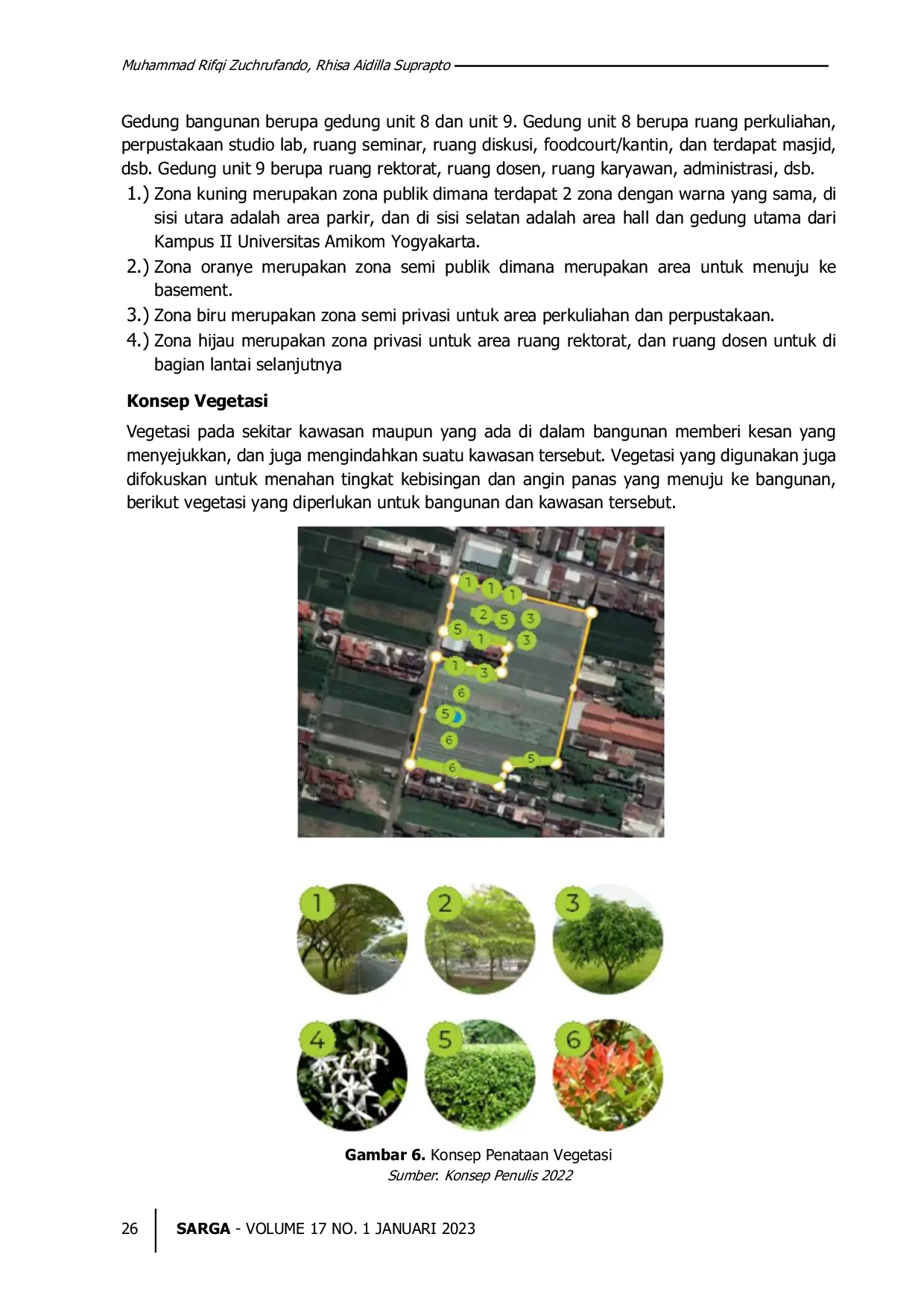
UnnasUnnas Agar limbah air yang dialirkan ke aliran air selanjutnya tidak berdampak buruk bagi lingkungan sekitar. Untuk sampah padat dapat dibagi ataupun dipilahAgar limbah air yang dialirkan ke aliran air selanjutnya tidak berdampak buruk bagi lingkungan sekitar. Untuk sampah padat dapat dibagi ataupun dipilah
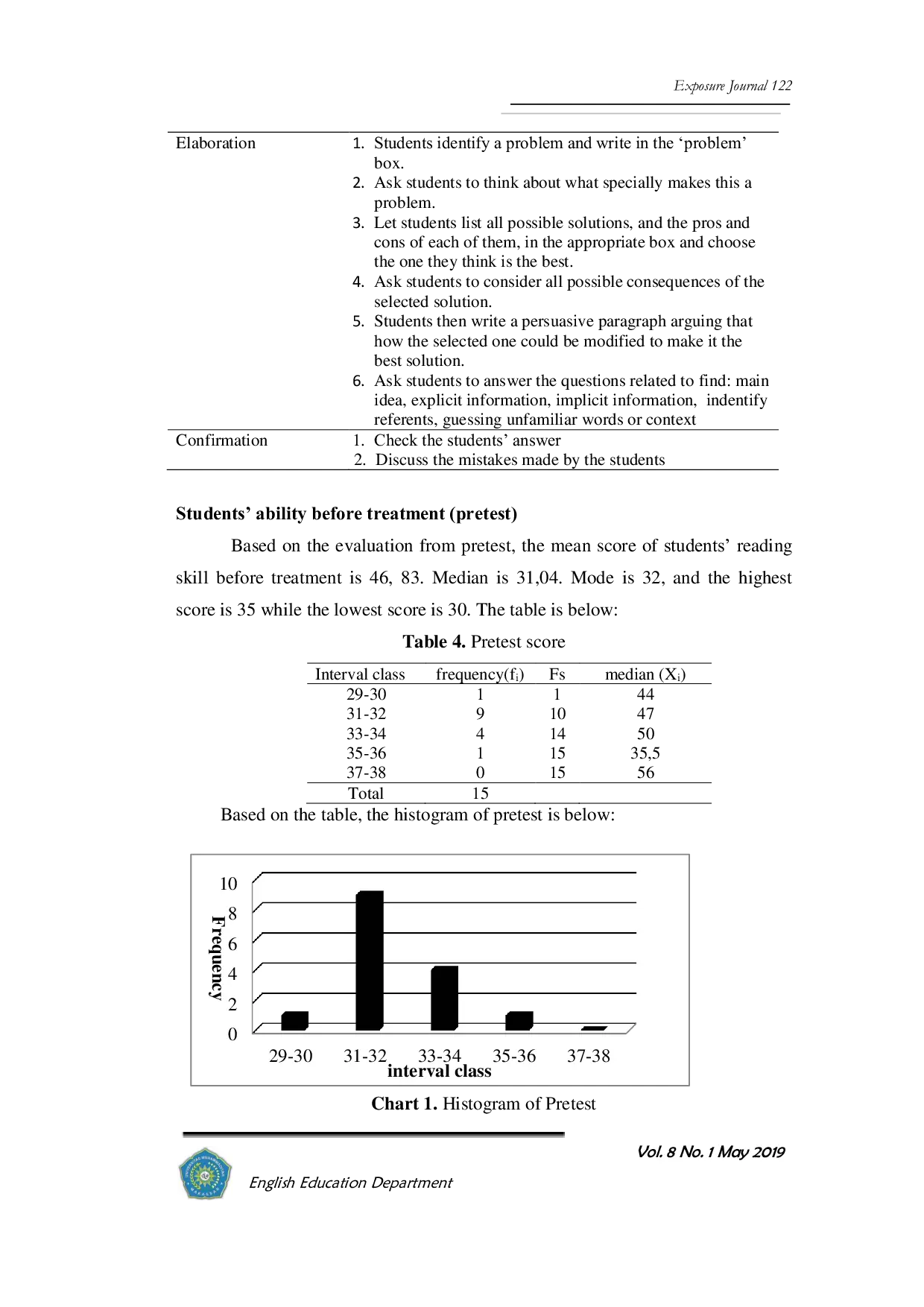
UNISMUHUNISMUH Jika tcount > ttable maka H1 diterima. Untuk kesimpulan, H0 ditolak karena tcount > ttable atau 27,730>2,131 sehingga H1 diterima. Secara keseluruhan,Jika tcount > ttable maka H1 diterima. Untuk kesimpulan, H0 ditolak karena tcount > ttable atau 27,730>2,131 sehingga H1 diterima. Secara keseluruhan,
Useful /
UNUKALTIMUNUKALTIM Sehingga pembelajaran matematika tidak hanya menarik tetapi juga mudah dipahami. Aplikasi matematika membantu dalam pembelajaran dan pemahaman konsep matematika.Sehingga pembelajaran matematika tidak hanya menarik tetapi juga mudah dipahami. Aplikasi matematika membantu dalam pembelajaran dan pemahaman konsep matematika.

PENACCELERATIONPENACCELERATION Penelitian ini bertujuan untuk menganalisis penerapan nilai-nilai pancasila dalam kebijkan publik melalui studi kasus pada pembangunan proyek HambalangPenelitian ini bertujuan untuk menganalisis penerapan nilai-nilai pancasila dalam kebijkan publik melalui studi kasus pada pembangunan proyek Hambalang

YAYASANBHZYAYASANBHZ Perceraian dapat menyebabkan masalah dalam hal hak asuh anak, terutama ketika kedua pihak ingin hak asuh anak jatuh ke tangan mereka masing-masing, sehinggaPerceraian dapat menyebabkan masalah dalam hal hak asuh anak, terutama ketika kedua pihak ingin hak asuh anak jatuh ke tangan mereka masing-masing, sehingga

UnnasUnnas Zonasi yang berantakan dan beberapa area tidak memiliki fungsi khusus. Dengan potensi dan permasalahan yang ada, penerapan pendekatan Pariwisata BerkelanjutanZonasi yang berantakan dan beberapa area tidak memiliki fungsi khusus. Dengan potensi dan permasalahan yang ada, penerapan pendekatan Pariwisata Berkelanjutan