UGMUGM
IJCIJCA novel ligand ((1 E )-(2-(4-fluorobenzylidene)amino)methyl) phenyl)diazenyl)-1,3,7-trimethyl-3,7-dihydro-1 H -purine-2,6-dione (4-FADPD) was synthesized via the azotization reaction of 2-aminobenzylamine with caffeine, and the resultant compound was condensed with 4-fluorobenzaldehyde to form a newly azo-Schiff base ligand. Its complexes with Cu(II), Ag(I), and Au(III) were synthesized. The results of multi-identifications, including XRD, elemental analysis (C.H.N), UV-vis spectroscopy, FTIR, and 1 H-NMR, were used to propose the suggested structures using molar conductivity measurements. These data were utilized to propose appropriate geometric configurations for all complexes. The azo-Schiff base ligand coordinates toward the Cu(II) ion in octahedral geometry and Ag(I) ion in tetrahedral geometry, whereas the Au(III) ion gives it a square planar structure. Nanoparticle size was determined using scanning microscopy (FE-SEM). Significant antiproliferative activity was observed with the Au(III) nanocomplex against human lung cancer (A549) cells, compared with normal cell lines (HDFn), as indicated by the IC 50 values. The purpose of our research is to prepare new nanocomplexes derived from caffeine and to demonstrate the effectiveness of an Au(III) nanocomplex against lung cancer as a future treatment that may benefit pharmaceutical preparations.
Tidak ada abstrak bahasa Indonesia yang ditemukan.Tidak ada kesimpulan yang ditemukan dalam dokumen.Penelitian lanjutan dapat fokus pada pengembangan metode sintesis yang lebih efisien untuk menghasilkan kompleks dengan ligand baru (4-FADPD).Selain itu, studi lebih lanjut dapat dilakukan untuk mengeksplorasi potensi aplikasi klinis dari nano-kompleks Au(III) dalam pengobatan kanker.Terakhir, penelitian dapat dilakukan untuk mengoptimalkan kondisi reaksi dan karakterisasi lebih lanjut dari kompleks yang dihasilkan, sehingga dapat meningkatkan efektivitas dan stabilitasnya.Tidak ada abstrak bahasa Indonesia yang ditemukan.
Penelitian lanjutan dapat fokus pada pengembangan metode sintesis yang lebih efisien untuk menghasilkan kompleks dengan ligand baru (4-FADPD). Selain itu, studi lebih lanjut dapat dilakukan untuk mengeksplorasi potensi aplikasi klinis dari nano-kompleks Au(III) dalam pengobatan kanker. Terakhir, penelitian dapat dilakukan untuk mengoptimalkan kondisi reaksi dan karakterisasi lebih lanjut dari kompleks yang dihasilkan, sehingga dapat meningkatkan efektivitas dan stabilitasnya.
| File size | 1.17 MB |
| Pages | 7 |
| DMCA | Report |
Related /

UNIMUNIM Kami sangat senang menerima artikel dari Indonesia dan luar negeri. Jurnal ini telah memiliki ISSN yang baik untuk versi cetak dan online. Dalam edisiKami sangat senang menerima artikel dari Indonesia dan luar negeri. Jurnal ini telah memiliki ISSN yang baik untuk versi cetak dan online. Dalam edisi
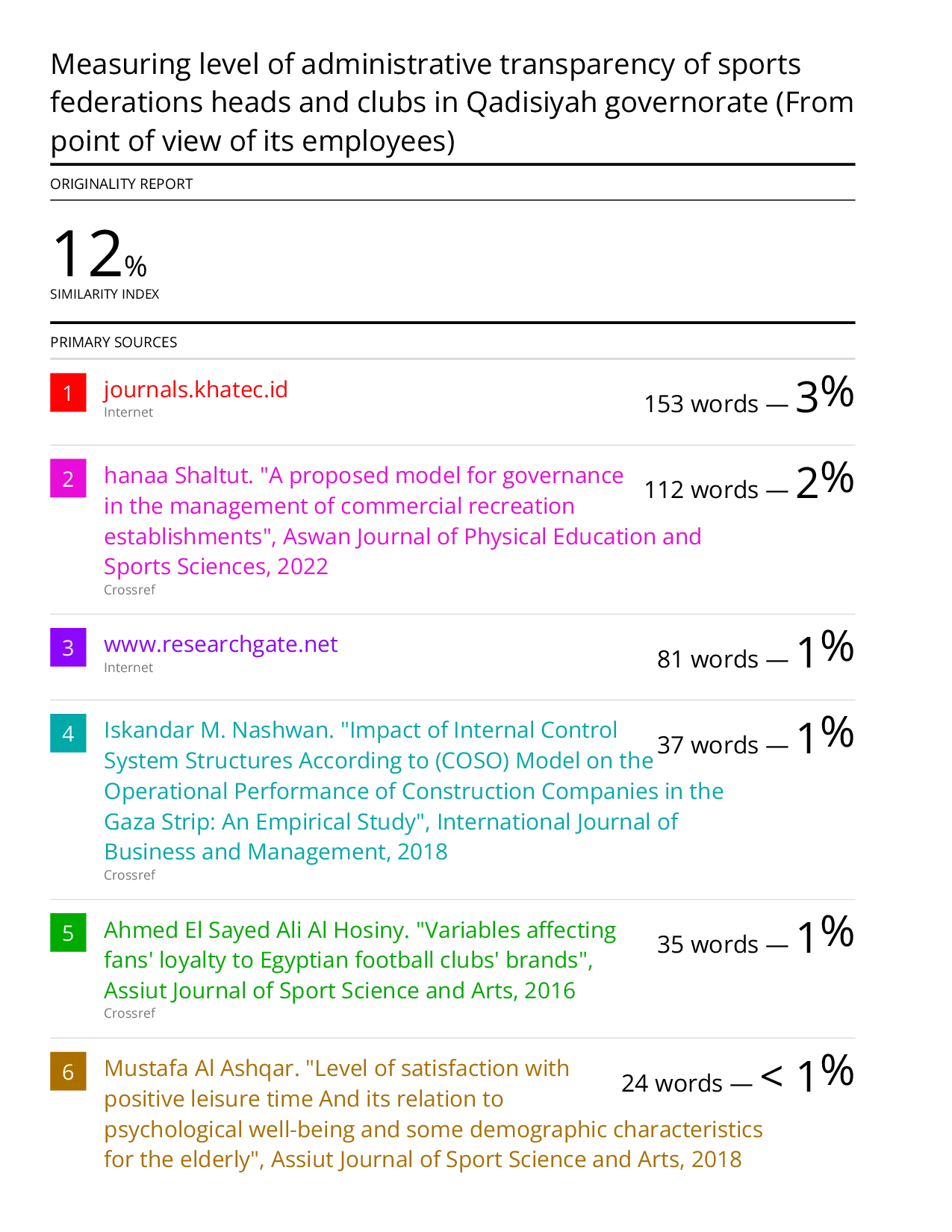
KHATECKHATEC The study also showed that there is a relationship between the level of administrative transparency and the job satisfaction of employees. The study recommendedThe study also showed that there is a relationship between the level of administrative transparency and the job satisfaction of employees. The study recommended
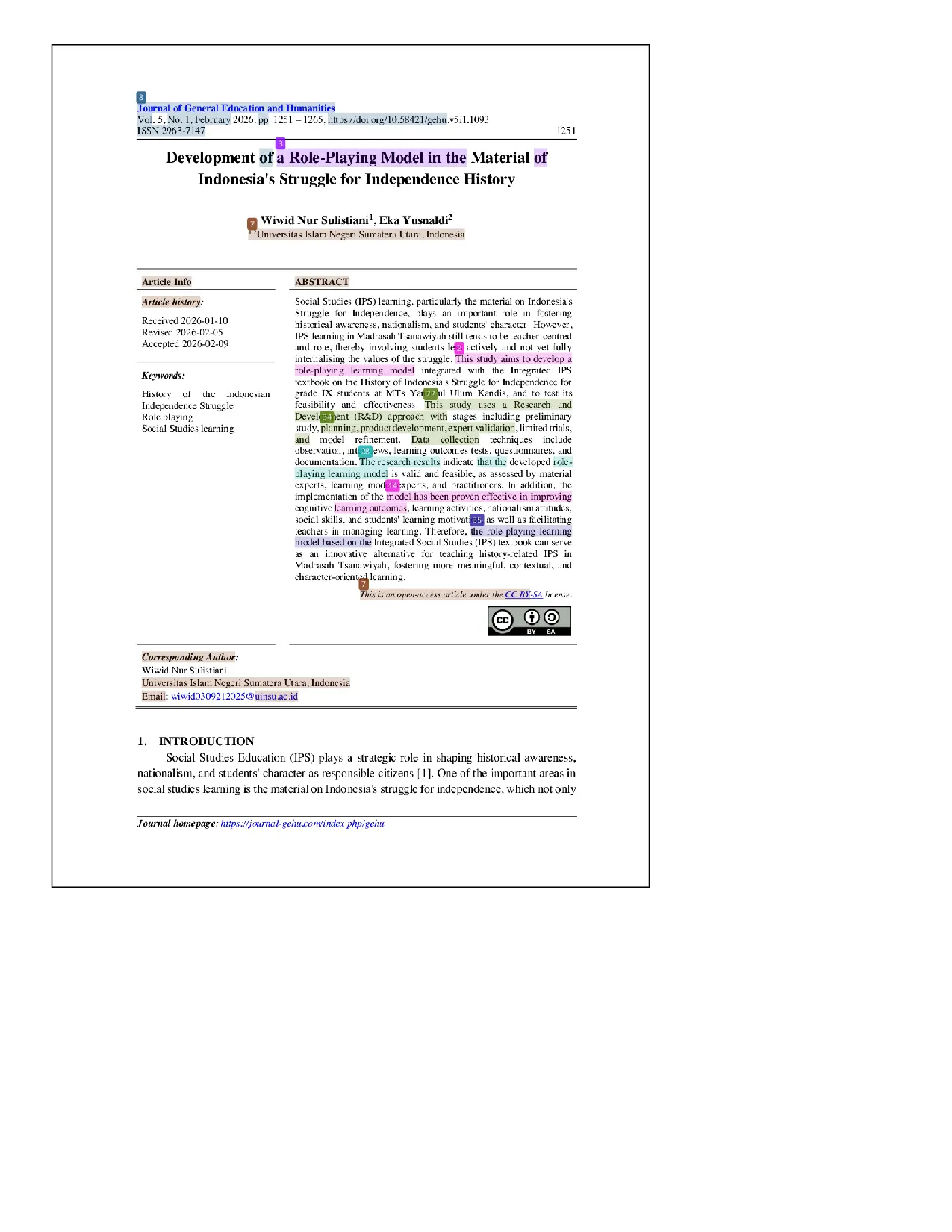
JOURNAL GEHUJOURNAL GEHU Abstrak dalam bahasa Inggris tidak ditemukan. Oleh karena itu, abstrak bahasa Inggris diterjemahkan ke dalam bahasa Indonesia formal akademik: PenelitianAbstrak dalam bahasa Inggris tidak ditemukan. Oleh karena itu, abstrak bahasa Inggris diterjemahkan ke dalam bahasa Indonesia formal akademik: Penelitian
UNSULBARUNSULBAR The seminar successfully gathered experts and stakeholders to discuss the role of the livestock and fisheries sectors in supporting the development ofThe seminar successfully gathered experts and stakeholders to discuss the role of the livestock and fisheries sectors in supporting the development of
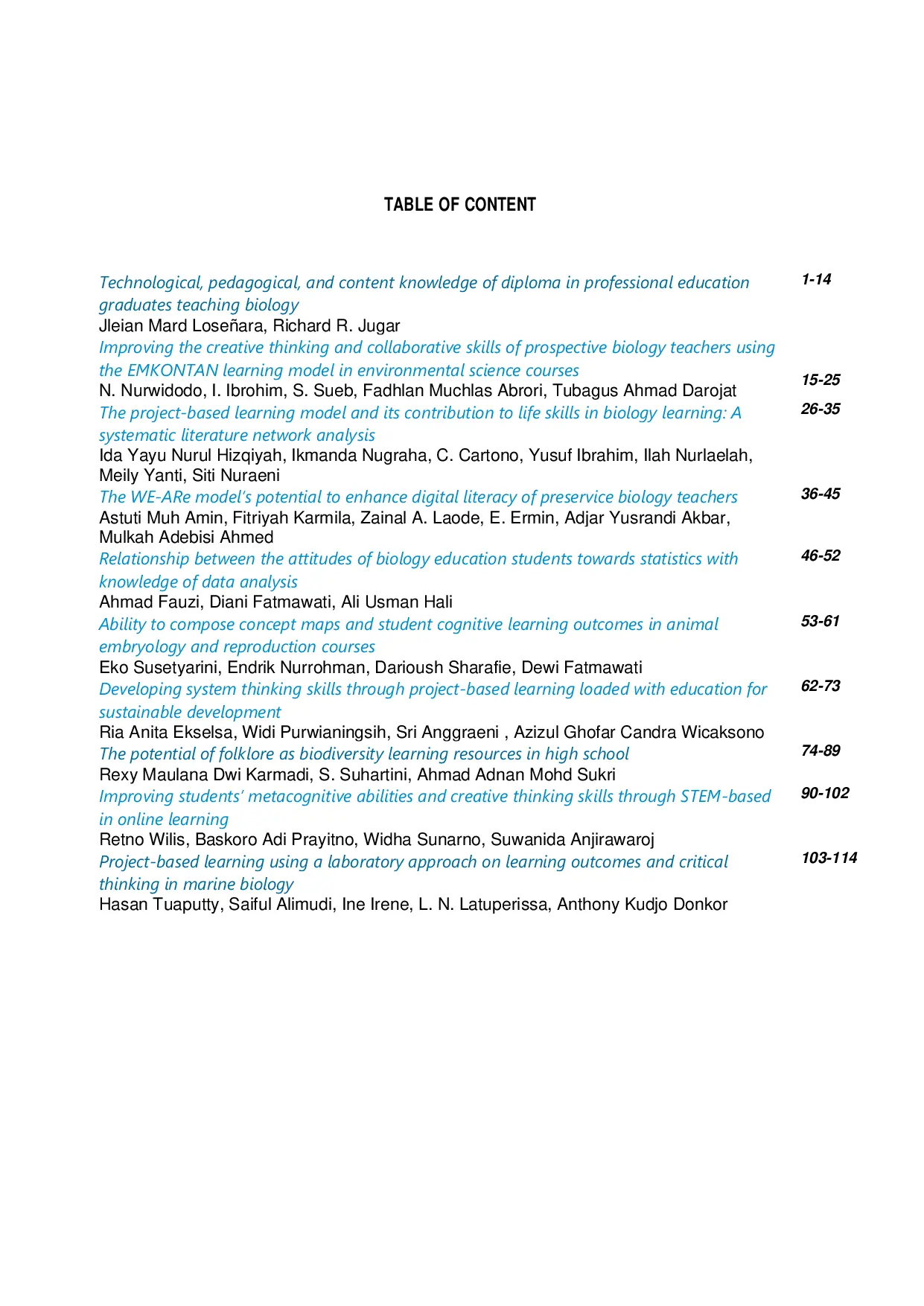
UMMUMM Abstract English: This study aims to explore the potential of folklore as a learning resource for biodiversity in high school. Folklore, which is a collectionAbstract English: This study aims to explore the potential of folklore as a learning resource for biodiversity in high school. Folklore, which is a collection

ALJAMIAHALJAMIAH Berdasarkan hasil penelitian dan analisis data, dapat disimpulkan bahwa pemberian pupuk urea dan ZA secara signifikan meningkatkan pertumbuhan dan hasilBerdasarkan hasil penelitian dan analisis data, dapat disimpulkan bahwa pemberian pupuk urea dan ZA secara signifikan meningkatkan pertumbuhan dan hasil

ITBITB Abstrak bahasa Indonesia ini menjelaskan bahwa penelitian ini bertujuan untuk mengevaluasi hubungan antara paparan polusi udara dan kejadian penyakit pernapasanAbstrak bahasa Indonesia ini menjelaskan bahwa penelitian ini bertujuan untuk mengevaluasi hubungan antara paparan polusi udara dan kejadian penyakit pernapasan

UNDIKMAUNDIKMA Artikel ini membahas upaya peningkatan hasil belajar siswa melalui penggunaan alat peraga (ABP) dan penerapan metode pembelajaran yang bervariasi padaArtikel ini membahas upaya peningkatan hasil belajar siswa melalui penggunaan alat peraga (ABP) dan penerapan metode pembelajaran yang bervariasi pada
Useful /

UGMUGM Hasil menunjukkan bahwa material yang disintesis sesuai dengan zeolit A (tipe LTA), terutama terdiri dari Na, Al, Si, dan O, dengan kristalinitas sekitarHasil menunjukkan bahwa material yang disintesis sesuai dengan zeolit A (tipe LTA), terutama terdiri dari Na, Al, Si, dan O, dengan kristalinitas sekitar
UGMUGM Uji penuaan termal menunjukkan bahwa komposisi ini mempertahankan sifat mekanis yang baik setelah penuaan, mengindikasikan ketahanan terhadap degradasiUji penuaan termal menunjukkan bahwa komposisi ini mempertahankan sifat mekanis yang baik setelah penuaan, mengindikasikan ketahanan terhadap degradasi

ITBITB SRB merupakan inovasi ruang gema miniatur milik P3KLL, sementara ruang anekoik digantikan oleh ruang terbuka sebagai lingkungan lapangan bebas. MetodeSRB merupakan inovasi ruang gema miniatur milik P3KLL, sementara ruang anekoik digantikan oleh ruang terbuka sebagai lingkungan lapangan bebas. Metode

ITBITB Diperkenalkan algoritma baru secara real-time untuk penyetelan pengendali proporsional, integral, dan diferensial (PID) pada quadcopter.metode particleDiperkenalkan algoritma baru secara real-time untuk penyetelan pengendali proporsional, integral, dan diferensial (PID) pada quadcopter.metode particle