UNIPEMUNIPEM
joce-ipjoce-ipThis research presents a systematic literature review (SLR) on student experience quality (SXQ) in the context of higher education. The review aims to map the trends, methodologies, and theoretical perspectives that shape recent research developments in this area. Following PRISMA guidelines, 44 Scopus-indexed articles were identified and selected through strict inclusion criteria to ensure the quality and relevance of the studies. Findings indicate a shift in research focus from academic outcomes to a more holistic understanding of the student experience, including aspects of psychological safety, engagement, and emotional ties to the institution. Quantitative methods, particularly Structural Equation Modeling (SEM), dominate the research approach, while theoretically, SERVQUAL is the most widely used framework. However, there is a new trend towards experiential learning, customer experience, and quality of life theories. Geographically, research is still dominated by Anglo-Saxon countries, with relatively small contributions from developing countries. The results of this analysis confirm the importance of SXQ as a strategic issue for universities, as it is closely related to student satisfaction, loyalty, and institutional sustainability. The review also identifies a research gap, particularly with regard to qualitative and mixed-method approaches, which provide a better understanding of SXQ.
The systematic review reveals that research on student experience quality (SXQ) heavily relies on quantitative methods, particularly Structural Equation Modeling (SEM), and often utilizes the SERVQUAL theory.While research is predominantly conducted in Anglo-Saxon countries, theres a growing recognition of the importance of SXQ for university success, linking it to student satisfaction and institutional sustainability.The study highlights a need for more in-depth exploration of the subjective and contextual aspects of the student experience through qualitative or mixed-method approaches to complement existing quantitative findings.
Future research should prioritize qualitative and mixed-methods approaches to gain a deeper understanding of the nuanced and contextual factors influencing student experiences, moving beyond solely quantitative analyses. Investigating the impact of diverse student demographics and cultural backgrounds on their experiences, particularly in underrepresented regions, could reveal valuable insights for tailoring support and improving quality. Furthermore, exploring the integration of emerging theoretical frameworks, such as those related to student well-being and psychological safety, alongside established models like SERVQUAL, could provide a more holistic and comprehensive understanding of SXQ and its relationship to student success. These research directions will contribute to a more inclusive and effective approach to enhancing the quality of higher education for all students.
| File size | 575.72 KB |
| Pages | 10 |
| DMCA | Report |
Related /

ITLITL Strategi pendekatan kuantitatif digunakan dalam metode penelitian ini, yang menggunakan IBM SPSS 25 untuk analisis data. Untuk menjawab masalah penelitian,Strategi pendekatan kuantitatif digunakan dalam metode penelitian ini, yang menggunakan IBM SPSS 25 untuk analisis data. Untuk menjawab masalah penelitian,

IMRECSJOURNALIMRECSJOURNAL Namun, sering kali hal ini merusak transparansi dalam pelaporan. Secara teoritis, tinjauan ini memperluas Positive Accounting Theory dengan mempertimbangkanNamun, sering kali hal ini merusak transparansi dalam pelaporan. Secara teoritis, tinjauan ini memperluas Positive Accounting Theory dengan mempertimbangkan

SUNANBONANGSUNANBONANG Absenteeism should be recognized as an aspect related to performance. This research demonstrates that depression, harassment, and gender significantlyAbsenteeism should be recognized as an aspect related to performance. This research demonstrates that depression, harassment, and gender significantly

DAARULHUDADAARULHUDA Penelitian ini bertujuan untuk menganalisis Hak Kelompok Khusus, Anggota Dewan Perwakilan Rakyat Kabupaten/Kota (DPRK) yang diangkat dalam kerangka otonomiPenelitian ini bertujuan untuk menganalisis Hak Kelompok Khusus, Anggota Dewan Perwakilan Rakyat Kabupaten/Kota (DPRK) yang diangkat dalam kerangka otonomi

UNIPEMUNIPEM Data diperoleh melalui kuesioner skala likert dan dianalisis menggunakan Regresi Linier Berganda. Hasil menunjukkan nilai korelasi berganda sebesar 0,804,Data diperoleh melalui kuesioner skala likert dan dianalisis menggunakan Regresi Linier Berganda. Hasil menunjukkan nilai korelasi berganda sebesar 0,804,
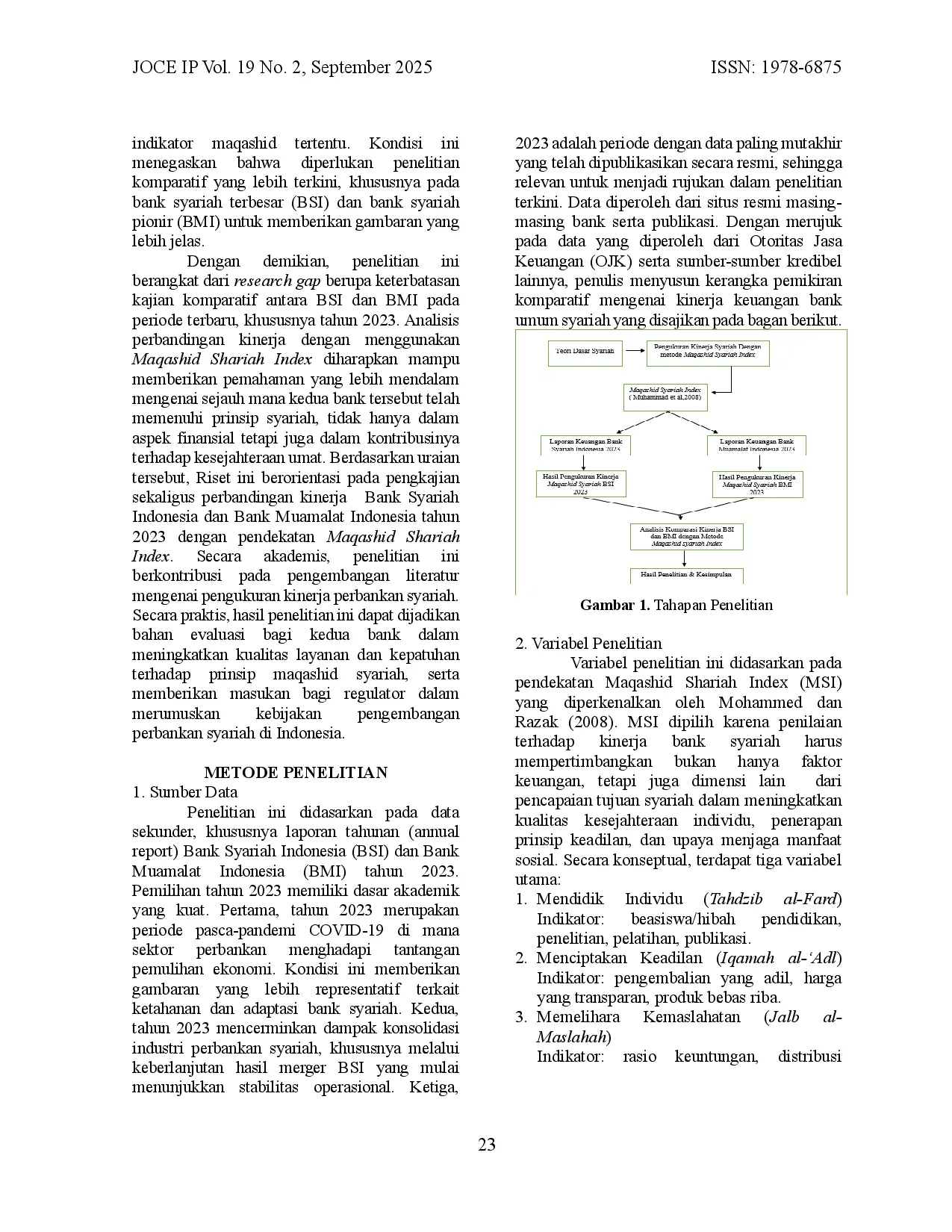
UNIPEMUNIPEM Sementara itu, BSI masih perlu meningkatkan kinerja pada beberapa indikator agar sejalan dengan prinsip maqashid syariah. Secara akademik, penelitian iniSementara itu, BSI masih perlu meningkatkan kinerja pada beberapa indikator agar sejalan dengan prinsip maqashid syariah. Secara akademik, penelitian ini

UNIPEMUNIPEM Tujuan dari penelitian ini adalah untuk menjelaskan bagaimana membatik Tie-dye dapat membantu perkembangan kemampuan motorik halus anak usia dini di tamanTujuan dari penelitian ini adalah untuk menjelaskan bagaimana membatik Tie-dye dapat membantu perkembangan kemampuan motorik halus anak usia dini di taman

DAARULHUDADAARULHUDA Itu jumlah sampel penelitian adalah sebanyak 37 lansia dengan didampingi keluarga. Hasil: sebagian besar lansia (78,5%) atau sebanyak 25 orang adalah dalamItu jumlah sampel penelitian adalah sebanyak 37 lansia dengan didampingi keluarga. Hasil: sebagian besar lansia (78,5%) atau sebanyak 25 orang adalah dalam
Useful /

IMRECSJOURNALIMRECSJOURNAL Penelitian ini bertujuan untuk meneliti faktor-faktor sosioekonomi, demografi, dan terkait pekerjaan yang berkaitan dengan keputusan pekerja untuk menggunakanPenelitian ini bertujuan untuk meneliti faktor-faktor sosioekonomi, demografi, dan terkait pekerjaan yang berkaitan dengan keputusan pekerja untuk menggunakan

DAARULHUDADAARULHUDA Oleh karena itu Pemerintah Daerah perlu memperhatikan pengaturan yang jelas tentang penyelenggaraan pemerintahan daerah sebagai motor penggerak otonomiOleh karena itu Pemerintah Daerah perlu memperhatikan pengaturan yang jelas tentang penyelenggaraan pemerintahan daerah sebagai motor penggerak otonomi

DAARULHUDADAARULHUDA Terdiri dari 2 siklus dimana setiap siklus terdiri atas; perencanaan, pelaksanaan & observasi, dan refleksi. Sampel penelitian meliputi peserta didik kelasTerdiri dari 2 siklus dimana setiap siklus terdiri atas; perencanaan, pelaksanaan & observasi, dan refleksi. Sampel penelitian meliputi peserta didik kelas
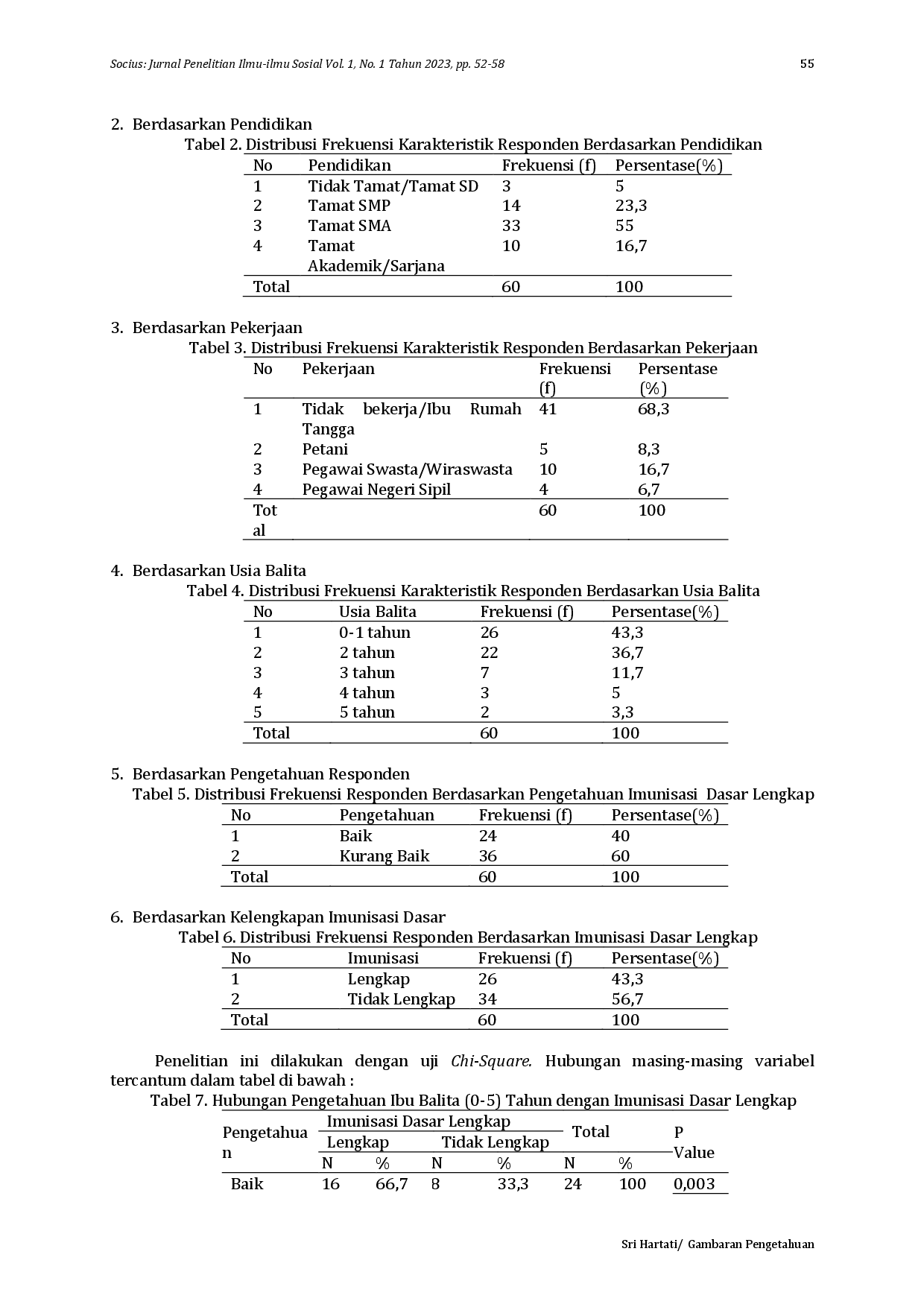
DAARULHUDADAARULHUDA Dalam penelitian ini didapatkan hasil distribusi pernyataan responden berdasarkan pengetahuan, sebagian besar dari responden memiliki pengetahuan kurangDalam penelitian ini didapatkan hasil distribusi pernyataan responden berdasarkan pengetahuan, sebagian besar dari responden memiliki pengetahuan kurang