STAISARSTAISAR
Jurnal Mediasas: Media Ilmu Syari'ah dan Ahwal Al-SyakhsiyyahJurnal Mediasas: Media Ilmu Syari'ah dan Ahwal Al-SyakhsiyyahFenomena perkawinan antar negara menjadi salah satu tren sosial yang berkembang pesat di berbagai wilayah perbatasan, termasuk di Kabupaten Sambas, Kalimantan Barat, yang berbatasan langsung dengan Malaysia. Perkawinan antar negara ini tidak hanya menyangkut aspek administratif dan kewarganegaraan, tetapi juga membawa implikasi terhadap kehidupan rumah tangga, khususnya dalam hal keharmonisan, nilai-nilai agama, dan budaya. Penelitian ini bertujuan untuk mengkaji tren perkawinan antar negara di wilayah Sambas serta menganalisis relevansinya terhadap keharmonisan rumah tangga dalam perspektif Hukum Keluarga Islam. Penelitian ini menggunakan pendekatan kualitatif dengan metode studi lapangan, wawancara mendalam, dan dokumentasi terhadap pasangan suami istri lintas negara, dan tokoh agama setempat. Hasil penelitian menunjukkan bahwa motif utama terjadinya perkawinan antar negara di Sambas meliputi faktor ekonomi, keterbukaan wilayah perbatasan, serta hubungan sosial dan budaya yang telah terjalin sejak lama. Namun, dalam praktiknya, perkawinan antar negara seringkali menghadapi tantangan serius seperti perbedaan budaya, praktik ibadah, kewajiban nafkah, serta status hukum perkawinan yang tidak selalu jelas secara nasional maupun internasional. Dalam perspektif Hukum Keluarga Islam, keharmonisan rumah tangga sangat bergantung pada prinsip mawaddah, rahmah, dan tanggung jawab bersama antara suami dan istri, yang harus dibangun di atas kesepahaman nilai agama dan komitmen yang kuat. Oleh karena itu, regulasi hukum dan pembinaan pranikah lintas negara sangat dibutuhkan agar perkawinan antar negara tidak menjadi sumber konflik, tetapi justru memperkuat ikatan keluarga dan nilai-nilai keislaman di tengah dinamika globalisasi.
This study concludes that the trend of interstate marriage in the border area of Sambas Regency, West Kalimantan particularly between Indonesian and Malaysian citizens has emerged as a significant and continuing social phenomenon.This pattern of cross-border marriage is strongly influenced by geographical proximity, shared historical ties, economic considerations, and cultural interactions between communities on both sides of the border.In practice, interstate marriage gives rise to complex legal, social, and religious implications, especially in relation to differences in legal systems, administrative procedures, citizenship status, and the legal status of children.Overall, domestic harmony in interstate marriages in Sambas is largely determined by the couples capacity to manage cultural diversity, legal pluralism, and administrative challenges, while simultaneously fulfilling the ethical and normative responsibilities prescribed in Islamic family law.From this perspective, harmony is closely linked to the balanced execution of spousal rights and obligations, mutual understanding in practicing religious values, and the realization of justice within family roles.Differences in nationality do not, in themselves, constitute the primary obstacle to household harmony, provided that Islamic values serve as the foundational framework for family life.Nevertheless, this study has several limitations that must be acknowledged as part of academic prudence.First, the geographical scope is confined to Sambas Regency, limiting the generalizability of the findings to other border regions.Second, the number of informants is relatively limited, focusing primarily on selected interstate couples and local religious authorities.Third, the analysis emphasizes the normative dimension of Islamic family law rather than a broader comparative assessment across multiple national legal systems.Recognizing these limitations not only demonstrates methodological caution but also opens avenues for future research, particularly comparative studies involving different border contexts and legal regimes.However, there are also various challenges in realizing a harmonious household, such as the lack of understanding of the rights and obligations of the spouses in the laws of their respective countries, the lack of legal and social assistance from the government, and cultural gaps that can cause conflicts.Inconsistencies in the legal system between Indonesia and other countries, especially in the recognition and registration of marriages, often cause administrative problems that lead to unclear family and child legal status.From the perspective of Islamic law, interstate marriage remains valid as long as it meets the principles and conditions of marriage, and does not violate sharia provisions, such as the prohibition of marrying non-Muslims.Harmony in households between countries requires the strengthening of religious values, effective intercultural communication, and a clear legal protection system that is in favor of family rights.Thus, it can be concluded that interstate marriage in the Sambas region is an unavoidable social reality and has the potential to make a positive contribution to the lives of border communities, as long as it is supported by a strong religious understanding, responsive legal regulations, and adequate social support from the state.Synergistic efforts between the government, religious leaders, and the community are needed to create a fair and harmonious system for families between countries.
Based on the findings and limitations of this study, several recommendations for further research can be proposed. Firstly, a comparative study could be conducted to analyze the legal frameworks and regulations governing interstate marriages in different border regions, especially in Southeast Asia. This would provide a more comprehensive understanding of the variations in legal systems and their impact on domestic harmony. Secondly, a qualitative exploration of the experiences and perspectives of religious leaders and community members in facilitating and supporting interstate marriages could offer valuable insights into the role of religious institutions in promoting harmony and resolving cultural and legal challenges. Thirdly, a longitudinal study tracking the long-term outcomes and dynamics of interstate marriages in Sambas could provide deeper insights into the factors that contribute to the sustainability and success of these unions. By combining these research directions, future studies can contribute to a more nuanced understanding of the complex interplay between legal, social, and religious factors in interstate marriages, and inform the development of more effective policies and support systems for families in border regions.
- One moment, please.... one moment please wait request verified thejournalish.com/ojs/index.php/thejournalish/article/view/832One moment please one moment please wait request verified thejournalish ojs index php thejournalish article view 832
- The Lifestyle of Wives and the Harmony of Samawa Families in Bilalangnge Village: A Review from the Perspective... ejurnal.iainpare.ac.id/index.php/marital_hki/article/view/3180The Lifestyle of Wives and the Harmony of Samawa Families in Bilalangnge Village A Review from the Perspective ejurnal iainpare ac index php marital hki article view 3180
- Interfaith Marriage in Islamic Law and Positive Law in Indonesia: A Study of the Conditions and Pillars... ejournal.uniramalang.ac.id/index.php/alwijdan/article/view/6190Interfaith Marriage in Islamic Law and Positive Law in Indonesia A Study of the Conditions and Pillars ejournal uniramalang ac index php alwijdan article view 6190
| File size | 506.36 KB |
| Pages | 17 |
| DMCA | Report |
Related /
UIN ANTASARIUIN ANTASARI Demikian pula, orang yang menganggap bahwa membagi warisan sesuai hukum Islam adalah kewajiban agama cenderung tidak memiliki sikap dan niat untuk membagiDemikian pula, orang yang menganggap bahwa membagi warisan sesuai hukum Islam adalah kewajiban agama cenderung tidak memiliki sikap dan niat untuk membagi
UIN ANTASARIUIN ANTASARI Hasil penelitian menunjukkan bahwa tidak ada model kejaksaan yang seragam secara internasional, karena setiap model merefleksikan konteks historis, budaya,Hasil penelitian menunjukkan bahwa tidak ada model kejaksaan yang seragam secara internasional, karena setiap model merefleksikan konteks historis, budaya,
STIBASTIBA Berdasarkan pembahasan yang telah dikemukakan, dapat disimpulkan bahwa diet detox merupakan salah satu metode penurunan berat badan yang cukup populer,Berdasarkan pembahasan yang telah dikemukakan, dapat disimpulkan bahwa diet detox merupakan salah satu metode penurunan berat badan yang cukup populer,
UIN SGDUIN SGD Data dikaji melalui metode deskriptif-analitis dan disajikan secara grafis. Hasil penelitian menunjukkan bahwa penyemaian awan menimbulkan ancaman kesehatanData dikaji melalui metode deskriptif-analitis dan disajikan secara grafis. Hasil penelitian menunjukkan bahwa penyemaian awan menimbulkan ancaman kesehatan

UIN SGDUIN SGD 12 Tahun 2022 tentang Tindak Pidana Kekerasan Seksual. Dengan menggunakan metode sosio-legal kualitatif, penelitian ini menggabungkan analisis hukum normatif12 Tahun 2022 tentang Tindak Pidana Kekerasan Seksual. Dengan menggunakan metode sosio-legal kualitatif, penelitian ini menggabungkan analisis hukum normatif
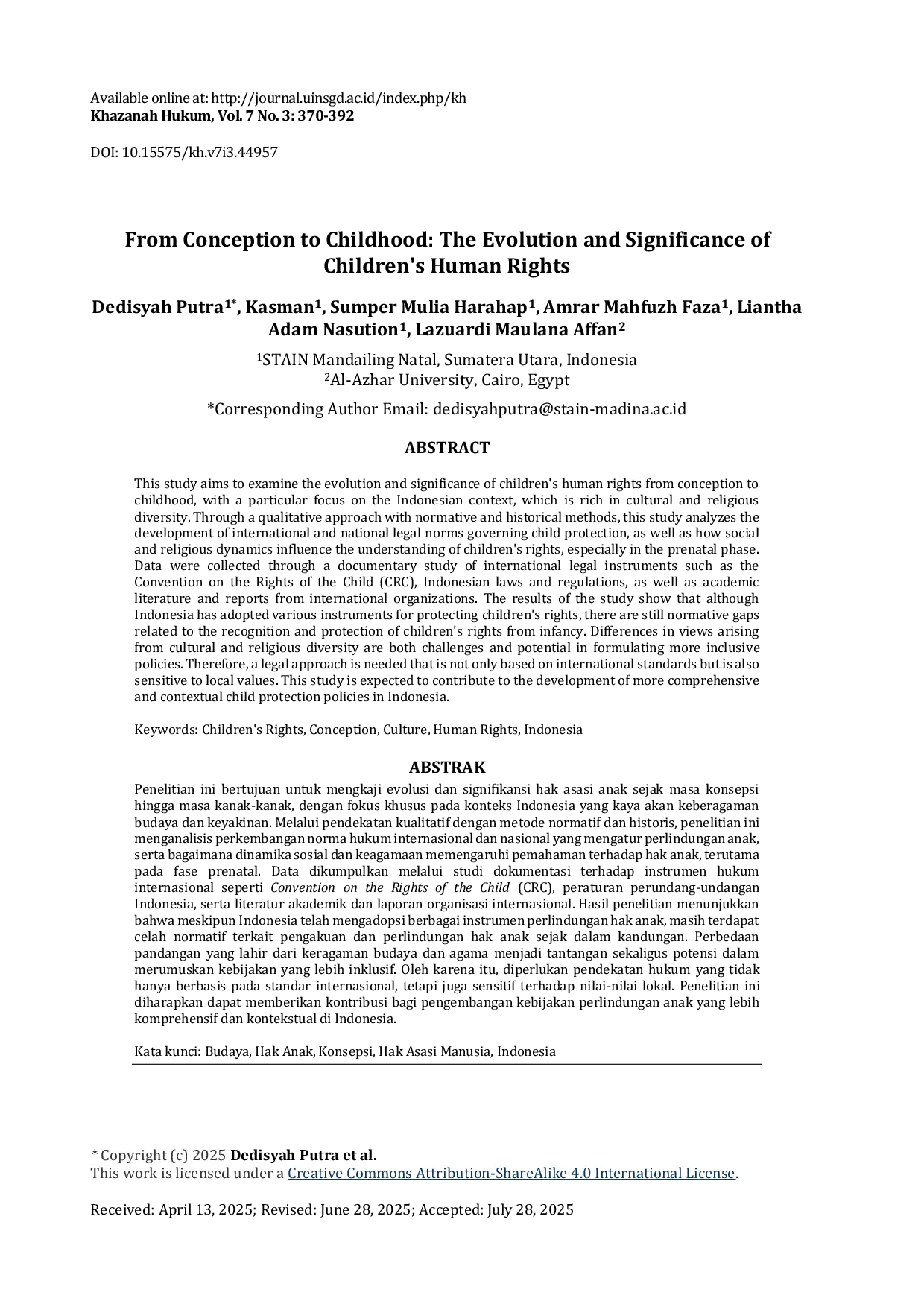
UIN SGDUIN SGD Oleh karena itu, diperlukan pendekatan hukum yang tidak hanya berbasis pada standar internasional, tetapi juga sensitif terhadap nilai-nilai lokal. PenelitianOleh karena itu, diperlukan pendekatan hukum yang tidak hanya berbasis pada standar internasional, tetapi juga sensitif terhadap nilai-nilai lokal. Penelitian
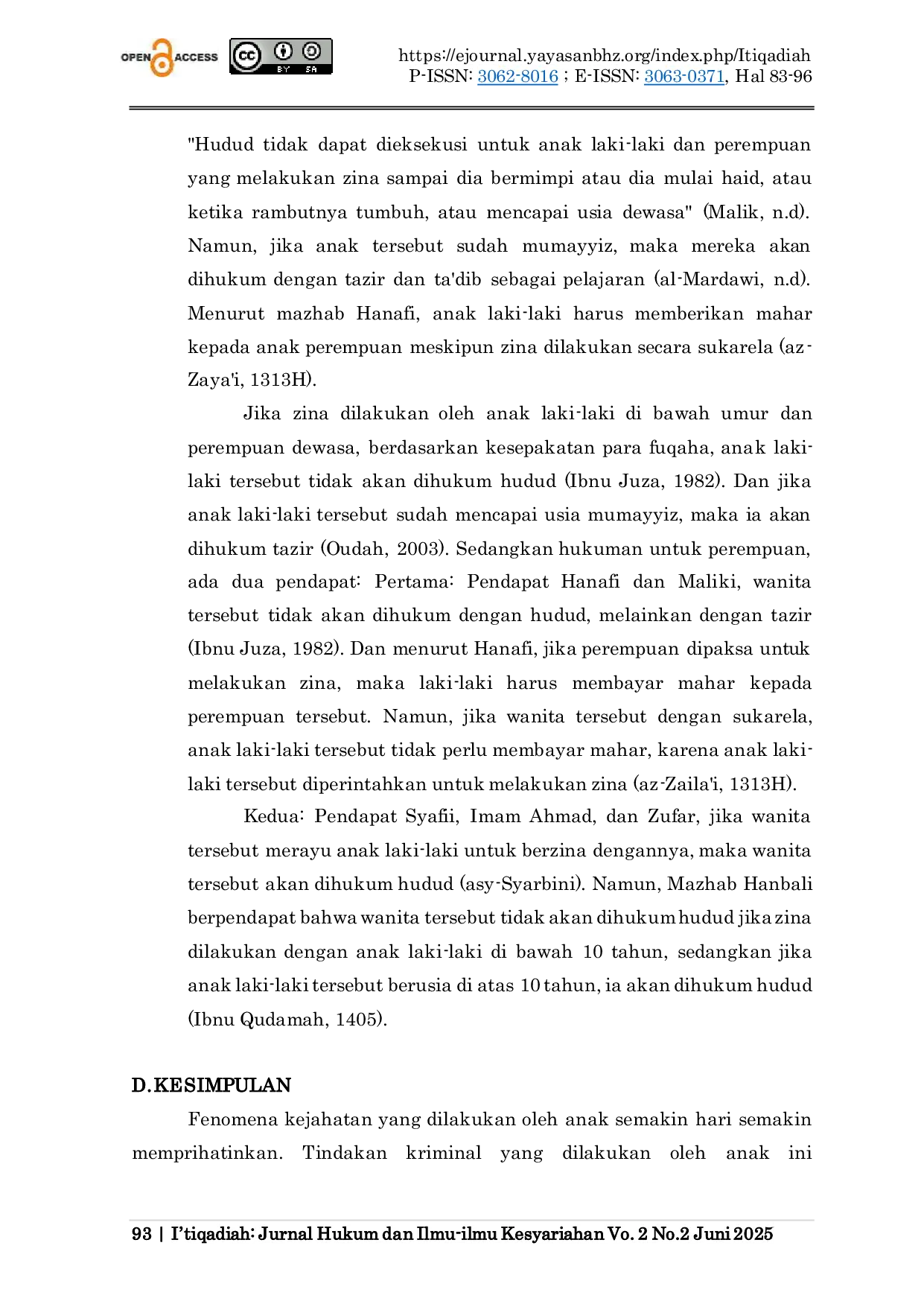
YAYASANBHZYAYASANBHZ Perbedaan fase usia anak pelaku tindak pidana akan berbeda pula hukuman yang dijatuhkan terhadap tindak pidana yang dilakukannya.mengenai tindak pidanaPerbedaan fase usia anak pelaku tindak pidana akan berbeda pula hukuman yang dijatuhkan terhadap tindak pidana yang dilakukannya.mengenai tindak pidana
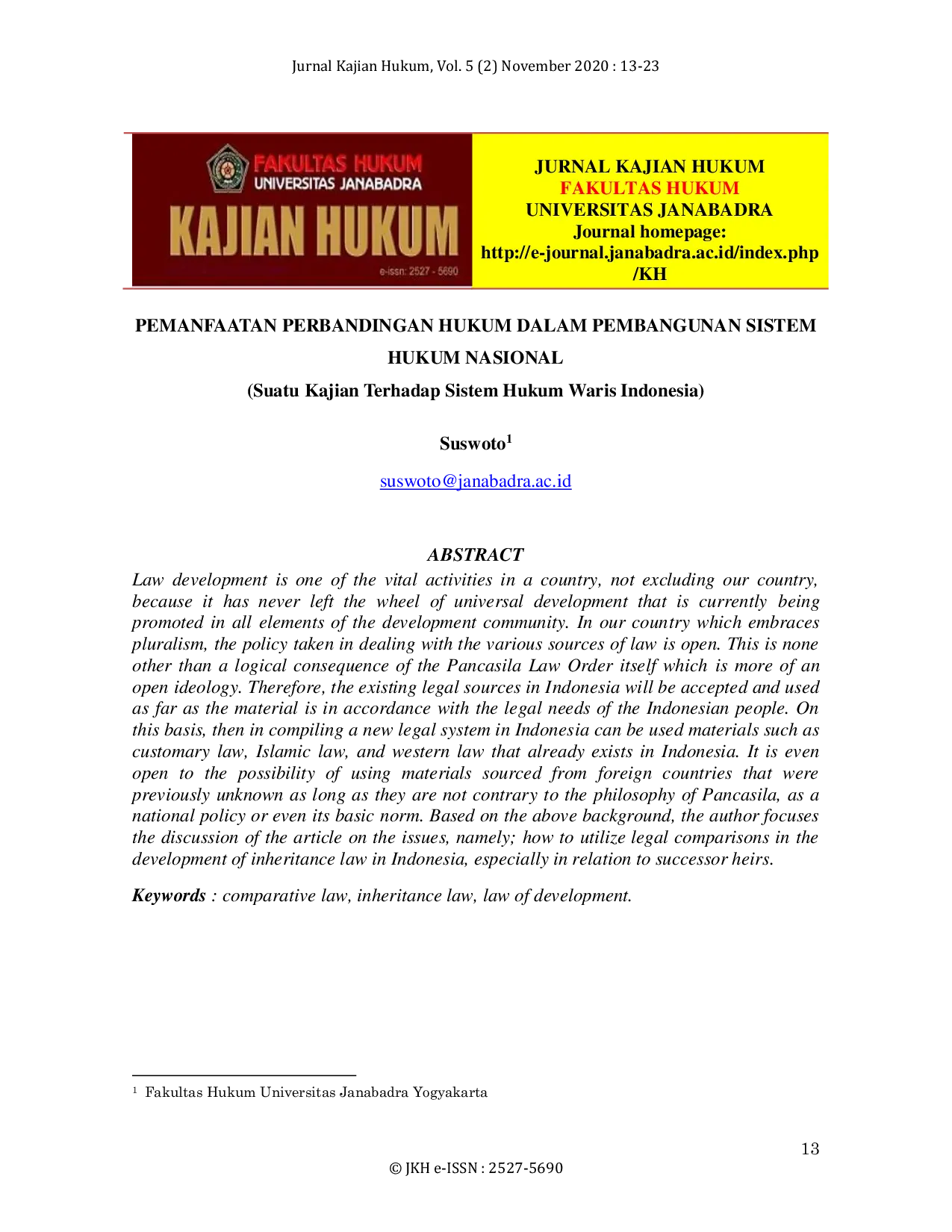
UJBUJB Dalam konteks pembangunan hukum di Indonesia maka masalah yang menonjol adalah masalah bahan atau materialnya yang akan dipergunakan dalam merumuskan hukumDalam konteks pembangunan hukum di Indonesia maka masalah yang menonjol adalah masalah bahan atau materialnya yang akan dipergunakan dalam merumuskan hukum
Useful /
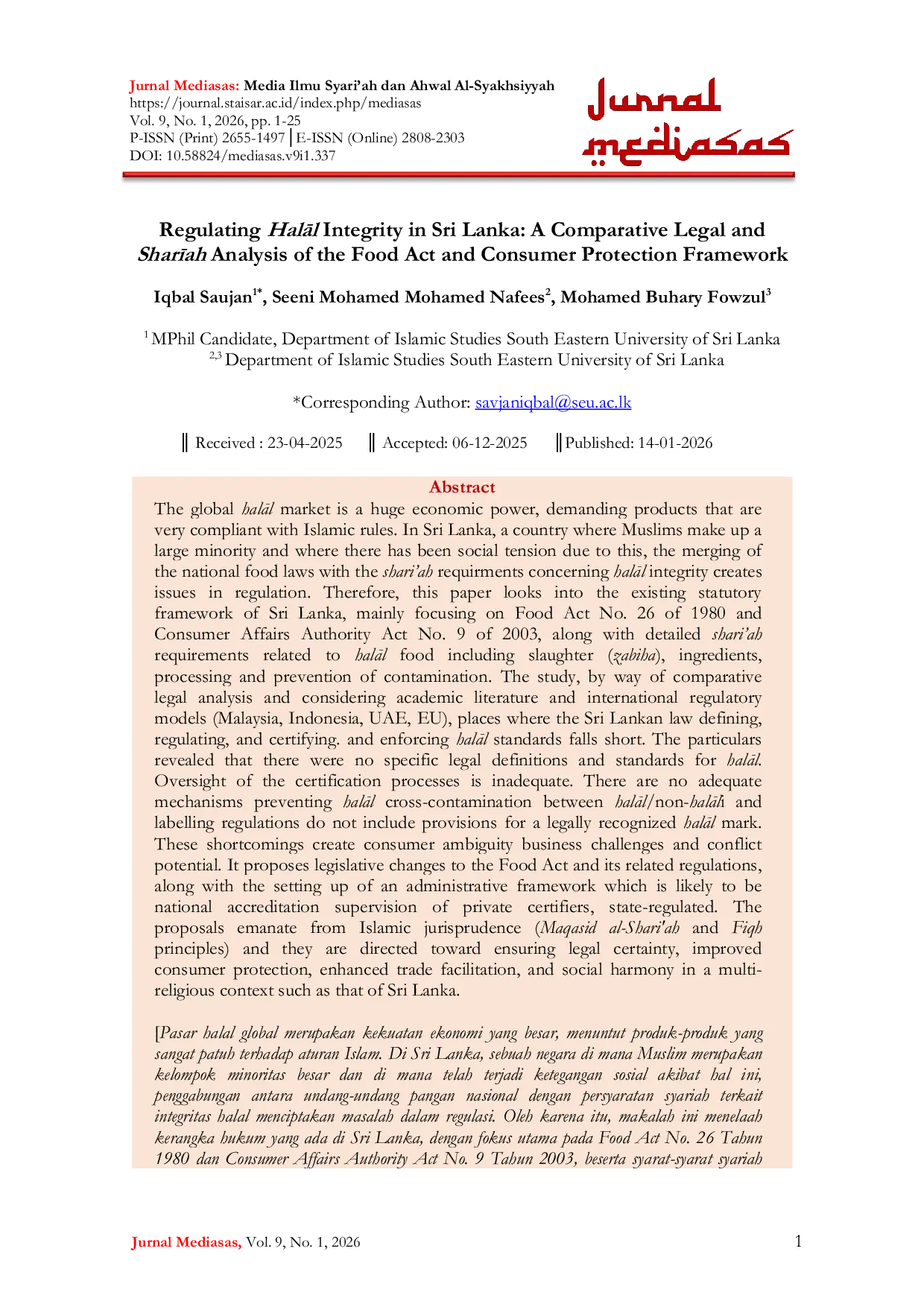
STAISARSTAISAR Akibatnya, konsumen terpapar risiko klaim halal yang tidak dapat diandalkan, pelaku bisnis menghadapi ketidakpastian hukum, dan potensi ketegangan sosialAkibatnya, konsumen terpapar risiko klaim halal yang tidak dapat diandalkan, pelaku bisnis menghadapi ketidakpastian hukum, dan potensi ketegangan sosial
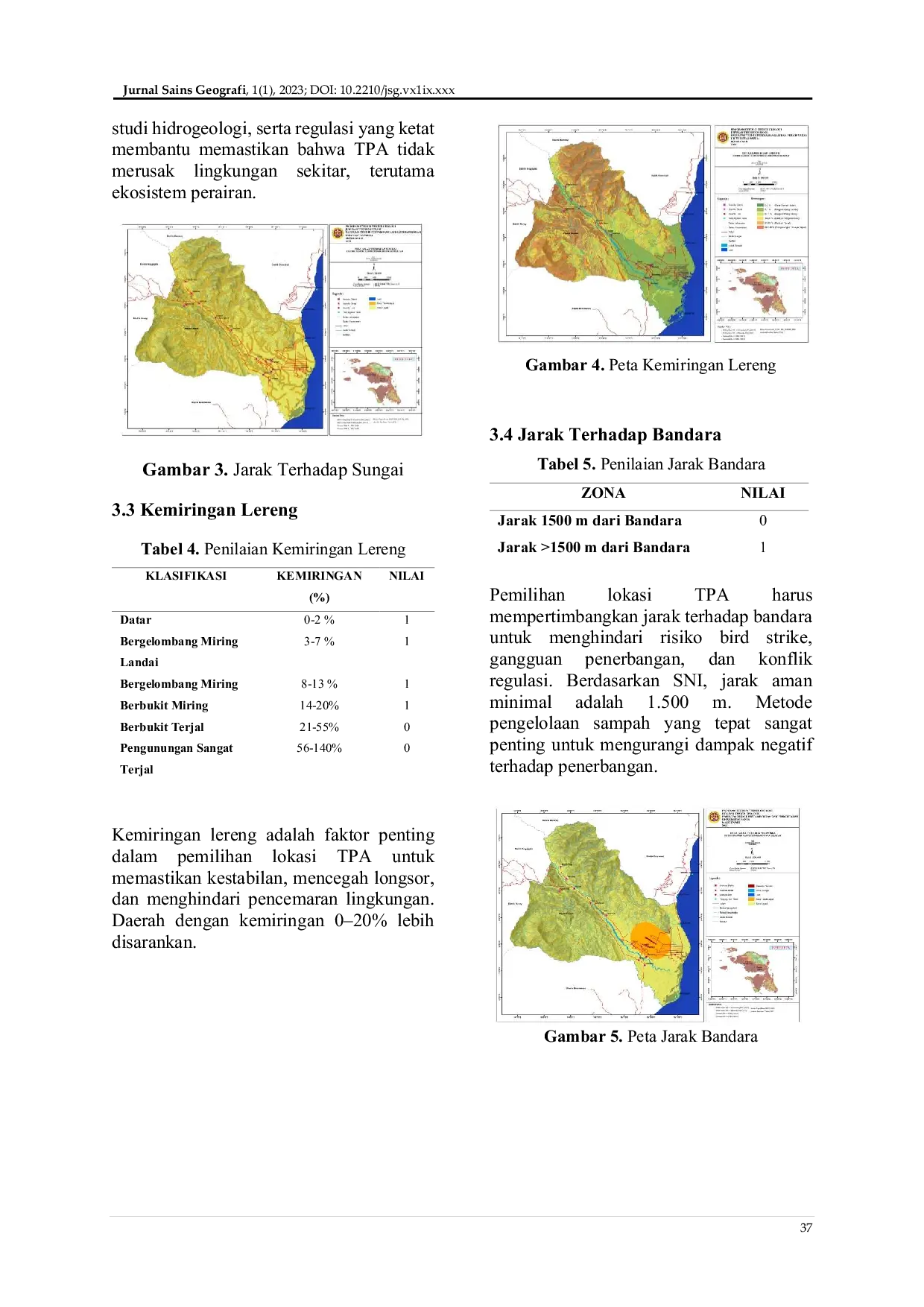
UNJUNJ Metode analisis data yang digunakan dalam penelitian ini menggunakan SNI No. 03-3241-1994. Hasil penelitian ini yaitu tahap regional yang di overlay dariMetode analisis data yang digunakan dalam penelitian ini menggunakan SNI No. 03-3241-1994. Hasil penelitian ini yaitu tahap regional yang di overlay dari
UNIBIUNIBI Hal ini dikarenakan free cash flow merupakan determinan penting dalam penentuan nilai perusahaan, sehingga manajer perusahaan lebih terfokus pada usahaHal ini dikarenakan free cash flow merupakan determinan penting dalam penentuan nilai perusahaan, sehingga manajer perusahaan lebih terfokus pada usaha
UNIBIUNIBI Pembuatan keputusan ini dapat dipengaruhi oleh berbagai faktor. Salah satu faktor yang dapat diteliti terkait ada atau tidaknya pengaruh terhadap pembuatanPembuatan keputusan ini dapat dipengaruhi oleh berbagai faktor. Salah satu faktor yang dapat diteliti terkait ada atau tidaknya pengaruh terhadap pembuatan