UGMUGM
PCD JournalPCD JournalThis article explores how certain elements of society show resistance against the process of depoliticisation that works through development. Drawing on the case of peasants in Lembor, a regency in Western Flores, East Nusa Tenggara (NTT), this article argues that, by offering a so-called alternative development, civil society actors attempt to show their resistance against the process of depoliticisation that has been implemented through the rice monoculture farming system. To this end, the theories of depoliticisation and alternative development as resistance shall be used as analytical tools. Depoliticisation is defined in the literature as the process through which the regime of mainstream development relocates politico-economic questions in dealing with the problems of peasants, in this case those in Lembor. Meanwhile, the theory of alternative development will be used to frame the form of peasants resistance in Lembor. The ultimate end of this study is to restore power to political analysis. As such, this article seeks to conflate development and democracy in discussing citizens welfare.
The article argues that, by offering an alternative model of agriculture, Apel and Liang Sola Sovereign Peasant Community have shown resistance to the process of depoliticisation that works through mainstream development.The study highlights the importance of engaging the state in the future of the peasant movement in Manggarai.It also emphasizes the need to incorporate communities alternative development into the political agenda, encouraging democratic institutions to support these initiatives.Ultimately, the research underscores the resilience of local communities in challenging dominant development paradigms and advocating for a more equitable and sustainable future.
Berdasarkan penelitian ini, terdapat beberapa saran penelitian lanjutan yang dapat dikembangkan. Pertama, penelitian lebih lanjut dapat dilakukan untuk mengeksplorasi bagaimana peran lembaga keagamaan, khususnya gereja Katolik, dapat dimanfaatkan untuk memperkuat gerakan petani dalam memperjuangkan hak-hak mereka dan menolak praktik-praktik pembangunan yang merugikan. Kedua, penelitian kualitatif mendalam dapat dilakukan untuk memahami lebih jauh bagaimana pengetahuan tradisional masyarakat Manggarai tentang pertanian berkelanjutan dapat diintegrasikan ke dalam sistem pertanian modern, sehingga dapat meningkatkan produktivitas sekaligus menjaga kelestarian lingkungan. Ketiga, penelitian komparatif dapat dilakukan untuk membandingkan strategi resistensi petani di Lembor dengan strategi serupa di daerah lain di Indonesia yang menghadapi tantangan serupa, dengan tujuan untuk mengidentifikasi praktik-praktik terbaik yang dapat direplikasi dan diadopsi secara luas.
| File size | 201.04 KB |
| Pages | 24 |
| DMCA | Report |
Related /

IAKNKUPANGIAKNKUPANG Disarankan bagi pendeta, konselor Kristen, dan pemimpin pelayanan, terutama di konteks Indonesia, untuk mengadopsi pendekatan pengajaran praktik berbasisDisarankan bagi pendeta, konselor Kristen, dan pemimpin pelayanan, terutama di konteks Indonesia, untuk mengadopsi pendekatan pengajaran praktik berbasis

STP IPISTP IPI Penelitian ini menganalisis konstruksi standar kecantikan “kulit putih di Indonesia melalui perspektif post-kolonialisme serta menelaah peluang pastoralPenelitian ini menganalisis konstruksi standar kecantikan “kulit putih di Indonesia melalui perspektif post-kolonialisme serta menelaah peluang pastoral
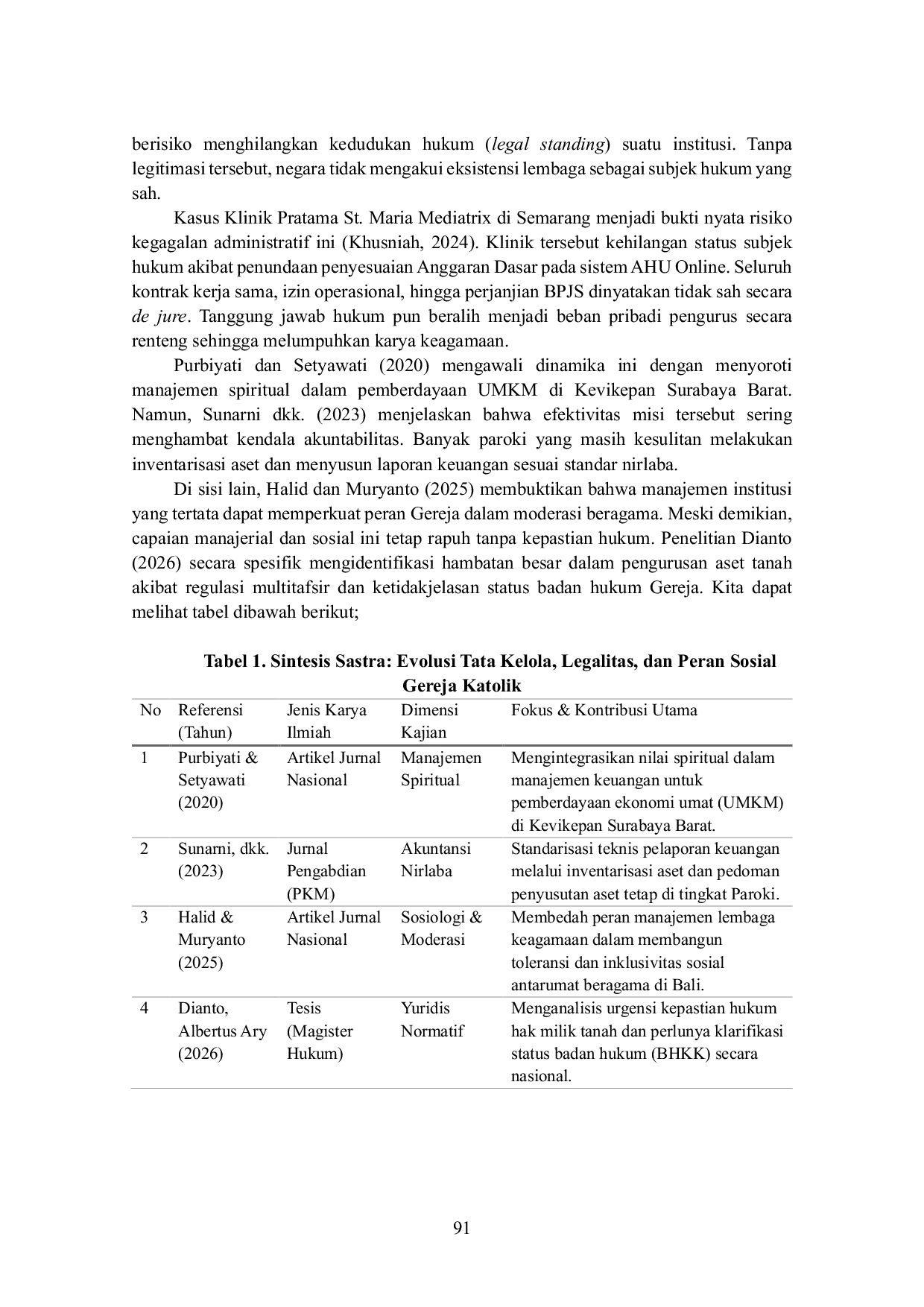
PUBLIKASIINDONESIAPUBLIKASIINDONESIA Penelitian ini dilatarbelakangi oleh kebutuhan akan kepastian hukum dan akuntabilitas dalam pengelolaan institusi Gereja Katolik di Indonesia, khususnyaPenelitian ini dilatarbelakangi oleh kebutuhan akan kepastian hukum dan akuntabilitas dalam pengelolaan institusi Gereja Katolik di Indonesia, khususnya

WIDYAYUWANAWIDYAYUWANA Para informan berpendapat bahwa iman Katolik adalah kepercayaan yang teguh kepada Allah Tritunggal (Bapa, Putra, dan Roh Kudus) yang diwujudkan dalam hubunganPara informan berpendapat bahwa iman Katolik adalah kepercayaan yang teguh kepada Allah Tritunggal (Bapa, Putra, dan Roh Kudus) yang diwujudkan dalam hubungan

TEKNOKRATTEKNOKRAT Hasil ini menekankan nilai intervensi pendidikan yang ditargetkan dalam meningkatkan literasi AI di antara siswa. Penelitian ini menyoroti pentingnya programHasil ini menekankan nilai intervensi pendidikan yang ditargetkan dalam meningkatkan literasi AI di antara siswa. Penelitian ini menyoroti pentingnya program
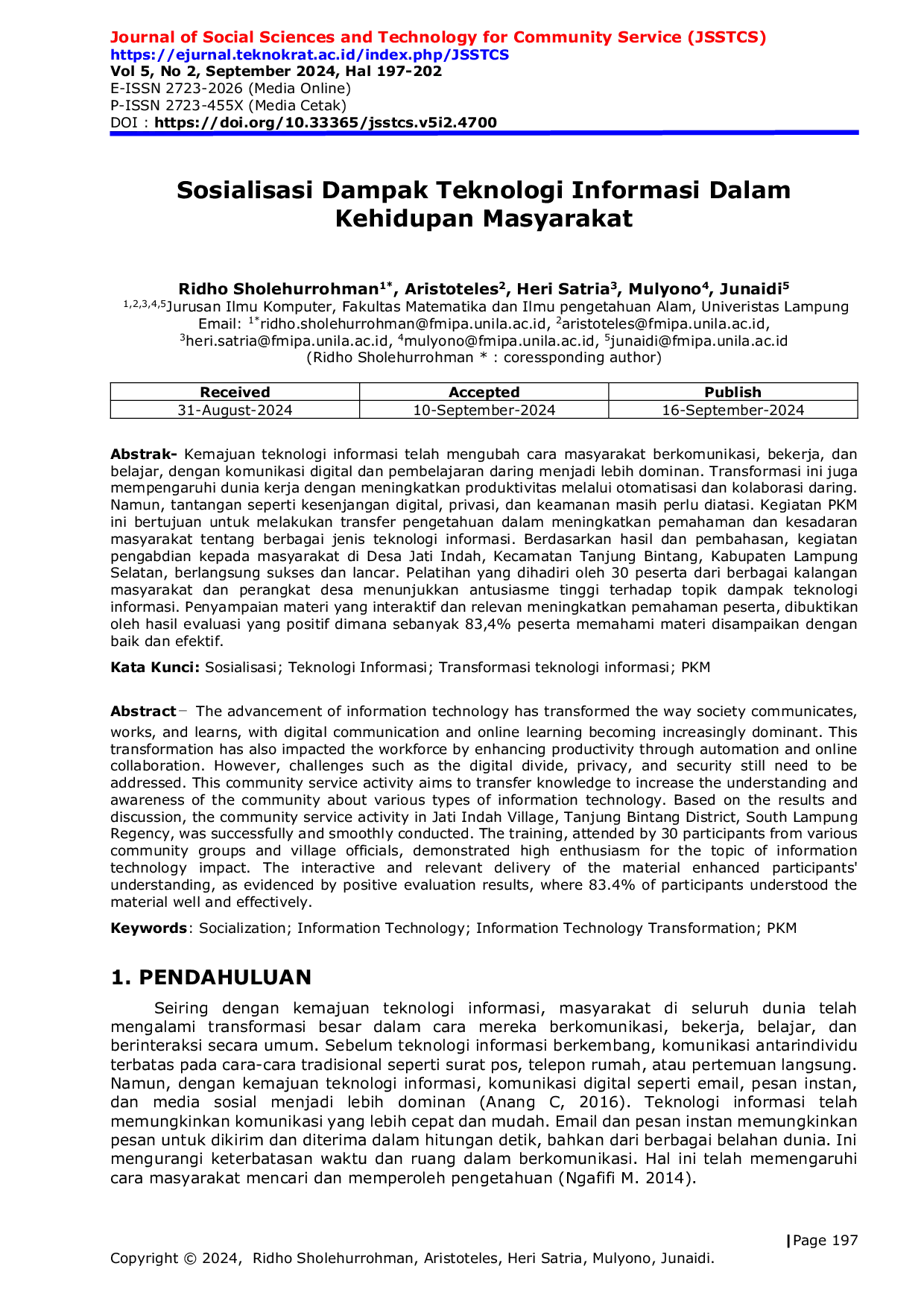
TEKNOKRATTEKNOKRAT Kegiatan PKM ini bertujuan untuk melakukan transfer pengetahuan dalam meningkatkan pemahaman dan kesadaran masyarakat tentang berbagai jenis teknologiKegiatan PKM ini bertujuan untuk melakukan transfer pengetahuan dalam meningkatkan pemahaman dan kesadaran masyarakat tentang berbagai jenis teknologi

STAKATNPONTIANAKSTAKATNPONTIANAK Untuk mengetahui berbagai faktor penyebab, perlu dilakukan penelitian. Tujuan penelitian untuk memahami akar masalah munculnya sikap-sikap ekstrim dalamUntuk mengetahui berbagai faktor penyebab, perlu dilakukan penelitian. Tujuan penelitian untuk memahami akar masalah munculnya sikap-sikap ekstrim dalam
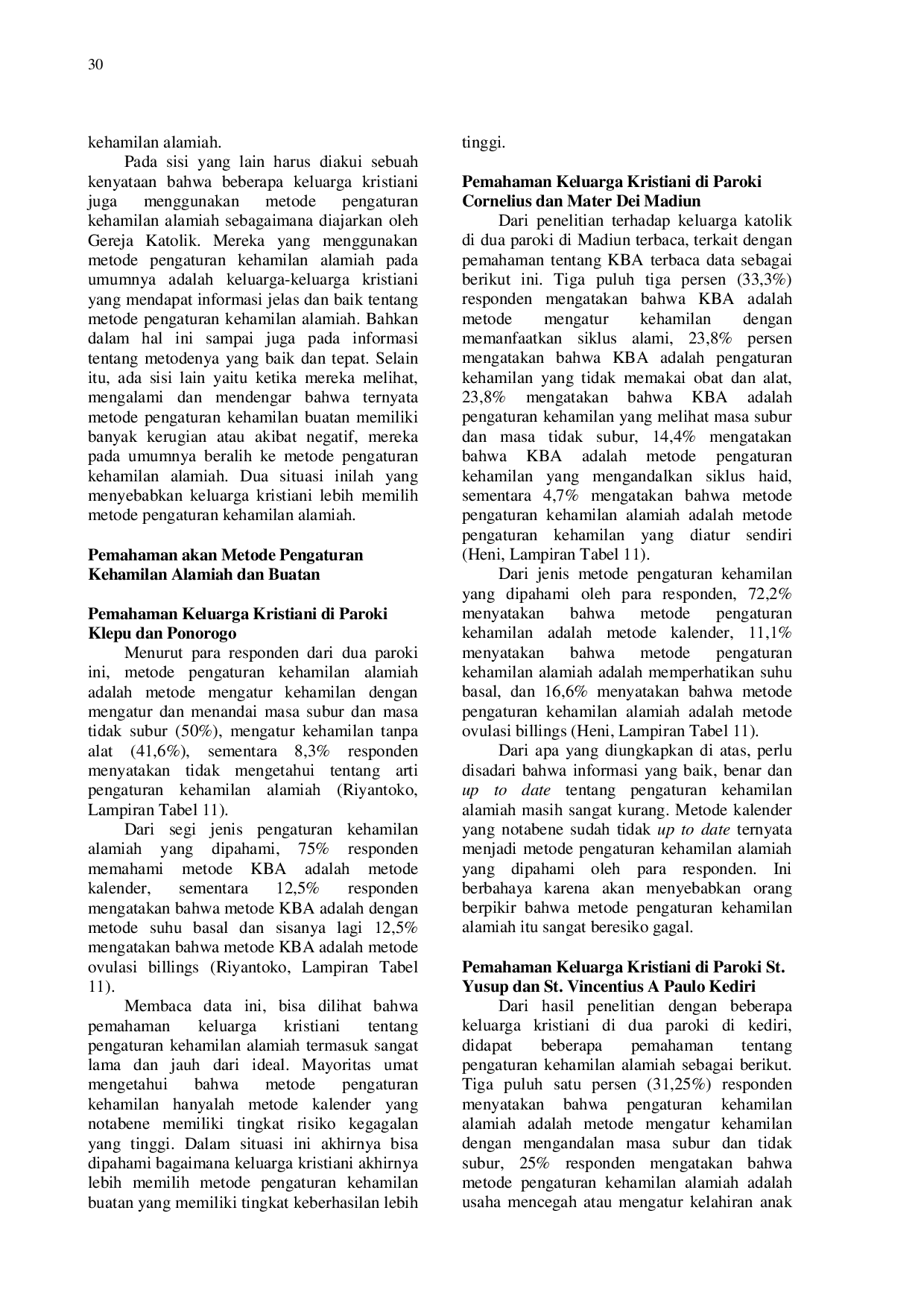
WIDYAYUWANAWIDYAYUWANA Hal ini terjadi karena mereka hanya memiliki pemahaman yang sedikit dan terbatas mengenai pengaturan kehamilan alami. Namun, pemahaman yang lengkap mengenaiHal ini terjadi karena mereka hanya memiliki pemahaman yang sedikit dan terbatas mengenai pengaturan kehamilan alami. Namun, pemahaman yang lengkap mengenai
Useful /
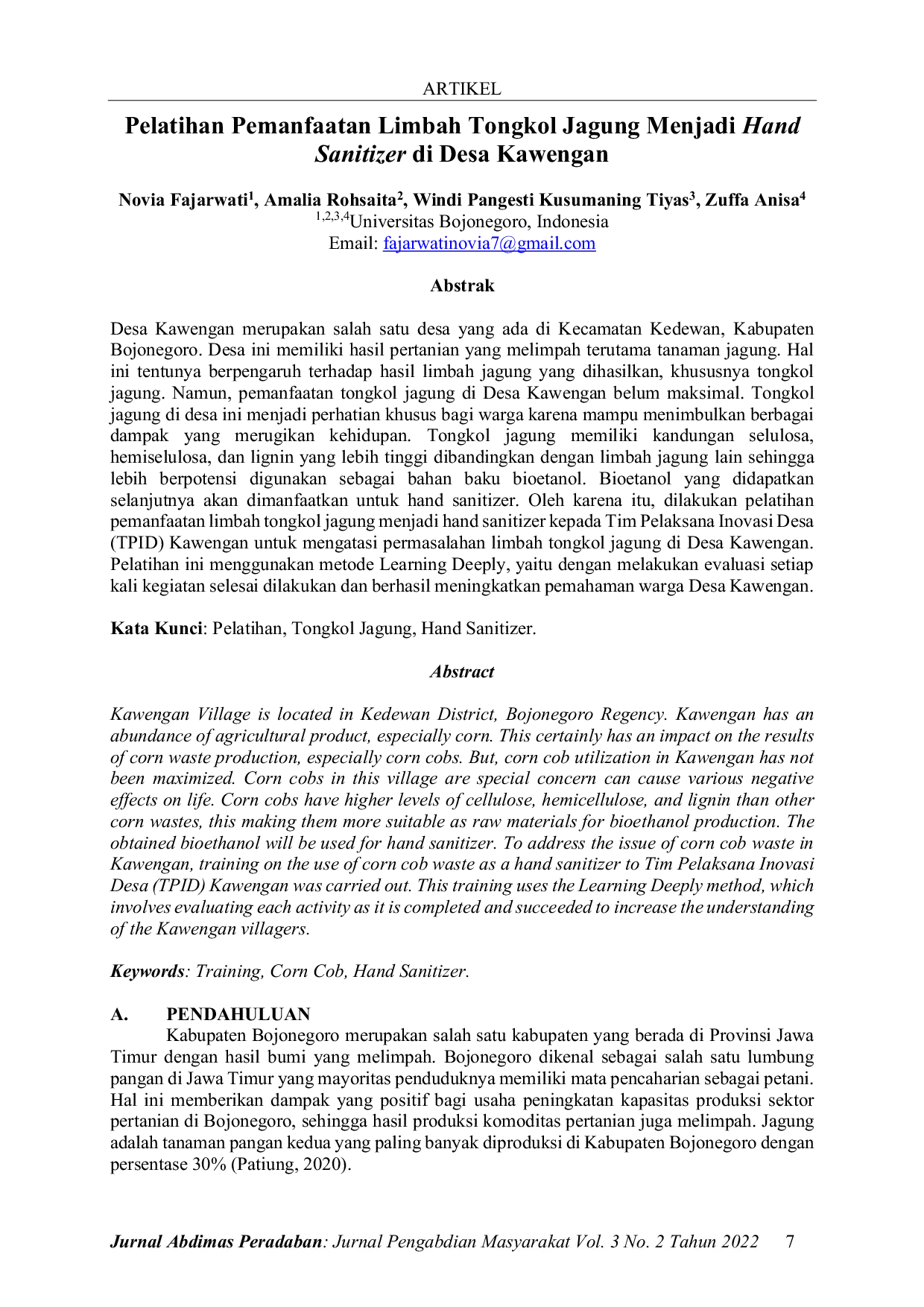
ABDIMASABDIMAS Bioetanol yang didapatkan selanjutnya akan dimanfaatkan untuk hand sanitizer. Oleh karena itu, dilakukan pelatihan pemanfaatan limbah tongkol jagung menjadiBioetanol yang didapatkan selanjutnya akan dimanfaatkan untuk hand sanitizer. Oleh karena itu, dilakukan pelatihan pemanfaatan limbah tongkol jagung menjadi

APMDAPMD Penelitian ini berfokus pada penggunaan Thinking Ahead dalam tata kelola yang dinamis. Implementasi Gerakan Sumsel Mandiri Pangan (GSMP) merupakan programPenelitian ini berfokus pada penggunaan Thinking Ahead dalam tata kelola yang dinamis. Implementasi Gerakan Sumsel Mandiri Pangan (GSMP) merupakan program

PUBLIKASIINDONESIAPUBLIKASIINDONESIA Paparan berulang meningkatkan risiko efek jangka pendek seperti iritasi kulit kepala dan pernapasan, serta efek jangka panjang seperti sensitisasi kronis,Paparan berulang meningkatkan risiko efek jangka pendek seperti iritasi kulit kepala dan pernapasan, serta efek jangka panjang seperti sensitisasi kronis,
STAKATNPONTIANAKSTAKATNPONTIANAK Doa merupakan hal yang sangat penting dalam hidup sebagai orang yang beriman kepada Tuhan. Melalui tulisan dengan judul “doa sebagai budaya hidup danDoa merupakan hal yang sangat penting dalam hidup sebagai orang yang beriman kepada Tuhan. Melalui tulisan dengan judul “doa sebagai budaya hidup dan