UMUM
Jurnal Ilmu PendidikanJurnal Ilmu PendidikanIn the context of globalisation, it is crucial to cultivate a sense of nationalism and historical awareness among learners. The inculcation of nationalistic values can serve as a means of fostering a national character that aligns with the nations identity. Character education represents an initiative undertaken by educational institutions to influence, direct, and guide the conduct of students in alignment with the values espoused by specific norms to mitigate the adverse effects of the globalising era. One of the adverse effects is that the younger generations interest in their own culture has begun to wane, leading to a shift in values in both personal and social life. It can be reasonably argued that historical education has a significant, positive influence on students attitudes toward nationalism. Indeed, it could be proposed that the attitude of nationalism can be explained and influenced by history education, given that history learning provides material about the values of nationalism so that students can understand these values. This evidence suggests that history education plays an important role in shaping the attitude of nationalism among students.
The study underscores the pivotal role of Pancasila in shaping the moral and ethical foundations of Indonesian society.In the face of contemporary challenges such as misinformation and social division, upholding Pancasilas ideals is crucial for national unity.Effective implementation requires a holistic integration of Pancasila into the curriculum, contextualized learning, and the utilization of technology to engage the younger generation.
Further research should investigate the effectiveness of various pedagogical approaches in instilling Pancasila values in early childhood education, moving beyond traditional methods to explore innovative techniques like gamification and interactive storytelling. Additionally, studies are needed to assess the impact of parental involvement and community engagement on the internalization of national values among young learners, recognizing that education extends beyond the classroom. Finally, research should explore the potential of utilizing digital platforms and social media to promote national values and counter the spread of misinformation, while also addressing the ethical considerations associated with online learning and digital citizenship. These investigations should aim to provide practical recommendations for policymakers and educators to strengthen national identity and character development among the younger generation, ensuring they are well-equipped to navigate the complexities of the modern world and contribute to a harmonious and prosperous Indonesia.
- Login | Jurnal Kewarganegaraan. jurnal required fields marked asterisk jl pgri sonosewu yogyakarta upy... journal.upy.ac.id/index.php/pkn/article/view/1446Login Jurnal Kewarganegaraan jurnal required fields marked asterisk jl pgri sonosewu yogyakarta upy journal upy ac index php pkn article view 1446
- Strategi Pendidikan Pancasila dalam Membentuk Nilai-Nilai Kebangsaan pada Anak Usia Dini | AL-MIKRAJ... doi.org/10.37680/almikraj.v4i1.3007Strategi Pendidikan Pancasila dalam Membentuk Nilai Nilai Kebangsaan pada Anak Usia Dini AL MIKRAJ doi 10 37680 almikraj v4i1 3007
- History Education and the Young Generation: Exploring National Values in the Indonesian Education Curriculum... doi.org/10.17977/um048v30i2p184-192History Education and the Young Generation Exploring National Values in the Indonesian Education Curriculum doi 10 17977 um048v30i2p184 192
| File size | 287.65 KB |
| Pages | 9 |
| DMCA | Report |
Related /
RCSDEVELOPMENTRCSDEVELOPMENT Hasil kegiatan menunjukkan peningkatan signifikan pada frekuensi kunjungan ke pojok baca, durasi membaca, keterlibatan anak dalam mendongeng, kemampuanHasil kegiatan menunjukkan peningkatan signifikan pada frekuensi kunjungan ke pojok baca, durasi membaca, keterlibatan anak dalam mendongeng, kemampuan

UIT LIRBOYOUIT LIRBOYO Pembentukan karakter masyarakat khususnya anak usia sekolah harus terus diupayakan. Lebih utama lagi pembentukan karakter religious, karena dengan karakterPembentukan karakter masyarakat khususnya anak usia sekolah harus terus diupayakan. Lebih utama lagi pembentukan karakter religious, karena dengan karakter

YCNYCN Selain berfungsi sebagai sarana hiburan, permainan tradisional ini secara efektif menstimulasi berbagai dimensi kognitif, mulai dari kemampuan numerasiSelain berfungsi sebagai sarana hiburan, permainan tradisional ini secara efektif menstimulasi berbagai dimensi kognitif, mulai dari kemampuan numerasi

OPENCOMSERVOPENCOMSERV Namun demikian, pemanfaatan lingkungan alam sebagai sumber pembelajaran yang bersifat kontekstual, terutama penggunaan tanaman obat lokal, masih belumNamun demikian, pemanfaatan lingkungan alam sebagai sumber pembelajaran yang bersifat kontekstual, terutama penggunaan tanaman obat lokal, masih belum

STISNQSTISNQ Analisis data yang digunakan adalah analisis data Miles and Huberman. Berdasarkan penelitian yang telah dilakukan, dapat disimpulkan bahwa peran komunikasiAnalisis data yang digunakan adalah analisis data Miles and Huberman. Berdasarkan penelitian yang telah dilakukan, dapat disimpulkan bahwa peran komunikasi
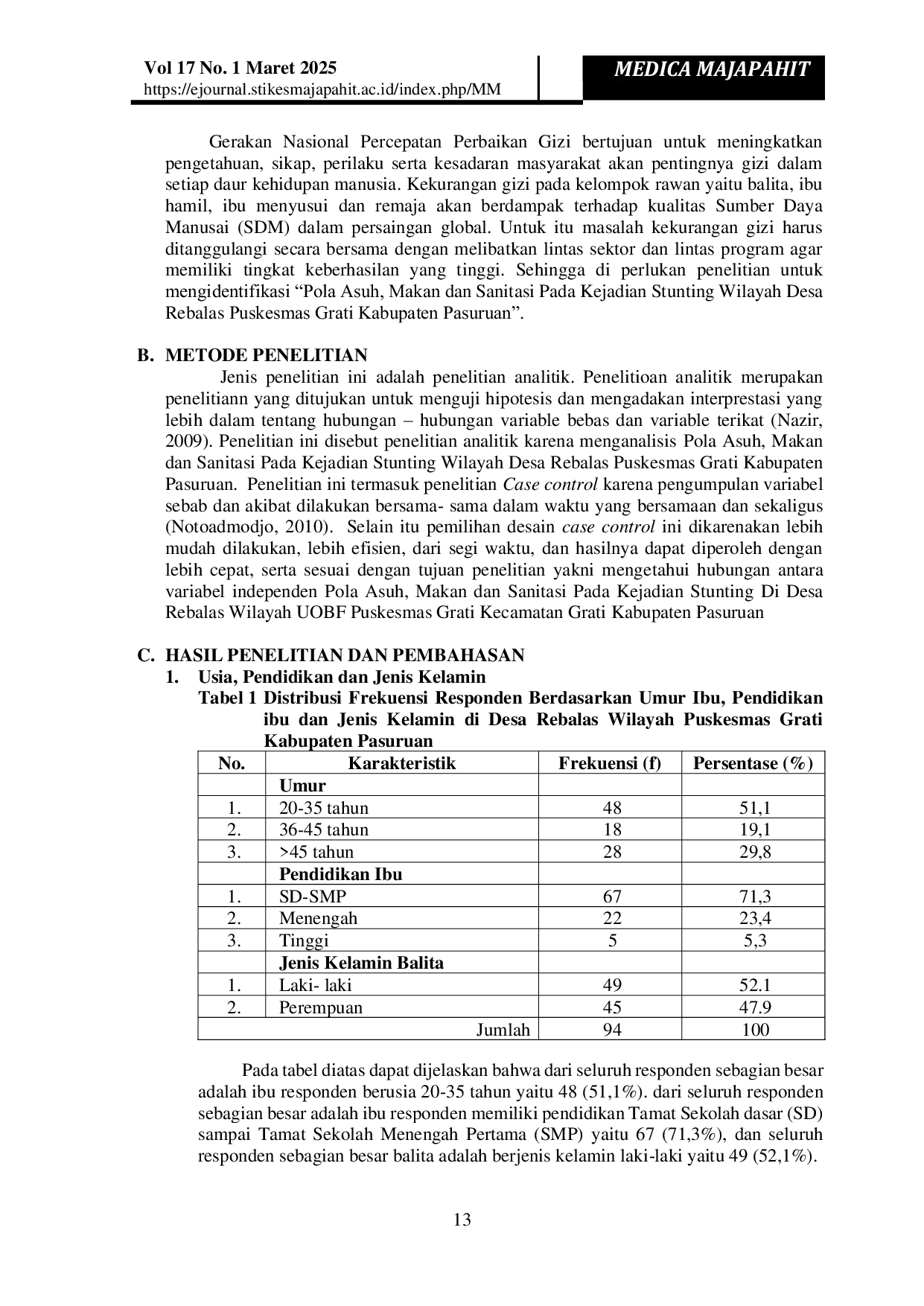
STIKES MAJAPAHITSTIKES MAJAPAHIT Penelitian ini bertujuan untuk menentukan pengaruh pola asuh, pola makan, dan pola sanitasi terhadap kejadian stunting di Desa Rebalas, wilayah PuskesmasPenelitian ini bertujuan untuk menentukan pengaruh pola asuh, pola makan, dan pola sanitasi terhadap kejadian stunting di Desa Rebalas, wilayah Puskesmas
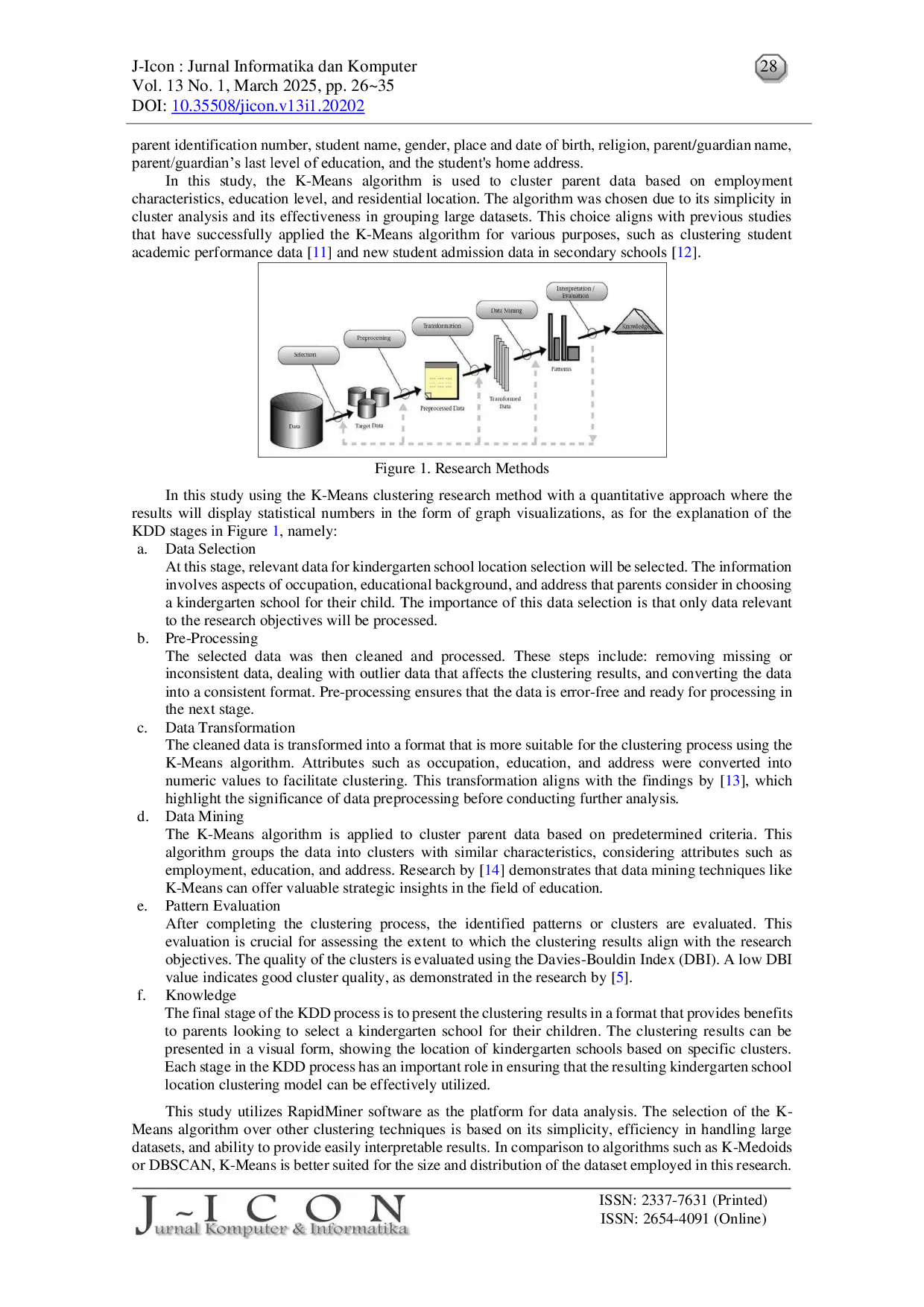
UNDANAUNDANA Berdasarkan hasil penelitian tentang penerapan algoritma K-Means dalam mengelompokkan data orang tua dalam memilih sekolah taman kanak-kanak, dapat disimpulkanBerdasarkan hasil penelitian tentang penerapan algoritma K-Means dalam mengelompokkan data orang tua dalam memilih sekolah taman kanak-kanak, dapat disimpulkan
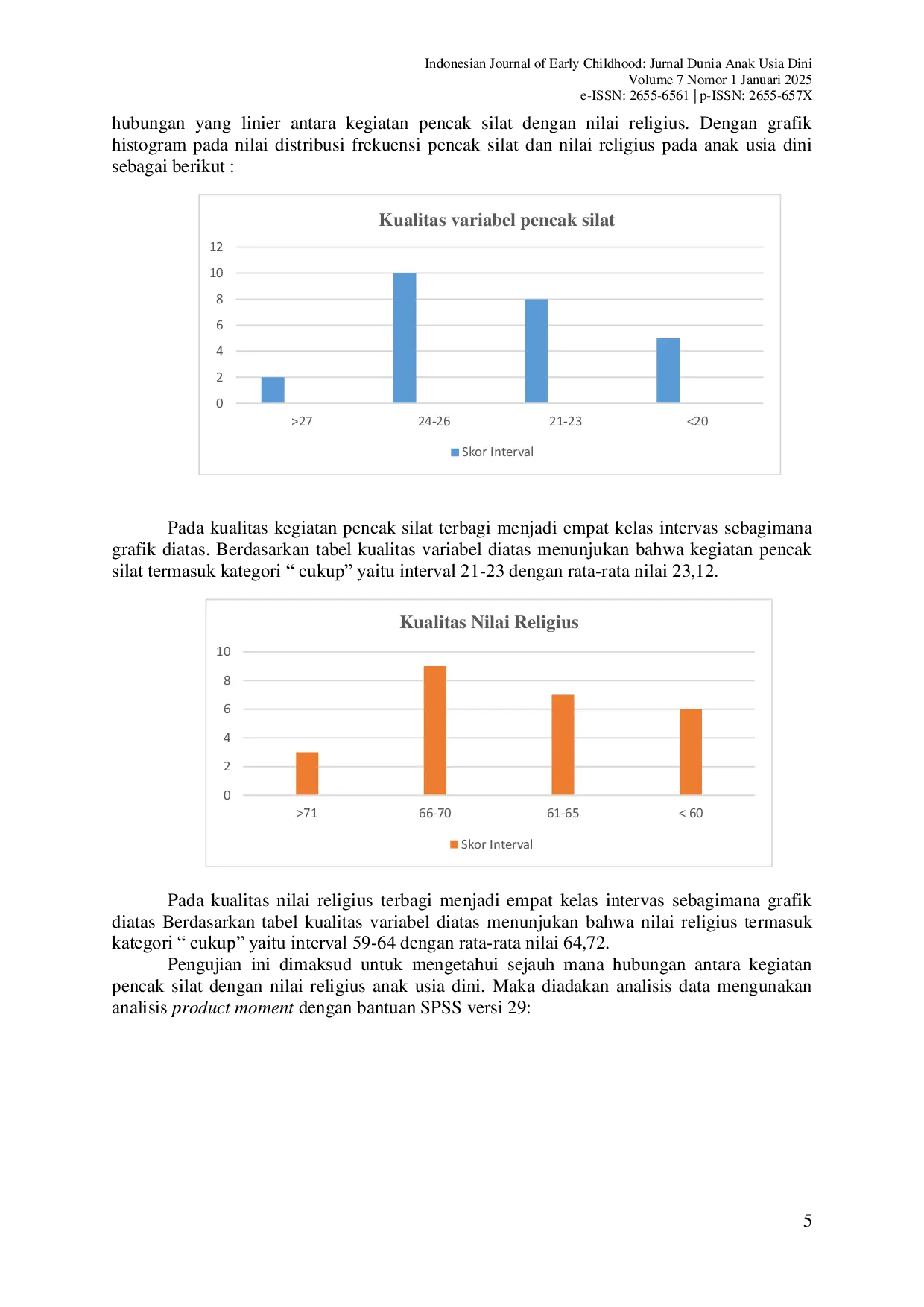
UNWUNW Teknik pengumpulan data yang digunakan berupa angket. Uji validasi menggunakan correlation hasil data yang menunjukan nilai valid > 0, 632. Uji reliabilitasTeknik pengumpulan data yang digunakan berupa angket. Uji validasi menggunakan correlation hasil data yang menunjukan nilai valid > 0, 632. Uji reliabilitas
Useful /

MEDIKASUHERMANMEDIKASUHERMAN Rumah sakit perlu meningkatkan kemampuan pada kelima dimensi untuk menciptakan loyalitas pasien. Penelitian menunjukkan adanya hubungan signifikan antaraRumah sakit perlu meningkatkan kemampuan pada kelima dimensi untuk menciptakan loyalitas pasien. Penelitian menunjukkan adanya hubungan signifikan antara

MEDIKASUHERMANMEDIKASUHERMAN Kesiapsiagaan adalah serangkaian kegiatan yang dilakukan untuk mengantisipasi bencana. Kondisi bencana tidak dapat diprediksi dengan mudah maka tanggapKesiapsiagaan adalah serangkaian kegiatan yang dilakukan untuk mengantisipasi bencana. Kondisi bencana tidak dapat diprediksi dengan mudah maka tanggap

STIKES MAJAPAHITSTIKES MAJAPAHIT Penelitian ini bertujuan untuk menentukan hubungan antara pemberian ASI eksklusif dengan kejadian stunting pada balita berusia 24-59 bulan di Desa Mingir.Penelitian ini bertujuan untuk menentukan hubungan antara pemberian ASI eksklusif dengan kejadian stunting pada balita berusia 24-59 bulan di Desa Mingir.

STIKES MAJAPAHITSTIKES MAJAPAHIT Gout arthritis merupakan penyakit radang sendi yang disebabkan oleh täze kadar asam urat tinggi dalam darah, ditandai dengan akumulasi kristal mono-sodiumGout arthritis merupakan penyakit radang sendi yang disebabkan oleh täze kadar asam urat tinggi dalam darah, ditandai dengan akumulasi kristal mono-sodium