POLTEKKES JAKARTA 3POLTEKKES JAKARTA 3
JKEPJKEPDischarge planning is a dynamic and systematic process of assessment, preparation, and coordination aimed at facilitating the supervision of health and social services before and after hospital discharge. This study aims to determine the effectiveness of discharge planning implementation on family knowledge in caring for patients with Coronary Heart Disease (CHD). A quasi-experimental design with a one-group pretest-posttest approach was used. The sample consisted of 27 respondents selected through accidental sampling based on inclusion criteria. The intervention involved providing educational material using a leaflet on family knowledge in caring for CHD patients. Knowledge was measured using a 25-item questionnaire. The results showed that most respondents were aged 45–54 years (48.1%), female (59.3%), had a high school education (59.3%), and had cared for CHD patients for less than one year (55.5%). In the bivariate analysis, the pretest scores indicated that 73.4% had moderate knowledge, while posttest scores revealed that 96.74% had good knowledge. These findings demonstrate that discharge planning significantly improves family knowledge in caring for CHD patients, which may help reduce recurrence and hospital readmission rates.
The findings of this study indicate that discharge planning has a significant positive impact on improving family members knowledge and readiness in caring for patients with Coronary Heart Disease (CHD).Structured discharge planning provided during hospitalization equips families not only with knowledge but also with the confidence and skills necessary to carry out proper care at home.Prior to the intervention, the familys understanding was adequate.after the intervention, it improved to a good level.
Berdasarkan latar belakang, metode, hasil, keterbatasan, dan juga bagian saran penelitian lanjutan, berikut adalah saran penelitian lanjutan yang baru:. . Penelitian selanjutnya dapat menginvestigasi efektivitas berbagai metode penyampaian edukasi discharge planning, seperti penggunaan media interaktif atau kelompok dukungan sebaya, untuk melihat apakah pendekatan yang berbeda dapat meningkatkan pemahaman dan kepatuhan keluarga dalam merawat pasien CHD di rumah. Selain itu, penelitian dapat mengeksplorasi faktor-faktor sosial ekonomi dan budaya yang mempengaruhi kemampuan keluarga dalam menerapkan prinsip-prinsip discharge planning, sehingga intervensi dapat disesuaikan dengan kebutuhan spesifik setiap keluarga. Terakhir, penelitian longitudinal dapat dilakukan untuk mengevaluasi dampak jangka panjang dari discharge planning terhadap kualitas hidup pasien CHD dan penurunan tingkat readmisi ke rumah sakit, dengan mempertimbangkan peran dukungan sosial dan akses ke layanan kesehatan lanjutan.
| File size | 383.88 KB |
| Pages | 7 |
| DMCA | Report |
Related /

UMPOUMPO Based on the explanation above, it can be concluded that studies related to Nyai Khairiyah Hasyims contribution to gender equality in the field of educationBased on the explanation above, it can be concluded that studies related to Nyai Khairiyah Hasyims contribution to gender equality in the field of education

UMPOUMPO Kelebihan model ini meliputi peningkatan keterampilan membaca, pengawasan langsung, dan pemahaman makna, namun kekurangannya adalah adanya tekanan padaKelebihan model ini meliputi peningkatan keterampilan membaca, pengawasan langsung, dan pemahaman makna, namun kekurangannya adalah adanya tekanan pada

UMPOUMPO Keberhasilan program tergantung pada adanya program khusus, kolaborasi institusi, evaluasi efektivitas program, dan partisipasi orang tua. ImplementasiKeberhasilan program tergantung pada adanya program khusus, kolaborasi institusi, evaluasi efektivitas program, dan partisipasi orang tua. Implementasi

UMPOUMPO Teknik analisis data menggunakan model Moleong. Berdasarkan hasil analisis, indikator yang dapat digunakan untuk mengukur indeks kesalehan sosial adalahTeknik analisis data menggunakan model Moleong. Berdasarkan hasil analisis, indikator yang dapat digunakan untuk mengukur indeks kesalehan sosial adalah

UMPOUMPO Sedangkan teknik pengumpulan datanya menggunakan teknik observasi, wawancara dan dokumentasi. Analisis data dalam penelitian ini menggunakan teknik reduksiSedangkan teknik pengumpulan datanya menggunakan teknik observasi, wawancara dan dokumentasi. Analisis data dalam penelitian ini menggunakan teknik reduksi
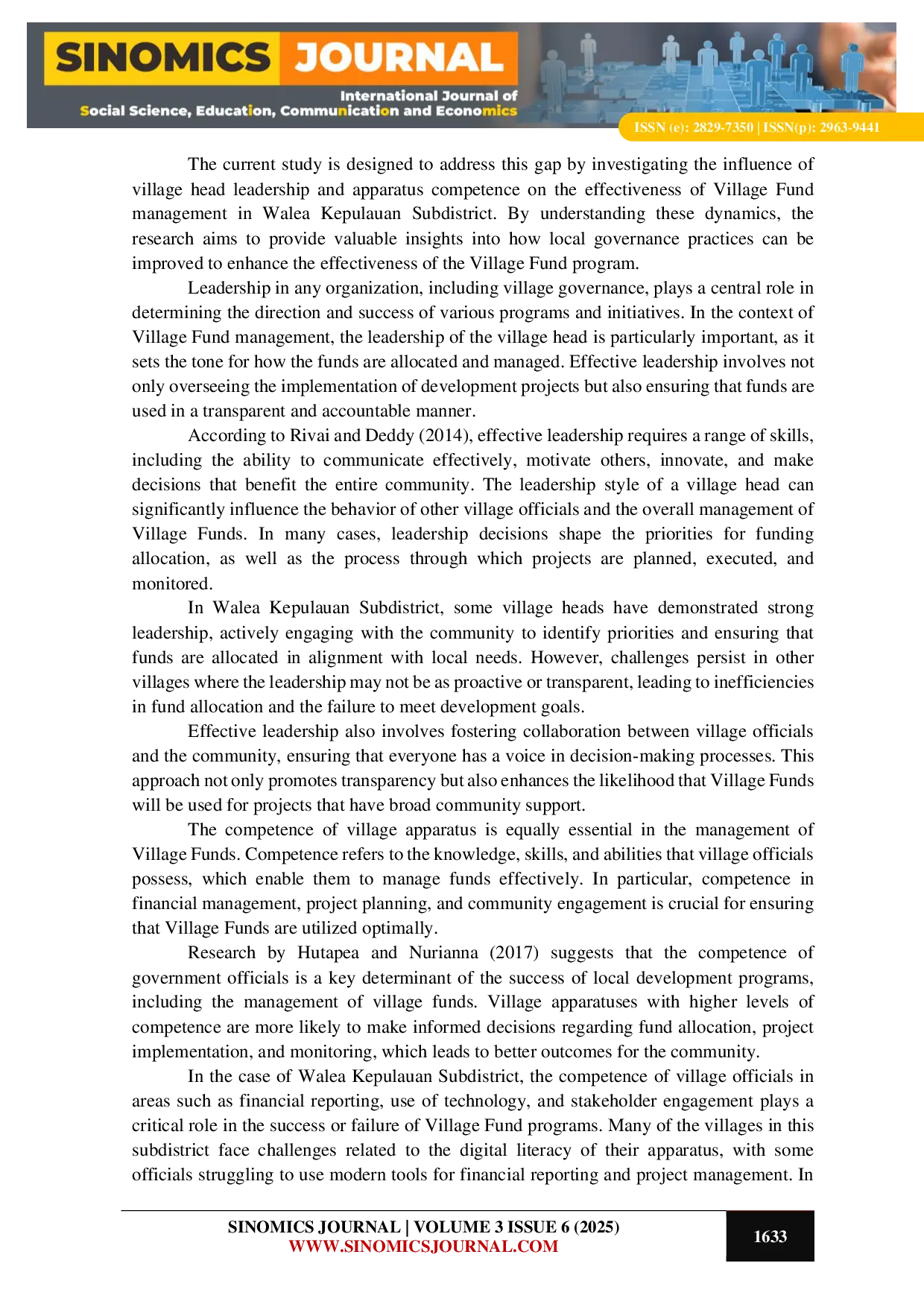
SINOMICSJOURNALSINOMICSJOURNAL Penelitian ini bertujuan untuk menginvestigasi pengaruh kepemimpinan dan kompetensi terhadap efektivitas pengelolaan dana desa di Kecamatan Walea Kepulauan,Penelitian ini bertujuan untuk menginvestigasi pengaruh kepemimpinan dan kompetensi terhadap efektivitas pengelolaan dana desa di Kecamatan Walea Kepulauan,
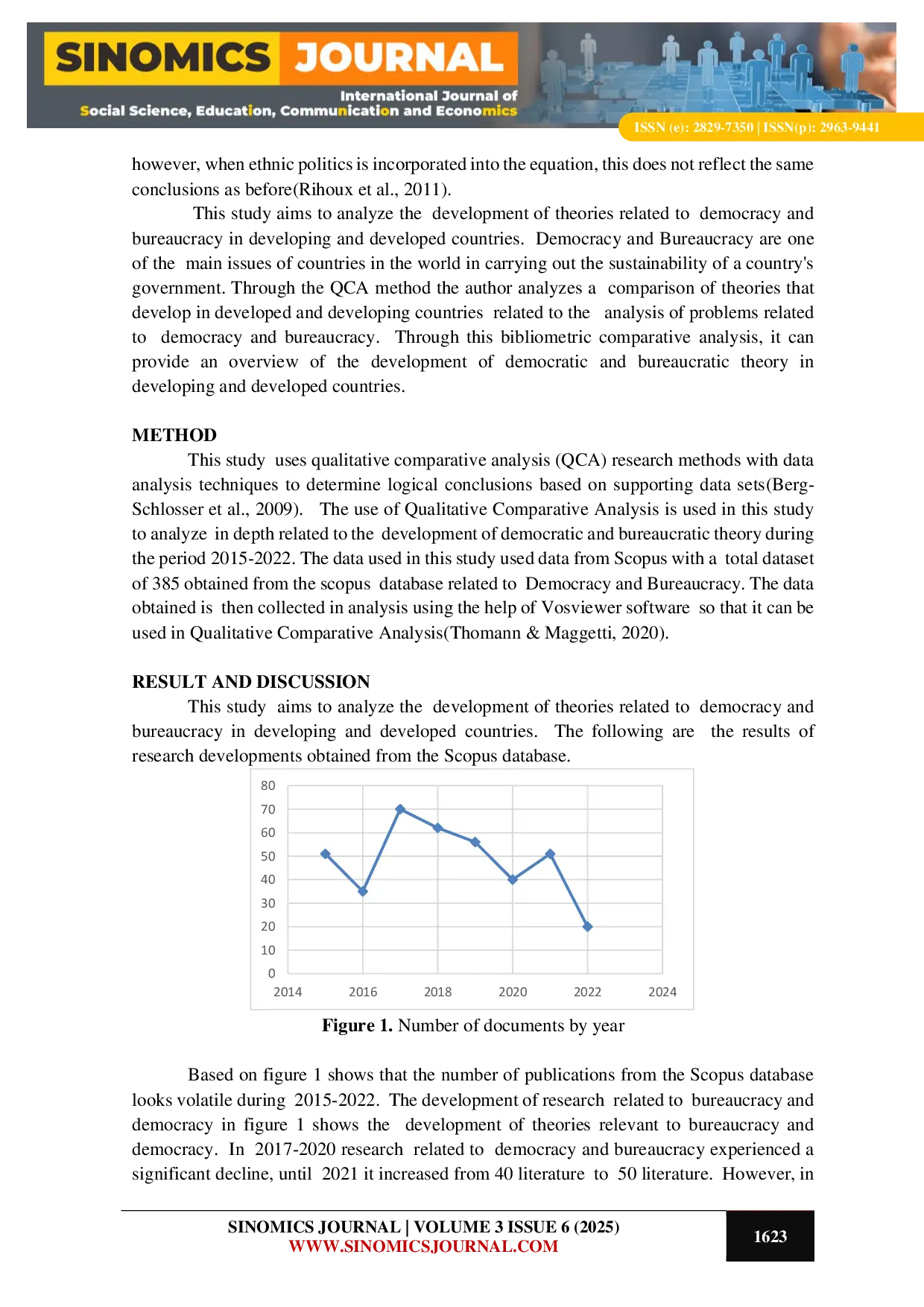
SINOMICSJOURNALSINOMICSJOURNAL 4) The high weberianess of the state bureaucracy is due to the professional public administration before democracy combined with electoral competition4) The high weberianess of the state bureaucracy is due to the professional public administration before democracy combined with electoral competition
SINOMICSJOURNALSINOMICSJOURNAL Metode kuantitatif dengan regresi panel digunakan; hasilnya menunjukkan bahwa ekspor memiliki pengaruh positif dan signifikan terhadap pertumbuhan ekonomi,Metode kuantitatif dengan regresi panel digunakan; hasilnya menunjukkan bahwa ekspor memiliki pengaruh positif dan signifikan terhadap pertumbuhan ekonomi,
Useful /

IDID Namun, keberlanjutan program masih terbatas karena waktu pelaksanaan singkat dan keterbatasan jangkauan, sehingga diperlukan konsistensi komunitas guruNamun, keberlanjutan program masih terbatas karena waktu pelaksanaan singkat dan keterbatasan jangkauan, sehingga diperlukan konsistensi komunitas guru
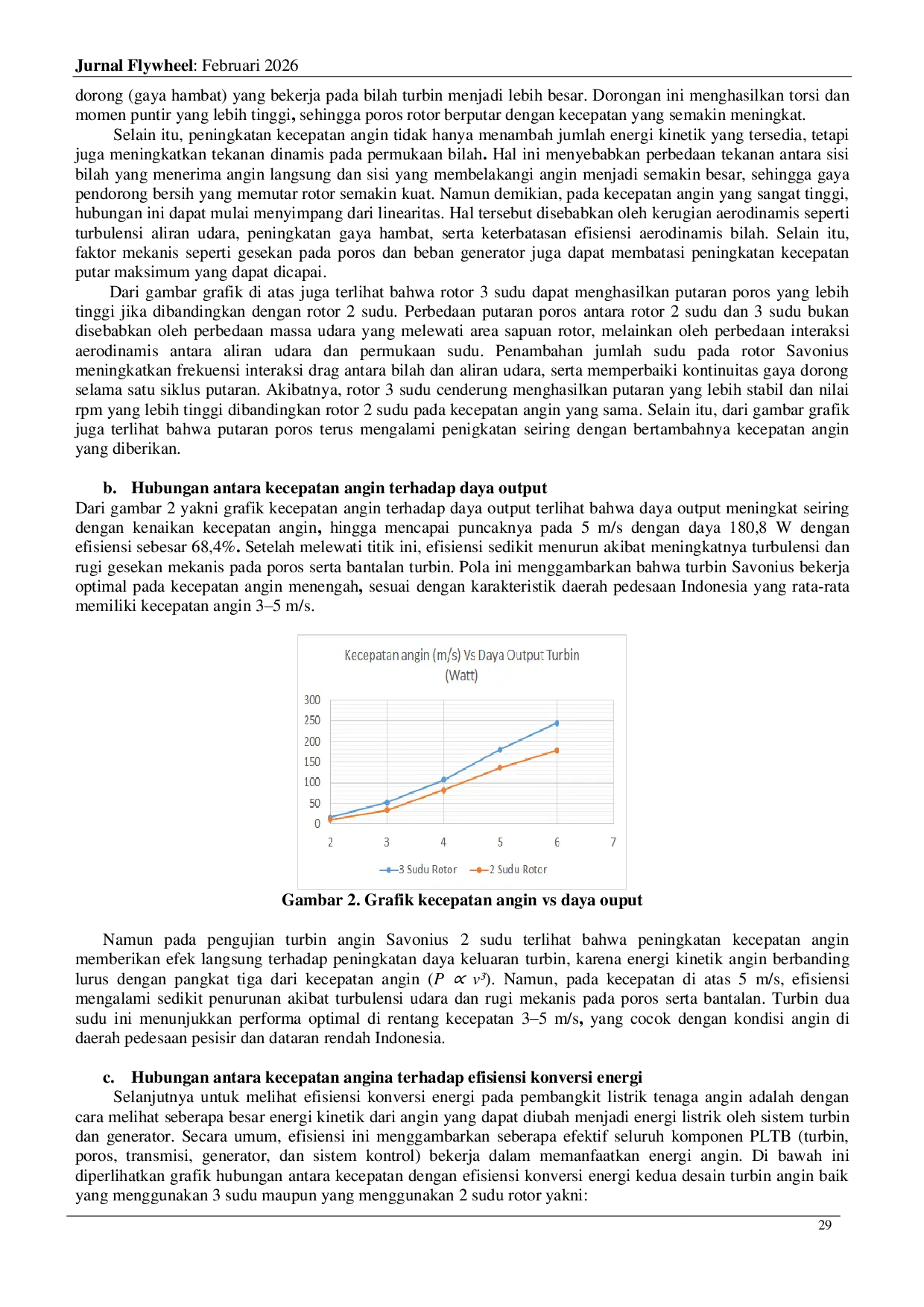
ITNITN Tujuan penelitian ini adalah untuk merancang pembangkit listrik tenaga angin menggunakan turbin angin Savonius untuk mengatasi kekurangan listrik di daerahTujuan penelitian ini adalah untuk merancang pembangkit listrik tenaga angin menggunakan turbin angin Savonius untuk mengatasi kekurangan listrik di daerah
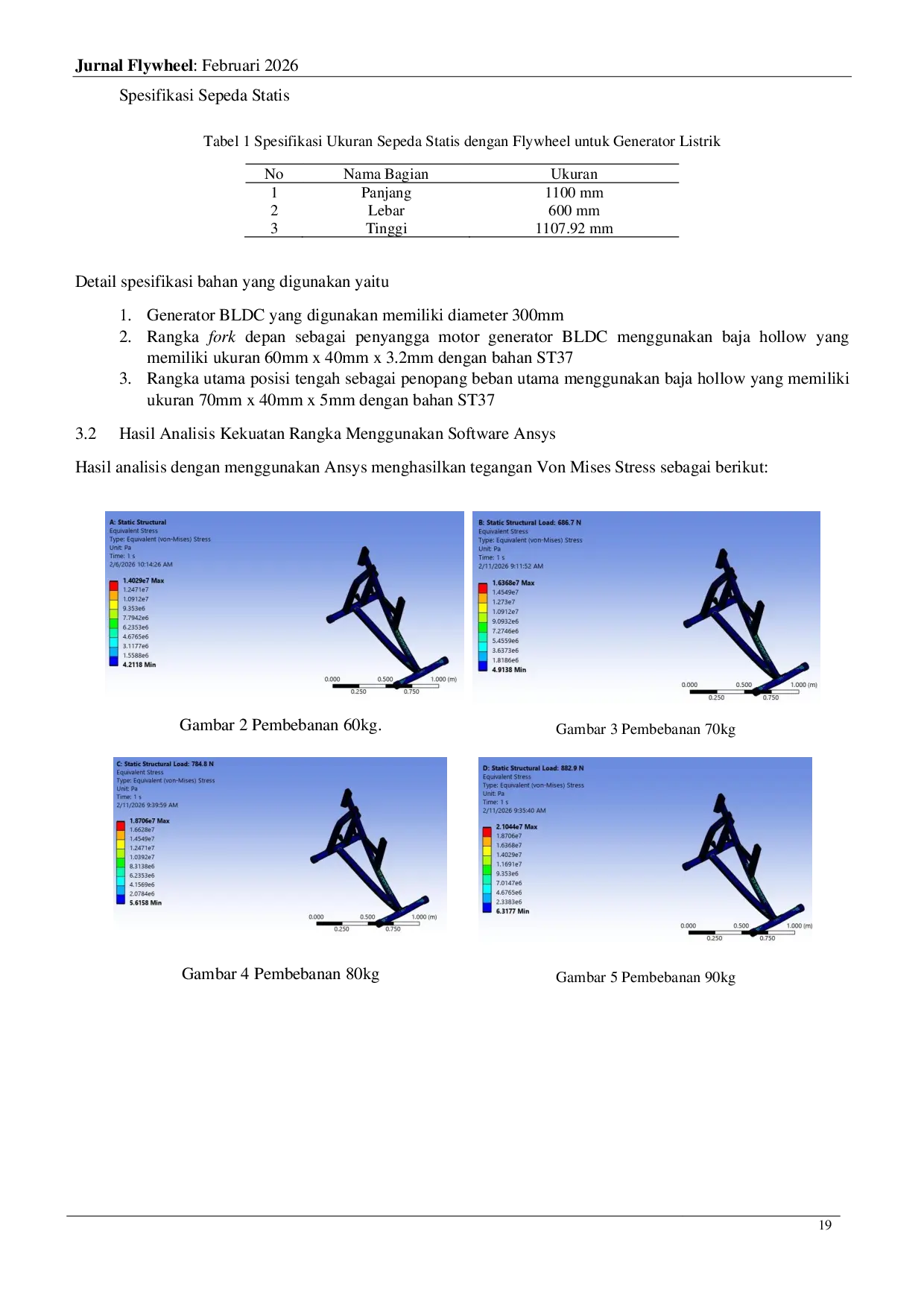
ITNITN Pembebanan yang dilakukan yaitu 60kg, 70kg, 80kg, 90kg, dan 100 kg. Hasil penelitian menghasilkan safety factor yang tinggi dan mendapatkan nilai totalPembebanan yang dilakukan yaitu 60kg, 70kg, 80kg, 90kg, dan 100 kg. Hasil penelitian menghasilkan safety factor yang tinggi dan mendapatkan nilai total

ITNITN Dalam pendidikan vokasi teknik otomotif, pembelajaran praktik sangat penting untuk membekali mahasiswa dengan keterampilan industri. Mata kuliah Body &Dalam pendidikan vokasi teknik otomotif, pembelajaran praktik sangat penting untuk membekali mahasiswa dengan keterampilan industri. Mata kuliah Body &