RIVERSTUDIESRIVERSTUDIES
Atribut Width dan Height di Tag MarqueeAtribut Width dan Height di Tag MarqueeDiabetes mellitus is an escalating public health issue in Saudi Arabia, with rising prevalence linked to lifestyle factors such as nutrition, physical activity, and hydration practices. This study investigates the relationship between water drinking habits and diabetes risk among adults in Riyadh Province, where severe climatic circumstances may intensify hydration-related health concerns. A longitudinal study approach was employed to track 300 people aged 30 to 65 over a two-year period, collecting data on water consumption, glycemic indicators, and related health behaviors. The results demonstrate that persons consuming ≥2 liters of water daily had reduced fasting blood glucose (94 mg/dL) and HbA1c levels (5.6%) in contrast to those consuming <2 liters daily (102 mg/dL and 6.1%, respectively). Moreover, insufficient hydration was markedly associated with a higher incidence of prediabetes and diabetes. Rural participants, characterized by diminished water consumption and limited access to purified water, demonstrated poorer glycemic results. The research highlights the significance of sufficient hydration in the prevention and control of diabetes, especially in arid conditions. Public health campaigns must incorporate hydration education with traditional diabetes prevention techniques to reduce risks and enhance metabolic health in Saudi Arabia.
This study demonstrates that insufficient water consumption markedly elevates the incidence of diabetes in Riyadh Province, Saudi Arabia, irrespective of other recognized risk factors.Participants eating less than 2 liters daily had significantly elevated fasting blood glucose and HbA1c levels in comparison to those adhering to hydration guidelines.Moreover, water quality surfaced as an undervalued element, with users of untreated water exhibiting inferior glycemic profiles.Rural-urban differences were significant, with rural inhabitants experiencing reduced water usage and restricted access to treated water sources.The protective benefit of sufficient hydration proved especially significant in the hot climate of Saudi Arabia and was amplified when coupled with physical exercise and appropriate nutrition.
Berdasarkan temuan ini, beberapa saran penelitian lanjutan dapat diajukan. Pertama, penelitian lebih lanjut diperlukan untuk menginvestigasi mekanisme biologis yang mendasari hubungan antara hidrasi dan regulasi glukosa, termasuk peran hormon dan jalur pensinyalan tertentu. Kedua, studi intervensi yang mengevaluasi dampak program edukasi hidrasi dan peningkatan akses ke air bersih terhadap kejadian dan pengendalian diabetes di komunitas pedesaan di Arab Saudi akan sangat berharga. Ketiga, penelitian prospektif dapat mengeksplorasi interaksi antara hidrasi, pola makan, dan aktivitas fisik dalam memitigasi risiko diabetes, dengan mempertimbangkan faktor-faktor sosiodemografi dan lingkungan yang relevan. Dengan menggabungkan wawasan dari penelitian ini, kita dapat mengembangkan strategi pencegahan diabetes yang lebih komprehensif dan efektif yang disesuaikan dengan konteks unik Arab Saudi.
- Type 2 Diabetes Mellitus in Saudi Arabia: Major Challenges and Possible Solutions | Bentham Science.... eurekaselect.com/openurl/content.php?genre=article&issn=1573-3998&volume=13&issue=1&spage=59Type 2 Diabetes Mellitus in Saudi Arabia Major Challenges and Possible Solutions Bentham Science eurekaselect openurl content php genre article issn 1573 3998 volume 13 issue 1 spage 59
- Prevalence of diabetes mellitus in a Saudi community | Annals of Saudi Medicine. prevalence diabetes... doi.org/10.4103/0256-4947.75773Prevalence of diabetes mellitus in a Saudi community Annals of Saudi Medicine prevalence diabetes doi 10 4103 0256 4947 75773
| File size | 275.89 KB |
| Pages | 11 |
| DMCA | Report |
Related /
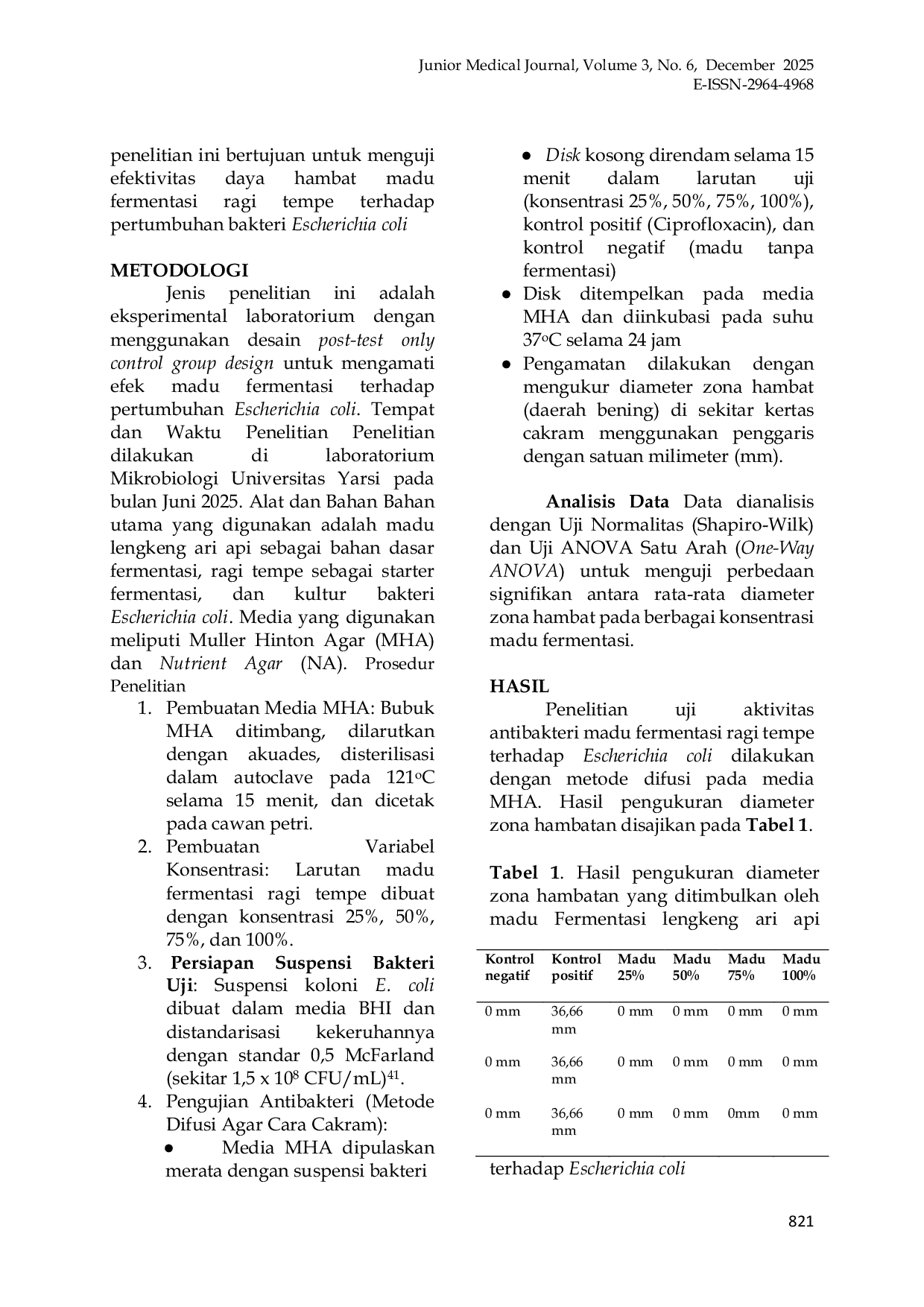
YARSIYARSI Uji efektivitas dilakukan dengan metode difusi agar cakram menggunakan variasi konsentrasi madu fermentasi ragi tempe (25%, 50%, 75%, 100%) dan kontrolUji efektivitas dilakukan dengan metode difusi agar cakram menggunakan variasi konsentrasi madu fermentasi ragi tempe (25%, 50%, 75%, 100%) dan kontrol
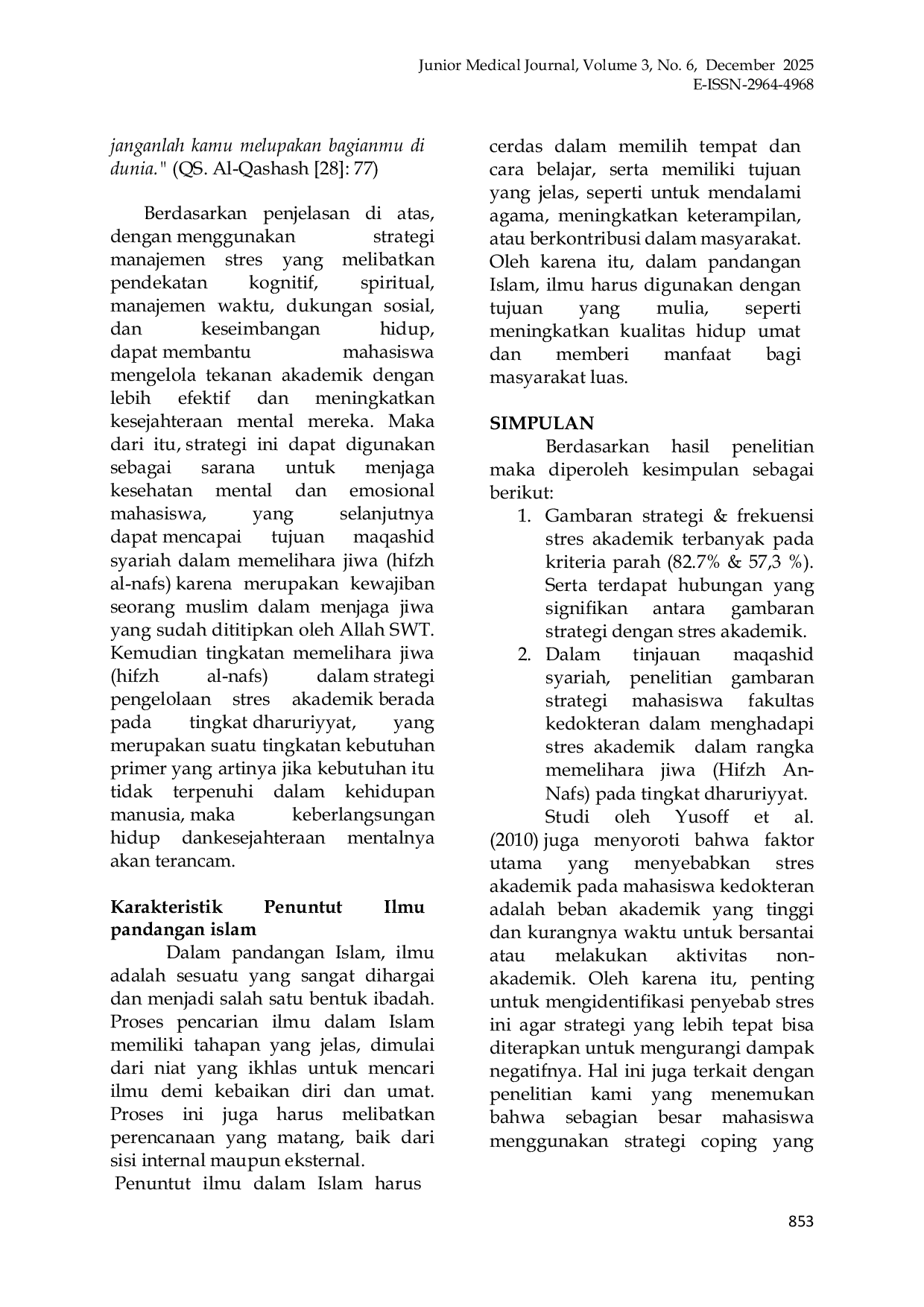
YARSIYARSI Penelitian ini bertujuan untuk menyelidiki strategi belajar dan tingkat stres akademik yang dialami oleh mahasiswa Fakultas Kedokteran Universitas YarsiPenelitian ini bertujuan untuk menyelidiki strategi belajar dan tingkat stres akademik yang dialami oleh mahasiswa Fakultas Kedokteran Universitas Yarsi
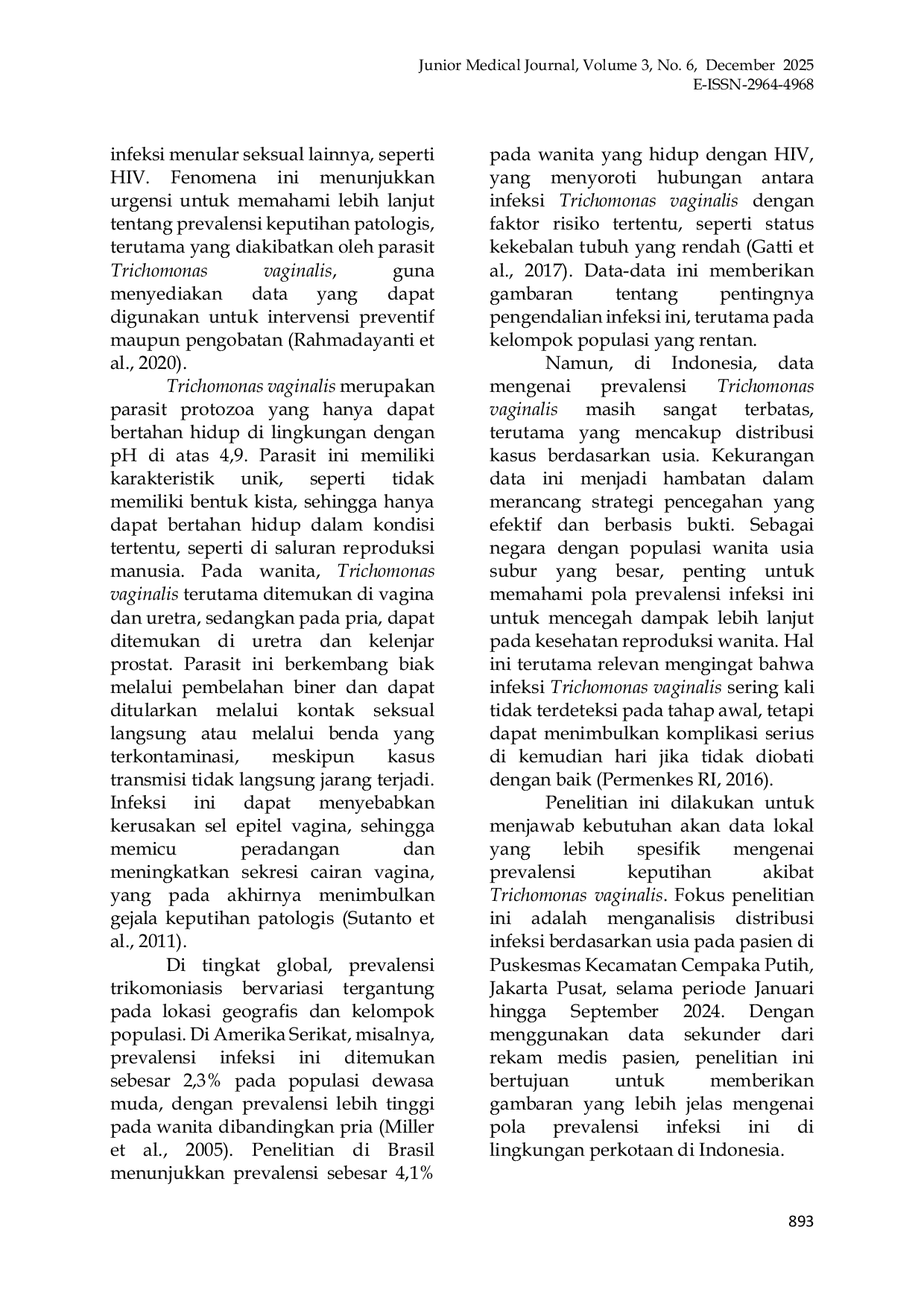
YARSIYARSI Penelitian ini bertujuan untuk menganalisis prevalensi keputihan akibat T. vaginalis berdasarkan usia di Puskesmas Kecamatan Cempaka Putih, Jakarta Pusat,Penelitian ini bertujuan untuk menganalisis prevalensi keputihan akibat T. vaginalis berdasarkan usia di Puskesmas Kecamatan Cempaka Putih, Jakarta Pusat,
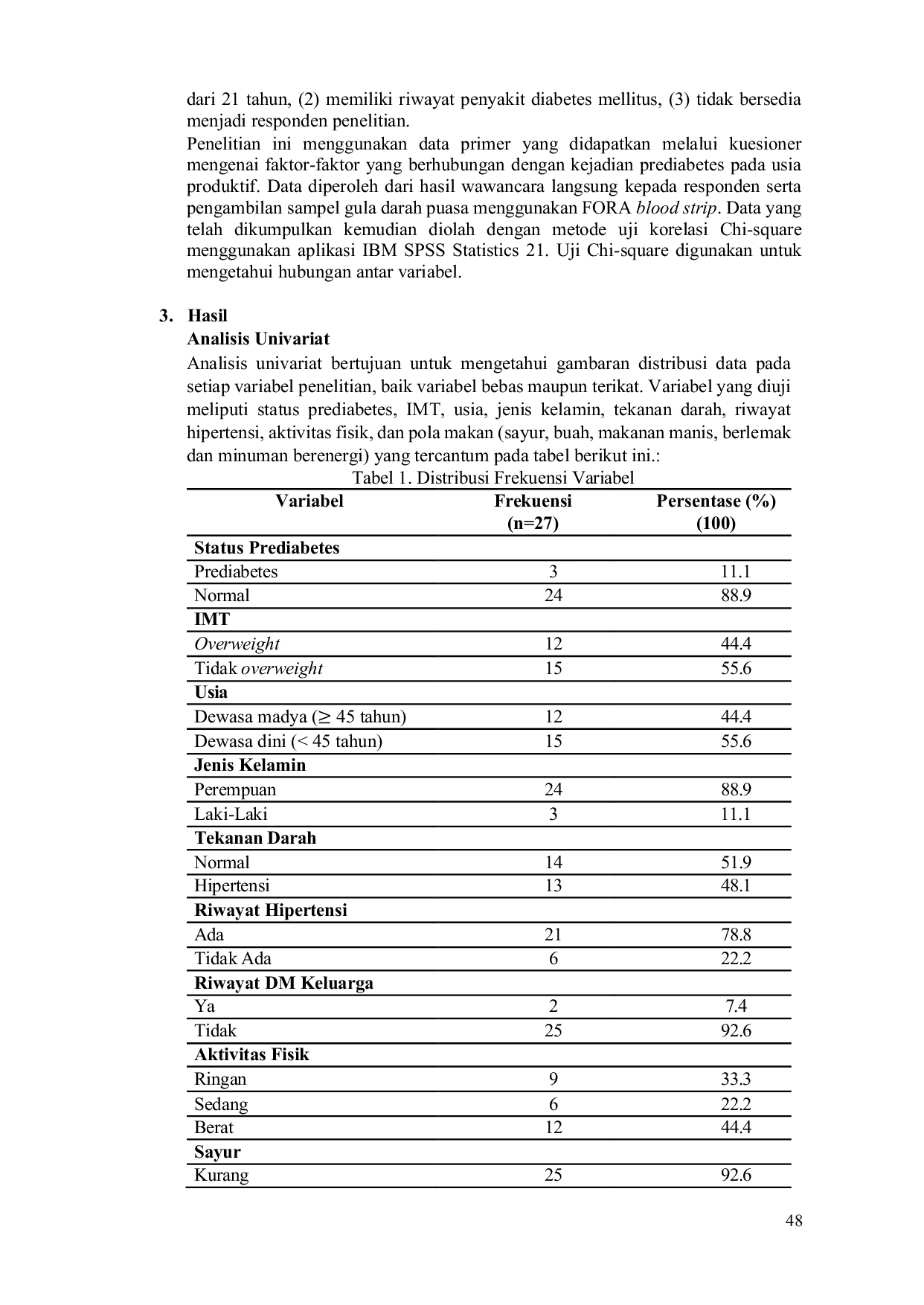
SARI MUTIARASARI MUTIARA Metode penelitian kuantitatif cross-sectional dengan sampel 27 orang. Analisis data primer dengan analisis univariat dan bivariat menggunakan uji chi-square.Metode penelitian kuantitatif cross-sectional dengan sampel 27 orang. Analisis data primer dengan analisis univariat dan bivariat menggunakan uji chi-square.
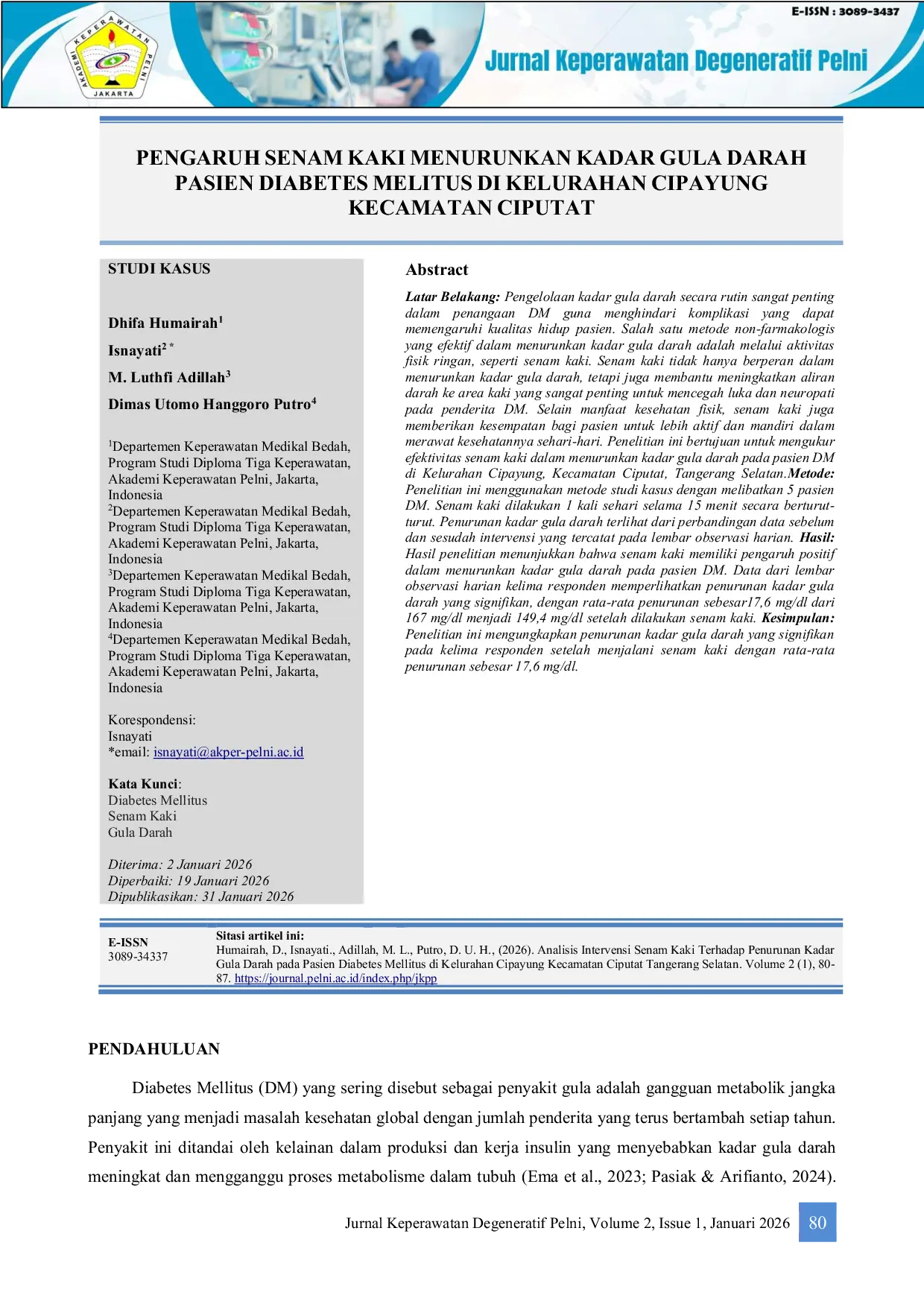
PELNIPELNI Penelitian ini bertujuan untuk mengukur efektivitas senam kaki dalam menurunkan kadar gula darah pada pasien DM di Kelurahan Cipayung, Kecamatan Ciputat,Penelitian ini bertujuan untuk mengukur efektivitas senam kaki dalam menurunkan kadar gula darah pada pasien DM di Kelurahan Cipayung, Kecamatan Ciputat,
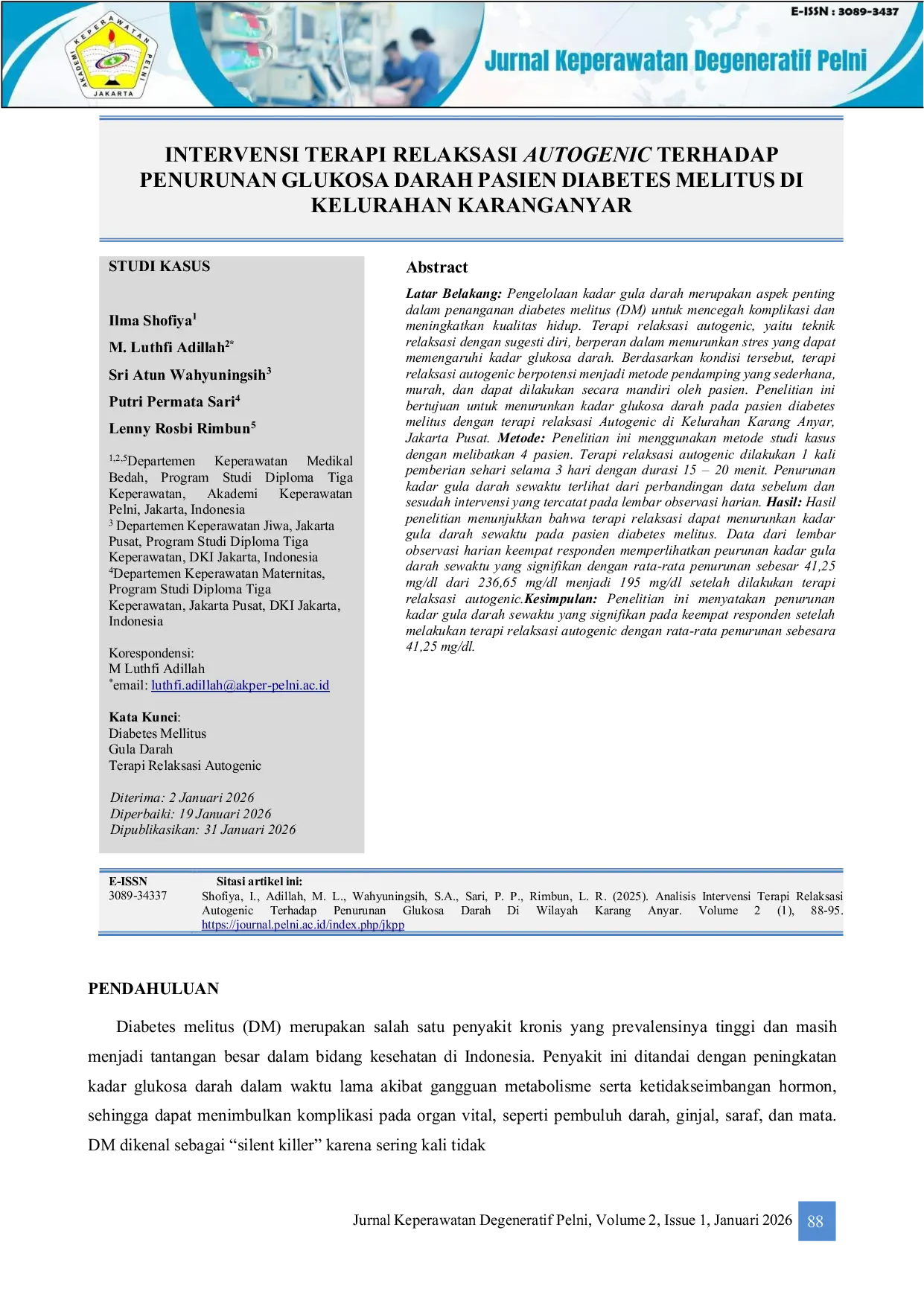
PELNIPELNI Terapi relaksasi autogenic dilakukan 1 kali pemberian sehari selama 3 hari dengan durasi 15–20 menit. Penurunan kadar gula darah sewaktu terlihat dariTerapi relaksasi autogenic dilakukan 1 kali pemberian sehari selama 3 hari dengan durasi 15–20 menit. Penurunan kadar gula darah sewaktu terlihat dari
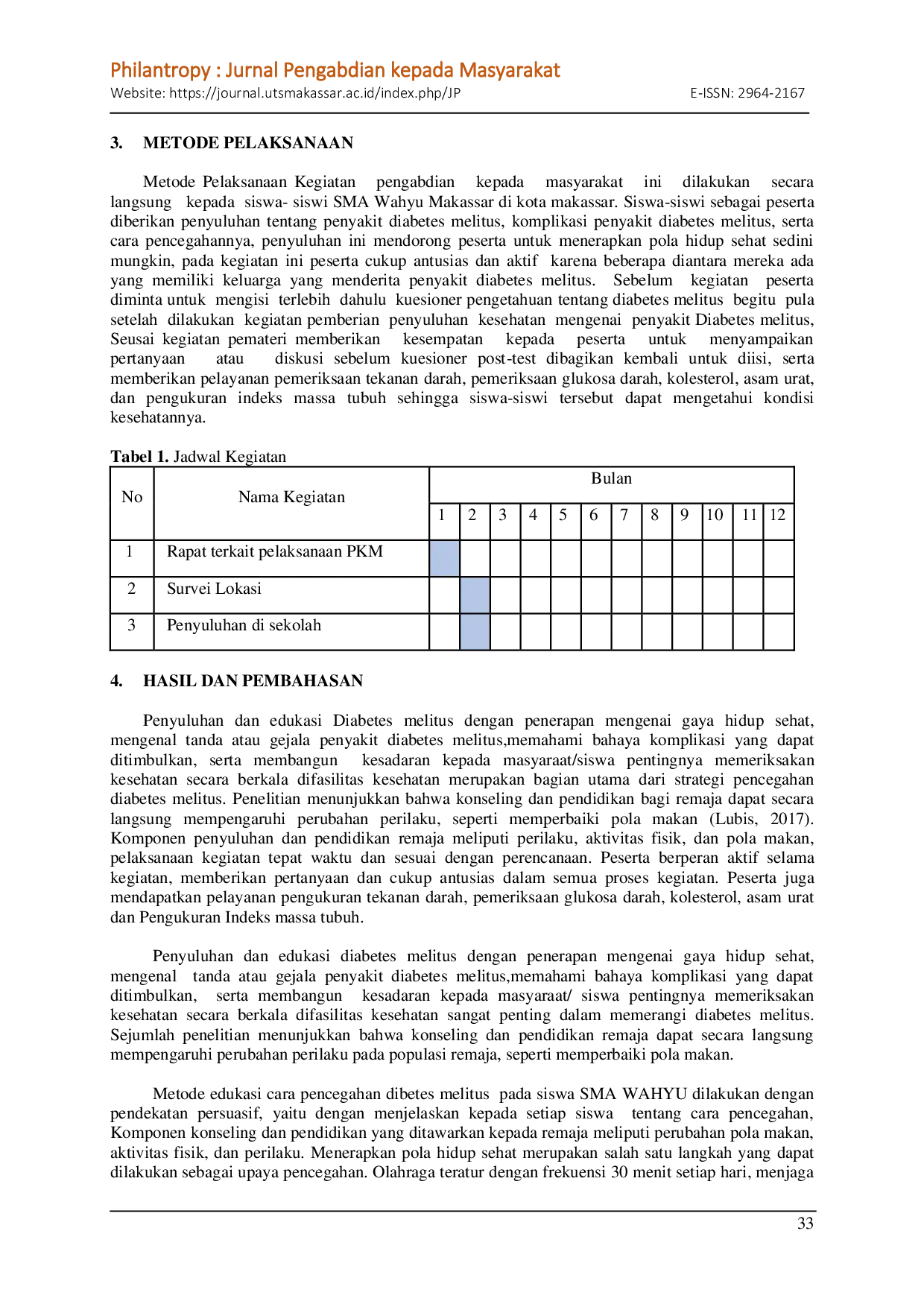
UTSUTS Jika perilaku ini terus berlanjut, dapat memicu penyakit diabetes melitus pada tahap awal kehidupan. Diabetes Melitus sangat merugikan, selain itu dapatJika perilaku ini terus berlanjut, dapat memicu penyakit diabetes melitus pada tahap awal kehidupan. Diabetes Melitus sangat merugikan, selain itu dapat

STMIK BANJARBARUSTMIK BANJARBARU Hasil tes akurasi 80% menunjukkan bahwa sistem dapat menghasilkan diagnosis sesuai dengan penilaian ahli. Pengujian akurasi sistem pakar untuk diagnosaHasil tes akurasi 80% menunjukkan bahwa sistem dapat menghasilkan diagnosis sesuai dengan penilaian ahli. Pengujian akurasi sistem pakar untuk diagnosa
Useful /
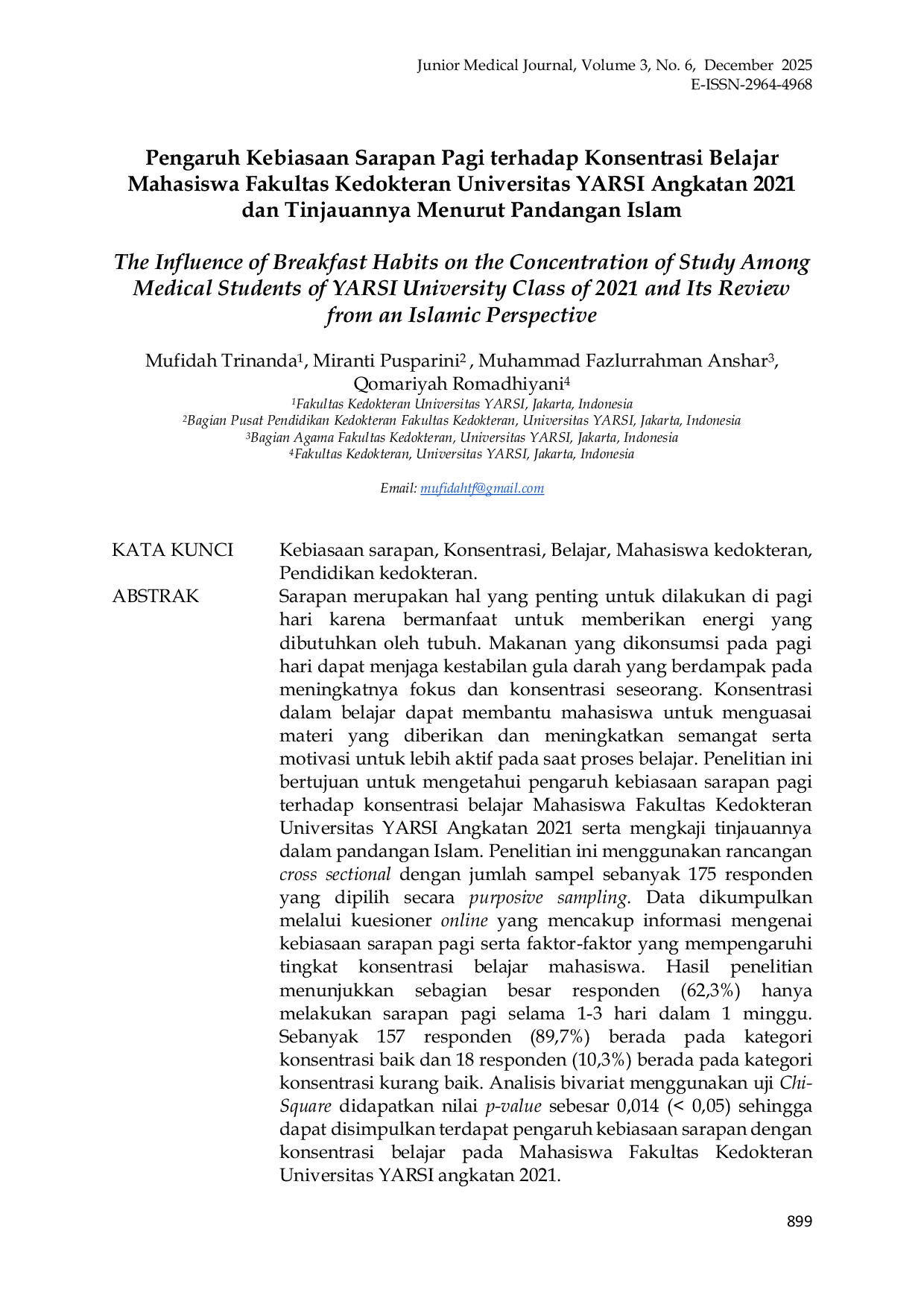
YARSIYARSI Analisis bivariat menggunakan uji Chi-Square didapatkan nilai p-value sebesar 0,014 (< 0,05) sehingga dapat disimpulkan terdapat pengaruh kebiasaan sarapanAnalisis bivariat menggunakan uji Chi-Square didapatkan nilai p-value sebesar 0,014 (< 0,05) sehingga dapat disimpulkan terdapat pengaruh kebiasaan sarapan

YARSIYARSI Vaksin COVID-19 yang ada saat ini belum sepenuhnya dirancang untuk varian Omicron. Oleh karena itu, berbagai produsen mulai memodifikasi vaksin menjadiVaksin COVID-19 yang ada saat ini belum sepenuhnya dirancang untuk varian Omicron. Oleh karena itu, berbagai produsen mulai memodifikasi vaksin menjadi
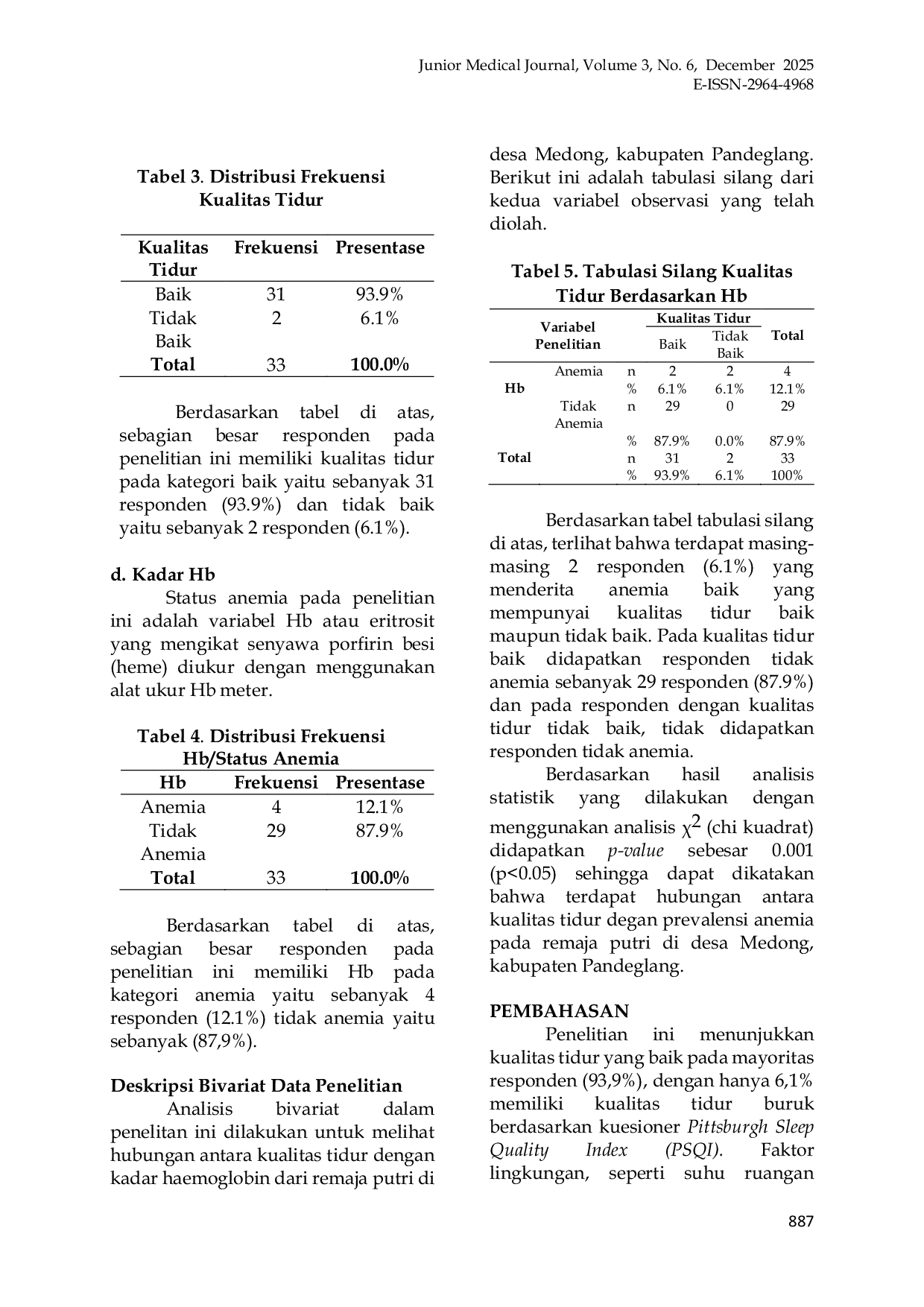
YARSIYARSI Latar belakang penelitian ini menunjukkan bahwa remaja putri memiliki kebutuhan tidur yang signifikan terhadap pembentukan hemoglobin, yang berperan pentingLatar belakang penelitian ini menunjukkan bahwa remaja putri memiliki kebutuhan tidur yang signifikan terhadap pembentukan hemoglobin, yang berperan penting

UNIMEDUNIMED The results show that seblak is not only interpreted as spicy and inexpensive food, but also as comfort food that functions as a stress reliever, a meansThe results show that seblak is not only interpreted as spicy and inexpensive food, but also as comfort food that functions as a stress reliever, a means