UNISBARUNISBAR
One moment, please...One moment, please...This study aims to explore lending and debt practices in Islamic commercial law within Indonesias modern business sector, focusing on Micro, Small, and Medium Enterprises (MSMEs) and Islamic financial institutions. The research addresses the ongoing tension between the idealism of Sharia principles emphasizing fairness, transparency, and the prohibition of riba and the pragmatic realities of business financing. A descriptive qualitative approach with a case study design was applied. Data were collected through semi-structured interviews with MSME entrepreneurs and Islamic finance practitioners, supported by limited field observations due to incomplete access to some respondents. The findings reveal that the understanding of Sharia principles among MSME actors remains partial, often limited to the prohibition of interest, while practical lending is still dominated by conventional banks. Although several Islamic financing contracts, such as murabahah and qardul hasan, are applied, administrative fees and procedural complexity remain barriers to full Sharia adoption. Low Islamic financial literacy and limited product innovation also hinder broader engagement with Islamic financing. Nevertheless, participants noted that Sharia-based loans provide spiritual comfort and ethical reassurance compared to interest-bearing credit systems.
The study concludes that business financing among MSMEs in North Sumatra remains largely dominated by conventional financial institutions due to easier access and faster services.However, awareness and preference for Sharia-compliant financing are gradually increasing, as reflected in the adoption of murābaḥah and qard al-ḥasan contracts.This research highlights a persistent tension between the ideals of Islamic law and the pragmatic realities of business operations, emphasizing the need for product innovation, regulatory support, and literacy development to strengthen the role of Islamic finance in promoting inclusive and sustainable business growth.
Further research should investigate the diverse experiences across various business sectors, such as agriculture, manufacturing, and digital entrepreneurship, to understand the nuances of Sharia compliance in different contexts. Additionally, exploring the evolving landscape of digital consumer behavior and the emergence of Sharia-based peer-to-peer (P2P) lending ecosystems in Southeast Asia is crucial for identifying innovative financing models. Finally, studies should focus on developing adaptive regulatory frameworks that support the growth of ethical and inclusive Islamic finance while addressing the challenges of technological transformation and global market dynamics, ensuring that these frameworks are both responsive and supportive of sustainable economic development within the principles of Sharia law.
- PELUANG DAN TANTANGAN SYARIAH PADA LEMBAGA KEUANGAN SYARIAH | ECOTECHNOPRENEUR : Journal Economics, Technology... doi.org/10.62668/ecotechnopreneur.v2i01.538PELUANG DAN TANTANGAN SYARIAH PADA LEMBAGA KEUANGAN SYARIAH ECOTECHNOPRENEUR Journal Economics Technology doi 10 62668 ecotechnopreneur v2i01 538
- A simple method to assess and report thematic saturation in qualitative research | PLOS One. simple method... doi.org/10.1371/journal.pone.0232076A simple method to assess and report thematic saturation in qualitative research PLOS One simple method doi 10 1371 journal pone 0232076
| File size | 361.72 KB |
| Pages | 14 |
| DMCA | Report |
Related /
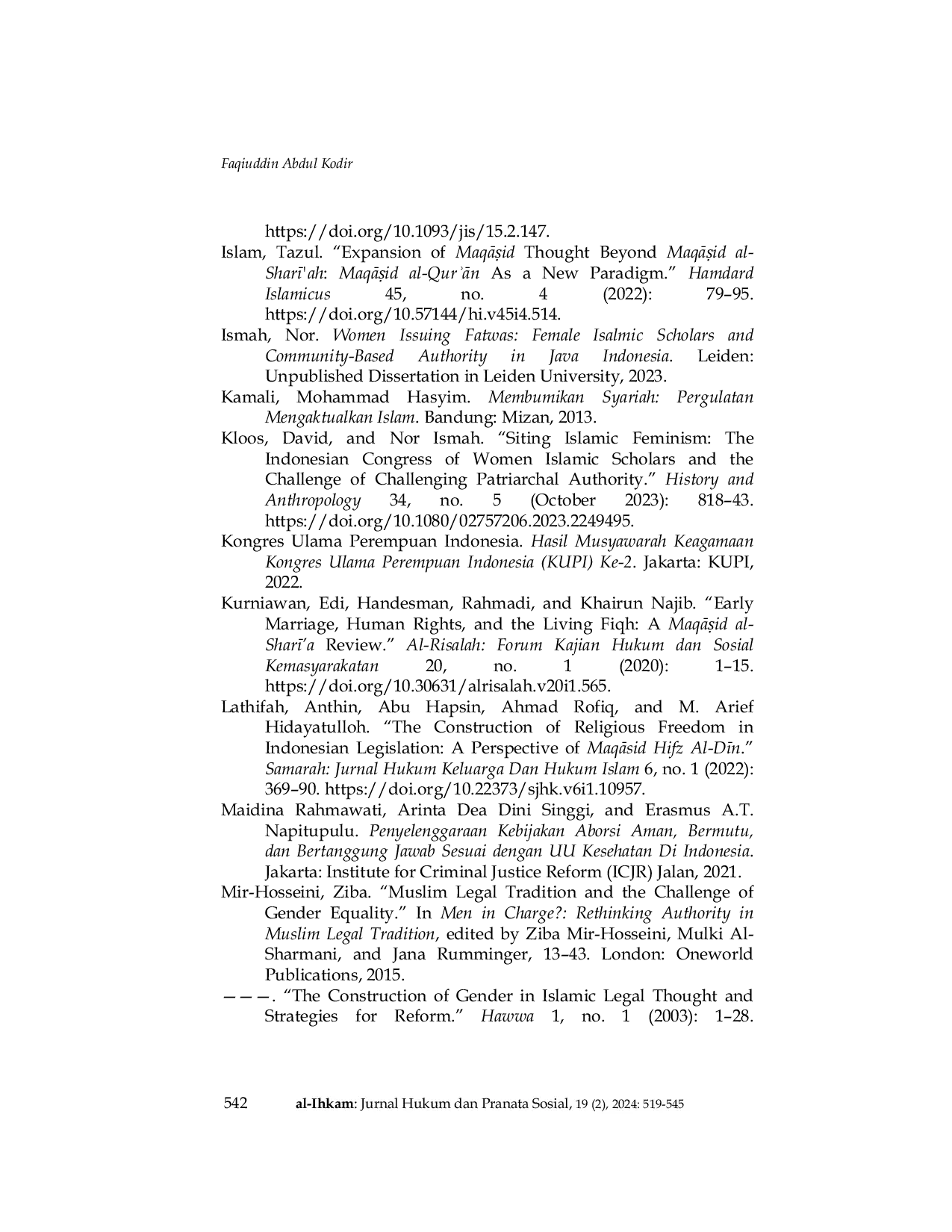
IAIN MADURAIAIN MADURA Pertama, perempuan terlibat aktif di semua tahap proses fatwā, dari pengumpulan data hingga formulasi. Kedua, pengalaman hidup perempuan terintegrasiPertama, perempuan terlibat aktif di semua tahap proses fatwā, dari pengumpulan data hingga formulasi. Kedua, pengalaman hidup perempuan terintegrasi
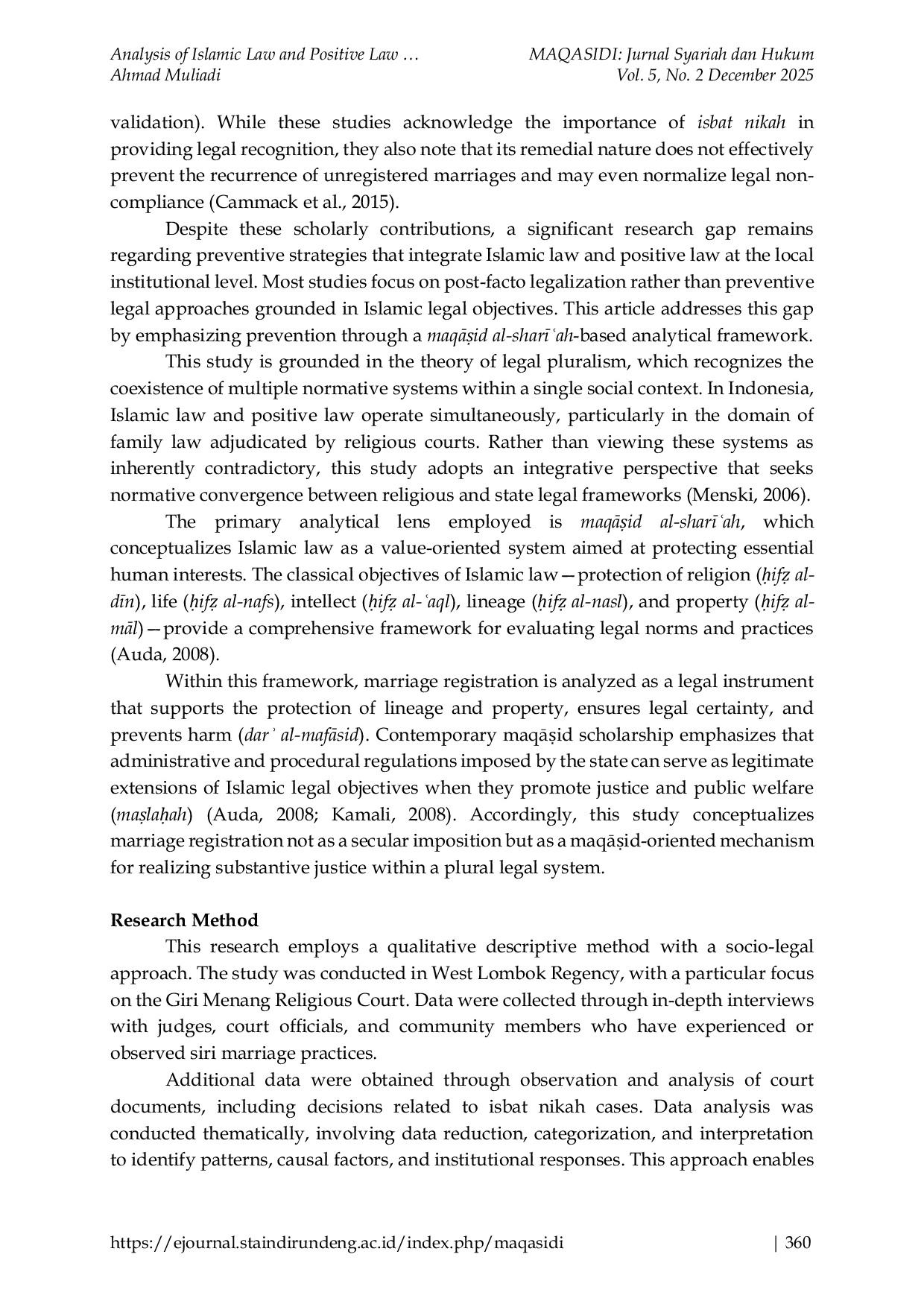
STAIN TDMSTAIN TDM Pengadilan Agama Giri Menang memainkan peran penting dalam memberikan pendidikan hukum kepada masyarakat dan menangani kasus isbat nikah (validasi pernikahan)Pengadilan Agama Giri Menang memainkan peran penting dalam memberikan pendidikan hukum kepada masyarakat dan menangani kasus isbat nikah (validasi pernikahan)
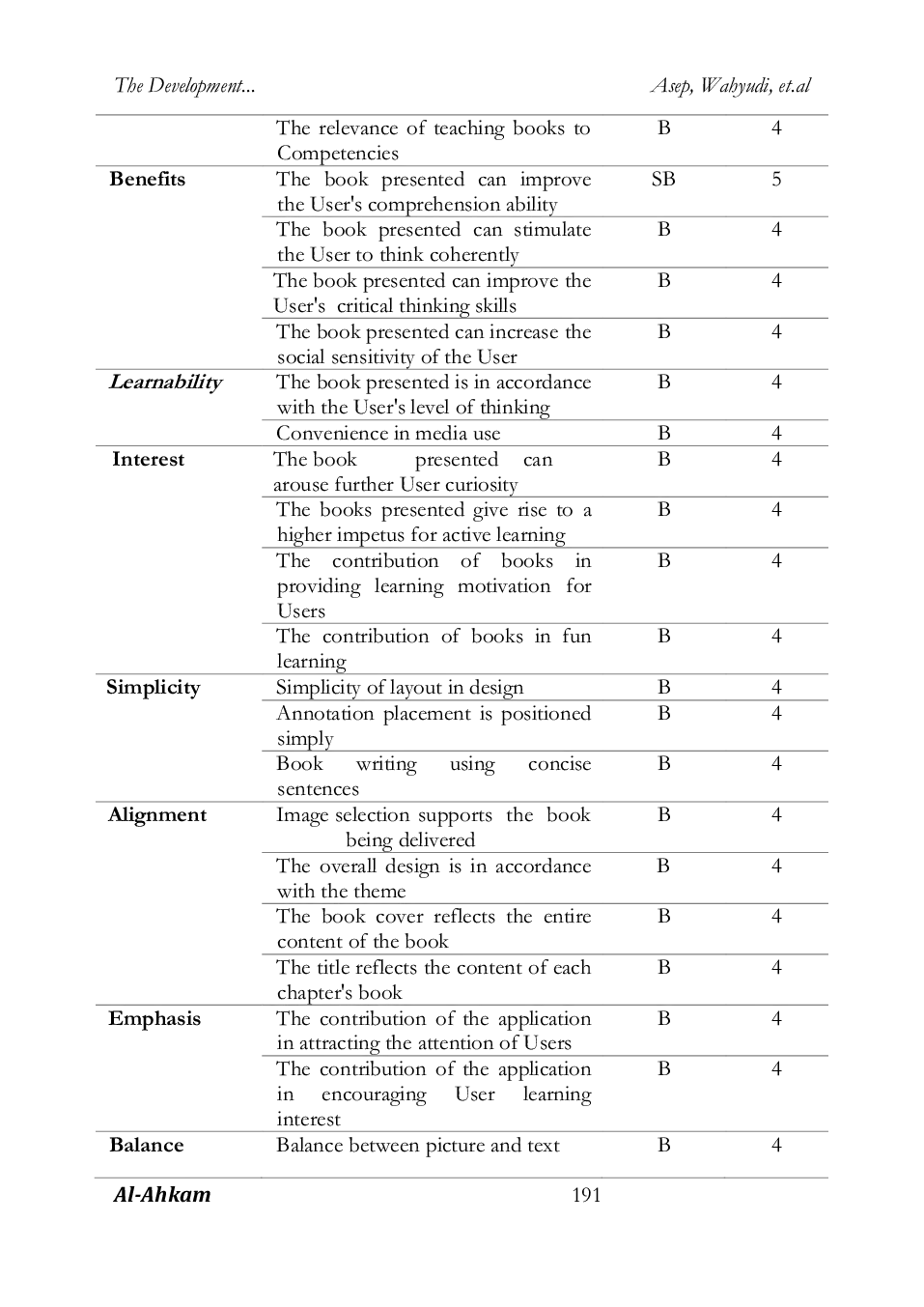
UIN BANTENUIN BANTEN Penelitian ini menggunakan metode Research Development atau juga dikenal sebagai Research and Development (R&D), hasilnya menunjukkan bahwa ada peningkatanPenelitian ini menggunakan metode Research Development atau juga dikenal sebagai Research and Development (R&D), hasilnya menunjukkan bahwa ada peningkatan

IAIN MADURAIAIN MADURA Namun, masih terdapat kekurangan dalam bimbingan hukum Islam yang spesifik terkait gangguan makan. Peran keluarga dan pemimpin agama sangat penting dalamNamun, masih terdapat kekurangan dalam bimbingan hukum Islam yang spesifik terkait gangguan makan. Peran keluarga dan pemimpin agama sangat penting dalam

IAISAMBASIAISAMBAS Praktik musaqah kebun karet di Lubuk Dagang Village, Sambas District, is carried out on the basis of mutual assistance carried out by both parties withPraktik musaqah kebun karet di Lubuk Dagang Village, Sambas District, is carried out on the basis of mutual assistance carried out by both parties with

STIBASTIBA Analisis transaksi akad salam dalam praktek jual beli followers, likes dan viewers media sosial instagram, yaitu. Dari segi akad Ijab dan kabul sudah memenuhiAnalisis transaksi akad salam dalam praktek jual beli followers, likes dan viewers media sosial instagram, yaitu. Dari segi akad Ijab dan kabul sudah memenuhi
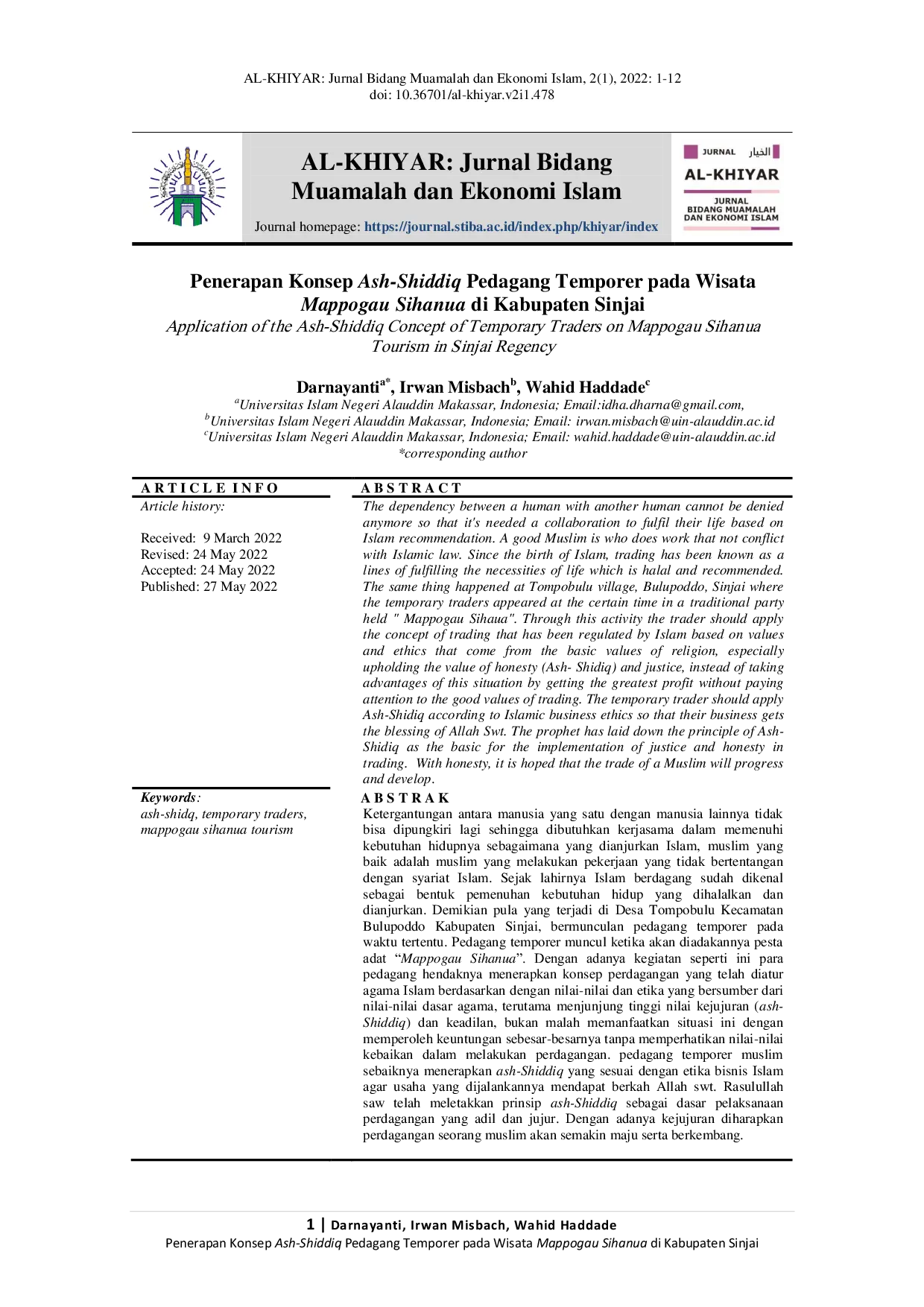
STIBASTIBA Pedagang muslim sebaiknya menerapkan Ash-Shiddiq sesuai dengan etika bisnis Islam agar usaha yang dijalankannya mendapat berkah Allah Swt. Rasulullah sawPedagang muslim sebaiknya menerapkan Ash-Shiddiq sesuai dengan etika bisnis Islam agar usaha yang dijalankannya mendapat berkah Allah Swt. Rasulullah saw
STIBASTIBA Kedua, al-Ṣarf memiliki beberapa pengertian yang maknanya hampir sama, semuanya menunjukkan bahwa konsep pertukaran berlaku pada penjualan dua mata uangKedua, al-Ṣarf memiliki beberapa pengertian yang maknanya hampir sama, semuanya menunjukkan bahwa konsep pertukaran berlaku pada penjualan dua mata uang
Useful /

STAIN TDMSTAIN TDM Fenomena ini menimbulkan perdebatan dalam hukum Islam, khususnya mengenai keberadaan gharar (ketidakpastian yang berlebihan) dan maisir (perjudian spekulatif)Fenomena ini menimbulkan perdebatan dalam hukum Islam, khususnya mengenai keberadaan gharar (ketidakpastian yang berlebihan) dan maisir (perjudian spekulatif)
STAIN TDMSTAIN TDM Masalah utama yang diidentifikasi adalah pemutusan hubungan kerja sepihak tanpa mekanisme musyawarah atau kesempatan bagi pekerja untuk membela diri. PemutusanMasalah utama yang diidentifikasi adalah pemutusan hubungan kerja sepihak tanpa mekanisme musyawarah atau kesempatan bagi pekerja untuk membela diri. Pemutusan

USNIUSNI Media pembelajaran memiliki fungsi penting dalam mencapai tujuan pendidikan. Pengajar perlu mengembangkan strategi pembelajaran dengan menggunakan sejumlahMedia pembelajaran memiliki fungsi penting dalam mencapai tujuan pendidikan. Pengajar perlu mengembangkan strategi pembelajaran dengan menggunakan sejumlah

STIBASTIBA Ada pun perbedaan dalam kerja sama tersebut adalah pada Mazhab Syāfiiyyah (Qaul Jadīd) hanya menjadikan kurma dan anggur sebagai objek musāqāh danAda pun perbedaan dalam kerja sama tersebut adalah pada Mazhab Syāfiiyyah (Qaul Jadīd) hanya menjadikan kurma dan anggur sebagai objek musāqāh dan