UMAHAUMAHA
IQTISHADequity jurnal MANAJEMENIQTISHADequity jurnal MANAJEMENThis literature review examines the unique economic challenges and opportunities of archipelagic regions, focusing on their development constraints due to geographic fragmentation, isolation, and limited resources, alongside their potential in tourism industry and the blue economy. Its purpose is to synthesize research from the past 15 years to provide a comprehensive understanding of these economic realities and identify pathways for sustainable growth. The method involves a thematic analysis of existing literature, integrating economic theories such as core-periphery models with empirical case studies from regions like the Philippines, Indonesia, and small island states. The results reveal that while isolation often leads to spatial inequalities and vulnerability, it can also foster resilience, niche industries, and entrepreneurial innovation. However, over-reliance on sectors like tourism poses risks to long-term diversification and stability. The implication is that effective policy must be tailored to archipelagic contexts, balancing maritime connectivity with environmental sustainability and leveraging unique geographic traits to build competitive, resilient economies.
Archipelagic regions face unique economic challenges stemming from geographic fragmentation and isolation, but also possess opportunities in tourism and the blue economy.Effective policy requires a tailored approach that balances maritime connectivity with environmental sustainability and leverages unique geographic traits.While isolation can lead to inequalities, it can also foster resilience and innovation.Therefore, a nuanced understanding of these dynamics is crucial for promoting sustainable economic growth in archipelagic contexts.
Penelitian lebih lanjut perlu dilakukan untuk mengkaji secara mendalam dampak spesifik dari kebijakan pemerintah terhadap kesenjangan ekonomi di wilayah kepulauan, dengan mempertimbangkan faktor-faktor seperti kapasitas lokal dan karakteristik unik setiap wilayah. Selain itu, penelitian perlu mengeksplorasi bagaimana model ekonomi biru dapat diintegrasikan secara efektif dengan strategi pembangunan berkelanjutan, dengan fokus pada mitigasi dampak lingkungan dan pemanfaatan sumber daya laut yang bertanggung jawab. Terakhir, studi komparatif antara berbagai negara kepulauan dapat memberikan wawasan berharga tentang praktik terbaik dalam mengatasi tantangan pembangunan dan mendorong pertumbuhan ekonomi yang inklusif, dengan mempertimbangkan konteks sosial, politik, dan lingkungan yang berbeda.
- "Core-Periphery" in the European Union – An Economic Perspective | Periodica Polytechnica... doi.org/10.3311/PPSO.13979Core Periphery in the European Union Ae An Economic Perspective Periodica Polytechnica doi 10 3311 PPSO 13979
- Quality Economic Growth: Is It Possible to Achieve by An Archipelago Area? | Asian Journal of Social... ajosh.org/index.php/jsh/article/view/340Quality Economic Growth Is It Possible to Achieve by An Archipelago Area Asian Journal of Social ajosh index php jsh article view 340
| File size | 425.74 KB |
| Pages | 10 |
| DMCA | Report |
Related /
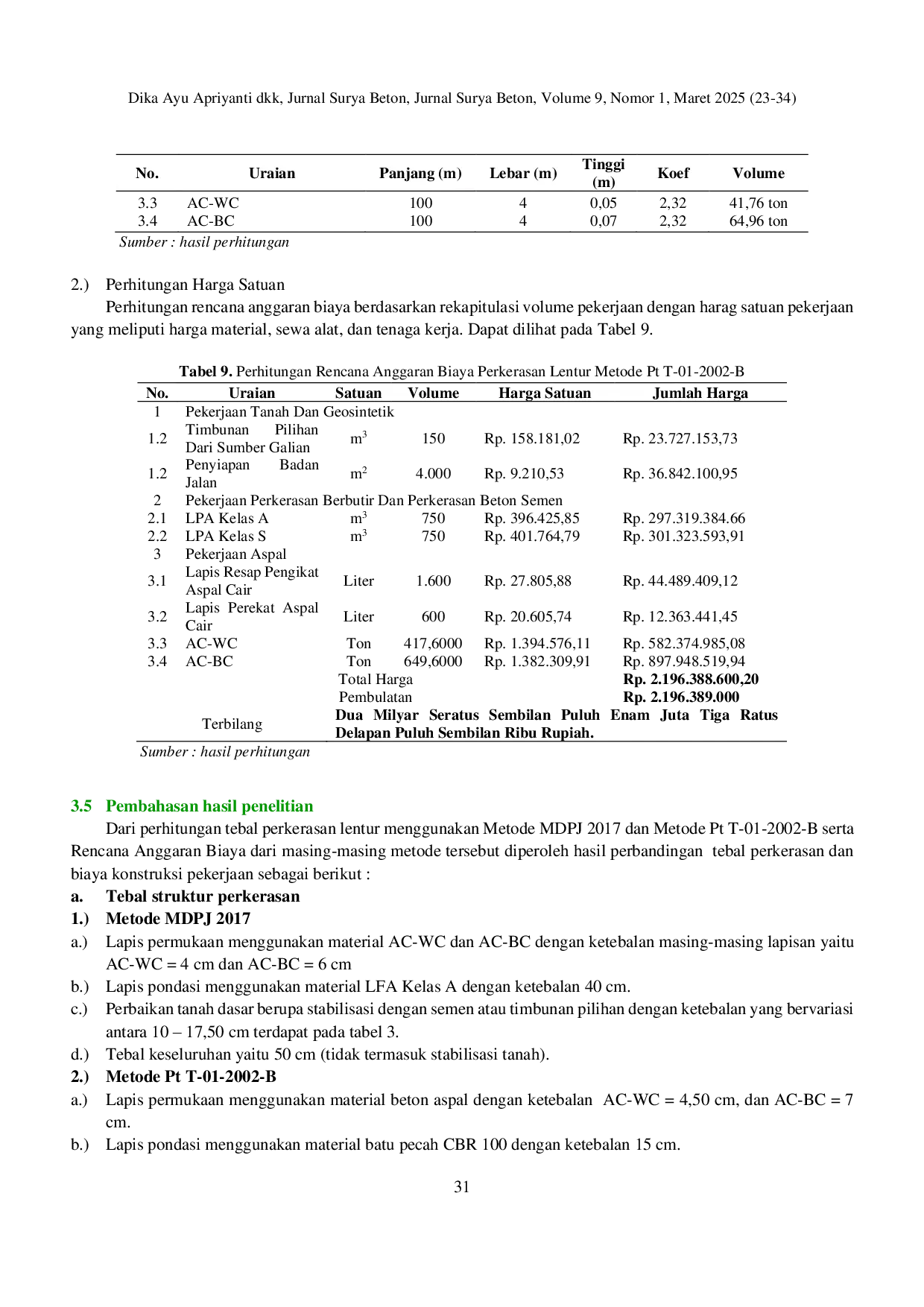
UMPWRUMPWR Indonesia mempunyai peraturan dan pedoman dalam perencanaan perkerasan jalan. Oleh karena itu perlu adanya perhitungan perencanaan tebal perkerasan jalanIndonesia mempunyai peraturan dan pedoman dalam perencanaan perkerasan jalan. Oleh karena itu perlu adanya perhitungan perencanaan tebal perkerasan jalan

UNIRAYAUNIRAYA Di Kantor Badan Pusat Statistik Kabupaten Nias Selatan sistem informasi manajemen berpengaruh positif terhadap efektivitas kerja terbukti dari nilai thitungDi Kantor Badan Pusat Statistik Kabupaten Nias Selatan sistem informasi manajemen berpengaruh positif terhadap efektivitas kerja terbukti dari nilai thitung

ITBMITBM ) di UPR Sipurennu, Soppeng. Eksperimen menggunakan rancangan acak kelompok dengan tiga perlakuan (A: tidak menggeser, B: ganti tiap 10 hari, C: ganti) di UPR Sipurennu, Soppeng. Eksperimen menggunakan rancangan acak kelompok dengan tiga perlakuan (A: tidak menggeser, B: ganti tiap 10 hari, C: ganti

STIE YAISTIE YAI The opsen tax is a newly implemented additional levy aimed at strengthening regional fiscal capacity. Using a quantitative approach, data were collectedThe opsen tax is a newly implemented additional levy aimed at strengthening regional fiscal capacity. Using a quantitative approach, data were collected

AREAIAREAI Melalui teknologi otomatisasi, optimasi tata letak gudang, dan integrasi sistem pelacakan real-time, Shopee mampu mempercepat waktu pemrosesan pesanan,Melalui teknologi otomatisasi, optimasi tata letak gudang, dan integrasi sistem pelacakan real-time, Shopee mampu mempercepat waktu pemrosesan pesanan,

UPI YAIUPI YAI Namun, kualitas pelayanan dan kepuasan pelanggan secara bersamaan berpengaruh signifikan terhadap loyalitas pelanggan. Hubungan yang sangat kuat antaraNamun, kualitas pelayanan dan kepuasan pelanggan secara bersamaan berpengaruh signifikan terhadap loyalitas pelanggan. Hubungan yang sangat kuat antara

JBE UPIYPTKJBE UPIYPTK Penelitian ini bertujuan untuk mengetahui seberapa besar pengaruh sistem e-kinerja dan kompetensi SDM terhadap kinerja pegawai dengan motivasi kerja sebagaiPenelitian ini bertujuan untuk mengetahui seberapa besar pengaruh sistem e-kinerja dan kompetensi SDM terhadap kinerja pegawai dengan motivasi kerja sebagai
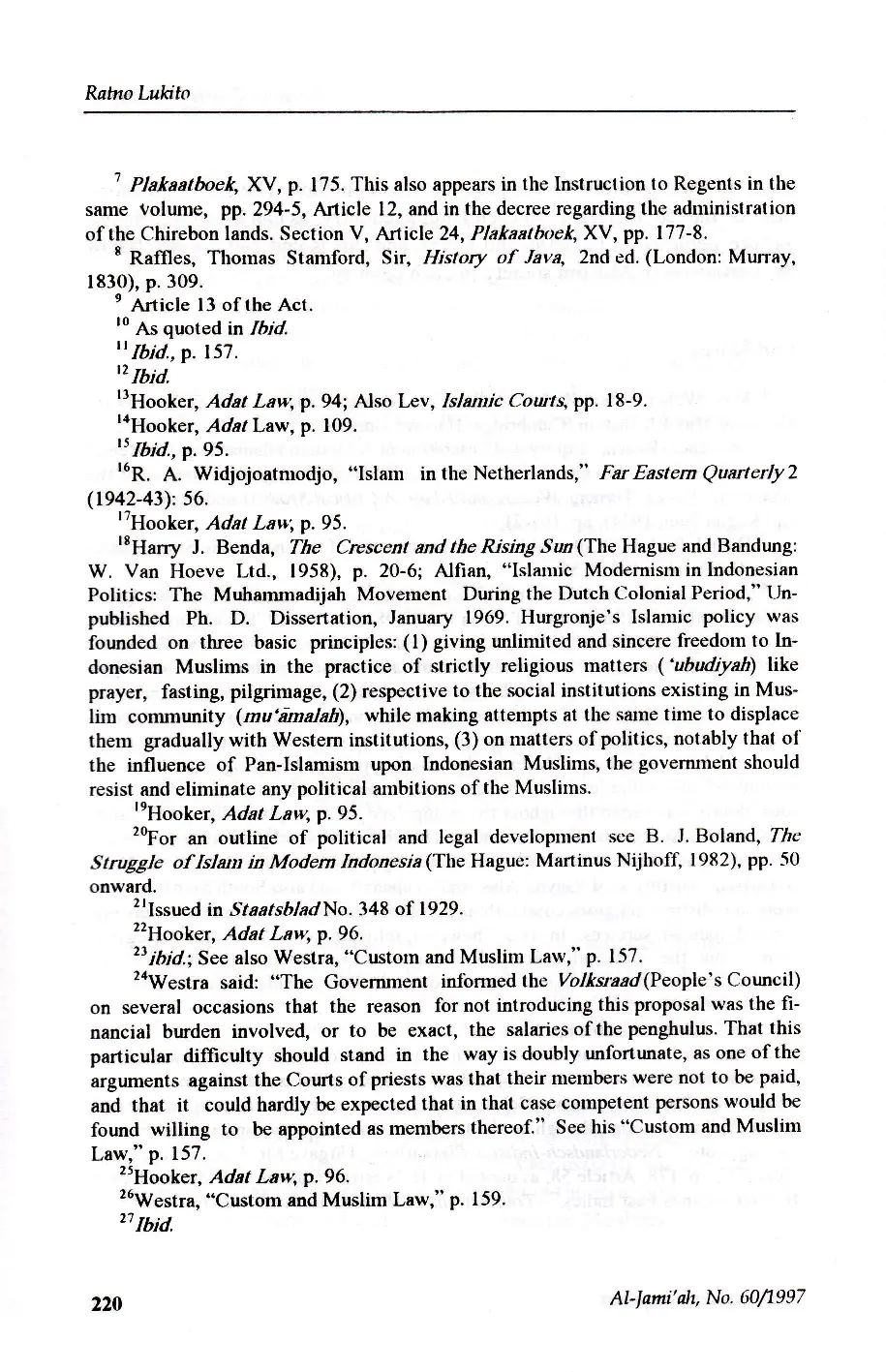
ALJAMIAHALJAMIAH Hal ini dapat dilihat dari kenyataan yang terjadi di masing-masing negara Islam (seperti apa yang bisa kita lihat dari perkembangan eksistensi PeradilanHal ini dapat dilihat dari kenyataan yang terjadi di masing-masing negara Islam (seperti apa yang bisa kita lihat dari perkembangan eksistensi Peradilan
Useful /

ITBMITBM Metode penelitian menggunakan Rancangan Acak Lengkap (RAL) dengan 4 perlakuan dan 3 ulangan, serta analisis ANOVA. Hasil menunjukkan bahwa sintasan ikanMetode penelitian menggunakan Rancangan Acak Lengkap (RAL) dengan 4 perlakuan dan 3 ulangan, serta analisis ANOVA. Hasil menunjukkan bahwa sintasan ikan
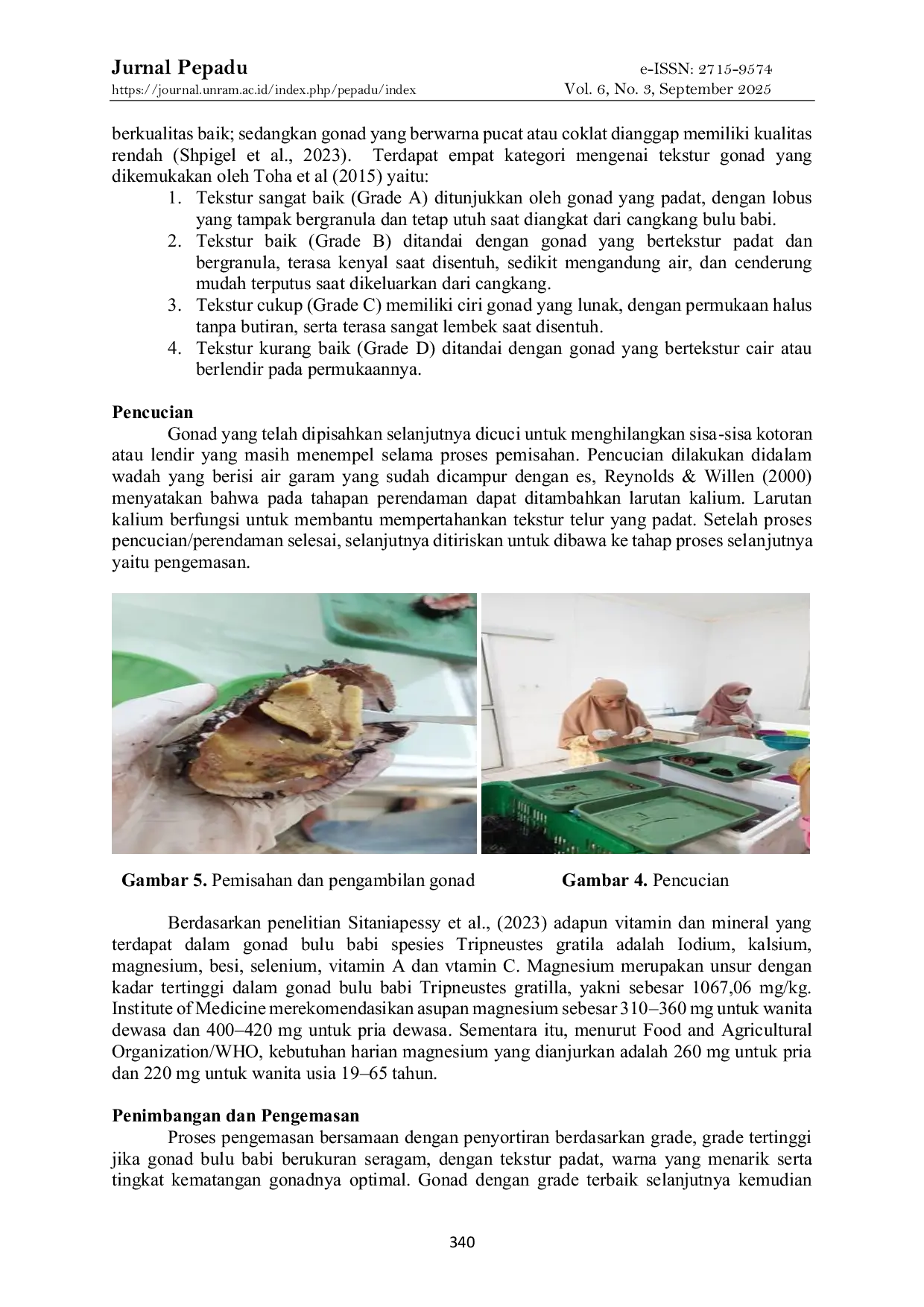
UNRAMUNRAM Harapannya melalui bimbingan teknis tersebut mampu meningkatkan kualitas produk bulu babi yang akan dijual kepada eksportir, sehingga dapat bersaing diHarapannya melalui bimbingan teknis tersebut mampu meningkatkan kualitas produk bulu babi yang akan dijual kepada eksportir, sehingga dapat bersaing di

JBE UPIYPTKJBE UPIYPTK Belanja Daerah (BD) berpengaruh signifikan terhadap Pertumbuhan Ekonomi (PDRB) pada Provinsi Sumatera Barat. Pendapatan Asli Daerah (PAD), berpengaruhBelanja Daerah (BD) berpengaruh signifikan terhadap Pertumbuhan Ekonomi (PDRB) pada Provinsi Sumatera Barat. Pendapatan Asli Daerah (PAD), berpengaruh

JBE UPIYPTKJBE UPIYPTK Suksesnya sebuah perusahaan dalam meningkatkan penjualan tidak terlepas dari peran brand image dan promosi dari suatu perusahaan dalam memperkenalkan produknyaSuksesnya sebuah perusahaan dalam meningkatkan penjualan tidak terlepas dari peran brand image dan promosi dari suatu perusahaan dalam memperkenalkan produknya