ITSITS
(IJCSAM) International Journal of Computing Science and Applied Mathematics(IJCSAM) International Journal of Computing Science and Applied MathematicsController design based on networked control system (NCS) framework combines sensing, control, and actuation tasks using shared channel of communication network. Such a use of communication channel often makes the NCS design more challenging due to the presence of system uncertainties, limitation on available computational/communication systems resources, as well as possible occurrences of data transmission failures or cyber attacks. This paper develops mathematical grounds for dynamic event-triggered control design method for an uncertain linear NCS with matched uncertainties whose communication channel undergoes cyber attacks in the form of Denial-of-Service (DoS). The DoS attacks are assumed to halt the execution of control update tasks that was scheduled by the dynamic event-triggered control scheme. Under such possible occurrences of DoS attacks, this paper bounds the allowable duration of the DoS presence and derives suitable control signals which can guarantee the closed loop NCS remains stable.
This paper presents mathematical foundations for a dynamic event-triggered scheme (DETS) designed for uncertain linear networked control systems (NCS) subjected to Denial-of-Service (DoS) attacks.The study focuses on matched uncertainty and models DoS attacks as interruptions to control updates.The research derives control signals and update schemes that ensure the stability of the closed-loop NCS even in the presence of DoS attacks, providing a measure of the NCS resiliency to such attacks.
Penelitian lebih lanjut dapat dilakukan untuk menguji efektivitas skema kontrol yang diusulkan pada sistem NCS yang lebih kompleks dan realistis, termasuk mempertimbangkan berbagai jenis serangan siber selain DoS. Selain itu, eksplorasi metode adaptif untuk memperkirakan dan mengkompensasi ketidakpastian sistem secara *online* dapat meningkatkan ketahanan NCS terhadap gangguan yang tidak terduga. Terakhir, pengembangan strategi kontrol terdistribusi yang memanfaatkan redundansi dalam jaringan NCS dapat meningkatkan keandalan dan ketahanan sistem secara keseluruhan, terutama dalam menghadapi serangan yang terkoordinasi.
| File size | 281.74 KB |
| Pages | 6 |
| DMCA | Report |
Related /

UMKOUMKO 501 tweet yang dikumpulkan via web crawling dan diproses melalui dual pipeline preprocessing. Sentimen dilabeli dengan metode VADER yang disesuaikan untuk501 tweet yang dikumpulkan via web crawling dan diproses melalui dual pipeline preprocessing. Sentimen dilabeli dengan metode VADER yang disesuaikan untuk
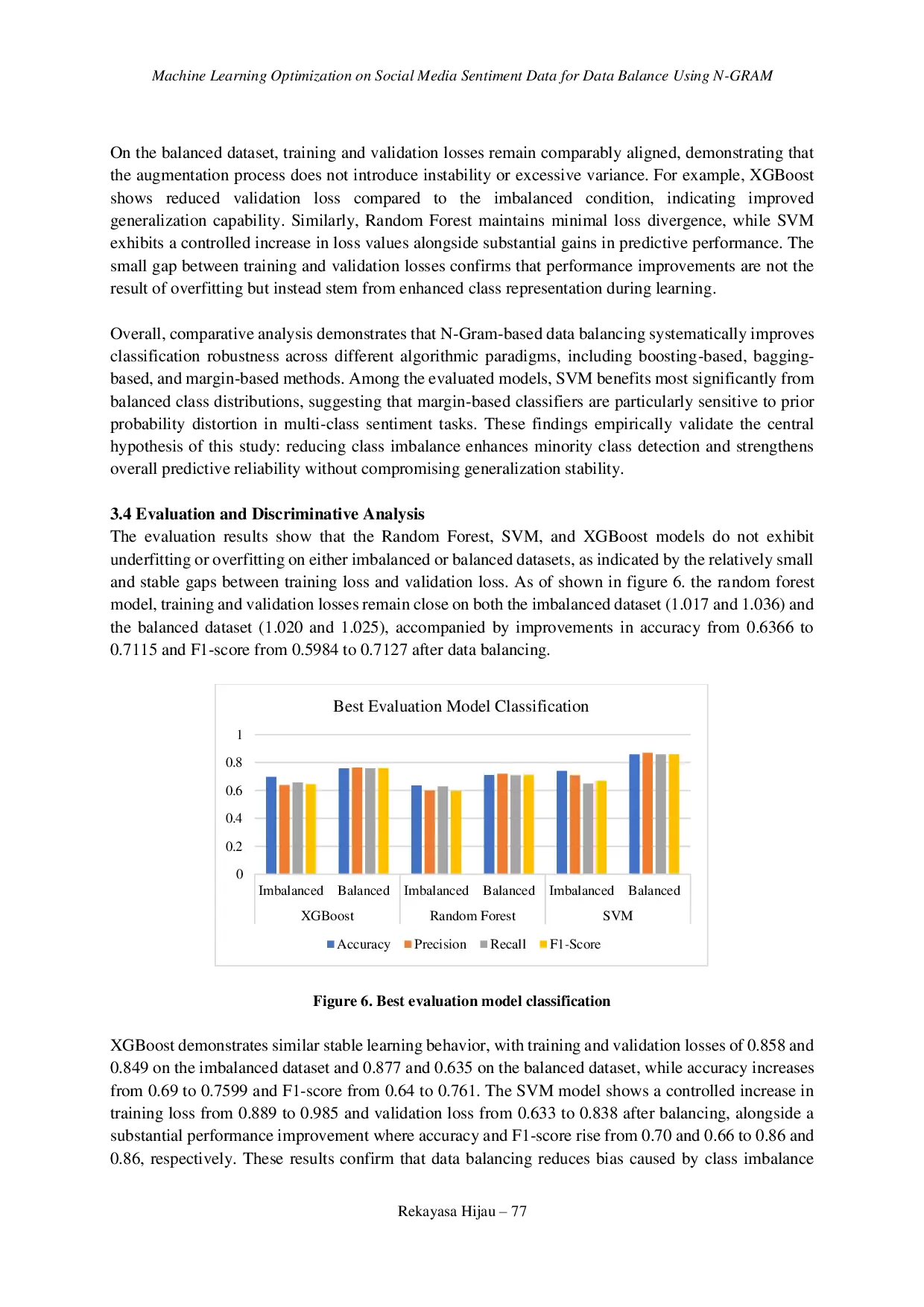
ITENASITENAS Tiga model machine learning, yaitu XGBoost, Random Forest, dan Support Vector Machine (SVM), dievaluasi pada dataset yang tidak seimbang maupun seimbangTiga model machine learning, yaitu XGBoost, Random Forest, dan Support Vector Machine (SVM), dievaluasi pada dataset yang tidak seimbang maupun seimbang
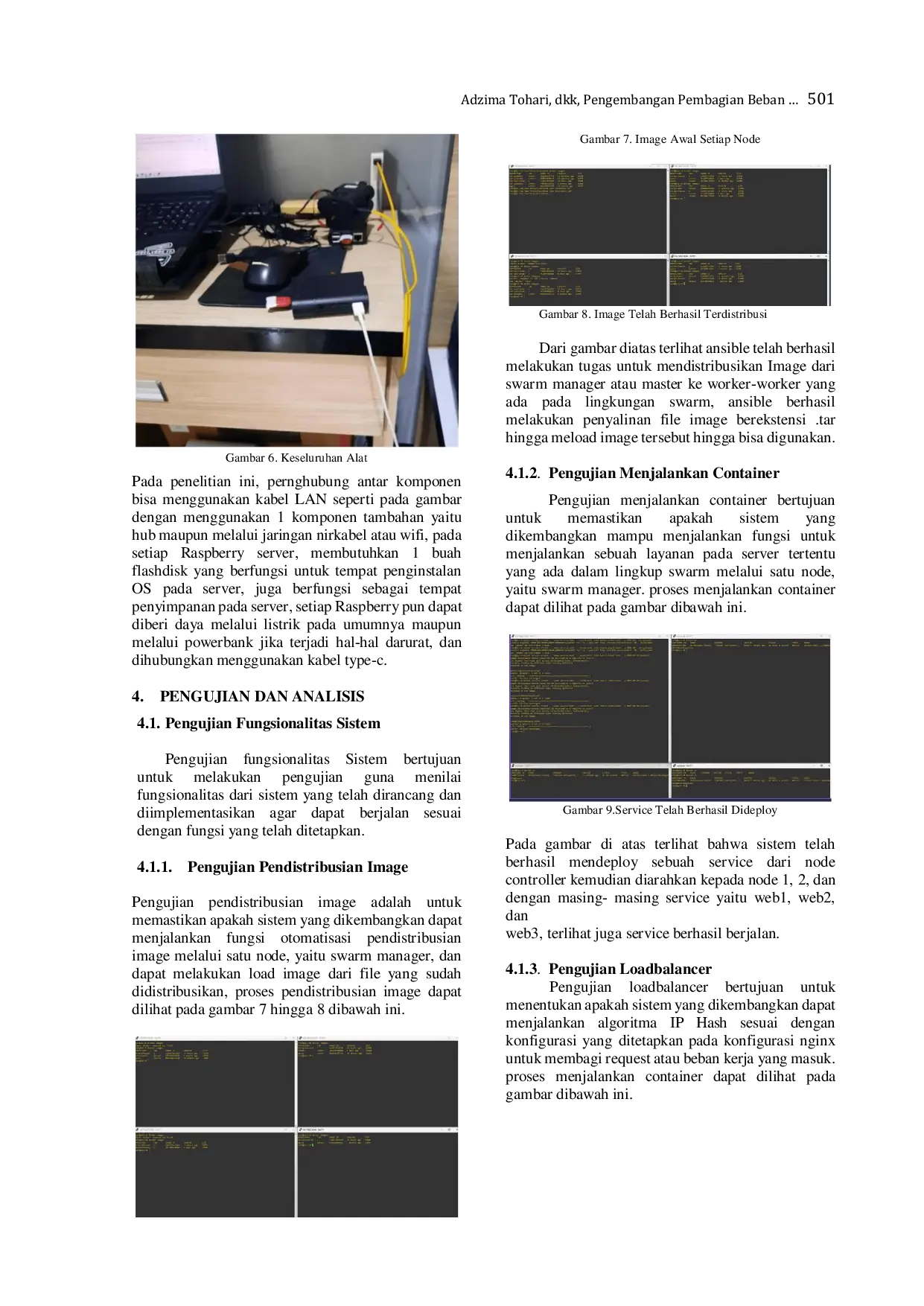
UBUB Namun, sistem mengalami penurunan performa saat server down, dengan kegagalan melayani 1,8% dari 1000 request atau 18 request. Penelitian ini menunjukkanNamun, sistem mengalami penurunan performa saat server down, dengan kegagalan melayani 1,8% dari 1000 request atau 18 request. Penelitian ini menunjukkan
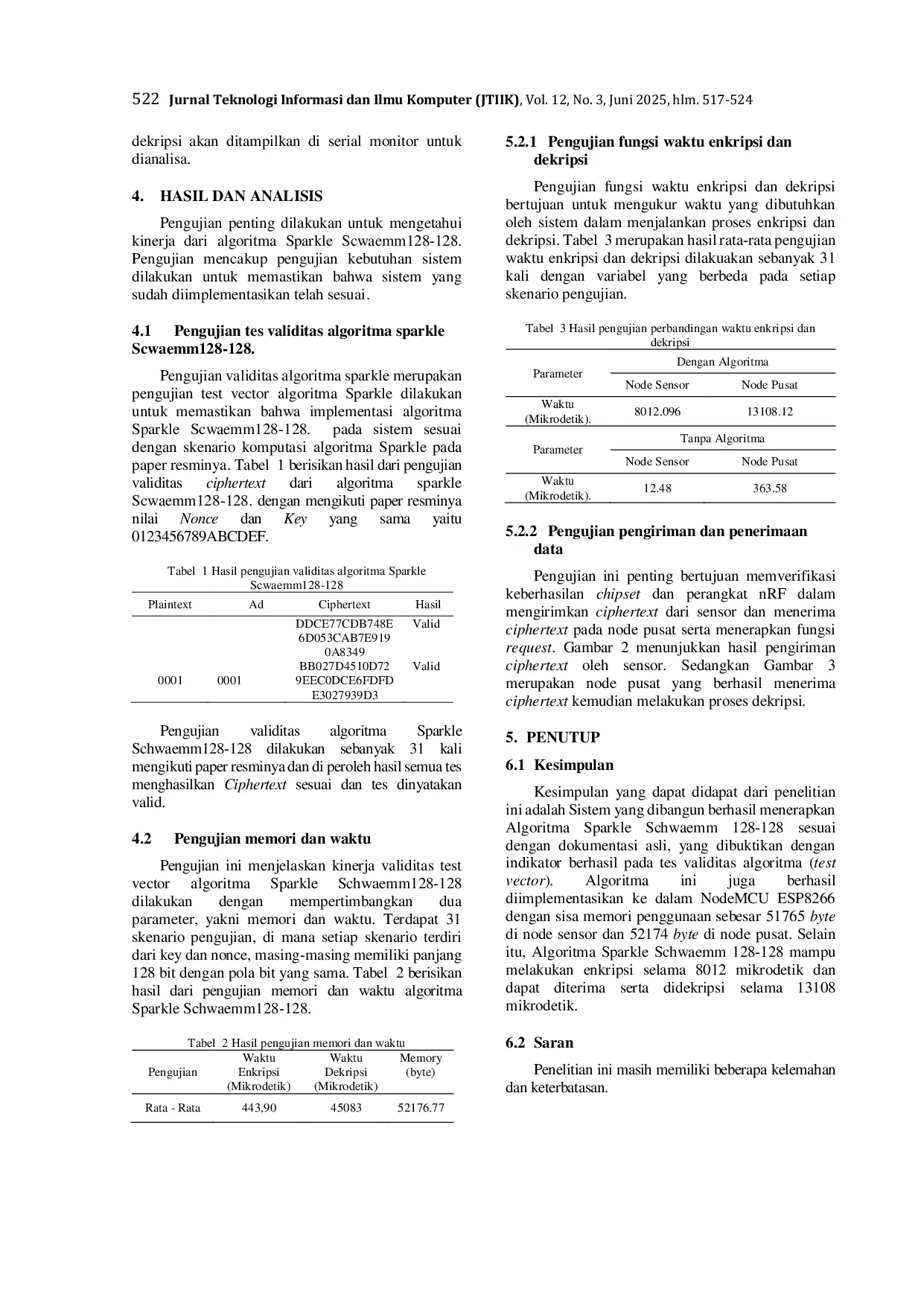
UBUB Penelitian ini diharapkan dapat memberikan solusi keamanan yang efisien dan efektif untuk sistem IoT yang menggunakan sensor GPS dan modul komunikasi NRF24L01.Penelitian ini diharapkan dapat memberikan solusi keamanan yang efisien dan efektif untuk sistem IoT yang menggunakan sensor GPS dan modul komunikasi NRF24L01.
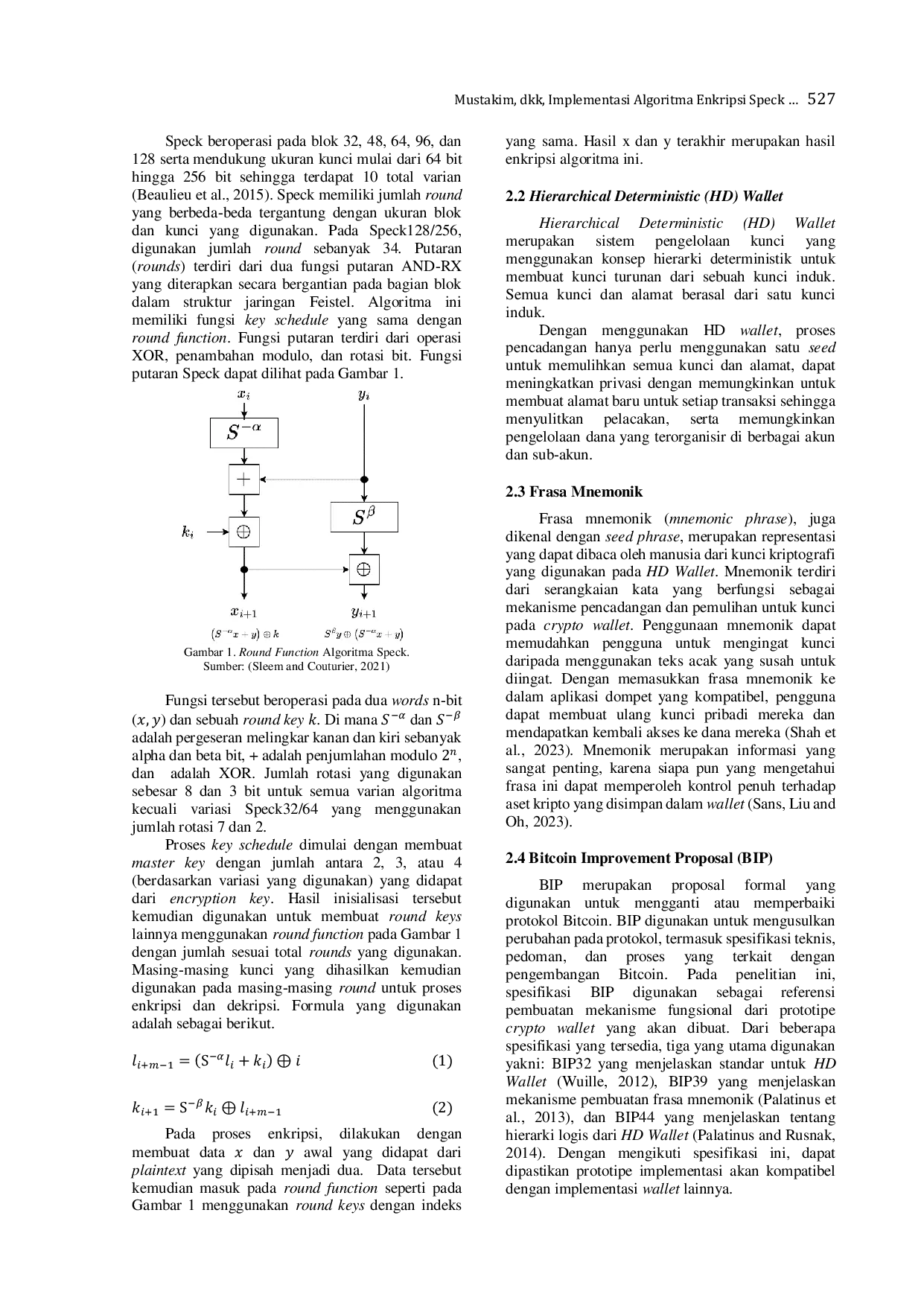
UBUB Penelitian ini diharapkan dapat memberikan kontribusi dalam pengembangan solusi keamanan yang efisien untuk cryptocurrency wallet. Penelitian ini berhasilPenelitian ini diharapkan dapat memberikan kontribusi dalam pengembangan solusi keamanan yang efisien untuk cryptocurrency wallet. Penelitian ini berhasil
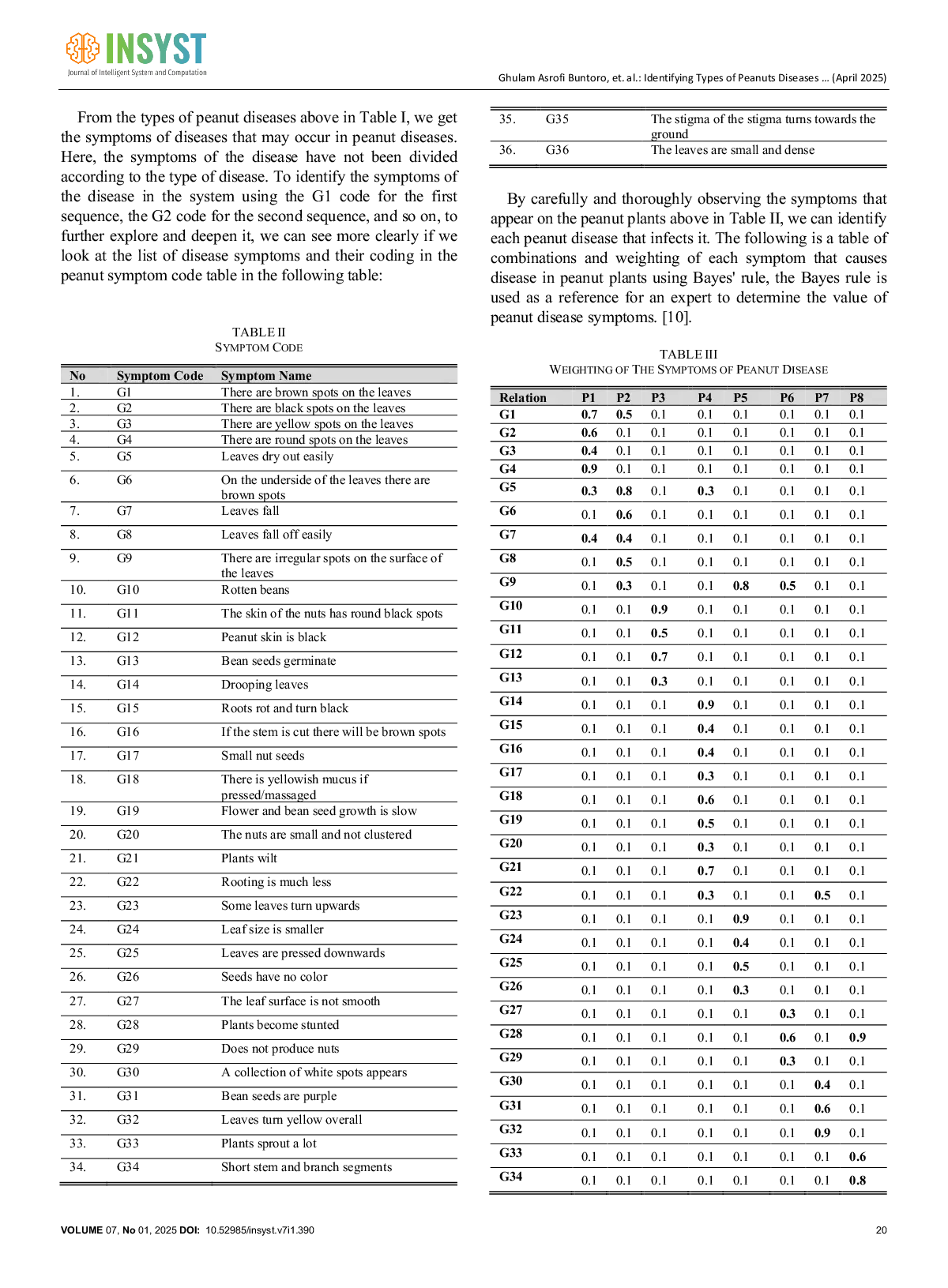
STTSSTTS Hasil perbandingan antara sistem dan perhitungan manual menghasilkan nilai yang identik, dimana penyakit Leaf Rust menjadi paling probable. PenelitianHasil perbandingan antara sistem dan perhitungan manual menghasilkan nilai yang identik, dimana penyakit Leaf Rust menjadi paling probable. Penelitian

UKSWUKSW Dalam era teknologi komunikasi yang terus berkembang, aplikasi pesan instan menjadi sarana utama bagi pengguna untuk berkomunikasi secara cepat dan aman.Dalam era teknologi komunikasi yang terus berkembang, aplikasi pesan instan menjadi sarana utama bagi pengguna untuk berkomunikasi secara cepat dan aman.

UNDHIRA BALIUNDHIRA BALI Utilizing renewable technology and documentary films effectively disseminates cultural information. Establishing a virtual museum enhances cultural preservationUtilizing renewable technology and documentary films effectively disseminates cultural information. Establishing a virtual museum enhances cultural preservation
Useful /

UMKLAUMKLA Desain penelitian deskriptif, populasi 304 responden, sampel 30 responden, menggunakan teknik purposive sampling, instrumen penelitian lembar kuesioner,Desain penelitian deskriptif, populasi 304 responden, sampel 30 responden, menggunakan teknik purposive sampling, instrumen penelitian lembar kuesioner,

UMKLAUMKLA Hasil penelitian menunjukkan rata-rata usia santri 13,7 tahun. Konsep diri positif dimiliki oleh 83,1% santri, kesehatan mental baik sebesar 46,8%, danHasil penelitian menunjukkan rata-rata usia santri 13,7 tahun. Konsep diri positif dimiliki oleh 83,1% santri, kesehatan mental baik sebesar 46,8%, dan
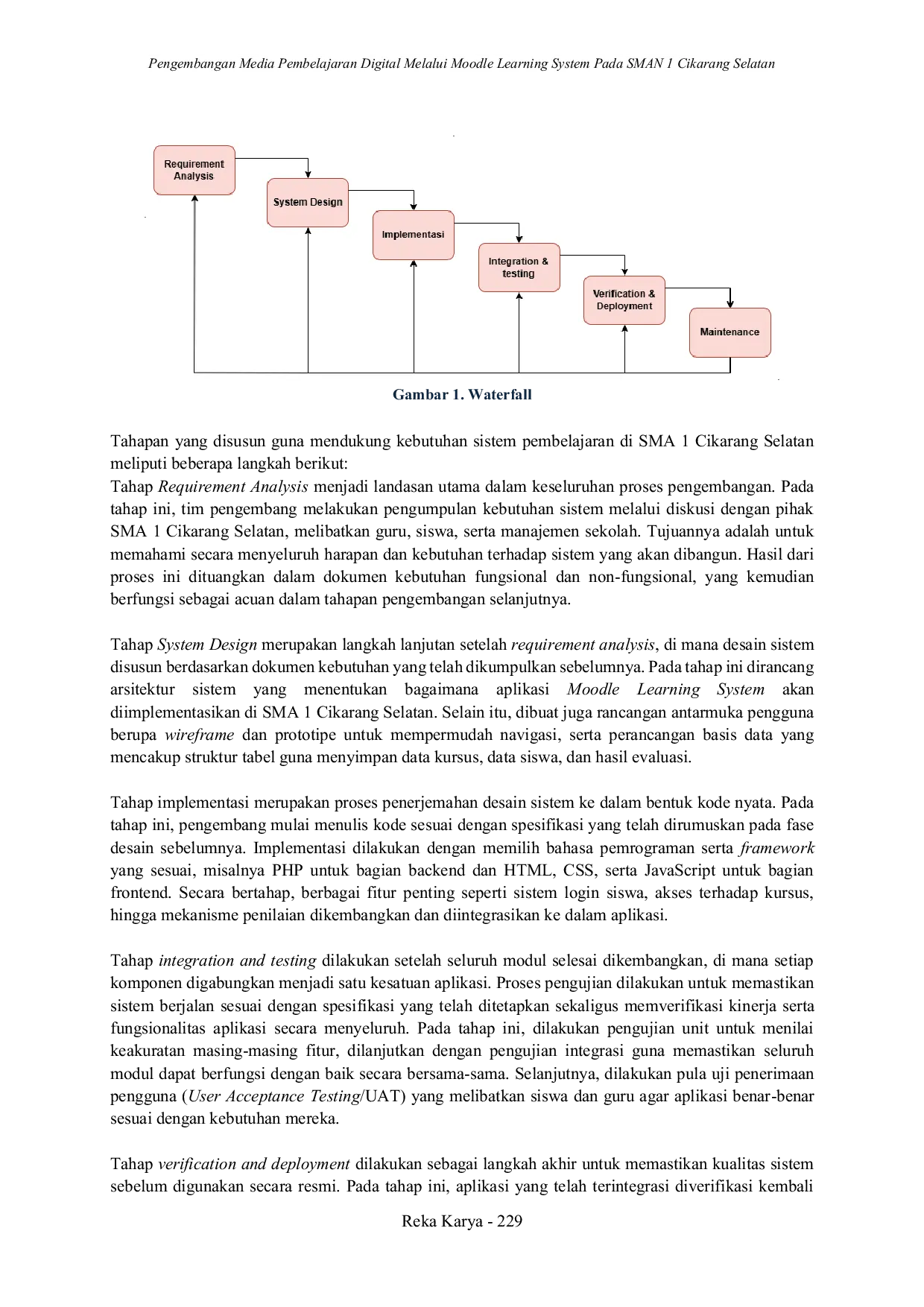
ITENASITENAS Metode pelaksanaan menggunakan model Waterfall yang mencakup tahapan requirement analysis melalui diskusi dengan stakeholders, system design dengan perancanganMetode pelaksanaan menggunakan model Waterfall yang mencakup tahapan requirement analysis melalui diskusi dengan stakeholders, system design dengan perancangan

UBUB Penelitian ini menghasilkan perancangan user experience aplikasi myECO yang menawarkan fitur-fitur untuk menghemat listrik berdasarkan kebutuhan pengguna.Penelitian ini menghasilkan perancangan user experience aplikasi myECO yang menawarkan fitur-fitur untuk menghemat listrik berdasarkan kebutuhan pengguna.