ITSITS
(IJCSAM) International Journal of Computing Science and Applied Mathematics(IJCSAM) International Journal of Computing Science and Applied MathematicsAn alternative method of integration-based parameter estimation applied in pharmacokinetics problems is proposed here. The method, introduced by Holder and Rodrigo [1], is used to estimate the rate of drug elimination and distribution when it enters the body via intravenous bolus. The estimation results are then compared with the classical method, the least squares method for the one-compartment model, and the residual method for the two-compartment model. Graphical simulations of drug concentration versus time are also performed in this article to view not only the dynamics of drug delivery in the body, but also the comparisons between the approximate solutions and the arbitrarily generated data points. Comparisons are also presented when the data points take into account noise in the form of random values. Based on the estimation and simulation results, the integration-based method gives good results and even better than the classical method although when noise is applied to the data points.
The integration-based method presents a viable alternative for estimating parameters in pharmacokinetic models, specifically for one and two-compartment systems.This method demonstrates comparable precision to the classical least squares method in the one-compartment model.Furthermore, the integration-based method provides superior parameter estimates compared to the classical residual method in the two-compartment model, particularly when dealing with noisy data.
Future research should explore the application of the integration-based method to more complex pharmacokinetic models, such as those incorporating multiple compartments or non-linear elimination kinetics, to assess its robustness and scalability. Investigating the sensitivity of the method to different types and levels of noise in the data could further refine its practical implementation and improve its reliability in real-world scenarios. Additionally, a comparative study with other advanced parameter estimation techniques, like machine learning algorithms, would provide valuable insights into the strengths and limitations of the integration-based approach and potentially lead to hybrid methodologies that leverage the benefits of both.
| File size | 295.4 KB |
| Pages | 6 |
| DMCA | Report |
Related /

PNCPNC Pendekatan evaluasi yang umum masih bersifat deskriptif dan subjektif, sehingga kurang efektif untuk mendukung perbaikan berkelanjutan. Penelitian iniPendekatan evaluasi yang umum masih bersifat deskriptif dan subjektif, sehingga kurang efektif untuk mendukung perbaikan berkelanjutan. Penelitian ini
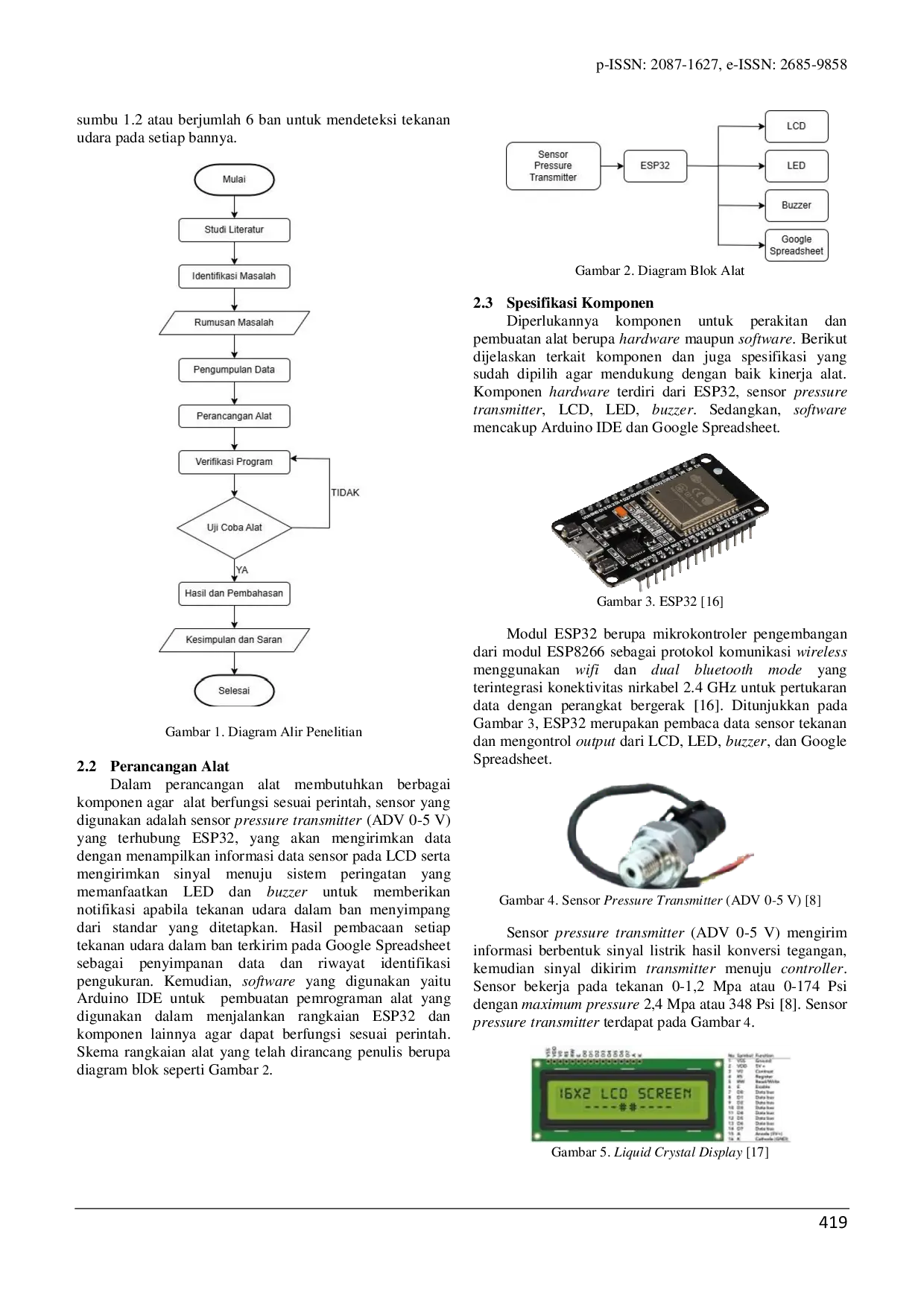
PNCPNC Data pengukuran tekanan dikirim secara real‑time dan disimpan ke Google Spreadsheet untuk dokumentasi paperless. Uji fungsional pada bus menunjukkanData pengukuran tekanan dikirim secara real‑time dan disimpan ke Google Spreadsheet untuk dokumentasi paperless. Uji fungsional pada bus menunjukkan

UNIMUNIM Menggunakan pendekatan kuantitatif dengan analisis regresi linear sederhana melalui SPSS, penelitian ini menguji pengaruh Adopsi ML (X) terhadap tiga variabelMenggunakan pendekatan kuantitatif dengan analisis regresi linear sederhana melalui SPSS, penelitian ini menguji pengaruh Adopsi ML (X) terhadap tiga variabel

UNITY ACADEMYUNITY ACADEMY Hasil penelitian menunjukkan bahwa pengaturan ukuran populasi dan bobot inertia pada algoritma PSO berhasil mengoptimalkan kinerja KNN dalam klasifikasiHasil penelitian menunjukkan bahwa pengaturan ukuran populasi dan bobot inertia pada algoritma PSO berhasil mengoptimalkan kinerja KNN dalam klasifikasi
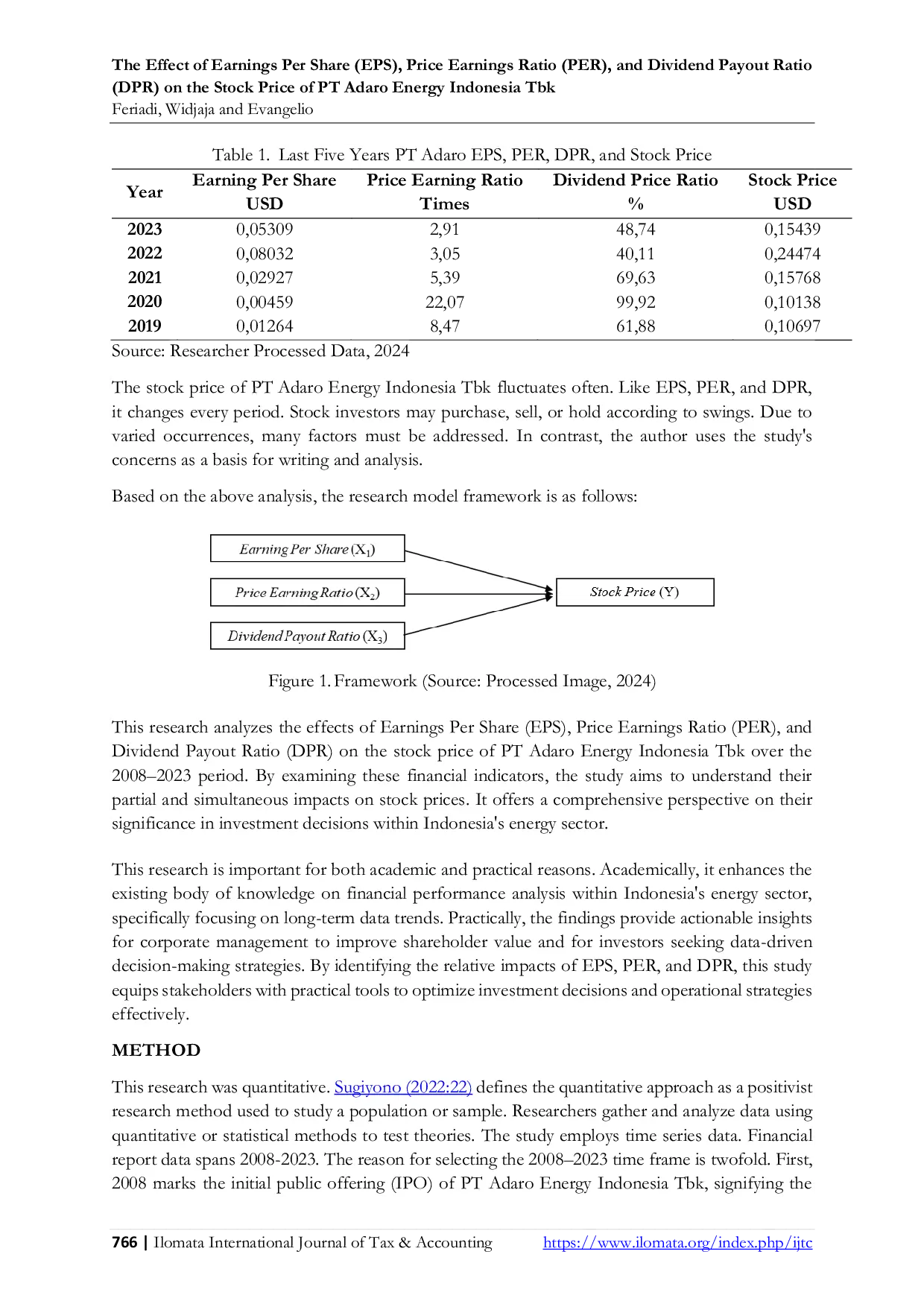
ILOMATAILOMATA Keseluruhan variabel menjelaskan 65,6 % variasi harga saham, menegaskan pentingnya analisis rasio keuangan dalam penilaian saham di sektor energi Indonesia.Keseluruhan variabel menjelaskan 65,6 % variasi harga saham, menegaskan pentingnya analisis rasio keuangan dalam penilaian saham di sektor energi Indonesia.

UPSUPS Selanjutnya untuk menganalisis data angket, peneliti menggunakan tabel dan prosentase respon tingkat persetujuan responden terkait penerapan model PBLSelanjutnya untuk menganalisis data angket, peneliti menggunakan tabel dan prosentase respon tingkat persetujuan responden terkait penerapan model PBL
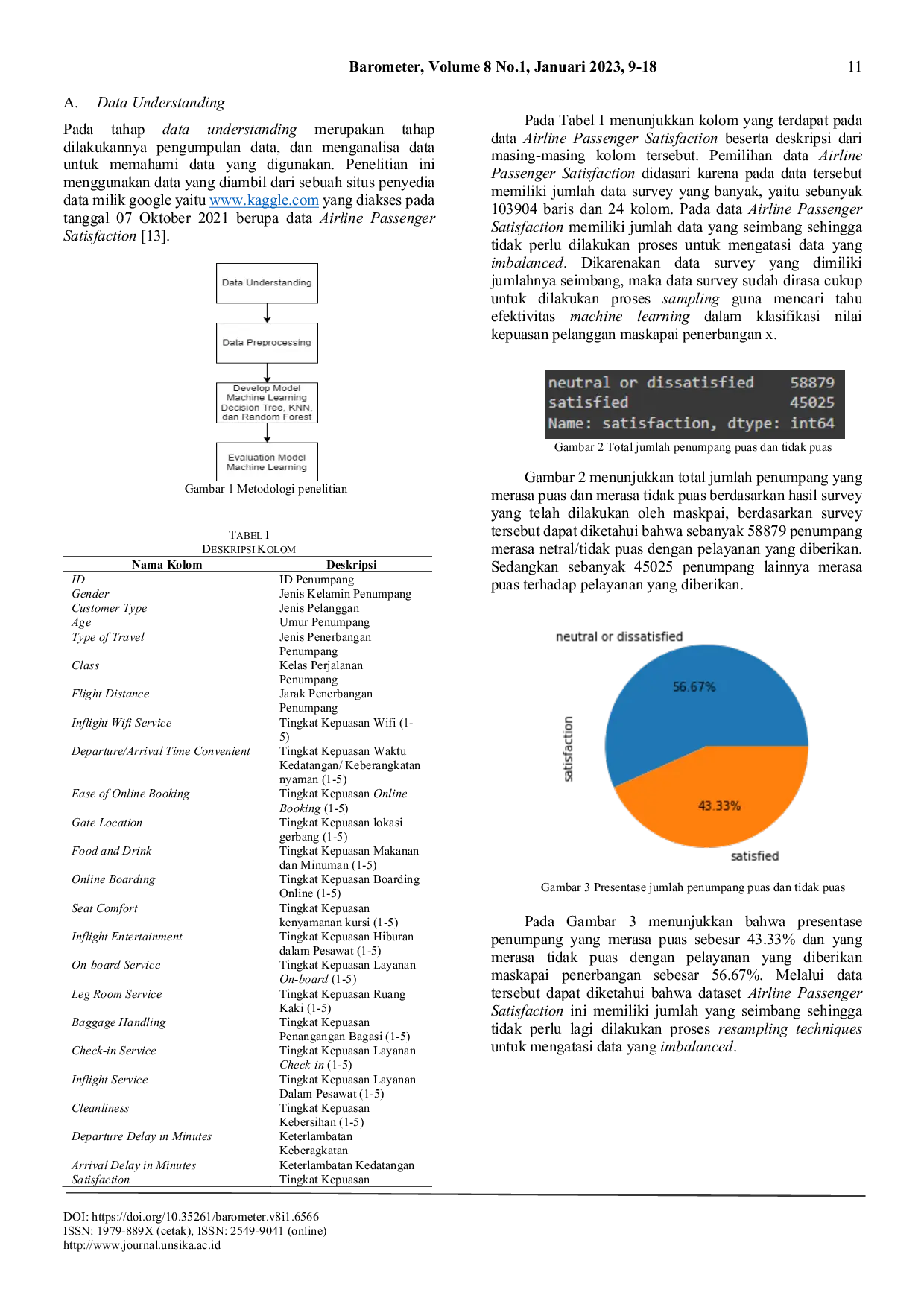
UNSIKAUNSIKA Karena hal ini maskapai penerbangan perlu meningkatkan kualitas pelayanan melalui survey yang diberikan kepada penumpang. Proses klasifikasi kepuasan pelangganKarena hal ini maskapai penerbangan perlu meningkatkan kualitas pelayanan melalui survey yang diberikan kepada penumpang. Proses klasifikasi kepuasan pelanggan
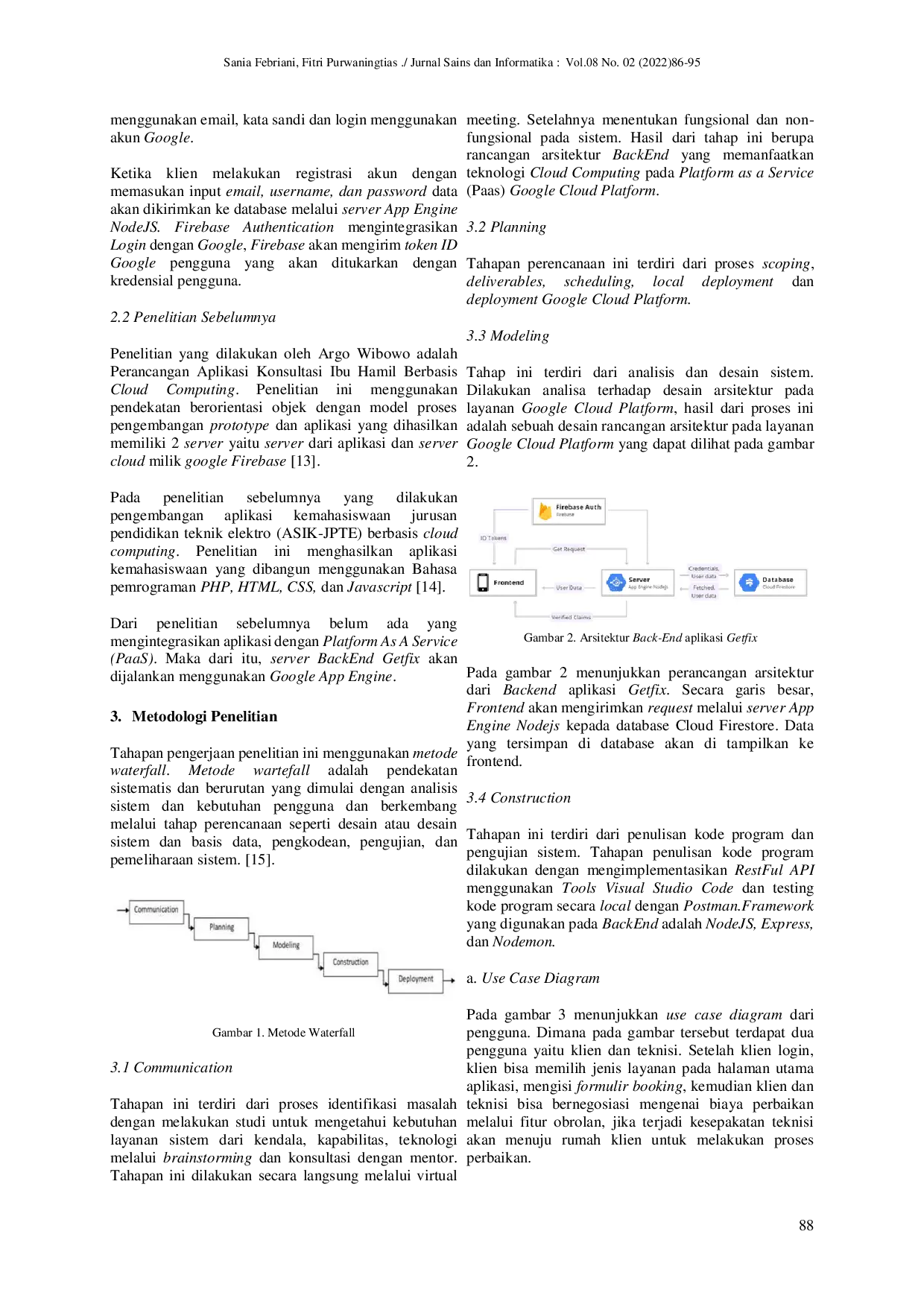
LLDIKTI10LLDIKTI10 Adakalanya ketika gadget yang digunakan tidak berfungsi karena mengalami kerusakan sehingga pengguna berusaha untuk melakukan perbaikan. PermasalahannyaAdakalanya ketika gadget yang digunakan tidak berfungsi karena mengalami kerusakan sehingga pengguna berusaha untuk melakukan perbaikan. Permasalahannya
Useful /

PNCPNC Hasil tersebut menawarkan solusi inovatif dan ekonomis sekaligus mempromosikan pemanfaatan sampah organik sebagai sumber daya yang bernilai. Mesin pembuburHasil tersebut menawarkan solusi inovatif dan ekonomis sekaligus mempromosikan pemanfaatan sampah organik sebagai sumber daya yang bernilai. Mesin pembubur

UNWIDHAUNWIDHA Berdasarkan kajian, Kampus Mengajar Angkatan 1 terbukti dapat meningkatkan kemampuan literasi dan numerasi siswa, serta mengembangkan kemampuan interpersonal,Berdasarkan kajian, Kampus Mengajar Angkatan 1 terbukti dapat meningkatkan kemampuan literasi dan numerasi siswa, serta mengembangkan kemampuan interpersonal,
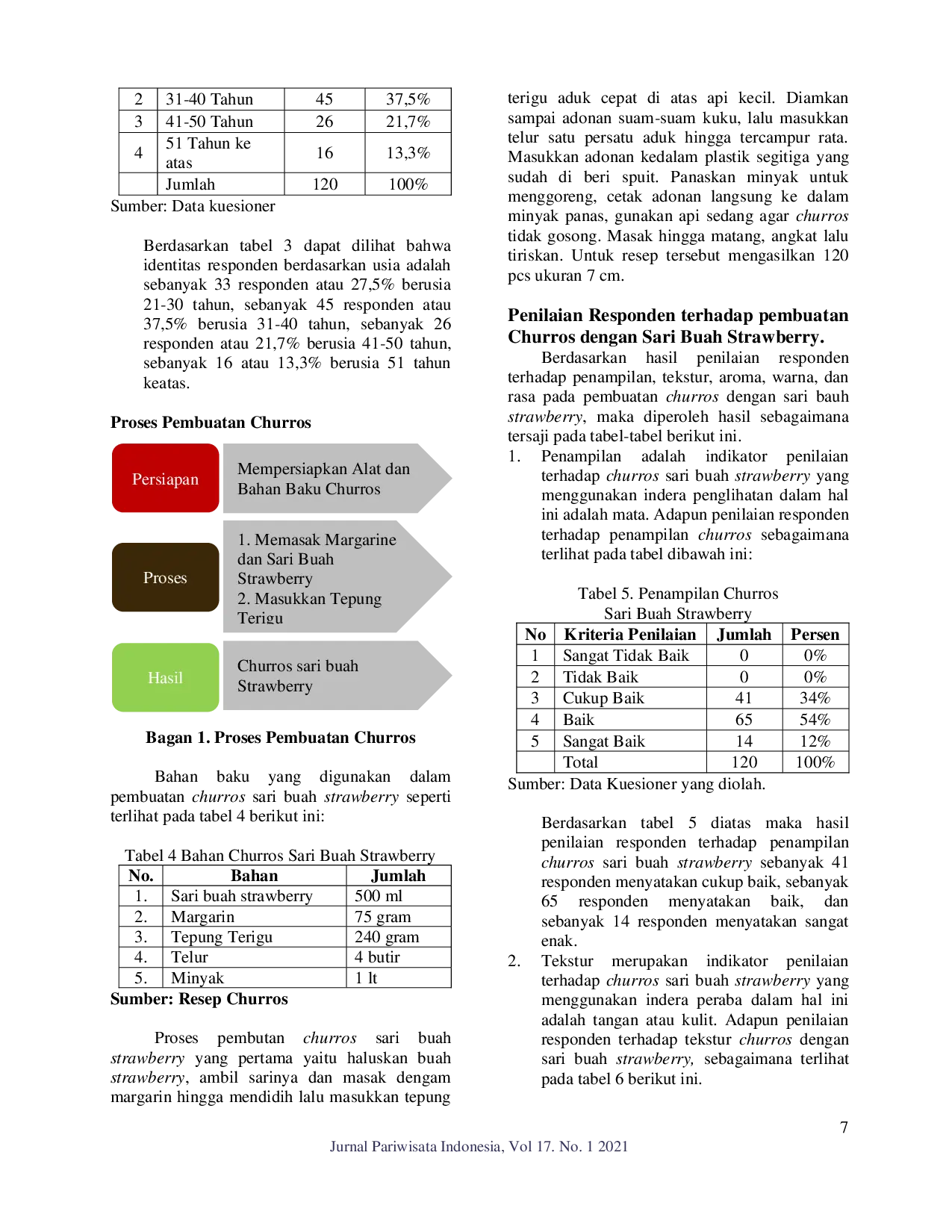
STPSAHIDSURAKARTASTPSAHIDSURAKARTA Penelitian ini menyimpulkan bahwa penggunaan sari buah stroberi sebagai pengganti air mineral dalam pembuatan churros memberikan pengaruh signifikan terhadapPenelitian ini menyimpulkan bahwa penggunaan sari buah stroberi sebagai pengganti air mineral dalam pembuatan churros memberikan pengaruh signifikan terhadap

STPSAHIDSURAKARTASTPSAHIDSURAKARTA Layanan yang ditingkatkan meliputi penyediaan informasi, penanganan komplain, wake‑up call, serta sikap staf Service Center yang sopan, ramah, cepat,Layanan yang ditingkatkan meliputi penyediaan informasi, penanganan komplain, wake‑up call, serta sikap staf Service Center yang sopan, ramah, cepat,