BALAIPUBLIKASIBALAIPUBLIKASI
EDUCA: Jurnal Pendidikan IndonesiaEDUCA: Jurnal Pendidikan IndonesiaThis article examines from an educational psychology perspective. The purpose of this paper is to explain the definition, principles, and role of constructivism in motivating students. The method used is a literature review that gathers various expert opinions on constructivism and analyzes its application in the learning process. The results show that constructivism encourages students to actively construct their own knowledge, shifting the learning paradigm from teacher-centered to student-centered. Constructivism-based learning enhances 21st-century skills, deepens understanding, and engagement. However, its implementation faces challenges, such as the need for teachers to transform into facilitators and create a supportive learning environment.
Constructivism is a well-known theory in education that emphasizes students constructing their own knowledge rather than passively receiving information.This theory shifts the learning paradigm from teacher-centered to student-centered, fostering active participation and enhancing 21st-century skills.While constructivism offers numerous benefits, including increased student engagement and meaningful learning, it also presents challenges related to teacher roles and the learning environment.
Penelitian lebih lanjut perlu dilakukan untuk mengeksplorasi efektivitas implementasi konstruktivisme dalam berbagai konteks budaya dan sistem pendidikan di Indonesia, dengan mempertimbangkan faktor-faktor sosio-ekonomi yang dapat memengaruhi proses belajar. Selain itu, studi komparatif dapat dilakukan untuk membandingkan pendekatan konstruktivis dengan metode pembelajaran tradisional dalam hal pencapaian hasil belajar dan pengembangan keterampilan abad ke-21 pada siswa. Terakhir, penelitian perlu difokuskan pada pengembangan model pelatihan guru yang efektif untuk membekali mereka dengan keterampilan dan pengetahuan yang diperlukan untuk memfasilitasi pembelajaran konstruktivis secara optimal, termasuk strategi untuk menciptakan lingkungan belajar yang mendukung dan memotivasi siswa untuk membangun pengetahuan mereka sendiri secara aktif.
| File size | 170.74 KB |
| Pages | 5 |
| DMCA | Report |
Related /

IKIPWIDYADARMASURABAYAIKIPWIDYADARMASURABAYA Siswa yang memiliki kecerdasan interpersonal tinggi cenderung lebih aktif dalam pembelajaran, mampu berkomunikasi secara efektif, bekerja sama dalam kelompok,Siswa yang memiliki kecerdasan interpersonal tinggi cenderung lebih aktif dalam pembelajaran, mampu berkomunikasi secara efektif, bekerja sama dalam kelompok,

STAI IUSTAI IU Dalam sebuah proses pengelolaan kelas, dapat kita ketahui bahwa menjadi seorang guru tidaklah mudah, bukan hanya berlandaskan pengetahuan saja, tetapiDalam sebuah proses pengelolaan kelas, dapat kita ketahui bahwa menjadi seorang guru tidaklah mudah, bukan hanya berlandaskan pengetahuan saja, tetapi
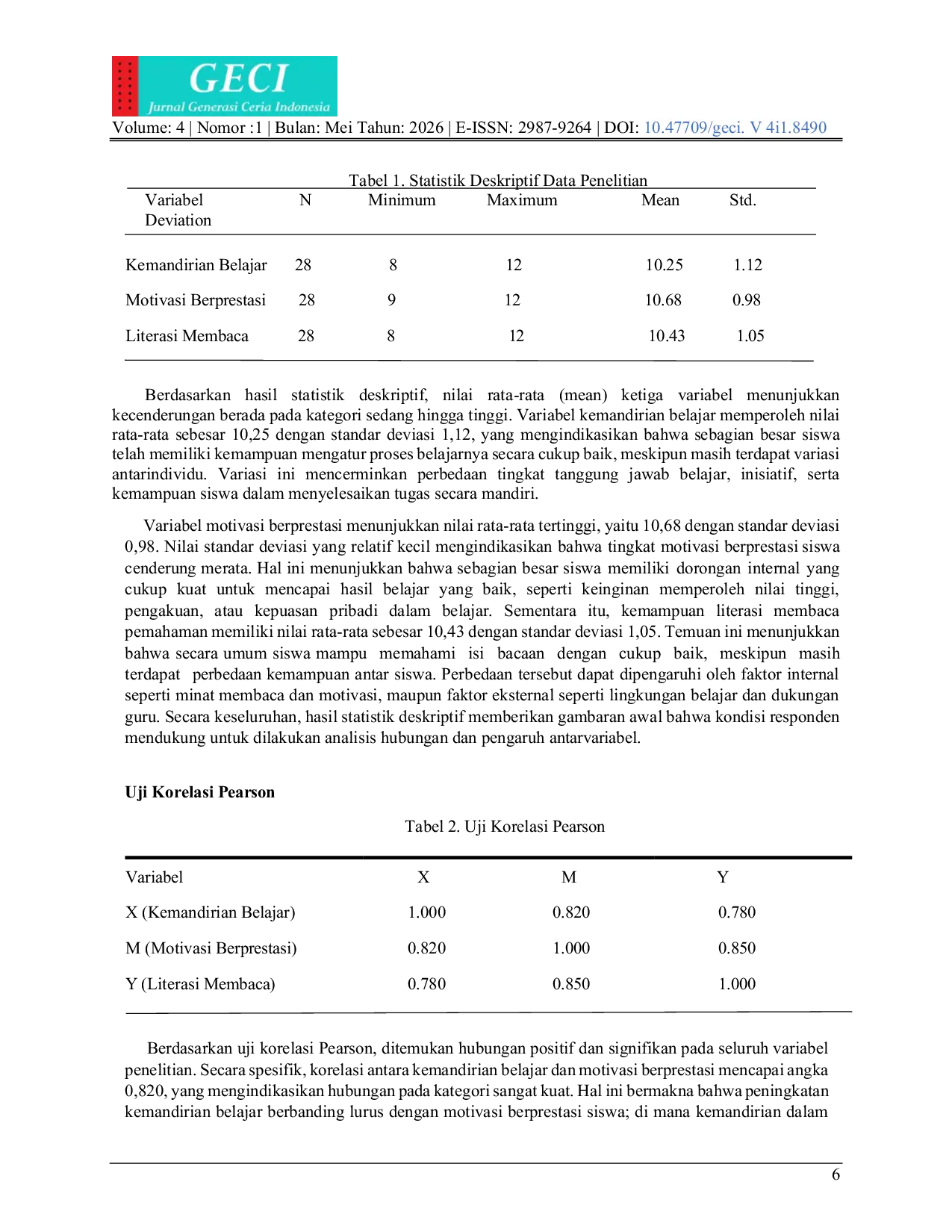
ITSCIENCEITSCIENCE Oleh karena itu, penelitian ini bertujuan untuk menganalisis peran motivasi berprestasi sebagai mediator dalam hubungan antara kemandirian belajar danOleh karena itu, penelitian ini bertujuan untuk menganalisis peran motivasi berprestasi sebagai mediator dalam hubungan antara kemandirian belajar dan

UIN BANTENUIN BANTEN Manajemen Pembelajaran Berbasis Proyek (PjBL) sangat penting untuk meningkatkan karakter religius siswa di SMA Negeri 1 Ciracap dan SMA Negeri 1 Surade.Manajemen Pembelajaran Berbasis Proyek (PjBL) sangat penting untuk meningkatkan karakter religius siswa di SMA Negeri 1 Ciracap dan SMA Negeri 1 Surade.
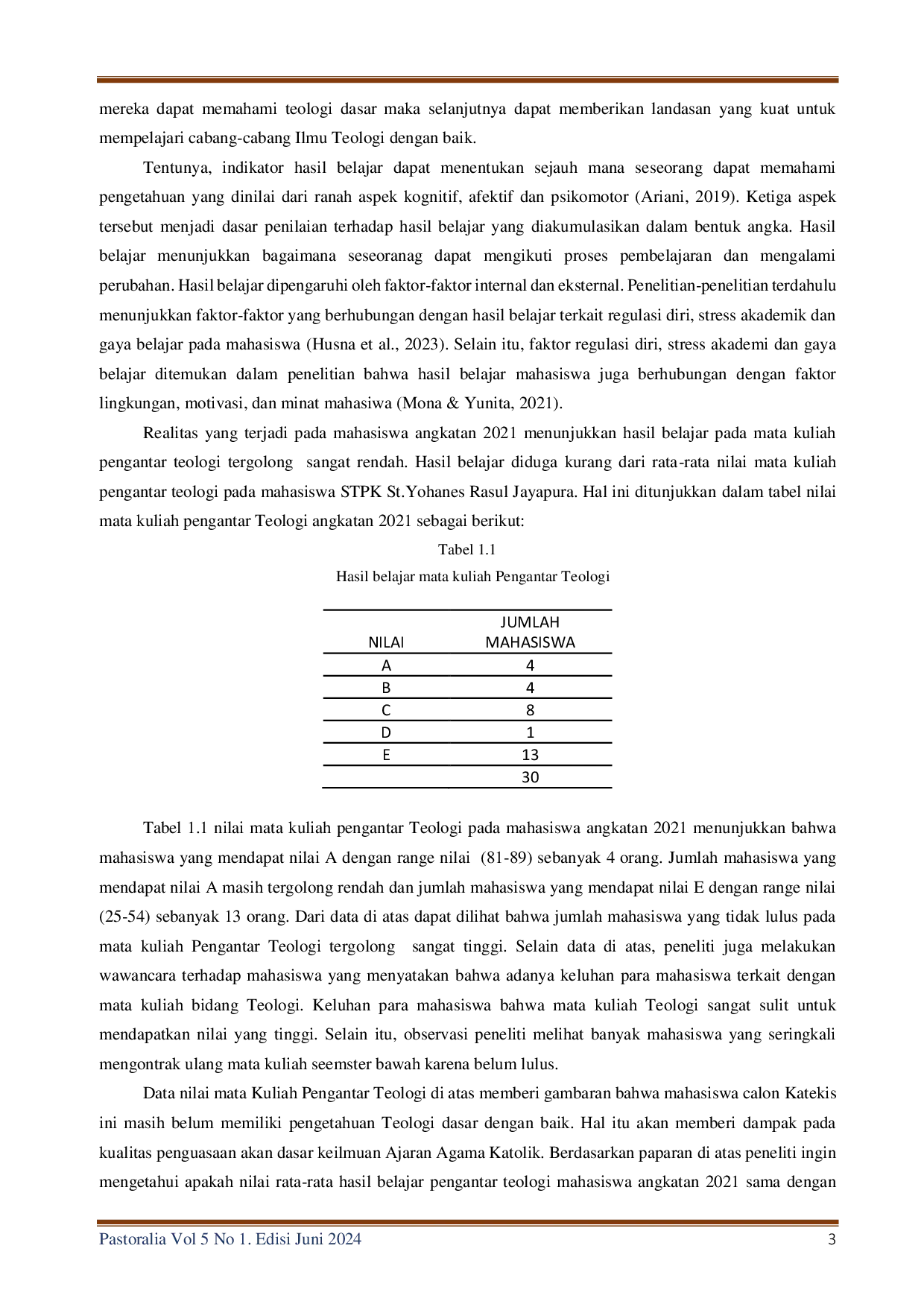
STPKAKSTPKAK Penelitian ini memberikan kontribusi bagi para pendidik khususnya dosen yang mengampu mata kuliah di bidang Teologi agar dapat membantu hasil belajar mahasiswaPenelitian ini memberikan kontribusi bagi para pendidik khususnya dosen yang mengampu mata kuliah di bidang Teologi agar dapat membantu hasil belajar mahasiswa

STIKESBANYUWANGISTIKESBANYUWANGI Mulai berasal peneliti untuk menyampaikan tujuan pembelajaran dan memotivasi siswa, menyajikan informasi, membuat kelompok belajar bagi siswa, memberikanMulai berasal peneliti untuk menyampaikan tujuan pembelajaran dan memotivasi siswa, menyajikan informasi, membuat kelompok belajar bagi siswa, memberikan

STIKESBANYUWANGISTIKESBANYUWANGI Hasil penelitian menunjukkan bahwa pembelajaran Al-Quran Hadits dapat meningkatkan kemampuan membaca Al-Quran, khususnya dalam aspek tajwid, kefasihan,Hasil penelitian menunjukkan bahwa pembelajaran Al-Quran Hadits dapat meningkatkan kemampuan membaca Al-Quran, khususnya dalam aspek tajwid, kefasihan,

ISI DPSISI DPS Mata pelajaran seni budaya dalam bidang seni tari di SMA Negeri Satu Atap Lembongan belum menggunakan media pembelajaran audio-visual. Hal ini berdampakMata pelajaran seni budaya dalam bidang seni tari di SMA Negeri Satu Atap Lembongan belum menggunakan media pembelajaran audio-visual. Hal ini berdampak
Useful /

UPG45NTTUPG45NTT Tujuannya penulisan ini adalah untuk mengidentifikasi bentuk-bentuk klitik dari Bahasa Dawan dialek Amanatun. Metode penelitan yang diguanakan adalah metodeTujuannya penulisan ini adalah untuk mengidentifikasi bentuk-bentuk klitik dari Bahasa Dawan dialek Amanatun. Metode penelitan yang diguanakan adalah metode

UMKLAUMKLA Stroke merupakan penyakit yang disebabkan karena adanya penyumbatan atau perdarahan pada pembuluh darah otak yang dapat menghambat atau mengurangi masuknyaStroke merupakan penyakit yang disebabkan karena adanya penyumbatan atau perdarahan pada pembuluh darah otak yang dapat menghambat atau mengurangi masuknya

UMKLAUMKLA Berdasarkan penelitian ini, dapat disimpulkan bahwa pelatihan metode PRICES secara signifikan meningkatkan pengetahuan dan keterampilan penanganan cederaBerdasarkan penelitian ini, dapat disimpulkan bahwa pelatihan metode PRICES secara signifikan meningkatkan pengetahuan dan keterampilan penanganan cedera

ISI DPSISI DPS Penelitian ini berjudul “Nilai-Nilai Pendidikan Karakter Pada Tari Muli Begukhau di Provinsi Lampung yang bertujuan untuk mengungkapkan keterkaitannyaPenelitian ini berjudul “Nilai-Nilai Pendidikan Karakter Pada Tari Muli Begukhau di Provinsi Lampung yang bertujuan untuk mengungkapkan keterkaitannya