UBUB
The Journal of Experimental Life ScienceThe Journal of Experimental Life SciencePlant Growth Promoting (PGP) Endophytic bacteria are used as an alternative biofertilizer to support soil health and plant productivity. This research aimed to isolate, analyze the potential, and identify the endophytic bacteria of Robusta and Arabica coffee plants as biofertilizer agents. Endophytic bacteria were isolated from the roots of coffee plants and tested for their potential to produce IAA, phosphate-solubilizing, and nitrogen fixation. Potential endophytic bacterial isolates were identified based on 16S rDNA sequence similarity. Total isolates from Robusta coffee consisting of ten IAA-producing bacteria, eight phosphate-solubilizing, and seven nitrogen fixation bacteria isolates. Total isolates from Arabica coffee roots were 12 isolates of IAA-producing bacteria, seven isolates of phosphate-solubilizing bacteria, and six isolates of nitrogen fixation bacteria. The highest potential of the isolate from Robusta roots was SS.E2 isolate to produce IAA 110.73 μg.mL-1; SS.P3 isolate to dissolve phosphate 4.42 μg.mL-1, and SS.N2 isolate to produce ammonium 3.15 μg.mL-1. The highest potential of the isolate from Arabica roots was SW.E9 isolate to produce IAA up to 257.16 μg.mL-1; SW.P5 isolate to dissolve phosphate up to 4,55 μg.mL-1; and SW.N6 isolate to produce ammonium up to 1.16 μg.mL-1. Isolates SS.E2, SW.E9, SS.P3, SW.P5, SS.N2, and SW.N6 were respectively identified as Bacillus cereus ATCC 14579, Bacillus cereus ATCC 14579, Rahnella aquatilis B35, Kluyvera intermedia TPY16, Rahnella aquatilis B35, and Pseudomonas tolaasii NCPPB 2192. Potential PGP isolates can be developed as biofertilizer agents for the coffee plant.
Based on the results of the study, it was concluded that endophytic root isolates of Robusta and Arabica coffee can be developed as PGP agents.E9 isolates produced the highest IAA, identified as Bacillus cereus ATCC 14579.P5 isolates showed the highest phosphate solubilization, identified as Rahnella aquatilis B35 and Kluyvera intermedia TPY16, respectively.N6 exhibited the highest nitrogen fixation and were identified as Rahnella aquatilis B35 and Pseudomonas tolaasii NCPPB 2192, respectively.
Penelitian lebih lanjut perlu dilakukan untuk menguji efektivitas konsorsium bakteri endofit yang teridentifikasi dalam meningkatkan pertumbuhan dan hasil tanaman kopi di lapangan, dengan mempertimbangkan interaksi sinergis antar bakteri. Studi mendalam mengenai mekanisme molekuler yang mendasari kemampuan bakteri endofit dalam memproduksi IAA, melarutkan fosfat, dan fiksasi nitrogen, termasuk identifikasi gen-gen kunci yang terlibat, dapat membuka peluang untuk rekayasa bakteri endofit yang lebih efisien. Selain itu, penelitian perlu difokuskan pada pengaruh kondisi lingkungan seperti pH tanah, suhu, dan ketersediaan nutrisi terhadap aktivitas dan kelangsungan hidup bakteri endofit di rizosfer tanaman kopi, untuk mengoptimalkan aplikasi biofertilizer berbasis bakteri endofit secara berkelanjutan.
| File size | 585.3 KB |
| Pages | 8 |
| DMCA | Report |
Related /

YARSIYARSI 5, berkontribusi signifikan terhadap kasus ISPA, dengan anak-anak sebagai kelompok rentan. Pengetahuan dan perilaku masyarakat terkait kesehatan memainkan5, berkontribusi signifikan terhadap kasus ISPA, dengan anak-anak sebagai kelompok rentan. Pengetahuan dan perilaku masyarakat terkait kesehatan memainkan

PUBLIKASIINDONESIAPUBLIKASIINDONESIA Peran arbitrator yang memiliki kompetensi teknis di bidang konstruksi sangat penting tingginya kompleksitas teknis proyek, sekaligus meminimalkan kesalahpahamanPeran arbitrator yang memiliki kompetensi teknis di bidang konstruksi sangat penting tingginya kompleksitas teknis proyek, sekaligus meminimalkan kesalahpahaman

PUBLIKASIINDONESIAPUBLIKASIINDONESIA Penelitian dilakukan di UPTD Pelayanan Sosial Lanjut Usia Binjai. Populasi penelitian sebanyak 68 orang, dan sampel diperoleh sebanyak 58 orang. PenarikanPenelitian dilakukan di UPTD Pelayanan Sosial Lanjut Usia Binjai. Populasi penelitian sebanyak 68 orang, dan sampel diperoleh sebanyak 58 orang. Penarikan
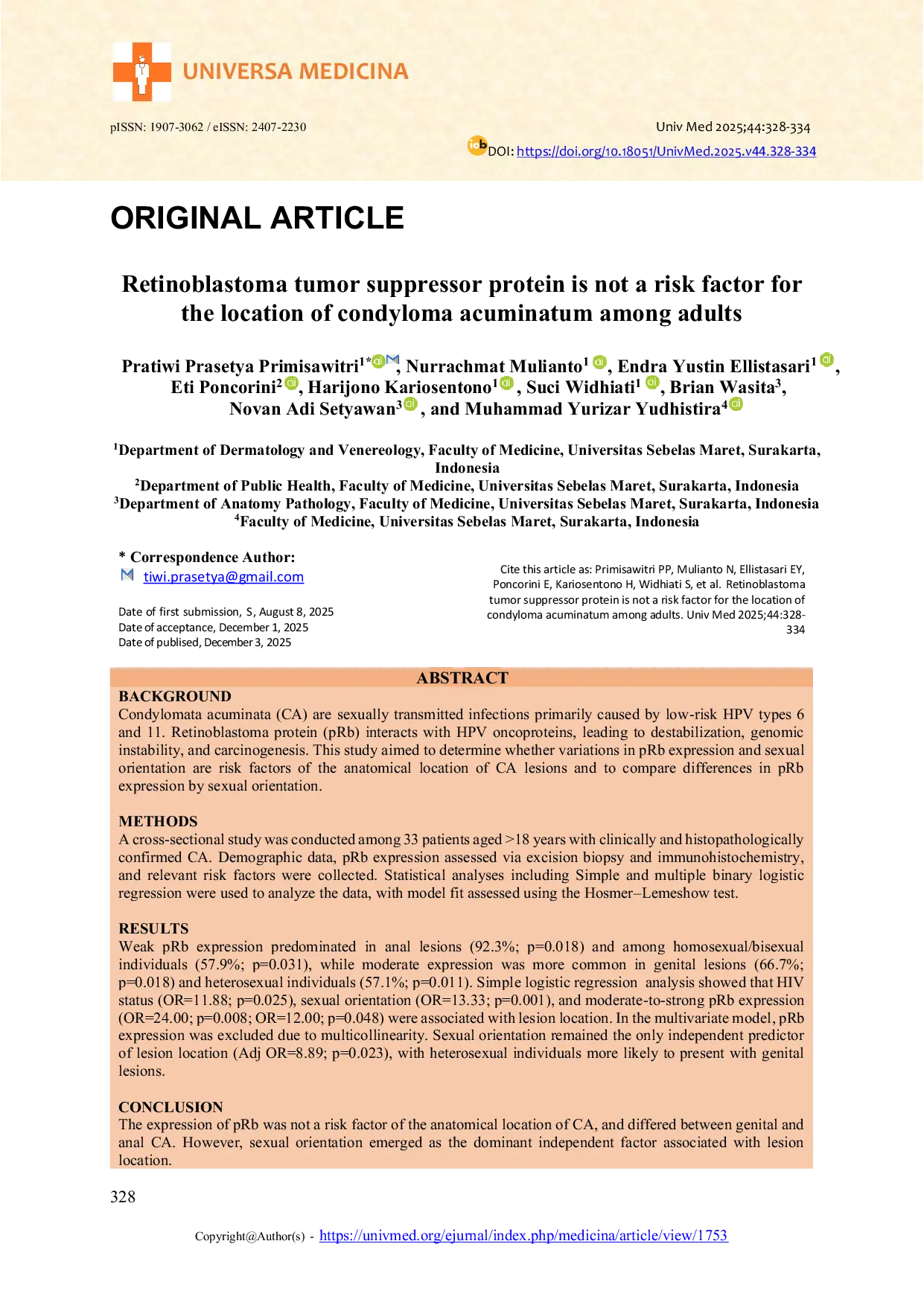
UNIVMEDUNIVMED Hasil: Ekspresi pRb lemah lebih dominan pada lesi anal (92,3%; p=0,018) dan pada individu homoseksual/biseksual (57,9%; p=0,031), sedangkan ekspresi sedangHasil: Ekspresi pRb lemah lebih dominan pada lesi anal (92,3%; p=0,018) dan pada individu homoseksual/biseksual (57,9%; p=0,031), sedangkan ekspresi sedang

PUBLIKASIINDONESIAPUBLIKASIINDONESIA Kadar CRP tidak berkorelasi dengan seluruh aspek kualitas hidup, dan hasil tetap tidak signifikan setelah pengelompokan. Maka, dapat disimpulkan bahwaKadar CRP tidak berkorelasi dengan seluruh aspek kualitas hidup, dan hasil tetap tidak signifikan setelah pengelompokan. Maka, dapat disimpulkan bahwa

PUBLIKASIINDONESIAPUBLIKASIINDONESIA Secara keseluruhan, kepemimpinan transformasional mendorong budaya disiplin, profesionalisme pendidik, kualitas pembelajaran tahfidz dan bahasa Arab, sertaSecara keseluruhan, kepemimpinan transformasional mendorong budaya disiplin, profesionalisme pendidik, kualitas pembelajaran tahfidz dan bahasa Arab, serta
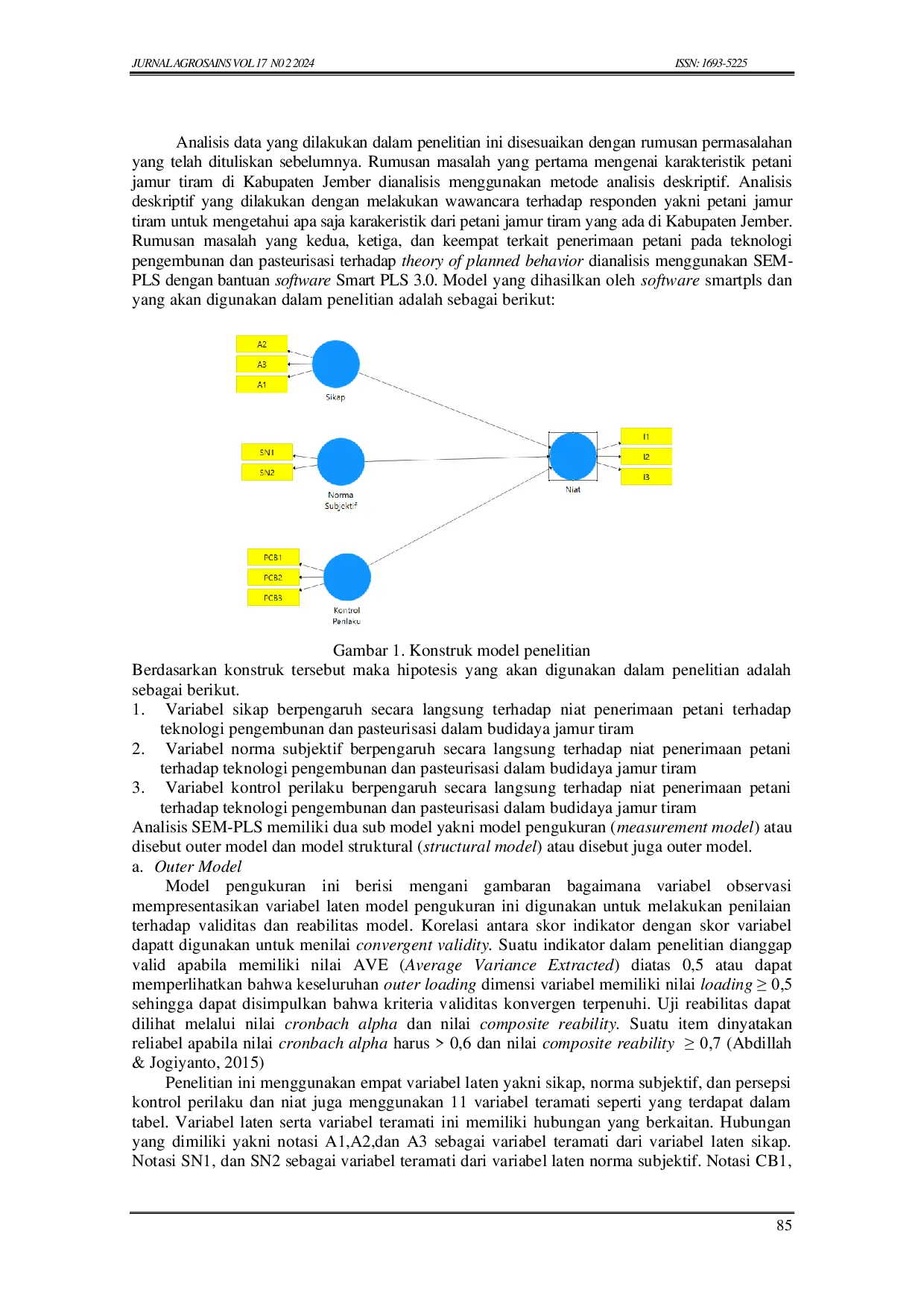
UPBUPB The age of oyster mushroom farmers is dominated by farmers aged 31-50 years. The dominating education of oyster mushroom farmers is high school (77. 5%).The age of oyster mushroom farmers is dominated by farmers aged 31-50 years. The dominating education of oyster mushroom farmers is high school (77. 5%).
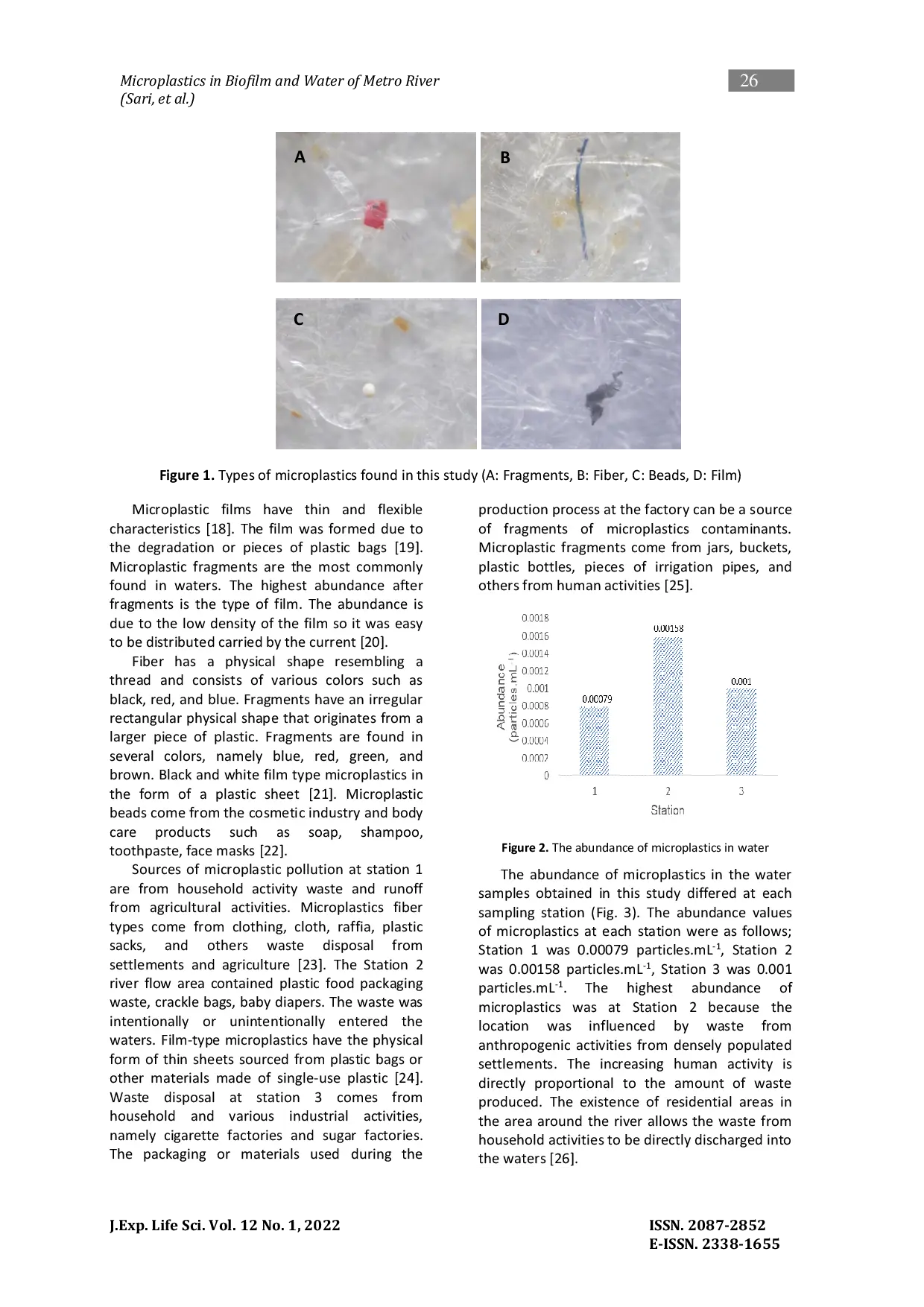
UBUB Penelitian ini bertujuan untuk menganalisis kelimpahan mikroplastik di Sungai Metro. Selain itu, parameter air (pH, oksigen terlarut, suhu, kecepatan aliran)Penelitian ini bertujuan untuk menganalisis kelimpahan mikroplastik di Sungai Metro. Selain itu, parameter air (pH, oksigen terlarut, suhu, kecepatan aliran)
Useful /
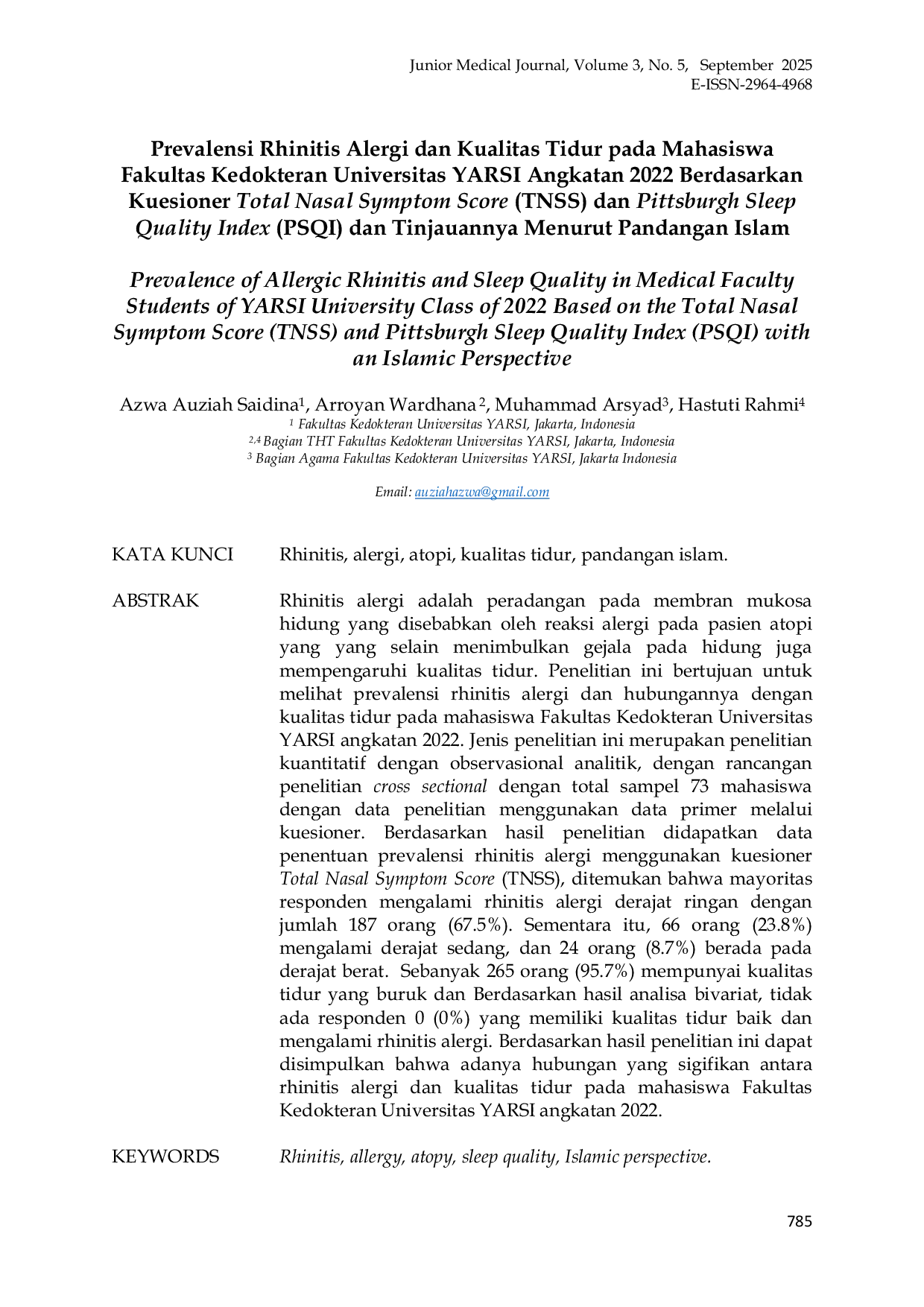
YARSIYARSI Jenis penelitian ini merupakan penelitian kuantitatif dengan observasional analitik, dengan rancangan penelitian cross sectional dengan total sampel 73Jenis penelitian ini merupakan penelitian kuantitatif dengan observasional analitik, dengan rancangan penelitian cross sectional dengan total sampel 73
YARSIYARSI Salah satu contoh penyakit ini adalah salmonellosis, yang disebabkan oleh bakteri Salmonella dan merupakan salah satu penyebab utama diare di seluruh dunia.Salah satu contoh penyakit ini adalah salmonellosis, yang disebabkan oleh bakteri Salmonella dan merupakan salah satu penyebab utama diare di seluruh dunia.

TADAYUNTADAYUN 77/2010. Penelitian ini menyarankan perlunya harmonisasi dengan mengubah struktur denda dari persentase progresif menjadi biaya administrasi nominal tetap.77/2010. Penelitian ini menyarankan perlunya harmonisasi dengan mengubah struktur denda dari persentase progresif menjadi biaya administrasi nominal tetap.

POLTEKKESBENGKULUPOLTEKKESBENGKULU Instrument penelitian yang digunakan pengukuran kelembaban dengan termohygrometer dan kuesioner. Analisis data dilakukan secara univariat dan bivariatInstrument penelitian yang digunakan pengukuran kelembaban dengan termohygrometer dan kuesioner. Analisis data dilakukan secara univariat dan bivariat