STIKESMUCISSTIKESMUCIS
Asy-Syifa : Journal of Science and Technology NursingAsy-Syifa : Journal of Science and Technology NursingThe purpose of this study is to explore family experiences in managing dietary practices among family members with hypertension. This study employed a qualitative approach with a descriptive phenomenological design. Participants were selected using purposive sampling, involving 12 families who had members diagnosed with hypertension in the working area of Kersanegara Primary Health Care, Tasikmalaya City. Data were collected through in-depth interviews using semi-structured interview guidelines and supported by field observations. Data analysis was conducted using thematic analysis based on phenomenological principles to identify key themes from participants experiences. The findings revealed three main themes: (1) cultural barriers and preferences for salty foods, (2) lack of family support in implementing a low-salt diet, and (3) changes in family perceptions after receiving dietary education. In addition, families demonstrated improved understanding regarding appropriate salt intake for hypertensive patients after receiving education. Therefore, community-based nursing interventions should emphasize family-centered education through integrated health programs and home visits to improve adherence to low-salt diets among hypertensive patients.
Dietary management in hypertension is influenced by cultural habits, family support, and health literacy.The main barriers to implementing a low-salt diet include cultural eating habits favoring salty foods and a lack of family support.Health education involving family members can improve awareness and support behavioral change among individuals with hypertension.
Further research should investigate the effectiveness of culturally tailored dietary interventions that address specific taste preferences and family eating habits within the community. Additionally, studies could explore the role of community health volunteers in providing ongoing support and education to families managing hypertension. Finally, research is needed to assess the impact of integrating family-centered education into existing primary healthcare programs to improve long-term adherence to low-salt diets and blood pressure control, contributing to a more holistic and sustainable approach to hypertension management within the Indonesian context. These studies should focus on understanding the nuances of family dynamics and cultural beliefs to develop interventions that are both effective and acceptable to the target population.
| File size | 228.66 KB |
| Pages | 8 |
| DMCA | Report |
Related /

POLTEKKESKUPANGPOLTEKKESKUPANG Pendekatan Islam terbukti lebih efektif dalam meningkatkan keputusan responden untuk menggunakan siwak dan memiliki pengaruh kuat pada tahap persuasi dalamPendekatan Islam terbukti lebih efektif dalam meningkatkan keputusan responden untuk menggunakan siwak dan memiliki pengaruh kuat pada tahap persuasi dalam

PUBLIKASIINDONESIAPUBLIKASIINDONESIA Teknik pengambilan sampel adalah purposive sampling dengan total sampel sebanyak 101 orang. Tingkat stres diukur menggunakan kuesioner DASS 42, sementaraTeknik pengambilan sampel adalah purposive sampling dengan total sampel sebanyak 101 orang. Tingkat stres diukur menggunakan kuesioner DASS 42, sementara

POLTEKKESKUPANGPOLTEKKESKUPANG Sistem Informasi Sumber Daya Manusia (SISDM) telah muncul sebagai alat strategis untuk mendukung pengambilan keputusan berbasis bukti dan memperkuat tataSistem Informasi Sumber Daya Manusia (SISDM) telah muncul sebagai alat strategis untuk mendukung pengambilan keputusan berbasis bukti dan memperkuat tata

PROSCIENCESPROSCIENCES Metode: Penelitian menggunakan desain kualitatif deskriptif. Data dikumpulkan melalui observasi langsung, wawancara mendalam dengan personel kunci rumahMetode: Penelitian menggunakan desain kualitatif deskriptif. Data dikumpulkan melalui observasi langsung, wawancara mendalam dengan personel kunci rumah
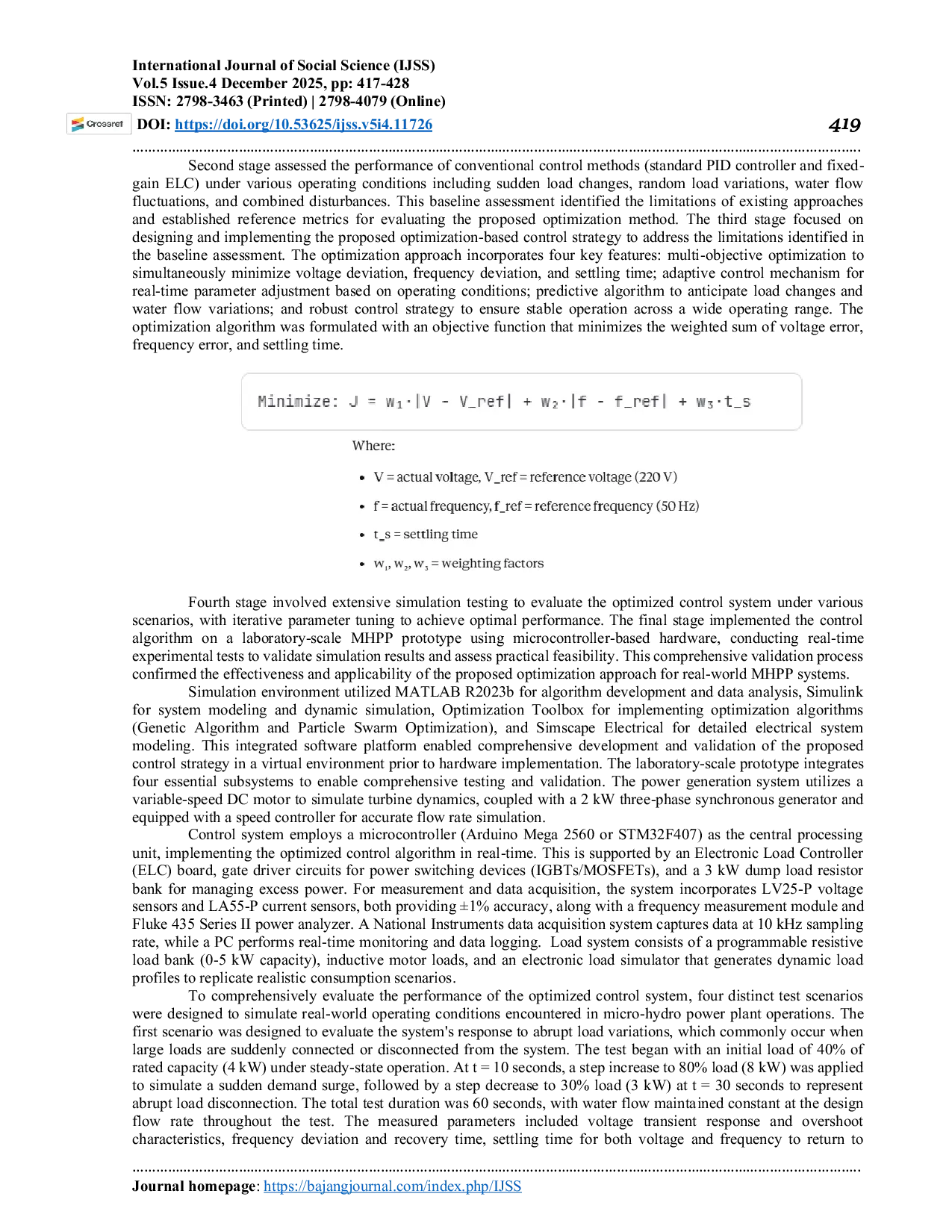
BAJANGJOURNALBAJANGJOURNAL Metode ini terbukti efektif, stabil, dan layak untuk implementasi mikrokontroler waktu nyata, menawarkan solusi andal untuk sistem PLTMH terisolasi danMetode ini terbukti efektif, stabil, dan layak untuk implementasi mikrokontroler waktu nyata, menawarkan solusi andal untuk sistem PLTMH terisolasi dan
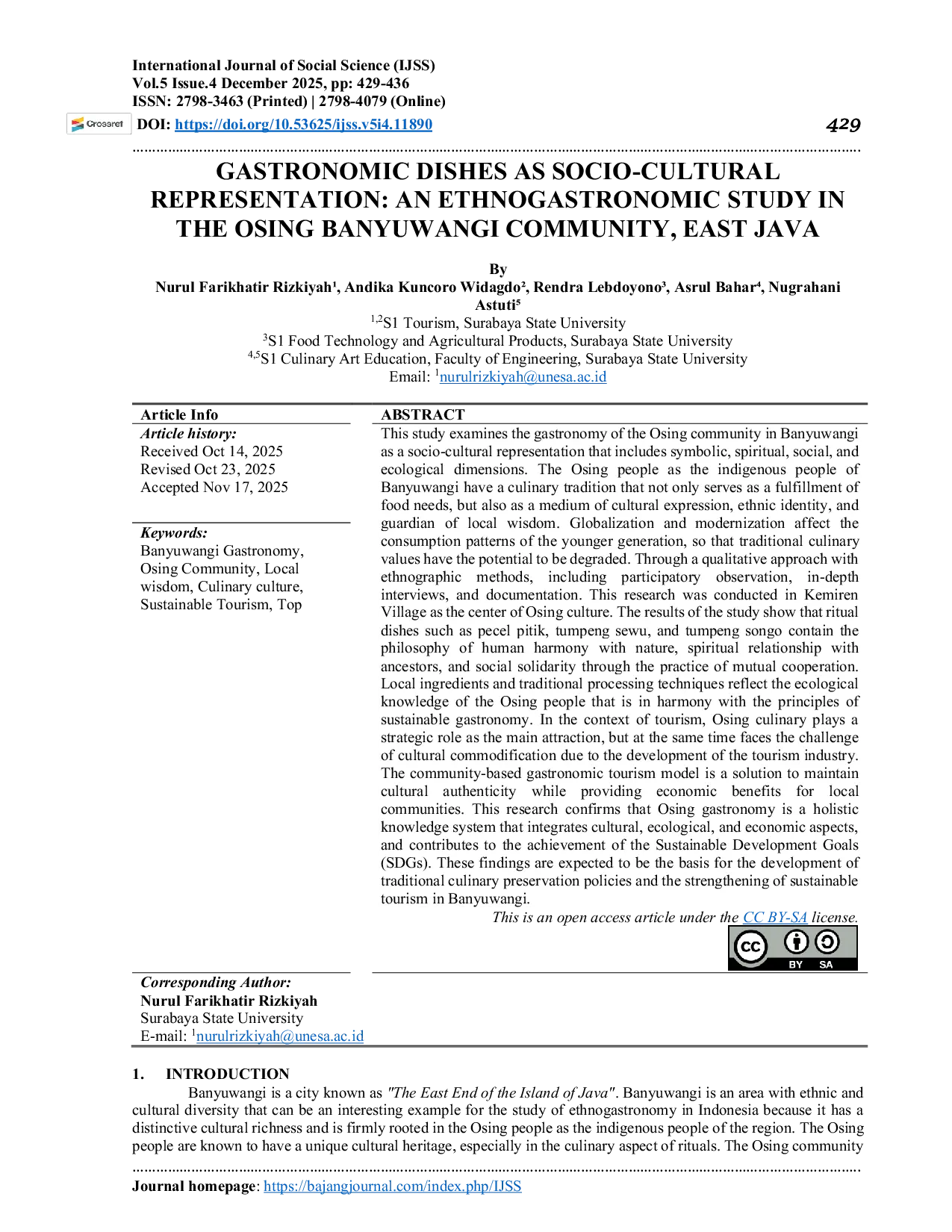
BAJANGJOURNALBAJANGJOURNAL Dalam konteks pariwisata, gastronomi Osing menjadi daya tarik utama yang mendukung pengembangan pariwisata berkelanjutan berbasis masyarakat, sekaligusDalam konteks pariwisata, gastronomi Osing menjadi daya tarik utama yang mendukung pengembangan pariwisata berkelanjutan berbasis masyarakat, sekaligus

BAJANGJOURNALBAJANGJOURNAL Dari sisi mediasi, likuiditas tidak berperan signifikan sebagai mediator hubungan antara ukuran perusahaan dan PBV, sedangkan likuiditas terbukti secaraDari sisi mediasi, likuiditas tidak berperan signifikan sebagai mediator hubungan antara ukuran perusahaan dan PBV, sedangkan likuiditas terbukti secara

POLTEKKES PALUPOLTEKKES PALU Wawancara, yang berlangsung 1-1,5 jam, dilakukan, dan data wawancara dianalisis secara tematik dengan cermat oleh tim peneliti, memperkuat keandalan dataWawancara, yang berlangsung 1-1,5 jam, dilakukan, dan data wawancara dianalisis secara tematik dengan cermat oleh tim peneliti, memperkuat keandalan data
Useful /

TEUNULEHJOURNALTEUNULEHJOURNAL However, significant challenges also arise, including limited infrastructure, low digital competence of teachers, unprepared curriculum, and concerns aboutHowever, significant challenges also arise, including limited infrastructure, low digital competence of teachers, unprepared curriculum, and concerns about

TEUNULEHJOURNALTEUNULEHJOURNAL Selanjutnya, kuesioner tanggapan kepraktisan menghasilkan skor 93,57 dari siswa dan 95,14 dari guru, keduanya dikategorikan sangat praktis. PenelitianSelanjutnya, kuesioner tanggapan kepraktisan menghasilkan skor 93,57 dari siswa dan 95,14 dari guru, keduanya dikategorikan sangat praktis. Penelitian

TEUNULEHJOURNALTEUNULEHJOURNAL Kolaborasi tersebut, terutama melalui pendidikan vokasi, kebijakan pemerintah, dan dukungan industri, berhasil mengurangi kesenjangan keterampilan sertaKolaborasi tersebut, terutama melalui pendidikan vokasi, kebijakan pemerintah, dan dukungan industri, berhasil mengurangi kesenjangan keterampilan serta

STAI MUSADDADIYAHSTAI MUSADDADIYAH Sehingga menimbulkan indikasi kurangnya keselarasan dengan prinsip hukum ekonomi Islam yang sesuai dengan tujuan maqashid syariah. Perumusan masalah dalamSehingga menimbulkan indikasi kurangnya keselarasan dengan prinsip hukum ekonomi Islam yang sesuai dengan tujuan maqashid syariah. Perumusan masalah dalam