RISETPRESSRISETPRESS
Journal of Business Management and Economic DevelopmentJournal of Business Management and Economic DevelopmentThis study examines the role of entrepreneurial character in shaping the economic empowerment of mentees participating in productive zakat programs. While many empowerment initiatives focus primarily on financial assistance, recent development literature emphasizes the importance of behavioral transformation in achieving sustainable economic outcomes. This research aims to empirically test whether entrepreneurial character functions as a key mechanism linking economic assistance to empowerment within the context of Islamic social finance. The study employs a quantitative explanatory design using cross-sectional survey data collected from 365 mentees participating in productive zakat programs administered by the National Zakat Agency of Indonesia (BAZNAS). Data were analyzed using Partial Least Squares Structural Equation Modeling (PLS-SEM) to examine the relationship between entrepreneurial character and economic empowerment. The results reveal a strong and statistically significant positive effect of entrepreneurial character on economic empowerment (β = 0.763, p < 0.001). The model demonstrates substantial explanatory power (R² = 0.582) and strong predictive relevance, indicating that behavioral attributes such as persistence, opportunity orientation, and proactive action play a crucial role in sustaining economic independence among beneficiaries. These findings reinforce the behavioral empowerment perspective, suggesting that empowerment outcomes depend not only on access to capital but also on the development of internal capacities. The study contributes to the integration of entrepreneurship theory and Islamic social finance by demonstrating that productive zakat programs can serve as institutional mechanisms to cultivate entrepreneurial agency among beneficiaries. Practically, the findings highlight the importance of mentoring and character development in designing effective zakat-based empowerment programs.
This study demonstrates that entrepreneurial character is a significant predictor of the economic empowerment of mustahik within the productive zakat program.These findings confirm that economic empowerment does not solely depend on material interventions but is strongly influenced by individuals behavioral capabilities.Characteristics such as perseverance, proactivity, and action orientation serve as mechanisms linking economic assistance to more stable independence.
Future research should explore the long-term effects of entrepreneurial character development through longitudinal studies, examining whether the traits cultivated during zakat programs persist beyond the intervention period. Furthermore, investigating the influence of external factors such as market access, social networks, and the broader economic environment on empowerment outcomes, alongside entrepreneurial character, would provide a more comprehensive understanding of the empowerment process. Finally, research could focus on developing and evaluating tailored mentoring programs that specifically target the cultivation of entrepreneurial character traits, considering the unique cultural and religious context of Islamic social finance to maximize the effectiveness of zakat-based empowerment initiatives. These studies should also consider the role of digital literacy and access to technology in enhancing entrepreneurial capabilities among beneficiaries, particularly in the context of evolving market dynamics and the growing importance of digital economies. Expanding the scope to include comparative analyses across different regions and zakat program models could also reveal best practices and identify contextual factors that contribute to successful empowerment outcomes, ultimately leading to more effective and sustainable poverty alleviation strategies.
- INCREASING THE ROLE OF ZAKAT INSTITUTIONS IN POVERTY REDUCTION THROUGH PRODUCTIVE ZAKAT PROGRAMS IN INDONESIA... doi.org/10.18510/hssr.2020.83127INCREASING THE ROLE OF ZAKAT INSTITUTIONS IN POVERTY REDUCTION THROUGH PRODUCTIVE ZAKAT PROGRAMS IN INDONESIA doi 10 18510 hssr 2020 83127
- Zakat and poverty alleviation in Muslim countries: A Biblioshiny application | Journal of Islamic Economics... journal.uii.ac.id/JIELariba/article/view/33086Zakat and poverty alleviation in Muslim countries A Biblioshiny application Journal of Islamic Economics journal uii ac JIELariba article view 33086
- Unpacking the Empowerment Impact of Zakat Microcapital Programs: The Role of Entrepreneurial Character... doi.org/10.59653/jbmed.v4i01.2313Unpacking the Empowerment Impact of Zakat Microcapital Programs The Role of Entrepreneurial Character doi 10 59653 jbmed v4i01 2313
| File size | 577.13 KB |
| Pages | 21 |
| DMCA | Report |
Related /

RISETPRESSRISETPRESS Penelitian ini berkontribusi dengan mengusulkan model manajemen risiko keuangan yang disederhanakan dan berbasis konteks yang selaras dengan realitas operasionalPenelitian ini berkontribusi dengan mengusulkan model manajemen risiko keuangan yang disederhanakan dan berbasis konteks yang selaras dengan realitas operasional

STEIPRESSSTEIPRESS Penelitian menggunakan pendekatan kuantitatif dengan metode regresi data panel. Data diperoleh dari laporan keuangan tahunan perusahaan yang terdaftarPenelitian menggunakan pendekatan kuantitatif dengan metode regresi data panel. Data diperoleh dari laporan keuangan tahunan perusahaan yang terdaftar

RADJAPUBLIKARADJAPUBLIKA Berdasarkan hasil tinjauan terhadap enam artikel yang ditinjau, dapat disimpulkan bahwa etika memainkan peran penting dalam manajemen operasi, baik diBerdasarkan hasil tinjauan terhadap enam artikel yang ditinjau, dapat disimpulkan bahwa etika memainkan peran penting dalam manajemen operasi, baik di

RADJAPUBLIKARADJAPUBLIKA This study uses a descriptive qualitative method with a literature review approach to analyze the causes, impacts, and efforts to eradicate corruption.This study uses a descriptive qualitative method with a literature review approach to analyze the causes, impacts, and efforts to eradicate corruption.

RADJAPUBLIKARADJAPUBLIKA Atau juga dapat dilihat sebagai tantangan baru yang harus dihadapi dengan bijak, bahkan membuka implikasi dan ancaman baru yang harus diantisipasi sebagaiAtau juga dapat dilihat sebagai tantangan baru yang harus dihadapi dengan bijak, bahkan membuka implikasi dan ancaman baru yang harus diantisipasi sebagai
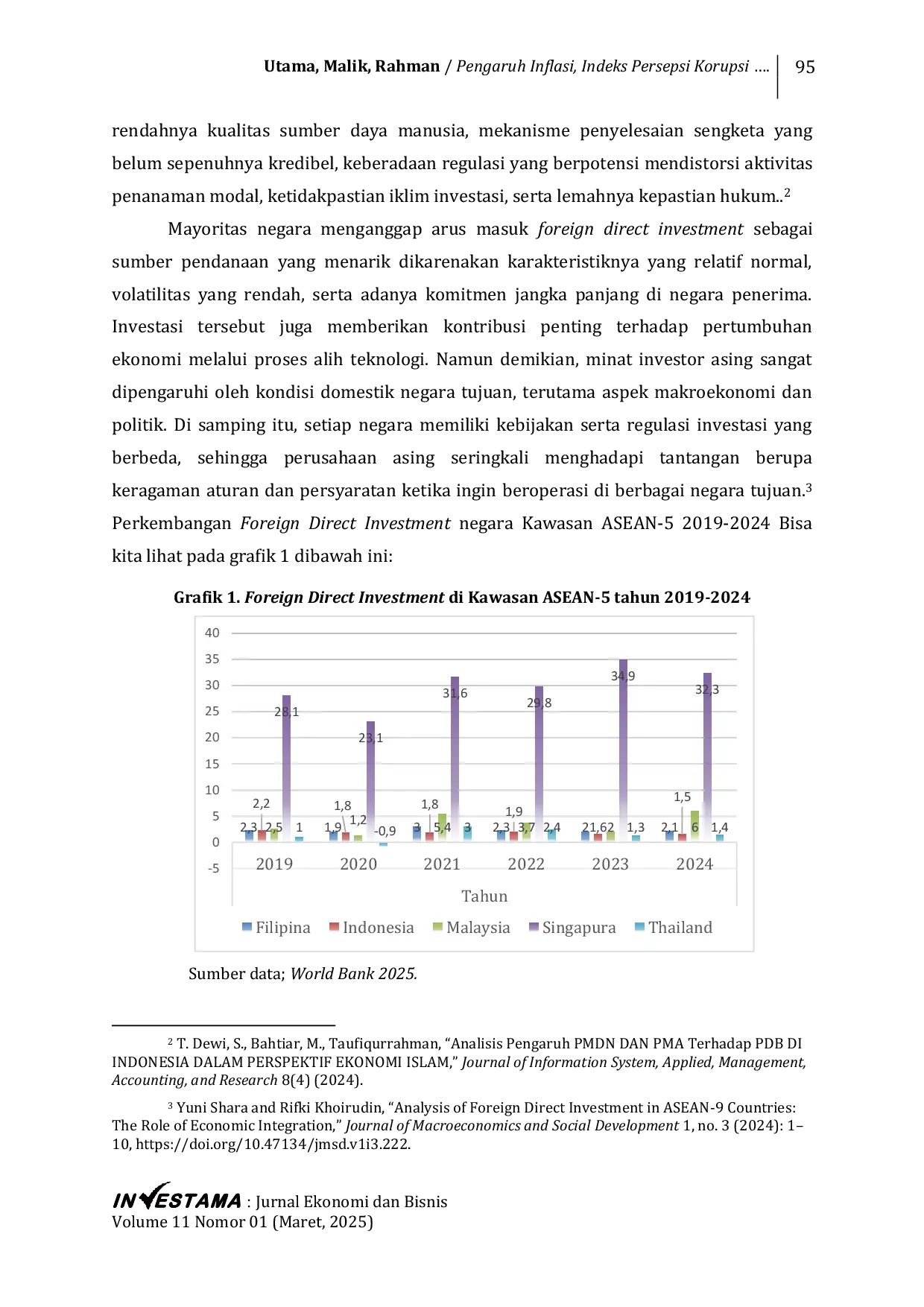
IAINGAWIIAINGAWI Hasil penelitian menunjukkan bahwa inflasi dan indeks persepsi korupsi berpengaruh positif dan signifikan terhadap Foreign Direct Investment, sedangkanHasil penelitian menunjukkan bahwa inflasi dan indeks persepsi korupsi berpengaruh positif dan signifikan terhadap Foreign Direct Investment, sedangkan

UNTARUNTAR Kesimpulannya, penelitian ini menekankan pentingnya memperkuat independensi dan akuntabilitas dalam proses audit, serta mengajak penelitian lebih lanjutKesimpulannya, penelitian ini menekankan pentingnya memperkuat independensi dan akuntabilitas dalam proses audit, serta mengajak penelitian lebih lanjut
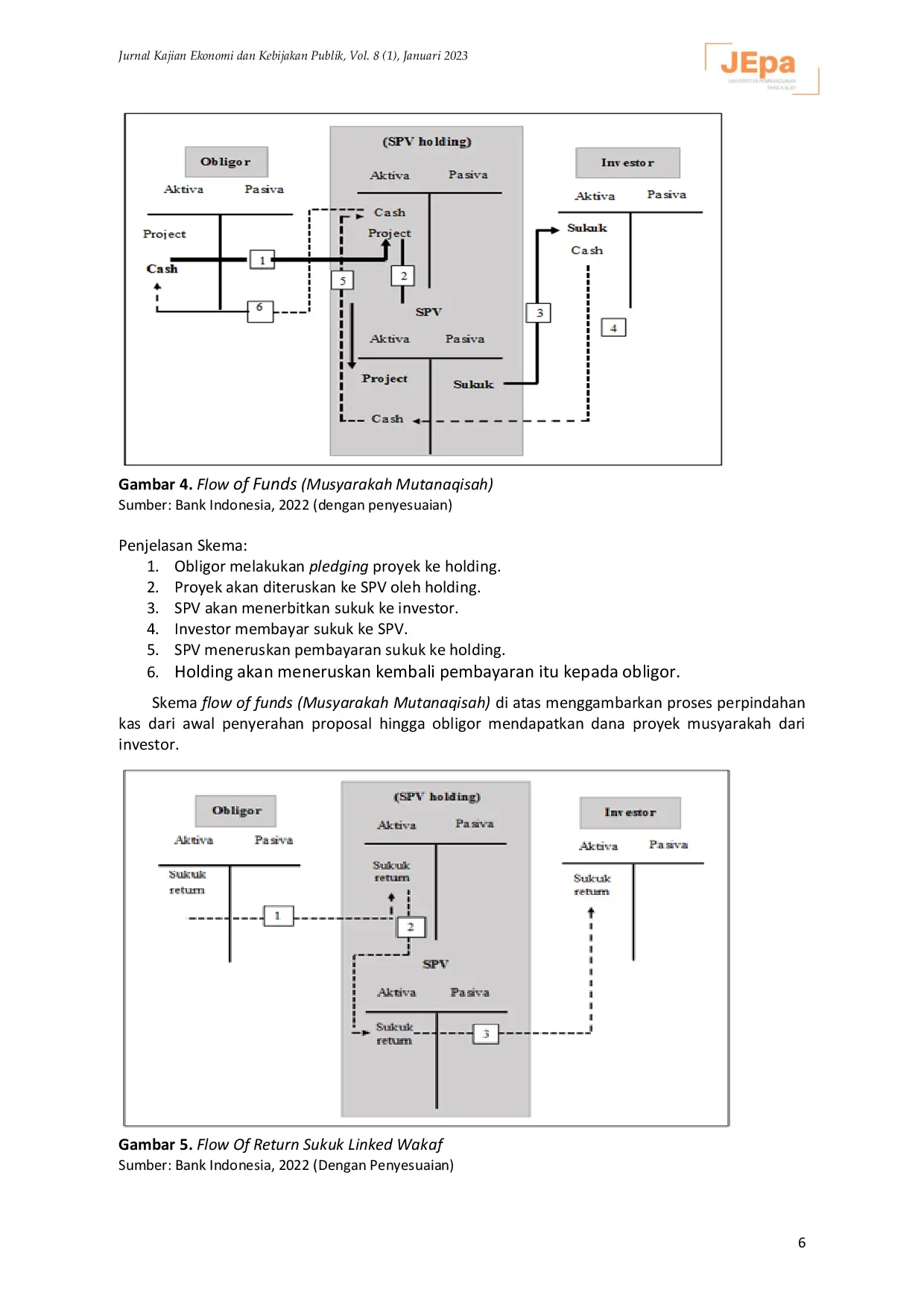
UNPABUNPAB Di sisi lain, perlu pengembangan produk keuangan Islam dengan variasi baru. Penelitian ini menawarkan model produk keuangan syariah sukuk yang terhubungDi sisi lain, perlu pengembangan produk keuangan Islam dengan variasi baru. Penelitian ini menawarkan model produk keuangan syariah sukuk yang terhubung
Useful /

UKIPUKIP Perkembangan media berbasis TI semakin maju, dan meski memerlukan keahlian khusus, media tersebut tidak boleh diabaikan.media pembelajaran berbasis TIPerkembangan media berbasis TI semakin maju, dan meski memerlukan keahlian khusus, media tersebut tidak boleh diabaikan.media pembelajaran berbasis TI

UNTARUNTAR Penelitian ini bertujuan untuk menguji pengaruh profitabilitas yang dinilai berdasarkan ROA terhadap nilai perusahaan yang diukur dengan PBV dengan ukuranPenelitian ini bertujuan untuk menguji pengaruh profitabilitas yang dinilai berdasarkan ROA terhadap nilai perusahaan yang diukur dengan PBV dengan ukuran

IAINGAWIIAINGAWI Penelitian ini menggunakan data sekunder tahunan 2020-2023 dan menganalisis hubungan antar variabel melalui regresi linier berganda. Hasil penelitian menunjukkanPenelitian ini menggunakan data sekunder tahunan 2020-2023 dan menganalisis hubungan antar variabel melalui regresi linier berganda. Hasil penelitian menunjukkan

UNDARISUNDARIS 980 petani kopi. Sampel yang digunakan sebanyakk 95 orang yang terbagi di Desa Banjarsari, Ngemplak, Tlogopucang, Blimbing, dan Kembangsari dengan pengambilan980 petani kopi. Sampel yang digunakan sebanyakk 95 orang yang terbagi di Desa Banjarsari, Ngemplak, Tlogopucang, Blimbing, dan Kembangsari dengan pengambilan