UNESAUNESA
Journal of Social Dynamics and GovernanceJournal of Social Dynamics and GovernanceThis study examines the development of inclusive public policies for people with disabilities in Indonesia, with a focus on reducing stigma and accessibility gaps. Although there are laws such as Law Number 8 of 2016 on People with Disabilities, there are many shortcomings in its implementation, such as non-disability-friendly infrastructure and lack of public awareness. A literature study method was used to collect data from official government documents and scientific databases to evaluate the obstacles and opportunities in creating inclusive public services. The results show that inaccessible public infrastructure, such as ramps and braille signs, face significant problems. In addition, they show that public service officers have a lack of understanding of the rights of people with disabilities. Cases in cities such as Jakarta, Surabaya, and Bandung show that adaptive policies and training of service providers are beneficial. This study concludes the importance of policies that combine improvements in physical accessibility, inclusive awareness campaigns, and community involvement in policy development to realize a more socially just Indonesia.
Despite the existence of legal frameworks like Law Number 8 of 2016, the implementation of inclusive public policies for people with disabilities in Indonesia faces significant challenges.These challenges stem from inadequate infrastructure, a lack of awareness among public service officers, and persistent social stigma.To achieve a more equitable society, a comprehensive approach is needed that integrates improvements in physical accessibility, proactive public awareness campaigns, and meaningful engagement of people with disabilities in the policy-making process.
Further research should investigate the effectiveness of various policy innovations in different regional contexts within Indonesia, focusing on their impact on the quality of life for people with disabilities. Additionally, studies could explore the role of technology and digital solutions in enhancing accessibility and overcoming barriers to public service access for this population. Finally, research is needed to identify best practices for fostering greater collaboration between government agencies, civil society organizations, and the private sector to create a more coordinated and sustainable approach to disability inclusion, ultimately aiming to address the existing gaps between policy and practice and promote a more inclusive and equitable society for all.
- Policies for Social and Health Equity: The Case for Equity Sensitive Universalism; Comment on “Implementing... ijhpm.com/article_4340.htmlPolicies for Social and Health Equity The Case for Equity Sensitive Universalism Comment on AuImplementing ijhpm article 4340 html
- APLIKASI PEMETAAN LAYANAN KESEHATAN BAGI PENYANDANG DISABILITAS DI KOTA BANJARMASIN MENGGUNAKAN GIS BERBASIS... ojs.uniska-bjm.ac.id/index.php/jieom/article/view/3092APLIKASI PEMETAAN LAYANAN KESEHATAN BAGI PENYANDANG DISABILITAS DI KOTA BANJARMASIN MENGGUNAKAN GIS BERBASIS ojs uniska bjm ac index php jieom article view 3092
- PENERAPAN TERAPI PERILAKU KOGNITIF TERHADAP PENARIKAN SOSIAL PENYANDANG DISABILITAS FISIK DI DESA CAMPAKA,... doi.org/10.24198/jkrk.v1i2.23244PENERAPAN TERAPI PERILAKU KOGNITIF TERHADAP PENARIKAN SOSIAL PENYANDANG DISABILITAS FISIK DI DESA CAMPAKA doi 10 24198 jkrk v1i2 23244
| File size | 891.67 KB |
| Pages | 10 |
| DMCA | Report |
Related /

UMPUMP Petani di Kecamatan Kembaran menggunakan salah satu bentuk kearifan lokal berupa pranata mangsa untuk menentukan musim tanam padi. Praktik ini menjadiPetani di Kecamatan Kembaran menggunakan salah satu bentuk kearifan lokal berupa pranata mangsa untuk menentukan musim tanam padi. Praktik ini menjadi

UMPUMP 1) Kemasan aluminium foil, plastik polyethylene, dan kaleng meningkatkan viabilitas benih setelah penyimpanan 5 bulan. 2) Bahan kemasan hanya memengaruhi1) Kemasan aluminium foil, plastik polyethylene, dan kaleng meningkatkan viabilitas benih setelah penyimpanan 5 bulan. 2) Bahan kemasan hanya memengaruhi

UMPUMP Hasil penelitian menunjukkan bahwa pemberian POC Thitonia diversifolia dengan perlakuan 10, 20, 30, dan 40 ml/L tidak berpengaruh nyata terhadap pertumbuhanHasil penelitian menunjukkan bahwa pemberian POC Thitonia diversifolia dengan perlakuan 10, 20, 30, dan 40 ml/L tidak berpengaruh nyata terhadap pertumbuhan
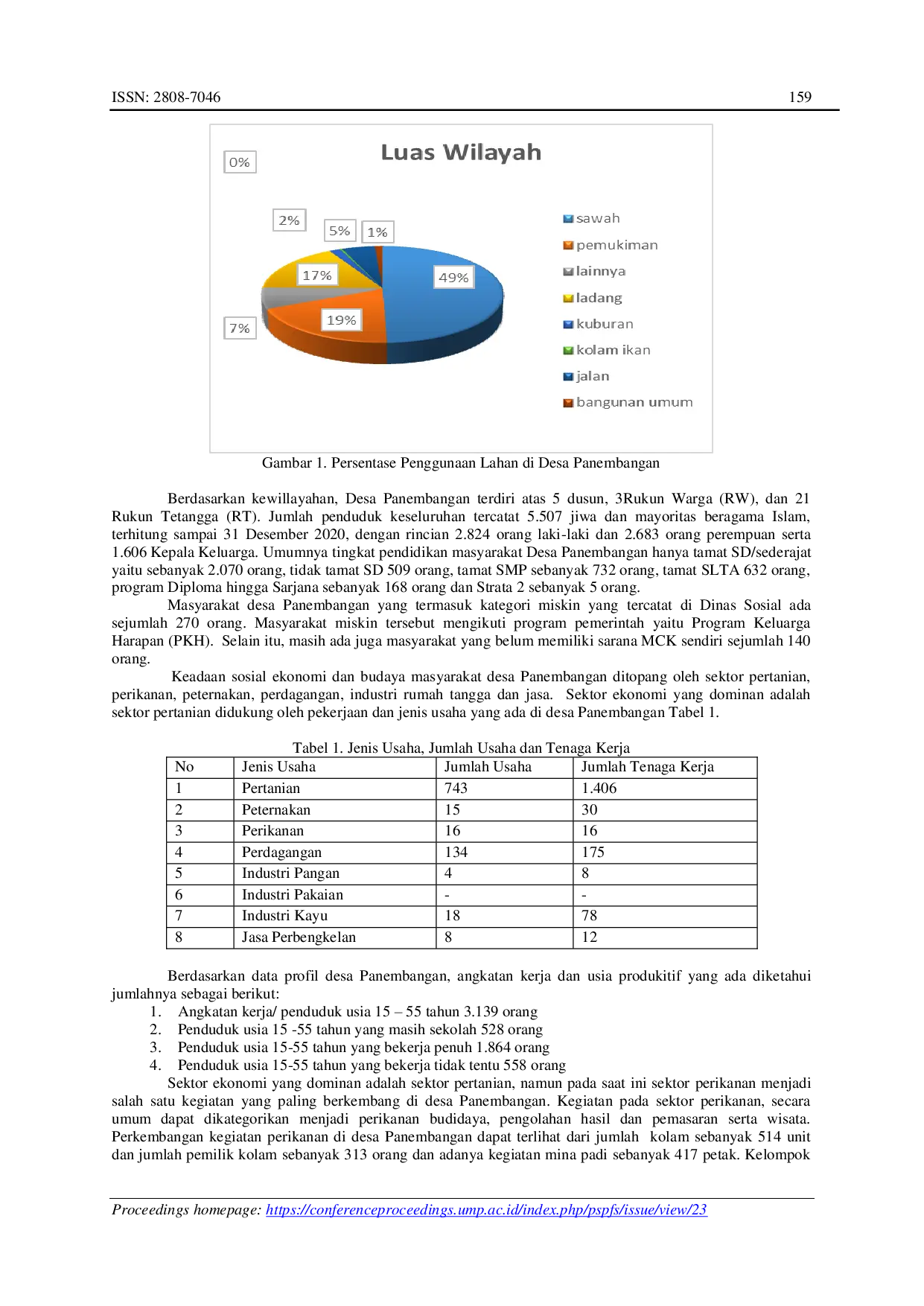
UMPUMP Penggalian informasi data primer dilakukan menggunakan kuisioner, wawancara mendalam dengan pemerintah desa, dinas perikanan dan peternakan, kelompok pembudidaya,Penggalian informasi data primer dilakukan menggunakan kuisioner, wawancara mendalam dengan pemerintah desa, dinas perikanan dan peternakan, kelompok pembudidaya,

UMPUMP Sertifikasi IG melindungi keaslian kopi daerah, namun saja tidak cukup untuk mensejahterakan pelaku usaha. Tantangan utama meliputi rendahnya pemahamanSertifikasi IG melindungi keaslian kopi daerah, namun saja tidak cukup untuk mensejahterakan pelaku usaha. Tantangan utama meliputi rendahnya pemahaman
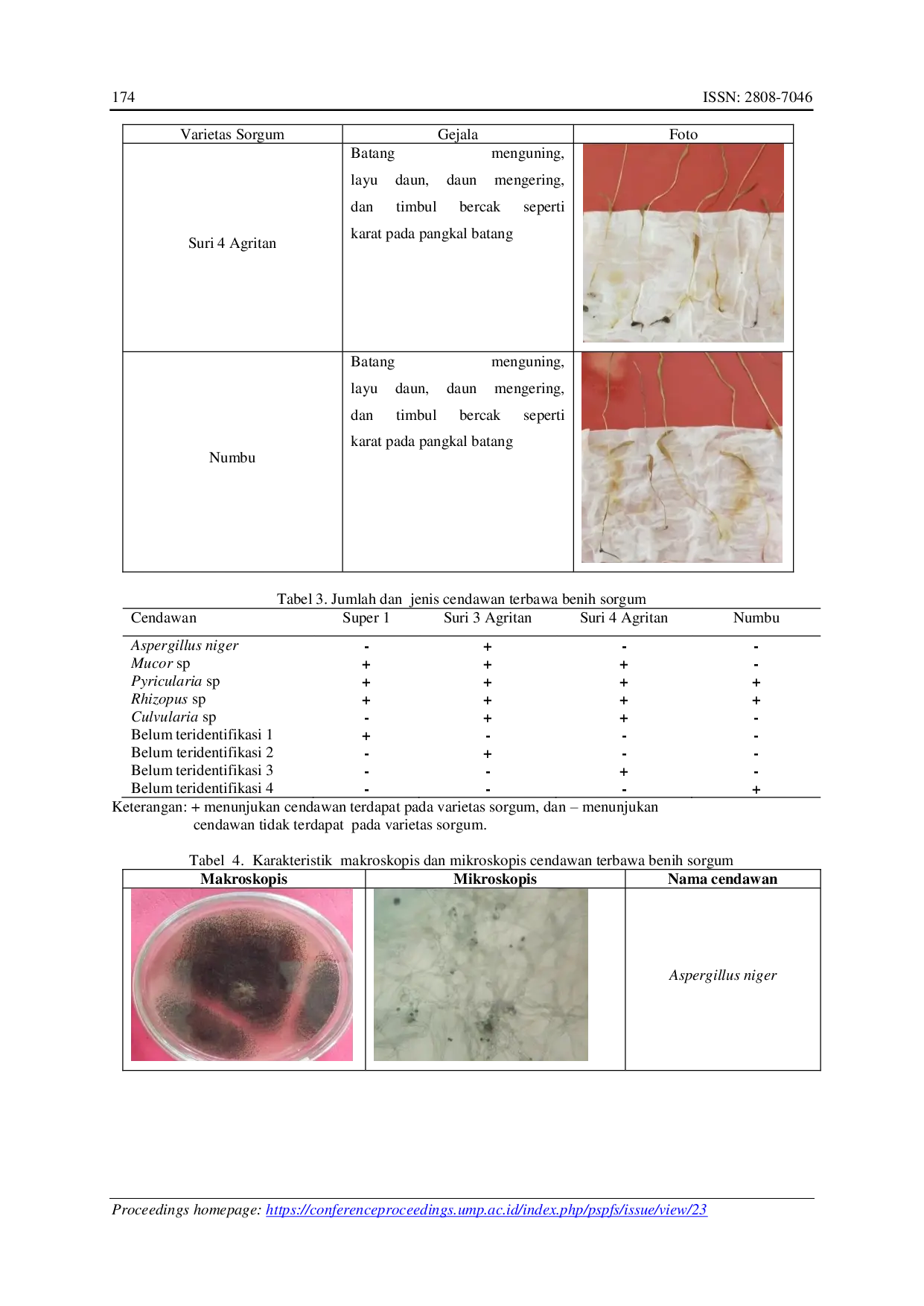
UMPUMP Penelitian ini menunjukkan bahwa benih sorgum varietas Numbu memiliki pertumbuhan terendah namun memiliki persentase bibit terinfeksi dan jumlah cendawanPenelitian ini menunjukkan bahwa benih sorgum varietas Numbu memiliki pertumbuhan terendah namun memiliki persentase bibit terinfeksi dan jumlah cendawan

UMPUMP Adapun saran yang diperikan penulis adalah sebaiknya dalam pengembangan kelompok tani di Kelurahan Depokharjo peran penyuluh pertanian ditingkatkan lagi.Adapun saran yang diperikan penulis adalah sebaiknya dalam pengembangan kelompok tani di Kelurahan Depokharjo peran penyuluh pertanian ditingkatkan lagi.

UMPUMP Negara kesatuan Republik Indonesia merupakan salah satu negara kepulauan terbesar di dunia dengan lebih dari 17.000 pulau. Laut merupakan salah satu kekayaanNegara kesatuan Republik Indonesia merupakan salah satu negara kepulauan terbesar di dunia dengan lebih dari 17.000 pulau. Laut merupakan salah satu kekayaan
Useful /
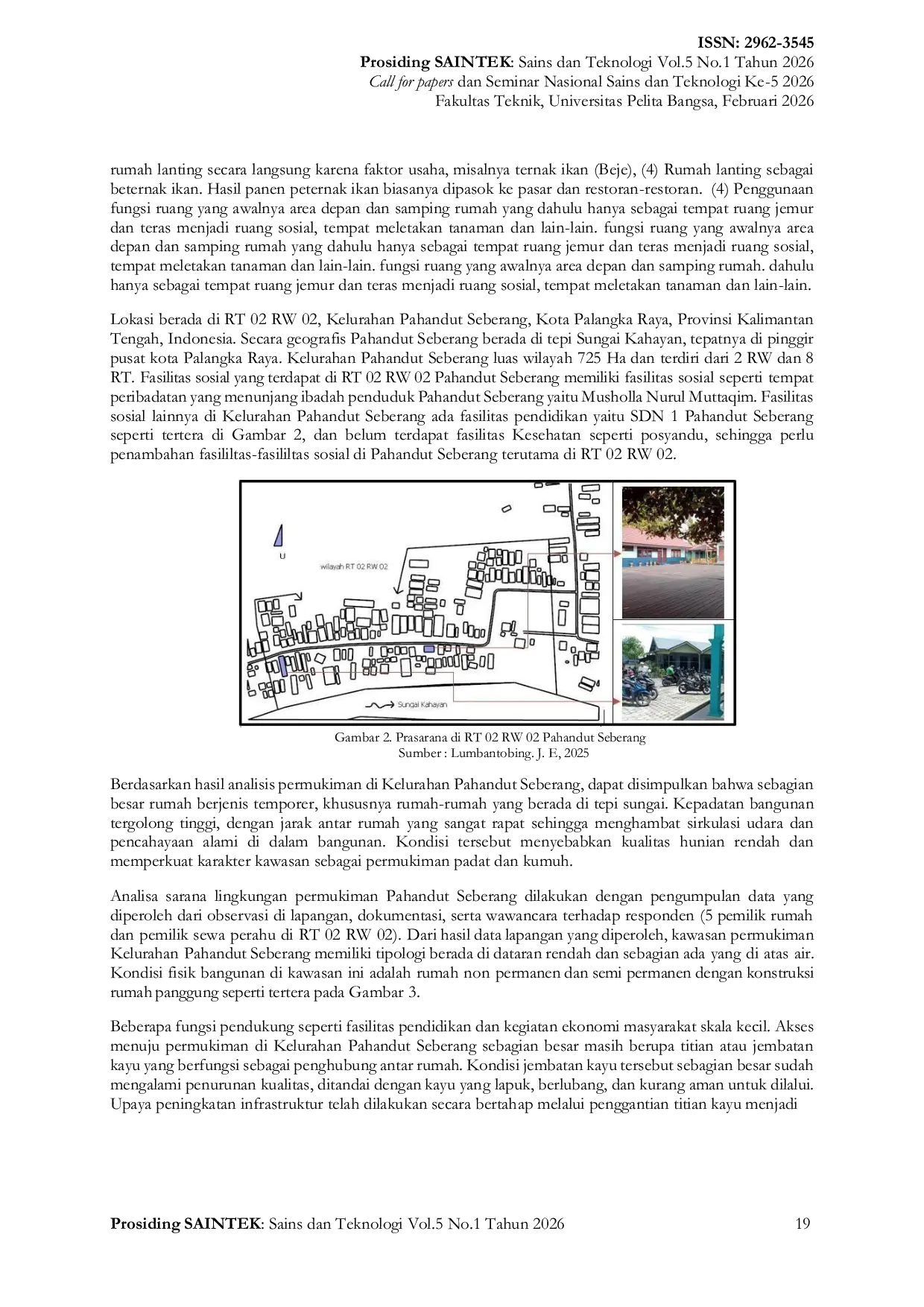
PELITABANGSAPELITABANGSA Selain itu, bahan bangunan harus memperhatikan kondisi letak bangunan, air, dan angin, serta bangunan ditata sejajar dengan tepi sungai dengan kepadatanSelain itu, bahan bangunan harus memperhatikan kondisi letak bangunan, air, dan angin, serta bangunan ditata sejajar dengan tepi sungai dengan kepadatan
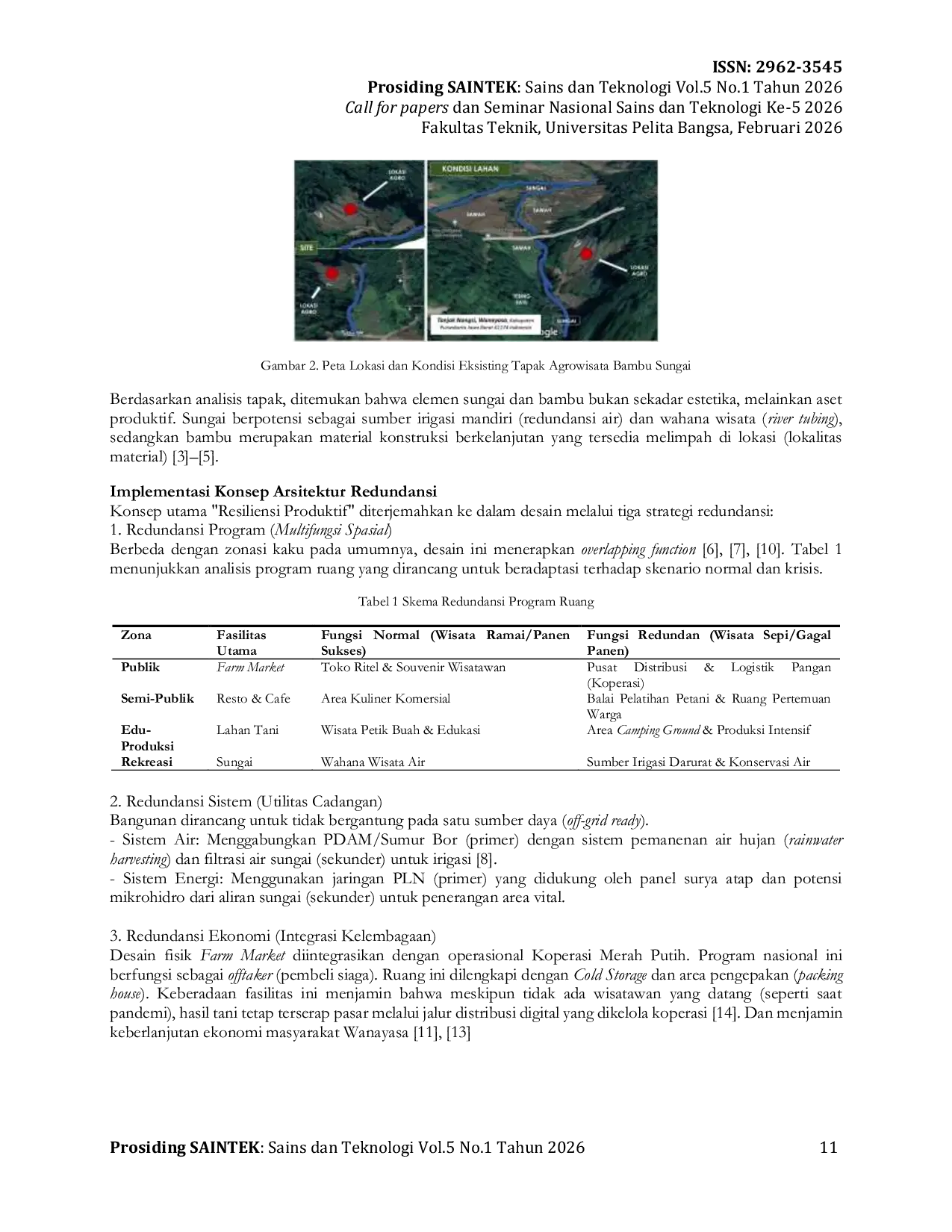
PELITABANGSAPELITABANGSA Penelitian ini bertujuan merumuskan konsep perancangan fasilitas agrowisata multifungsi dengan pendekatan arsitektur redundan. Penelitian ini menggunakanPenelitian ini bertujuan merumuskan konsep perancangan fasilitas agrowisata multifungsi dengan pendekatan arsitektur redundan. Penelitian ini menggunakan

UM PalembangUM Palembang Rekomendasi penelitian lanjutan mencakup penggunaan model alternatif seperti Ohlson O-Score dan penambahan variabel seperti ukuran perusahaan serta strukturRekomendasi penelitian lanjutan mencakup penggunaan model alternatif seperti Ohlson O-Score dan penambahan variabel seperti ukuran perusahaan serta struktur
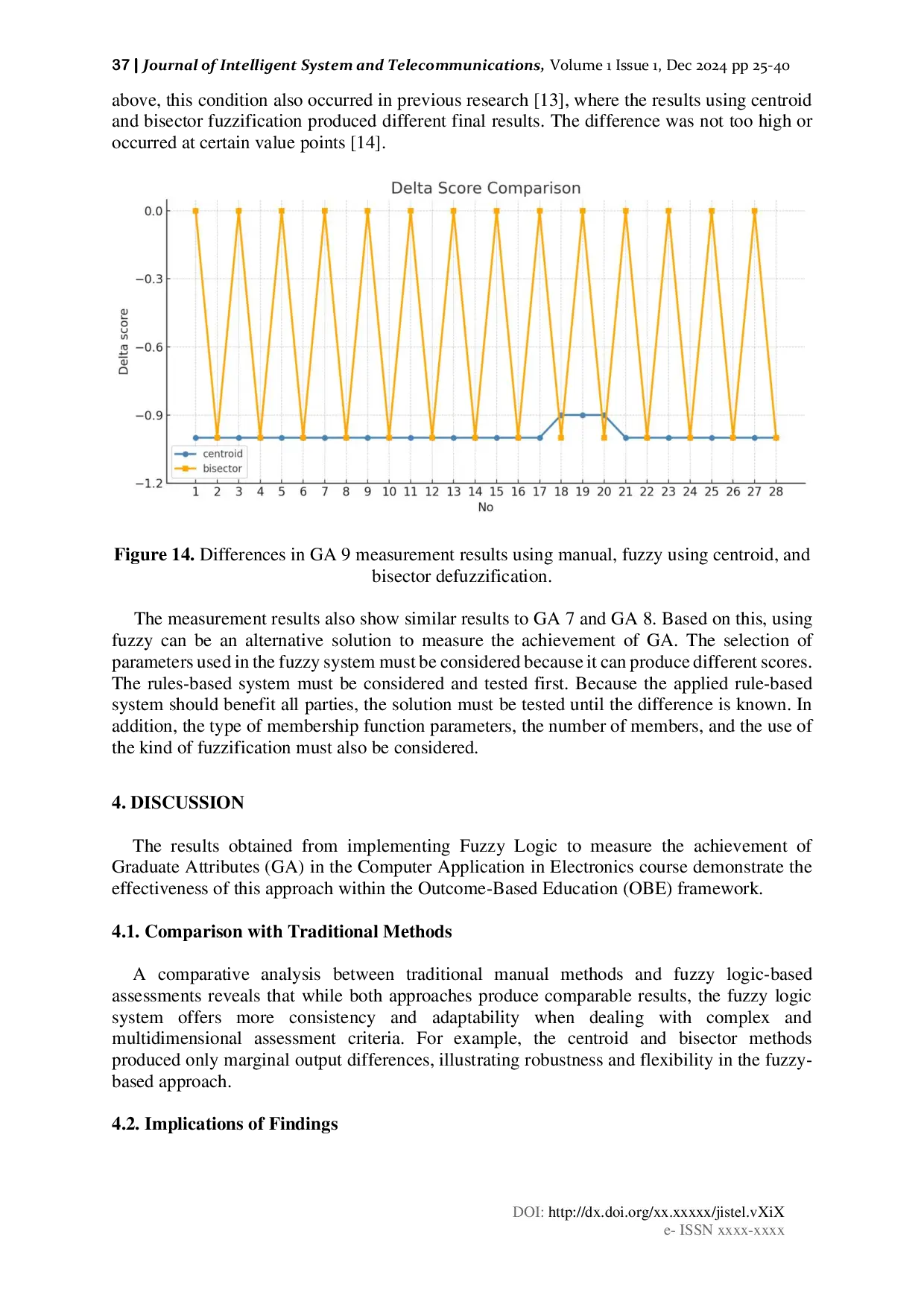
UNESAUNESA Sebaliknya, metode bisector berkisar dari -1 hingga 1,9, dengan perbedaan maksimum sebesar 1,5 saat membandingkan metode manual dan centroid untuk GA 8.Sebaliknya, metode bisector berkisar dari -1 hingga 1,9, dengan perbedaan maksimum sebesar 1,5 saat membandingkan metode manual dan centroid untuk GA 8.