ANTISPUBLISHERANTISPUBLISHER
Journal of Learning on History and Social SciencesJournal of Learning on History and Social SciencesThis study aims to explore the integration of Environmental, Social, and Governance (ESG) factors into internal control mechanisms, specifically focusing on the development of sustainable controls within organizations. The research adopts a qualitative approach, utilizing library research and qualitative content analysis with a thematic method. The findings indicate that the Sustainable Control Concept Model develops a system derived from traditional internal control, structured around ESG principles. ESG metrics are identified as critical operational control tools, with integration success depending on material selection, measurability (SMART), and alignment with performance management systems, such as the Balanced Scorecard. Additionally, governance reforms, particularly in the roles of the board and audit committees, are necessary for effective green and social accountability. Effective sustainability controls are linked to improved operational performance, enhanced reputation, and long-term value creation. This study contributes a model that bridges the gap between qualitative ESG criteria and quantitative internal control systems, offering new insights into the role of internal audits in ensuring sustainability effectiveness.
The research concludes that Sustainable Control is a crucial strategic transformation of internal controls for organizations aiming for sustainable development.This involves embedding ESG within internal control frameworks, implementing measurable ESG metrics for operational control, and reforming governance bodies to ensure accountability.The successful integration of ESG factors leads to improved operational efficiency, stakeholder trust, and long-term value creation.
Future research should investigate the practical application of Sustainable Control in various sectors, evaluating its long-term impact on organizational performance. Further studies are needed to identify and address the challenges of adopting this framework across diverse organizational contexts. Additionally, research could explore how to effectively integrate ESG metrics into existing performance management systems, such as the Balanced Scorecard, to drive behavioral change and accountability. Finally, investigating the role of digital technologies, like IoT and ESG software platforms, in enhancing the accuracy and efficiency of ESG data collection and monitoring would be beneficial. These investigations will contribute to a more comprehensive understanding of how organizations can effectively implement sustainable control mechanisms and achieve long-term sustainability goals.
- Rumah Jurnal CV. Ulil Albab Corp. rumah jurnal cv ulil albab corp welcome currently owns journals variety... journal-nusantara.idRumah Jurnal CV Ulil Albab Corp rumah jurnal cv ulil albab corp welcome currently owns journals variety journal nusantara
- PERAN TATA KELOLA PERUSAHAAN DALAM MEMODERASI PENGARUH IMPLEMANTASI GREEN ACCOUNTING, CORPORATE SOCIAL... doi.org/10.48144/neraca.v21i1.2089PERAN TATA KELOLA PERUSAHAAN DALAM MEMODERASI PENGARUH IMPLEMANTASI GREEN ACCOUNTING CORPORATE SOCIAL doi 10 48144 neraca v21i1 2089
| File size | 240.11 KB |
| Pages | 15 |
| DMCA | Report |
Related /

DHSJOURNALDHSJOURNAL Namun, aspek dokumentasi transaksi masih perlu diperkuat, khususnya penyimpanan bukti fisik seperti kwitansi dan cek. Masjid Assalam Purimas Surabaya telahNamun, aspek dokumentasi transaksi masih perlu diperkuat, khususnya penyimpanan bukti fisik seperti kwitansi dan cek. Masjid Assalam Purimas Surabaya telah

UMPARUMPAR Penelitian menggunakan pendekatan studi kasus kualitatif dengan informan kunci dari perangkat desa, anggota BPD, kelompok perempuan, tokoh masyarakat,Penelitian menggunakan pendekatan studi kasus kualitatif dengan informan kunci dari perangkat desa, anggota BPD, kelompok perempuan, tokoh masyarakat,

UMPARUMPAR Penelitian ini menunjukkan bahwa loyalitas pasien di rumah sakit swasta di Bone dipengaruhi secara signifikan oleh tiga faktor utama. kualitas layanan,Penelitian ini menunjukkan bahwa loyalitas pasien di rumah sakit swasta di Bone dipengaruhi secara signifikan oleh tiga faktor utama. kualitas layanan,

UMPARUMPAR Temuan ini menekankan pentingnya penguatan fungsi pengawasan dan implementasi SPIP sebagai strategi kunci untuk meningkatkan kinerja dan akuntabilitasTemuan ini menekankan pentingnya penguatan fungsi pengawasan dan implementasi SPIP sebagai strategi kunci untuk meningkatkan kinerja dan akuntabilitas

AZZUKHRUFCENDIKIAAZZUKHRUFCENDIKIA Penelitian ini menggunakan pendekatan kuantitatif dengan menganalisis laporan tahunan dari 8 kabupaten dan 1 kota di Provinsi Bali dari 2015 hingga 2020.Penelitian ini menggunakan pendekatan kuantitatif dengan menganalisis laporan tahunan dari 8 kabupaten dan 1 kota di Provinsi Bali dari 2015 hingga 2020.

IAINU KEBUMENIAINU KEBUMEN Penerapan Manajemen Pendidikan di Pondok Pesantren Bustanul Ulum Jayasakti yang berbasis Total Quality Management (TQM) merupakan langkah inovatif yangPenerapan Manajemen Pendidikan di Pondok Pesantren Bustanul Ulum Jayasakti yang berbasis Total Quality Management (TQM) merupakan langkah inovatif yang

STIEMULIA SINGKAWANGSTIEMULIA SINGKAWANG Kesimpulan dari penelitian ini adalah lingkungan pengendalian yang dilakukan puskesmas sudah baik. Hal ini terlihat dari unsur-unsur dalam komponen lingkunganKesimpulan dari penelitian ini adalah lingkungan pengendalian yang dilakukan puskesmas sudah baik. Hal ini terlihat dari unsur-unsur dalam komponen lingkungan
STIEMULIA SINGKAWANGSTIEMULIA SINGKAWANG Penelitian ini dilaksanakan hanya pada aktivitas penjualan, dari hasil penelitian tersebut dapat disimpulkan bahwa sistem informasi akuntansi pada UMKMPenelitian ini dilaksanakan hanya pada aktivitas penjualan, dari hasil penelitian tersebut dapat disimpulkan bahwa sistem informasi akuntansi pada UMKM
Useful /

DHSJOURNALDHSJOURNAL Pemanfaatan teknologi informasi juga terbukti berpengaruh positif dan signifikan, menunjukkan bahwa teknologi yang baik dapat meningkatkan kualitas pelaporan.Pemanfaatan teknologi informasi juga terbukti berpengaruh positif dan signifikan, menunjukkan bahwa teknologi yang baik dapat meningkatkan kualitas pelaporan.

ANTISPUBLISHERANTISPUBLISHER Skilvul tidak hanya menyediakan materi untuk pemula, tetapi juga materi untuk profesional untuk mencapai misi Skilvul dalam memproduksi satu juta talentaSkilvul tidak hanya menyediakan materi untuk pemula, tetapi juga materi untuk profesional untuk mencapai misi Skilvul dalam memproduksi satu juta talenta
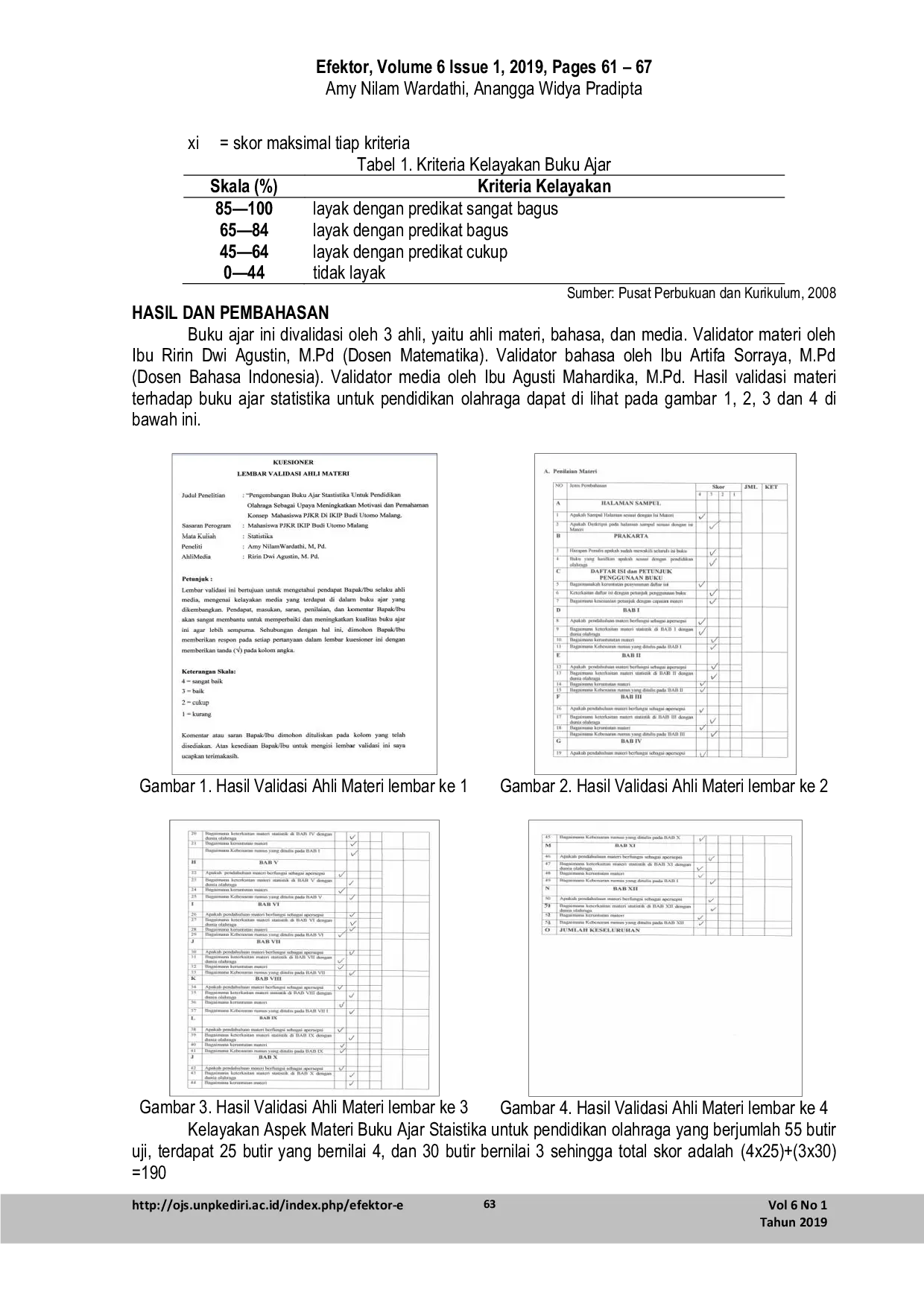
UNP KEDIRIUNP KEDIRI Salah satu matakuliah wajib dalam program studi Pendidikan Jasmani Kesehatan dan Rekreasi (PJKR) adalah Statistika. Berdasarkan hasil observasi peneliti,Salah satu matakuliah wajib dalam program studi Pendidikan Jasmani Kesehatan dan Rekreasi (PJKR) adalah Statistika. Berdasarkan hasil observasi peneliti,
SARI MUTIARASARI MUTIARA Penelitian ini menyimpulkan bahwa terdapat hubungan negatif antara konsep diri dan perilaku bullying, yang didukung oleh nilai korelasi Pearson sebesarPenelitian ini menyimpulkan bahwa terdapat hubungan negatif antara konsep diri dan perilaku bullying, yang didukung oleh nilai korelasi Pearson sebesar