UGMUGM
IJCIJCThis study examines the use of coffee dregs waste as biosorbents of Cu(II) and Ag(I). Coffee dregs waste still contains a high level of carbon and cellulose for biosorbents production. The production process was started with charcoal activation using H3PO4. The batch method was applied by variations of contact time, the mass of the biosorbent, and the initial concentration of metal ions. The results showed that Cu(II) and Ag(I) were optimally adsorbed at pH 6 and 4, respectively. The amount of adsorbed metal ions increased with adsorption contact time. The adsorption process of both metal ions reaches stability within 60 min and the optimum biosorbent mass is 1 g. Isothermal adsorption studies show that Cu(II) adsorption tends to follow Langmuir isotherm with an adsorption energy of 31.42 kJ/mol and Ag(I) adsorption follows Freundlich isotherms with an adsorption energy of 27.74 kJ/mol. Based on the results, the interaction between metal ions and adsorbents is a chemical adsorption process and coffee dregs charcoal has the potential to adsorb Cu(II) and Ag(I) metal ions.
The study demonstrated the potential of H3PO4-activated coffee dregs charcoal as a biosorbent for Cu(II) and Ag(I).Optimal adsorption occurred within 60 minutes, with 1 g of biosorbent proving most effective.The adsorption process for Cu(II) followed the Langmuir isotherm, while Ag(I) followed the Freundlich isotherm, indicating a chemical adsorption mechanism.
Penelitian lebih lanjut perlu dilakukan untuk menguji efektivitas biosorben ampas kopi dalam kondisi lingkungan yang lebih kompleks, seperti keberadaan ion-ion pesaing dan variasi suhu. Studi komparatif dengan jenis biosorben lain, termasuk yang dimodifikasi secara kimia, dapat dilakukan untuk mengidentifikasi keunggulan dan keterbatasan ampas kopi sebagai bahan adsorben. Pengembangan sistem adsorpsi berkelanjutan, misalnya dengan mengintegrasikan biosorben ampas kopi ke dalam sistem filtrasi air limbah skala kecil, dapat menjadi arah penelitian yang menjanjikan untuk aplikasi praktis. Eksplorasi lebih lanjut mengenai mekanisme adsorpsi, termasuk identifikasi gugus fungsi spesifik yang berperan dalam interaksi dengan ion logam, akan memberikan pemahaman yang lebih mendalam tentang kinerja biosorben ini. Penelitian ini diharapkan dapat memberikan solusi inovatif dan ramah lingkungan untuk mengatasi masalah pencemaran logam berat di lingkungan.
| File size | 496.65 KB |
| Pages | 9 |
| DMCA | Report |
Related /
UBUB Penelitian ini mengadopsi metodologi CRISP-DM yang mencakup tahap business understanding, data understanding, data preparation, modeling, dan evaluation.Penelitian ini mengadopsi metodologi CRISP-DM yang mencakup tahap business understanding, data understanding, data preparation, modeling, dan evaluation.

IDID Kegiatan ini diharapkan dapat terus digunakan sehingga menurunkan risiko gagal produksi, meningkatkan produktivitas baglog, dan membuka peluang ekonomiKegiatan ini diharapkan dapat terus digunakan sehingga menurunkan risiko gagal produksi, meningkatkan produktivitas baglog, dan membuka peluang ekonomi

IDJOURNALIDJOURNAL Terdapat peningkatan rata-rata pengetahuan sebesar 61,6% dan keterampilan sebesar 60,4%. Program ini terbukti efektif dalam mendukung ketahanan pangan,Terdapat peningkatan rata-rata pengetahuan sebesar 61,6% dan keterampilan sebesar 60,4%. Program ini terbukti efektif dalam mendukung ketahanan pangan,

UNSOEDUNSOED Kinerja pengisian dan pengosongan superkapasitor yang terbaik juga diperoleh pada 3 M H3PO4 dan rasio doping nitrogen 1. 3, yaitu waktu pengisian 475 detikKinerja pengisian dan pengosongan superkapasitor yang terbaik juga diperoleh pada 3 M H3PO4 dan rasio doping nitrogen 1. 3, yaitu waktu pengisian 475 detik

UNSOEDUNSOED 925%). Peningkatan efisiensi dari 1. 189% (tanpa pelapisan Fe) menjadi 1. 700% (dengan pelapisan Fe) menunjukkan potensi teknik ini. Ukuran kristal TiO2925%). Peningkatan efisiensi dari 1. 189% (tanpa pelapisan Fe) menjadi 1. 700% (dengan pelapisan Fe) menunjukkan potensi teknik ini. Ukuran kristal TiO2

UNTARUNTAR variasi 40% nilai stabilitas sebesar 629,20 kg, VFWA 65,69 kg, VMA 25,09 kg, VIM 10,05 kg, flow 2,85 mm, MQ 226,52. variasi 50% nilai stabilitas sebesarvariasi 40% nilai stabilitas sebesar 629,20 kg, VFWA 65,69 kg, VMA 25,09 kg, VIM 10,05 kg, flow 2,85 mm, MQ 226,52. variasi 50% nilai stabilitas sebesar
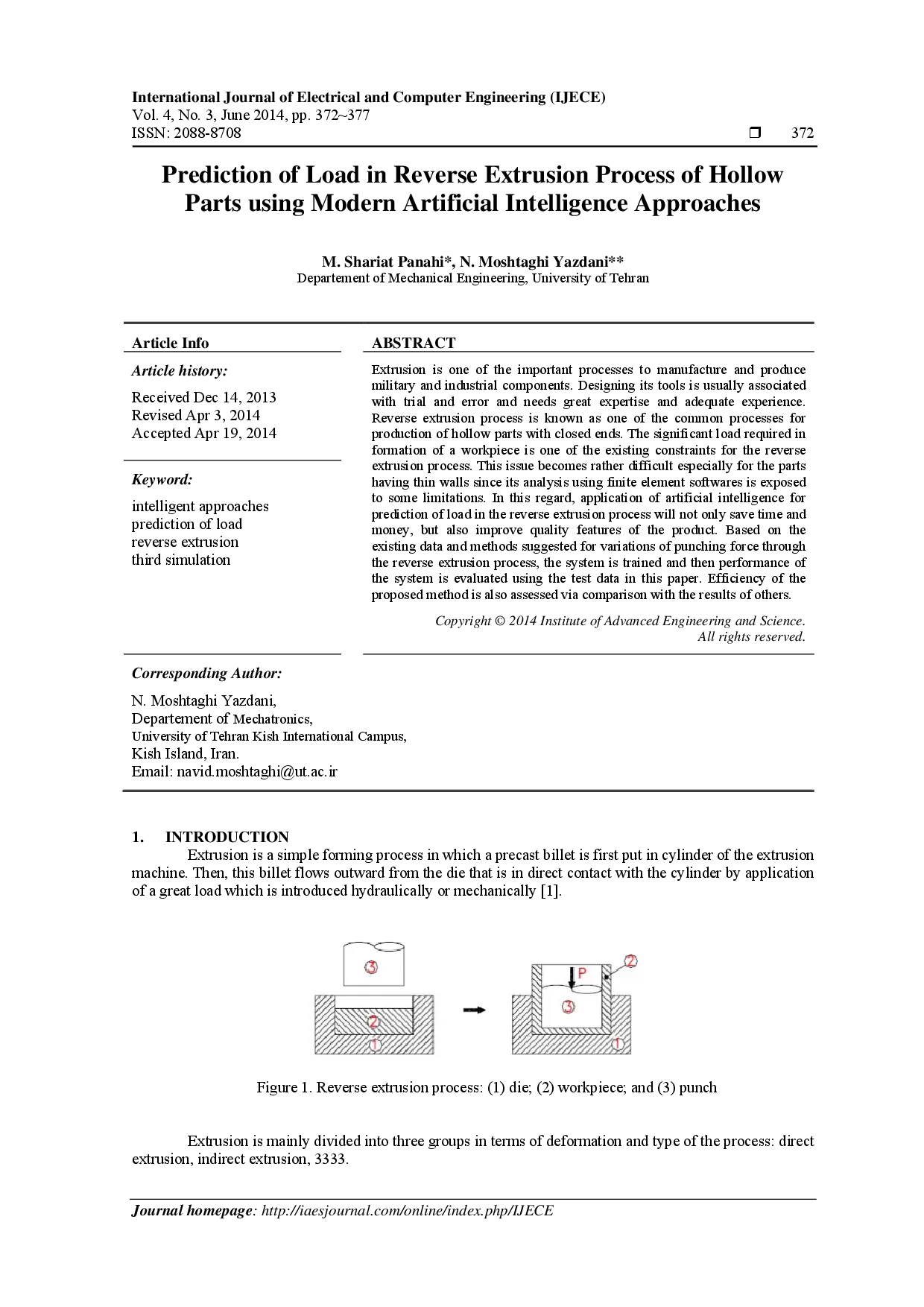
IAESCOREIAESCORE Reverse extrusion process is known as one of the common processes for production of hollow parts with closed ends. The significant load required in formationReverse extrusion process is known as one of the common processes for production of hollow parts with closed ends. The significant load required in formation

IAESCOREIAESCORE Artikel ini menyajikan tinjauan penerapan geometri non-Euclidean untuk menginterpretasikan proses pertumbuhan pada tubuh manusia dan memodelkan fitur penggunaanArtikel ini menyajikan tinjauan penerapan geometri non-Euclidean untuk menginterpretasikan proses pertumbuhan pada tubuh manusia dan memodelkan fitur penggunaan
Useful /

URINDOURINDO Hasil uji spearman rho didapatkan nilai p = 0,000 < α = 0,05, yang menunjukkan adanya hubungan antara waktu tunggu pelayanan resep dengan kepuasan pasien.Hasil uji spearman rho didapatkan nilai p = 0,000 < α = 0,05, yang menunjukkan adanya hubungan antara waktu tunggu pelayanan resep dengan kepuasan pasien.
IJHPIJHP Desain studi adalah deskriptif retrospektif dengan analisis data sekunder dari rekam medis semua pasien yang didiagnosis PPCM, termasuk variabel sepertiDesain studi adalah deskriptif retrospektif dengan analisis data sekunder dari rekam medis semua pasien yang didiagnosis PPCM, termasuk variabel seperti

IAESCOREIAESCORE This paper proposes a Bowtie fractal antenna designed for an RFID reader, offering several advantages over classical Bowtie antennas. The use of a simpleThis paper proposes a Bowtie fractal antenna designed for an RFID reader, offering several advantages over classical Bowtie antennas. The use of a simple
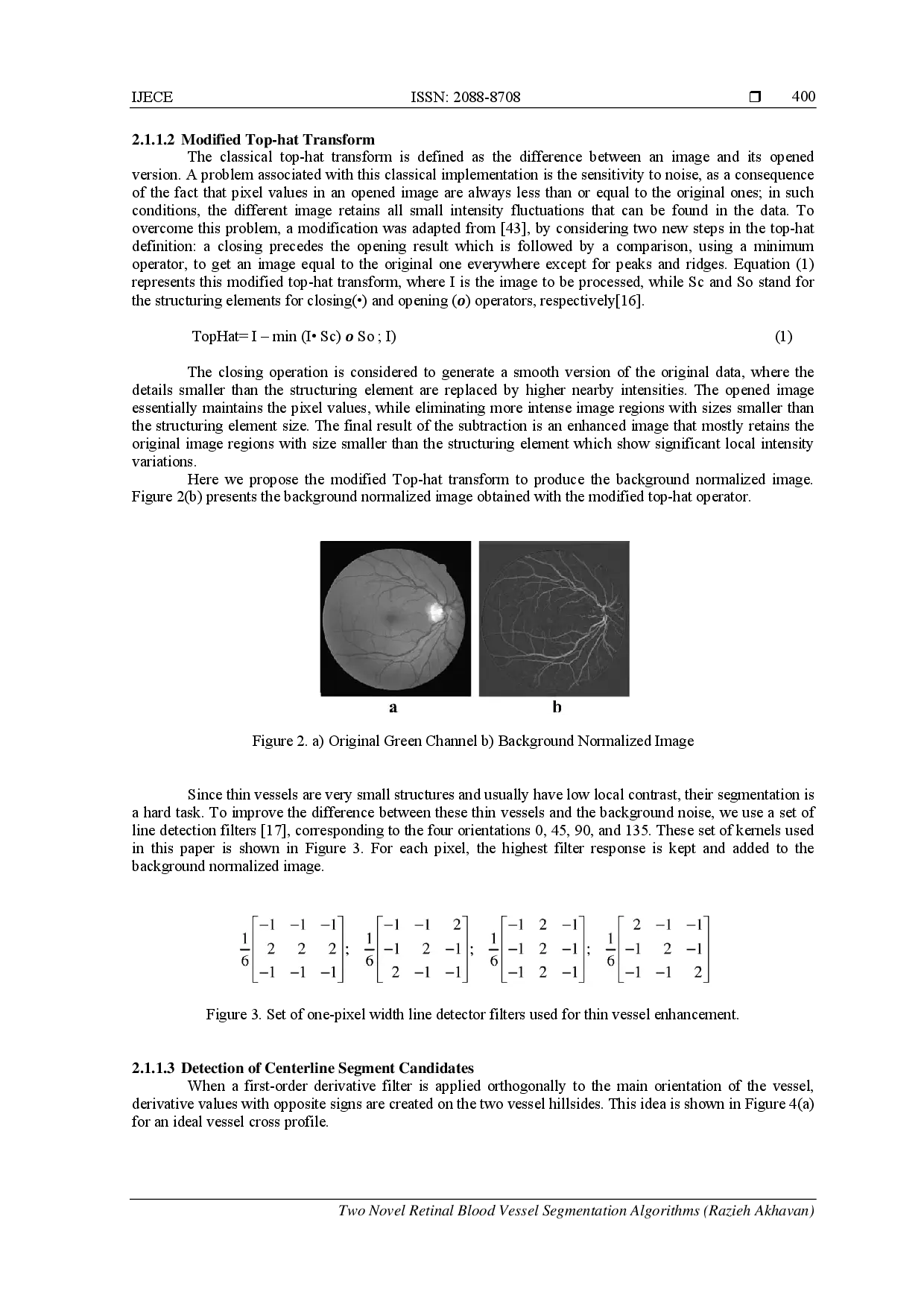
IAESCOREIAESCORE Operasi morfologi terubah yang dinormalisasi digunakan untuk meningkatkan pembuluh darah dan klasifikator neuro fuzzy digunakan untuk segmentasi pembuluhOperasi morfologi terubah yang dinormalisasi digunakan untuk meningkatkan pembuluh darah dan klasifikator neuro fuzzy digunakan untuk segmentasi pembuluh