USNSJUSNSJ
Journal of Biological Science and EducationJournal of Biological Science and EducationThe analysis of water quality in the post-sand mining swamp of Kranjingan indicates that the aquatic environment is in relatively good condition, with a neutral to slightly alkaline pH, stable temperature, and total dissolved solids (TDS) within acceptable limits. Although slight variations were observed between stations, particularly at Station 4, which recorded the highest TDS value, the overall water conditions still support the sustainability of the aquatic ecosystem and allow for various sustainable utilizations. The studys objective is to analyze the water quality in the post-sand mining swamp of Kranjingan and evaluate the sustainability of the aquatic ecosystem in the area. This research also aims to understand the composition and abundance of phytoplankton to determine the trophic status of the ecosystem. The study results show that the composition and abundance of phytoplankton in the post-mining swamp exhibit oligotrophic characteristics, with a dominance of the Cyanophyta phylum, particularly Microcystis. The highest phytoplankton diversity was found at Station 2, while Station 4 demonstrated relatively stable abundance. These findings provide essential insights into the management and utilization of post-sand mining swamps for both ecological and economic purposes.
The phytoplankton composition in the post-mining swamp exhibits oligotrophic characteristics, dominated by the Cyanophyta phylum, particularly Microcystis.Phytoplankton diversity is highest at Station 2, while Station 4 shows relatively stable abundance.These findings are crucial for managing and utilizing the swamp for both ecological and economic benefits, and the water quality is relatively good, supporting the aquatic ecosystem.
Further research should investigate the potential toxicity of Microcystis dominance in the swamp, considering its implications for aquatic life and human health. Additionally, studies are needed to assess the long-term effects of agricultural runoff on water quality parameters, particularly TDS levels at Station 4, to develop targeted mitigation strategies. Finally, exploring the feasibility of ecosystem-based biomanipulation techniques to enhance water productivity and support sustainable aquaculture practices in the swamp would be beneficial. These investigations, building upon the current findings, will contribute to a more comprehensive understanding of the post-mining swamp ecosystem and inform effective management strategies for its long-term sustainability. A detailed analysis of nutrient sources and their impact on phytoplankton composition is crucial for understanding the swamps trophic dynamics. Investigating the potential for utilizing the swamp for ecotourism, while minimizing environmental disturbance, could provide economic benefits to the local community. Furthermore, research on the effectiveness of different restoration techniques for improving water quality and biodiversity in the post-mining area is warranted.
- Keanekaragaman Fitoplankton dan Hubungannya Dengan Kualitas Air di Sungai Aek Pohon Kabupaten Mandailing... doi.org/10.32734/jafs.v1i2.8753Keanekaragaman Fitoplankton dan Hubungannya Dengan Kualitas Air di Sungai Aek Pohon Kabupaten Mandailing doi 10 32734 jafs v1i2 8753
- Kajian kualitas air dan strategi pengelolaan Rawa Jombor, Klaten, Jawa Tengah | Rina | Jurnal Teknosains.... journal.ugm.ac.id/teknosains/article/view/55560Kajian kualitas air dan strategi pengelolaan Rawa Jombor Klaten Jawa Tengah Rina Jurnal Teknosains journal ugm ac teknosains article view 55560
- Analisis Kualitas Air Sungai Guna Menentukan Peruntukan Ditinjau Dari Aspek Lingkungan | Pohan | Jurnal... doi.org/10.14710/jil.14.2.63-71Analisis Kualitas Air Sungai Guna Menentukan Peruntukan Ditinjau Dari Aspek Lingkungan Pohan Jurnal doi 10 14710 jil 14 2 63 71
| File size | 509.71 KB |
| Pages | 9 |
| DMCA | Report |
Related /
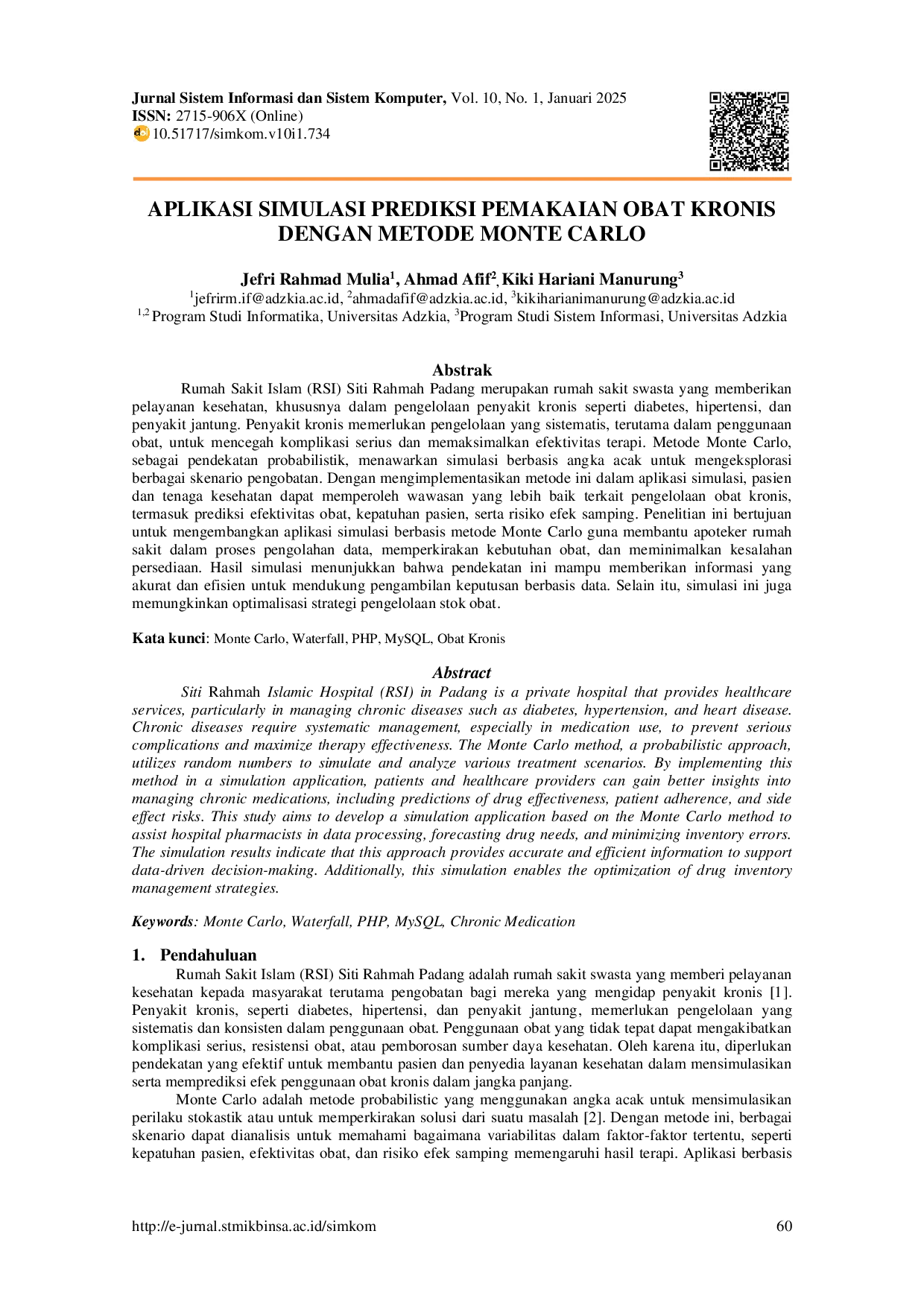
STMIKBINSASTMIKBINSA Rumah Sakit Islam (RSI) Siti Rahmah Padang merupakan rumah sakit swasta yang memberikan pelayanan kesehatan, khususnya dalam pengelolaan penyakit kronisRumah Sakit Islam (RSI) Siti Rahmah Padang merupakan rumah sakit swasta yang memberikan pelayanan kesehatan, khususnya dalam pengelolaan penyakit kronis

STMIKBINSASTMIKBINSA Visual Novel Game dibangun dengan menggunakan metode Game Development Life Cycle. Metode penelitian Research and Development (R&D) digunakan dengan subjekVisual Novel Game dibangun dengan menggunakan metode Game Development Life Cycle. Metode penelitian Research and Development (R&D) digunakan dengan subjek
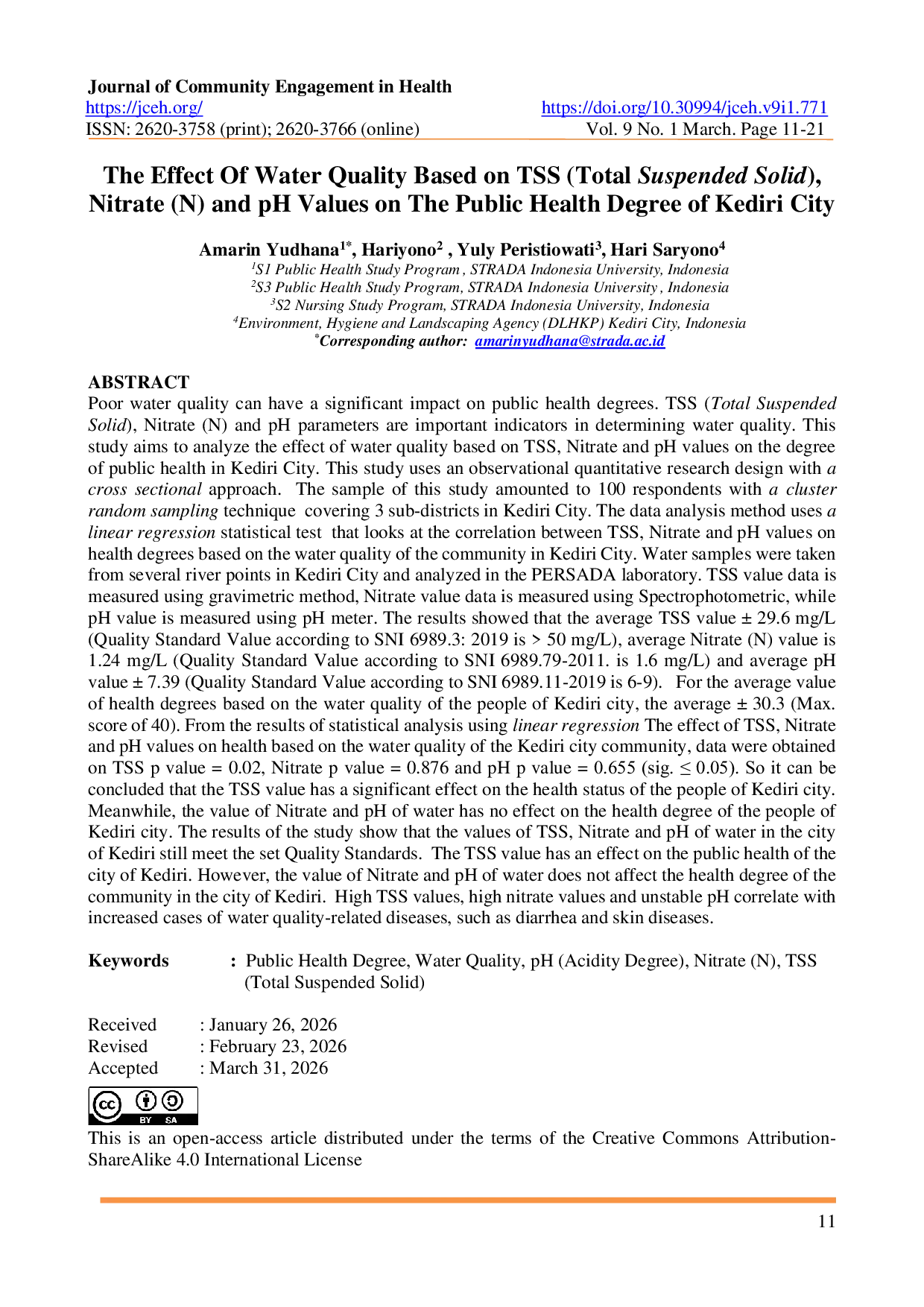
JCEHJCEH Penelitian ini menggunakan desain penelitian kuantitatif observasional dengan pendekatan cross-sectional. Sampel penelitian berjumlah 100 responden denganPenelitian ini menggunakan desain penelitian kuantitatif observasional dengan pendekatan cross-sectional. Sampel penelitian berjumlah 100 responden dengan
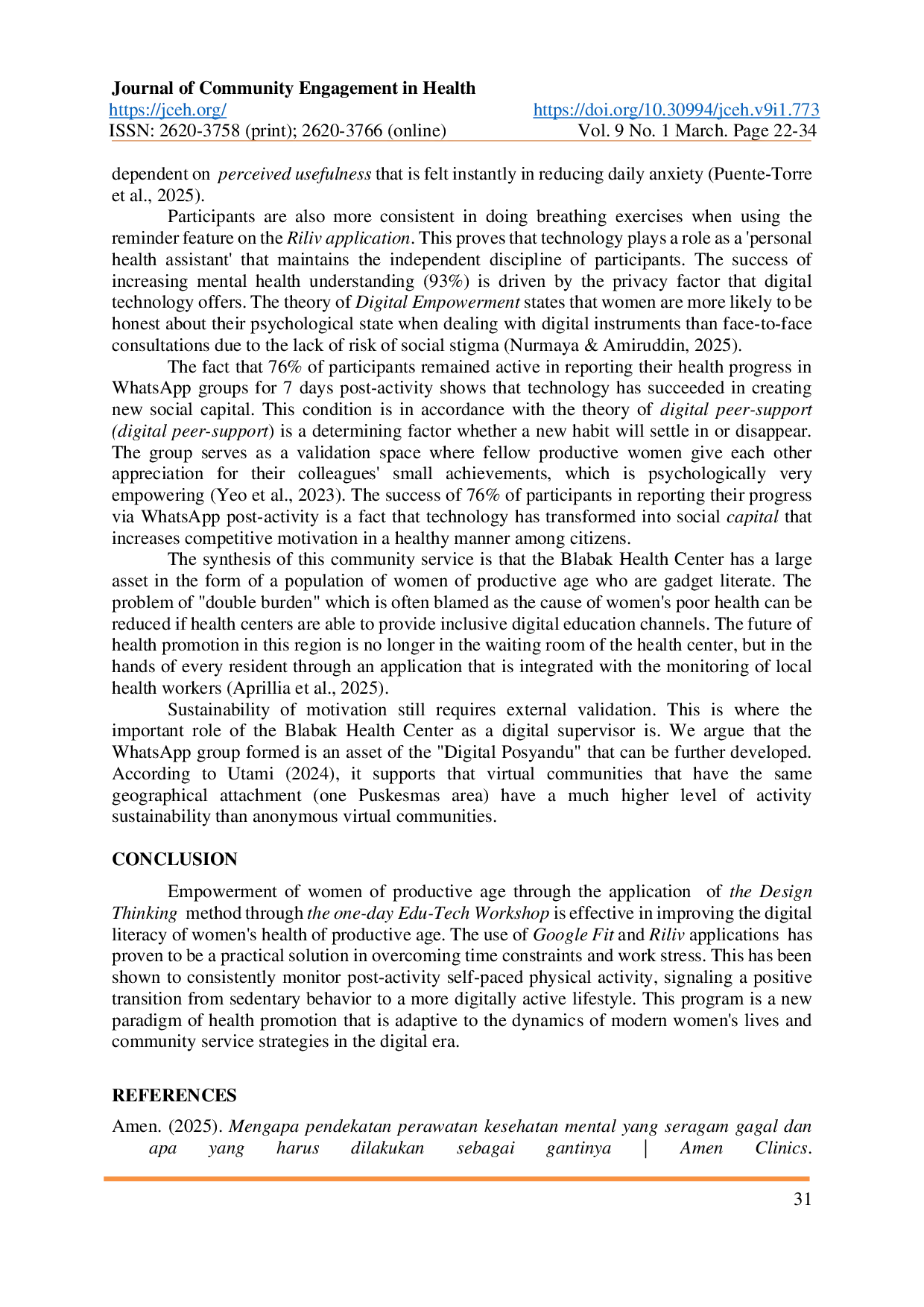
JCEHJCEH Program ini memanfaatkan versi ringkas kerangka Design Thinking - Empathize, Define, Ideate, Prototype, dan Test - yang berfokus pada penerapan praktisProgram ini memanfaatkan versi ringkas kerangka Design Thinking - Empathize, Define, Ideate, Prototype, dan Test - yang berfokus pada penerapan praktis
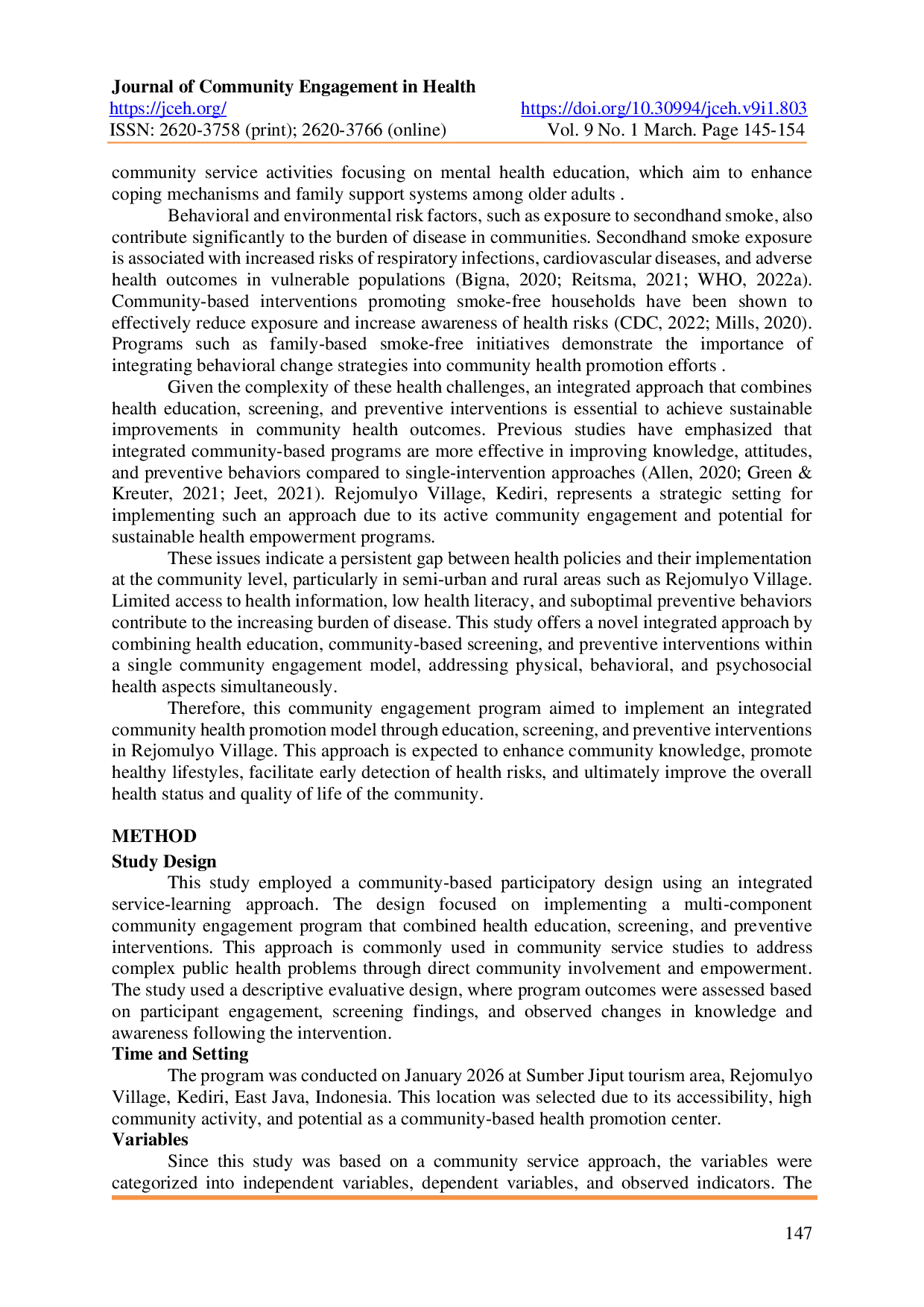
JCEHJCEH Pelaksanaan program promosi kesehatan masyarakat terpadu di Desa Rejomulyo menunjukkan bahwa menggabungkan pendidikan kesehatan, skrining, dan intervensiPelaksanaan program promosi kesehatan masyarakat terpadu di Desa Rejomulyo menunjukkan bahwa menggabungkan pendidikan kesehatan, skrining, dan intervensi
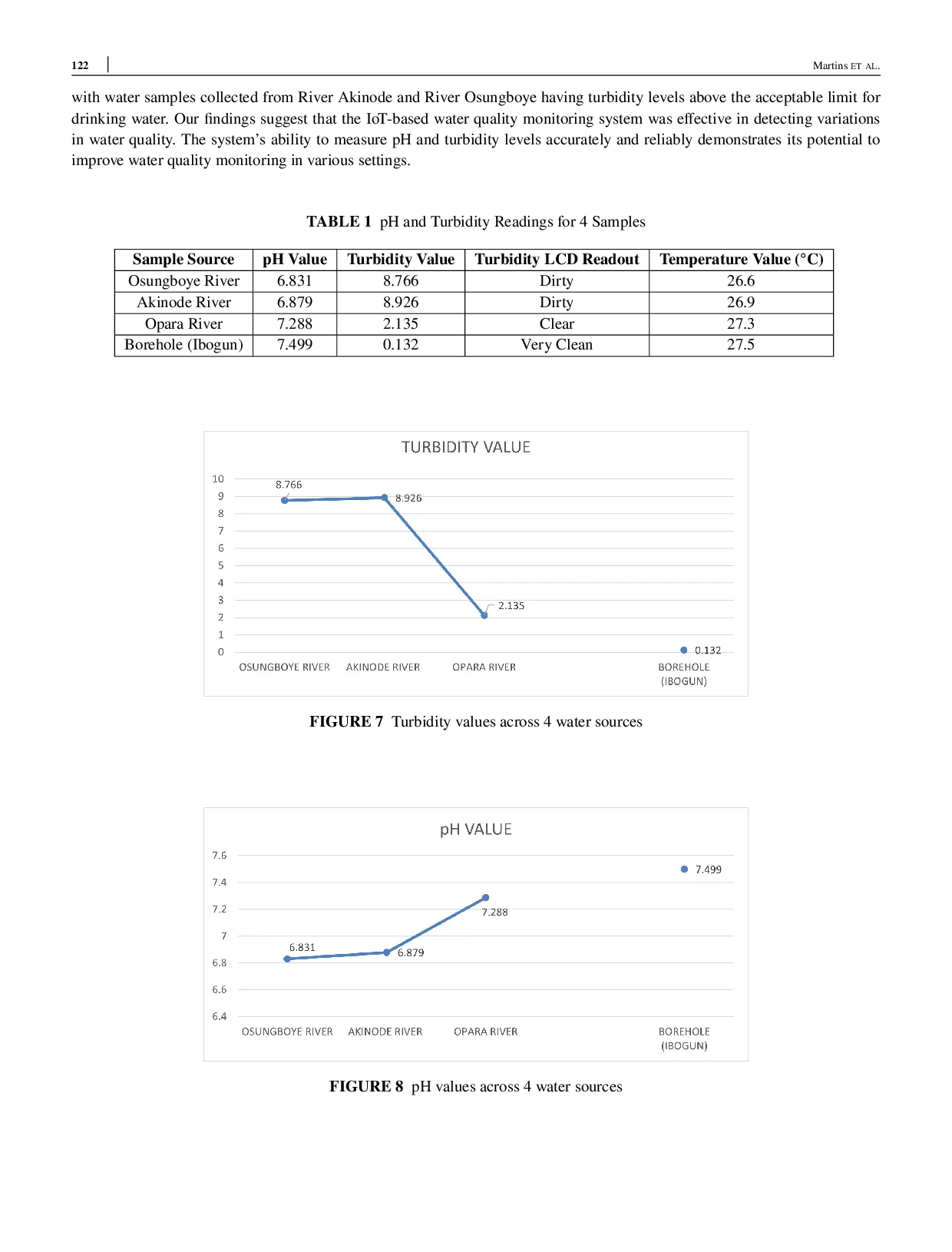
ITSITS Memastikan air yang aman dan bersih adalah hal yang sangat penting bagi kesehatan masyarakat, terutama di daerah-daerah yang memiliki akses terbatas terhadapMemastikan air yang aman dan bersih adalah hal yang sangat penting bagi kesehatan masyarakat, terutama di daerah-daerah yang memiliki akses terbatas terhadap
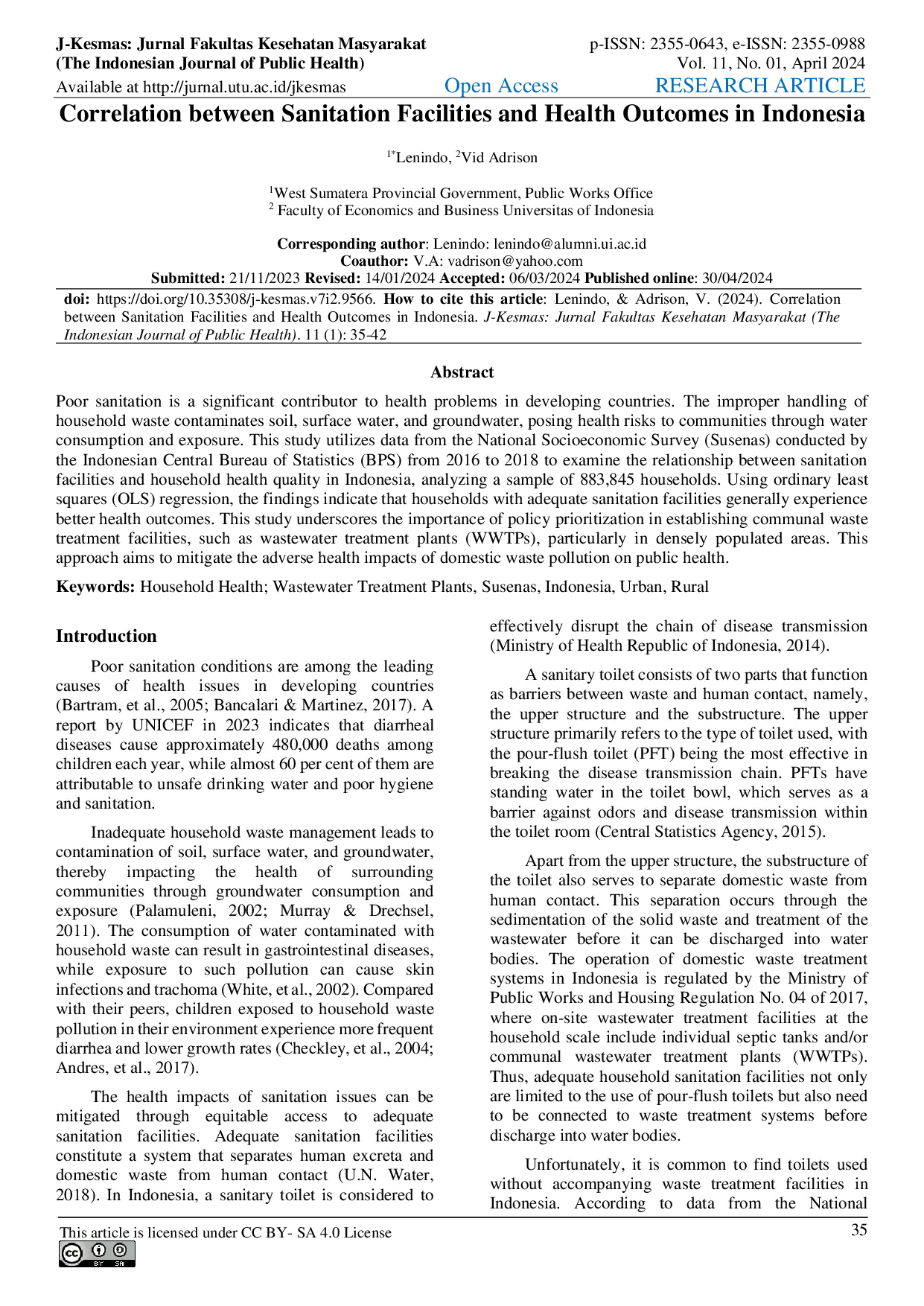
4141 Penanganan limbah rumah tangga yang tidak tepat mencemari tanah, air permukaan, dan air tanah, menimbulkan risiko kesehatan bagi masyarakat melalui konsumsiPenanganan limbah rumah tangga yang tidak tepat mencemari tanah, air permukaan, dan air tanah, menimbulkan risiko kesehatan bagi masyarakat melalui konsumsi

POLTEKKES PADANGPOLTEKKES PADANG Hasil analisis univariat rerata Kandungan nitrat dalam air Sungai Cisangkuy dan Ciwidey sebesar 2,66 mg/l. Sedangkan hasil perhitungan tingkat risiko (RiskHasil analisis univariat rerata Kandungan nitrat dalam air Sungai Cisangkuy dan Ciwidey sebesar 2,66 mg/l. Sedangkan hasil perhitungan tingkat risiko (Risk
Useful /
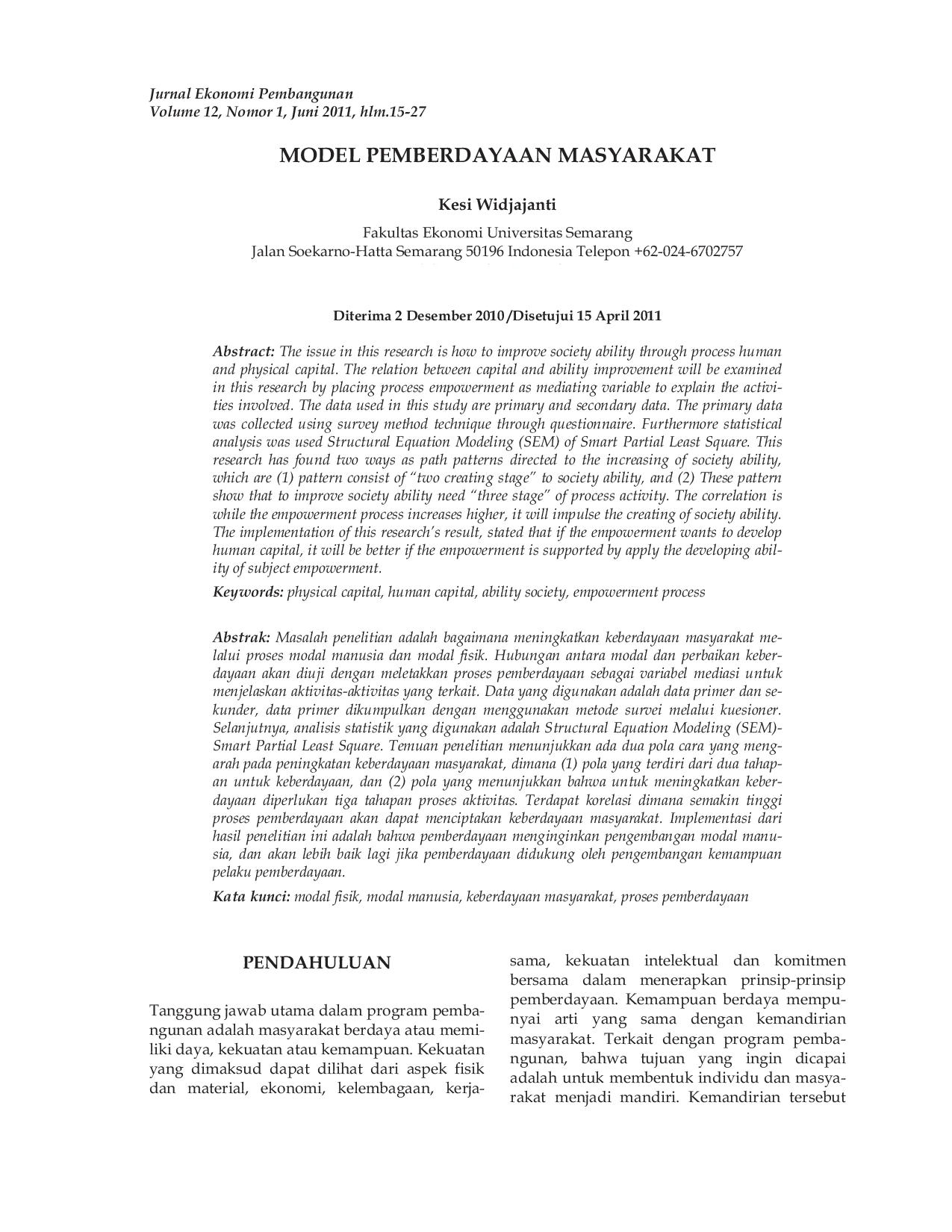
IMADIKLUSIMADIKLUS Terdapat korelasi dimana semakin tinggi proses pemberdayaan akan dapat menciptakan keberdayaan masyarakat. Implementasi dari hasil penelitian ini adalahTerdapat korelasi dimana semakin tinggi proses pemberdayaan akan dapat menciptakan keberdayaan masyarakat. Implementasi dari hasil penelitian ini adalah
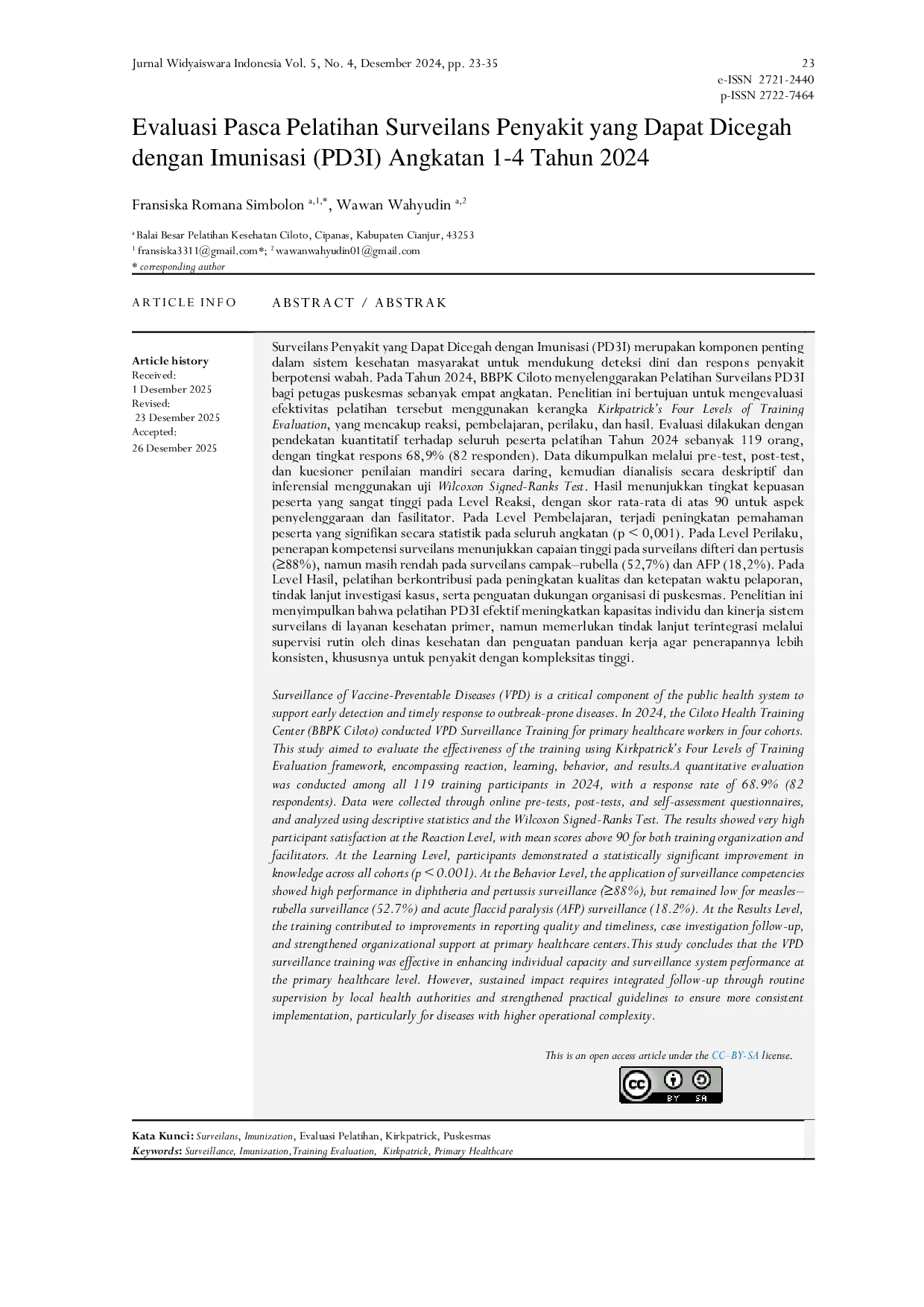
IWIIWI Namun, penerapan kompetensi pada surveilans campak-rubella dan AFP masih memerlukan peningkatan. Oleh karena itu, diperlukan tindak lanjut terintegrasiNamun, penerapan kompetensi pada surveilans campak-rubella dan AFP masih memerlukan peningkatan. Oleh karena itu, diperlukan tindak lanjut terintegrasi
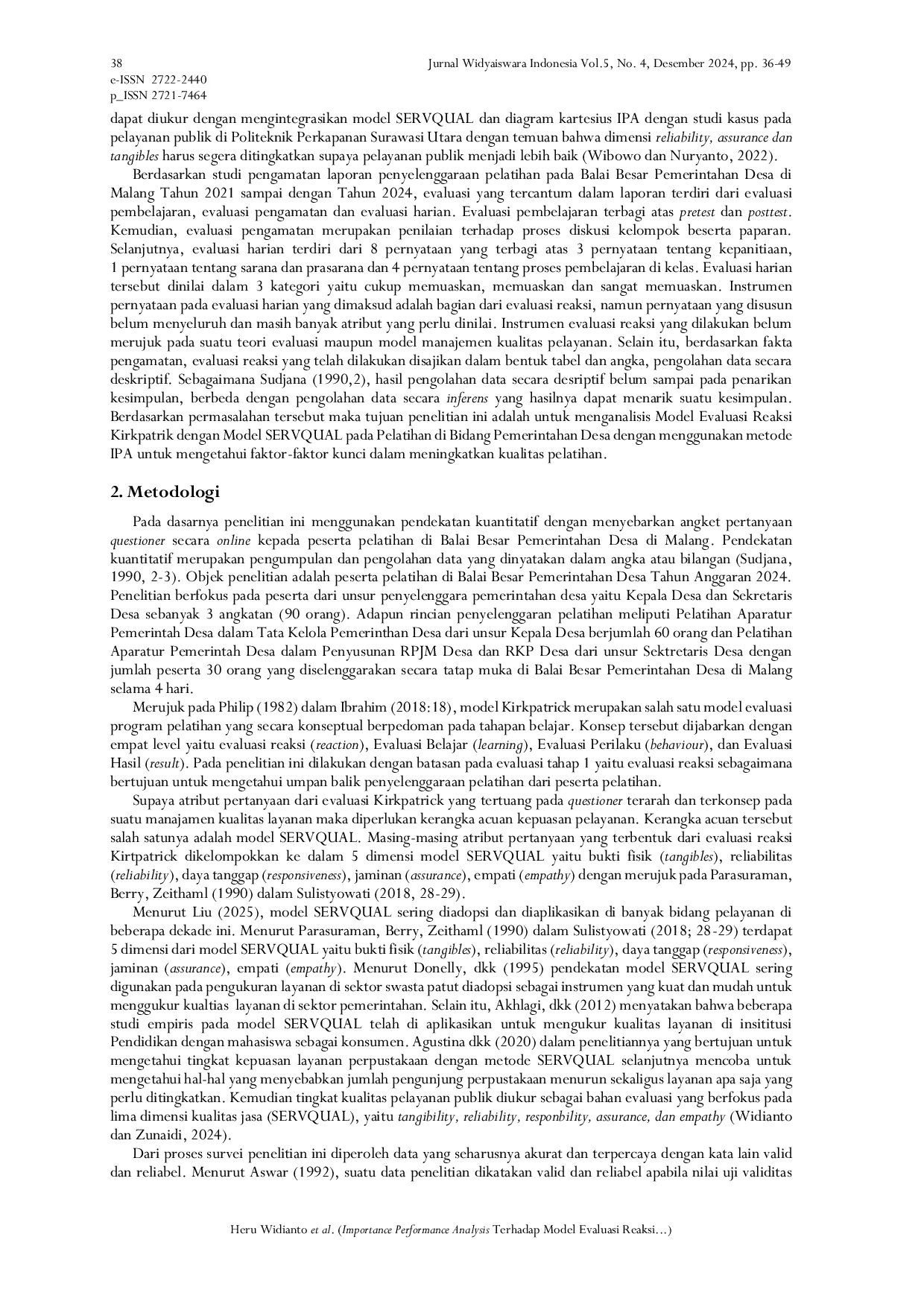
IWIIWI Selama ini, evaluasi reaksi yang telah dilakukan hanya bersifat normatif dan belum dapat menyajikan sebuah analisis yang dapat digunakan sebagai langkahSelama ini, evaluasi reaksi yang telah dilakukan hanya bersifat normatif dan belum dapat menyajikan sebuah analisis yang dapat digunakan sebagai langkah
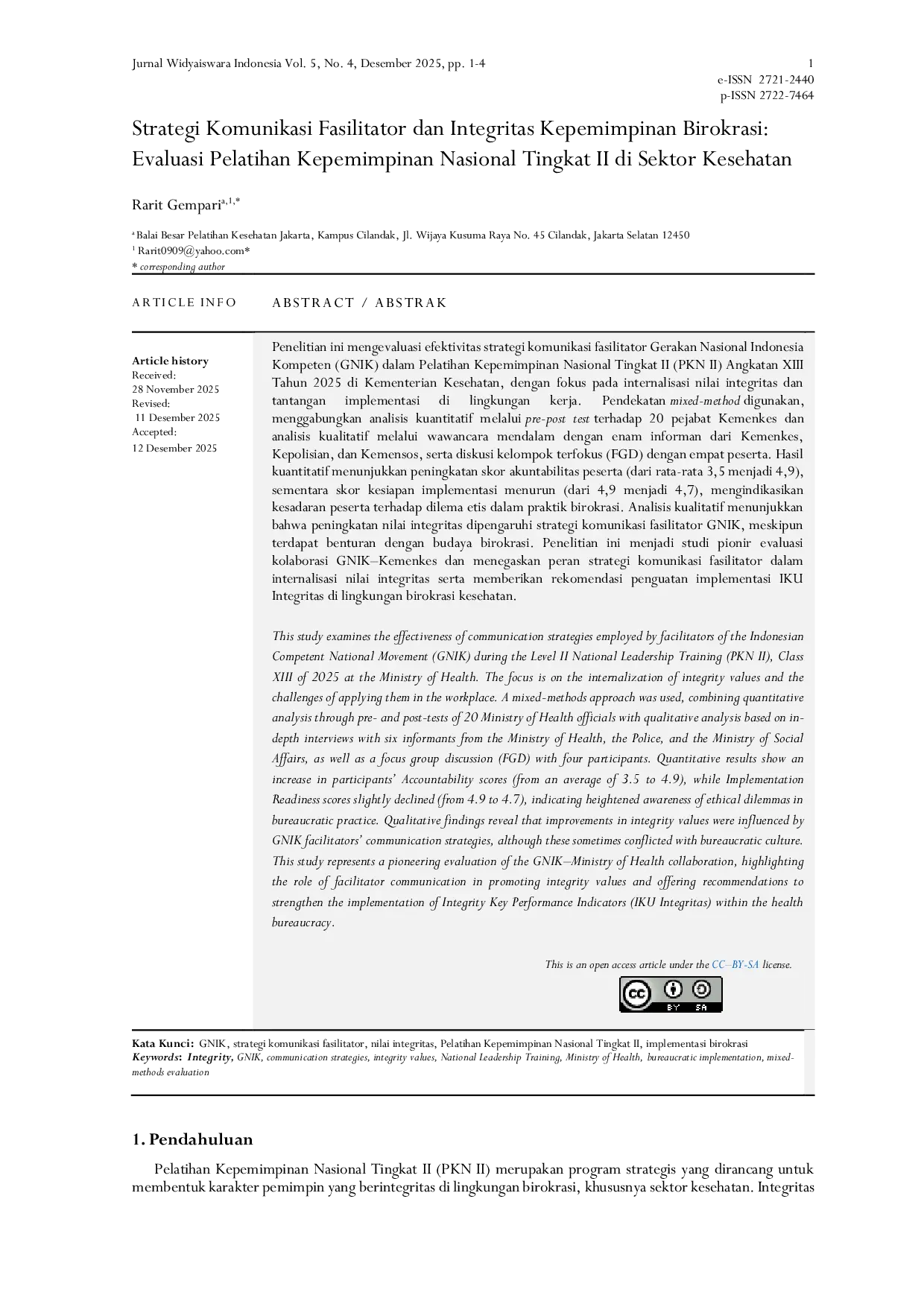
IWIIWI Hasil kuantitatif menunjukkan peningkatan skor akuntabilitas peserta (dari rata-rata 3,5 menjadi 4,9), sementara skor kesiapan implementasi menurun (dariHasil kuantitatif menunjukkan peningkatan skor akuntabilitas peserta (dari rata-rata 3,5 menjadi 4,9), sementara skor kesiapan implementasi menurun (dari