OPENGLOBALSCIOPENGLOBALSCI
Open Global Scientific JournalOpen Global Scientific JournalDomestic soybean production that has not been able to meet national soybean needs is an implication of the decline in soybean harvested area in Indonesia. The opposite condition occurs at the level of demand for soybeans, which increases every year. The soybean import policy is an alternative step for government to overcome the gap between soybean production and consumption in Indonesia. Soybeans in this study are not separated from the type, namely with HS code 1201 (Soya beans, whether or not broken). This study aims to analyze the factors that influence soybean imports in Indonesia by using secondary data from 2001 to 2021. The research method used is descriptive quantitative. The analysis method used is OLS which is used to determine the regression equation so that the actual value can be know from each independent variable to the dependent variable. The result of the study found that partially soybean production had no significant effect on soybean imports in Indonesia, soybean consumption had no significant effect on soybean imports in Indonesia, domestic soybeans prices had a significant effect on soybeans imports in Indonesia, the exchange rate had no significant effect on soybean imports in Indonesia, and simultaneously all free variable had a significant effect on soybean imports in Indonesia.
Based on the results of the study, it can be concluded that simultaneously, domestic soybean production, soybean consumption, domestic soybean prices, and the exchange rate collectively affect soybean imports in Indonesia.Partially, the variable of domestic soybean prices significantly affects soybean imports, while the variables of soybean production, soybean consumption, and the exchange rate do not significantly influence soybean imports in Indonesia.It is hoped that the Indonesian government can pay more attention and maximize its performance in terms of soybean production to successfully reduce dependence on soybean imports.
Penelitian lebih lanjut perlu dilakukan untuk mengkaji efektivitas berbagai kebijakan pemerintah dalam meningkatkan produksi kedelai domestik, termasuk analisis mendalam mengenai insentif bagi petani dan pengembangan teknologi pertanian yang adaptif terhadap perubahan iklim. Selain itu, studi komparatif dapat dilakukan untuk membandingkan strategi impor kedelai di Indonesia dengan negara-negara lain yang berhasil meningkatkan kemandirian pangan kedelai, dengan fokus pada aspek regulasi, infrastruktur, dan dukungan finansial. Terakhir, penelitian perlu menggali lebih dalam mengenai perilaku konsumen terhadap produk kedelai dan substitusinya, serta dampaknya terhadap permintaan impor, termasuk potensi pengembangan produk alternatif berbasis kedelai yang dapat mengurangi ketergantungan pada impor.
| File size | 367.92 KB |
| Pages | 6 |
| DMCA | Report |
Related /
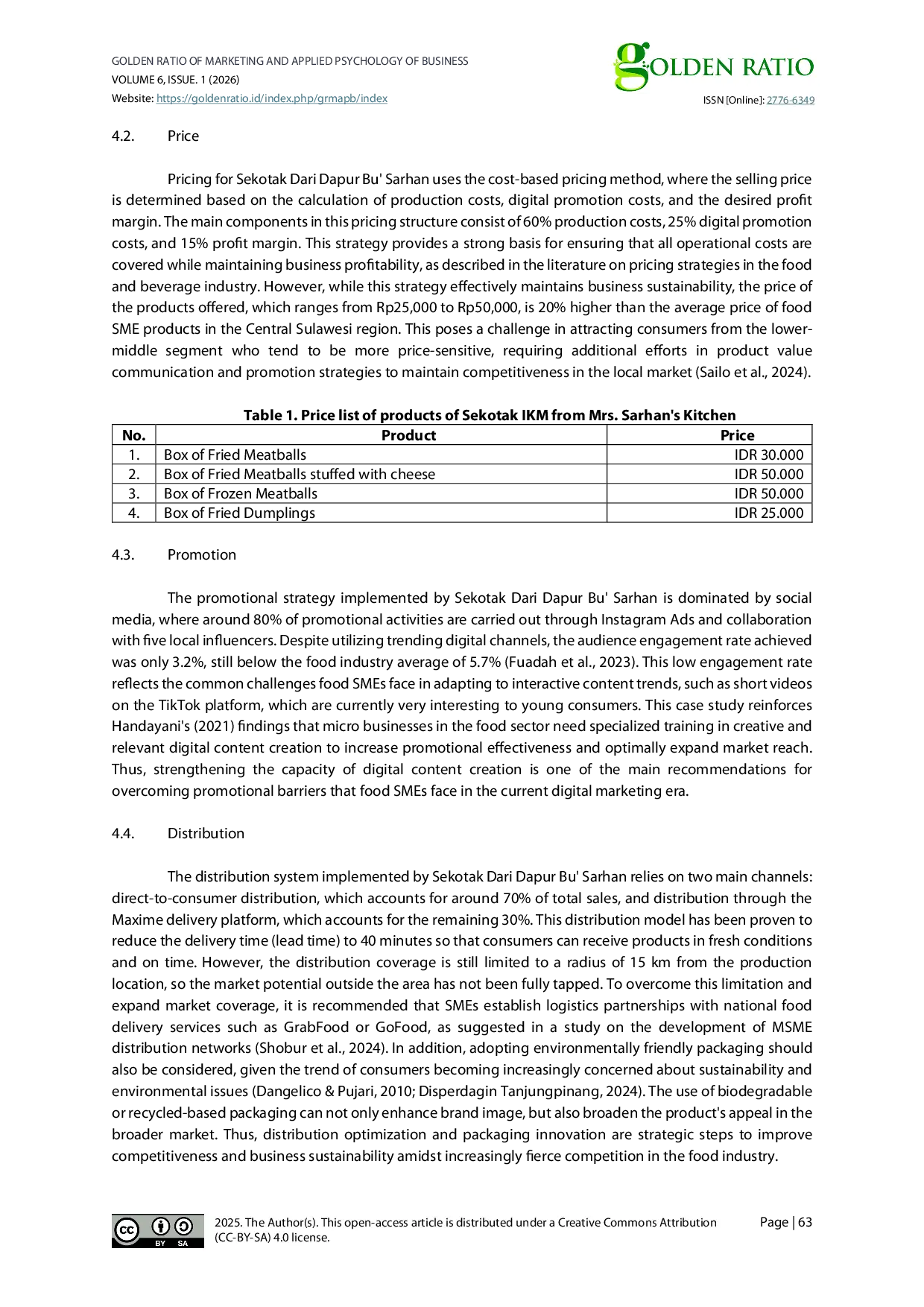
GOLDENRATIOGOLDENRATIO Product innovation, particularly the development of fish-based products, differentiates the SME from competitors. While cost-based pricing is effective,Product innovation, particularly the development of fish-based products, differentiates the SME from competitors. While cost-based pricing is effective,

ACADEMICAREVIEWACADEMICAREVIEW Furthermore, improvements in student achievement are evident in academic performance, religiosity, and learning motivation, indicating the effectivenessFurthermore, improvements in student achievement are evident in academic performance, religiosity, and learning motivation, indicating the effectiveness

IAINSORONGIAINSORONG This study aims to uncover the epistemological construction of Quranic exegesis that seeks to integrate revelation as a source of transcendental truthThis study aims to uncover the epistemological construction of Quranic exegesis that seeks to integrate revelation as a source of transcendental truth

DINASTIRESDINASTIRES Based on the analysis, the study concludes that Indonesian law, specifically Law Number 22 of 2009 Article 310, outlines varying criminal consequencesBased on the analysis, the study concludes that Indonesian law, specifically Law Number 22 of 2009 Article 310, outlines varying criminal consequences

JOURNALKEBERLANJUTANJOURNALKEBERLANJUTAN The results obtained in this study indicate that work-life balance affects employee engagement, perceived organization also affects employee engagement,The results obtained in this study indicate that work-life balance affects employee engagement, perceived organization also affects employee engagement,

UMSUUMSU Regent Regulation Number 41 of 2019 comprehensively addresses the implementation of the local content curriculum for diniyah education and religious localRegent Regulation Number 41 of 2019 comprehensively addresses the implementation of the local content curriculum for diniyah education and religious local

IAIN SUIAIN SU Educational communication has a crucial role in improving students oral communication skills. Through teacher-student interaction and the use of supportiveEducational communication has a crucial role in improving students oral communication skills. Through teacher-student interaction and the use of supportive

IAIN CURUPIAIN CURUP The aim of this research is to examine the cultural dawah strategy used by Ki Miko Cakcoy in preaching amidst millennial modernity. The research methodThe aim of this research is to examine the cultural dawah strategy used by Ki Miko Cakcoy in preaching amidst millennial modernity. The research method
Useful /

STIEJBSTIEJB Untuk meningkatkan pertumbuhan ekonomi di Kabupaten Mimika maka faktor lain yang harus diperhatikan yaitu Daya beli perkapita, simpanan perkapita, danUntuk meningkatkan pertumbuhan ekonomi di Kabupaten Mimika maka faktor lain yang harus diperhatikan yaitu Daya beli perkapita, simpanan perkapita, dan
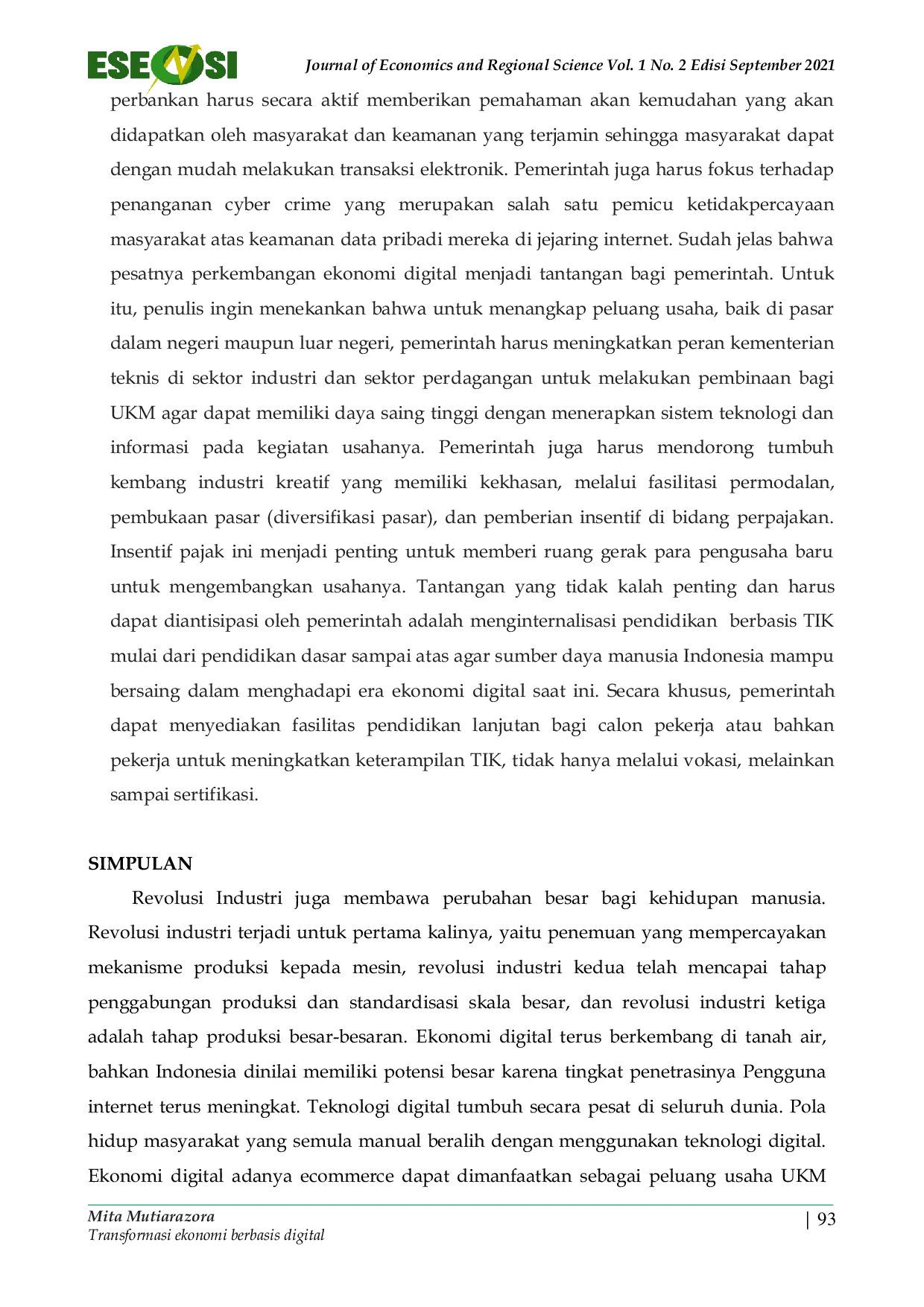
STIEJBSTIEJB Metode yang digunakan yaitu kualitatif. Kami memilih desain studi kasus eksplorasi yang cocok untuk penelitian ini. Untuk memastikan kebaruan model dataMetode yang digunakan yaitu kualitatif. Kami memilih desain studi kasus eksplorasi yang cocok untuk penelitian ini. Untuk memastikan kebaruan model data
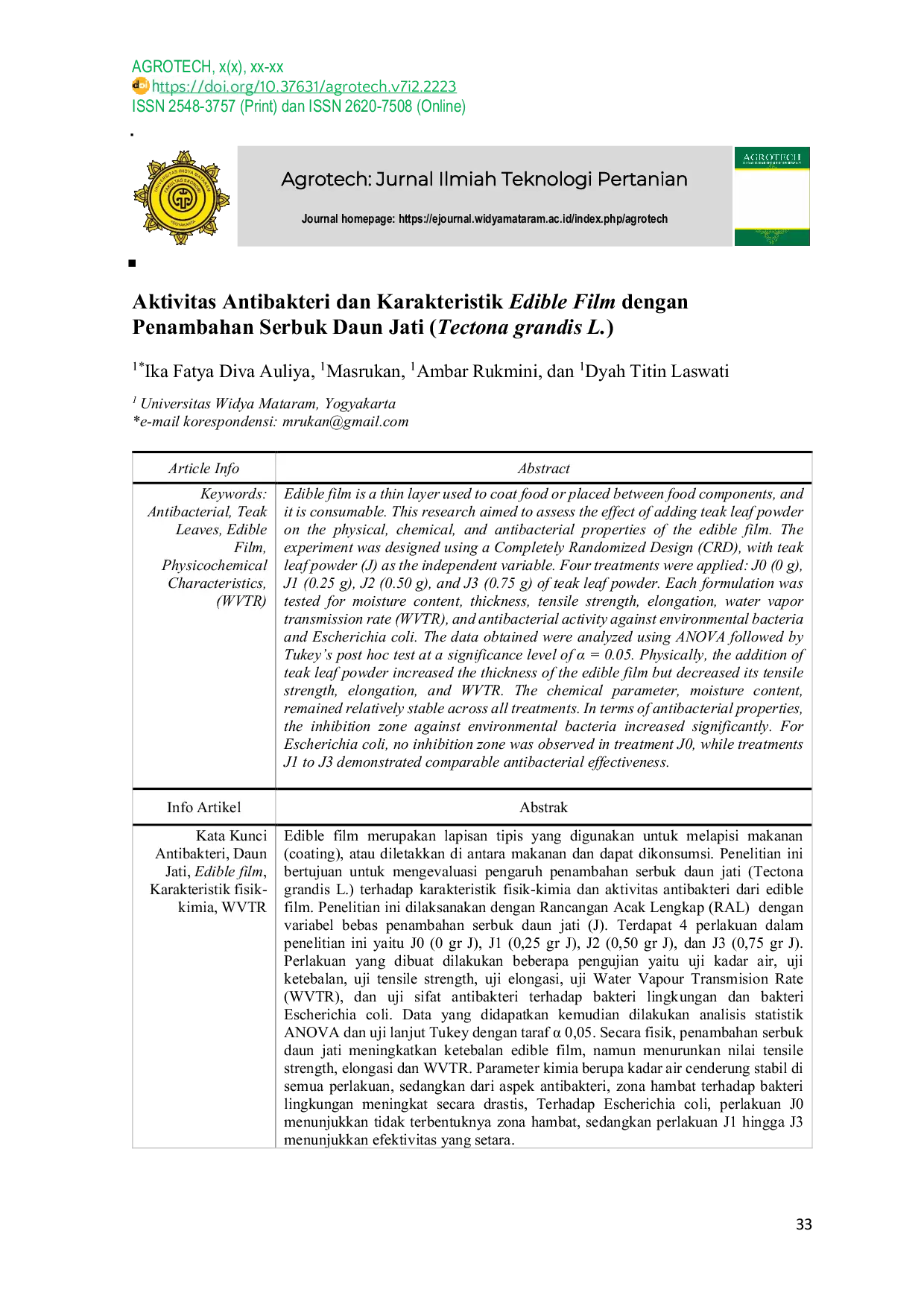
UWMYUWMY Penelitian ini bertujuan untuk mengevaluasi pengaruh penambahan serbuk daun jati (Tectona grandis L. ) terhadap karakteristik fisik-kimia dan aktivitasPenelitian ini bertujuan untuk mengevaluasi pengaruh penambahan serbuk daun jati (Tectona grandis L. ) terhadap karakteristik fisik-kimia dan aktivitas

IAIN BONEIAIN BONE Menggunakan metode kualitatif deskriptif, penelitian ini mengeksplorasi bagaimana sistem penjaminan mutu internal dan eksternal diterapkan untuk meningkatkanMenggunakan metode kualitatif deskriptif, penelitian ini mengeksplorasi bagaimana sistem penjaminan mutu internal dan eksternal diterapkan untuk meningkatkan