UNIDAUNIDA
Indonesian Journal of Applied Research (IJAR)Indonesian Journal of Applied Research (IJAR)Gedong Gincu Mango peel (Mangifera indica L.) contains a variety of secondary metabolites, including flavonoids, tannins, saponins, alkaloids, and terpenoids. These compounds play a crucial role in self-defence and exhibit significant pharmacological activity, particularly as antibacterial agents. The purpose of this study is to identify the content of secondary metabolite compounds of each fraction based on its polarity properties, and to determine the inhibitory power of Staphylococcus aureus ATCC 25293 bacteria. This study is experimental research with a post-test only control group. This study used 2 control groups and 12 treatment groups consisting of n-hexane, ethyl acetate, and butanol fractions with concentrations of 6.25%, 12.5%, 25%, 50% respectively and repeated 3 times. The antibacterial test was carried out by the well diffusion method, which was repeated 3 times on the MHA medium, and the inhibition zone was measured. The study showed that the n-hexane fraction contained alkaloids, steroids, and saponins, while the ethyl acetate and butanol fractions contained tannins, flavonoids, triterpenoids, and phenolics. A 50% concentration produced the greatest inhibition zone in all fractions, with mean values of 8.05 mm (moderate) for n-hexane, 15.41 mm (strong) for ethyl acetate, and 12.16 mm (strong) for butanol. The 50% ethyl acetate fraction was the most effective in inhibiting the growth of Staphylococcus aureus ATCC 25923.
The study concludes that Gedong Gincu Mango Peel contains secondary metabolites with antibacterial properties.The antibacterial activity of each fraction varies according to its polarity, with the ethyl acetate fraction at a concentration of 50% being the most effective in suppressing the growth of Staphylococcus aureus ATCC 25923.These findings suggest the potential of mango peel as a source of antibacterial agents.
Penelitian lebih lanjut perlu dilakukan untuk mengidentifikasi dan mengisolasi senyawa-senyawa spesifik dalam fraksi etil asetat yang bertanggung jawab atas aktivitas antibakteri yang kuat terhadap Staphylococcus aureus. Studi ini dapat melibatkan teknik kromatografi lanjutan dan analisis spektroskopi untuk menentukan struktur kimia senyawa-senyawa tersebut. Selain itu, penelitian in vivo pada model hewan diperlukan untuk mengevaluasi efikasi dan keamanan fraksi etil asetat sebagai agen antibakteri potensial. Penelitian selanjutnya juga dapat mengeksplorasi potensi kombinasi fraksi etil asetat dengan antibiotik konvensional untuk mengatasi masalah resistensi antibiotik, serta menguji efektivitasnya terhadap strain Staphylococcus aureus yang resisten terhadap berbagai antibiotik. Terakhir, studi formulasi dapat dilakukan untuk mengembangkan sediaan topikal atau oral yang stabil dan efektif berdasarkan fraksi etil asetat untuk aplikasi klinis.
- Antibacterial Activity of Mango Gedong Gincu Peel Fraction in Inhibiting the Growth of Staphylococcus... doi.org/10.30997/ijar.v6i3.773Antibacterial Activity of Mango Gedong Gincu Peel Fraction in Inhibiting the Growth of Staphylococcus doi 10 30997 ijar v6i3 773
- Chemical Profiling via LCâESIâMS/MS and Functional Bioactivities of Foeniculum vulgare... doi.org/10.1111/1750-3841.70436Chemical Profiling via LCyAAAaESIyAAAaMS MS and Functional Bioactivities of Foeniculum vulgare doi 10 1111 1750 3841 70436
- Ruthenium‐based Photoactive Metalloantibiotics† - Jain - 2022 - Photochemistry and Photobiology... doi.org/10.1111/php.13435RutheniumAabased Photoactive MetalloantibioticsA Jain 2022 Photochemistry and Photobiology doi 10 1111 php 13435
| File size | 389.67 KB |
| Pages | 11 |
| DMCA | Report |
Related /
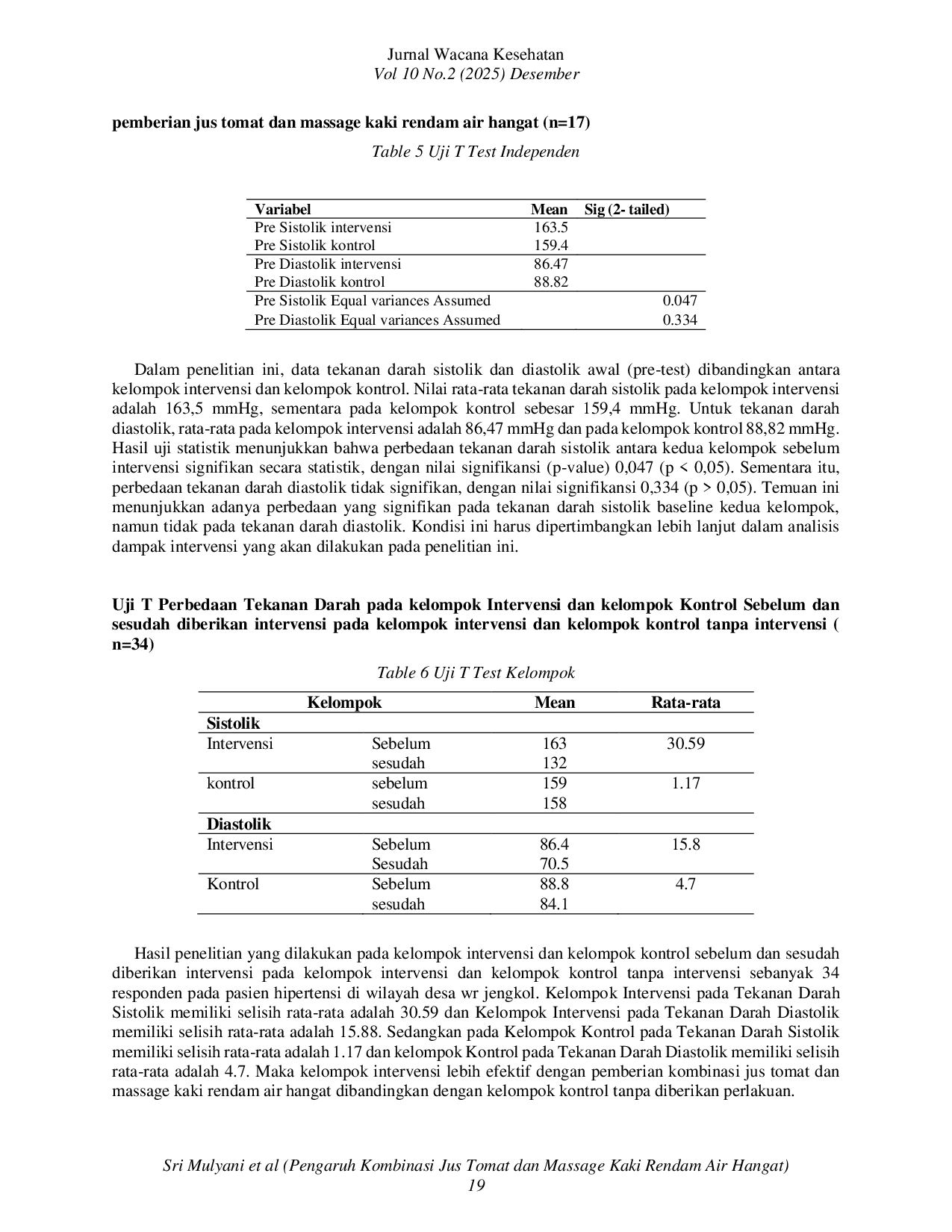
AKPERAKPER Berdasarkan pembahasan hasil penelitian, dapat disimpulkan bahwa pemberian kombinasi jus tomat dan massage kaki rendam air hangat berpengaruh terhadapBerdasarkan pembahasan hasil penelitian, dapat disimpulkan bahwa pemberian kombinasi jus tomat dan massage kaki rendam air hangat berpengaruh terhadap
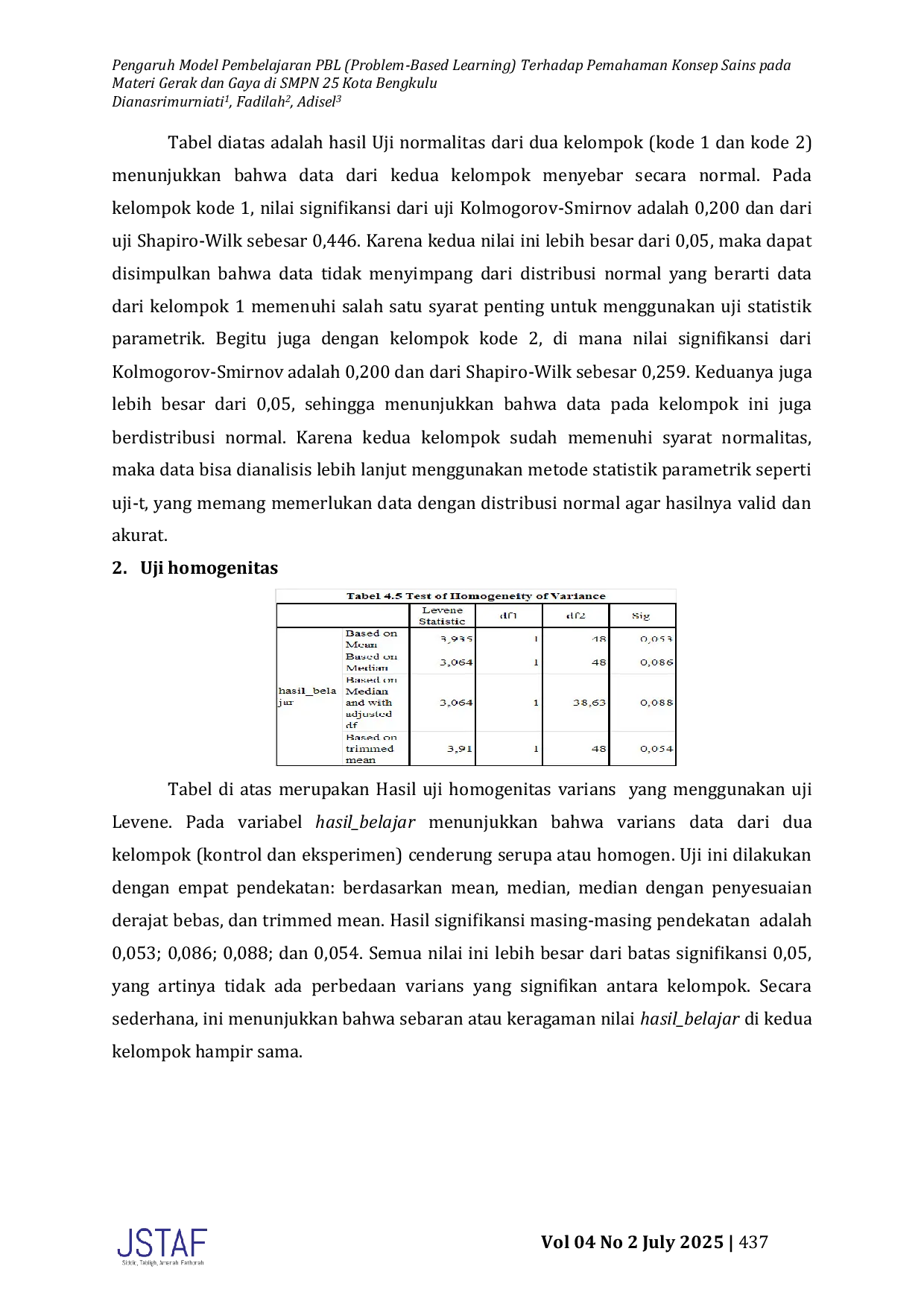
ALFARABIALFARABI Science education at the junior high school level is often hampered by low conceptual understanding due to the dominance of conventional methods that doScience education at the junior high school level is often hampered by low conceptual understanding due to the dominance of conventional methods that do

UNISMUHUNISMUH The research findings demonstrate that the implementation of the Shadowing Technique effectively enhances the pronunciation skills of seventh-grade studentsThe research findings demonstrate that the implementation of the Shadowing Technique effectively enhances the pronunciation skills of seventh-grade students

UMSBUMSB Tujuan penelitian ini adalah untuk mengetahui perbandingan terapi murottal dan musik klasik terhadap tingkat kecemasan pada pasien pre operasi sectio cesarea.Tujuan penelitian ini adalah untuk mengetahui perbandingan terapi murottal dan musik klasik terhadap tingkat kecemasan pada pasien pre operasi sectio cesarea.

UMSBUMSB Hasil: analisis univariat sebelum dan sesudah diberikan jus labu siam rata-rata sebelum 158,62mmHg dan setelah 133,43mmHg, sebelum dan sesudah diberikanHasil: analisis univariat sebelum dan sesudah diberikan jus labu siam rata-rata sebelum 158,62mmHg dan setelah 133,43mmHg, sebelum dan sesudah diberikan
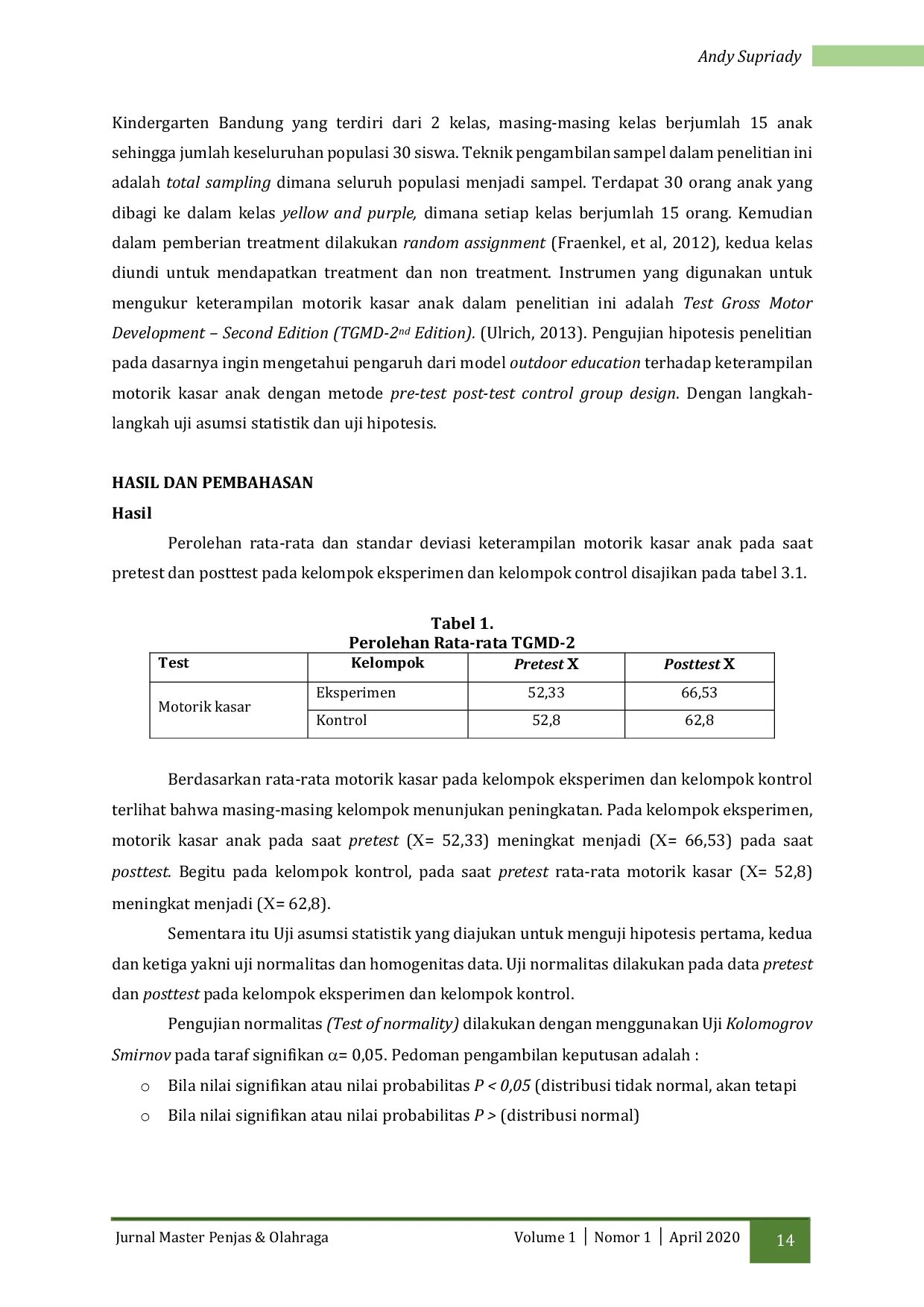
STKIP PASUNDANSTKIP PASUNDAN Hasil penelitian menunjukkan bahwa tidak terdapat perbedaan rata-rata keterampilan motorik kasar anak yang signifikan antara pretest dan posttest padaHasil penelitian menunjukkan bahwa tidak terdapat perbedaan rata-rata keterampilan motorik kasar anak yang signifikan antara pretest dan posttest pada
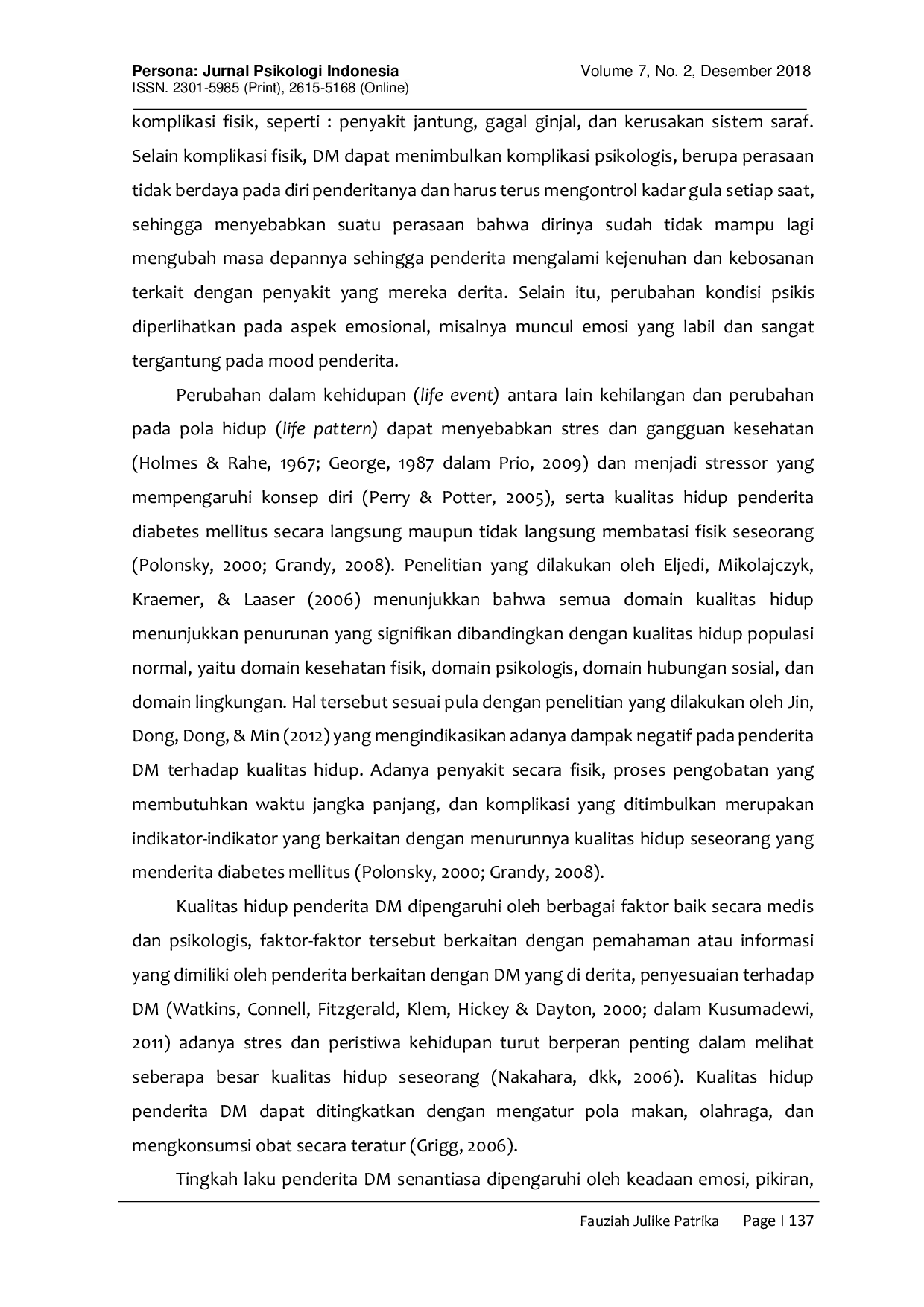
UNTAGUNTAG 05). Hal ini menunjukkan bahwa pelatihan regulasi emosi berpengaruh dalam menurunkan stress dan meningkatkan kualitas hidup pada penderita diabetes mellitus05). Hal ini menunjukkan bahwa pelatihan regulasi emosi berpengaruh dalam menurunkan stress dan meningkatkan kualitas hidup pada penderita diabetes mellitus
UNTAGUNTAG Subjek penelitian ini adalah 10 siswa dan 10 siswi MTs usia 13-15 tahun yang belajar di Pondok Pesantren X Yogyakarta yang diberi pelatihan berupa trainingSubjek penelitian ini adalah 10 siswa dan 10 siswi MTs usia 13-15 tahun yang belajar di Pondok Pesantren X Yogyakarta yang diberi pelatihan berupa training
Useful /

UNIDAUNIDA Data dianalisis menggunakan ANOVA satu arah pada tingkat signifikansi 95%. Hasil menunjukkan peningkatan hemoglobin terbesar pada kelompok JKA3 (mean 2,2Data dianalisis menggunakan ANOVA satu arah pada tingkat signifikansi 95%. Hasil menunjukkan peningkatan hemoglobin terbesar pada kelompok JKA3 (mean 2,2

UNISMUHUNISMUH Penelitian ini mengatasi tantangan berkelanjutan dalam meningkatkan kemampuan pemahaman membaca pada siswa sekolah menengah atas, sebuah kompetensi pentingPenelitian ini mengatasi tantangan berkelanjutan dalam meningkatkan kemampuan pemahaman membaca pada siswa sekolah menengah atas, sebuah kompetensi penting
MEDIAPUBLIKASIMEDIAPUBLIKASI Metode kegiatan pengabdian kepada masyarakat ini dilakukan dengan memberikan sosialisasi kepada masyarakat tentang pemahaman akan pentingnya membentukMetode kegiatan pengabdian kepada masyarakat ini dilakukan dengan memberikan sosialisasi kepada masyarakat tentang pemahaman akan pentingnya membentuk
MACHUNGMACHUNG Memori masa lalu ini berdialektika dengan kondisi Murad saat ini, menghasilkan keterasingan yang membangun identitas Murad. Dengan narasi seperti ini,Memori masa lalu ini berdialektika dengan kondisi Murad saat ini, menghasilkan keterasingan yang membangun identitas Murad. Dengan narasi seperti ini,