UYPUYP
MALIAMALIAIntroduction: The utilization of waqf land assets, especially in the Muhammadiyah Organization, has not been optimal in supporting sustainable development and a green economy. A strategy for utilizing waqf land assets in the Muhammadiyah Organization to support a green economy is pivotal. Methods: This study used a qualitative method with a case study approach. The sources used in this study are primary and secondary data. The data analysis technique used in this study was simplifying raw data from interviews or data reduction. Results: Data collection used in-depth interviews with Nadzir administrators. Based on the interviews, four main detailed themes emerged: management of waqf land assets, utilization of waqf land for a green economy, collaboration and partnership, and challenges and optimization strategies. These four themes provide a complete picture of how the waqf land management process works in the field practice. Conclusion and suggestion: Optimizing the use of waqf land assets by Muhammadiyah, especially in Bojonegoro and Lamongan, has shown a paradigm shift from traditional waqf management to productive waqf oriented towards sustainability through integration with the concept of green economy.
The optimization of waqf land assets by Muhammadiyah demonstrates a shift from traditional to productive waqf management, integrating the concept of a green economy.This is achieved through asset legalization, strengthening institutional capacity, collaborative utilization, and program innovation, contributing to sustainable development.However, challenges remain regarding land legality, Nadzir capacity, and public understanding, necessitating further research and improvement.
Future research should explore the broader impact of Muhammadiyahs waqf land management on environmental indicators and the green economy. Additionally, studies could investigate the effectiveness of different collaborative models between Muhammadiyah, government entities, and the private sector in optimizing waqf land utilization. Finally, research is needed to develop and evaluate training programs for Nadzir administrators, focusing on modern management techniques and the principles of a green economy, to enhance their capacity to manage waqf assets sustainably and productively. These investigations will contribute to a more comprehensive understanding of how waqf can be leveraged as a powerful tool for achieving sustainable development goals and fostering a more environmentally responsible economy, building upon the current momentum and addressing existing limitations.
- Efisiensi Produktifitas Wakaf Tunai (Wakaf Uang) dalam Pemberdayaan Ekonomi di Indonesia | Saadati |... doi.org/10.18326/muqtasid.v7i1.73-91Efisiensi Produktifitas Wakaf Tunai Wakaf Uang dalam Pemberdayaan Ekonomi di Indonesia Saadati doi 10 18326 muqtasid v7i1 73 91
- Green Economy Sebagai Strategi Dalam Menangani Masalah Ekonomi Dan Multilateral | Jurnal Pajak dan Keuangan... doi.org/10.31092/jpkn.v4i1s.1905Green Economy Sebagai Strategi Dalam Menangani Masalah Ekonomi Dan Multilateral Jurnal Pajak dan Keuangan doi 10 31092 jpkn v4i1s 1905
| File size | 259.36 KB |
| Pages | 13 |
| DMCA | Report |
Related /

UMPOUMPO Ada tiga paradigma dalam ilmu-ilmu sosial, yaitu paradigma fakta sosial, definisi sosial, dan perilaku sosial. Fakta sosial adalah sesuatu yang beradaAda tiga paradigma dalam ilmu-ilmu sosial, yaitu paradigma fakta sosial, definisi sosial, dan perilaku sosial. Fakta sosial adalah sesuatu yang berada

IAIN PAREIAIN PARE Wakaf Kita di Kabupaten Jombang adalah salah satu lembaga yang menerapkan Crowdfunding-Waqf. Crowdfunding-Waqf yang dilakukan oleh lembaga Wakaf Kita berorientasiWakaf Kita di Kabupaten Jombang adalah salah satu lembaga yang menerapkan Crowdfunding-Waqf. Crowdfunding-Waqf yang dilakukan oleh lembaga Wakaf Kita berorientasi
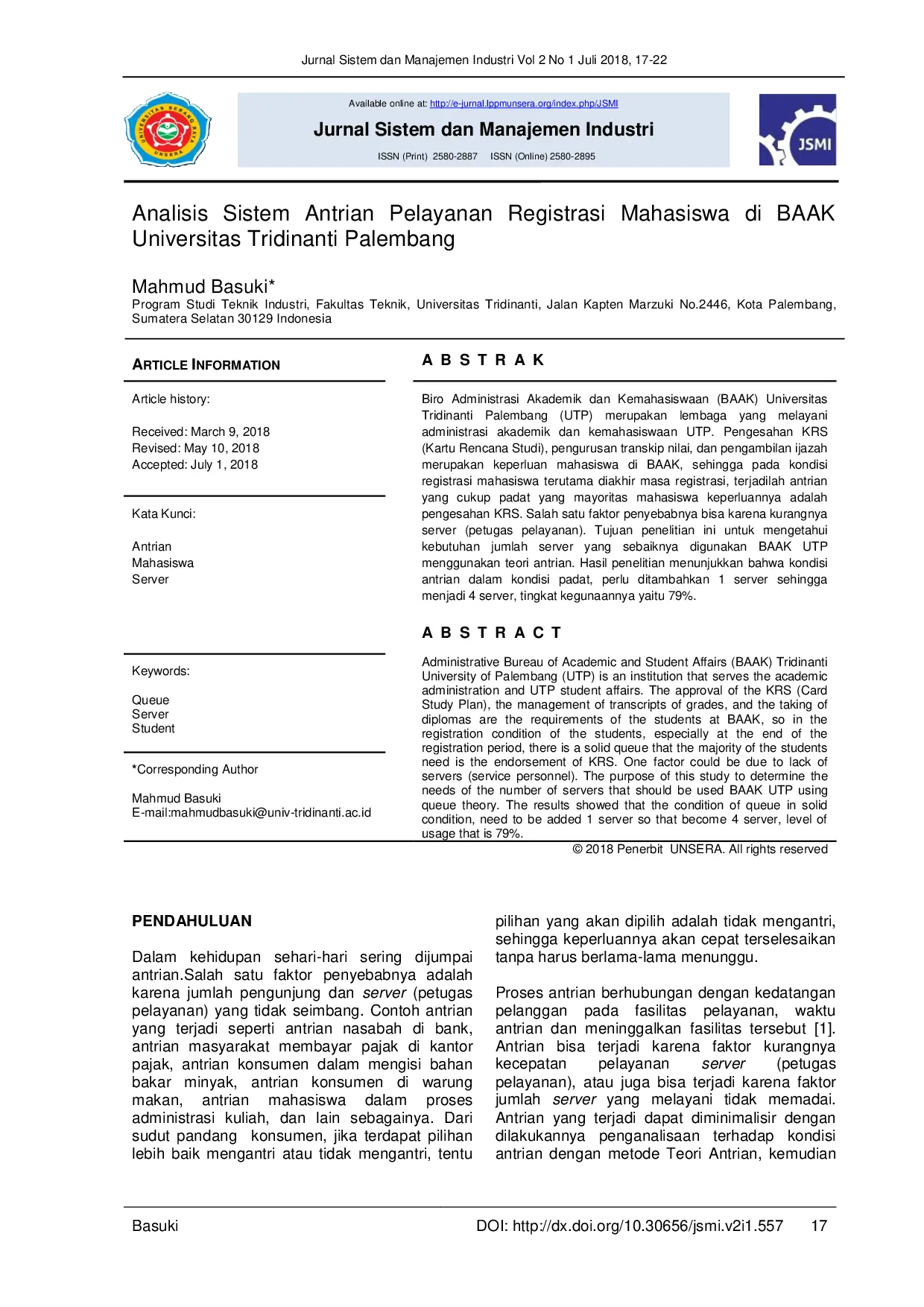
LPPMUNSERALPPMUNSERA Pengesahan KRS (Kartu Rencana Studi), pengurusan transkip nilai, dan pengambilan ijazah merupakan keperluan mahasiswa di BAAK, sehingga pada kondisi registrasiPengesahan KRS (Kartu Rencana Studi), pengurusan transkip nilai, dan pengambilan ijazah merupakan keperluan mahasiswa di BAAK, sehingga pada kondisi registrasi

ITBWIGA LUMAJANGITBWIGA LUMAJANG Dengan menerapkan prinsip-prinsip teori portofolio, investor dapat membentuk portofolio yang efisien, mengelola risiko secara sistematis, dan mencapaiDengan menerapkan prinsip-prinsip teori portofolio, investor dapat membentuk portofolio yang efisien, mengelola risiko secara sistematis, dan mencapai
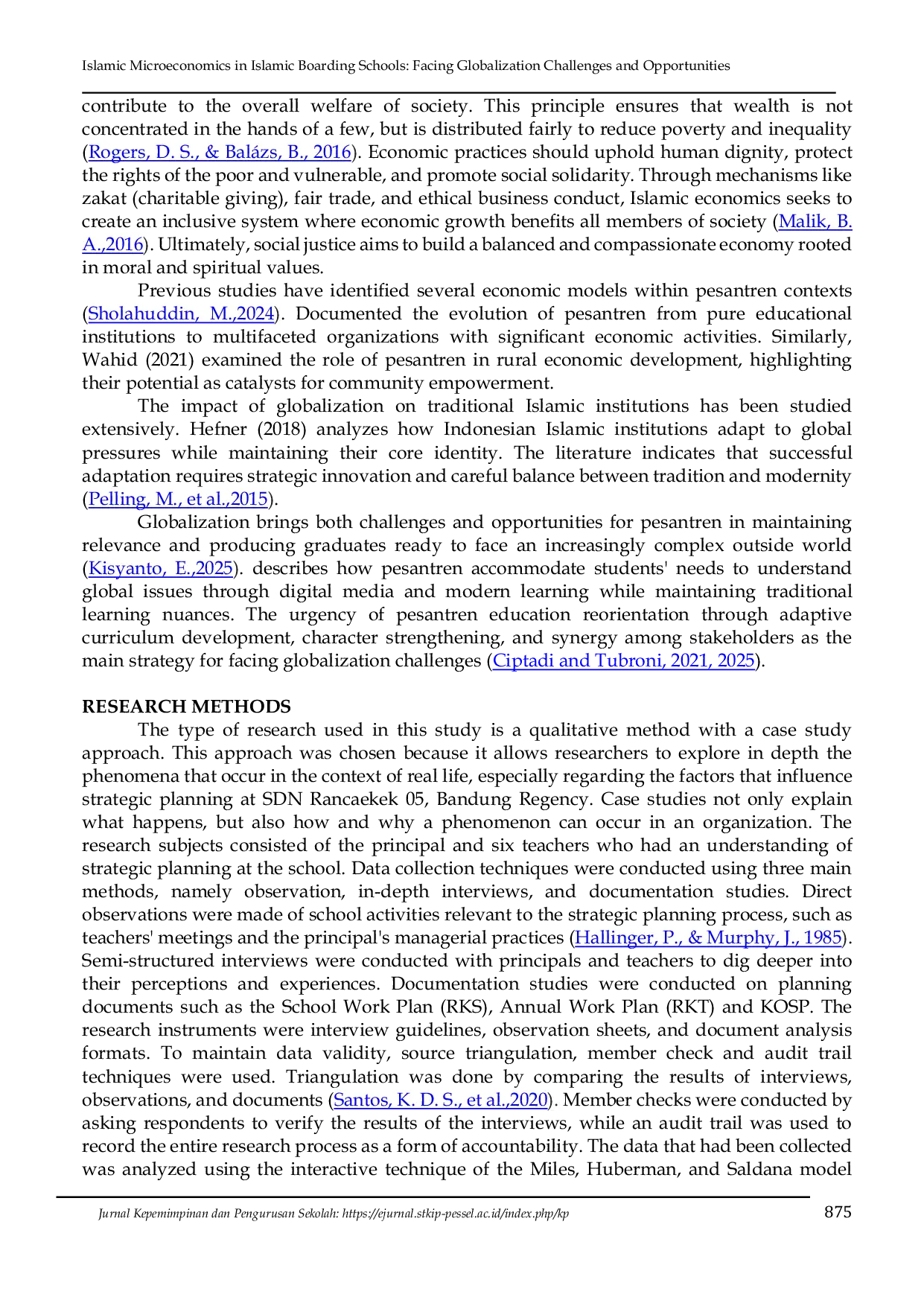
STKIP PESSELSTKIP PESSEL Oleh karena itu, kepala sekolah perlu terus mengembangkan kapasitas kepemimpinan transformasional dengan memperkuat visi strategis dan membangun komunikasiOleh karena itu, kepala sekolah perlu terus mengembangkan kapasitas kepemimpinan transformasional dengan memperkuat visi strategis dan membangun komunikasi
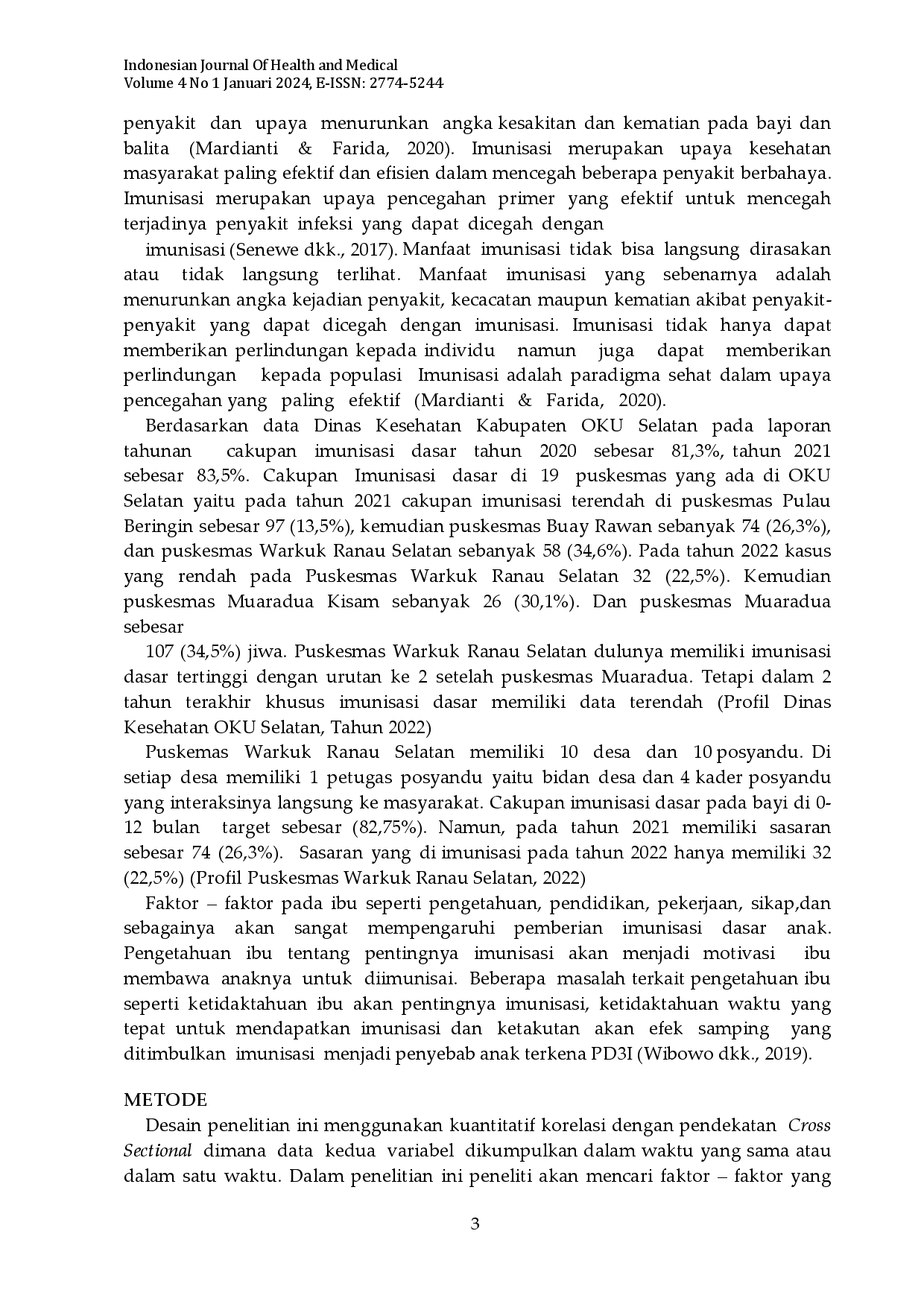
RCIPUBLISHERRCIPUBLISHER Pendidikan rendah dengan cakupan imunisasi dasar tidak lengkap sebanyak 70 (82,4%) lebih besar dibandingkan dengan responden yang pendidikan tinggi denganPendidikan rendah dengan cakupan imunisasi dasar tidak lengkap sebanyak 70 (82,4%) lebih besar dibandingkan dengan responden yang pendidikan tinggi dengan
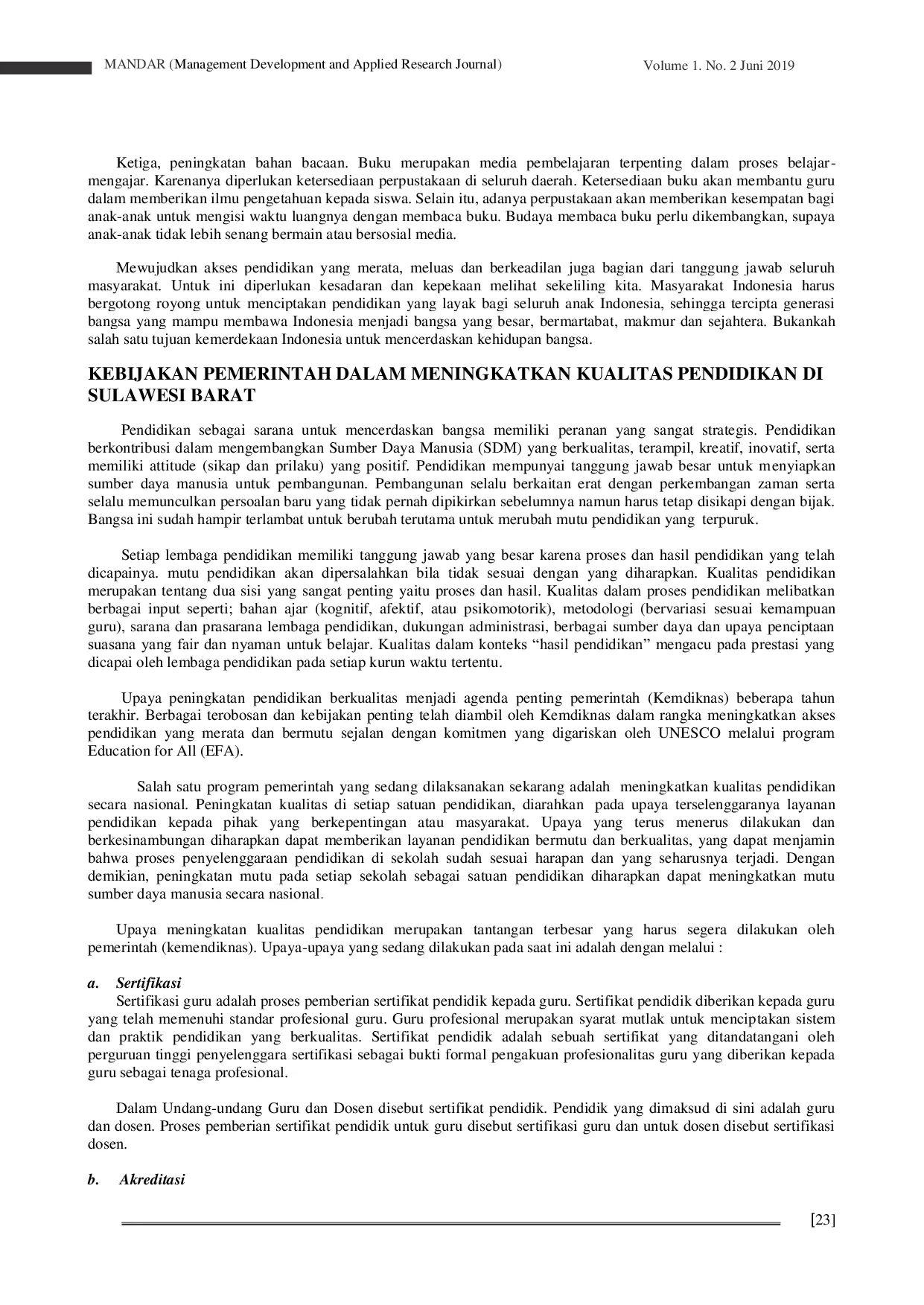
UNSULBARUNSULBAR Pengertian pendidikan, maksud dan tujuan mengetahui serta solusi mengatasi rendahnya. Pendidikan merupakan modal manusia (human capital) yang sangat pentingPengertian pendidikan, maksud dan tujuan mengetahui serta solusi mengatasi rendahnya. Pendidikan merupakan modal manusia (human capital) yang sangat penting

UNSULBARUNSULBAR Hasil penelitian menunjukkan bahwa strategi pengembangan klaster yang dipilih adalah strategi ST, dengan menciptakan strategi menggunakan kekuatan yangHasil penelitian menunjukkan bahwa strategi pengembangan klaster yang dipilih adalah strategi ST, dengan menciptakan strategi menggunakan kekuatan yang
Useful /

UNINDRAUNINDRA Dalam Uji Keberartian Regresi diketahui bahwa 𝐹hitung (0,76) > 𝐹tabel (4,20), maka 𝐻0 diterima. Artinya tidak terdapat pengaruh yang berarti/signifikanDalam Uji Keberartian Regresi diketahui bahwa 𝐹hitung (0,76) > 𝐹tabel (4,20), maka 𝐻0 diterima. Artinya tidak terdapat pengaruh yang berarti/signifikan
SALNESIASALNESIA Adapun hasil yang diperoleh menunjukkan adanya peningkatan pengetahuan dan keterampilan kelompok sasaran terkait desa wisata, PHBS, manajemen usaha, SOPAdapun hasil yang diperoleh menunjukkan adanya peningkatan pengetahuan dan keterampilan kelompok sasaran terkait desa wisata, PHBS, manajemen usaha, SOP
UYPUYP optimizing superior products, strengthening digital promotion, innovating derivative products, collaborating with local fisheries, expanding through directoptimizing superior products, strengthening digital promotion, innovating derivative products, collaborating with local fisheries, expanding through direct

DINASTIPUBDINASTIPUB Sampel penelitian terdiri dari 120 orang dari total populasi karyawan PT. KHMI sebanyak 170 orang. Teknik sampling yang digunakan adalah simple randomSampel penelitian terdiri dari 120 orang dari total populasi karyawan PT. KHMI sebanyak 170 orang. Teknik sampling yang digunakan adalah simple random