IBLAMIBLAM
IBLAM LAW REVIEWIBLAM LAW REVIEWThe rise of defaults and over-indebtedness in online lending reflects failures in credit risk management, mainly due to weak lending limitations and an imbalance between platforms and borrowers. This raises legal protection concerns for debtors, as aggressive lending practices are not based on repayment ability. Therefore, imposing restrictions on online lending is crucial to mitigate risks of default and over-indebtedness, through measures such as maximum loan limits, proportional creditworthiness assessments, and reinforcing prudence in fintech regulations. This research adopts a normative juridical approach with statutory, conceptual, and comparative methods, focusing on China, Malaysia, and Thailand. The study aims to identify an ideal framework for online lending limits to combat defaults and over-indebtedness. Findings show Indonesia lacks sufficient regulation, especially in real-time integration of cross-platform credit data, enabling debt-cycling. Indonesias regulatory approach is reactive, while Malaysias is proactive. Law enforcement against illegal lending is weak, and debt relief mechanisms are underdeveloped, unlike China and Thailand, which have implemented lending limits and consumer protections. This research recommends a new legal framework integrating national credit reporting with cross-platform debt limits to create a healthier digital financial ecosystem.
The financial digitalization phenomenon in Indonesia has triggered a shift in the function of Peer-to-Peer (P2P) Lending, moving from a productive financing tool for MSMEs to a massive engine for individual consumer loans.This condition has created a trend of over-indebtedness and a debt cycling culture, which is exacerbated by platforms neglecting prudential principles in pursuit of credit disbursement targets.Indonesia needs to adopt standardized Debt Service-to-Income (DSTI) instruments, as implemented by China, Malaysia, and Thailand, to prevent a debt bubble explosion that could threaten national economic stability.
Based on the analysis of the regulatory frameworks in China, Malaysia, and Thailand, several avenues for future research emerge. First, a comprehensive study is needed to assess the feasibility of implementing a national DSTI limit for online lending in Indonesia, considering the unique characteristics of the Indonesian financial landscape and the prevalence of informal income sources. Second, research should focus on developing innovative methods for integrating alternative data sources, such as utility bills and telecommunications data, into credit scoring models to improve the accuracy of risk assessments for unbanked populations. Finally, further investigation is warranted to explore the effectiveness of different financial literacy programs in empowering consumers to make informed borrowing decisions and avoid falling into debt traps. These studies should be conducted in collaboration with stakeholders from the financial industry, regulatory bodies, and consumer advocacy groups to ensure that the findings are relevant and actionable, ultimately contributing to a more stable and inclusive digital financial ecosystem in Indonesia. The total length of this paragraph is 207 words.
| File size | 326.07 KB |
| Pages | 10 |
| DMCA | Report |
Related /

AFEKSIAFEKSI Metode analisis yang digunakan meliputi uji statistik deskriptif, uji stasioneritas, uji regresi, uji asumsi klasik, dan path analysis. Teknik pengambilanMetode analisis yang digunakan meliputi uji statistik deskriptif, uji stasioneritas, uji regresi, uji asumsi klasik, dan path analysis. Teknik pengambilan

ITSMITSM A simple plastic shredder machine was provided to increase processing efficiency, while participants were trained to use a mobile-based financial applicationA simple plastic shredder machine was provided to increase processing efficiency, while participants were trained to use a mobile-based financial application
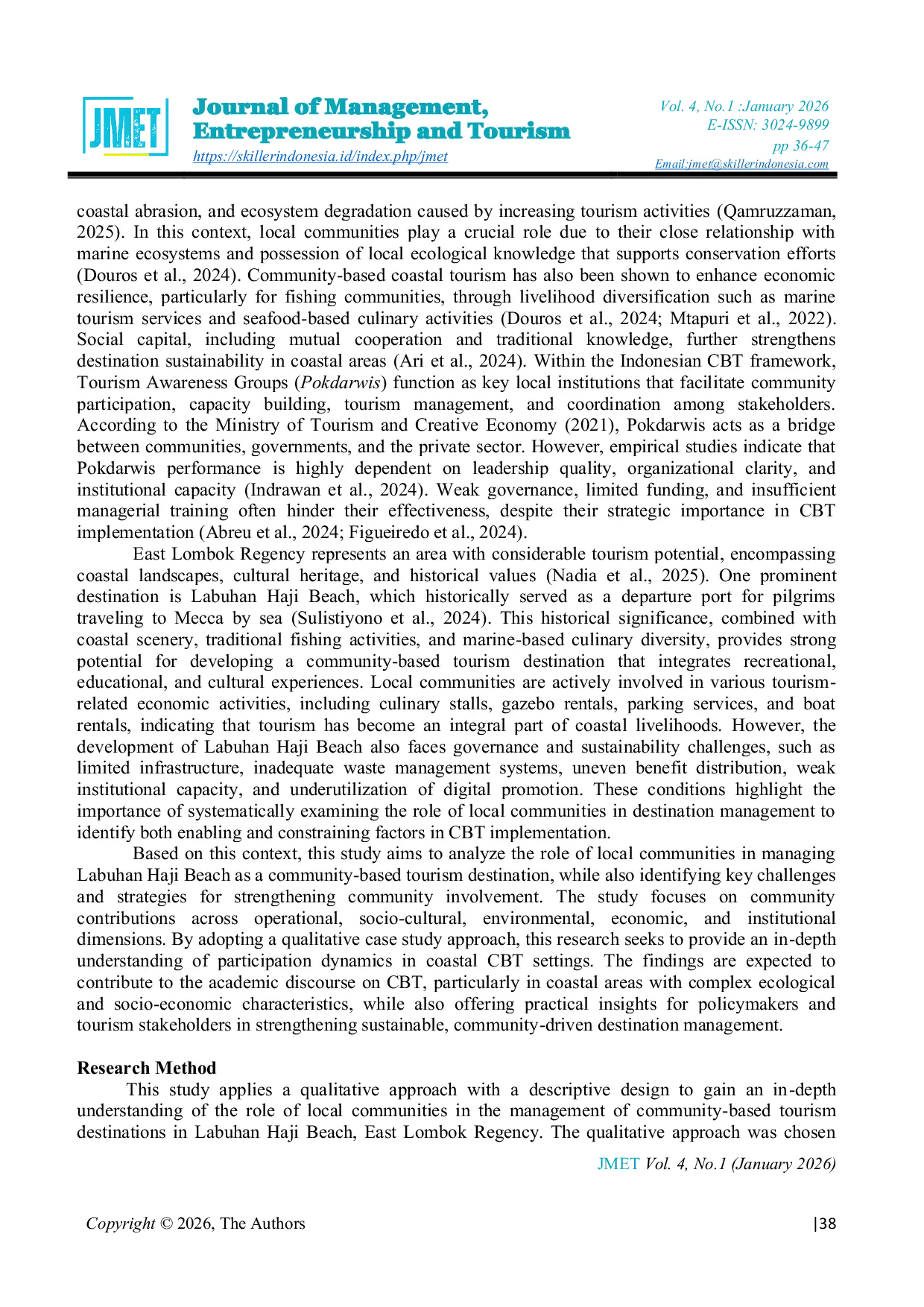
SKILLERINDONESIASKILLERINDONESIA Hasil penelitian menunjukkan bahwa masyarakat lokal berperan dalam empat aspek utama: (1) pengelolaan operasional destinasi (kebersihan, keamanan, layananHasil penelitian menunjukkan bahwa masyarakat lokal berperan dalam empat aspek utama: (1) pengelolaan operasional destinasi (kebersihan, keamanan, layanan

STTSSTTS Masalah ini semakin mendesak saat ini karena sistem perangkat lunak sangat terintegrasi dalam hampir setiap produk dan layanan, yang memperkuat kebutuhanMasalah ini semakin mendesak saat ini karena sistem perangkat lunak sangat terintegrasi dalam hampir setiap produk dan layanan, yang memperkuat kebutuhan

PSPPJOURNALSPSPPJOURNALS 000), (2) Locus of Control memiliki pengaruh positif dan signifikan terhadap kinerja pegawai (β = 0. 412, p = 0. 000), (3) Budaya Organisasi secara positif000), (2) Locus of Control memiliki pengaruh positif dan signifikan terhadap kinerja pegawai (β = 0. 412, p = 0. 000), (3) Budaya Organisasi secara positif

AREAIAREAI Variabel penelitian meliputi literasi keuangan (tinggi, sedang, rendah) dan tingkat pengungkapan (dasar, menengah, lanjutan), dengan mempertimbangkan faktorVariabel penelitian meliputi literasi keuangan (tinggi, sedang, rendah) dan tingkat pengungkapan (dasar, menengah, lanjutan), dengan mempertimbangkan faktor

UMSUMS Kode etik dan perilaku hakim merupakan inti yang melekat pada profesi hakim yang mengandung nilai-nilai etika dan moral, untuk mewujudkan peradilan yangKode etik dan perilaku hakim merupakan inti yang melekat pada profesi hakim yang mengandung nilai-nilai etika dan moral, untuk mewujudkan peradilan yang
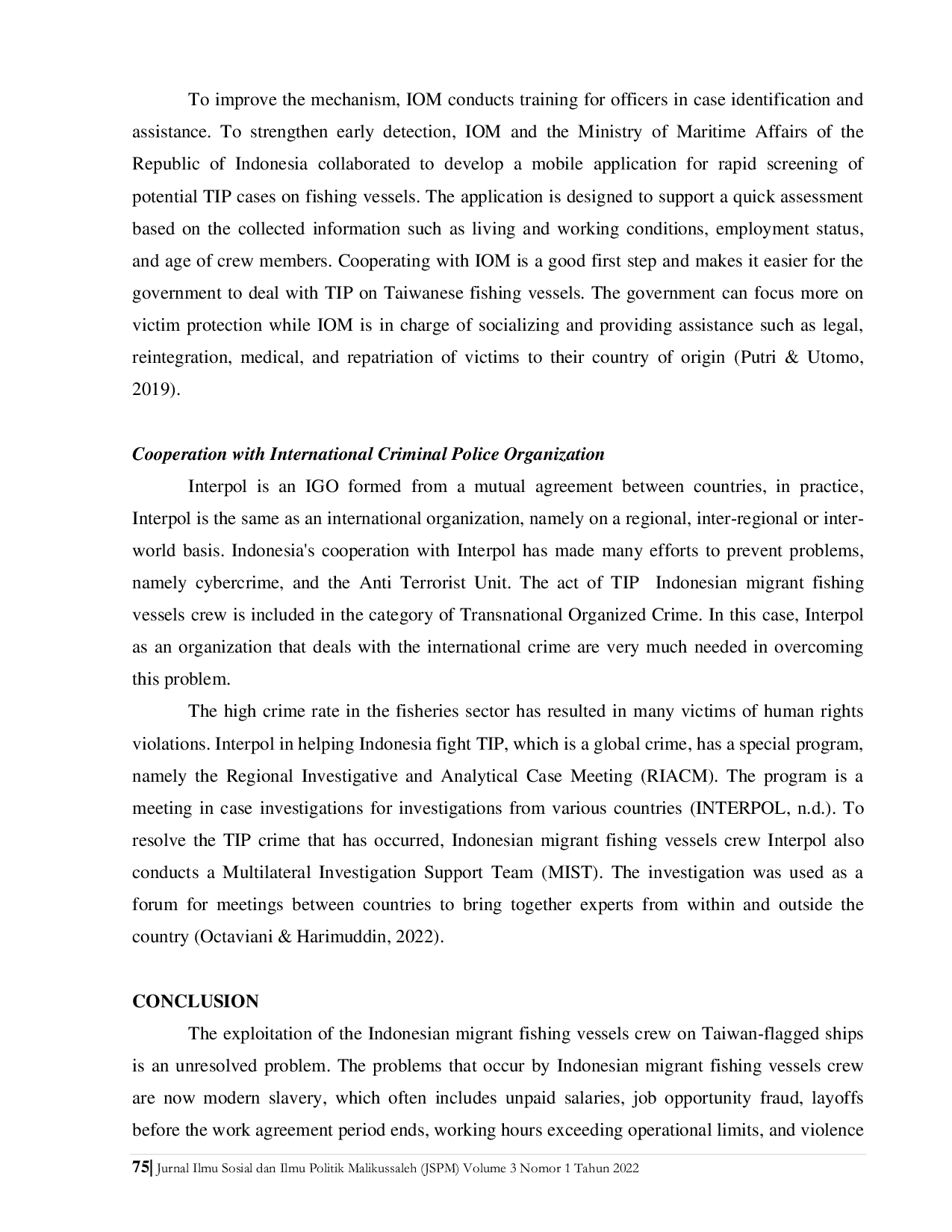
UNIMALUNIMAL Hasil penelitian menemukan bahwa pemerintah Indonesia berupaya melakukan penguatan hubungan bilateral dengan Taiwan, menjalin kerja sama dengan InternationalHasil penelitian menemukan bahwa pemerintah Indonesia berupaya melakukan penguatan hubungan bilateral dengan Taiwan, menjalin kerja sama dengan International
Useful /
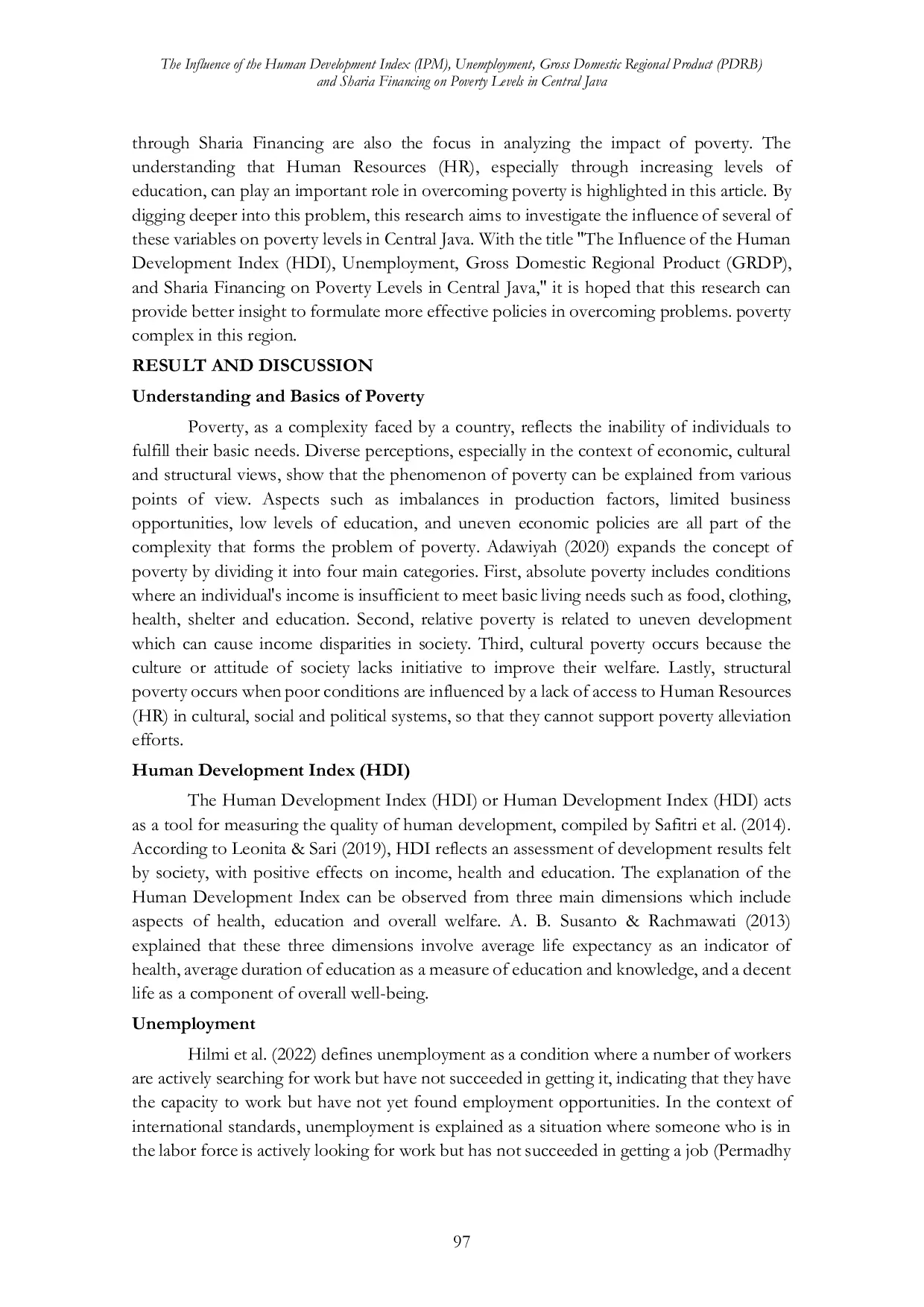
AFEKSIAFEKSI Hasil penelitian menunjukkan bahwa peningkatan IPM secara signifikan menurunkan tingkat kemiskinan, sedangkan pengaruh pengangguran, PDRB, dan pembiayaanHasil penelitian menunjukkan bahwa peningkatan IPM secara signifikan menurunkan tingkat kemiskinan, sedangkan pengaruh pengangguran, PDRB, dan pembiayaan
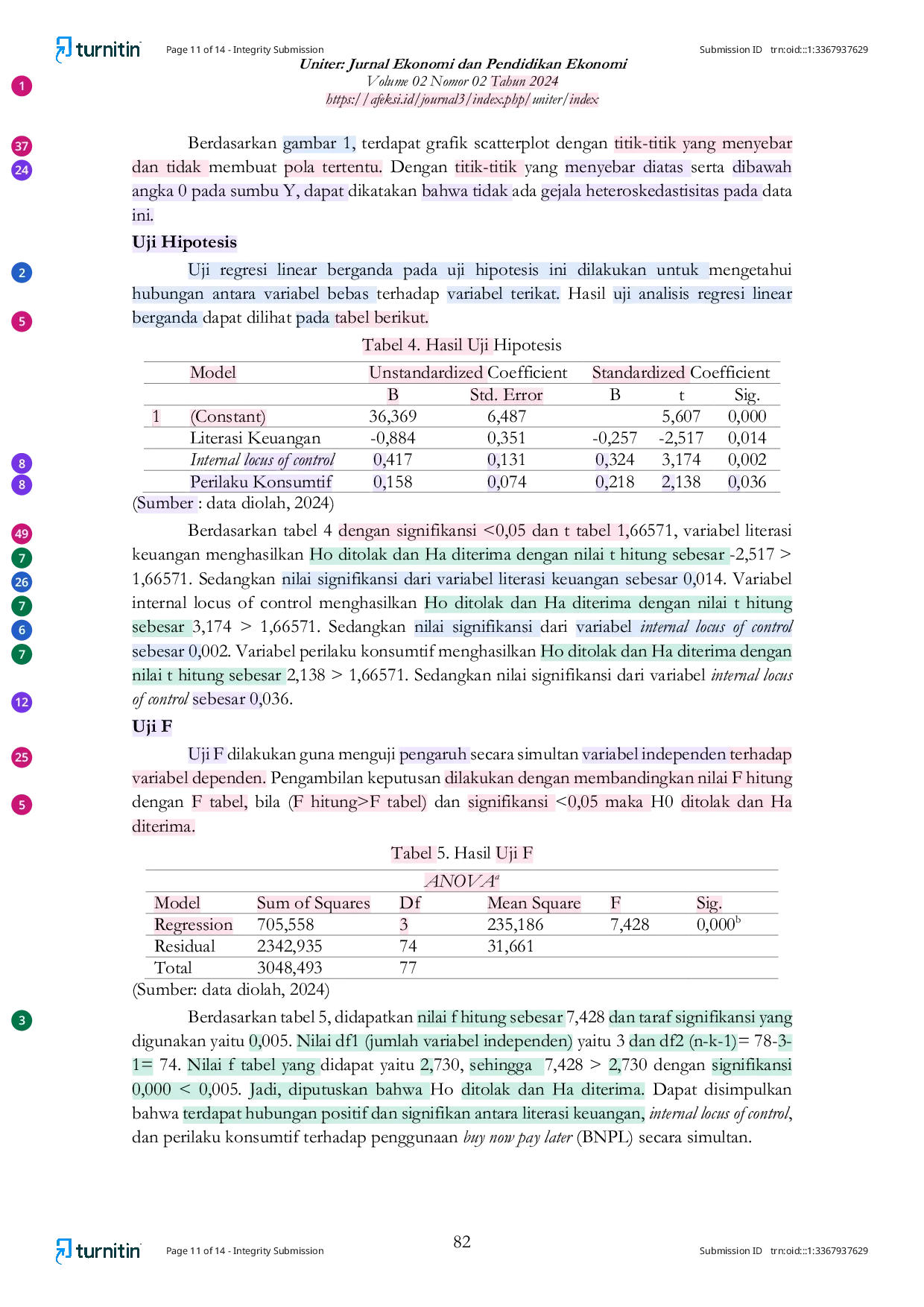
AFEKSIAFEKSI Penelitian ini menjelaskan mengenai apa pengaruh literasi keuangan, internal locus of control, dan perilaku konsumtif terhadap penggunaan paylater mahasiswaPenelitian ini menjelaskan mengenai apa pengaruh literasi keuangan, internal locus of control, dan perilaku konsumtif terhadap penggunaan paylater mahasiswa

LAAROIBALAAROIBA Hasil penelitian ini menunjukkan bahwa Struktur modal berpengaruh negatif terhadap kebijakan Dividen, pertumbuhan perusahaan dan ukuran perusahaan berpengaruhHasil penelitian ini menunjukkan bahwa Struktur modal berpengaruh negatif terhadap kebijakan Dividen, pertumbuhan perusahaan dan ukuran perusahaan berpengaruh

LAAROIBALAAROIBA Hasil dari penelitian ini yaitu pengaruh dalam pengambilan keputusan investasi yang menggunakan pola penyajian End of Sequence dalam rangkaian informasiHasil dari penelitian ini yaitu pengaruh dalam pengambilan keputusan investasi yang menggunakan pola penyajian End of Sequence dalam rangkaian informasi