PUBLIKASIINDONESIAPUBLIKASIINDONESIA
Jurnal Indonesia Sosial TeknologiJurnal Indonesia Sosial TeknologiDrying is essential when it is needed. One example of a drying system can be seen on clothing. It aims to enable this system to work without seeing the weather conditions. The system design uses the DHT22 sensor to get the temperature and humidity values, heater and fan, and the Blynk application on Android to know the temperature, humidity, and active or not heater and fan values. The study aimed to create a system that functions independently of weather conditions, offering an efficient drying process. The methodology involves using an Arduino Uno, a DHT22 sensor, a WiFi ESP8266 module, and a 1500-watt heater to control the drying environment. The tests were conducted in various weather conditions, comparing manual, heating-based, and light-based drying systems. The results showed that the automated system significantly reduced the drying time, with an average drying time of 1:30:32 compared to 8:16:23 for manual drying. In addition, the system maintains consistent performance regardless of external conditions. The findings show that the automatic drying system substantially increases efficiency and energy consumption. In conclusion, the automated system effectively overcomes the limitations of manual drying, offering a reliable solution for both domestic and industrial applications. The implications of this research extend to the development of more brilliant household energy conservation and the adoption of automated systems in everyday tasks.
The design of the clothes drying system using a heater can work automatically, responding to temperature and humidity levels.This automated system proves to be more effective than manual drying and drying with lights.The systems performance is consistent, offering a reliable solution for both home and industrial use, and contributes to energy conservation and the adoption of automated systems in daily life.
Further research could investigate the integration of machine learning algorithms to predict optimal drying times based on fabric type and environmental conditions, enhancing the systems efficiency. Additionally, exploring the use of alternative, more sustainable energy sources, such as solar power, to operate the drying system could reduce its environmental impact and operational costs. Finally, a study focusing on the development of a user-friendly interface for remote monitoring and control of the system via a mobile application would increase its accessibility and convenience for a wider range of users, potentially incorporating features like notifications and customized drying profiles. These advancements would build upon the current research, creating a more intelligent, eco-friendly, and user-centric clothes drying solution.
| File size | 554.44 KB |
| Pages | 18 |
| DMCA | Report |
Related /
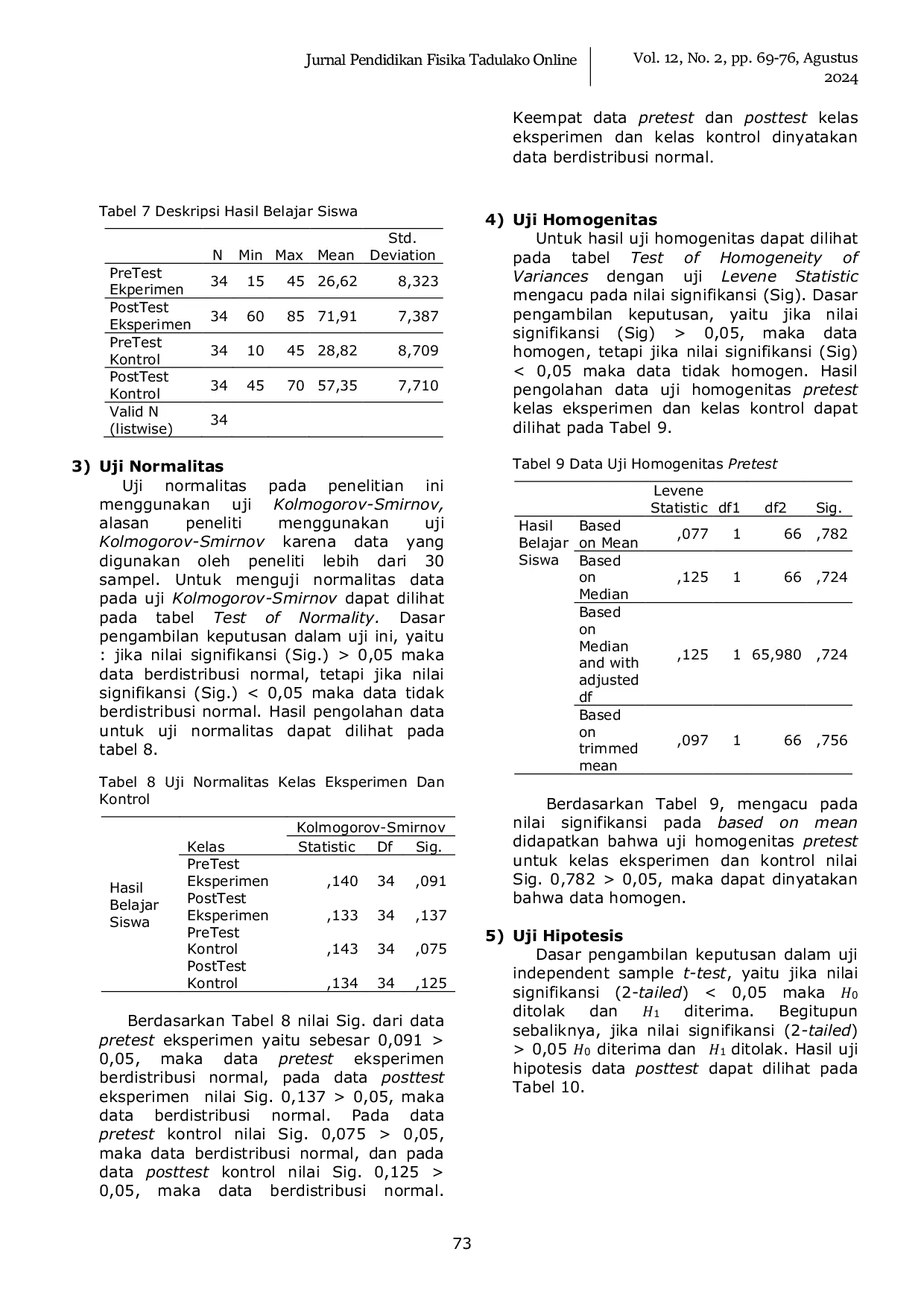
JURNALFKIPUNTADJURNALFKIPUNTAD (2-tailed) sebesar 0,000 < 0,05, sehingga H1 diterima. Perhitungan N-Gain Score menunjukkan kelas eksperimen sebesar 61,09% dengan kategori cukup efektif,(2-tailed) sebesar 0,000 < 0,05, sehingga H1 diterima. Perhitungan N-Gain Score menunjukkan kelas eksperimen sebesar 61,09% dengan kategori cukup efektif,
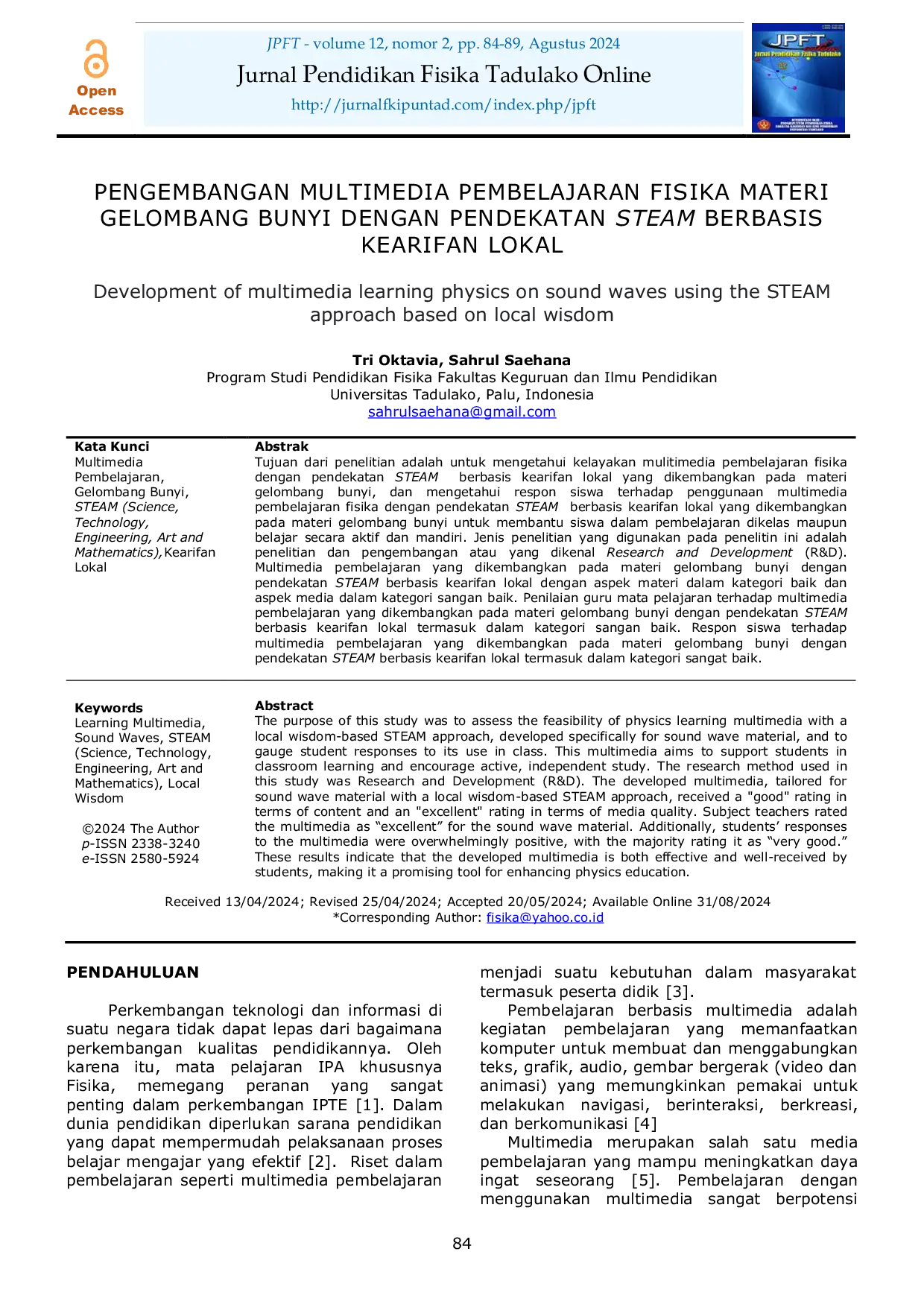
JURNALFKIPUNTADJURNALFKIPUNTAD Multimedia pembelajaran yang dikembangkan pada materi gelombang bunyi dengan pendekatan STEAM berbasis kearifan lokal dengan aspek materi dalam kategoriMultimedia pembelajaran yang dikembangkan pada materi gelombang bunyi dengan pendekatan STEAM berbasis kearifan lokal dengan aspek materi dalam kategori
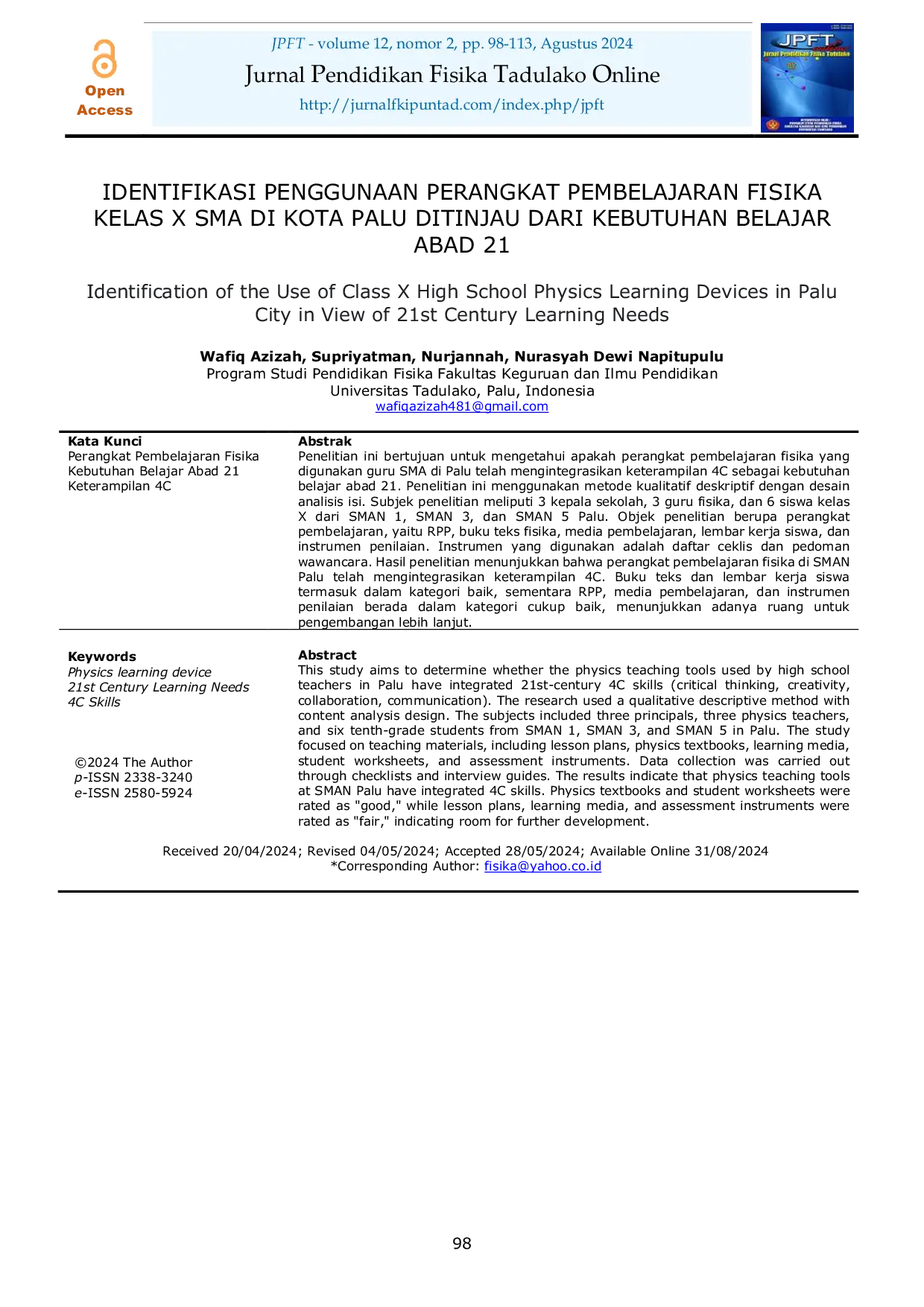
JURNALFKIPUNTADJURNALFKIPUNTAD Subjek penelitian meliputi 3 kepala sekolah, 3 guru fisika, dan 6 siswa kelas X dari SMAN 1, SMAN 3, dan SMAN 5 Palu. Objek penelitian berupa perangkatSubjek penelitian meliputi 3 kepala sekolah, 3 guru fisika, dan 6 siswa kelas X dari SMAN 1, SMAN 3, dan SMAN 5 Palu. Objek penelitian berupa perangkat
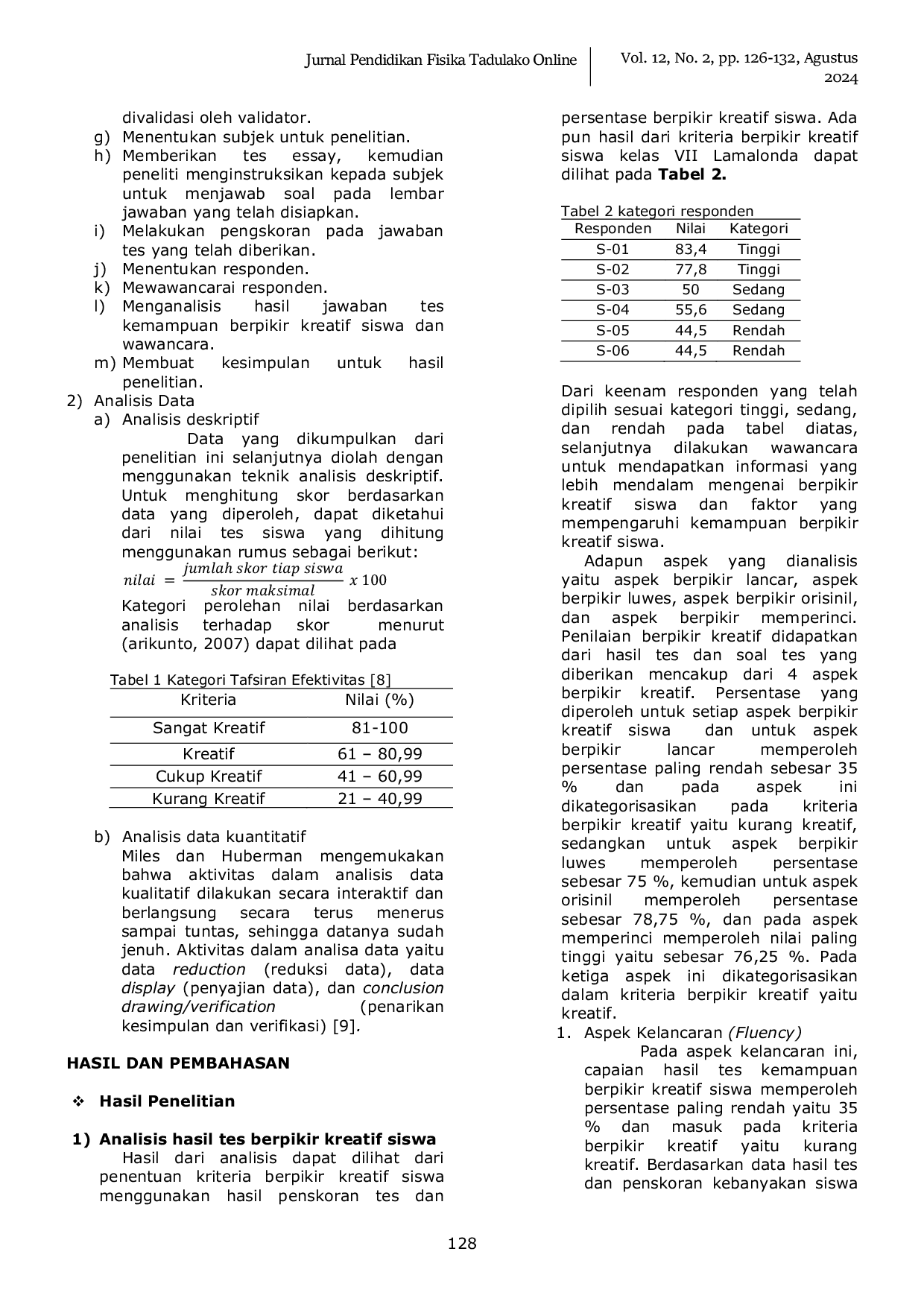
JURNALFKIPUNTADJURNALFKIPUNTAD Hal ini juga karena kurangnya pemberian soal-soal mengenai konsep IPA yang terjadi dalam kehidupan sehari-hari sehingga pada saat diberikan soal kebanyakanHal ini juga karena kurangnya pemberian soal-soal mengenai konsep IPA yang terjadi dalam kehidupan sehari-hari sehingga pada saat diberikan soal kebanyakan
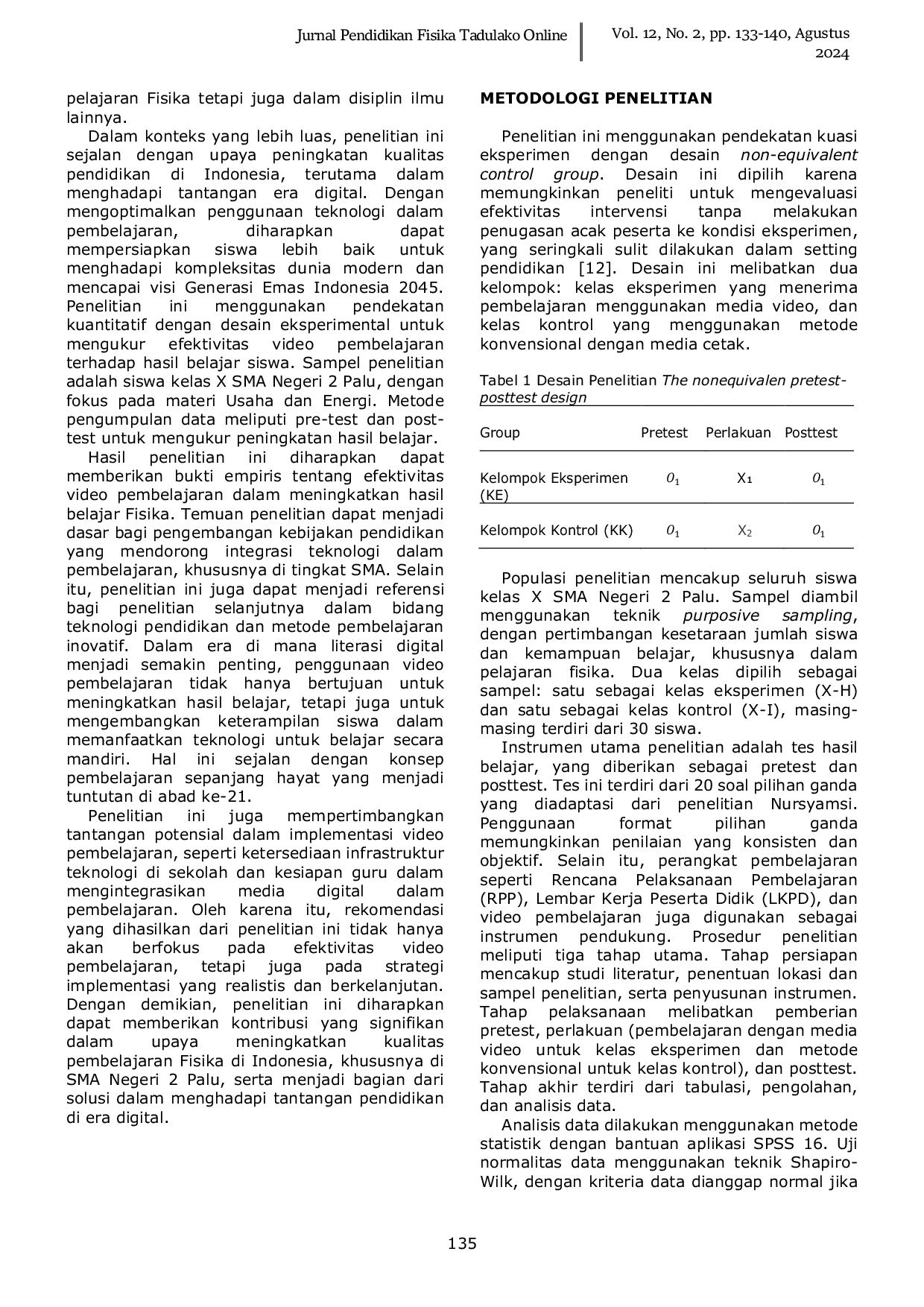
JURNALFKIPUNTADJURNALFKIPUNTAD Jenis penelitian yang digunakan adalah jenis penelitian kuasi eksperimen dengan desain “non equivalent control group design. Populasi penelitian iniJenis penelitian yang digunakan adalah jenis penelitian kuasi eksperimen dengan desain “non equivalent control group design. Populasi penelitian ini

UNUHAUNUHA Aplikasi diimplementasikan kepada siswa dan dievaluasi menggunakan angket yang melibatkan guru dan siswa untuk menilai aspek kelayakan, kemudahan penggunaan,Aplikasi diimplementasikan kepada siswa dan dievaluasi menggunakan angket yang melibatkan guru dan siswa untuk menilai aspek kelayakan, kemudahan penggunaan,
CITRABAKTICITRABAKTI Penelitian ini menunjukkan bahwa penerapan media plugged dan unplugged berhasil meningkatkan kemampuan literasi dan numerasi anak usia 5–6 tahun. KegiatanPenelitian ini menunjukkan bahwa penerapan media plugged dan unplugged berhasil meningkatkan kemampuan literasi dan numerasi anak usia 5–6 tahun. Kegiatan
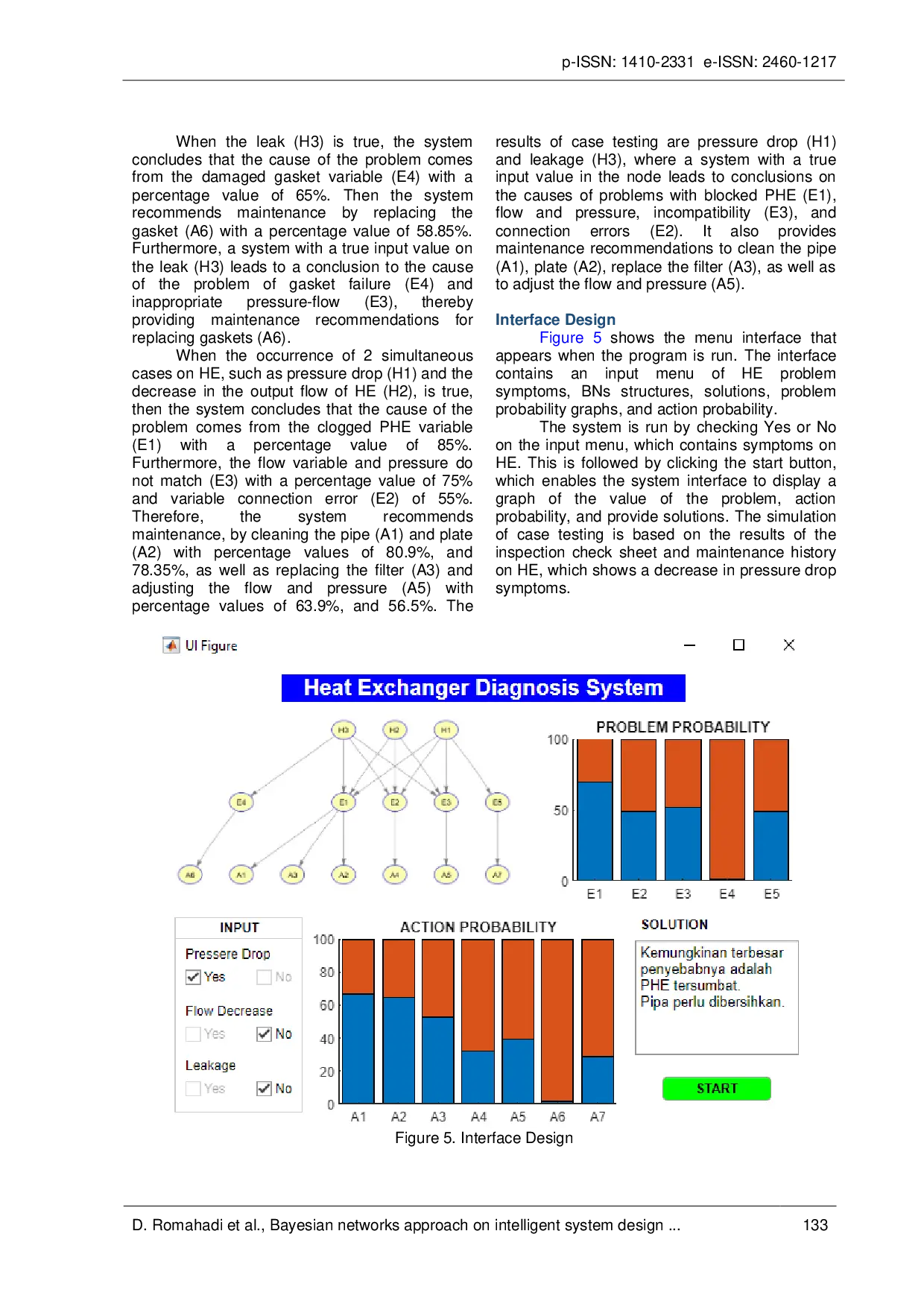
UMBUMB In conclusion, the diagnosis carried out by the system showed accurate results. The study successfully designed and implemented an intelligent system forIn conclusion, the diagnosis carried out by the system showed accurate results. The study successfully designed and implemented an intelligent system for
Useful /
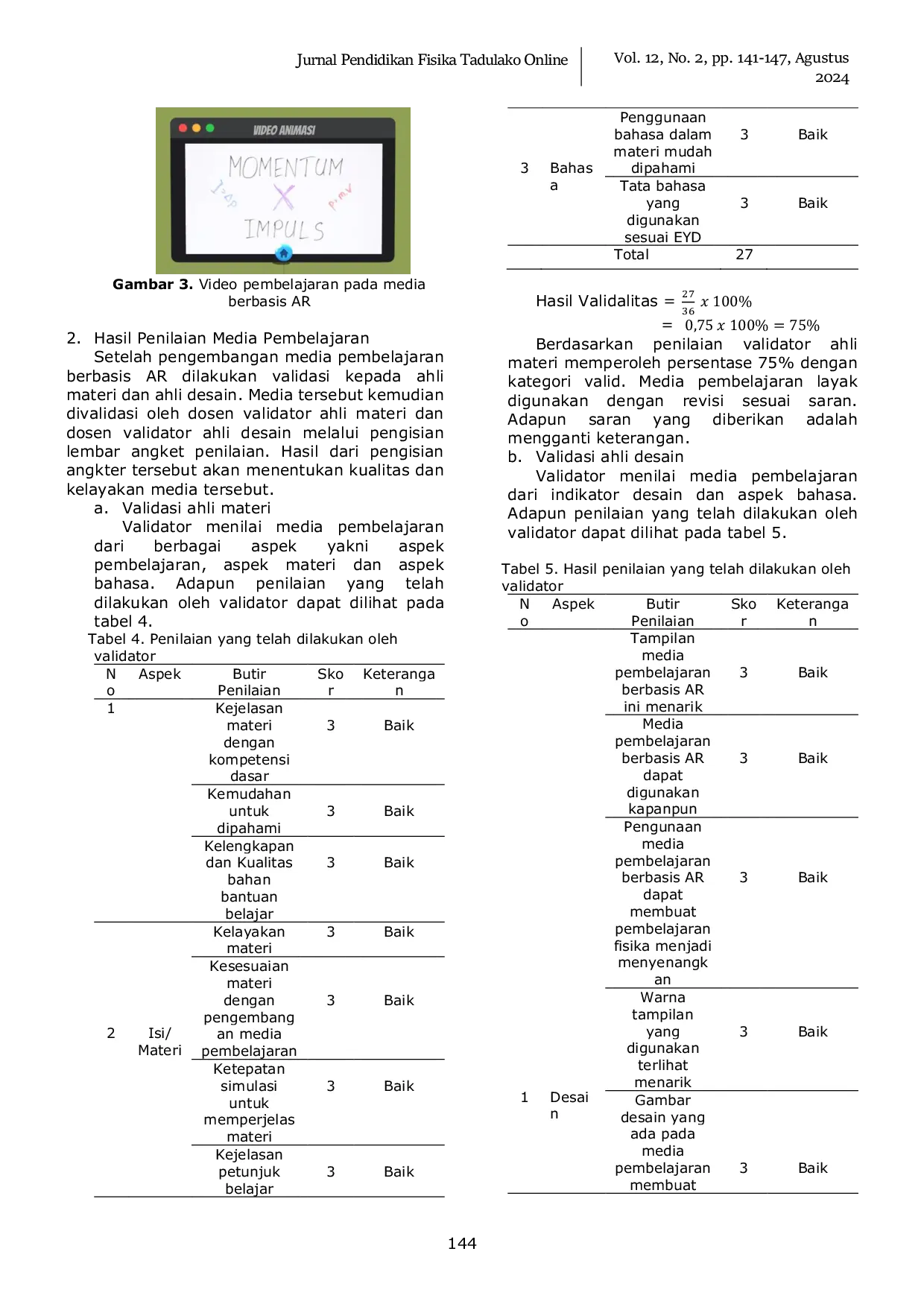
JURNALFKIPUNTADJURNALFKIPUNTAD Studi ini merupakan penelitian pengembangan atau Research & Development (R&D) dengan menggunakan model ADDIE (Analysis, Design, Development, Implementation,Studi ini merupakan penelitian pengembangan atau Research & Development (R&D) dengan menggunakan model ADDIE (Analysis, Design, Development, Implementation,

JURNALFKIPUNTADJURNALFKIPUNTAD Populasi penelitian adalah siswa kelas VII SMP Negeri 2 Sigi. Teknik pengambilan sampel yang digunakan dalam penelitian ini adalah purposive sampling denganPopulasi penelitian adalah siswa kelas VII SMP Negeri 2 Sigi. Teknik pengambilan sampel yang digunakan dalam penelitian ini adalah purposive sampling dengan
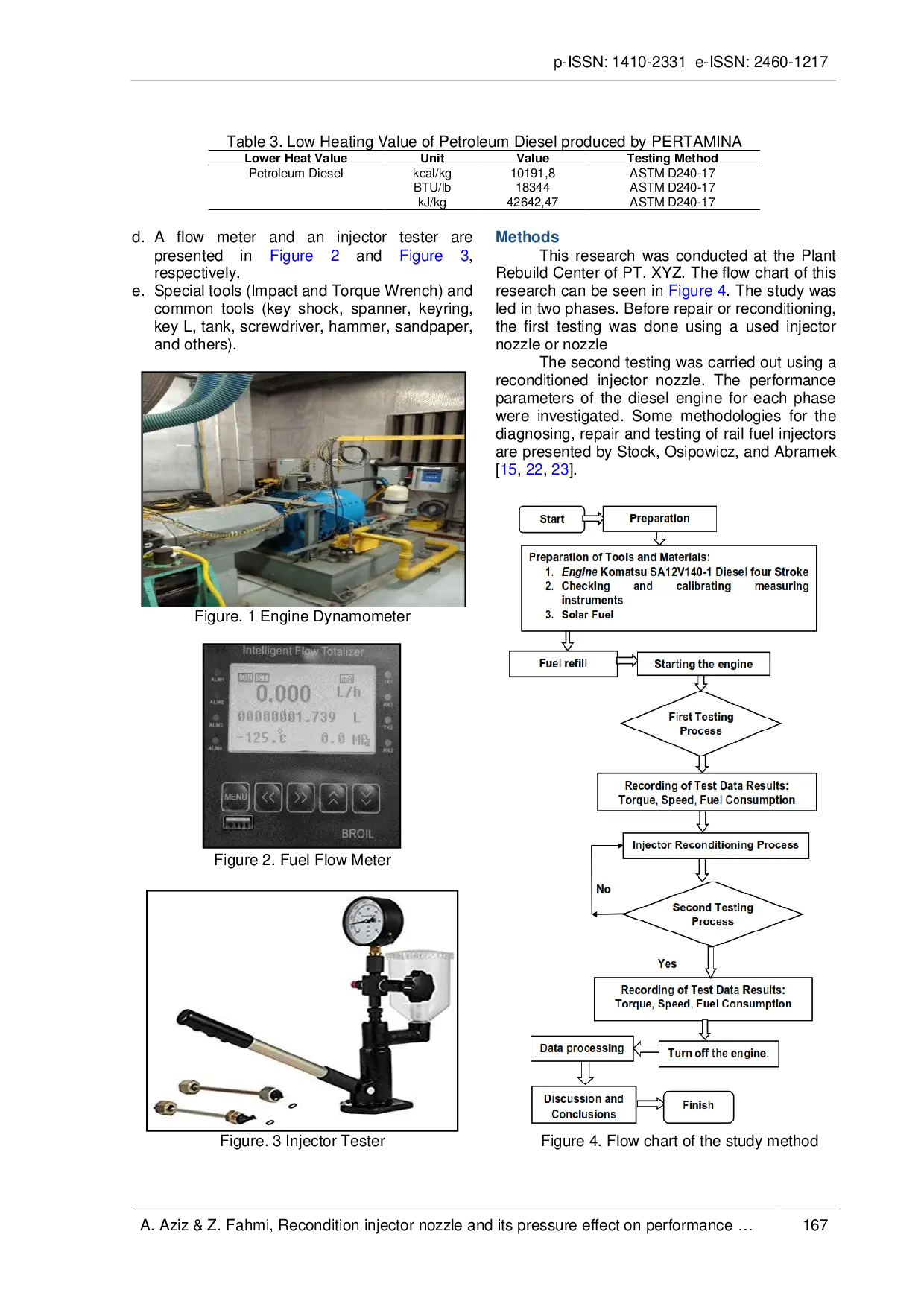
UMBUMB Namun, penggantian nozzle injektor baru memiliki biaya perawatan yang tinggi. Penelitian ini menunjukkan bahwa meningkatkan tekanan injeksi melalui perbaikanNamun, penggantian nozzle injektor baru memiliki biaya perawatan yang tinggi. Penelitian ini menunjukkan bahwa meningkatkan tekanan injeksi melalui perbaikan
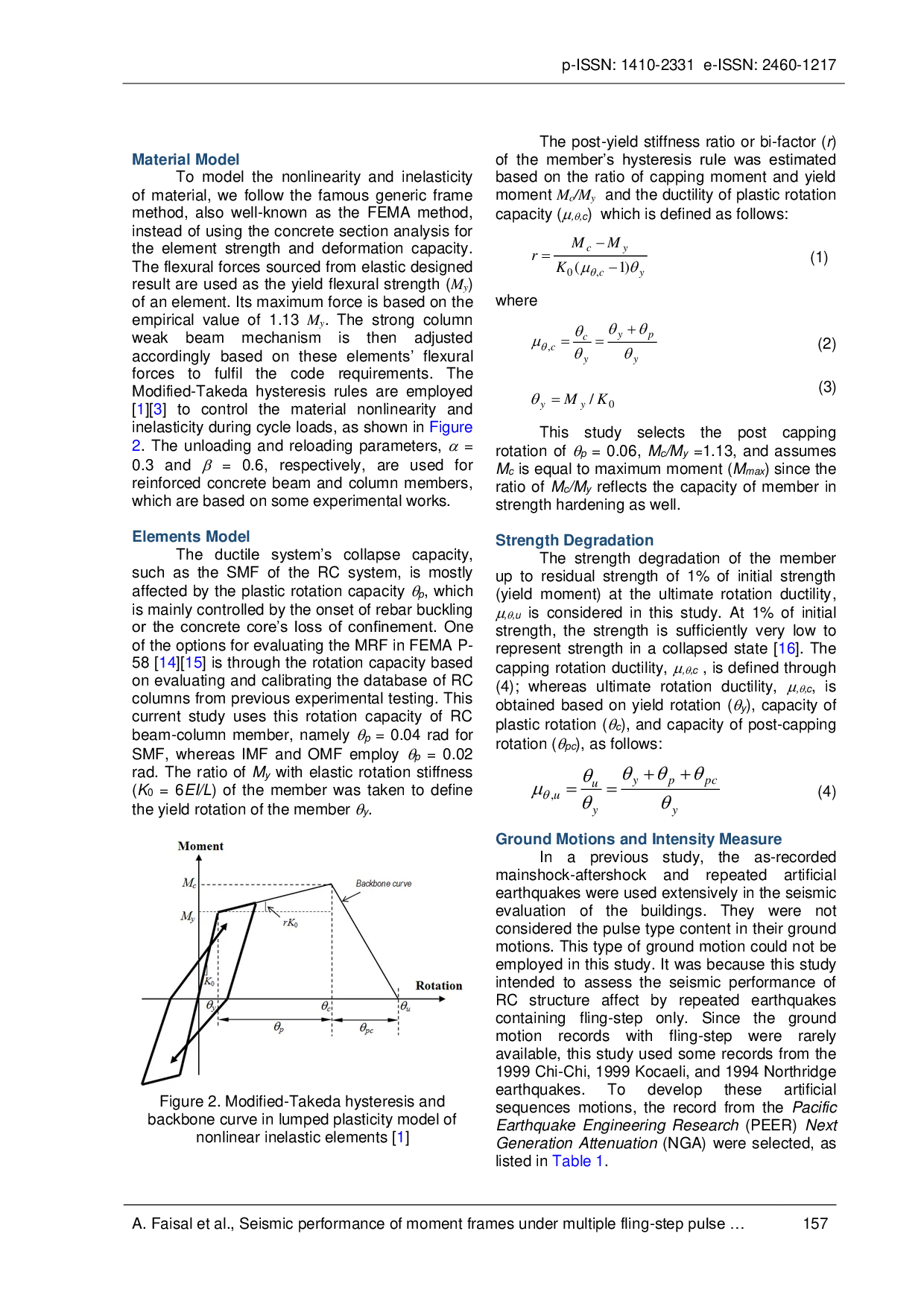
UMBUMB Ribuan analisis sejarah respons inelastik nonlinear dilakukan untuk mengetahui pergeseran antalantai, sebagai parameter permintaan teknik sepanjang analisisRibuan analisis sejarah respons inelastik nonlinear dilakukan untuk mengetahui pergeseran antalantai, sebagai parameter permintaan teknik sepanjang analisis