ENDLESS JOURNALENDLESS JOURNAL
ENDLESS: INTERNATIONAL JOURNAL OF FUTURE STUDIESENDLESS: INTERNATIONAL JOURNAL OF FUTURE STUDIESThis study aims to analyze the Indonesian governments strategy in countering radicalism and terrorism by highlighting inter-agency coordination, the effectiveness of counter-radicalization and deradicalization programs, and the influence of social, cultural, and economic factors on policy implementation. Qualitative methods were used through analysis of policy documents, focus group discussions (FGDs), and in-depth interviews with relevant stakeholders. The results indicate that although the government has designed comprehensive policies, coordination across institutions such as the Coordinating Ministry for Political, Legal, and Security Affairs, the National Counterterrorism Agency (BNPT), the Indonesian National Armed Forces (TNI), the Indonesian National Police (Polri), and related ministries still faces structural and communication barriers, resulting in incomplete integration of policies. Social factors such as intolerance, stigma against former perpetrators, and economic inequality also hinder the success of deradicalization programs. This study also emphasizes the crucial role of civil society, religious leaders, and the private sector in strengthening government strategies through economic empowerment, national education, and digital literacy. To increase the effectiveness of counter-radicalization efforts, it is recommended to strengthen multidisciplinary research, develop anti-radicalization education curricula, implement integrated training for officials, and utilize digital technology for early detection and counter-radicalization campaigns. A collaborative and community-based approach is key to the success of a sustainable and adaptive strategy that adapts to Indonesias social dynamics.
The Indonesian governments strategy to combat radicalization and terrorism, through the National Action Plan for the Prevention of Extremism (RAN PE), has shown progress in prevention, law enforcement, and international cooperation.However, effective implementation is hampered by weak inter-agency coordination, limited resources, and a lack of adaptation to local socio-cultural contexts.Optimizing the role of the Coordinating Ministry for Political, Legal, and Security Affairs, strengthening communication systems, and actively engaging the public and private sector are crucial for a sustainable and effective approach.
Further research should investigate the specific mechanisms through which social media platforms contribute to the spread of radical ideologies in Indonesia, focusing on the effectiveness of current content moderation policies and exploring the potential for collaborative strategies with tech companies. Additionally, a comparative study examining the effectiveness of different deradicalization program models – including those emphasizing economic empowerment, psychosocial support, and religious re-education – across diverse regional contexts within Indonesia is needed to identify best practices and tailor interventions to local needs. Finally, research should explore the role of local wisdom and traditional institutions in fostering resilience against radicalization, examining how these existing social structures can be leveraged to promote tolerance, inclusivity, and community-based counter-narratives, ultimately contributing to a more holistic and sustainable approach to preventing violent extremism. These research avenues will contribute to a deeper understanding of the complex dynamics of radicalization in Indonesia and inform the development of more effective and contextually relevant counter-terrorism strategies, fostering a more secure and harmonious society.
| File size | 389.89 KB |
| Pages | 11 |
| DMCA | Report |
Related /

UMSUMS 1% at very high risk. The study concludes that there is a difference in smartphone addiction tendencies between preschool and primary school children,1% at very high risk. The study concludes that there is a difference in smartphone addiction tendencies between preschool and primary school children,
FAPERTA UNRASFAPERTA UNRAS Studi ini mengkaji perkembangan penelitian analisis statistik multivariat dari tahun 2000 hingga 2025 secara mendalam, mencakup jurnal paling signifikan,Studi ini mengkaji perkembangan penelitian analisis statistik multivariat dari tahun 2000 hingga 2025 secara mendalam, mencakup jurnal paling signifikan,
FAPERTA UNRASFAPERTA UNRAS Therefore, this study investigates personality traits, resilience and perceived social support as predictors of quality of life among bereaved young adultsTherefore, this study investigates personality traits, resilience and perceived social support as predictors of quality of life among bereaved young adults
FAPERTA UNRASFAPERTA UNRAS Penelitian ini menunjukkan bahwa psychological distress bukanlah faktor yang selalu menghambat performa psikologis atlet amatir arung jeram, tetapi justruPenelitian ini menunjukkan bahwa psychological distress bukanlah faktor yang selalu menghambat performa psikologis atlet amatir arung jeram, tetapi justru

FAPERTA UNRASFAPERTA UNRAS Meskipun institusi pendidikan telah menghasilkan program yang sesuai dengan kebutuhan pasar kerja, kebijakan pendidikan dan kurikulum belum sejalan denganMeskipun institusi pendidikan telah menghasilkan program yang sesuai dengan kebutuhan pasar kerja, kebijakan pendidikan dan kurikulum belum sejalan dengan
FAPERTA UNRASFAPERTA UNRAS Moreover, fiscal interventions have failed to significantly reduce income inequality due to misallocation of resources and corruption. The study recommendsMoreover, fiscal interventions have failed to significantly reduce income inequality due to misallocation of resources and corruption. The study recommends
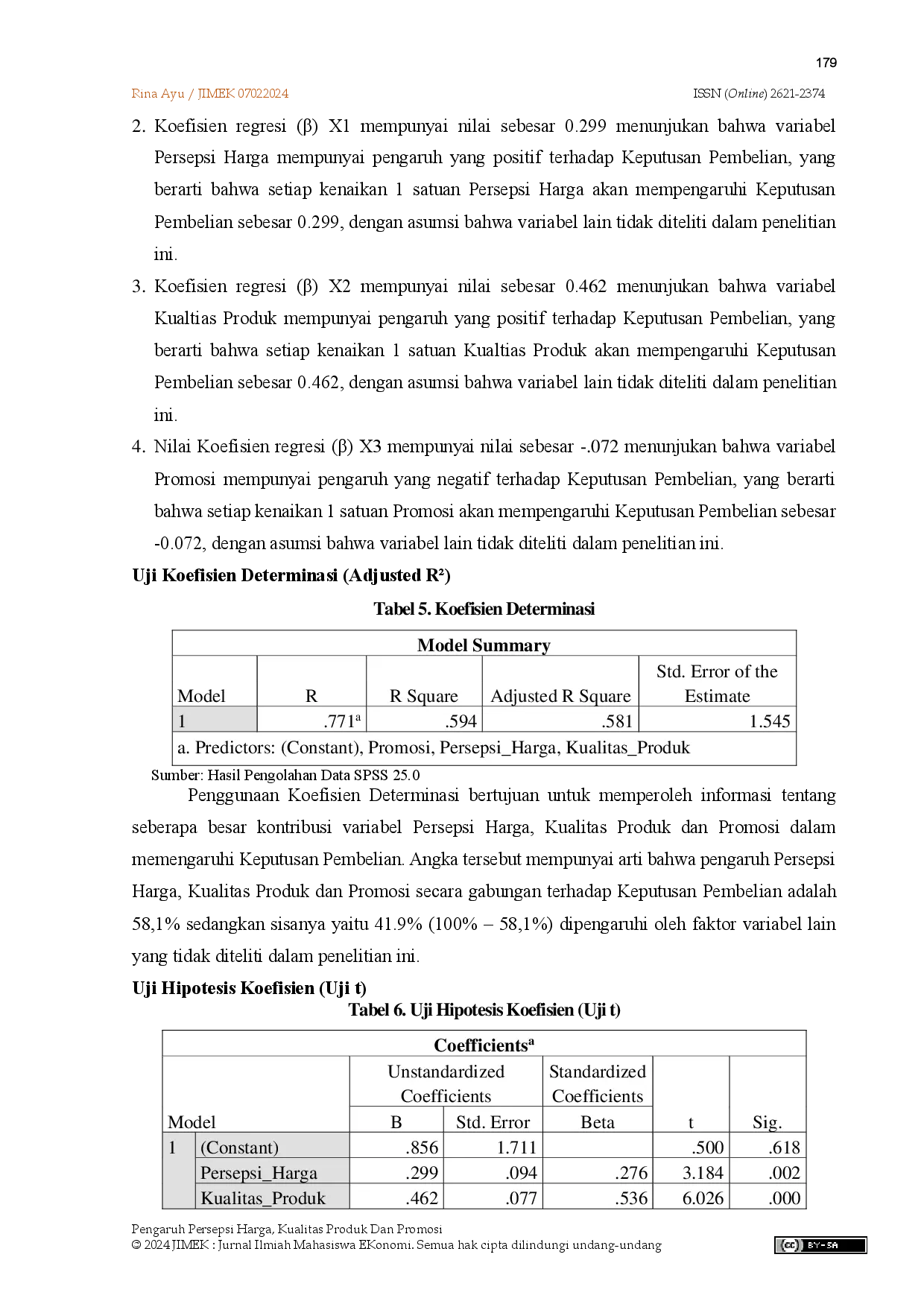
UNIK KEDIRIUNIK KEDIRI Analisis data menggunakan SPSS versi 25 menunjukkan bahwa Persepsi Harga dan Kualitas Produk berpengaruh signifikan terhadap Keputusan Pembelian, sementaraAnalisis data menggunakan SPSS versi 25 menunjukkan bahwa Persepsi Harga dan Kualitas Produk berpengaruh signifikan terhadap Keputusan Pembelian, sementara

UNUBLITARUNUBLITAR Penelitian ini bertujuan untuk mengidentifikasi faktor-faktor yang menyebabkan agresivitas pada siswa kelas II di MI Hidayatullah Kota Blitar. PenelitianPenelitian ini bertujuan untuk mengidentifikasi faktor-faktor yang menyebabkan agresivitas pada siswa kelas II di MI Hidayatullah Kota Blitar. Penelitian
Useful /

UIIDALWAUIIDALWA Kedua, Bagaimana pandangan Islam terhadap kode etik profesi hakim Indonesia. Adapun tujuan penelitian ini adalah untuk memberikan penjelasan, analisa danKedua, Bagaimana pandangan Islam terhadap kode etik profesi hakim Indonesia. Adapun tujuan penelitian ini adalah untuk memberikan penjelasan, analisa dan

UIIDALWAUIIDALWA Adat Bhan-Ghiban merupakan pemberian seserahan sebelum akad nikah, namun menarik kembali seserahan tersebut dilarang oleh syariat Islam. Analisis penelitianAdat Bhan-Ghiban merupakan pemberian seserahan sebelum akad nikah, namun menarik kembali seserahan tersebut dilarang oleh syariat Islam. Analisis penelitian

STAIDENPASARSTAIDENPASAR Berdasarkan telaah normatif ayat-ayat Al-Quran, diperoleh hasil kajian bahwa peran produksi dalam perekonomian perspektif Al-Quran adalah sebagai ungkapanBerdasarkan telaah normatif ayat-ayat Al-Quran, diperoleh hasil kajian bahwa peran produksi dalam perekonomian perspektif Al-Quran adalah sebagai ungkapan
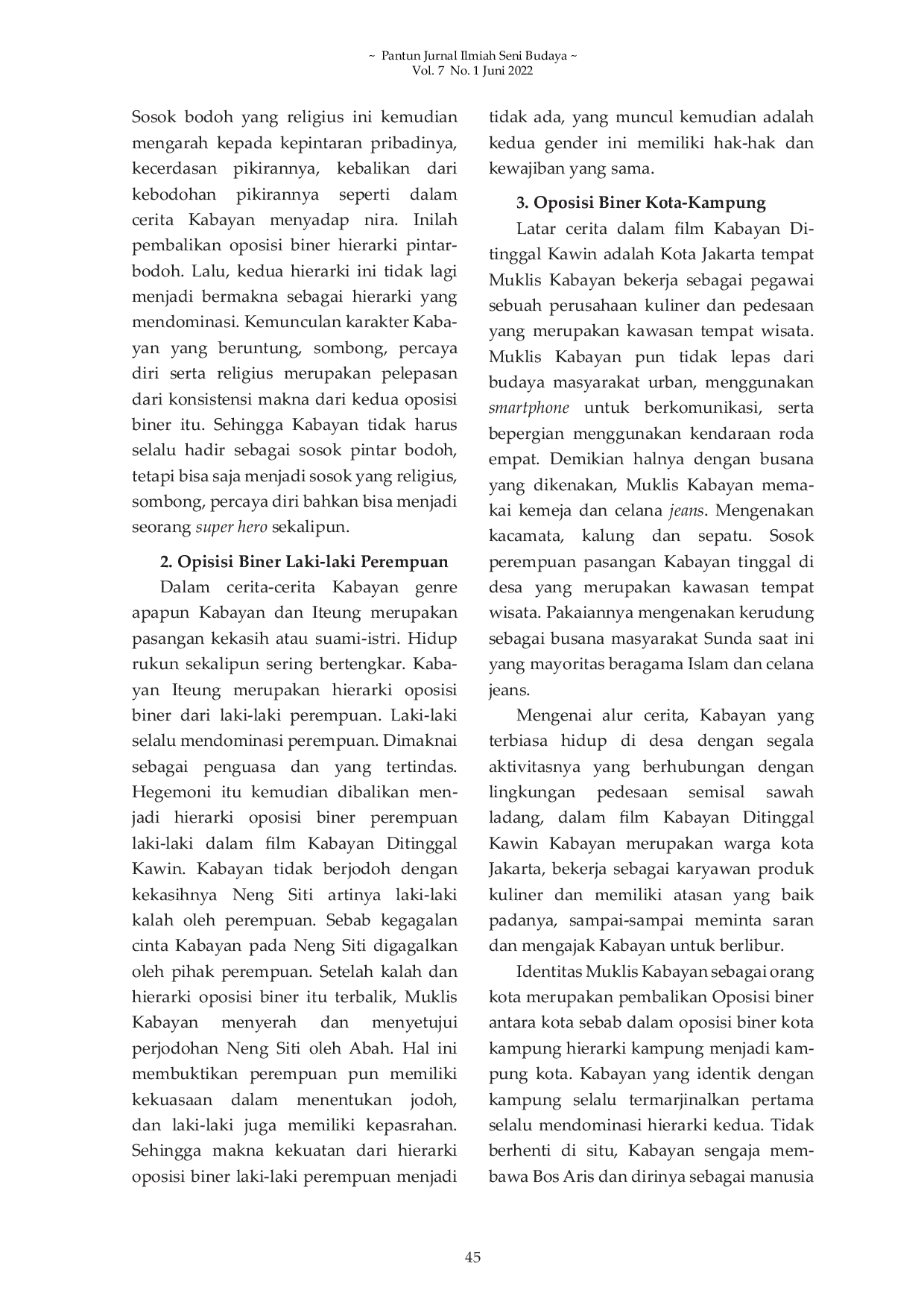
169169 Begitu juga dengan kepandirannya telah bergeser pada jiwa yang memiliki nilai religius sebagai sisi lain dari tokoh Si Kabayan dalam cerita asalnya. MelaluiBegitu juga dengan kepandirannya telah bergeser pada jiwa yang memiliki nilai religius sebagai sisi lain dari tokoh Si Kabayan dalam cerita asalnya. Melalui